Garden Blog - Top Tropicals

Date: 23 Nov 2025

How to overwinter the tropical Bird of Paradise
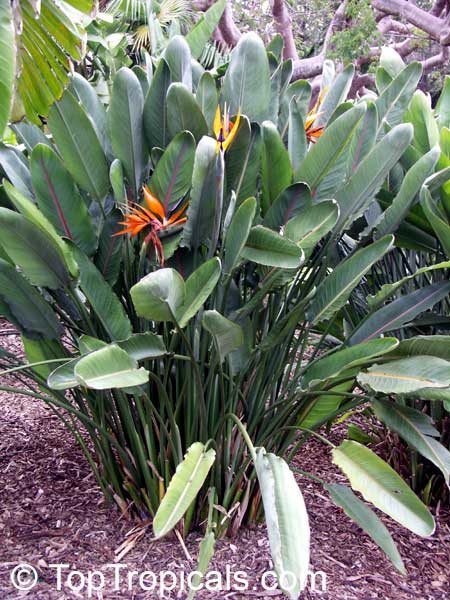
Strelitzia reginae - the Bird of Paradise, bug plant
Strelitzia reginae - the Bird of Paradise, bug plant

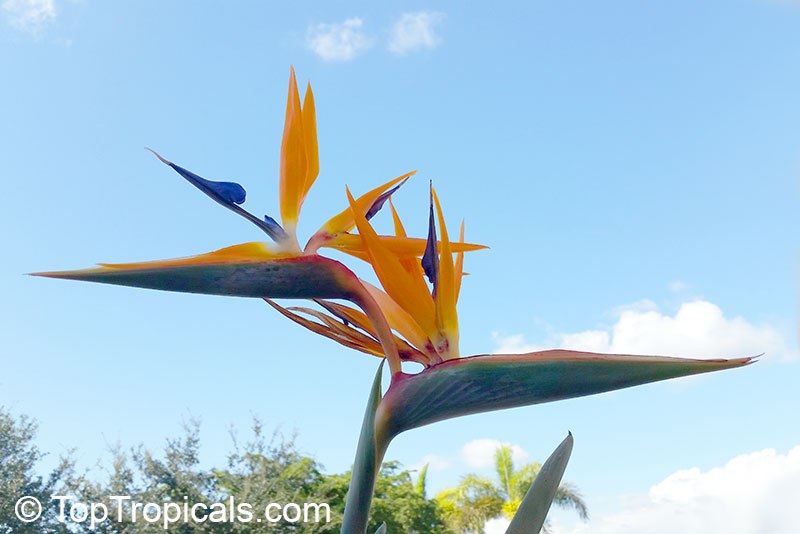
Strelitzia reginae - the Bird of Paradise, flower

Strelitzia reginae - the Bird of Paradise, flower

❄️ How to overwinter the tropical Bird of Paradise

  • Strelitzia reginae - the Bird of Paradise is a resilient tropical that can adapt to indoor conditions through winter if given bright light, moderate warmth, and careful watering. With a few preventive steps and timely protection, plants will stay healthy and reward you with vigorous new growth and blooms when warmth returns.
  • When should you move plants indoors?


    Move Bird of Paradise indoors before nighttime temperatures consistently drop below 55F. Extended exposure to cooler air can slow growth and stress the plant. In central and south Florida, this often means late fall; in cooler zones, aim for early to mid-October. Once temperatures fall below 50F, leaf damage and root stress can occur.
  • What is the right location for a Bird of Paradise in winter, and why?


    Place the plant in the brightest spot available - ideally near a south- or west-facing window. Strelitzia reginae is light-hungry even during dormancy. Low light leads to leaf yellowing, weak petioles, and slowed recovery in spring. If natural light is limited, supplement with a full-spectrum grow light set 12-18 inches above the foliage for 12-14 hours daily. Maintain room temperatures between 65F and 75F.
  • Do you need to do anything before moving them indoors?


    Inspect the plant for pests such as mealybugs, scale, and spider mites, which often hide in leaf bases. Rinse the leaves and petioles thoroughly and check the soil surface for insects or snails. Prune off any damaged or aging leaves. If the plant has spent the summer in heavy rain, allow the soil to dry slightly before bringing it indoors to avoid fungus gnats or root issues.
  • Do plants need watering or feeding during winter?


    Reduce watering. Indoors, the Bird of Paradise grows slowly in lower light, and excess moisture can cause root rot. Let the top 1-2 inches of soil dry before watering again. Avoid fertilizing during winter rest; resume feeding in spring when new growth appears. If the air indoors is very dry, increase humidity with a pebble tray or humidifier rather than overwatering.
  • Can you overwinter Birds of Paradise outdoors?


    In frost-free areas of Florida (USDA zones 10-11), they can remain outdoors year-round. In zone 9, occasional cold snaps require protection. Mature clumps tolerate brief dips to about 30°F, but foliage burns easily at low temperatures.
  • What tips do you have for protecting plants outdoors?


    When frost threatens, water the soil thoroughly a day before - moist soil retains heat better than dry. Cover the plant overnight with frost cloth or breathable fabric, not plastic, to trap ground warmth. For large clumps, wrap the base with mulch or straw to protect rhizomes. After cold events, remove damaged leaves but wait until spring to cut deeply, as live tissue below may still recover.


📚 Learn more:


How to grow Bird of Paradise

🛒 Plant Bird of Paradise

#How_to #Container_Garden

🟢 Join 👉 TopTropicals

Date: 24 Nov 2025

One fruit on this tray always stumps people

Tropical fruit on a tray

One fruit on this tray always stumps people

  • 🍉 Another day, another fruit tray from the garden! Even at the end of November, something is always ripening here in Florida. This tray turned out especially fun - a mix of familiar fruits and a couple that always make people guess twice!
  • 🍉 Today’s harvest includes: sweet Persimmons, Star fruit, a few different dragon fruits: yellow Palora and white with red skin - this is Seoul Kitchen. There's also Cocoplum, which makes great drinks. And - ta-da! - the little showstopper of the day: Curly Locks Orchid Cactus fruit (Epiphyllum guatemalense Monstrosa). It looks wild, but it's edible and tastes like a tiny dragon fruit.
  • 🍉 If you live in Florida or any warm climate, growing your own fruit is one of the best gifts you can give yourself. Tropical fruit trees are generous plants - they don’t wait for a season, they give you something month after month. Some days it’s a handful, some days it’s a whole tray, but there’s always a fresh treat waiting. Once you start growing your own food, you realize how easy and rewarding it is to fill your garden with flavor.
  • 🍉 Every tray has a new surprise. Come along and see what the garden gives us next!


🛒 Explore rare tropical fruit

📚 Learn more:
#Food_Forest #Discover

🟢 Join 👉 TopTropicals

Date: 24 Nov 2025

The Tropical Cat

Google the Cat

Google the Cat

💐 The Tropical Cat


"Man is what he believes." - Anton Chekhov

🐈📸 Google the Cat with tropical flowers he grows at TopTropicals PeopleCats.Garden

#PeopleCats #Quotes

🟢 Join 👉 TopTropicals

Date: 26 Nov 2025

Ackee skillet scramble: quick-n-fun exotic recipes

Ackee skillet scramble

Ackee skillet scramble

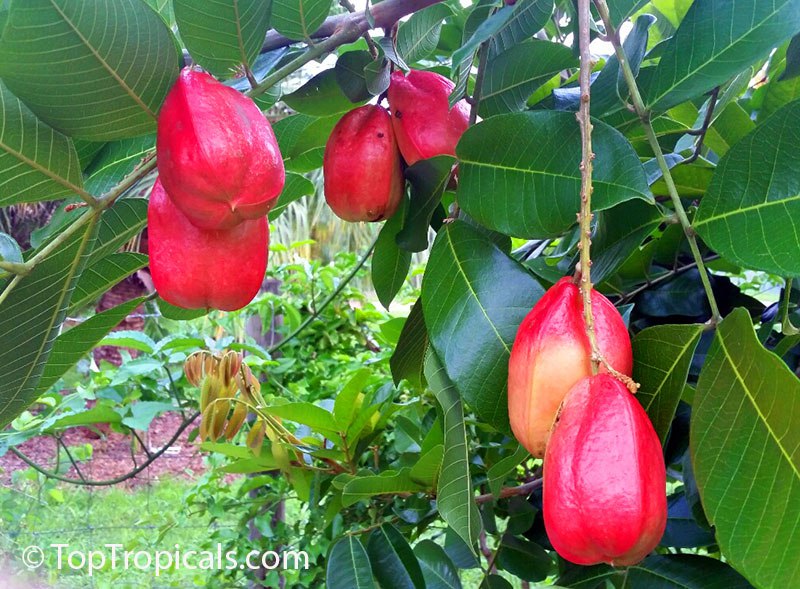
Akee (Ackee) tree (Blighia sapida), fruit on a tree

Akee (Ackee) tree (Blighia sapida), fruit on a tree

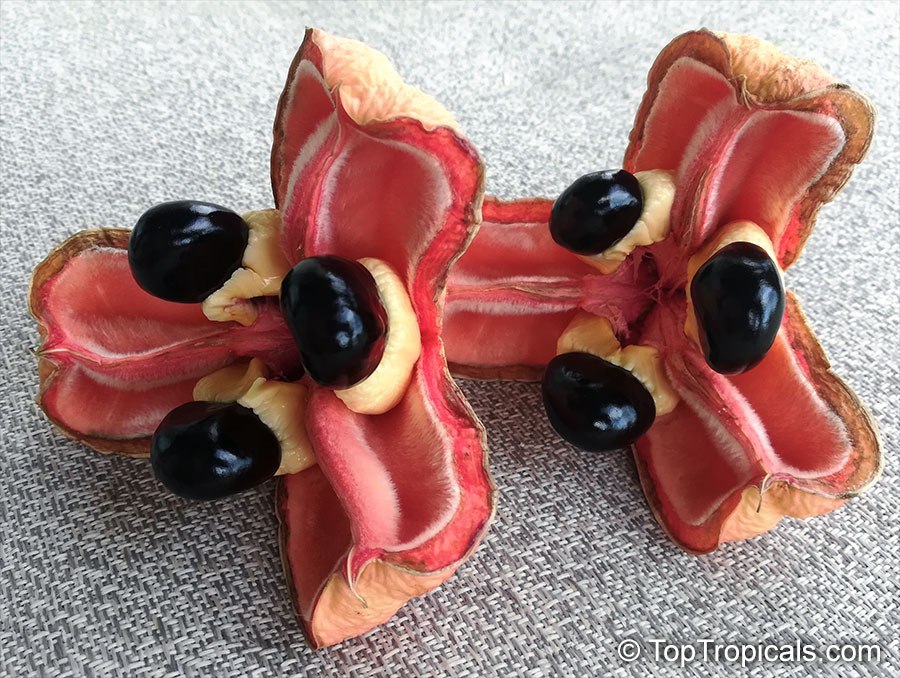
Akee (Ackee) tree (Blighia sapida), fruit close up

Akee (Ackee) tree (Blighia sapida), fruit close up

🍴 Ackee skillet scramble: quick-n-fun exotic recipes

  • 🔴Boil ripe, naturally opened Ackee pieces for a few minutes until tender, then drain well.
  • 🔴Saute chopped onion and a few tomato bits in a little oil until soft.
  • 🔴Add cooked salted cod (or skip it) and gently fold in the cooked ackee.
  • 🔴Warm it through on low heat and serve as a soft, creamy tropical scramble.

Ackee Skillet Scramble

Ingredients

  • Ripe ackee pieces (naturally opened)
  • Chopped onion
  • Tomato bits
  • Oil for sauteing
  • Cooked salted cod (optional)

Instructions

  1. Boil ripe ackee pieces for a few minutes until tender, then drain well.
  2. Saute chopped onion and tomato bits in a little oil until soft.
  3. Add cooked salted cod if using.
  4. Gently fold in the cooked ackee.
  5. Warm through on low heat and serve as a soft tropical scramble.

🛒 Plant Ackee tree and harvest fruit you can't get from the store!

📚 Learn more:


📱 What is Akee - Jamaica's National Fruit - and how to grow it
📱 How to cook perfect Akee?

#Food_Forest #Recipes

🟢 Join 👉 TopTropicals

Date: 19 Nov 2025

5 fruits that help manage gout (high uric acid)

5 fruits that help manage gout

5 fruits that help manage gout

🍒 5 fruits that help manage gout (high uric acid)


💥 High uric acid, hyperuricemia, also called gout, causes painful swelling in joints and can affect kidney health over time. Medicine helps, but so does what you grow and eat. Some fruits can naturally flush out excess uric acid and reduce inflammation. Here are five easy fruit trees and plants that can help:

🍋 Citrus


Citrus trees are great to grow in pots or sunny yards. Lemons and oranges are rich in vitamin C, which helps kidneys remove uric acid and keeps the body’s pH balanced. A glass of lemon water in the morning or a fresh orange during the day can help. Studies in Science Direct show lemon juice lowers uric acid levels in the blood.

Berries (mulberries, blackberries, blueberries, strawberries)


Berries are packed with antioxidants that fight inflammation and support kidney health. Mulberry trees are perennial trees and bushes that produce berries year after year. They grow well in both temperate and warm areas, and are an easy choice for all backyard gardeners. Mulberry high water content helps flush out toxins. Research from the National Institute of Health shows berries rich in polyphenols can lower uric acid naturally.

🍒 Cherries


Cherries are one of the best fruits for gout. They’re rich in anthocyanins, compounds that reduce inflammation and uric acid levels. National Institute of Health studies have found regular cherry intake helps lower gout attacks. Dwarf cherry trees can grow in large pots if space is limited.

🍌 Bananas


Bananas are rich in potassium, which helps the kidneys remove uric acid more efficiently, according to PubMed central. They’re also low in purines, the compounds that form uric acid. Dwarf banana varieties grow well in containers and add a tropical look while supporting healthy digestion and uric acid balance.

🍍 Pineapple


Pineapple contains bromelain, a natural enzyme that eases swelling and pain caused by gout. It’s also refreshing and supports kidney function. Studies by global health science group show pineapple juice can help reduce inflammation and uric acid. It’s easy to grow in a pot or sunny garden bed.

These fruits won’t replace medicine, but they can support your body’s natural detox system. Grow them, eat them fresh, and enjoy both their flavor and health benefits.

🛒 Explore Fruit trees and grow your own natural remedies

📚
Learn more:
#Food_Forest #Mango #Remedies #Discover

🟢 Join 👉 TopTropicals