Garden Blog - Top Tropicals

Date: 9 Jan 2026

Moringa leaves made simple - daily benefits and 6 easy recipes

Moringa oleifera leaves and flowers
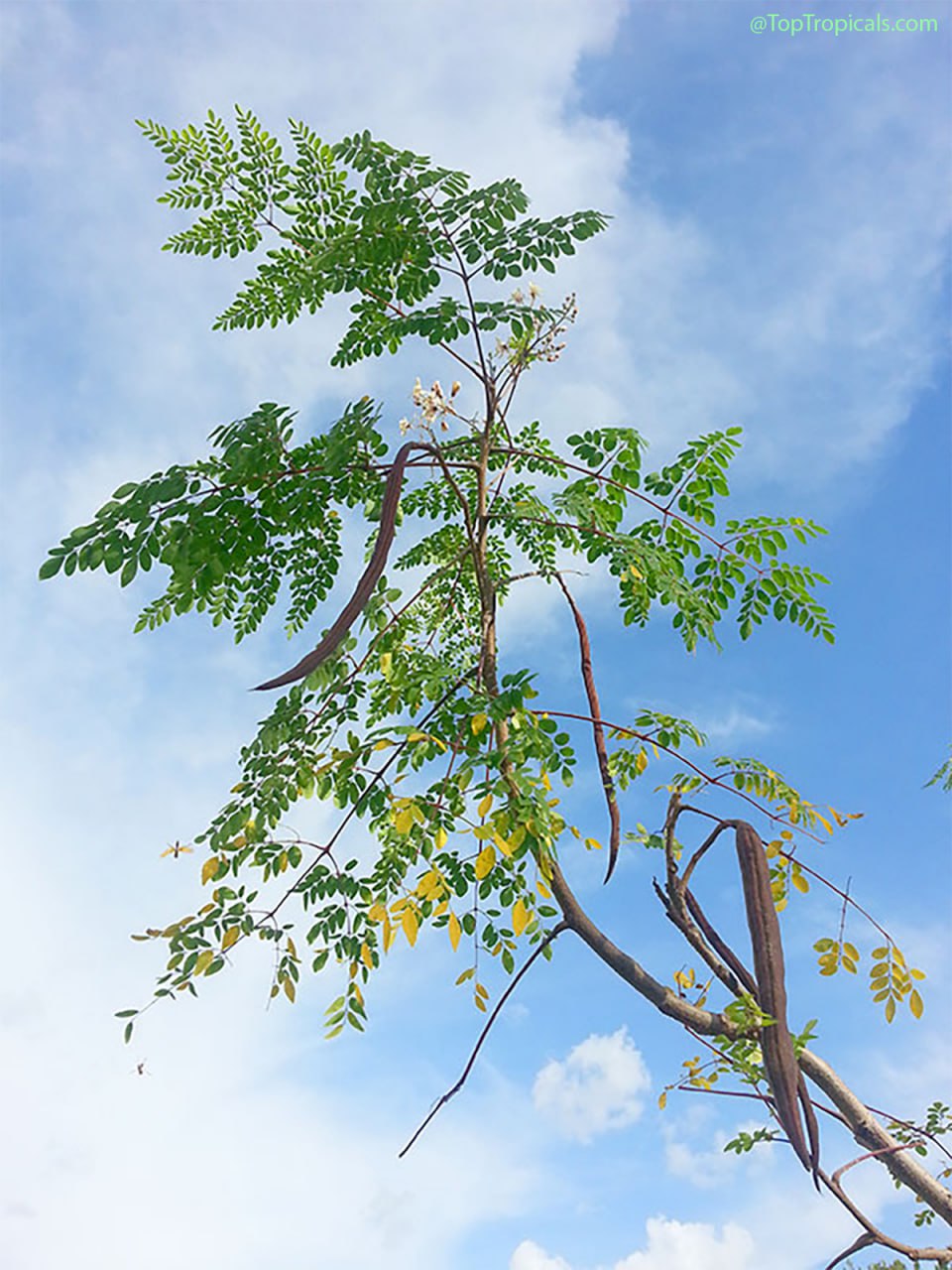
Moringa oleifera leaves and flowers

Moringa oleifera leaves on a branch

Moringa oleifera leaves on a branch

🌳 Moringa leaves made simple - daily benefits and 6 easy recipes


Moringa tree is called the Tree of Life for a reason. Moringa leaves, often called miracle greens, are packed with vitamins A, C, and E, calcium, iron, potassium, and plant protein. Regular use supports immunity, digestion, skin health, energy levels, and overall vitality. Traditionally, moringa has also been used to support blood sugar balance, heart health, and inflammation control thanks to its rich supply of antioxidants and bioactive compounds like flavonoids and polyphenols.

❤️ Key benefits of eating moringa leaves daily:


🌿 Supports blood sugar balance


Moringa may improve insulin sensitivity and help stabilize blood sugar, reducing sudden energy crashes. Regular intake has been linked to better glycemic control and reduced inflammation.

🌿 Improves digestion


High fiber supports gut health, while natural detoxifying compounds help liver function. Moringa may also promote healthy gut bacteria and improve digestion regularity.

🌿 Fights inflammation


Moringa leaves contain compounds that help reduce inflammatory markers in the body, supporting joint, heart, and overall cellular health.

6 easy moringa recipes to try


🌿 Moringa laddoo


Roast whole wheat flour in ghee, add fresh moringa leaves, jaggery, nuts, sesame seeds, and cardamom. Shape into laddoos and store airtight.

🌿 Moringa smoothie


Blend fresh moringa leaves, banana, curd, honey, and water. Top with soaked chia seeds and drink fresh.

🌿 Moringa dal


Cook toor dal with turmeric. Saute moringa leaves, onion, tomato, garlic, and chilies in ghee, mix into dal, and finish with cumin and asafoetida tempering.

🌿 Moringa paratha


Knead wheat flour with moringa leaves, onion, spices, and salt. Roll and cook on a hot tawa with oil or ghee.

🌿 Moringa chutney


Grind moringa leaves with coconut, green chilies, ginger, lemon juice, and salt. Serve fresh.

🌿 Moringa tea


Simmer fresh or dried moringa leaves in water for a few minutes, strain, and enjoy warm with honey or lemon if desired.

🛒 Grow your own Tree of Life - Moringa

📚 Learn more:

Horseradish tree Plant Facts

Botanical name: Moringa oleifera, Moringa pterygosperma
Also known as: Horseradish tree, Ben Oil Tree, Coatli, Drumstick tree, Bridal veil, Miracle Tree
USDA Zone: 9 - 11
Highligths Plant used for bonsaiLarge tree taller than 20 ftSmall tree 10-20 ftFull sunWatering: Moderate. Water when top soil feels dryWhite, off-white flowersEdible plantPlant attracts butterflies, hummingbirdsDeciduous plantEthnomedical plant.
Plants marked as ethnomedical and/or described as medicinal, are not offered as medicine but rather as ornamentals or plant collectibles.
Ethnomedical statements / products have not been evaluated by the FDA and are not intended to diagnose, treat, cure, or prevent any disease. We urge all customers to consult a physician before using any supplements, herbals or medicines advertised here or elsewhere.Fragrant plantSubtropical plant. Mature plant cold hardy at least to 30s F for a short time
Get personalized tips for your region

· Moringa oleifera in Plant Encyclopedia
· Moringa omelet recipe
· Moringa vs spinach: which one wins for nutrition?
· What edible plants and herbs can reduce your blood pressure
· Top 12 Eye-Supporting Fruit and Plants for Vitamin A - Retinol
· Memory & Cognitive Support (Brain Boosters) Edible Plants and Herbs
· How to grow drumsticks on a tree
· What is the most useful tree in the world?
· How to grow a happy Moringa Tree

#Food_Forest #Remedies #Discover #Trees #Recipes

🟢 Join 👉 TopTropicals

Date: 2 Jan 2026

Why white-flesh Dragon fruits deserve more attention?

White Dragon fruit varieties (Hylocereus undatus)

🏆 Why white-flesh Dragon fruits deserve more attention?


✔️ Fast growers, heavy producers.


White-fleshed Dragon fruits are often overlooked, but they are the real workhorses of the Pitaya world. These varieties tend to be more vigorous, faster growing, and less demanding than red-fleshed types. They establish quickly, handle a wider range of conditions, and are usually heavier producers.

✔️ Juicy, light, and refreshing.


Flavor-wise, white-flesh types are milder and juicier, with higher water content and lower sugar. That makes them refreshing, hydrating, and a good choice for people watching sugar intake. Because they set fruit more reliably and produce larger crops, white-fleshed dragon fruits are often the best option for beginners and for anyone who wants dependable harvests without fuss.

✔️ The sweetest of them all.


Yellow-skinned dragon fruit with white flesh takes things one step further. While the plant itself is a bit slower and more selective, the fruit is the sweetest and most flavorful of all dragon fruits, often described as honeyed or tropical with pineapple notes.

✍️ The best white-fleshed Dragon fruit varieties:


🔴 ⚪️ Red skin, white flesh (Hylocereus undatus): the most common and productive group. These plants are vigorous, fast-growing, and known for large fruit size. Flavor is mildly sweet and very refreshing, often compared to kiwi or pear. Excellent choice for heavy production and easy care.
Varieties: David Bowie, Delight, Hana, Lake Atitlan, Seoul Kitchen, Vietnamese Jaina, Hana

🟡⚪️ Yellow skin, white flesh (Hylocereus, or Selenicereus megalanthus) - Smaller fruit but unmatched sweetness. Crisp, juicy flesh with honey, pineapple, or tropical notes. Less productive than red-skin whites, but prized for flavor above all else.
Varieties: Amarilla (Kirin), Colimbiana, Godlen Dragon, Palora, Thai Gold (Hawaiian)

Quick Takeaway:

⚪️ White-flesh reds = most vigorous, most productive, easiest to grow
🟡 Yellow with white flesh = sweetest and most flavorful
🔴 Red-flesh types = richer flavor but usually slower and less productive

🛒 Explore and collect Dragon Fruit varieties

📚 Learn more:

Pitaya Plant Facts

Botanical name: Hylocereus sp.
Also known as: Pitaya, Pitahaya, Dragon Fruit, Strawberry Pear
USDA Zone: 9 - 11
Highligths Large shrub 5-10 ft tallVine or creeper plantSemi-shadeFull sunWatering: Moderate. Water when top soil feels dryWhite, off-white flowersThorny or spinyEdible plantSubtropical plant. Mature plant cold hardy at least to 30s F for a short timeSeaside, salt tolerant plant
Get personalized tips for your region

· More about Dragon fruit plant from Plant Encyclopedia
· A Quick Guide to Dragon fruit varieties: Red, White, Yellow, Purple and more...
· What is the best Dragon fruit with red flesh?
· Planting your own Dragon Fruit plantation
· Do-It-Yourself Support Structure for Dragon Fruit
· Why you need to grow your own dragon fruit
· Do red, white and yellow Dragon fruit taste differently?

📱 How to grow Dragon Fruit
📱
📱

#Food_Forest #Dragon_Fruit #Discover

🟢 Join 👉 TopTropicals

Date: 19 Dec 2025

Eight best winter blooming trees

💐 Eight best winter blooming trees


🛒 Explore Winter bloomers

#Trees #Discover

🟢 Join 👉 TopTropicals

Date: 19 Dec 2025

Ten best shrubs for winter colors

💐 Ten best shrubs for winter colors


🛒 Explore Winter bloomers

#Hedges_with_benefits #Discover

🟢 Join 👉 TopTropicals

Date: 19 Dec 2025

13 festive shrubs with bright flowers that bring color to your Winter Garden when everything else is dormant

13 festive shrubs for Winter Garden

13 festive shrubs for Winter Garden

💐 13 festive shrubs with bright flowers that bring color to your Winter Garden when everything else is dormant


Southern Living points to colorful berries as winter garden standbys. Tropical plants take it a step further, filling the cool season with real flowers, not just fruit. From vivid reds to electric blues, these plants prove winter does not have to be dull.

🌈 1. Gloxinia sylvatica - Bolivian Sunset


This plant waits for cool weather, then suddenly lights up the shade with fire-red blooms. Flowers appear almost overnight and continue through fall and winter. It rests in summer, returns in fall, spreads gently, and makes an easy, festive ground cover that is perfect for sharing.
👉 Learn more

🌈 2. Pereskia aculeata - Barbados gooseberry


An unusual vine that surprises in cool weather with delicate, star-shaped blooms followed by tasty fruit. It flowers steadily from fall through winter, adding light, airy color to fences and trellises when most vines are quiet.
👉 Learn more

🌈 3. Mansoa alliacea - garlic vine


Best known for its garlicky scent, this vine really shines in winter. Cooler temperatures bring clusters of lavender-purple flowers that brighten fences and trellises with very little effort.
👉 Learn more

🌈 4. Dombeya wallichii - tropical hydrangea


Large pink pompom blooms hang from bare branches in winter, creating a true holiday look. Lightly fragrant and impossible to miss, it brings hydrangea-style drama to the cool season.
👉 Learn more

🌈 5. Brunfelsia pauciflora Compacta - dwarf yesterday-today-tomorrow


Compact and cheerful, this shrub opens purple flowers that fade to lavender and white. The color shift makes it look like several plants blooming at once, perfect for pots or small garden spaces.
👉 Learn more

🌈 6. Clerodendrums


Long, cascading sprays of white flowers of Clerodendrum minahassae - fountain clerodendrum - spill from the plant during the cooler months. It brightens shaded areas and adds movement when the garden slows down. Most clerodendrums bloom through Winter!
👉 Learn more

🌈 7. Tibouchina multiflora - glory bush


Soft, fuzzy purple blooms cover this shrub in winter, backed by velvety leaves that look good year-round. It adds strong color and texture during the cool season.
👉 Learn more

🌈 8. Holmskioldia sanguinea - Chinese hat


Bright red, orange or yellow, hat-shaped bracts surround small flowers and hold their color through the cool months. The shape alone makes this shrub a standout in winter.
👉 Learn more

🌈 9. Barleria cristata - Philippine violet


This tough shrub blooms heavily in winter with rich purple flowers. It delivers dependable color when many plants take a break. There is a golden variety too!
👉 Learn more

🌈 10. Eranthemum pulchellum - blue sage, lead flower


Few plants offer true blue in winter. Electric-blue flower spikes appear in cool weather, adding rare color with minimal care.
👉 Learn more

🌈 11. Petrea volubilis - queen's wreath


In winter, this woody vine erupts into cascading sprays of lavender star-shaped flowers. It creates a wisteria-like effect right when the garden needs it most.
👉 Learn more

🌈 12. Tabebuia varieties - dwarf golden and dwarf pink


These trees save their show for winter, blooming on bare branches. Golden forms glow yellow, while pink varieties cover themselves in soft trumpet-shaped flowers.
👉 Learn more

🌈 13. Bauhinia trees - pink butterfly and Hong Kong orchid trees


Butterfly-shaped blooms open on leafless branches, giving bauhinias their signature winter elegance. The Hong Kong orchid tree stands out with especially large, vivid flowers.
👉 Learn more

🛒 Explore Winter bloomers

📚 Learn more:


8 best flowering trees that will bloom for you in Winter
Ten shrubs you need to have for winter colors
Cassia vs Bauhinia: which is better as an everblooming container tree?

#Hedges_with_benefits #Discover

🟢 Join 👉 TopTropicals