Garden Blog - Top Tropicals

Date: 14 Jul 2018

How to grow a Dragon Fruit

TopTropicals

Q: I want to grow a Dragon Fruit. Should I use cuttings or seed? What varieties do you recommend? How difficult it is to grow? How soon does it start flowering and fruiting?

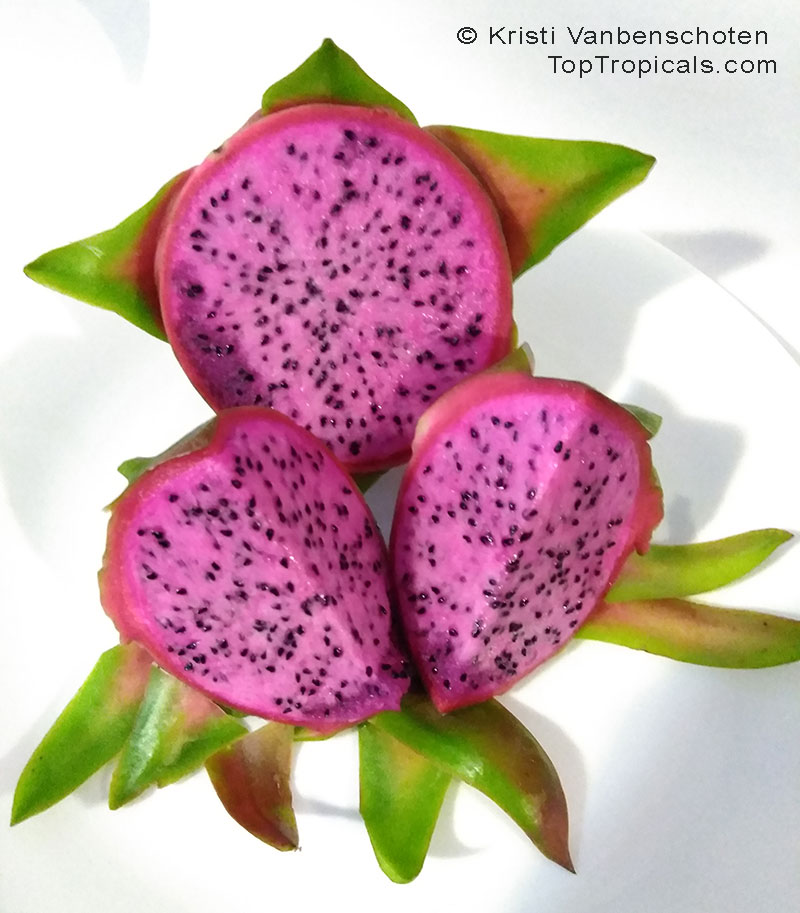
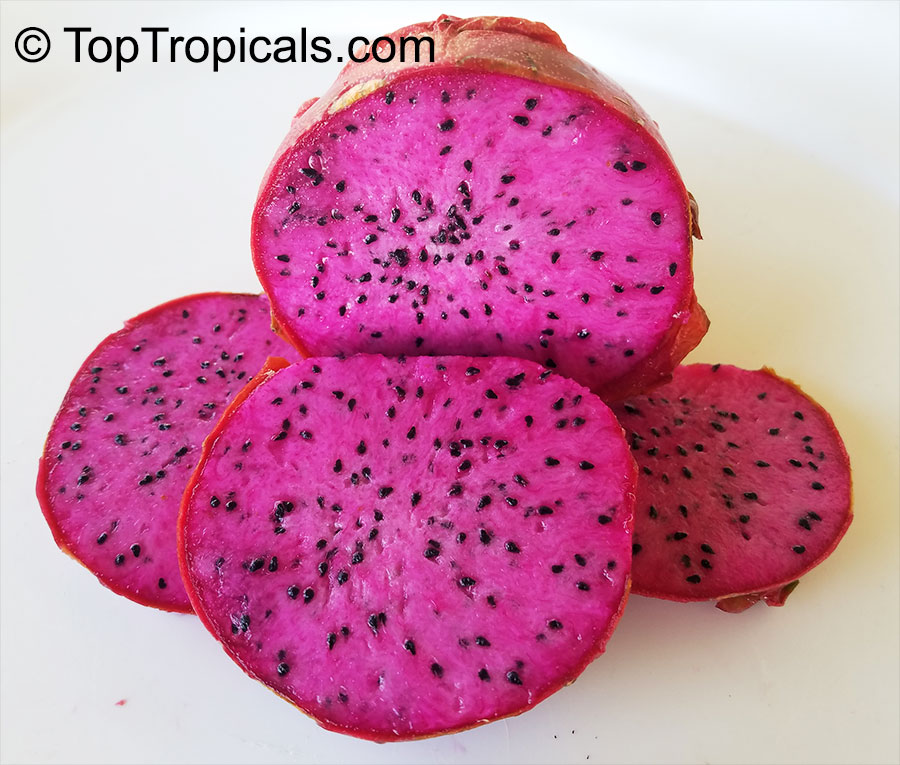
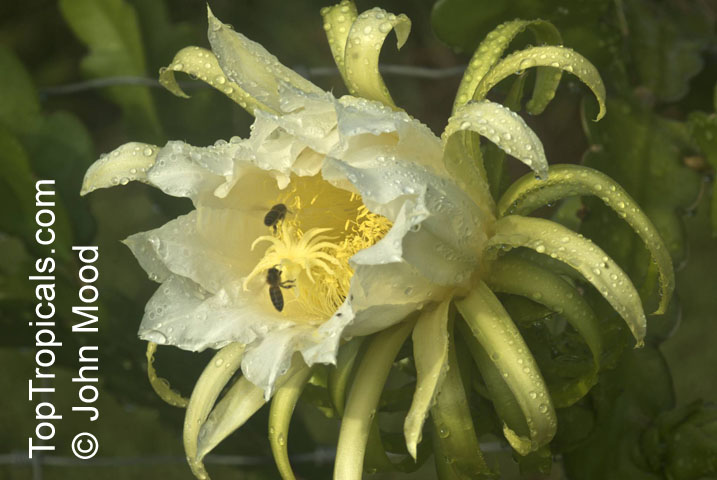
A: Dragon Fruit, or Pitaya is a highly prized, vining, fruit bearing cactus, extremely unusual terrestrial/epiphytic plant. It has magnificent flowers, stunningly beautiful fruit with an intense color, curious shape, and a delicious taste. The night blooming white flowers can be up to 14 inches in length. The fruit is most often eaten chilled and cut in half so the flesh may be spooned out. The juice is used in frozen drinks and it is in a new Tropicana Twister flavor. It is a must have for any collector or gardener with the flair for the unusual.
It takes 2-3 years for seedlings to fruit, besides the variety pay not come true to seed. We grow our plants from cuttings that are easy to root. We offer many selected varieties, most of them self-pollinating. The plants are ready to flower and fruit this year, or the next year.
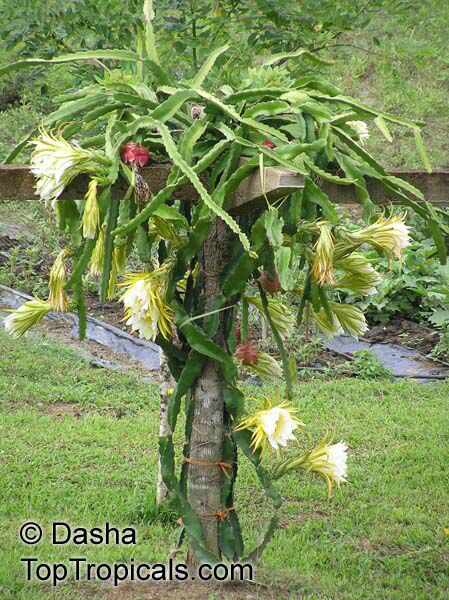
Dragon Fruit Cactus is easy to grow, doesn't need much other than strong support, full sun, well-drained soil - adenium soil mix works great - and fertilizer during hot months, and SUNSHINE-Honey applications for growing sweeter fruit. For larger fruit bud thinning is recommended.

Check out Dragon Fruit varieties

Date: 25 Feb 2021

Healthy Plants: Q&A from Mr Booster

Dragon Fruit Magic Tricks

Q: I purchased two sweet red pitayas, that arrived and were planted on May 28, 2020, they were damaged but not serious. my question is this one pitaya is a beautiful green, and has grown 6or 8 " already, the other is bigger and is a grayish green and has not shown any sign of growth at all in six weeks, how long do I wait before I throw it out and buy another?

A: Being a cactus, sometimes Pitaya slows down its growth waiting for more favorable conditions. If one of your plants doesn't show any new growth, just give a it some more time and make sure the plant stays happy. To make pitaya happy, provide the following:
- Water. Unlike most cacti, Pitaya prefers regular watering (but not a wet soil). Make sure it is planted in well-drained media. Do not water again if soil remains moist, wait until it dries out on the surface. During hot weather, Pitaya enjoys light daily watering.
- Light. Unlike most cacti, Pitaya benefits from a filtered light especially while establishing. Try to create a temporary shade over the plant until it starts active growth (if grown in the ground), or move the pot in filtered light. Dull color or dry spots are signs of sun burn. Once the plant shows new growth, you may remove sun protection, or move the pot gradually into the full sun.
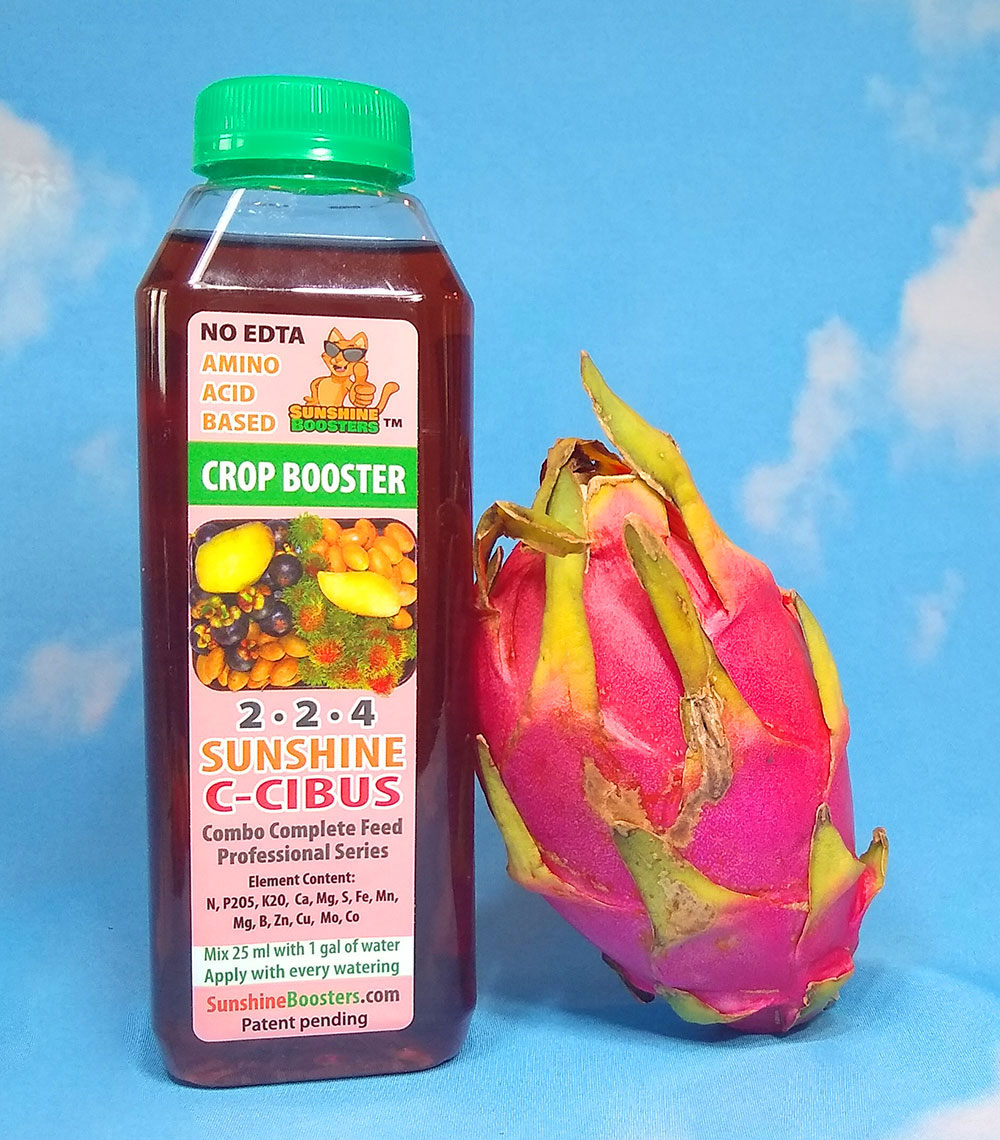
- Food. Pitayas are heavy feeders. Use the following fertilizer:
SUNSHINE C-Cibus - Crop Nutrition Booster

Q: I've been growing dragon fruit cuttings from Okinawa, Thailand and Vietnam for several years in pots and cannot get them to fruit. Any fertilizer suggestions? I live in Northern Virginia so I bring the massive pots in the garage under lights and a heater for the winter but back outside once the temperature warms up.

A: There is a little trick to get Dragon fruit to flowering and fruiting. This plant likes flowering when it is attached to a strong support. In commercial plantations, they use special trellises/frames made out of logs, but you can make one yourself using simple materials.
See article: Do-It-Yourself Support Structure for Dragon Fruit.
And of course, don't forget a special plant food for tropical fruit - Sunshine C-Cibus.
You can successfully get your Dragon fruits to fruit in pots, providing bright light in Summer. In Winter, keep the plants on a dry side to give them some rest and a chance to hibernate before the next fruiting season.

Date: 28 Sep 2025

Guava Tree Plant Care

Tips from Top Tropicals Plant Expert - Tatiana Anderson
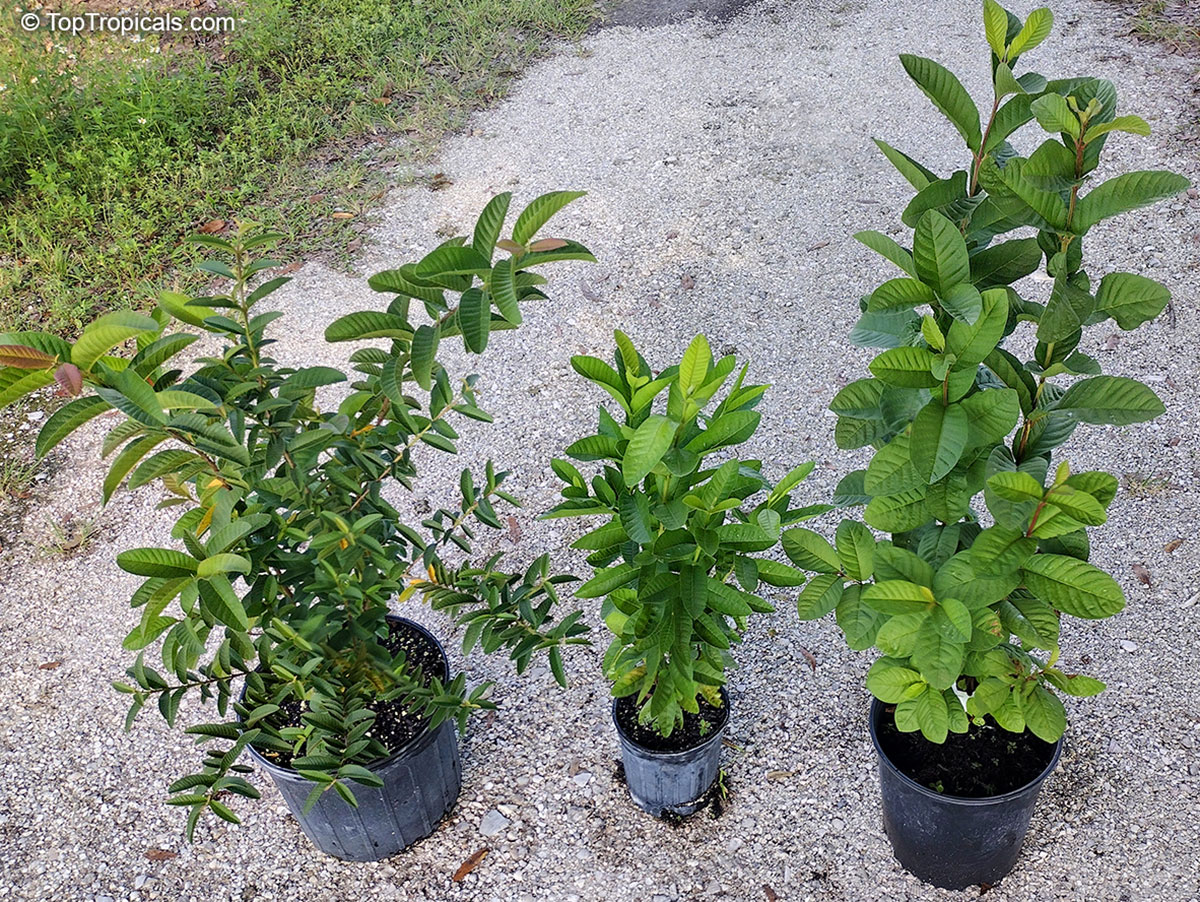
Guava  trees  for  sale  in  3-gallon  nursery  pots,  healthy  young  plants 


with  green 


foliage.

Where to Plant Outdoors

Guavas love full sun — aim for 6–8 hours of direct light. They’re adaptable to many soils but do best in well-drained, organic-enriched mixes. Plant them in a spot where you can water easily; guavas are thirsty trees during fruiting.

Container & Indoor Growing

Don’t have space or live in a cooler climate? Guavas thrive in large pots. Use well-drained potting mix. LINK TO OUR SOIL Keep them on a sunny patio during warm months and bring them indoors when nights dip below freezing. Compact varieties like Dwarf Hawaiian Rainbow or Tikal are especially good for pots.

Winter Care

Mature guavas can handle a light frost (down into the high 20s F), but young plants need protection. If planted outdoors, cover them with frost cloth on cold nights. Container guavas can be wheeled into a garage, greenhouse, or bright indoor window until the weather warms.

Watering and Fertilizing

Water deeply once or twice a week, more often in hot weather or when fruit is developing. They don’t like soggy soil, but they won’t complain about short floods either. Fertilize 3–4 times a year during the growing season with a balanced fruit tree fertilizer. Guavas especially love potassium and phosphorus for strong flowering and heavy crops. We recommend liquid crop booster Sunshine C-Cibus and balanced controlled release fertilizer Green Magic.

Pruning

Prune after fruiting to keep them compact and open up airflow. Remove crossing or dead branches. In containers, trim back vigorous shoots regularly to manage size and encourage more fruiting wood.

Pests and Problems

Guavas are generally tough and pest-resistant. The main thing to watch for in humid or rainy climates is mealybugs - those cottony white clusters on leaves or stems. They're easy to manage with neem oil or a quick spray of horticultural soap.

Fruit time

Guavas fruit young - often within a year or two.

Pollination

Guavas are self-pollinating, so you'll get fruit even with a single tree. Planting more than one tree, however, often boosts harvests and gives you a longer fruiting season.

If you've ever wanted instant gratification from a fruit tree, guava is it.
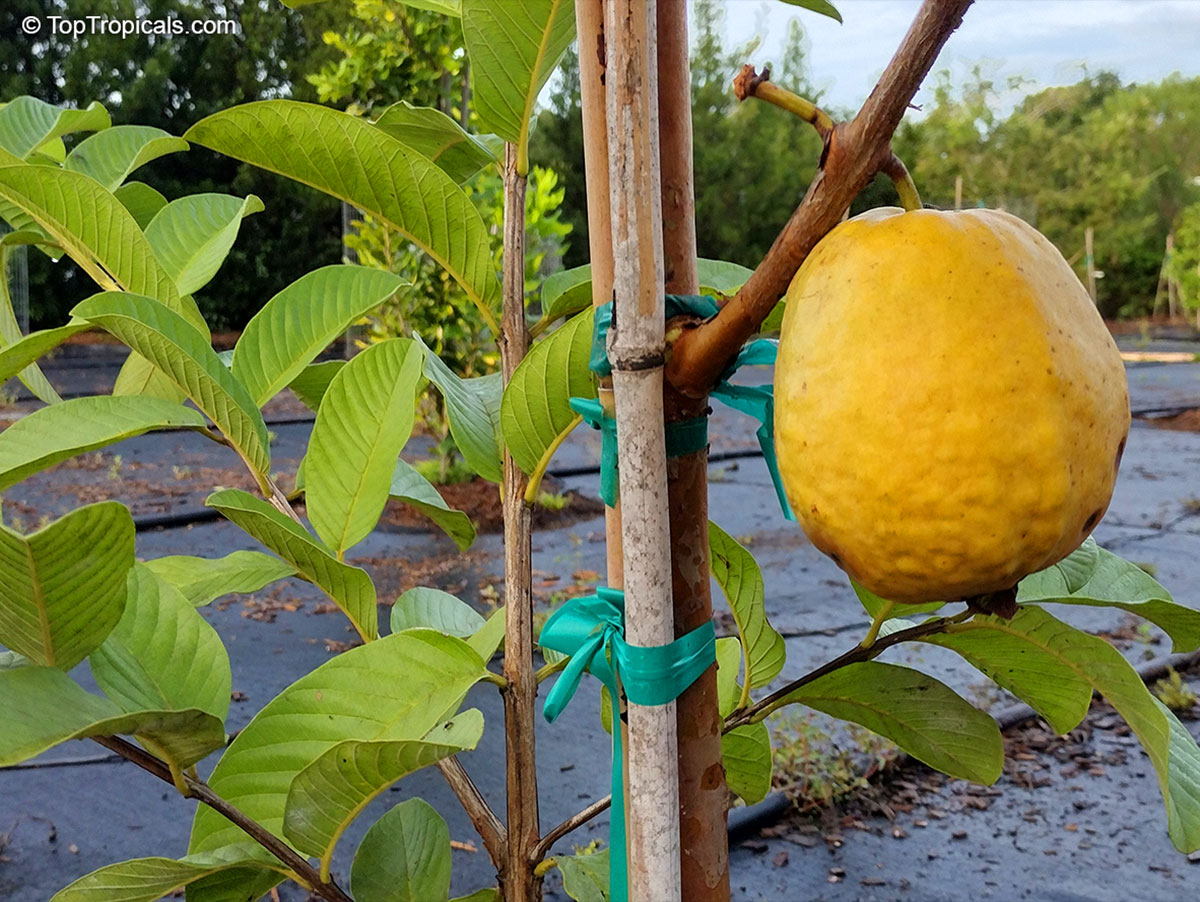
Ruby  Supreme  Guava  tree  with  a  large  ripe  yellow  fruit,  variety  known 


for  sweet  pink  flesh  and  reliable 


harvests.

🍴 Guava Recipes

With all that fruit, the next question is always: "What do I do with it?" Here are our favorites:

  • Cas Guava: Make Agua de Cas

    Boil halved Cas Guava fruits with sugar, simmer, strain, and bottle. Dilute with water when serving. The concentrate keeps for months in the fridge.
    Check out the recipe.

  • Hawaiian Gold: Make Drinks

    Perfect for Mojitos or Margaritas. Sweet, tangy juice pairs beautifully with lime and mint. Learn more

  • Araca Pera: Guava Wine

    Famous in Brazil, where the fruit is turned into a vibrant rosу wine. Locals say it’s the taste of summer in a glass — and yes, you can make it at home too. Learn more...

  • Quick snack: Guava Grilled Cheese

    Spread guava paste or fresh mashed fruit with cheese, grill until golden. Sweet and savory heaven. Learn more...

  • Simple Guava Juice

    Blend ripe guavas with water, ice, and a little sugar if you like. Instant refreshment.

✅Ready to Grow? Whether you want fresh juice, sweet fruit, or even your own guava wine, we’ve got the best varieties in stock right now. Your future self, sipping guava juice on a hot summer afternoon, will thank you.

👉 Order your guava tree today
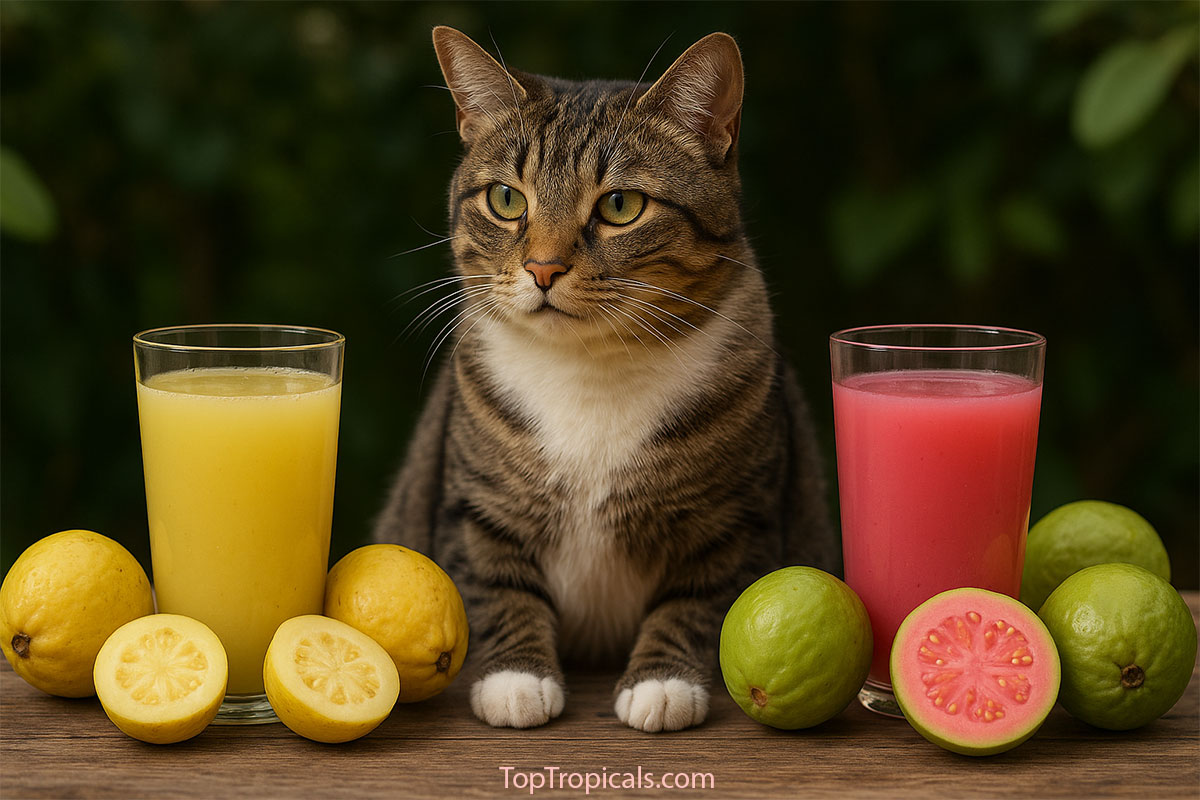
Tabby  cat  sitting  between  a  glass  of  yellow  guava  juice  with  white 


guavas  and  a  glass  of  pink  guava  juice  with  green  guavas  and  cut  pink  guava 


fruit.

Date: 4 Jul 2024

Do red, white and yellow Dragon fruit taste differently?

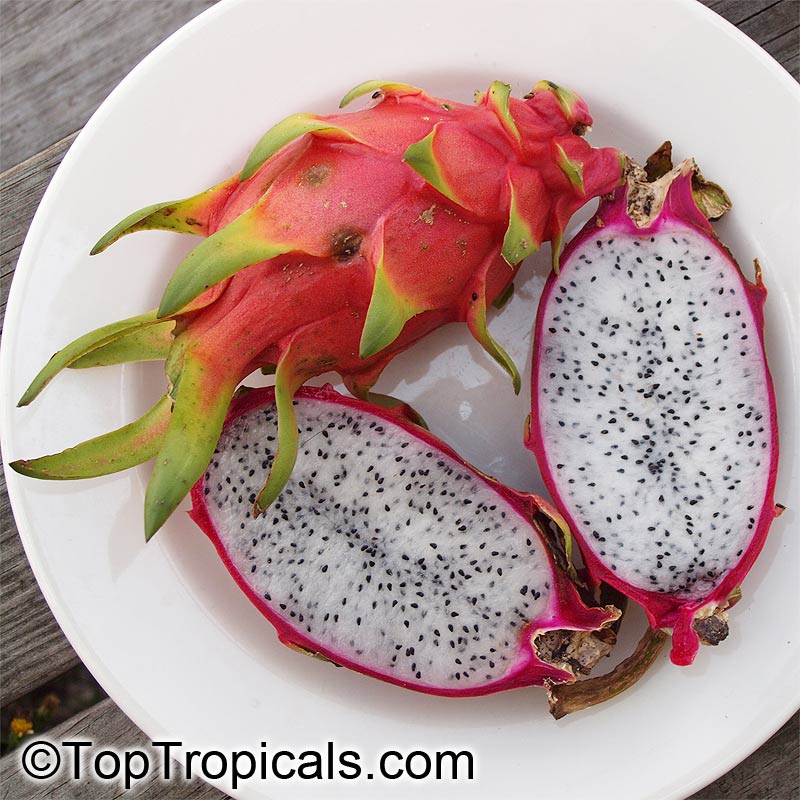
White Dragon Fruit

White Dragon Fruit

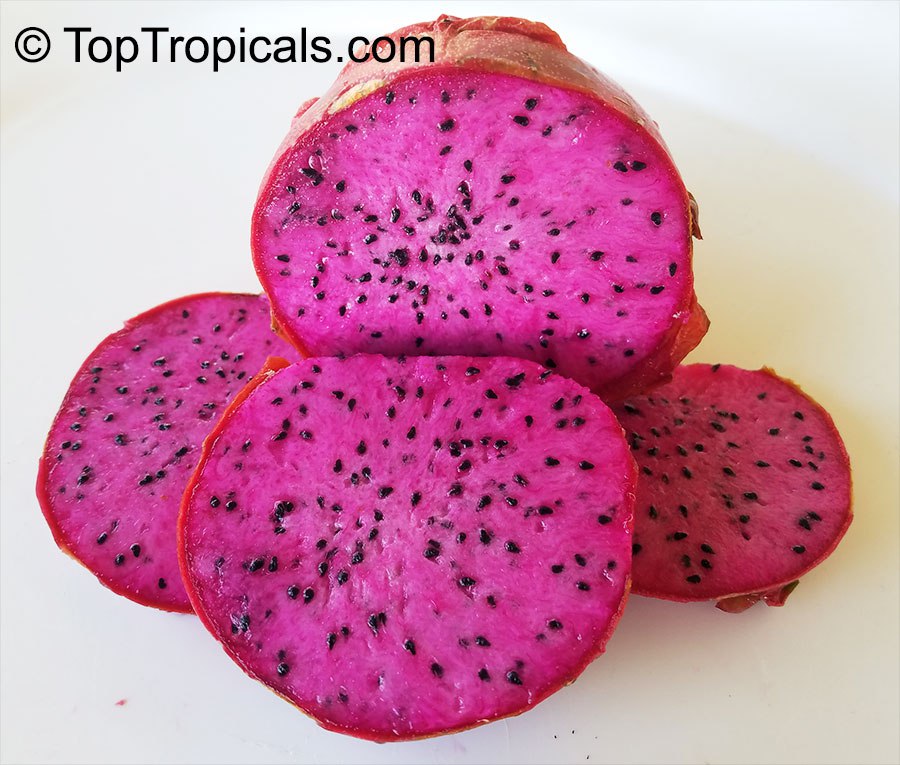
Red Dragon Fruit

Red Dragon Fruit

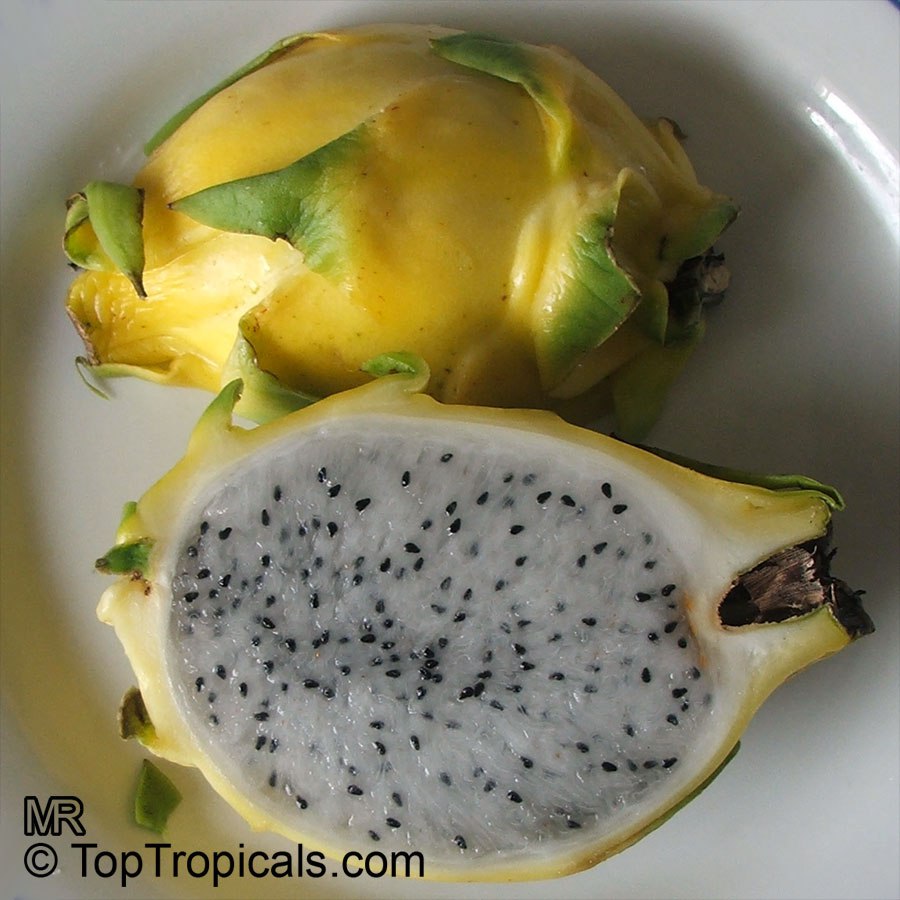
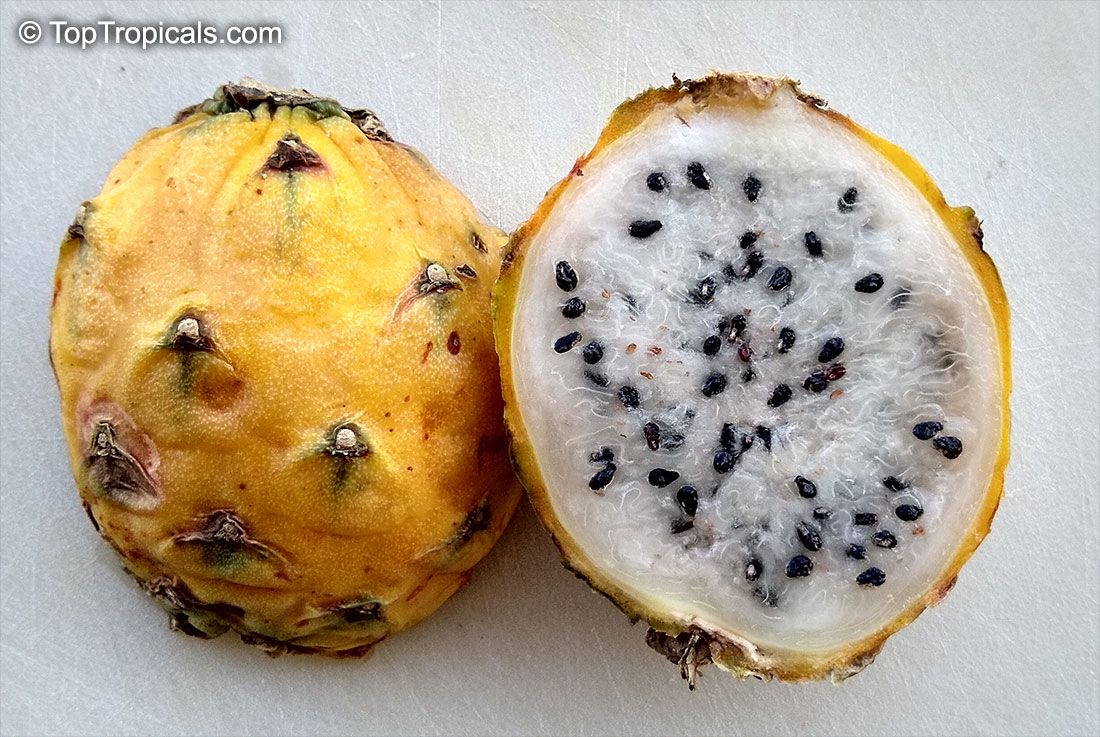
Yellow Dragon Fruit

Yellow Dragon Fruit

⚡️ Do red, white and yellow Dragon fruit taste differently?


🐉 White Dragon Fruit is not as common as the red variety and has a slightly sweeter taste. The sweetest one, however, is the yellow variety.

#Fun_Facts #Food_Forest #Dragon_Fruit

🏵 TopTropicals

Date: 9 Feb 2022

New Video:
How to make a "Dragon Fruit" fruit?

Selenicereus megalanthus

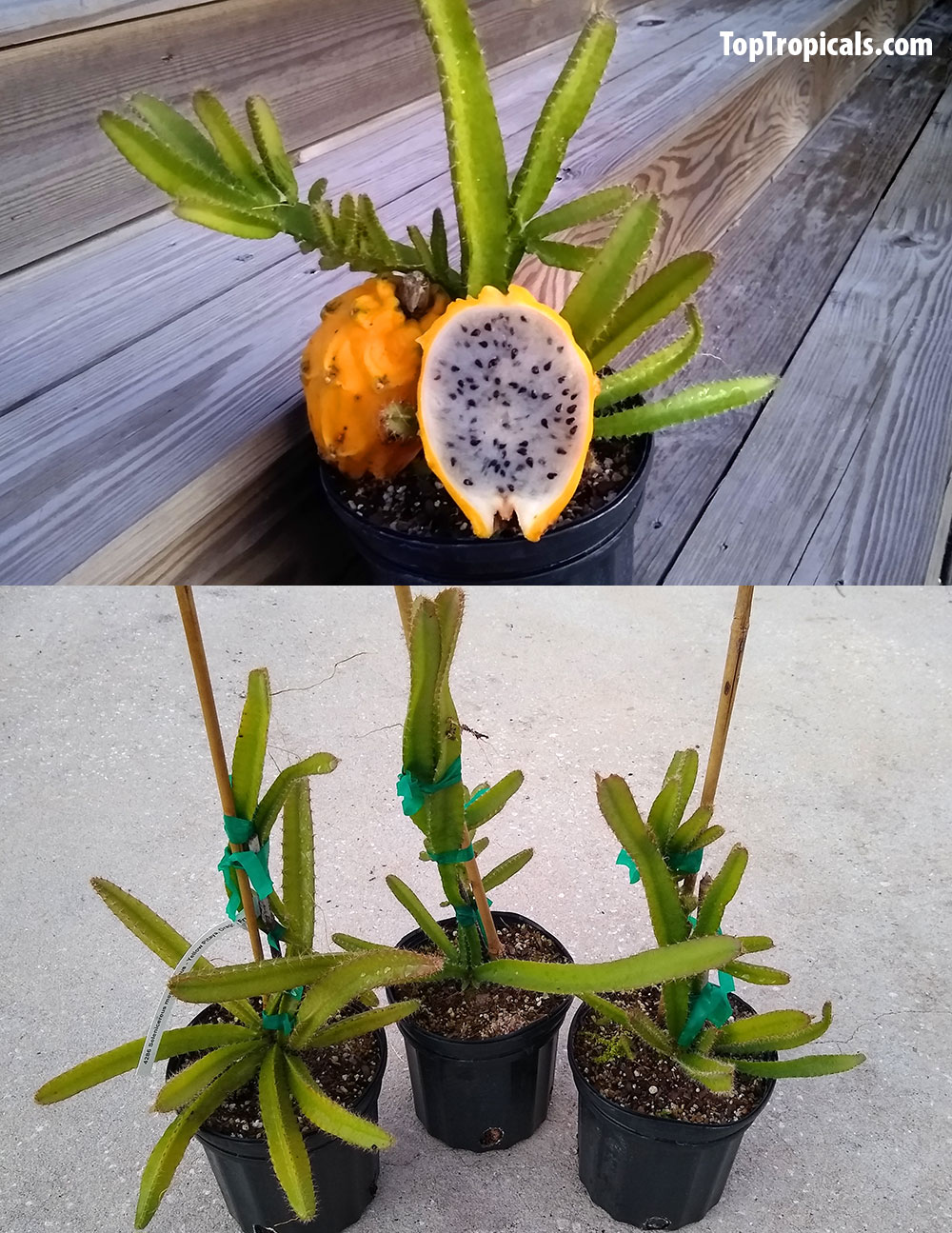
Selenicereus megalanthus - Yellow Pitaya, Dragon Fruit, is the best tasting Dragon Fruit in the world that is not only sweet, it has a great flavor (unlike most Pitayas that are pretty watery). This particular species of Dragon fruit doesn't mind regular water and rains but is also drought-tolerant.
In this video you will find out how to grow this plant and how to make it fruit.

WATCH NEW VIDEO >>

Stay updated with TopTropicals Videos by subscribing to our channel at YouTube.com/TopTropicals and get our latest video news of what is fruiting and blooming!