🌹Radermachera Kunming - Dwarf Tree Jasmine. This rare Thai beauty is small but mighty. Its creamy-pinkish blooms release a powerful scent that mixes roses, candy, and fine perfume - you can smell it from yards away!
🌹 The leaves have a graceful, fountain-like shape, and the plant stays compact and full, perfect for pots or small gardens. Relatively cold hardy, everbloomer.
🌹 In Thailand, it’s a symbol of peace and progress, and locals even use the flowers in traditional remedies as a natural relaxant and aphrodisiac. A true gem for anyone who loves fragrance and charm in one small tree.
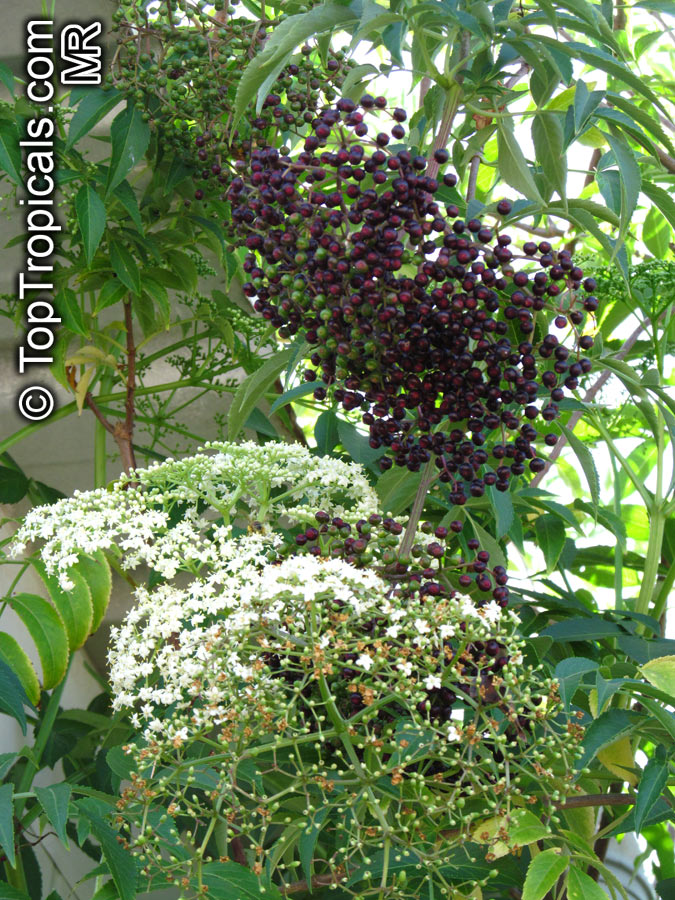
In the summertime, Elderberry bushes transform into small, bushy trees
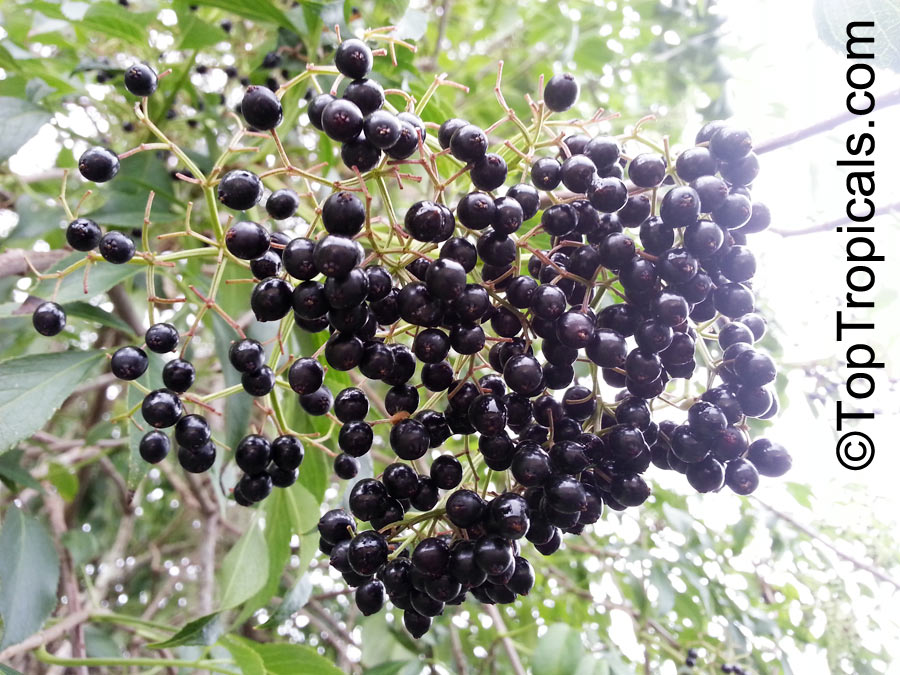
adorned with sizable umbels of white flowers. As late summer approaches, the tree produces an abundance of dark purple
berry clusters. Elderberry is known for its ability to withstand cold weather and can
thrive in a variety of soils in either full or partial sun. While it typically grows to a height of 10 feet, its spreading can be managed through
pruning.
This dense shrub is beloved by nesting birds, who are not the only
creatures that appreciate its fruit. People also prize Elderberry for its
delicious uses in winemaking, cocktails, and jellies. Elderberry syrup or cordial can
be used to create flavorful fruity drinks and cocktails, like the Elderberry Kir Royale. Alternatively, the
berries can be left to infuse their flavor into spirits, with Elderberry gin being a particularly delightful option.
Elderberry Cordial
When it comes to combating various strains of the flu virus, Elderberry
Cordial ranks among the top natural remedies. Whether sipped in small servings or drizzled over a delectable dessert, Elderberry Cordial is a guilt-free way to fortify your immune system against colds and flus.
1/4 cup dried rosehips
About 3 cups brandy
Honey, to taste
Add all ingredients in a jar and cover with a lid. Set aside in a cool,
dark place for 3-4 weeks. When ready to decant, strain and squeeze through
cheesecloth. For every 1 cup of liquid retained, add 1/2 cup honey. Mix thoroughly.
Pour the cordial into a decorative bottle for storage, or gift giving.
Elderberry Kir Royale Cocktail
5 oz white wine, sparkling wine or champagne
2 oz Elderberry cordial
Rocks
Mint leaves (optional)
Pour the Champagne in a flute glass. Add the Elderberry Cordial slowly.
Party time!
11 tropical fruits to eat instead of taking a fiber supplement
Tropical fruits to eat instead of taking a fiber supplement
🍑 11 tropical fruits to eat instead of taking a fiber supplement
When we think of tropical fruit, we picture sweetness, sunshine, and exotic flavors packed with vitamin C. But beneath all that juicy goodness lies another gift: dietary fiber - quietly working to support digestion, feed the gut microbiome, and help keep blood sugar steady.
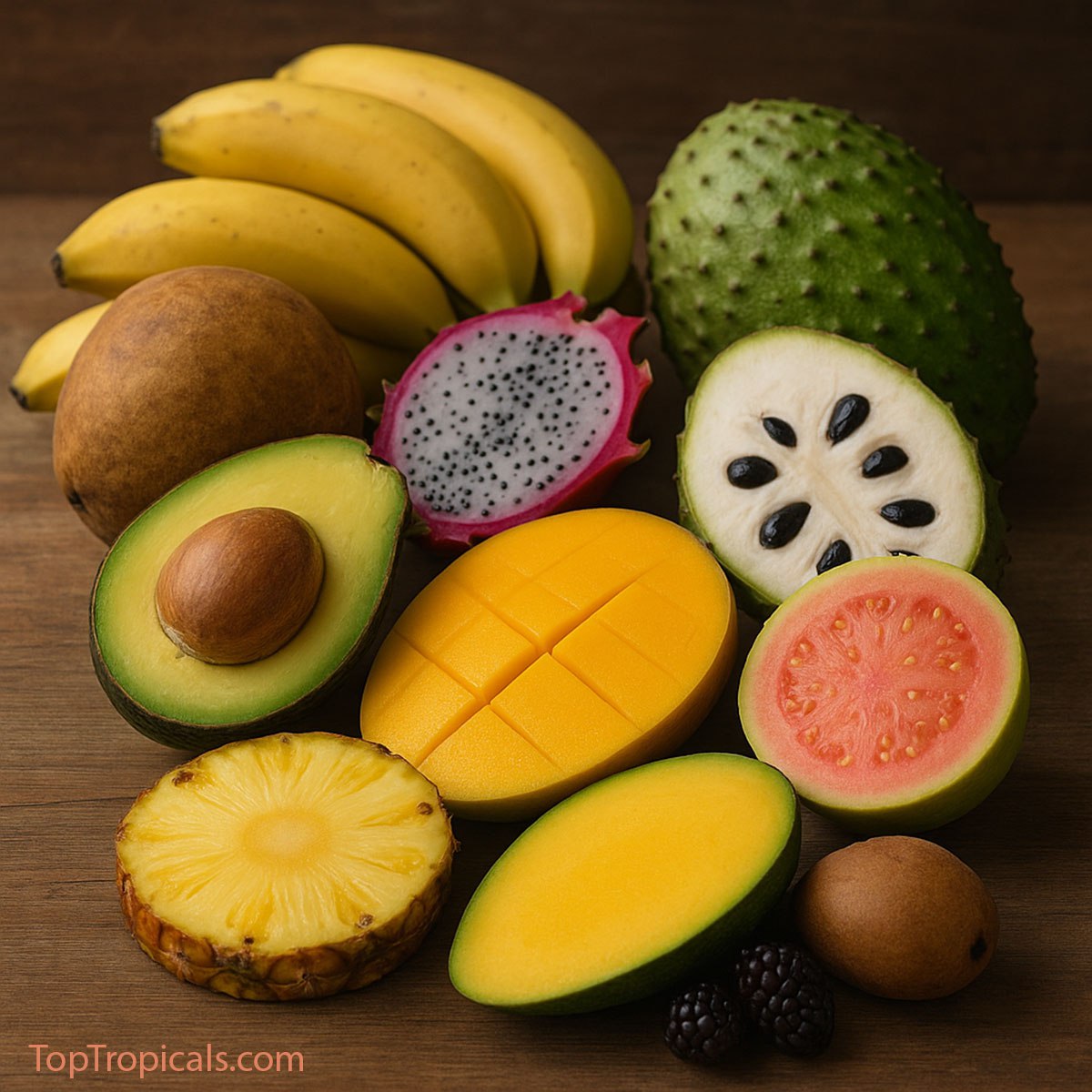
Avocado leads the pack among tropical fruits for fiber content. One creamy, ripe fruit can provide around 10 grams of fiber, roughly a third of an adult’s daily need. And there’s more to avocado than fiber - it’s also rich in healthy fats, micronutrients, and that silky texture everyone loves.
Other tropical fruits bring their own kind of fiber strength. Guava delivers up to 9 grams per cup, plus a burst of vitamin C.
Mango offers about 3 grams in half a fruit, especially when eaten with some of the skin.
Pineapple, though not always seen as a fiber powerhouse, still contributes around 2 grams per cup, along with bromelain, the enzyme that helps digestion.
Jackfruit’s fibrous pulp makes it another standout - it’s so meaty, it’s even used as a plant-based substitute in savory dishes.
Sapote fruit (Mamey, Canistel) and Sapodilla add fiber with a smooth, custard-like texture.
Adventurous tropical varieties like Annona (custard apple, soursop) may not top the charts in fiber numbers, but their soft, fibrous flesh still adds value: about 1.3 grams of fiber per 100 grams of fruit.
Bananas contain both soluble and insoluble fiber; the soluble part (mainly pectin) helps control blood sugar and appetite, while the insoluble fiber aids regularity.
Mulberries are rich in insoluble fiber, especially in their skin, supporting digestion and promoting healthy bowel movements.
Dragon fruit offers a mix of soluble fiber in its juicy flesh and insoluble fiber from its tiny edible seeds, which help support gut health and feed good bacteria.
These fruits aren’t just delicious - they help you meet your daily fiber needs in ways that are far more enjoyable (and sustainable) than taking supplements. And when home gardeners, farmers, or tropical communities grow and share them, it’s a double win: nutrition and tradition hand in hand.
✔️ Tropical fiber power: tips for getting more fiber from tropical fruits
⏺Eat whole, not juiced. Most of the fiber is in the pulp, skin, and seeds. Juicing removes much of that goodness.
⏺Mix it up. Tropical fruits are great, but balance them with legumes, whole grains, nuts, and veggies for a full fiber range.
⏺Take it slow. If your diet is low in fiber, increase gradually to avoid bloating or discomfort.
⏺Drink plenty of water. Fiber works best when paired with hydration.
⏺Mind the ripeness. Unripe fruits can have more resistant starch, another form of fiber.
⏺Get creative. Toss tropical fruits into smoothies, salsas, breakfast bowls, or even desserts - a tasty stealth-fiber strategy.
Plant a fruit tree - and breathe easier: fruit might be the surprising key to healthier lungs
🍒 Plant a fruit tree - and breathe easier: fruit might be the surprising key to healthier lungs
🥭 Fresh fruit doesn’t just taste good - it can literally help you breathe better!
🥭 A new study presented at the European Respiratory Society Congress found that women who ate at least four portions of fruit a day had slower declines in lung function compared to those who ate less. Researchers believe antioxidants in fruit may help protect the lungs from the damaging effects of air pollution.
🥭 Air pollution is everywhere, and more than 90% of people worldwide are exposed to levels above safe limits. But the good news is, your diet can make a difference. Fruits are packed with antioxidants and anti-inflammatory compounds that help your body fight off the oxidative stress caused by tiny airborne particles.
🥭 The study showed that women who ate plenty of fruit had stronger lungs despite being exposed to fine particulate pollution (PM2.5) from cars and industry. The difference wasn’t small either - their lung capacity dropped significantly less over time than in those with low fruit intake.
🥭 So planting fruit trees isn’t just about homegrown flavor or saving a trip to the store. It’s about protecting your health in a polluted world. Whether it’s mangoes, avocados, guavas, or starfruit, every harvest brings you cleaner nutrition and a cleaner breath of life.
Tropical fruits that help you sleep better: Cherries, Pineapple, Banana
🍒 Tropical fruits that help you sleep better
🌱 Looking for a natural way to fall asleep faster? Skip the pills and head for the fruit bowl. Some tropical fruits are surprisingly rich in melatonin, the hormone that tells your body it's bedtime. According to a study referenced by New York City Nutrition, eating melatonin-rich fruits about an hour before bedtime can naturally support better sleep quality.
😴 Melatonin naturally rises at night, helping you feel sleepy and cooling your body temperature. But things like blue light from phones, jet lag, or late-night stress can throw it off. That’s where certain fruits can help - they either contain melatonin or boost your body’s ability to make it.
🍒 Cherries
Both sweet and tart cherries are sleep boosters. Tart cherry juice is especially effective because it’s concentrated - studies show it can raise melatonin levels and increase total sleep time. Just go easy on added sugar. Try pairing the juice with almonds or cheese to keep your blood sugar steady before bed.
🍍 Pineapple
In one study, people who ate pineapple had a big jump in melatonin levels just two hours later. It’s also loaded with vitamin C and enzymes that aid digestion, making it a nice evening snack. Have it with a bit of protein, like yogurt or nuts, to avoid a sugar spike.
🍌 Banana
Bananas don’t contain much melatonin on their own, but they help your body make it. They’re full of tryptophan and magnesium, both of which support serotonin and melatonin production. A banana before bed can calm muscles and nerves - no wonder it’s a favorite natural sleep aid.
✅ Bottom line
A small fruit snack in the evening - cherries, pineapple, or banana - can help your body settle into sleep mode naturally. Eat it about an hour before bed, keep screens dim, and let nature do the rest.