January kaleidoscope: Top Tropicals plants... and cats
Plants in Winter
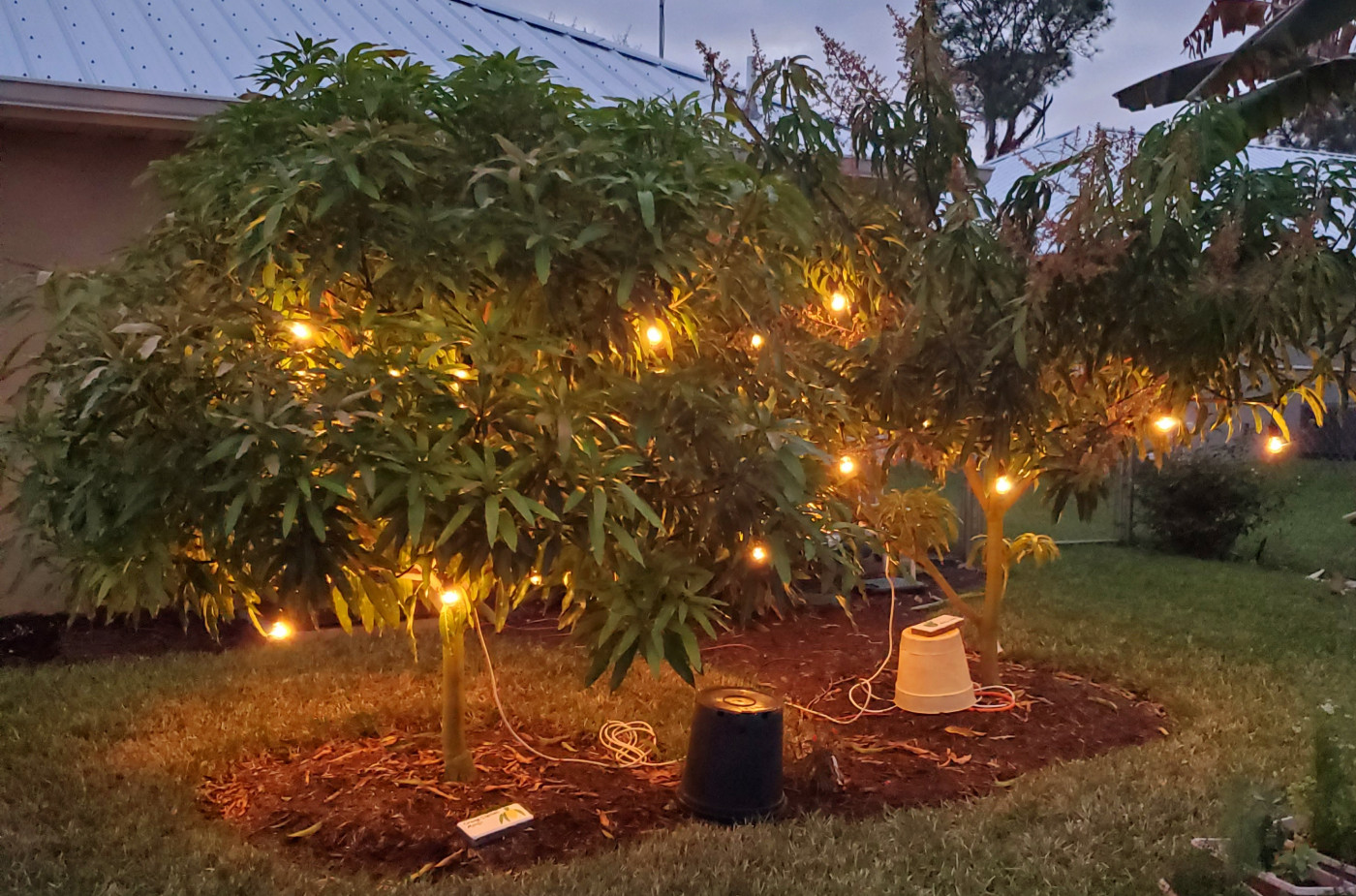
Q: My plants Mango and Sapodilla (I got from Top Tropicals) got cold frost recently up to the roots recently in a cold wave in NJ. The leaves are dry. The plant was kept in a green house. But the heater was off for a night. During that time the in the pot got frozen. Will the plants survive? Will they come back during spring?
A: Unfortunately, the chances are slim. It is hard to determine now if they will survive. Those plants can take a very short cold. They might survive when the root system was not frozen solid. To ensure your plants cold protection in the future, this is what we recommend:
1) Use temperature alarm. Nowadays they're very cheap, they can send a message to your email or cell phone.
3) Heaters like any other piece of machinery may fail. Redundancy is the keyword. Instead of one large heater use two of smaller capacity. If one fails, then second one will prevent catastrophic failure
4) Insulation. Extra layer of insulation helps greatly.
5) If you leave for vacation, then plan ahead. Have somebody to watch over your greenhouse. Move plants or at least the most sensitive ones inside of your house if possible.
Meet Top Tropicals Team. Part 1 - PeopleCats!
Did you know that here at Top Tropicals we care not only about plants, but also animals? Most of our PeopleCats and PeopleDogs either came to us from nowhere in hope of survival, or have been rescued. TopTropicals is proud to support all of our People. A portion of every dollar you spend on a plant purchase goes to our Cat Community maintenance, food and other needs of these Little People. We will keep you updated with more pictures and videos on our PeopleCats (that also includes one dog Bob). They all are members of our Team, helping us to grow plants for you, pack them and send to you from our Shipping Department. Visit our Facebook, YouTube Channel and LIKE all of our People!
Stay updated with TopTropicals Videos by subscribing to our channel at YouTube.com/TopTropicals and get our latest video news of what's fruiting and blooming!
Date: 1 Mar 2026
Skip the lemon - 5 better fruits for a cough
Best fruits for a cough
Skip the lemon - 5 better fruits for a cough 😰
5 fruits to eat when you have a cough or cold - backed by research
When you are fighting a cough or cold, your immune system works overtime. While no fruit can cure a viral infection, certain fruits contain nutrients and bioactive compounds that may help reduce inflammation, support immune defenses, and ease respiratory discomfort.
Here are five fruits supported by nutrition research that may help during cold season.
1. Pomegranate 🍅
Pomegranate is rich in polyphenols, especially punicalagin, known for antiviral activity.
Pomegranate Plant Facts
Botanical name: Punica granatum Also known as: Pomegranate, Granada, Grenade, Pomegranate, Granada, Anar, Granaatappel, Pomo Granato, Romeira, Melo Grano
USDA Zone: 8 - 11
Highligths
According to a study published in PubMed, pomegranate polyphenol extract suppressed replication of influenza A virus in cultured cells and showed direct virucidal effects. Researchers identified punicalagin as a key compound involved in blocking viral RNA replication. These findings suggest pomegranate extracts may help reduce viral load during respiratory infections.
2. Kiwi
Kiwi is exceptionally high in vitamin C, a nutrient closely linked to immune function and respiratory health. A study published in Antioxidants (MDPI) found that consuming two SunGold kiwifruit daily for six weeks restored adequate plasma vitamin C levels in adults with a history of severe respiratory infections. Researchers concluded that kiwi consumption can directly support antioxidant defenses during respiratory illness.
3. Tropical cherries 🍒
Instead of traditional lemon, consider tropical cherries such as Malpighia (acerola cherry) and Eugenia (Surinam cherry). Acerola (Malpighia glabra - Barbados Cherry) is one of the richest natural sources of vitamin C. Clinical research shows that adequate vitamin C intake is associated with reduced duration and severity of common cold symptoms. Vitamin C supports immune cell function and helps maintain the respiratory tract's protective barrier.
Barbados Cherry Plant Facts
Botanical name: Malpighia glabra Also known as: Barbados Cherry, Acerola, Malphigia, Cerejeira
USDA Zone: 9 - 11
Highligths
Eugenia species (Tropical Cherries) contain anthocyanins and phenolic compounds with antioxidant and anti-inflammatory properties, which may help reduce oxidative stress during illness.
4. Pineapple🍍
Pineapple contains bromelain, a group of proteolytic enzymes known for anti-inflammatory effects.
According to a study published in PubMed, bromelain significantly reduced inflammatory cell infiltration in the lungs in a mouse model of airway inflammation. These findings suggest bromelain may help ease airway inflammation and congestion.
5. Berries and including mulberries
Strawberries, blueberries, raspberries, blackberries and mulberries are rich in flavonoids and vitamin C.
Although direct clinical trials on berries for colds are limited, nutrition reviews highlight their immunomodulatory potential. Flavonoids such as quercetin, anthocyanins, and catechins have demonstrated antioxidant effects and possible antiviral activity in laboratory studies. Mulberries provide additional anthocyanins and resveratrol-like compounds, offering strong antioxidant support during illness.
Practical tips when you are unwell ❤️
🔻Choose room-temperature or lightly warmed fruit to avoid throat irritation. 🔻Prefer whole fruit over juice to retain fiber and stabilize blood sugar. 🔻Pair fruit with warm herbal tea or honey if appropriate. 🔻Rotate fruits to benefit from diverse phytonutrients. 🔻If symptoms persist, worsen, or include high fever or breathing difficulty, seek medical care.
🍴 Guava Cas Cloud Drink (Quick and Fun Exotic Recipe)
Ingredients
1 cup ripe Cas guava pulp (Psidium friedrichsthalianum)
1.5 cups cold water
1 tablespoon sugar (adjust to taste)
Ice cubes
Fresh mint (optional garnish)
Instructions
Add Cas guava pulp, cold water, and sugar to a blender.
Blend until smooth and evenly mixed.
Strain the liquid to remove seeds and coarse pulp.
Serve over ice for a cloudy, tangy refresher.
Garnish with mint if desired.
Cas guava (Psidium friedrichsthalianum) is a Central American guava known for its bold, tangy flavor and high vitamin C content and Low sugar content. Unlike common guava, the pulp is sharp and refreshing, making it especially popular for drinks, juices, and traditional beverages.
🌱 In the garden:
Cas guava is a small, productive tree suited for warm climates. It prefers full sun, regular watering, and good drainage. The tree is adaptable, fairly fast-growing, and fruits reliably, making it a great choice for home gardens and containers.
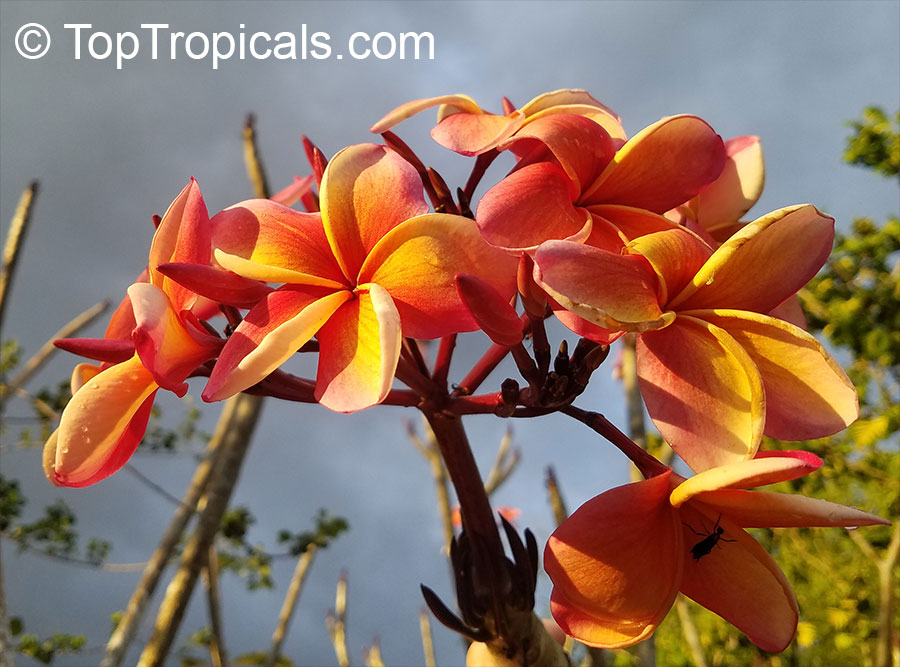
Q: I purchased Cerbera manghas - Enchanted Incense a year ago. As you see from the
photo, it's doing great however, no blooms. I fertilize properly and very often
and use worm castings for micronutrients. Yes it's not "your" fertilizer, but
my plumerias, that are also in pots they are over 5 feet tall and blooming
like crazy. I don't see any inflows coming on the Cerbera at all and it is hot
and humid here in North Carolina, so it's happy but no sign of blooming.
What is your advice?
A: Top Tropicals first brought Cerbera manghas into the US plant
market a few years ago, it was recommended to us by our friend, plant
taxonomist John Mood who visited Thailand, and among other exotic plants noted this
fragrant beauty. Since then we've been successfully growing this plant, it
has become one of everybody's favorites.
Generally speaking, Cerbera culture is very similar to Plumerias. These
plants are closely related. So if you know how to grow Plumeria, you sure
will succeed with Cerbera. Hot and sunny location, well-drained mix, moderate
water and bloom boom fertilizer will do the trick. However, we have noticed a
few distinctive features that make this plant somewhat challenging at
times.
1) Flowers
For past years, we've been studying what triggers its flowering.
Sometimes these plants start flowering in 1 gal pot, 1 ft tall. Other times a large
developed tree 5-6 ft tall, in 5-7 gal pot, grows beautiful foliage with no
signs of flowers. Eventually all of them bloom, no matter how stubborn they
are, it's just some individual plants start flowering sooner than others, all
grown in the same conditions.
One of our plants in the ground, a well-branched tree, was covered with
flowers for a few months, but only on the 3d year after planting. Before that,
it only produced a few random blooms. Others bloomed in pots at very young
age.
The following factors benefit to Cerbera flowering:
- full sun at least 10 hours a day
- hot temperatures above 85F
- regular water but not heavy rains
- regular fertilizer - Bloom Booster type
- very good drainage and drying out before waterings. If root ball stays
moist, the plant may look healthy but won't set flower buds. Keeping on a dry
side will encourage flowering. Very similar to Jasmines: they bloom like crazy
in April while it's hot and dry in Florida, but once our summer rainy season
starts, they reduce blooming.
We highly recommend using Sunshine Megaflor bloom booster or SUNSHINE Pikake in combination with micro-element supplements Sunshine Honey (B-Mo) and Sunshine Superfood (complex micro) that induce flowering.
Dry and granulated fertilizers may not supply exactly what a plant needs:
certain elements that trigger flowering may be missing. Sunshine Boosters
formulas are scientifically balanced, they contain precise amounts of nutrients
needed for setting flowers. Besides, excessive salts from regular dry
fertilizers create nutrient lock up that may retard plant metabolism; with liquid
amino-acid based Sunshine boosters, plants consume the whole menu of elements
without building them up in the soil.
2) Fruit
Fruit of Cerbera are very pretty and cover the tree after profuse
flowering. To inexperienced eye they may look very much like small mango or avocado
fruit - so make sure kids or visitors don't try to eat them! Cerbera seeds
are extremely poisonous.
3) Leaves
If you ever grew Passiflora or Milkweed, you know how leaves can be
eaten by caterpillars overnight. This may happen to Cerbera too, as we
discovered. In Florida environment this exotic plant doesn't have natural predators for
protection from certain insect species that may feed on it. So watch out and
if noticed first signs of leaves damage - its time for insect control.
Other than that, Cerbera foliage is usually beautiful and colorful, here in
Florida it looks much healthier than that of Plumerias often affected with
rusty residue during high humidity months.
Hope this helps. The Cerbera fragrance is enchanting, it is worth the
efforts and waiting!
Q: I have 2 Starfruit plants from you. One on the left is B10 has a lot of flowers
but no fruit is developing. On the rite is Kenjeng. This one has no flowers
at all. Both plants are growing very well. Plenty of sun and water. I am
located in Boynton Beach Florida. So what to do?
A: Your trees on the pictures look very healthy, congratulations
with a great care!
Starfruit, as well as other grafted fruit trees (like mango, avocado, etc)
usually flower/fruit easily and readily while in pots in the nursery.
Sometimes, once planted in the ground, they may reduce flowering or even stop
flowering. What happened?
The answer is simple. In pots, we fertilize them on regular basis. In our
nursery, we have fertilizer injector inline with irrigation system that dozes
plant food with EVERY watering. In other nurseries, they may also use
slow-release fertilizers, but it is still a regular routine to provide plant food to
potted plants.
In the ground, especially in Florida poor soils, fruit trees may stop
flowering or delay fruiting due to lack of nutrients, or dis-balance of elements
in the ground. Without fertilizer, a tree may take extra time to develop
bigger root system to reach out for necessary elements, and eventually will start
fruiting anyway.
But we want it to fruit soon! The only way to fix the problem is to provide
fertilizer on regular basis for a young tree. It is especially important
during hot summer months when plant metabolism is fast due to high temperatures,
plus nutrients may get washed away with frequent summer rains (like we have
in Florida) even if you've added some fertilizer at time of planting.
But the most effective way to get a tropical tree to flowering and
fruiting, is frequent applications of liquid fertilizer. We use Sunshine Boosters
with every watering on our plants. They work great even on hard cases and
weak plants, and you see the difference in a matter of weeks, sometimes even
days.
We recommend the following fertilizer that contains all necessary elements
for young fruit trees:
SUNSHINE C-Cibus - Crop Nutrition Booster
SUNSHINE C-Cibus - Crop Nutrition Booster from Garden Series, or Combo
Total Feed Collection - all nutrients in just one bottle, for fruit trees and
edibles.