Date: 16 May 2026
🔮 When the World Around Becomes Too Gray: Plant a Tree. Eat a Donut. Keep going.

Smokey: Plant a tree.
Sunshine: And if that does not help?
Smokey: Plant another one.
Sunshine: And eat a donut.
Smokey: Not strictly necessary, but statistically beneficial.

If you have been feeling a little worn down lately, you are not alone.
You already know about the headlines. We do not need to list them. You have probably seen them today before breakfast.
We are not here to pretend that is not happening. It is happening. And it is a lot. But here is the thing we keep coming back to, the thing that has been true for as long as people have had hands and a patch of ground: when the world feels out of control, you can still plant something.
Gardening is not an escape. It is an answer. When you put a tree in the ground, you are making a quiet statement. You are saying that you expect there to be a future. That you intend to be in it. That shade and fruit and flowers still matter, and you are going to make sure they exist in your corner of the world.
That is not naive. That is courageous in the most ordinary and underrated way.
One tree, planted this season, might give you fruit in a few years. It might give butterflies somewhere to stop. It might give a bird a place to nest. It will almost certainly give you something to look at on a hard day that reminds you the world still contains beauty, and that you put some of it there. And if one tree does not quite do it? Plant another one.
Dostoevsky said beauty will save the world. We think a mango fruiting in your backyard counts. So does a Magnolia opening on a quiet morning.
Do not skip the donut.
A donut is a small, simple, completely unnecessary thing. That is exactly the point. It is not productive. It does not solve anything. It is just good, and sometimes that is the whole reason. In a world that constantly demands you be useful and informed and concerned, eating a donut is a quiet act of being human. You are allowed to enjoy a small thing on a hard day. You do not have to earn it.
Rest a little. Then go put something in the ground. Anything that will grow and flower and remind you that beautiful things are still happening whether the headlines mention them or not.
We have the plants. You bring the donuts.
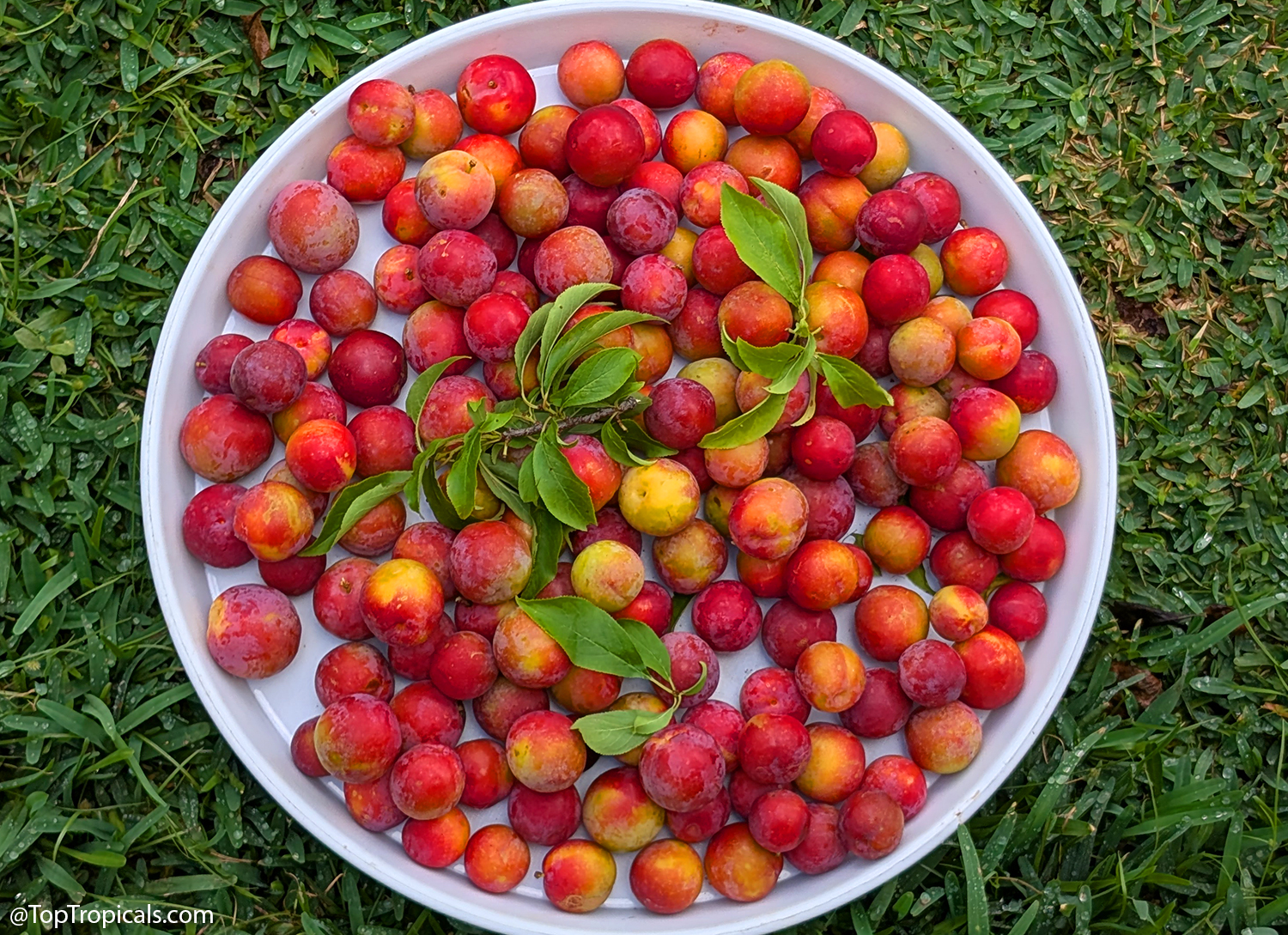
🛒 Plant a sweeter world: grow color and flavor
Date: 4 Apr 2026
Rare Night-Blooming Cactus that Glows and Grows Large Edible Fruit
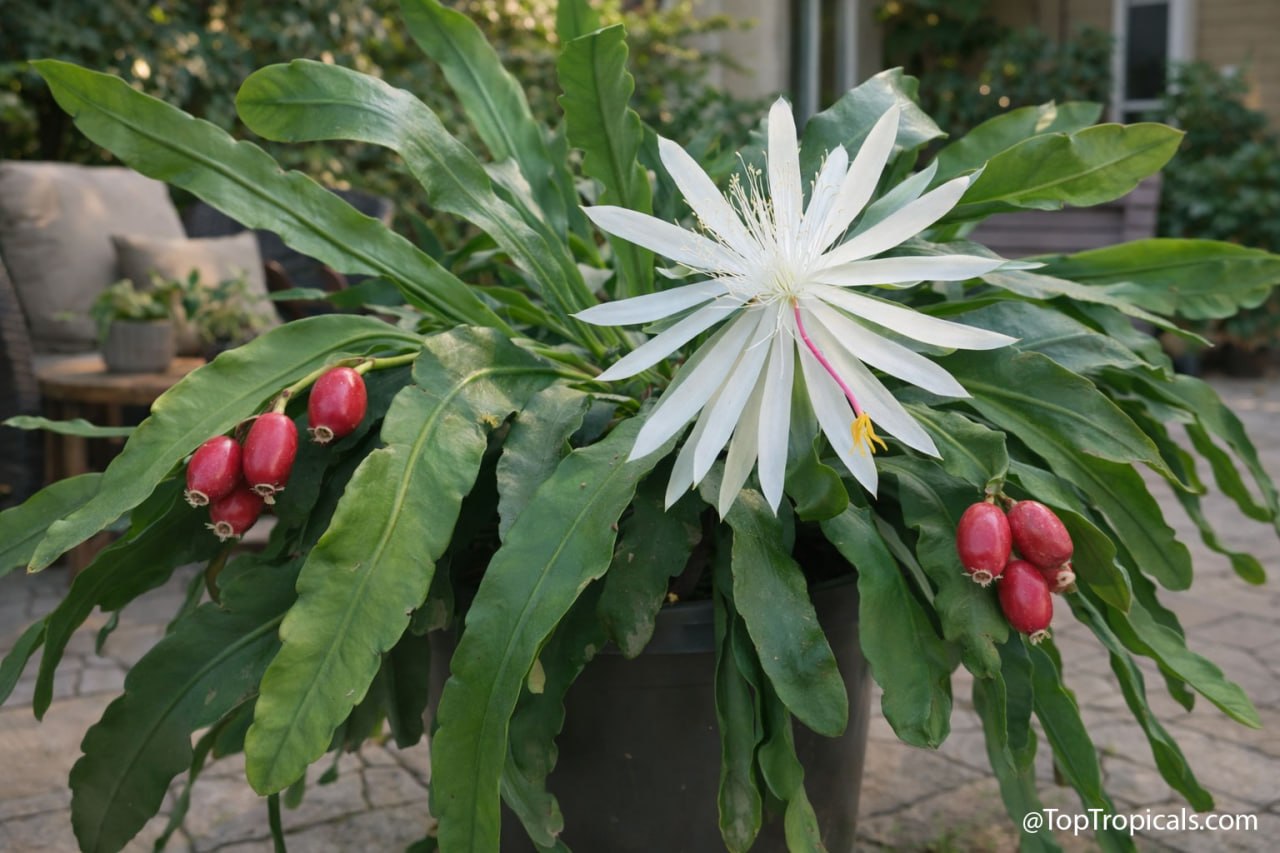
Epiphyllum hookeri - Rare Night-Blooming Cactus with fragrant flowers and large edible fruit
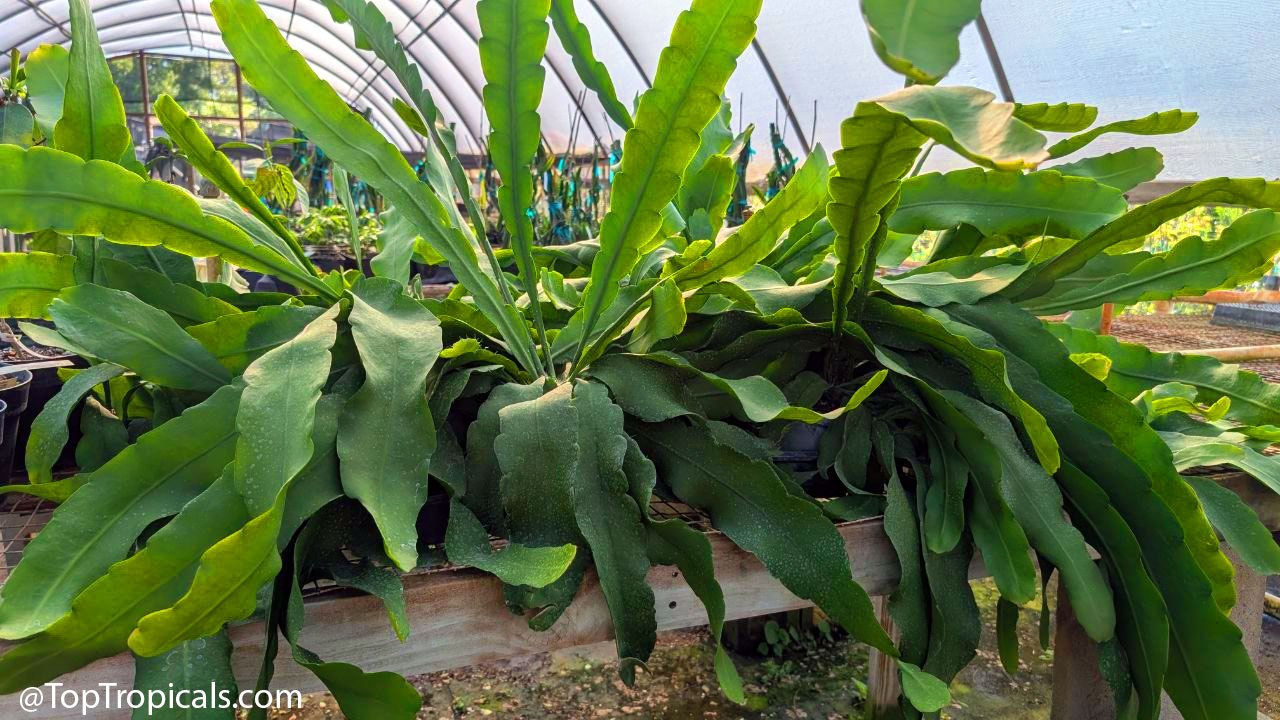
Epiphyllum hookeri - Night-Blooming Cactus with large leaves
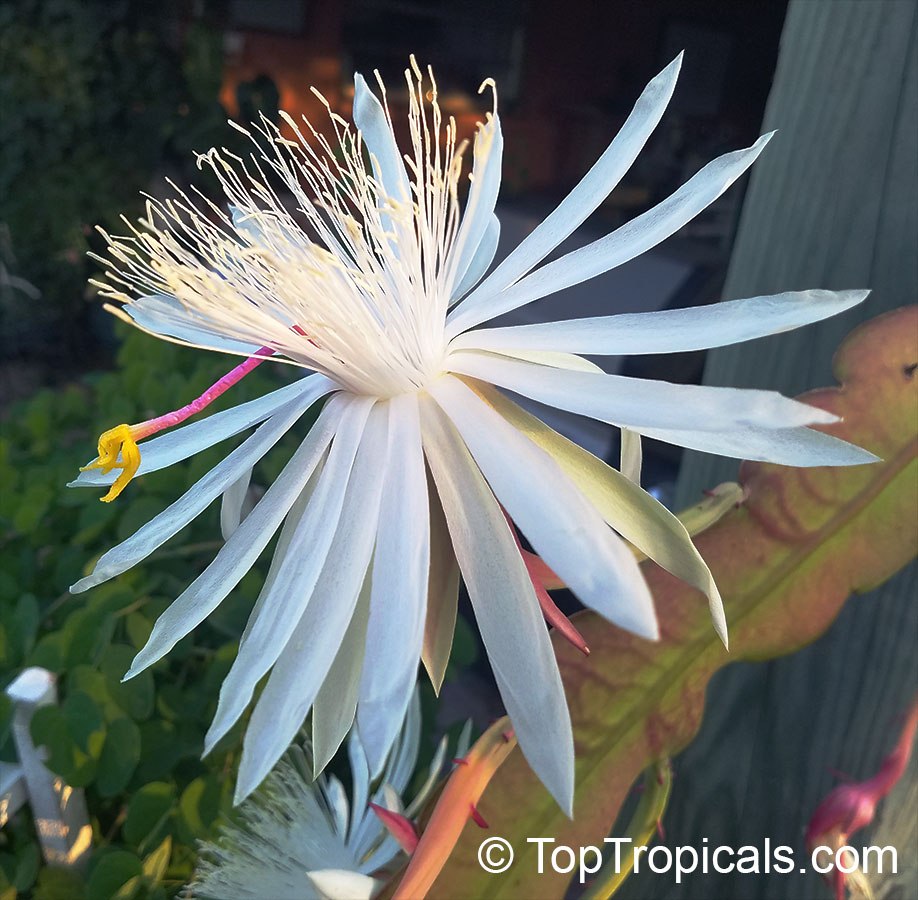
Epiphyllum hookeri - Night-Blooming Cactus large flowers
Did you know this nigh blooming beauty has large edible fruit? Why the Epiphyllum hookeri is the ultimate two-for-one plant for tropical garden lovers.


🌠 The Midnight Spectacle
Most gardeners grow the Epiphyllum hookeri for its "ghostly" white flowers. These massive, fragrant blooms wait until sunset to unfurl, reaching their peak beauty under the moonlight before fading at dawn.
🌠 The Edible Bonus
What many don’t realize is that this specific seed-grown type is a "fruiting" powerhouse. After the dramatic floral display, the plant sets smooth, elongated fruit. The flavor? Mild, sweet, and surprisingly refreshing -think of it as a garden-grown secret.
🌠 How to Grow It
Light: Filtered sun or bright shade (no harsh midday sun!).
Hydration: Regular watering in well-drained soil.
Display: It’s a natural climber/cascader—put it in a hanging basket and let it shine.
🛒 Claim your fruiting night-bloomer
Collect epiphytic jungle cacti:
· Epiphyllum hookeri - Large-Fruiting Night-Blooming Cactus
· Epiphyllum oxypetalum - Queen of the Night


· Pseudorhipsalis (Wittia) amazonica - Blue Flame

· Epiphyllum guatemalense Monstrosa - Orchid Cactus, Curly Locks
· Disocactus ackermanni - Red Orchid Jungle Cactus
📚 Learn more:
Epiphyllum species in Plant Encyclopedia
Moonlight Cactus, the Night Blooming Wonder with a mystical twist: Epiphyllum oxypetalum FAQ
Epiphyllum oxypetalum - Queen of the Night Cactus in Plant Encyclopedia
Does Queen of the Night bloom only one night out of the year?
Weird cactus looks like pasta with Dragon Fruit
This giant red stared right back at me
Red Orchid Cactus puts out the biggest bloom show
Pseudorhipsalis (Wittia) amazonica - Blue Flamу Jungle Cactus
Epiphyllum guatemalense Monstrosa - Orchid Cactus, Curly Locks
#Container_Garden #Shade_Garden #Food_Forest
🟢 Join 👉 TopTropicals
Date: 20 Mar 2026
Just in time for spring: Nun Orchid blooms for months!
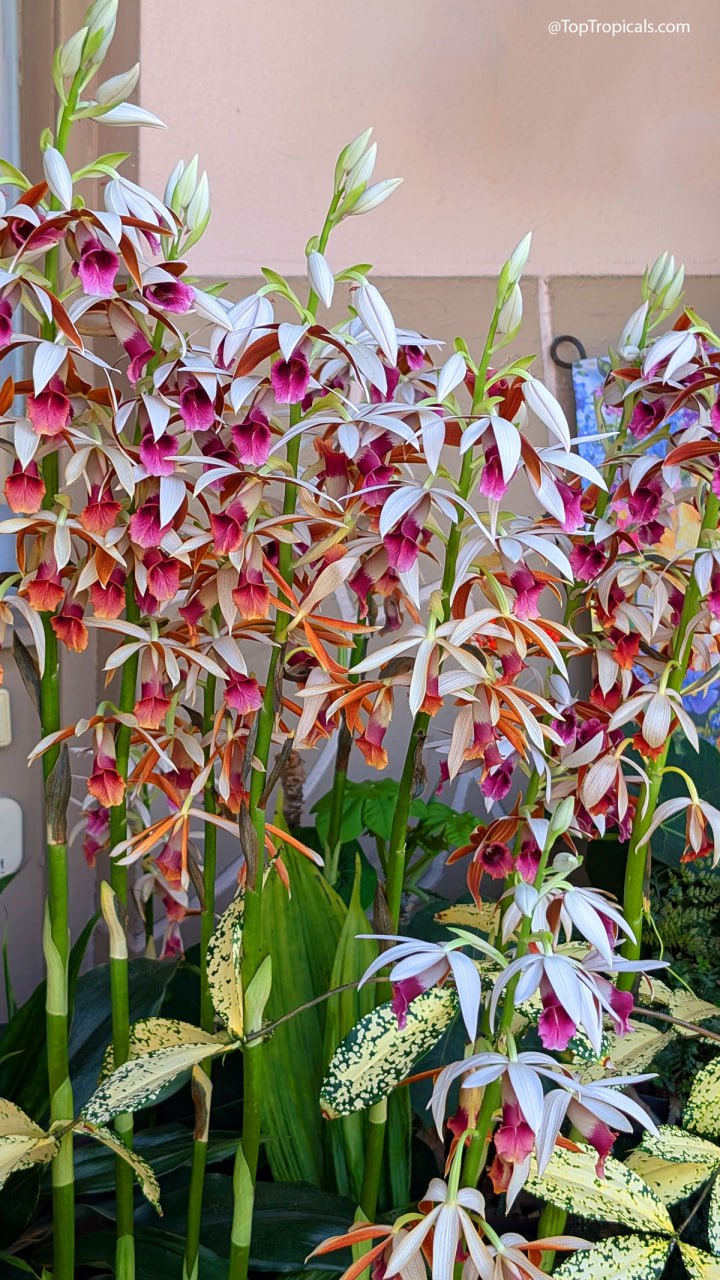
Phaius tankervilleae, Chinese Ground Orchid, Nut Orchid
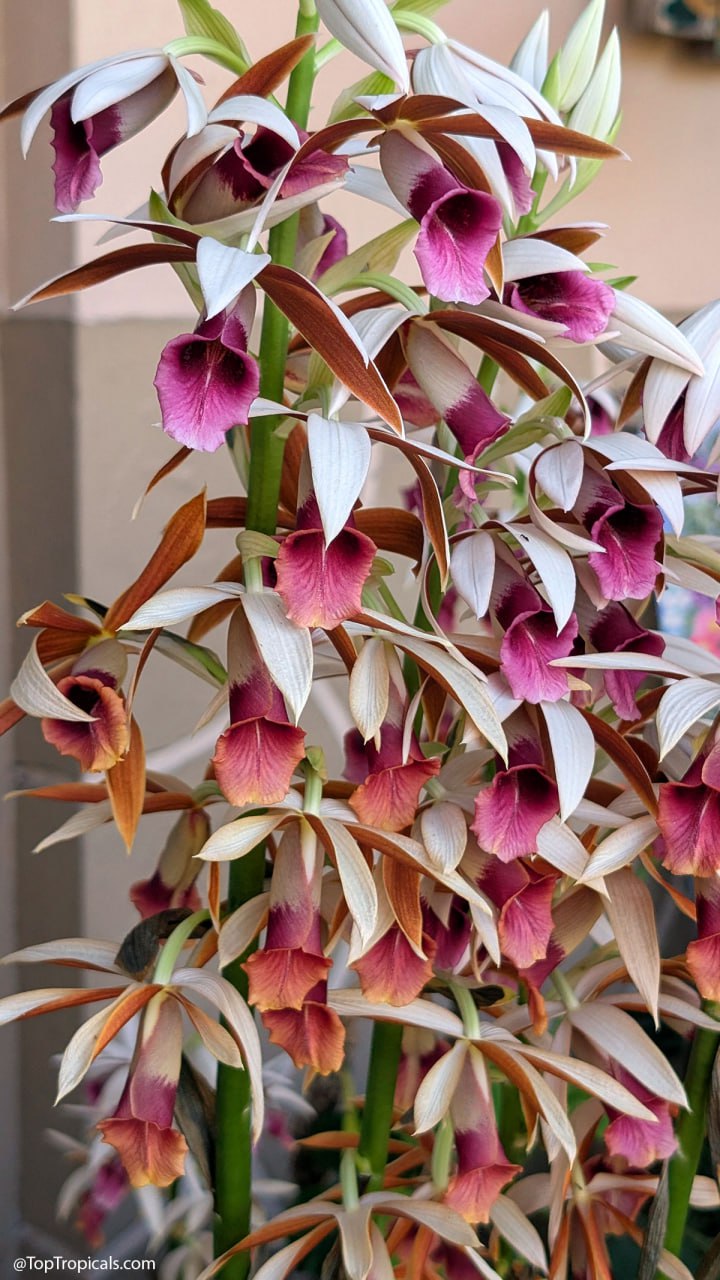
Phaius tankervilleae, Chinese Ground Orchid, Nut Orchid
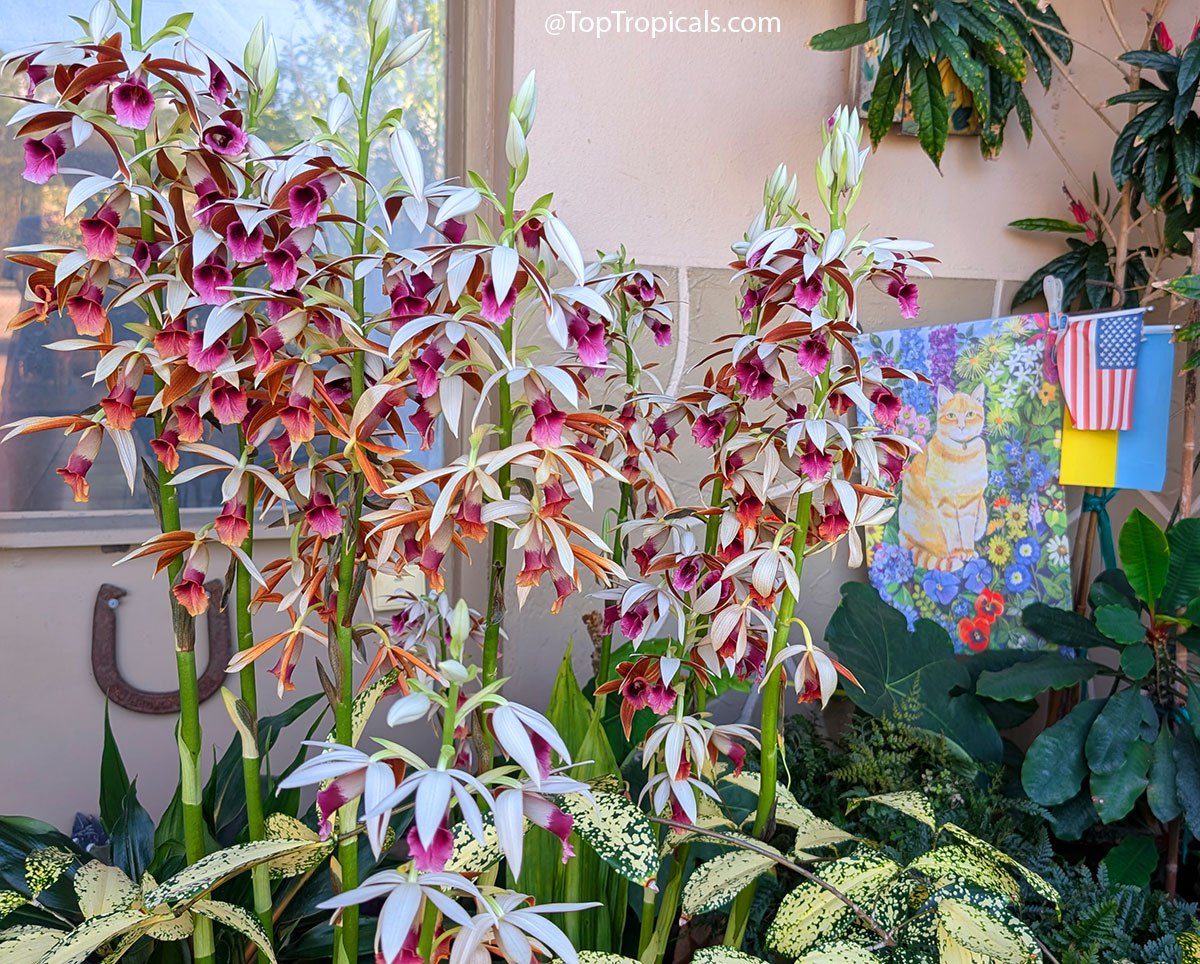
Phaius tankervilleae, Chinese Ground Orchid, Nut Orchid
🌷 What a wonderful treat after a long cold winter: Nun Orchid (Phaius tankervillea) is putting on a full show right now in the garden - and it’s been going strong since February.
🌷 These plants were already loaded with buds before our Record 25F Florida Freeze, so I moved the two pots into the garage to protect them. Totally worth it - they came through beautifully and didn’t miss a beat.
🌷 Now they’re in full bloom and should keep going well into April. This is one of those rare orchids that just keeps going.
🌷 Unlike most orchids, Nun Orchid grows in regular soil. Big lush leaves, tall flower spikes, and it’s perfectly happy in filtered light - great for patios, containers, or a shady spot in your garden.
What’s blooming in your yard today?
🛒 Plant beautiful Nun Orchid
📚 Learn more:


💋 Phaius tankervilleae – Chinese Ground Orchid in Plant Encyclopedia
💋 Why is it called Nun Orchid
💋 How to grow Ground orchids
💋 When Bamboo blooms with orchid flowers
💋 The prettiest flower for shade
💋 Ground orchids: all-summer colors
💋 Why do we love Ground Orchids
💋 Epidendrum radicans - Orange Reed Ground Orchid, Sunrise
💋 Terrestrial orchids
💋 What orchids can be grown in the ground
#Container_Garden #Shade_Garden
🟢 Join 👉 TopTropicals
Date: 31 Jan 2026
Pitomba pop cups: quick-n-fun exotic recipes
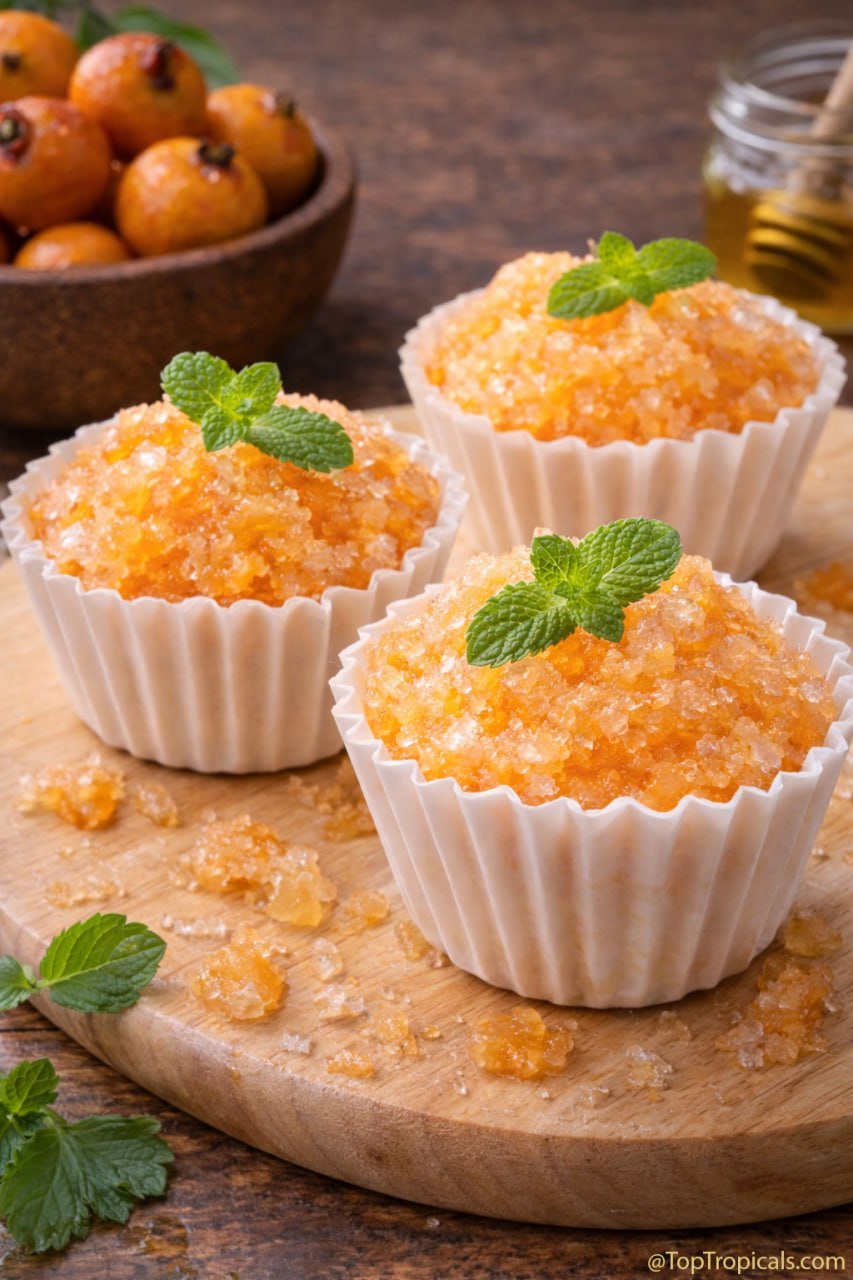
Frozen pitomba pops with mint
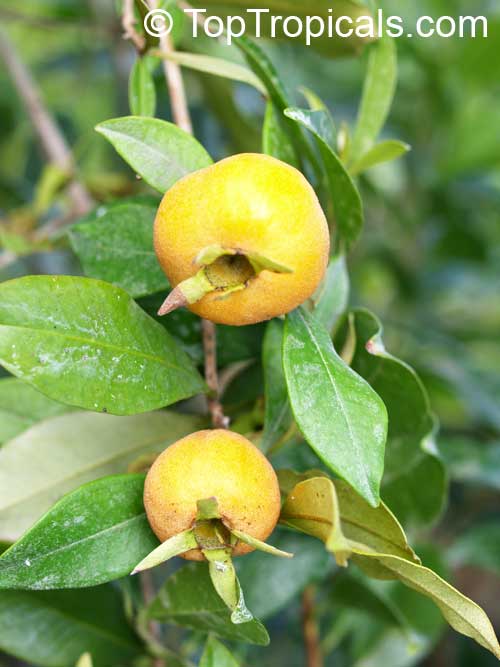
Eugenia luschnathiana - Pitomba
🍴 Pitomba pop cups: quick-n-fun exotic recipes
Pitomba Pop Cups
Ingredients
- 1 cup pitomba pulp
- 1 teaspoon honey
- 1 tablespoon water
- Fresh mint leaves (optional)
Instructions
- Scoop pitomba pulp into a small bowl.
- Mix with honey and a little water to soften the texture.
- Spoon the mixture into small cups or molds.
- Freeze until icy-soft.
- Serve topped with fresh mint for a refreshing tropical snack.
🌿 About the plant:
Pitomba (Eugenia luschnathiana) is a tropical fruit native to Brazil, prized for its bright, citrusy pulp with a sweet-sour kick. The flavor is often compared to a mix of apricot, citrus, and mild resin, making it refreshing and snack-worthy straight from the fruit.


🌱 In the garden:
Pitomba grows as a small to medium-sized slow growing tree with glossy evergreen leaves. It thrives in warm climates, prefers full sun to light shade, suitable for USDA zones 10-11, it can also be grown in large containers and responds well to pruning, making it manageable for home gardens.
🛒 Plant exotic Pitomba cherry in your garden
📚 Learn more:
Eugenia luschnathiana - Pitomba - in Plant Encyclopedia
#Food_Forest #Recipes
🟢 Join 👉 TopTropicals
Date: 18 Jan 2026
Five steps to everblooming Rose Hydrangea
Dombeya seminole - Tropical Rose Hydrangea
🌸 Five steps to everblooming Rose Hydrangea
🌸 Dombeya seminole - Tropical Rose Hydrangea: everyone who sees this plant falls in love at first sight. Exceptional rose-pink flower clusters cover the shrub, and butterflies and bees go wild over it. While it is considered a winter bloomer, here at Top Tropicals garden we regularly see it flower multiple times a year, with peak bloom from November through January and surprise blooms the rest of the year.
🌸 Here is how to keep your Dombeya seminole happy and blooming more:
💋 1. Full sun
The more sun it gets, the more flowers it produces. Sun equals bloom power.
💋 2. Adequate water
Dombeyas are heavy drinkers. Regular watering fuels fast growth and heavier flowering.
💋 3. Feed for flowers
Use Sunshine Megaflor bloom booster with regular watering, or apply Green Magic controlled-release fertilizer every 6 months.
💋 4. Trim after flowering
Prune once blooms fade. A bushier plant means more flowering points next season.
💋 5. Give it space
This is a round, airy shrub. Allow at least 6 x 6 ft for good air circulation and even light exposure.
🌸 Quick facts you will appreciate:
💋Often called Tropical Hydrangea because of its hydrangea-like flower clusters
💋Blooms fall through spring, often all winter
💋Reaches about 6-7 ft tall and wide, but can be kept smaller with pruning
💋Thrives in full sun to partial shade and tolerates poor soil
💋An excellent nectar source for butterflies
If you want a beautiful color that refuses to quit, this shrub earns its spotlight.
🛒 Add Beautiful Dombeya to your garden
📚 Learn more:
Dombeya seminole - Tropical Rose Hydrangea i- n Plant Encyclopedia
The number one seller of tropical flowering shrubs: Tropical Rose Hydrangea.
What is the most popular Winter-flowering shrub?
How to create privacy in your yard fast
#Hedges_with_benefits #Butterfly_Plants
🟢 Join 👉 TopTropicals