Date: 10 Oct 2020

Healthy Plants: Q&A from Mr Booster
How to keep bugs away naturally?
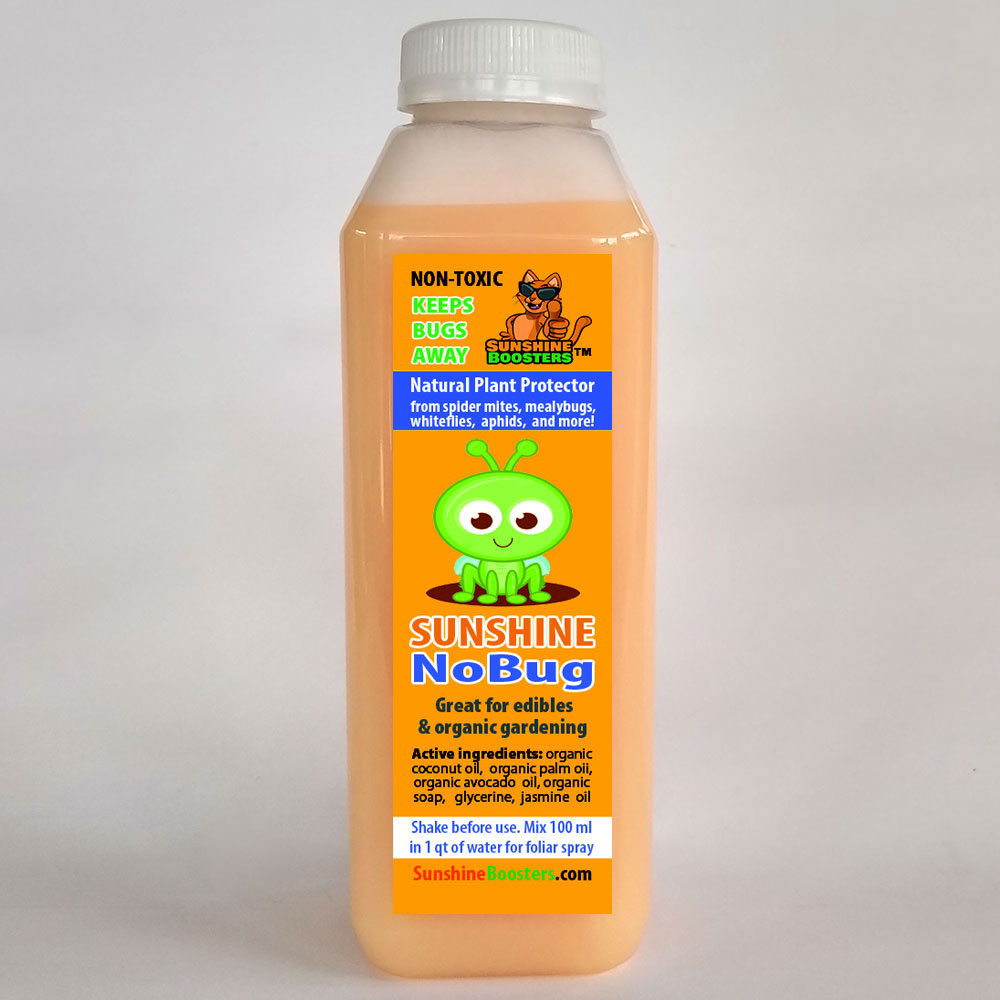
Q: I started moving my tropical plant collection indoors as it's getting colder... And all of a sudden, I noticed bugs on leaves! I know for sure all my plants were bug-free when I kept the pots outside in my lanai. What happened? And how can I keep them clean and healthy without using any harsh chemicals? I have many edibles and herbs that I use in my cooking and prefer to stay away from insecticides. Any suggestions?
A: It is very common when healthy looking plants, once moved
indoors for the winter, get insect infestations. The main reason is change of
environment that puts a plant into stress and makes it susceptible to parasites
and diseases. Just think about what a plant is missing, a whole combination
of necessary conditions that provided a good life:
- Bring light -> light level reduced, so beneficial UV spectrum is gone
- Air circulation -> less wind = more bugs thriving
- Warm temperature -> from upper 80's in summer to 70's in your AC room
- Air humidity -> although humid air is believed to be causing some issues
(for example fungus), however, reducing humidity overall puts a plant into
stress and makes it more vulnerable.
Many gardener prefer to avoid chemicals, especially when it comes to treating edible plants and indoor collections. The solution to your problems is - Organic Solution!
SUNSHINE NoBug - Natural Plant Protector.
Shampoo for Plants - for both indoors and garden
SUNSHINE NoBug - is a natural solution to keep your plants healthy and
bug-free without harsh chemicals. It is great for organic gardening and
edibles, eco-safe and non-toxic for humans and pets.
It kills, repels and prevents: spider-mites, mealybugs, whiteflies, aphids
and many more. No wait time required - spray and play! And it smells like
jasmine, forget stinky insecticides!
How does it work? Just look at these ingredients: Kosher Glycerine, Organic
Coconut Oil, Organic Palm Oil, Oat Protein, Organic Soap, Horticultural Oil,
Jasmine Oil, Water. Yum! But bugs hate it - they suffocate in it! This is
why your plants will have NO BUGS with NoBug, that's it!
Directions are simple:
- Mix 100 ml (3-4 oz) with 1 qt (32 oz) of water, or 500 ml (16 oz) in 1
gal of water - for larger applications
- Spray foliage to drip point, including underneath leaves.
- Repeat the treatment in 7 days.
- As a preventive care, spray leaves once a month to keep insects away.
- You may use a paper towel saturated with this solution to wipe the leaves
and remove residue from insects.
- Store at room temperature.


This poor Pepper plant was tossed into garbage can by a neighbor... it looked hopeless, infested with mealybugs. We saved it with NoBug
Date: 28 Mar 2019
Plant Horoscope. Aries Zodiac lucky plants: Red Oleander and Maple
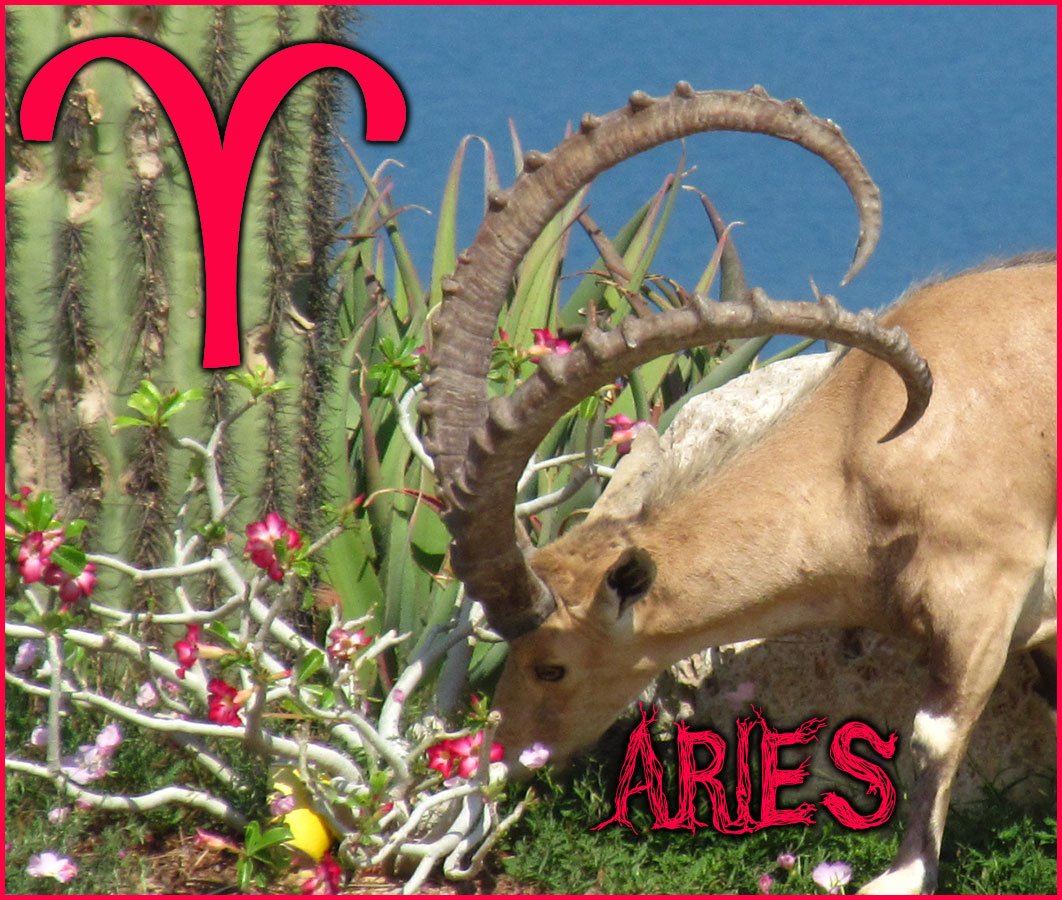
Aries - 3/21-4/19
 Aries is a FIRE sign ruled by the planet Mars. Plants associated with
this element and planet very often have thorns or prickles. They can be also
spicy or bitter in flavor, or red in color. Because Aries rules the head,
eyes, and face, the plants for Aries purify the blood, stimulate the adrenal
glands, and/or are high in iron (Mars rules the mineral iron). Mars-ruled Aries
is assertive, energetic and fearless. Mars rules the red blood cells, the
muscles, and metabolic processes, as well as the motor nerves and the head. These
plants help you when you want more get-up-and-go and the courage to take on
the world.
Aries is a FIRE sign ruled by the planet Mars. Plants associated with
this element and planet very often have thorns or prickles. They can be also
spicy or bitter in flavor, or red in color. Because Aries rules the head,
eyes, and face, the plants for Aries purify the blood, stimulate the adrenal
glands, and/or are high in iron (Mars rules the mineral iron). Mars-ruled Aries
is assertive, energetic and fearless. Mars rules the red blood cells, the
muscles, and metabolic processes, as well as the motor nerves and the head. These
plants help you when you want more get-up-and-go and the courage to take on
the world.
Aries Zodiac lucky plants:
Governors plum, Hibiscus Karkade, Tapioca, Mamey Sapote, Ruda, Baobab, Euphorbia, Acanthus, Aloe, Caesalpinia, Erythrina, Opuntia, Dragon Fruit, Pachypodium, Pomegranate,Chilli peppers, Syngonium, Begonia, Geranium, Red Sandalwood, Jamiaca pepper (Pimenta, Allspice), Camphor, Jujube, Anise, Red Roses, Tiger Lily, Impatiens, Calendula, Tarragon, Ginger, Coriander, Basil,Ruda, Amaryllis, Wild Indigo, Gooseberries, Sesbania, Campsis, Red Oleander, Maple, Schotia brachypetala, Momordica, Coffee, Amla , Ephedra, Red Kapok.
For links to these plants and other signs information, see full Plant Horoscope
Date: 24 Feb 2019
Pisces Zodiac lucky plants
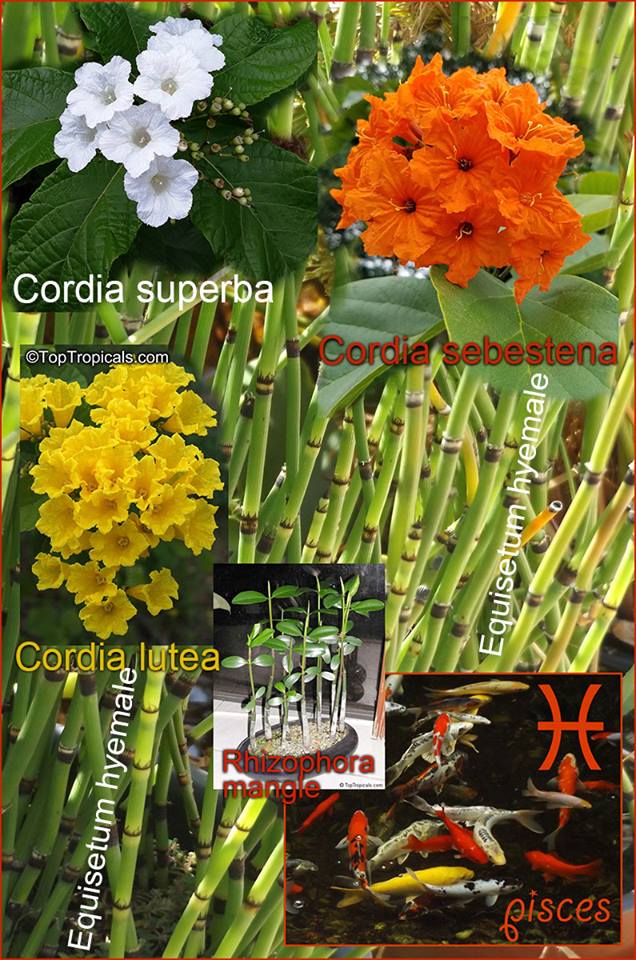

Pisces- 2/19 -
3/20. As a WATER sign ruled by both Jupiter and Moon (and Neptune, that
was not discovered until 1846, after the plant correspondences were
established; Neptune is considered a "higher octave" of the Moon), Pisces plants are
often large but hard to find, and may grow near the ocean. The most healing
plants for Pisces are those that strengthen the immune system or have an
antibacterial effect. Pisces plants may also catalyze expanded states of awareness
and be helpful in dream work.
Herbs connected to Pisces are ruled by its former ruler, the Moon
(Neptune, the current ruler, was not discovered until 1846, after the plant
correspondences were established; Neptune is considered a “higher octave†of
the Moon). Diseases of Pisces have traditionally included psychotic disorders,
various forms of substance addiction, lung diseases such as tuberculosis, and
ailments of the foot; contemporary herbalists also add immune system
diseases. Pisces is strengthened by rosemary's ability to promote an aura of
centered grounding. This protective herb helps strengthen boundaries and cultivate a
closer connection to the physical realm.
Pisces Zodiac
lucky plants: Water lily, Lotus, Clematis, Wisteria, Lisianthus, Brunfelsia, Echinacea, English Lavender, Rosemary, Coconut palm, Cranberry, Clove, Coccoloba, Sea Oats, Mangroves, Ochrosia, Aquatic plants, Colocasia, Alocasia, Aralia, Ficus trees, Banyan, Peepal, Banana, Mango, Mimosa, Olive, Anise, Vilca and Yopo, Kava-kava, Nutmeg, Anthuriums, Eucalyptus, Bauhinia,
Clusia, Caesalpinia, Callistemon, Bucida, Cassia fistula, Cordia, Calabash, Lipstick palm, Delonix, Elaeocarpus, Erythrina, Fatsia, Guaiacum, Mahoe, Koelreuteria, Kopsia, Macaranga, Pandanus, Peltophorum, Psychotria, Banesteriopsis, Tabebuia.
For other signs information, see Plant Horoscope Page
Date: 22 Oct 2024
How to make your Hibiscus plants thrive and bloom
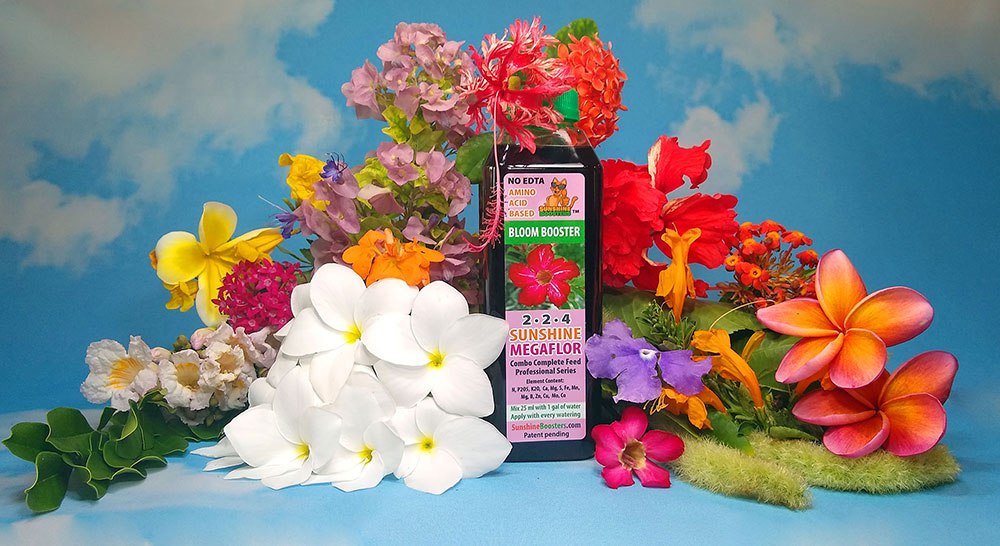
Sunshine Boosters Megaflor
🌷 How to make your Hibiscus plants thrive and bloom
"If your plant isn't flowering, feed it." - Winn Soldani (Fancy Hibiscus)
💬 Among gardeners, Hibiscus plants have a reputation to have couple maintenance issues:
1. they can get bugsy (because they must be so tasty!)
2. they can get leggy, especially fancy grafted cultivars, and after a while they don't look as perfect as when they came from a nursery.
‼️ Tips for healthy and pretty hibiscus plants (can be applied to other flowering shrubs)
- 🟡Full sun. Essential for profuse flowering and keeps away diseases.
- 🟡Pruning. Keep it pruned and it will get bushy and produce more blooms.
- 🟡Well-drained soil. Hibiscus likes regular watering but hates wet feet.
- 🟡Nutrition program. Hibiscus plants are heavy feeders. But keep in mind that if you just keep pushing granulated plant food, you can over-fertilize the plant. Excessive salts will accumulate in soil and you will end up with a sickly looking plant.
⚠️ Keys to balanced plant food and bloom booster
- 💋Use liquid fertilizer, preferably amino acid based, it won't create nutrients lock up
- 💋Fertilize on regular basis, it's better dilute concentration and add food with every watering
- 💋Always add micro-elements - they are essential for plant health
🌞 If you do this right, the result will be:
- ⏺healthy, green plants, like they just came from a nursery
- ⏺reliable blooming circle
- ⏺better cold tolerance and disease resistance. Remember that a strong plant will be less ⏺stressed and less "bugged" by bugs!
😎 We suggest Sunshine Boosters Megaflor - scientifically balanced liquid fertilizer that is amino acid based = natural and organic, can be used for both flowers and edibles, and what's most important - year around. It is safe to use virtually with every watering, all year around!
🔥 This is all you need for healthy plants and lots of flowers!
🛒 Get Sunshine Boosters Megaflor
#How_to #Fertilizers
🔴 Join 👉 TopTropicals
Date: 2 Mar 2025
What Fertilizer to Use Now and How?
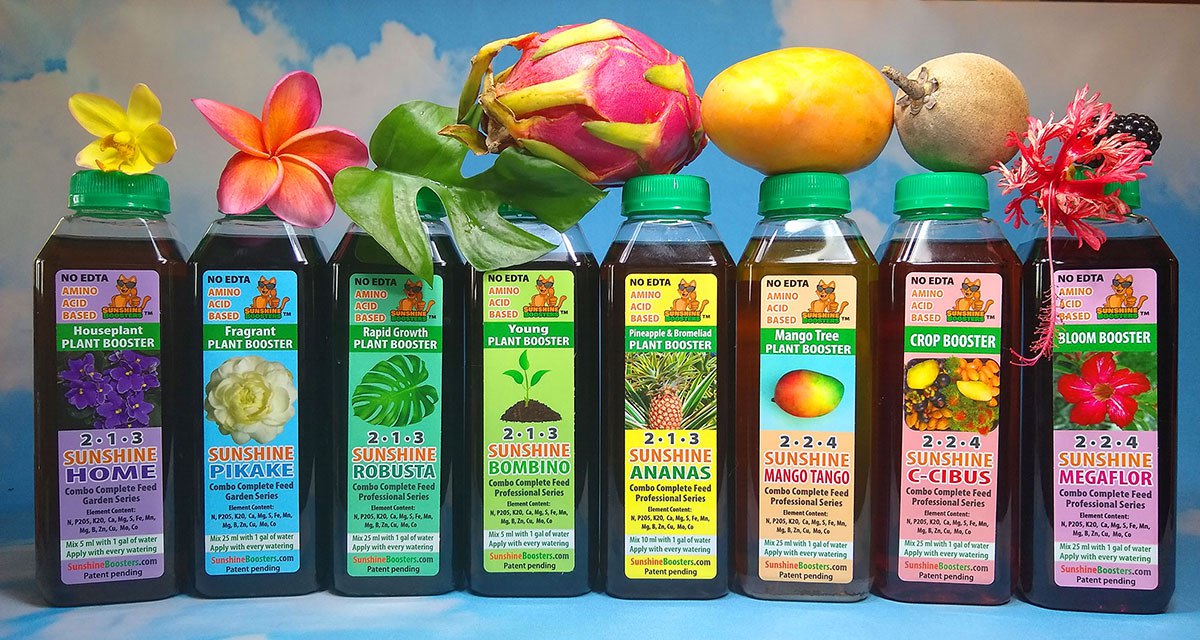
Sunshine Boosters liquid fertilizers
🍲 What Fertilizer to Use Now and How?
Part 1. What are important keys to healthy plants
❓ Q: It's early Spring this year. Should I start fertilizing my plants sooner than usual?
- ✔️ A: Most fertilizer instructions recommend fertilizing tropical plants from March to November. This is because plants don't need as much food during the cooler months when many go dormant, and excess nutrients can burn the roots if not absorbed. However, for the most effective fertilizer program and healthy plants, consider these points:
✔️ Sunshine Boosters Year-Round
Liquid amino-acid-based fertilizers like Sunshine Boosters are safe to use year-round. Since watering is reduced in cooler weather, the intake of water-soluble fertilizer is also lower, providing plants with just the essential nutrients for their minimal needs.
✔️ Dry Fertilizer Schedule
Be cautious with dry fertilizers. Apply them only during active growth in the hot season.
✔️ Temperature Is Key
If March is still cold, delay dry fertilizer use. However, if nighttime temperatures in February stay above 65F, you can start a dry fertilizer program using slow-release, granulated plant food.
✔️ What Fertilizers to Use and How
Check out our Sunshine Boosters selection for different types of plants and choose the right type for your needs. These can be applied as often as with every watering. We will explain in details about every type of fertilizer in our next post🔽
🛍 Shop Sunshine Boosters
#Fertilizers #How_to
🔴 Join 👉 TopTropicals