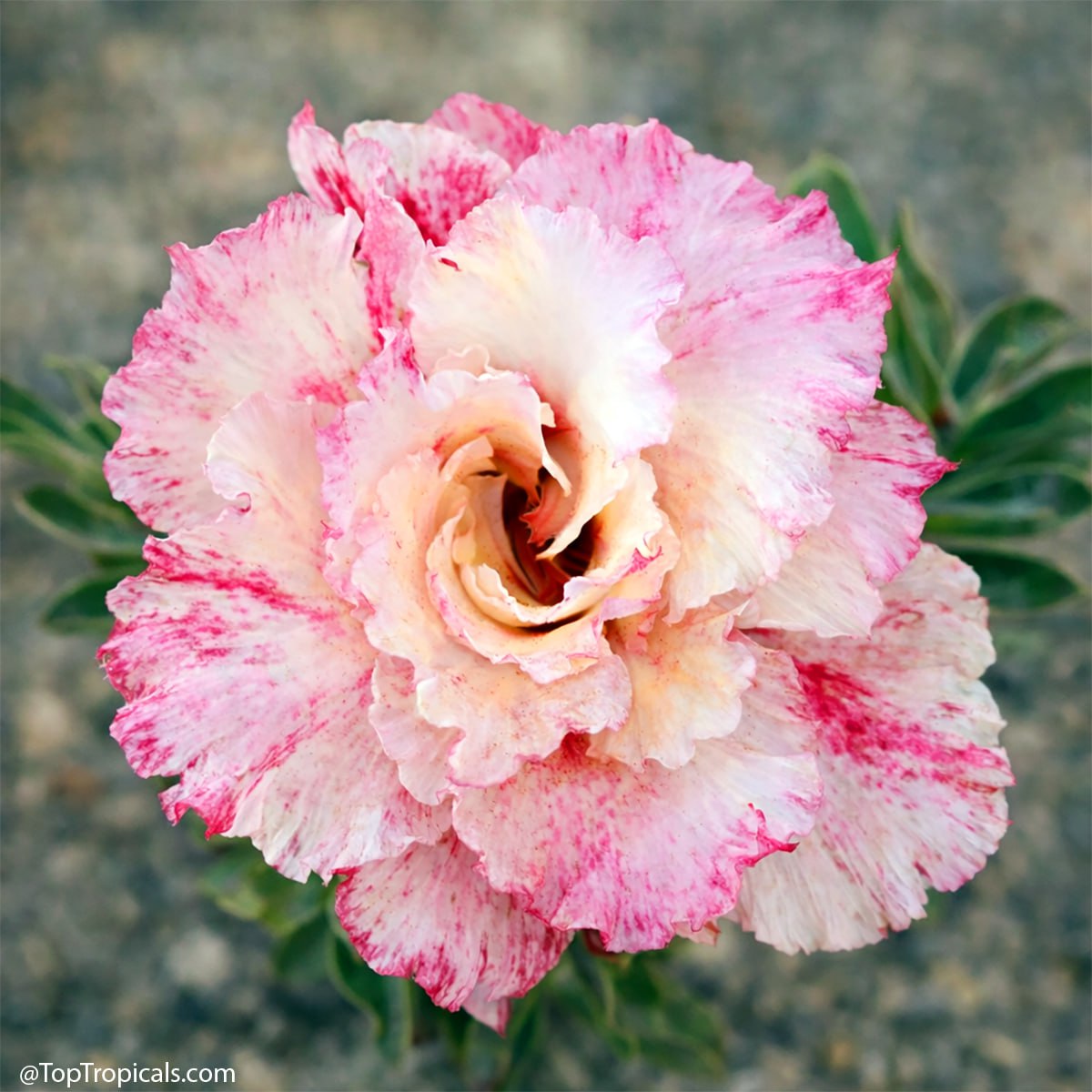
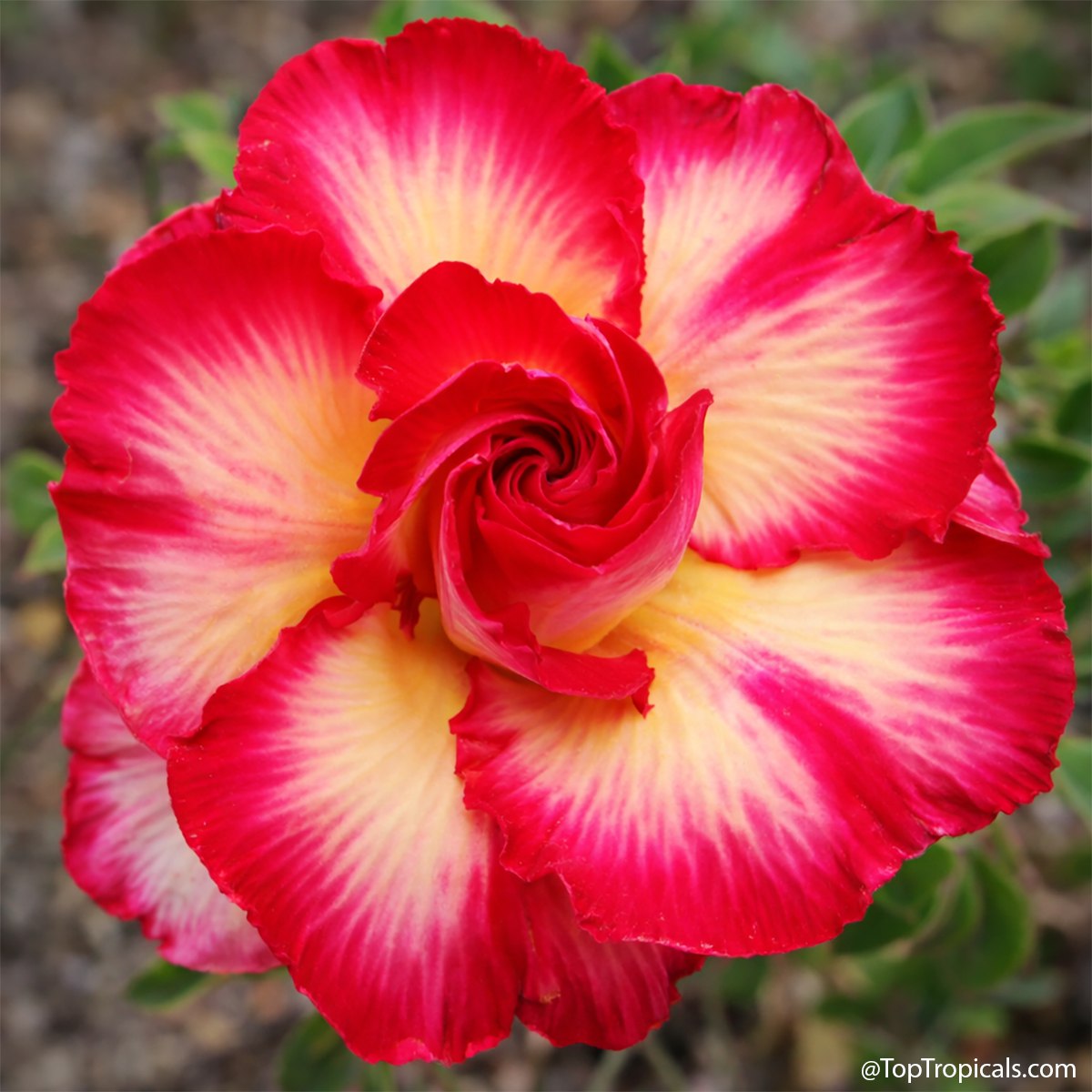
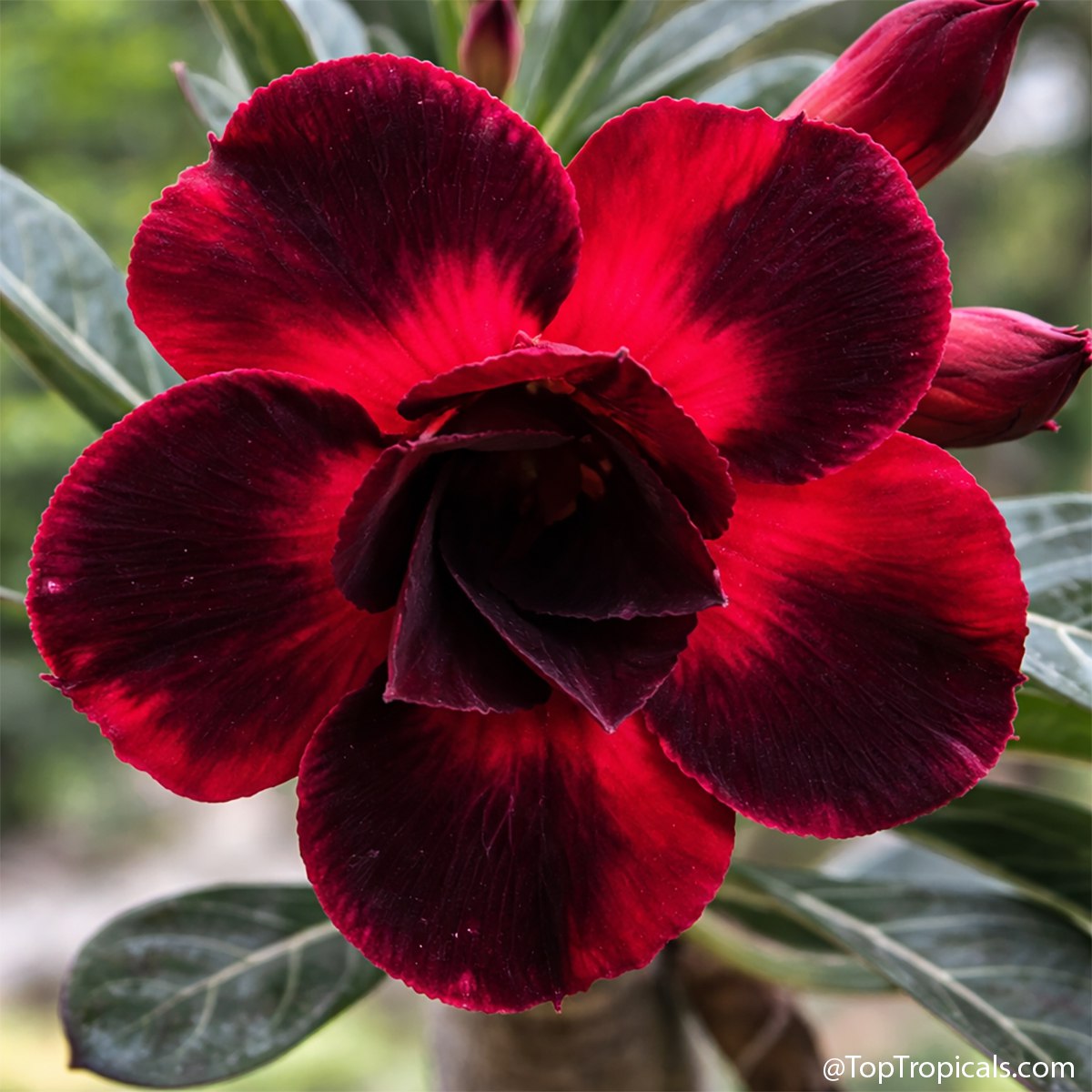
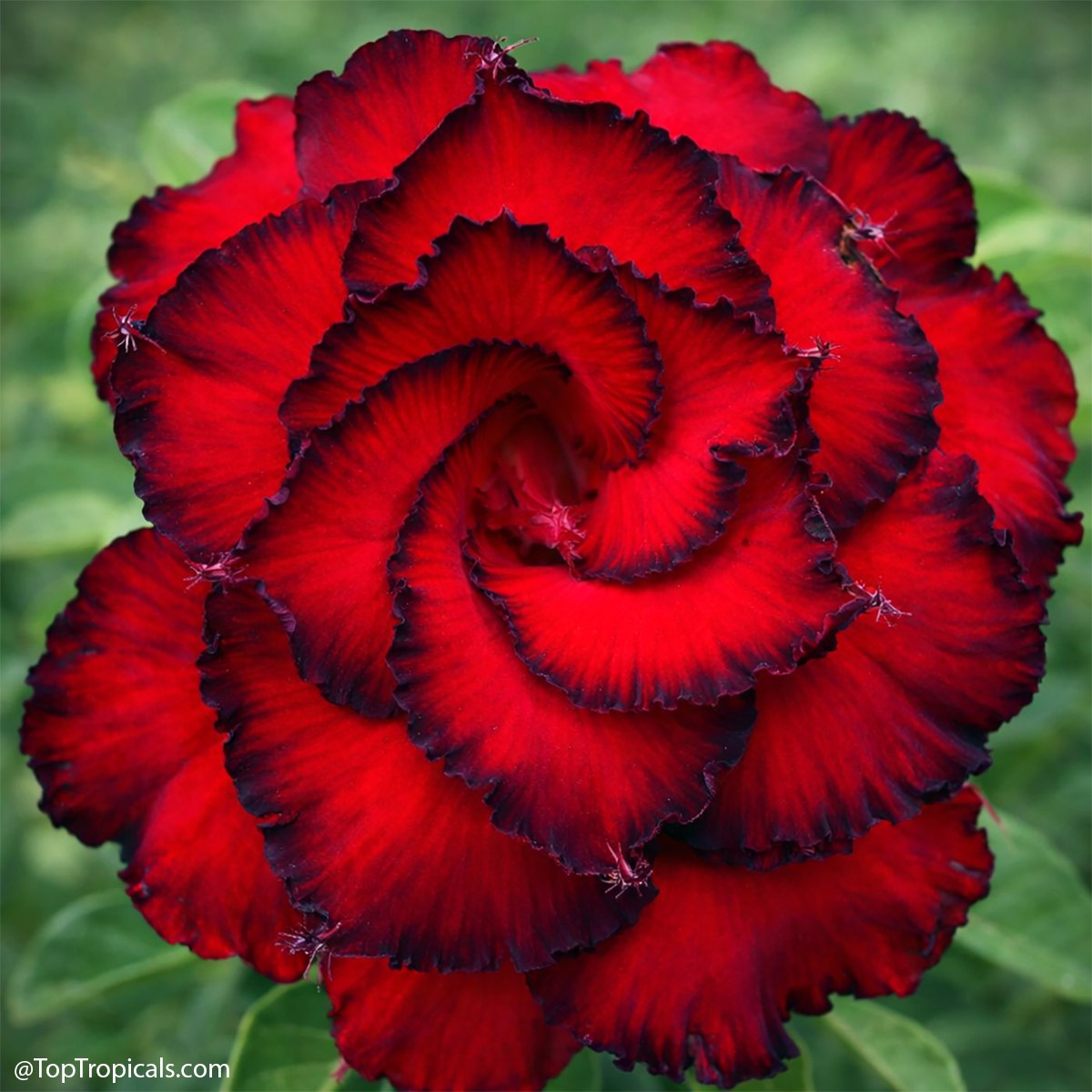
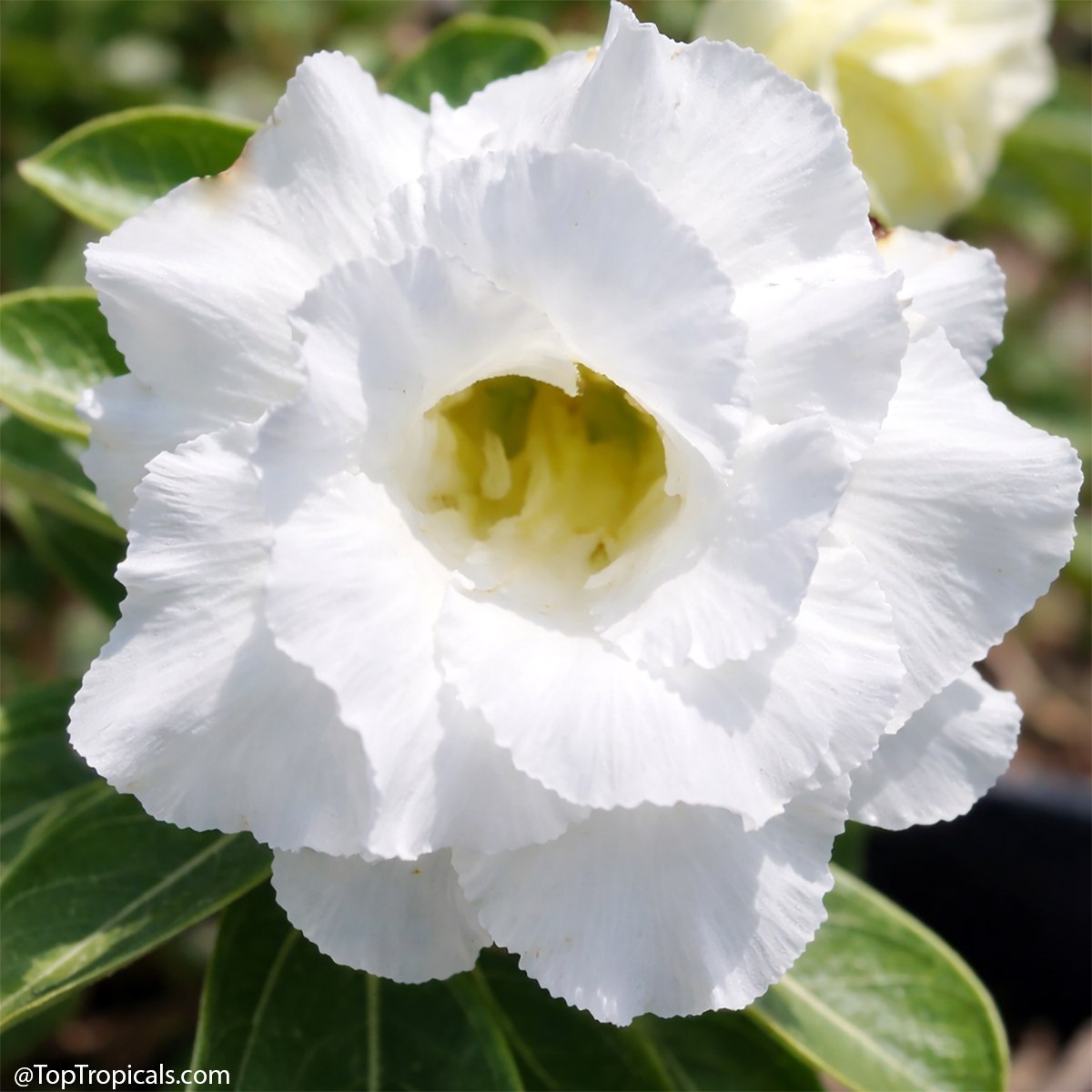
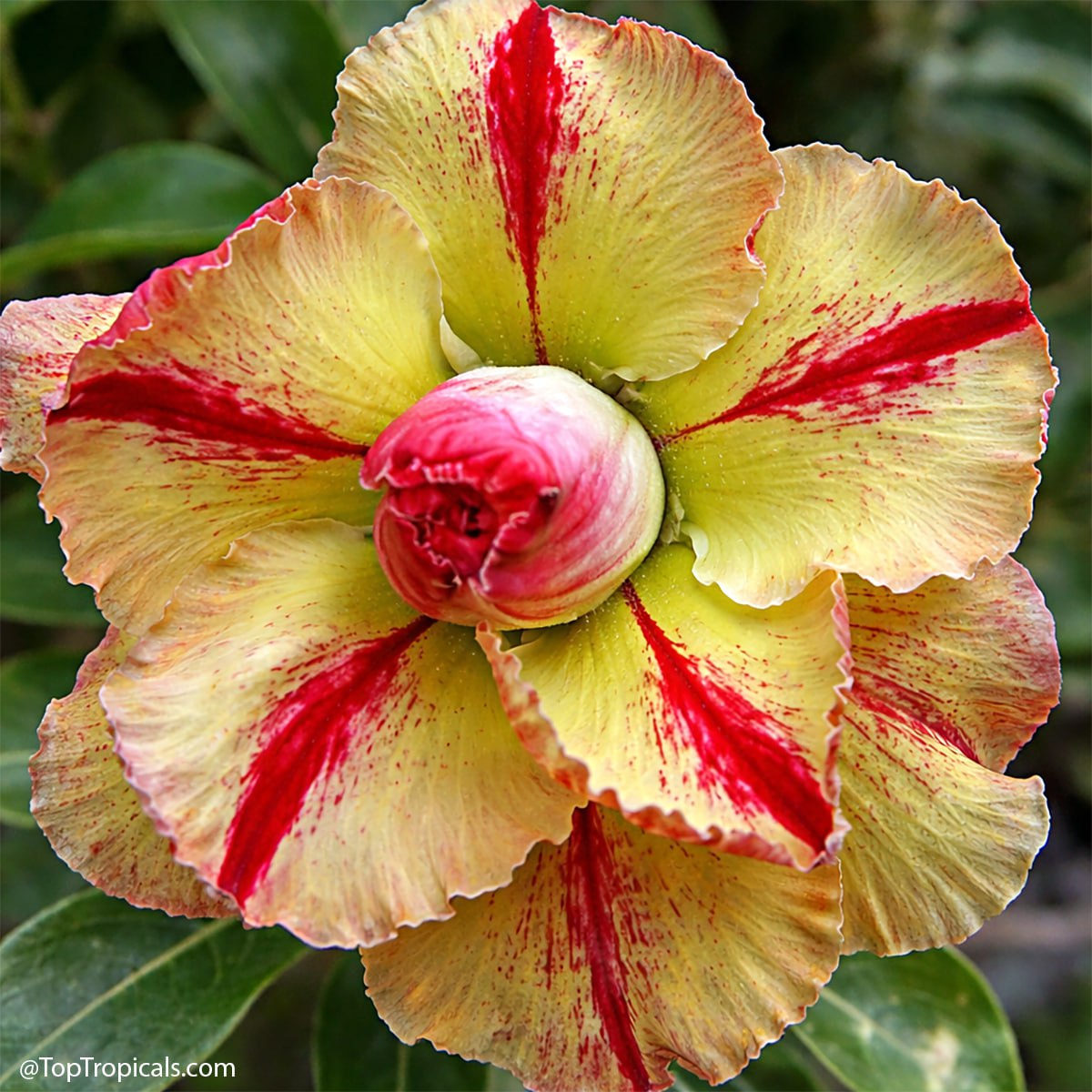
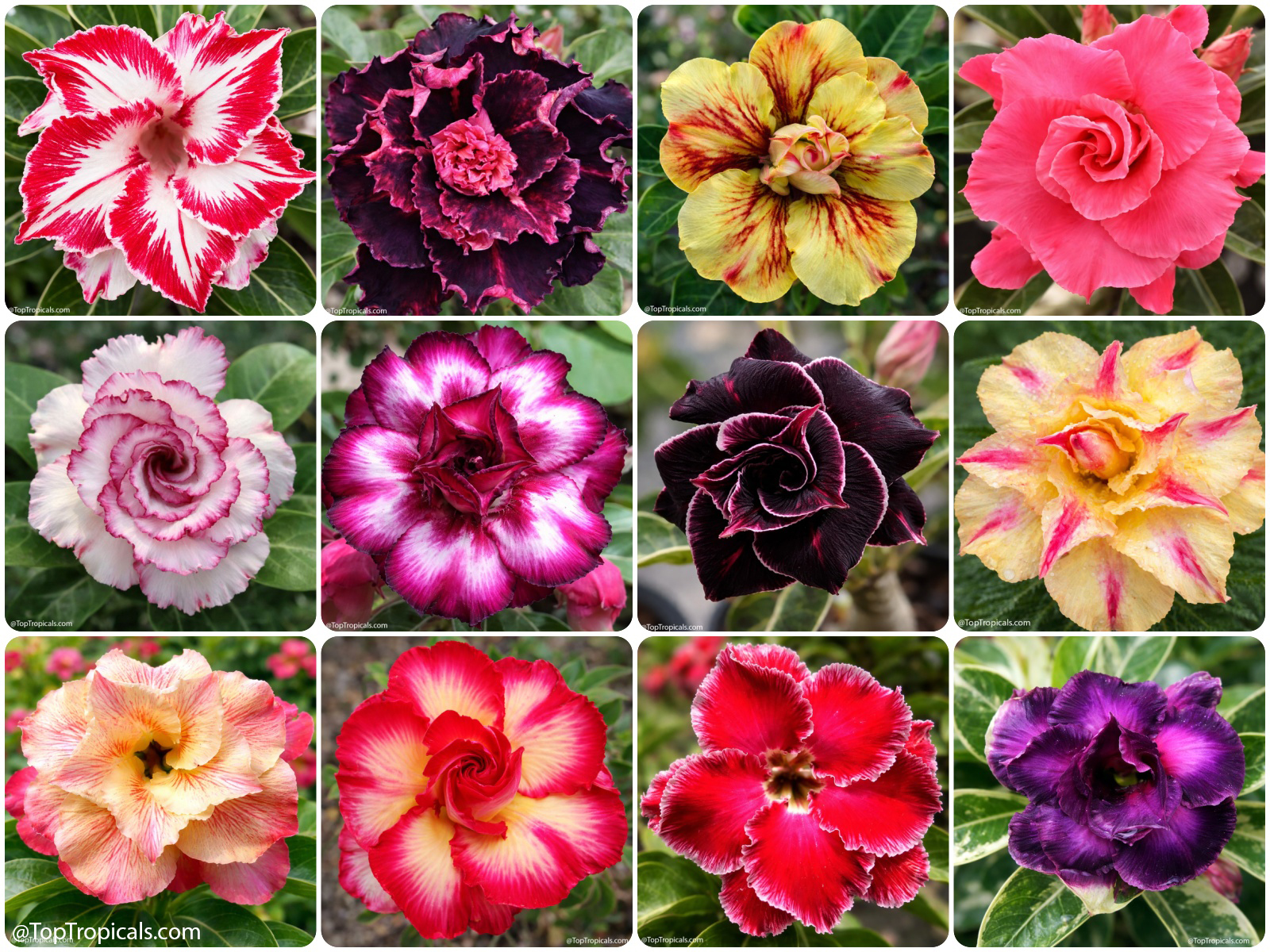
A few adeniums you dont want to miss: Adenium rainbow
Adenium Beauty
Adenium Chok Sedthee
Adenium Black Dragon
Adenium Red Dragon
Adenium Jasmine
Adenium Marygold
A few adeniums you don’t want to miss: Adenium rainbow 🌈
Some adeniums bring color.
Some bring character.
And some… bring both.
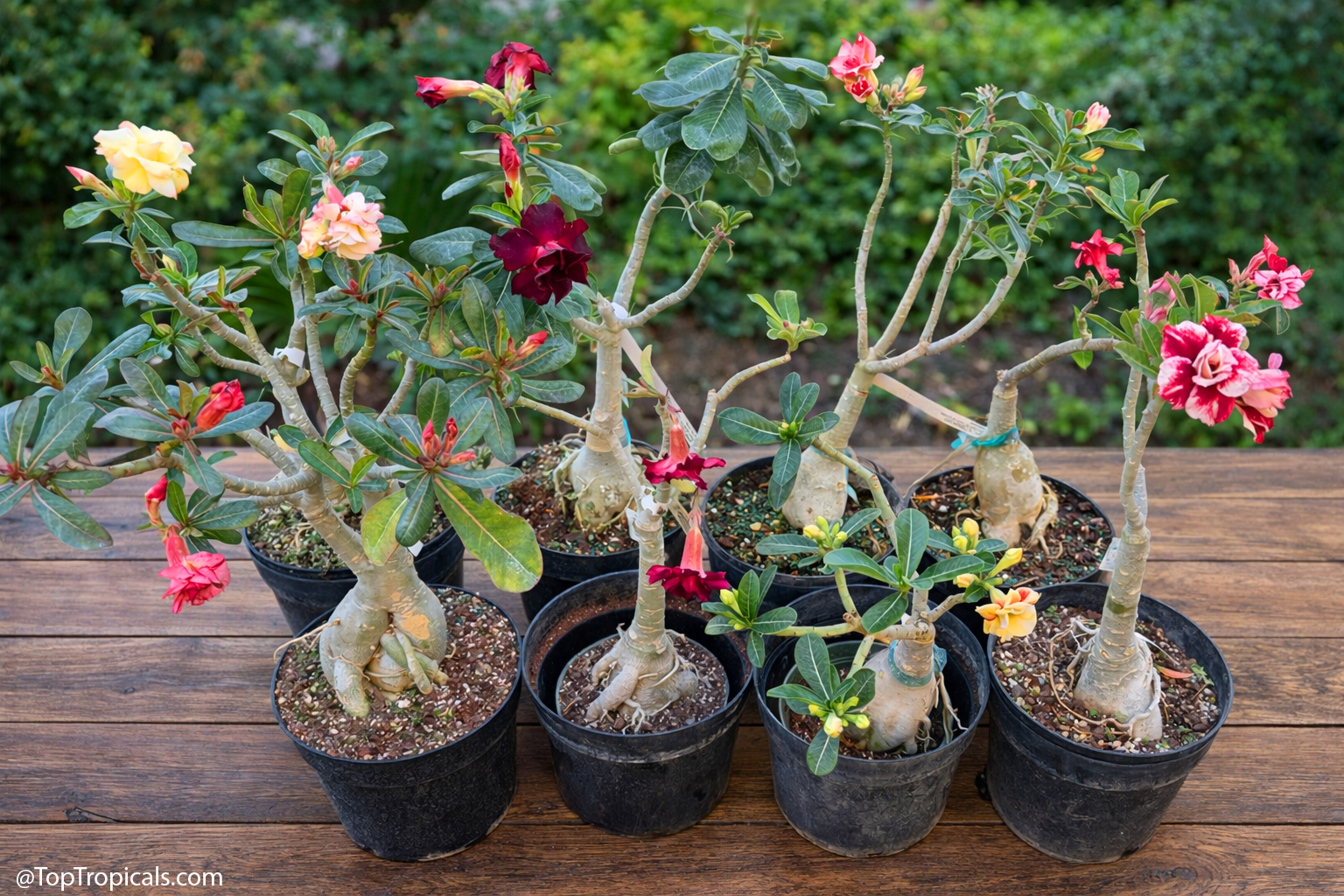
This mix has a bit of everything - strong reds, deep tones, and soft floral shapes that balance it all out.
💡 Trimming tip
It’s always hard to cut back a branch… especially when it’s blooming.
But with adeniums, trimming is key.
After flowering, cut back leggy growth. This encourages branching, and more branches mean more flower buds.
It may feel like you’re losing blooms now - but you’re setting up a much bigger show next.
Trim, let it branch, and you’ll be rewarded with multiple blooms instead of just one.
🌸 Today's featured adeniums
✦ Beauty: Soft, balanced bloom with a clean look - simple and pleasing.
✦ Chok Sedthee: Name tied to wealth and success - a strong grower with presence.
✦ Black Dragon: Deep, intense tones with a bold, powerful look.
✦ Red Dragon: Bright red blooms with strong energy - hard to miss.
✦ Jasmine: Light, delicate feel with a more refined floral look.
✦ Marygold: Warm golden tones that bring brightness into any mix.
A mix like this gives you contrast right away - dark next to gold, simple next to unusual.
That’s what makes a collection interesting: not just how many you have, but how different they feel side by side.
By Tatiana Anderson, Horticulture Expert at Top
Tropicals with Smokey & Sunshine help
Adeniums blooming inside the Top Tropicals greenhouse
during the record freeze of February 2026 - protected from the cold, kept
above 40F, and fed with liquid Sunshine
Megaflor. They responded with a spectacular, synchronized winter bloom.
Quite a surprize!
✅ Simple rules that actually make them bloom and grow well
Light - The more light, the better the growth and
flowering. Full sun is ideal, but in very hot climates, filtered
bright light keeps plants looking healthier.
Water - Water well, then let soil dry on the surface.
Sitting in wet soil damages roots, but letting plants dry
out too often can push them into early dormancy.
Pot and shaping - Use a shallow pot with excellent
drainage. To
develop a sculptural caudex, lift the plant slightly each time you repot and
remove some of the
top soil so upper roots become exposed. Over time, this creates a thicker,
more prominent base.
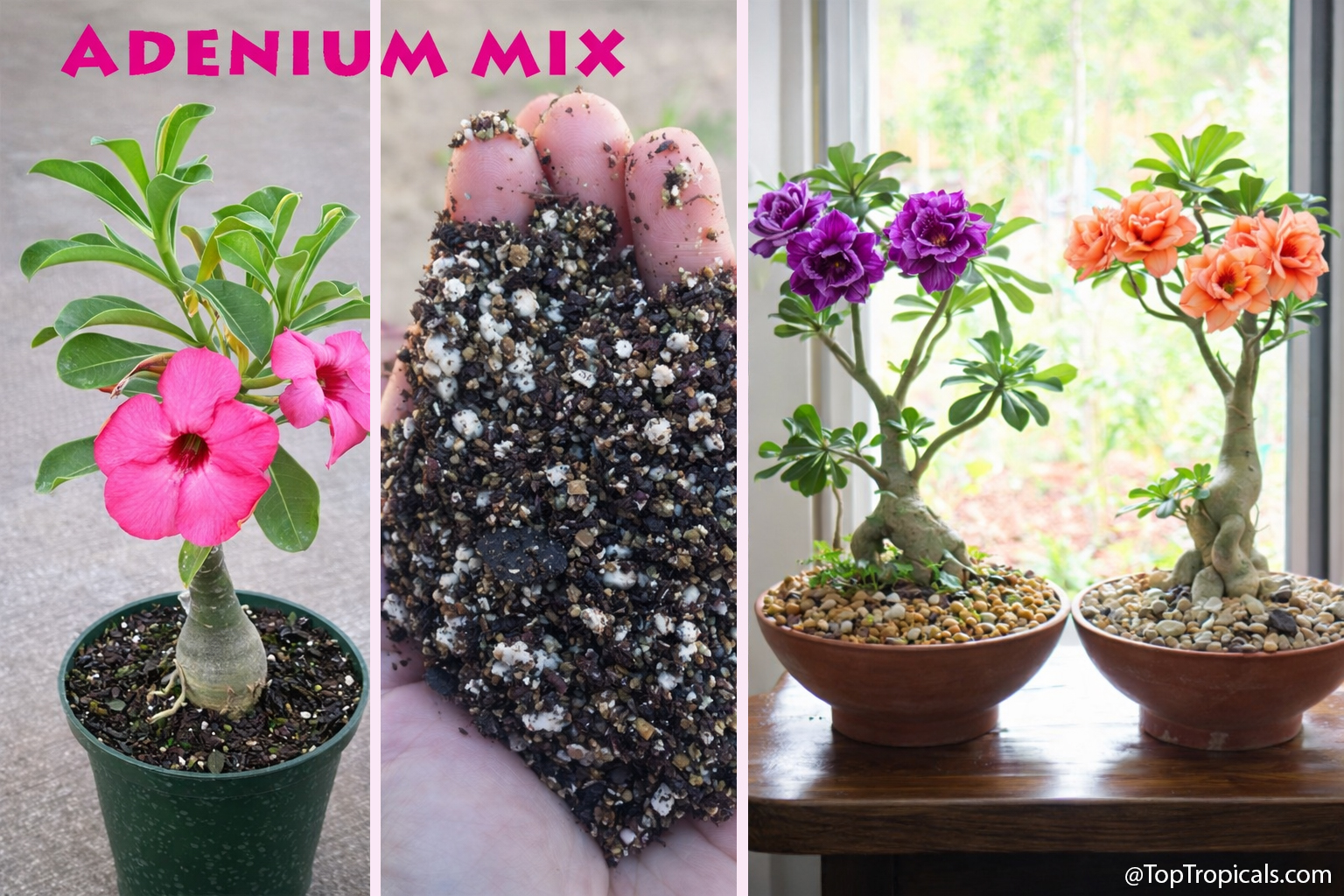
Healthy adeniums start with the right foundation - a
fast-draining soil mix and careful watering only when
dry to avoid caudex rot.
Cold hardiness - Adeniums are tropical and do not
tolerate frost. Keep above 40 F. Brief drops to mid 30s may be tolerated if
dry, but cold and wet conditions can damage or kill the plant. In cooler
climates, bring indoors or
protect during cold nights.
Indoor winter care - Move plants indoors before cold
nights. Place in the brightest spot possible, ideally a south-facing window.
Or use
additional lighting. Water very lightly and less often, as growth slows. Do
not fertilize during dormancy. Some
leaf drop is normal in winter.
Freshly grafted adeniums in
dormancy - a crucial resting phase. Keep watering low (once a month) and
avoid overcare; this is the time to let them rest and etablish.
Feeding - Adeniums respond best to liquid fertilizer.
We apply Sunshine
Megaflor Booster with each watering throughout the year. During
dormancy, watering is reduced, so fertilizer use decreases accordingly.
Consistent, light feeding promotes strong roots, a thicker caudex, and
improved
flowering.
Pruning - For multiple blooms, regular pruning is
essential. After flowering, cut back long or leggy growth to stimulate
branching. Each new branch can produce more buds, leading to a much fuller
bloom in the next cycle.
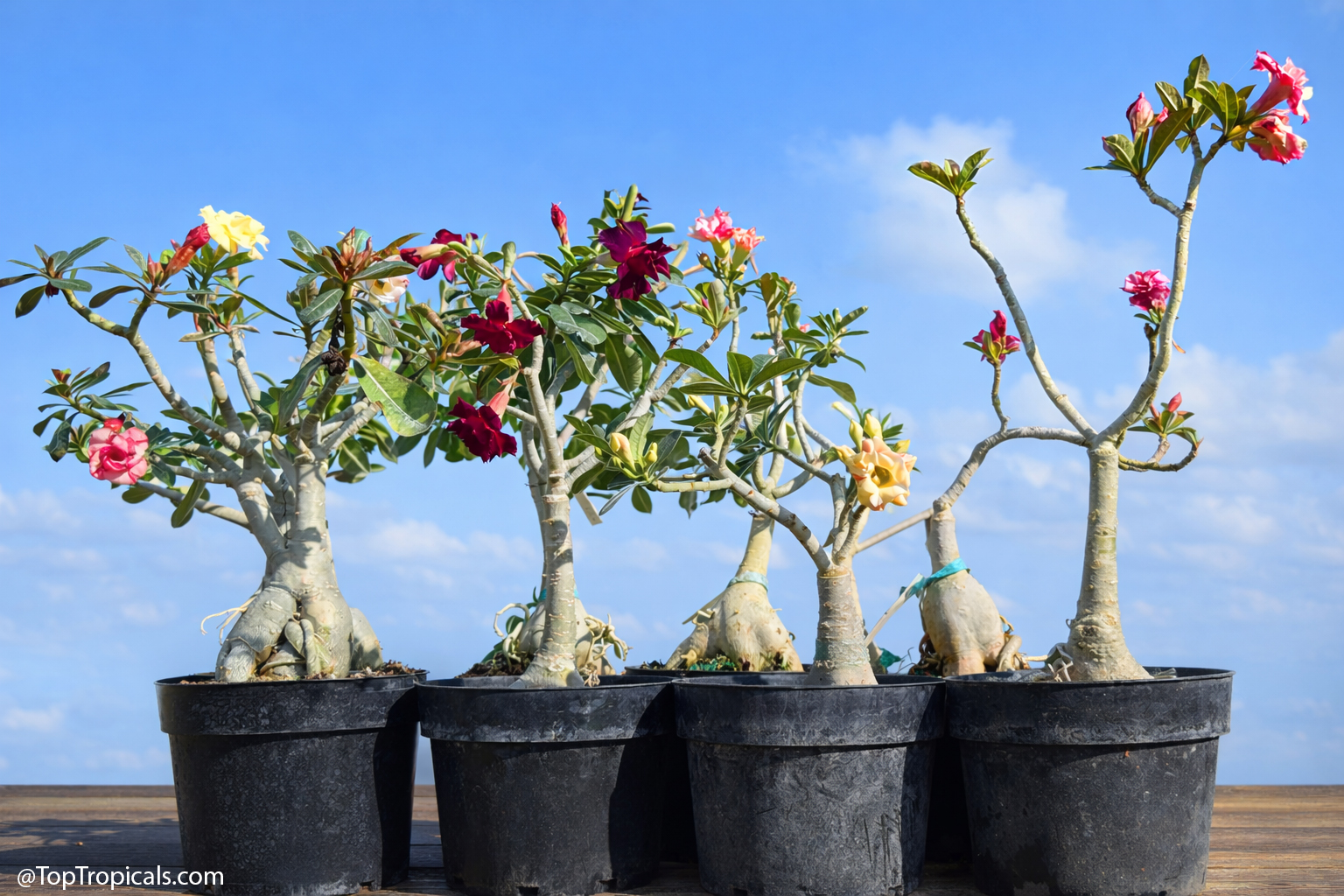
Pruned vs. unpruned - the difference is clear. The four plants on the left
were trimmed 6 months ago, while the two on the right were not. Same
species,
very different results.
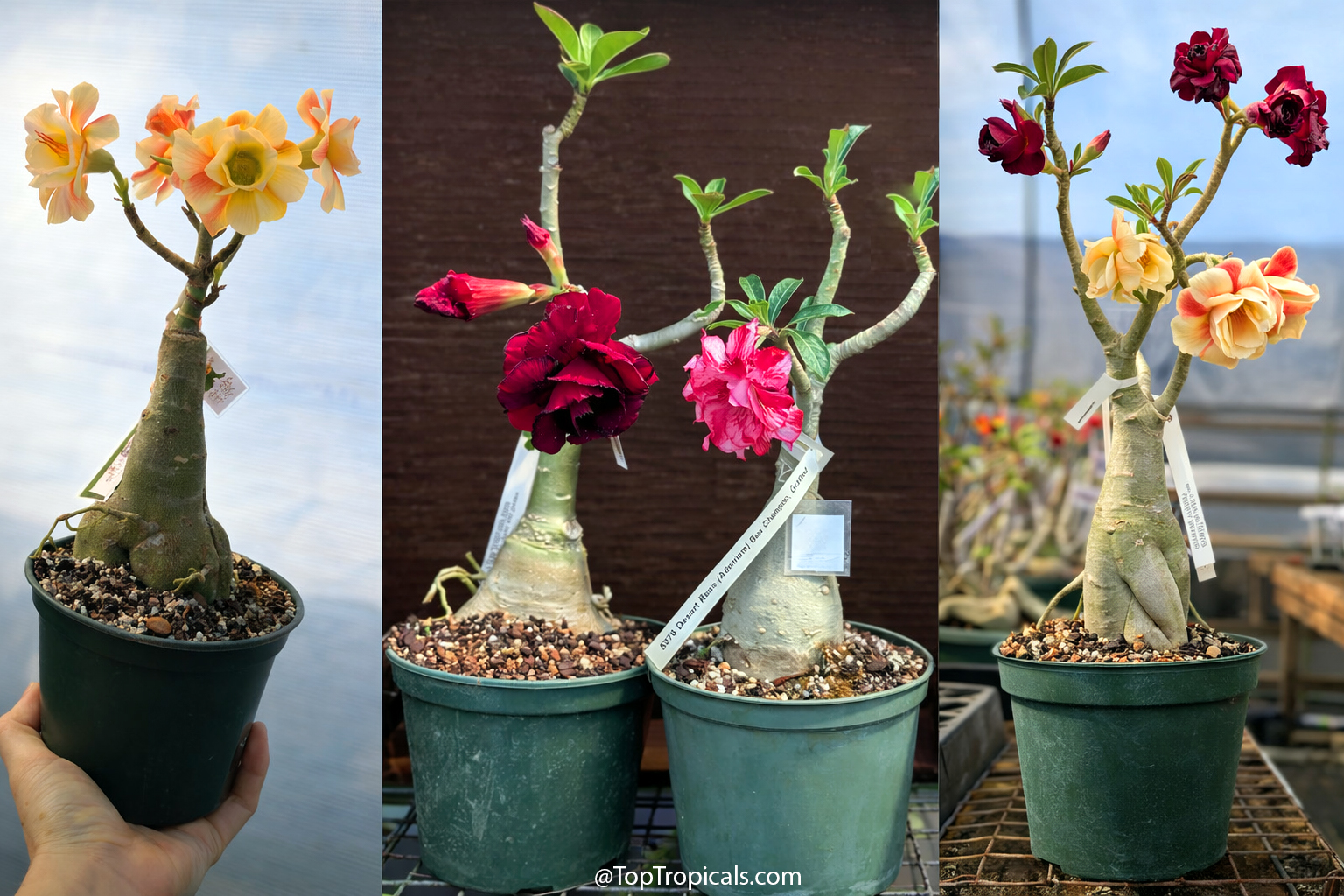
Adeniums can stop you in a strange way. It is not only the flowers,
although they help. It is the whole plant. The
swollen base, the curves, the way no two look quite the same. Some are thick
and heavy, some more refined, almost like they were shaped on purpose.
After a bit, you stop seeing them as
regular plants and start treating them more like objects you want to keep
and look at.
That is usually how a collection starts. One plant, then another that
feels different, and then you want contrast. Light next to dark, soft next
to bold, one with a wide base next to a taller form. It is not really about
having many. It is about how they
look together. And over time, each one changes a little, so the collection
never stays the same.
Adeniums display a wide diversity of colors and
forms, from red and pink to yellow and purple. Through multi-grafting,
several varieties can even grow and bloom on a single plant.
A world of colors in every bloom - how many can you
resist? Warning: Highly
collectible! No two are the same - and that’s exactly why one is never
enough. Rare, unique, unforgettable - build your collection, one stunning
bloom at a time.
Free Shipping on Adeniums
Add bold color and unique forms to your collection with no extra shipping
cost.
Forget the Tropics: These 5 Condo Mango Varieties Thrive in Your Living Room
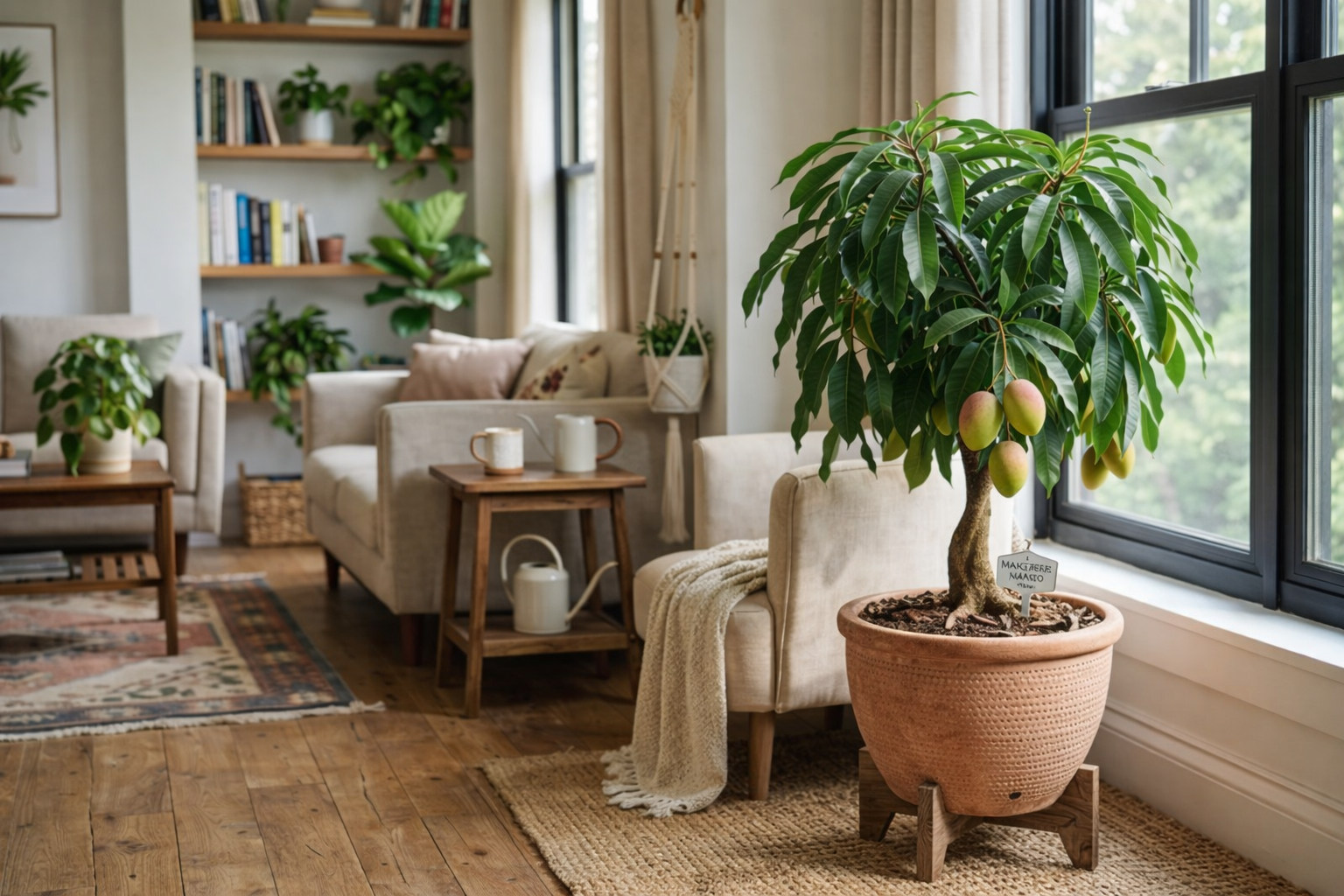
Mngo tree in a pot
Forget the Tropics: These 5 "Condo Mango" Varieties Thrive in Your Living Room 🥭
A tropical orchard in your living room? It’s more possible than you think. While wild mango trees can tower at 60 feet, "condo mango" varieties allow you to harvest juicy, sun-ripened fruit right next to your sofa.
If you have a sunny window and a bit of patience, here is exactly how to grow a potted mango tree indoors.
🌳 Why "Condo Mangoes" are the Secret to Success
Most people fail because they plant a seed from a grocery store mango. Don't do that. Seeds take up to a decade to fruit and grow far too large.
Instead, look for grafted, dwarf varieties. These are bred to:
• Stay compact (6–10 feet).
• Fruit within 1–3 years.
• Thrive in the limited root space of a container.
🌳 The 5 Best Mango Varieties for Indoor Pots
Choosing the right cultivar is 90% of the battle. These five are the gold standard for indoor growers:
• Pickering: The #1 choice for pots; naturally tiny. Rich, fiberless, and coconut-heavy.
• Cogshall: Slow-growing and easy to prune. Classic, ultra-sweet tropical taste.
• Ice Cream: Extremely compact; thrives in small spaces. Creamy texture, like mango sorbet.
• Carrie: High disease resistance; very productive. intense, spicy-sweet aroma.
• Mallika: A semi-dwarf Indian favorite. Exceptional, honey-like sweetness.
Mangoes are sun-worshippers. They need at least 8 hours of direct light daily.
The Pro Move: Place your tree in a south-facing window. If you live in a cloudy climate, a high-quality LED grow light isn't optional - it’s a necessity to prevent leaf drop and encourage flowering.
The Rule: Let the top 2 inches of soil dry completely before watering deeply.
3. Temperature & Humidity
Keep your room between 65F and 90F. If you are comfortable, the tree is likely comfortable. Avoid placing it near drafty AC vents or heaters that sap humidity.
4. The "Bee" Factor (Pollination)
Indoors, you lack wind and insects. When your tree flowers, gently shake the branches or use a small paintbrush to move pollen between blooms to ensure fruit sets.
👉 Quick Tips for a Better Harvest
• Pot Size: Start with a 15-inch wide container and "up-pot" every two years.
• Pruning: Don't be afraid to snip! Pruning the tips encourages branching, and more branches mean more fruit.
• Fertilizer: Use a balanced organic fertilizer with micronutrients (like magnesium and iron). We recommend Sunshine Mango Tango specifically formulated for mango trees, and a micro element supplement - Sunshine Superfood - these are safe to use with every watering.