Garden Blog - Top Tropicals

Date: 10 Sep 2025

Pitaya vs Dragon fruit - what is the difference and how to grow it?
Pitaya vs Dragon fruit - what is the difference and how to grow it?

🌵 Pitaya vs Dragon fruit - what is the difference and how to grow it?


🍉 Pitaya and Dragon Fruit are the same plant!
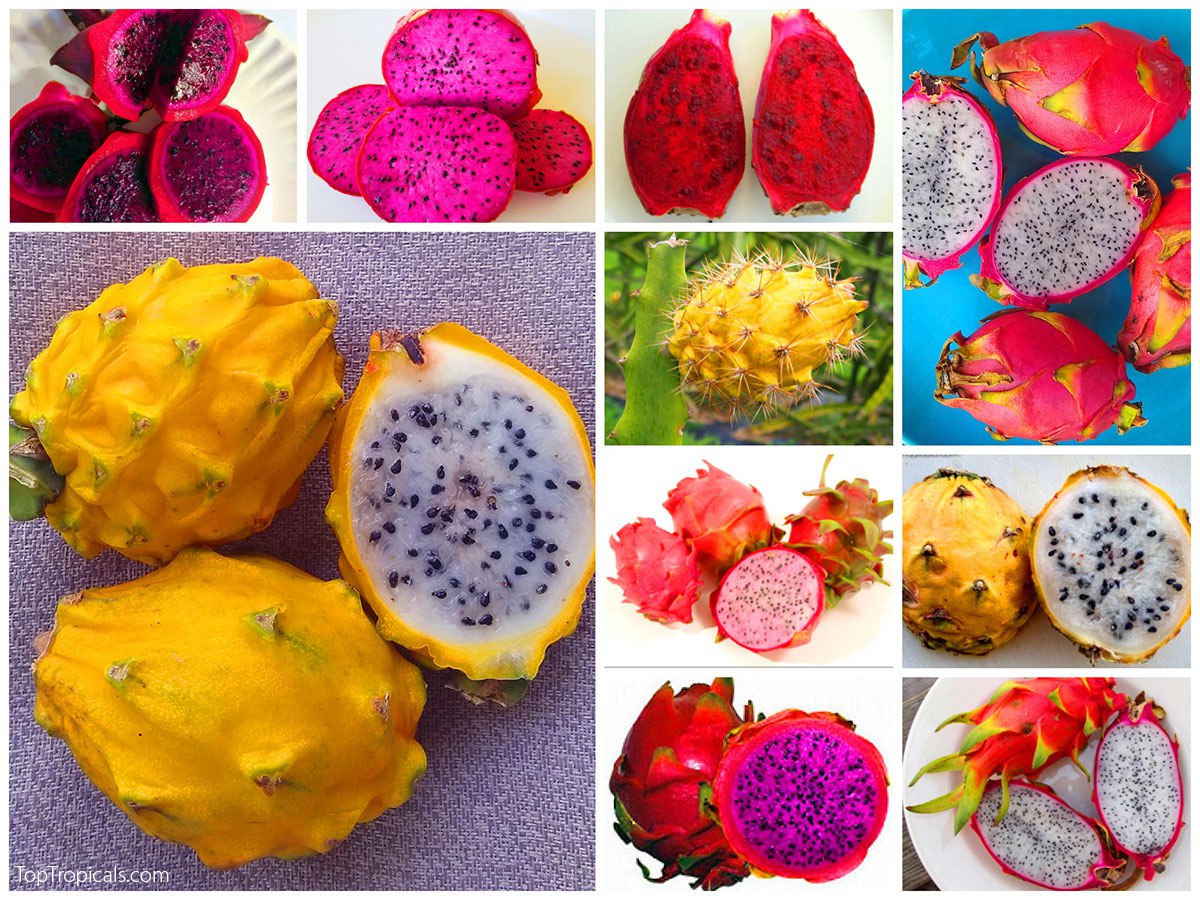
Both names refer to climbing cacti in the genus Hylocereus. The word pitaya is more common in Latin America, while dragon fruit is the name used in Asia and English-speaking countries. They come in different types: white-fleshed (Hylocereus undatus), red-fleshed (Hylocereus costaricensis), and yellow-skinned (Hylocereus, or Selenicereus megalanthus). All share the same growth habit and care needs. Pitaya or dragon fruit - whichever name you use, it's one of the easiest exotic fruits to grow at home.

🍉 How to grow Dragon Fruit


Get a desired variety or start from a cutting - let the cut end dry for a few days before planting to prevent rot.
Plant in well-draining soil with lots of sun.
Give it a strong support to climb on - it's a vining cactus.
Water deeply but let the soil dry between waterings.
Flowers open at night and need pollination - some types are self-fertile, others need cross-pollination.
With care, you can enjoy fruit in 1-2 years. Remember to ferilize!

🍉 Dragon fruit varieties


🔴 ⚪️ Red skin, white flesh (Hylocereus undatus) - The most popular type, and the biggest fruit. Mildly sweet, refreshing, and often compared to a kiwi crossed with a pear.
Varieties: David Bowie, Delight, Hana, Lake Atitlan, Seoul Kitchen, Vietnamese Jaina, Hana

🔴🔴 Red skin, red flesh (Hylocereus costaricensis) - Sweeter, juicier, and more intense in flavor. The deep red juice can stain, but it’s loaded with antioxidants.
Varieties: American Beauty, Bloody Mary, Eureka Red, Costa Rican Sunset, Mac Edwin, Halleys Comet, Mac Edwin, Makisupa, Mega Red, Physical Graffiti, Sweet Red

🔴🟣 Red flesh, purple/magenta flesh (Hylocereus x costaricensis) - Hybrids, usually between red and white varieties.
Varieties: Cosmic Charlie, Edgar's Baby, Halleys Comet, Natural Mystic, Physical Graffiti, Purple Haze, Tricia, Voodoo Child, Zamorano

🟡⚪️ Yellow skin, white flesh (Hylocereus, or Selenicereus megalanthus) - Smaller fruit, but the sweetest of all. Crisp, juicy, and tropical with notes of pineapple or honey.
Varieties: Amarilla (Kirin), Colimbiana, Godlen Dragon, Palora, Thai Gold (Hawaiian)

Each type looks stunning and tastes slightly different, but all are easy to grow once you give them sun, support, and patience.

🛒 Explore and collect Dragon Fruit varieties

📚 Learn more:


· How to grow Dragon Fruit from a cutting - Quick Guide
· How to grow Dragon Fruit 📱
· Planting your own Dragon Fruit plantation
· Do-It-Yourself Support Structure for Dragon Fruit
· Grow Your Own Exotic Dragon Fruit Garden
· Top 10 fruit you'll ever need for your health benefits: Dragon fruit
· What does Dragon Fruit Flower look like?
· Why you need to grow your own dragon fruit
· Do red, white and yellow Dragon fruit taste differently?
· What to do with a lot of Dragon Fruit

#Food_Forest #How_to #Dragon_Fruit

🟢 Join 👉 TopTropicals

Date: 13 Sep 2025

Watch this before cooking with black pepper!

Black pepper (Piper nigrum)

🍃 Watch this before cooking with black pepper!


Black pepper
(Piper nigrum) is famous for its berries, but the leaves are edible too, and in some regions they’re used just like betel leaves or bay leaves. Here are a few ways you can use them:

Cooking wrap: Fresh leaves can be used to wrap fish, meat, or rice before steaming or grilling, similar to banana or betel leaves. They add a mild peppery aroma.
Flavoring curries and soups: Whole leaves can be simmered in curries, broths, or stews to infuse a gentle peppery note, then removed before serving (like bay leaves).
Herbal teas: Fresh or dried leaves can be steeped with ginger, turmeric, or lemongrass to make a warming tea traditionally used for digestion and colds.
Chutneys and pastes: In South India, young pepper leaves are ground with coconut, tamarind, and chilies to make a tangy chutney.
Medicinal uses: Folk remedies use the leaves for coughs, sore throats, and as a poultice for muscle aches.

🍛 Black pepper leaf chutney


♨️Lightly saute 6-8 pepper leaves in a little oil.
♨️Blend with 1/2 cup grated coconut, 2 green chilies, tamarind, salt, and cumin.
♨️Optional: top with a quick tempering of mustard seeds and curry leaves.
♨️Serve with rice or dosa.

☕️ Pepper leaf tea - when you feel under the weather


Boil 2-3 leaves with a cup of water.
Add a slice of ginger and a pinch of turmeric (optional).
Simmer 5 minutes, strain, and sweeten with honey.

Both recipes give a warm, peppery aroma without being too spicy. Pepper leaves are milder than the berries, so you’ll get aroma more than heat.

🛒 Grow your own Black Pepper plant - spice and vegetable!

📚 Learn more:


What is Pepper Made From? Black, white, green, and red...
How to grow your own Pepper plants. Five most valuable 'Pipers'

#Food_Forest #Recipes


🟢 Join 👉 TopTropicals

Date: 5 Feb 2022

Easy Sunday Morning Deals: Fried Egg Tree and Giant Mafafa

Saving on your favorite plants is Easy.
Easy like Sunday Morning...


It's time for our favorite day and another Easy stroll through Top Tropicals Garden with savings of

up to 50% and MORE!

Fried Egg Tree and Giant Mafafa

How do you like your eggs for Sunday breakfast, sunny side up or over easy? We have an amazing Sunny flower for you that is Easy to get today - with Easy Sunday Morning Deals. And yet another plant that is not only amusing, but also edible and nutritious...

Fried Egg Tree

- Oncoba spinosa -

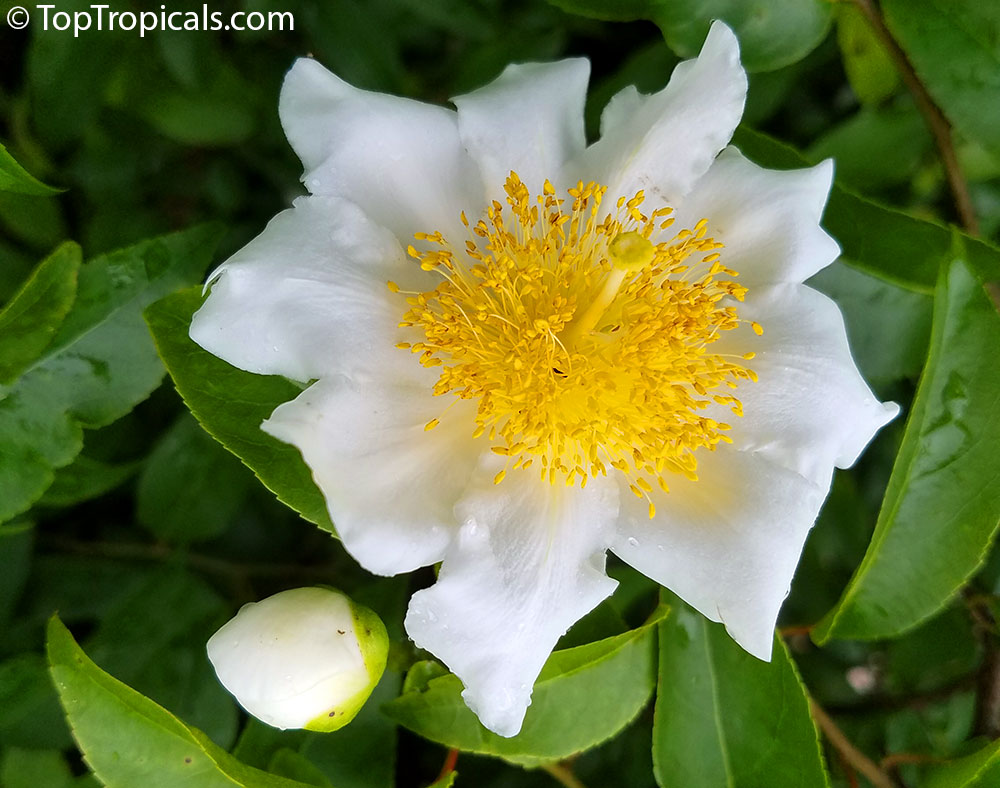
Oncoba spinosa - Fried Egg Tree, has beautiful white and yellow camellia-like flowers look like 'fried eggs'! Flowers are honey-sweet fragrant and attract butterflies and bees. The fruits have a sour, edible pulp.

Taro Root, Mafafa

- Colocasia Thailand Giant -

This Taro has the biggest leaf on planet, it is a conversation piece in every garden. Grown as a root vegetable for its edible starchy corm, and as a leaf vegetable. The corms are roasted, baked or boiled, and the natural sugars give a sweet nutty flavor. The starch is easily digestible, and since the grains are fine and small it is often used for baby food. The leaves are a good source of vitamins A and C and contain more protein than the corms.

Both plants are large and developed, grown in 2-3 gal pots, regularly $42.95 each,
on Easy Sunday sale for only $21.95!

Combine the two and save even more!

2 plants total price: Reg. $85.95 - Easy Sunday Deal: $39.95

Remember, the Easy Sunday Deal expires on Monday February 7th.

Date: 7 Aug 2024

Florida native plants for Florida and beyond

Florida  Native  Plants

If you live in Florida community with HOA, you may need these plants!

Did you know that we carry Native Florida plants?

At Top Tropicals, we have the biggest selection of tropical plants from around the World, with a special selection of Florida Natives. If you are looking for a particular Florida Native plant, just let us know - we can get them for you, because... we are here in Florida and we know them all!

If your Florida yard is regulated by a Homeowners Association, you may be required to plant native plants or those species on approved list. Why? These policies aim to promote sustainable landscaping practices and protect Florida's unique ecosystems. Although this may seem to limit your choices, there are plenty of Florida-friendly plants to choose from!

In general, native plants are adapted to the local climate and soil conditions, making them more resilient and requiring less water, fertilizer, and pesticides. This makes them easy to grow and great for beginners.

Native plants provide essential habitat and food sources for local wildlife, including birds, butterflies, and other pollinators. And Florida flora has a lot to offer for the wildlife!

If you live outside of Florida, our native plants may appear to you as much exotic and rare as those from Asia, S. America or Africa! Let's take a peak at some Natives...

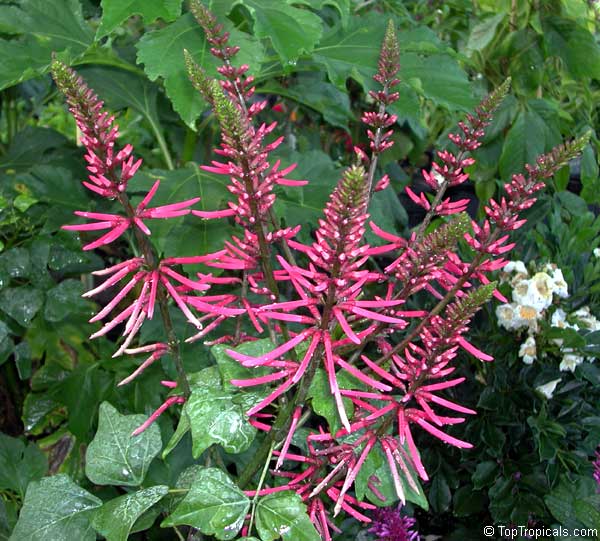
Erythrina  herbacea  -  Coral  Bean

In the photo above: Erythrina herbacea - Coral Bean. Coral trees - Erythrinas are very showy, red-flowering small trees that are perfect for locations with poor soil and limited irrigation, very easy to grow, great butterfly and hummingbird attractors..

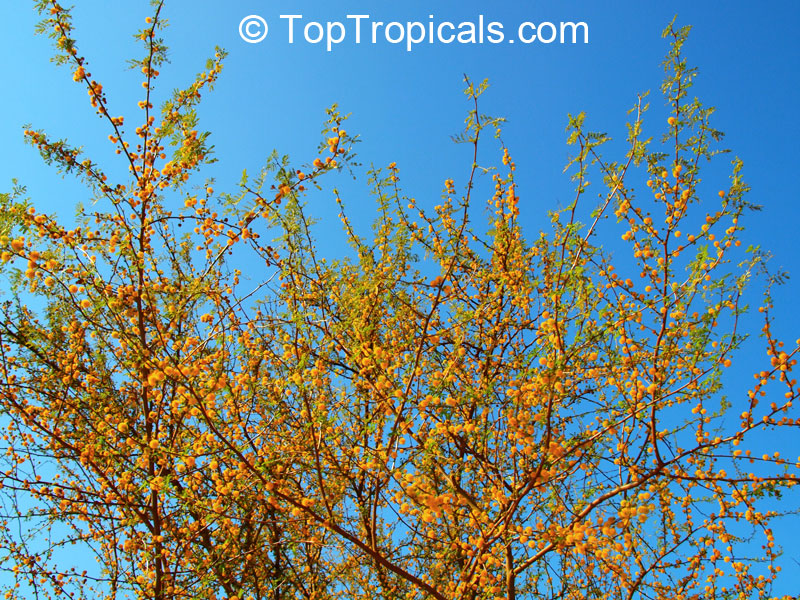
Acacia  farnesiana  -  Sweet  Mimosa

In the photo above: Acacia farnesiana - Sweet Mimosa. One of the most useful tropical plants that is very cold tolerant, blooms all winter through spring with honey-fragrant flowers - canary yellow powder puffs, attracting bees and butterflies. Fast growing bushy tree, tolerates poor soils and drought.

Date: 24 Jun 2018

Plant Horoscope. Virgo Zodiac lucky plants: Crape Myrtle and Laurus nobilis

Virgo - 8/23-9/22. Virgo is an EARTH sign ruled by the planet Mercury, which also rules Gemini. Virgo is traditionally the Goddess of the Grain, and is associated with autumn. Her plants often have finely divided leaves or stems, subtle odors, or small, brightly-colored flowers. The most beneficial plants for Virgo are high in potassium and help to calm the nerves. In its rulership of Virgo, Mercury governs the abdomen and the lower intestinal tract and the entire digestive process. Herbs associated with Virgo assist in digestion (as do Cancer herbs) and help to reduce flatulence. The relaxing, calming scents help Virgo release stress and worries.

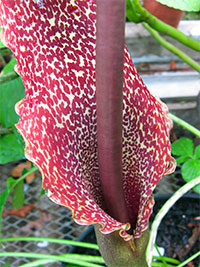
Virgo Zodiac lucky plants: Amorphophallus, Dill, Barringtonia, Bolusanthus, Dioscorea, Grewia asiatica (Falsa), Hibiscus Karkade, Iboza riparia, Lagerstroemia Queens Crape Myrtle, Laurus nobilis (Bay Leaf), Lippia, Melissa, Catnip, Mint, Arugula, Piper betle, Piper sarmentosum, Psychotria, Clove, Banisteriopsis, Papaya, Mesua ferrea (Ironwood), Assai Palm, Jacaranda, Pimenta dioica (Allspice), Petrea, Plumbago, Clitoria, Eranthemum, Litchi, Cashew, Pecan, Nut trees, Cherries, Lavender, Sansiveria, Aloe vera, Blackberry, Honey suckle, Satureja, Vitex, Mulberry, Elaeocarpus, Feronia elephantum (Bel Fruit). On the photo: Sauromatum venosum - Voodoo Lily.

For links to these plants and other signs information, see full Plant Horoscope.