🎁 Mothers Day plant gift guide: something for
every
kind of mom
Skip the bouquet, give her something that
grows
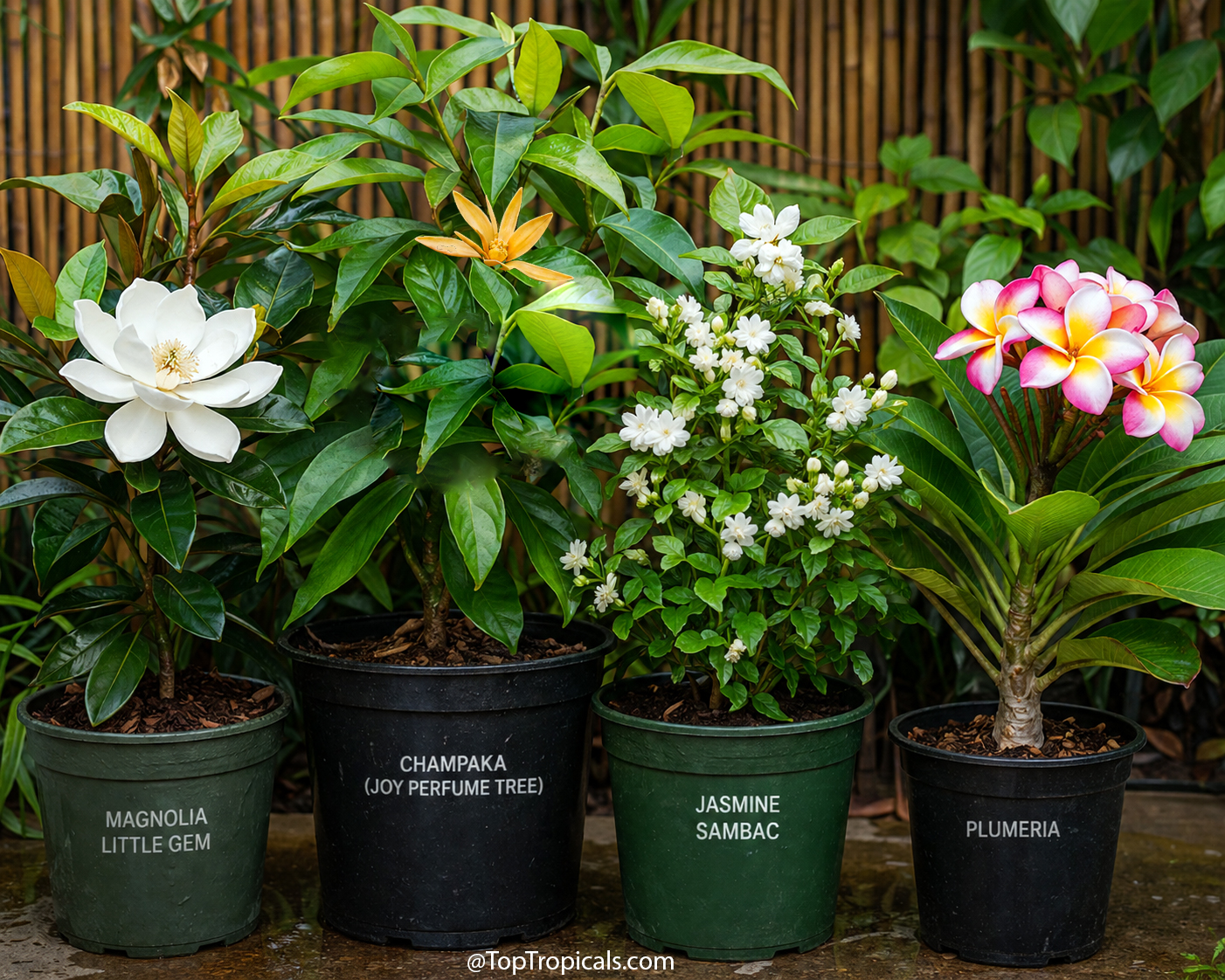
Magnolia Little Gem, Champaka, Jasmine Sambac, and Plumeria
Some gifts last a few days. These don't. Right now, these plants are at
their best in our nursery - full, established, and ready to impress the
moment she sees them. This year, give her something that doesn’t fade.
Pick
a plant that will keep growing, blooming, and reminding her of you long
after
Mother's Day is over. Here are a few easy ways to choose the right one.
Plumeria Plant Facts
Botanical name: Plumeria sp. Also known as: Plumeria, Frangipani
USDA Zone: 9 - 11
Highligths
All of these grow well in containers and are beginner-friendly.
1. For moms who love fragrance - give her living perfume ✨
These are the plants people remember. Soft, rich scent that fills the
garden, patio, or even a warm evening indoors.
Champaka Joy Perfume Tree - the legendary Joy perfume flower - rich,
sweet, and unmistakably bubble gum-like.
Magnolia Little Gem - the classic Southern magnolia in a smaller form -
big, creamy, fragrant blooms that never go out of style.
Wrightia religiosa - a sacred Buddhist tree - delicate white flowers
with a soft jasmine fragrance that feels calm and refined.
href="https://toptropicals.com/store/findname/Jasminum-Sambac.htm?utm_source=mlist"
>Jasmine Sambac - intensely fragrant and impossible to ignore - once you
have it, you won’t want a garden without it
Plumeria - the iconic Aloha flower - bold color, rich perfume, and pure
tropical feeling in bloom.
Parijat Tree Jasmine (Nyctanthes arbor-tristis) - blooms at night and
fills the air with a gentle, unforgettable fragrance.
4. For the fruit lover - grow something she can enjoy and taste
🍒
A gift that turns into harvest. Fresh fruit, right from her own
garden.
Mango Plant Facts
Botanical name: Mangifera indica Also known as: Mango
USDA Zone: 9 - 11
Highligths
Avocado Plant Facts
Botanical name: Persea americana, Persea gratissima Also known as: Avocado, Alligator Pear, Aguacate, Abacate
USDA Zone: 9 - 11
Highligths
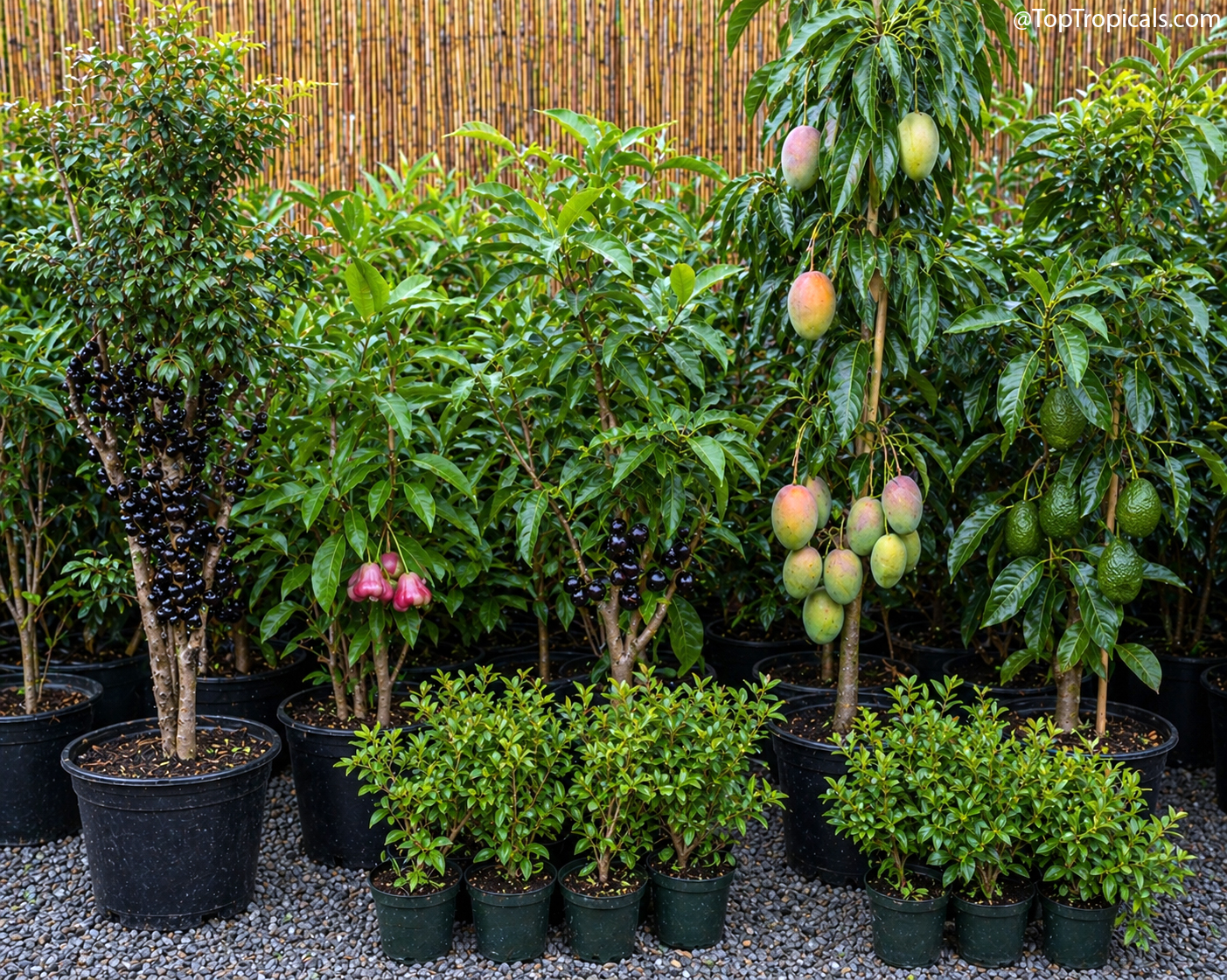
Jaboticaba - a truly unique fruit tree that produces sweet, grape-like
fruit right on the trunk, turning it into a conversation piece.
Rose Apple - crisp, refreshing fruit with a light floral taste and a
beautiful ornamental tree to match.
Java Plum (Jambolan) - deep purple fruit with a sweet-tart flavor,
loved for both its taste and its shade tree presence.
Mango - the king of tropical fruit - rich, sweet, and incredibly
rewarding to grow in your own garden.
Avocado - creamy, nutrient-rich fruit from a tree that becomes a
long-term staple in the garden.
Eugenia cherries - Surinam Cherry, Rio Grande and Grumichama - compact
trees with glossy foliage and delicious, dark cherries that are easy to grow
and quick to fruit.
Tropical fruit trees selection - from Jaboticaba fruiting on the trunk to
Mango, Avocado, and rare Eugenia cherries - a great mix for building a
productive food forest.
Mothers Day Gift Card
💌
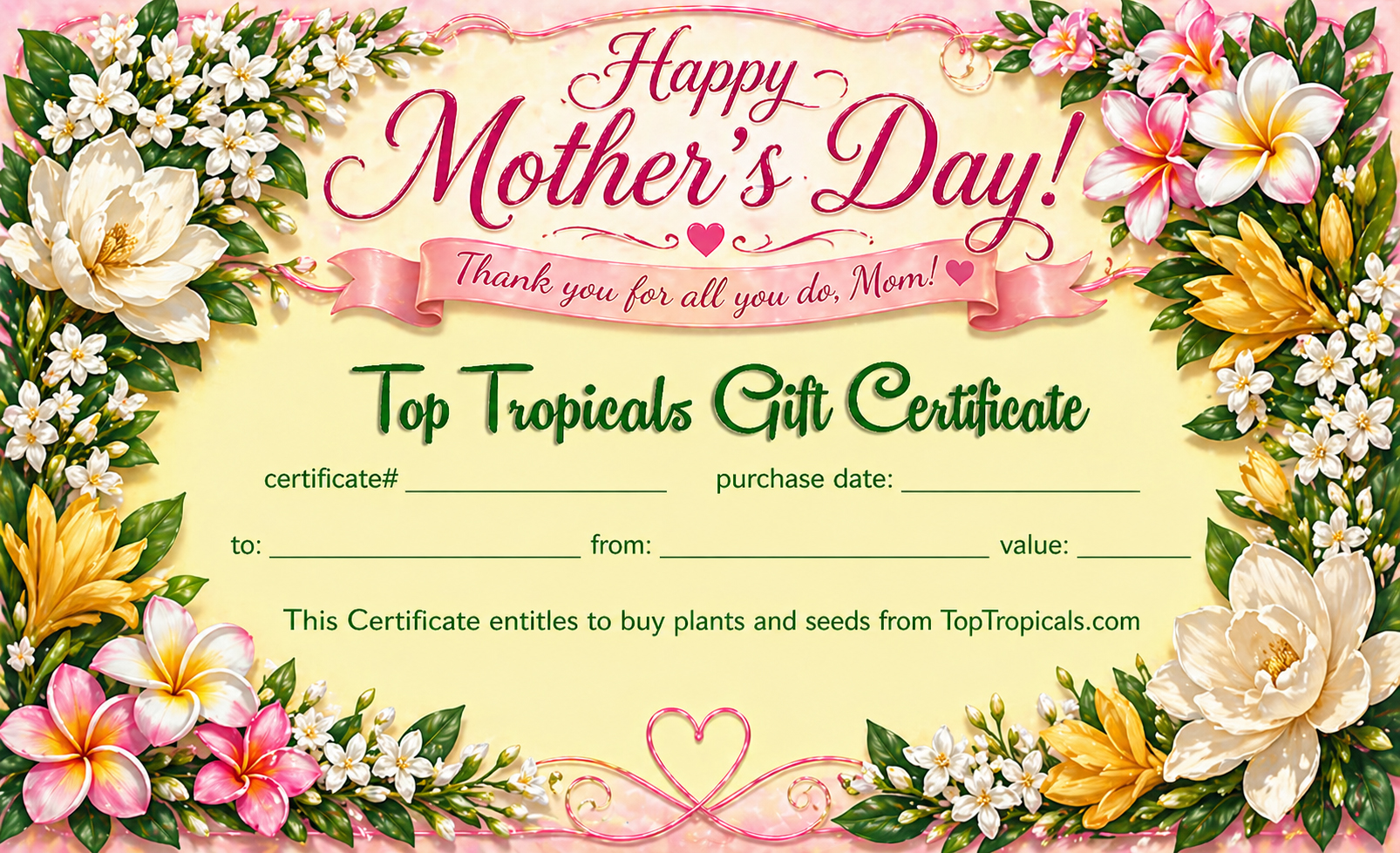
Mother’s Day Top Tropicals gift certificate
Still not sure what to choose? A gift card keeps it simple. She can pick
exactly what she wants, when she is ready for it. No guessing, no pressure -
just something she will actually enjoy.
Get 15% extra value on gift certificates. Just mention
Mother’s Day in the message field.
For example, a $100 certificate becomes $115. A $50 certificate becomes
$57.50.
Offer valid through 05/12/2026.
Bonus value applies to gift certificates only. Must include “Mother's
Day” in the message field at checkout. Not valid on previous purchases
and cannot be combined with other promotions or discounts. Offer subject to
change without notice.
Date: 26 Mar 2026
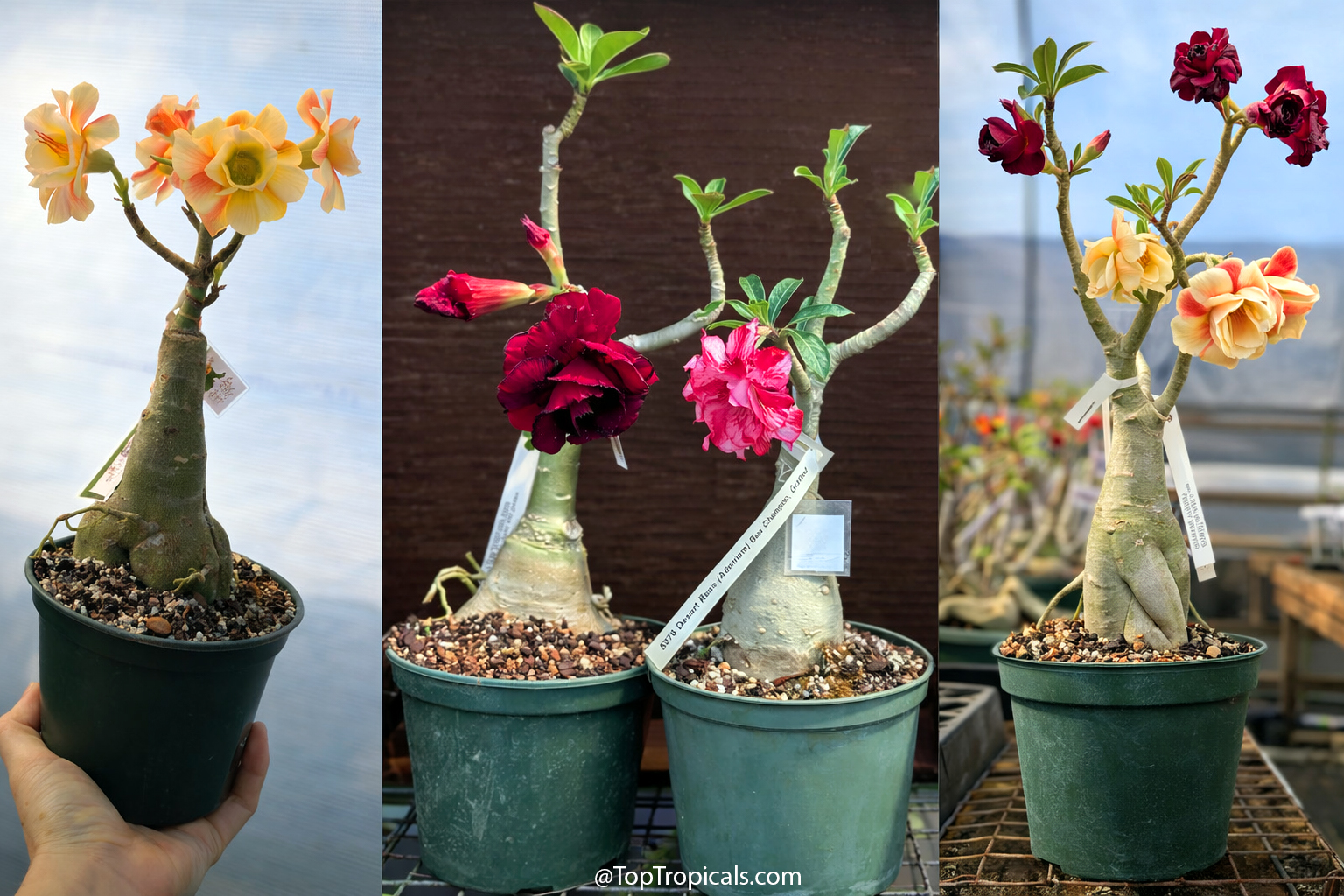
🌈 Adeniums: More Than Just Plants
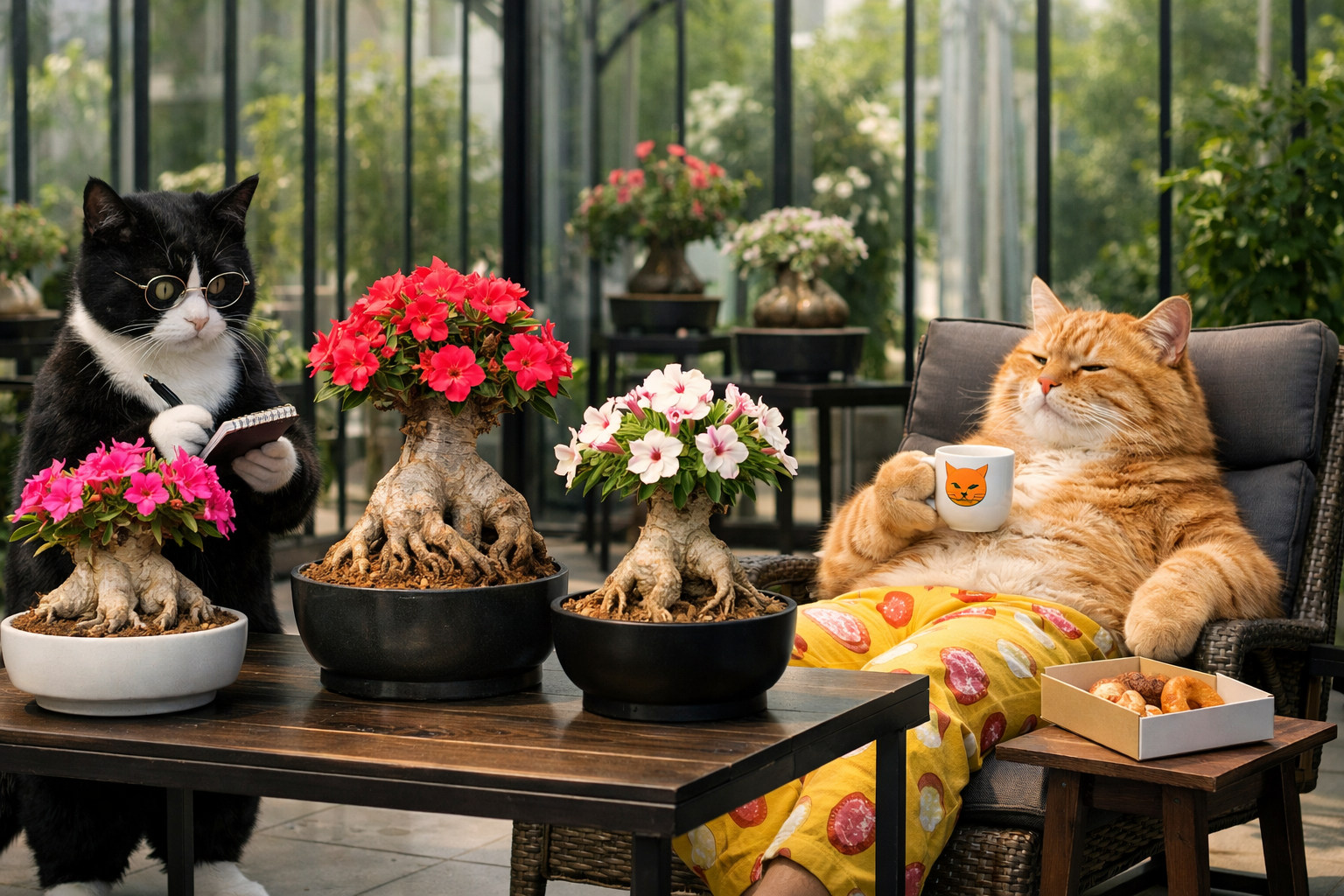
Sunshine: What are they called? Adeniums? They’re not plants.
They’re art. Look at those sculptured butts.
Smokey: Caudex. Water and nutrient storage for future use.
Sunshine: I need a caudex too. For coffee and my donuts
Smokey: You already have one. Have you looked in the mirror
lately?.
Botanical name: Adenium sp. Also known as: Adenium, Desert Rose, Impala Lily
USDA Zone: 9 - 10
Highligths
🌱 Shape, Color, and Why Each Adenium Feels Unique
Adeniums can stop you in a strange way. It is not only the flowers,
although they help. It is the whole plant. The
swollen base, the curves, the way no two look quite the same. Some are thick
and heavy, some more refined, almost like they were shaped on purpose.
After a bit, you stop seeing them as
regular plants and start treating them more like objects you want to keep
and look at.
That is usually how a collection starts. One plant, then another that
feels different, and then you want contrast. Light next to dark, soft next
to bold, one with a wide base next to a taller form. It is not really about
having many. It is about how they
look together. And over time, each one changes a little, so the collection
never stays the same.
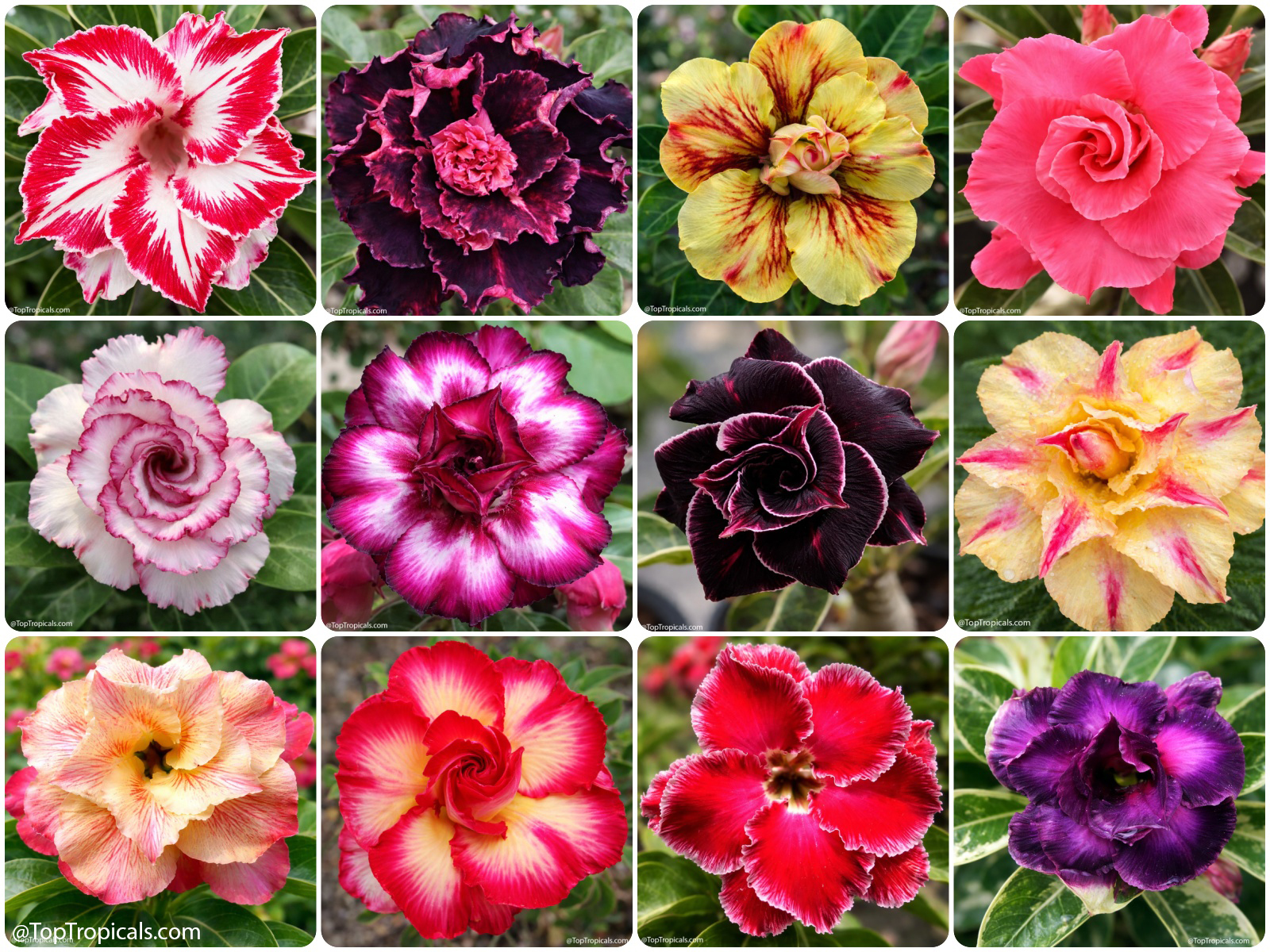
Adeniums display a wide diversity of colors and
forms, from red and pink to yellow and purple. Through multi-grafting,
several varieties can even grow and bloom on a single plant.
A world of colors in every bloom - how many can you
resist? Warning: Highly
collectible! No two are the same - and that’s exactly why one is never
enough. Rare, unique, unforgettable - build your collection, one stunning
bloom at a time.
Free Shipping on Adeniums
Add bold color and unique forms to your collection with no extra shipping
cost.
10 tips how to care of tropical
garden
during hot Summer
Q: Do you have any special recommendations how to take care of plants during hot season, to reduce heat strees?
A:
Tropical plants prefer temperatures of 70-90F, except for heat-adapted desert plants. High temperatures above 90F can cause slowed metabolism and signs of stress like wilting, yellowing, and leaf drop. Hot and humid conditions attract pests and fungal diseases. To keep your plants stress-free and healthy, during Summer:
1. Monitor temperature and signs of stress. 2. Provide shade to regulate heat exposure: use shade cloth or simply a sheet of fabric as needed to protect lush foliage from burns. 3. Choose heat-tolerant plant varieties. 4. Plant in groups and levels, with trees protecting smaller shade loving plants (see companion planting). 5. Water deeply in the morning or evening to prevent evaporation. 6. Mulch to conserve moisture and regulate soil temperature. 7. Air: ensure good air circulation. 8. Trim damaged foliage and crowded branches. 9. Fertilize: use appropriate fertilization to improve plant heat tolerance. Remember, plants need lots of food during active growth period. 10. Remove weeds, pests, and diseases promptly.
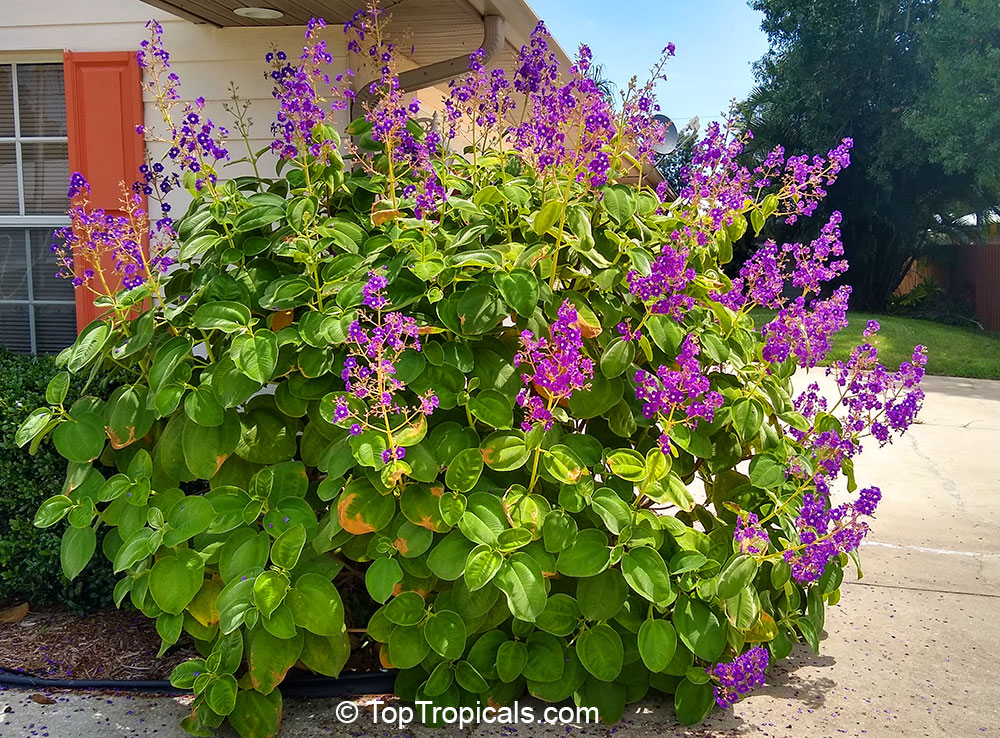
In the photo: Tibouchina multiflora (grandifolia) - Glory bush, Quaresmeira, one of the most impressive flowering plants for tropical gardens, with
impressive, large velvet leaves and beautiful purple flowers. It blooms in both sun or shade!
Date: 2 Jun 2022
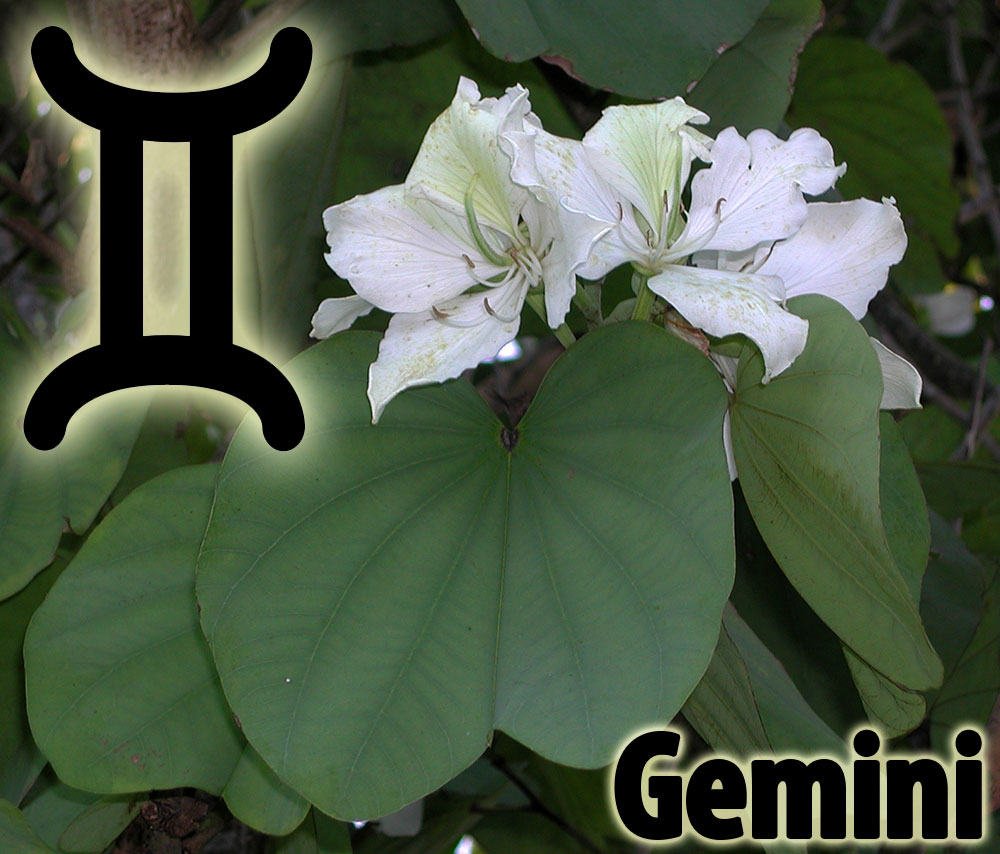
Plant Horoscope - Gemini
What is your lucky Zodiac
plant?
By Alex Butova, the Witch of Herbs and Cats
... Gemini are very fond of plants, especially flowers. They are able to
devote their lives to favorite plants, selecting new varieties, planting
gardens, parks and arboretums.
In addition, the planet-ruler Mercury gives them with business ability -
Gemini are excellent flower merchants of any level: from flower growers who
sell their plants to everyone, to wholesalers who supply their delicate fragrant
goods around the world.
In their house, Gemini do not keep too many plants, they have enough of
those that grow outside in their nursery and garden. However, among those who
nevertheless became piece of the family (exactly this way Gemini perceive their
house plants), preference is given to graceful forms, pubescent and curly,
like Farfugium, Monstrous epyphyllum, often carved leaves (Monstera) and plants with
aroma. All these properties not only improve the physical well-being of Gemini,
but also helps save the spiritual and mental balance of their contradictory
but all while tender and romantic nature. Gemini don't care about common
spices, they love unusual plants and especially those with a sweet scent. Their
favorite aroma is rose and similar, like fragrances of Clerodendrums, Jasmines, Gardenias, Plumeria, and Brunfelsia. At critical moments sweet scents awaken them into the
life!..
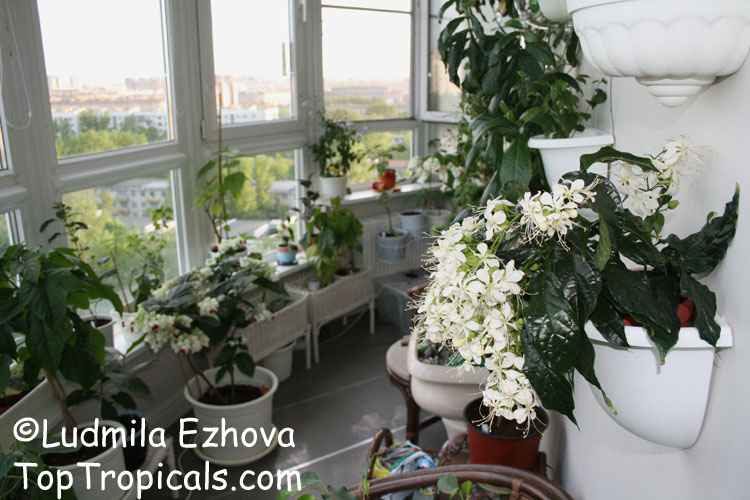
Photo above: Clerodendrum indoor garden of Ludmila Ezhova, St Petersburg, Russia.
Enjoy the Tropics Year round!
Bring them inside...
Q: I just discovered your amazing website and spent hours
browsing your beautiful tropical plants! I wish I could have them all! But it's getting cold here (I live in Chicago area), too late? Can you recommend something of a small size, colorful, that I can easily overwinter indoors? Thanks for bringing this beauty into our lives!
A: Don't get discouraged even in colder climates. Yes, you can grow tropical plants indoors! Remember that all traditional houseplants are in fact tropical plants that grow in tropics in a wild habitat. Humans didn't invent them as indoor plants, they originally collected them from the rain forests and jungles! Most of tropical plants, including trees and fruit trees, can be grown in containers and even indoors. It's just a matter of space limitations and amount of time you are willing to spend caring of your exotic babies. Many gardeners up North are very successful with their tropical plant collections.
Below are a few suggestions of compact growing, easy species for your
indoor collection. Enjoy the Tropics Year round!