Date: 13 Feb 2025
Tropical Seeds You Should Start Now for Spring Planting
Eight fast-growing, rewarding tropical perennials
to start from seed
Q: What tropical seeds can I start now so the seedlings will be ready for spring planting and produce flowers or fruit this year?
A: Many tropical plants grow quickly from seed and can mature within the same year, rewarding you with flowers or even fruit. Some of these tropical perennials can even be grown as annuals in cooler climates! The key is to start them early indoors, then transplant them outdoors as soon as warm weather arrives. With just a little planning, you can enjoy vibrant blooms and a harvest in just weeks or a few months. Below are some of the fastest-growing tropicals to try for a lush, same-year garden.
1. Pigeon Pea
Cajanus cajan Bicolor Fuerte - Pigeon Pea - is an ancient superfood cultivated for over 4,800 years, with roots in India and Ancient Egypt. This hardy, drought-tolerant perennial shrub produces nutritious, protein-rich beans used in rice dishes, soups, and even tofu. Easy to grow, it thrives in poor soils, improves soil quality, and offers medicinal benefits, making it a valuable plant for both gardens and kitchens. Seed to crop in just one season!
2. Lipstick Tree - Annatto
Bixa orellana - The Lipstick Tree, native to South America, is a striking shrub with large leaves, pink flowers, and vibrant red seeds. Its seeds produce Annatto, a natural pigment used in cosmetics, especially lipstick, as well as in culinary applications for its color and mild, peppery flavor. Beyond its beauty and versatility, annatto offers antioxidant and anti-inflammatory benefits, while the plant itself makes an excellent hedge or ornamental feature.
3. Mexican Bird of Paradise
Caesalpinia mexicana - Mexican Bird of Paradise - is a rare gem among tropical shrubs, offering fragrant butter-yellow blooms that stand out against its feathery green foliage. A heat-loving, drought-tolerant plant, it attracts hummingbirds and can be grown as a compact shrub or small tree. Native to northern Mexico, it thrives in full sun with minimal water, making it a low-maintenance yet striking addition to any garden or patio.
4. Tree Calliandra
Calliandra houstoniana - Tree Calliandra is the only tree-form Powderpuff, growing into a lush, bushy tree in just one season. Its fluffy pink blooms appear year-round, drawing in hummingbirds and butterflies for a nonstop display of color and life. Super fast-growing and beautiful, it's a must-have for wildlife-friendly gardens!
5. Butterfly Pea - Clitoria
Clitoria ternatea - Butterfly Pea - is a stunning vine with vibrant blue, white, or purple flowers that captivate both gardeners and pollinators. Beyond its beauty, it's prized for its herbal benefits, with its flowers used in teas for stress relief and cognitive support. The famous Blue Tea, a caffeine-free infusion, turns purple with a splash of lemon, making it both a visual delight and a health-boosting drink. Fast-growing and easy to manage, this delicate yet vigorous vine is perfect for fences, trellises, and containers. Seed to crop in just one season!
6. Cas Guava
Psidium friedrichsthalianum - Costa Rican Guava, or Cas Guava, is a super sour fruit with four times more vitamin C than a lemon, making it a powerhouse for immune support. Popular in Costa Rica's "Agua de Cas", its tangy juice is perfect for refreshing drinks. Hardy and resilient, this low-maintenance tree thrives in poor soils while resisting pests and diseases. This is the fastest growing and the most productive guava tree with 2-3 crops per year! From seed to crop: 3 years.
7. Agua de Flor de Jamaica - Karkade Tea
The most health-beneficial hibiscus is Hibiscus sabdariffa (Roselle), known for its deep red calyces used in Agua de Flor de Jamaica and Karkade Tea. This tart, refreshing tea is packed with antioxidants and supports heart health, digestion, and immune function. A fast-growing plant, it goes from seed to a lush, flower-filled bush in just one season! From seed to crop: in just 3 months!
8. Dwarf Papaya TR Hovey
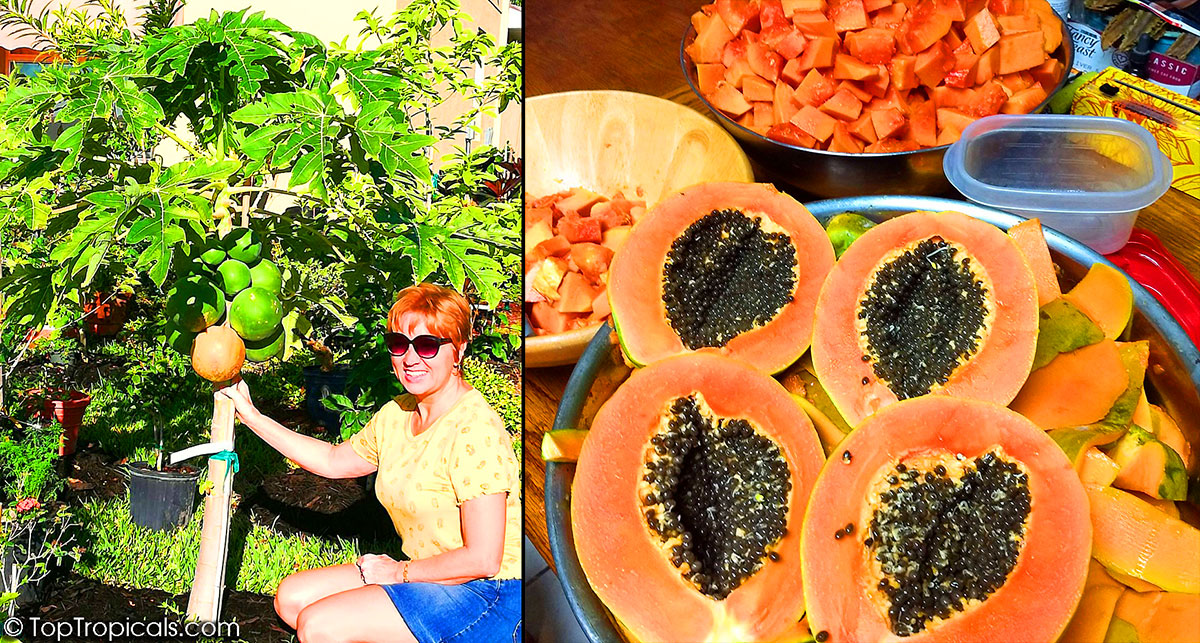
Papaya Dwarf TR Hovey, Carica papaya - is a dwarf marvel, reaching only 4-5 feet tall while producing giant, melon-sized sweet papayas! This compact variety is perfect for small gardens and container growing, offering big fruit on a tiny tree - a true space-saving tropical treasure! Only 2 years from seed to fruit.
Date: 20 Nov 2025
Feijoa coconut loaf: quick-n-fun exotic recipes
🍴 Feijoa coconut loaf: quick-n-fun exotic recipes
- 🔴Mix Feijoa pulp into a coconut quick-bread batter.
- 🔴Bakes into a fragrant tropical treat.
Feijoa Coconut Loaf
Ingredients
- 1 cup feijoa pulp, finely chopped
- 1 3/4 cups all-purpose flour
- 1 cup sugar
- 1 cup shredded coconut
- 2 large eggs
- 1/2 cup melted butter
- 1/2 cup milk
- 1 tsp baking powder
- 1/2 tsp baking soda
- 1 tsp vanilla extract
- Pinch of salt
Instructions
- Preheat oven to 350F. Grease a loaf pan.
- Whisk flour, baking powder, baking soda, coconut, and salt.
- Mix eggs, sugar, melted butter, milk, and vanilla.
- Fold dry ingredients into wet, then stir in feijoa pulp.
- Pour batter into loaf pan and smooth the top.
- Bake 45 to 55 minutes or until golden and a toothpick tests clean.
- Cool before slicing.
🛒 Plant exotic fragrant Feijoa - Pineapple Guava
📚 Learn more:
- Pineapple Guava: fragrant fruit, beautiful blooms, and real health benefits
- Why is it called Pineapple Guava? It tastes just like strawberries! Feijoa Superfood.
#Food_Forest #Recipes
🟢 Join 👉 TopTropicals
Date: 4 Feb 2026
Top nine plants of love, desire, and the senses: aphrodisiacs and sensory connections
Cinnamon (Cinnamomum zeylanicum)
Coffee - Coffea arabica
Fig tree fruit (Ficus carica)
Patchouli - Pogostemon cablin
Pomegranate (Punica granatum)
Cacao - Chocolate Tree (Theobroma cacao)
💖 Top nine plants of love, desire, and the senses: aphrodisiacs and sensory connections
Across cultures, love has also been expressed through taste, scent, warmth, and shared ritual. These tropical plants were valued not just for beauty, but for how they awaken the body and deepen connection.
💘 1. Cacao
Cacao - Chocolate Tree (Theobroma cacao) - has one of the strongest global associations with love. Revered by the Aztecs as a “food of the gods”, it was consumed to increase desire and emotional bonding. Chocolate contains compounds linked to feelings of pleasure and infatuation, making cacao a natural Valentine symbol.
👉 Chocolate Tree gift
💘 2. Vanilla Orchid
Vanilla (Vanilla planifolia) is both an orchid and one of the most sensual plant aromas known. Historically paired with cacao in love remedies, vanilla represents intimacy, warmth, and attraction. Its fragrance alone carries powerful emotional associations.
👉 Vanilla orchid gift
💘 3. Ginger
Ginger symbolizes heat, vitality, and passion. Used worldwide to stimulate circulation and warm the body, it represents spark, chemistry, and physical energy.
👉 Ginger gift
💘 4. Cinnamon
Cinnamon (Cinnamomum zeylanicum) has long been associated with attraction and stimulation. Its warm, lingering aroma makes it a classic plant of desire, comfort, and emotional warmth.
👉 Cinnamon gift
💘 5. Pomegranate
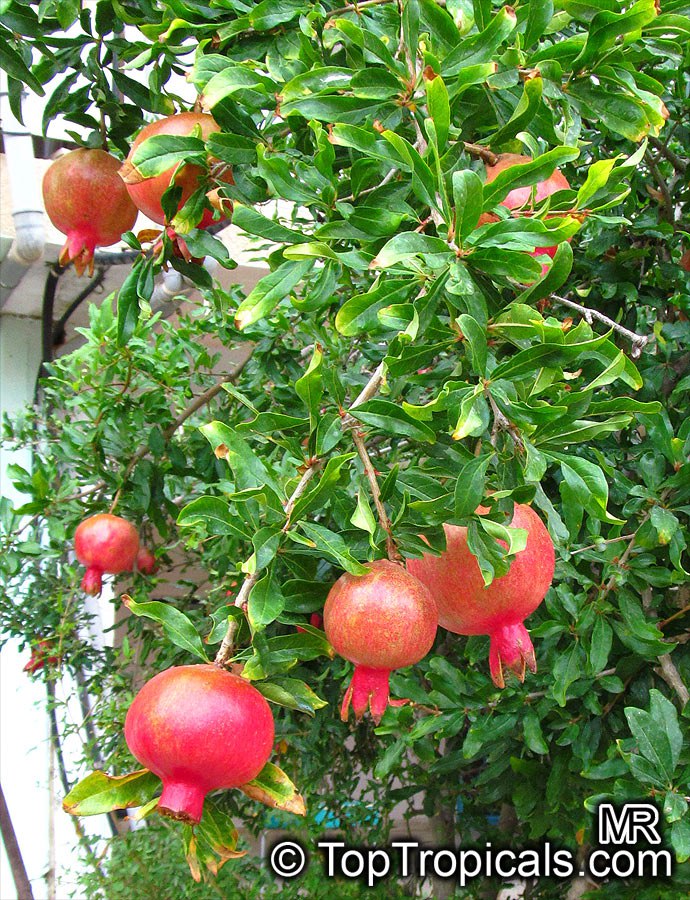
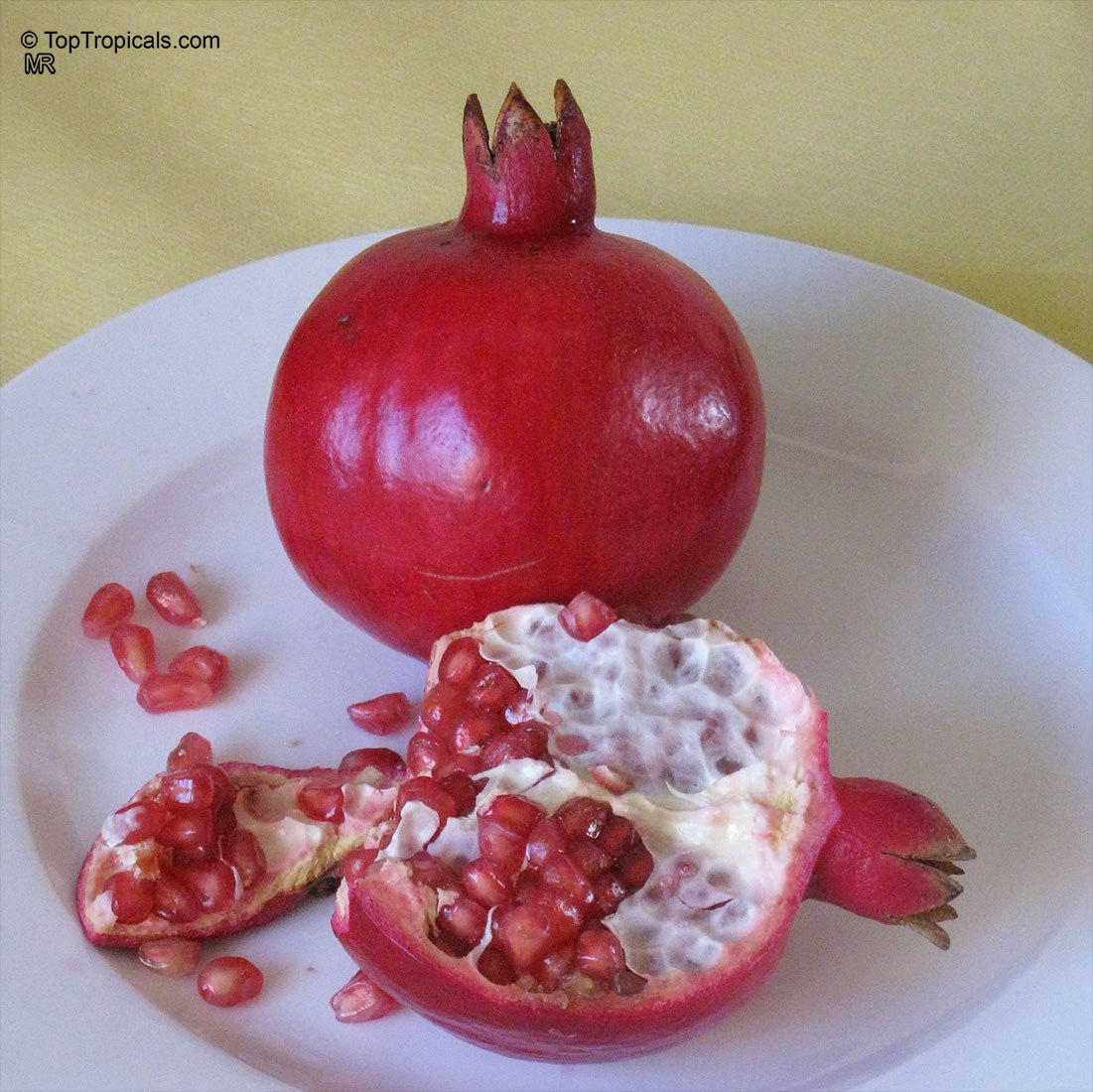
Pomegranate (Punica granatum) has long symbolized love, fertility, and union, with its many ruby-red seeds representing abundance and deep connection. In ancient traditions, it was linked to goddesses of love and marriage and remains a symbol of passion balanced by continuity and commitment.
👉 Pomegranate gift
💘 6. Coffee
Coffee (Coffea arabica) represents connection through shared ritual. Sacred to African Sufis for its stimulating properties, coffee symbolizes conversation, alertness, and social bonding rather than purely romantic love.
👉 Coffee tree gift
💘 7. Fig Tree
Figs (Ficus carica) have ancient associations with fertility, sensuality, and indulgence. Their voluptuous form, sweet flesh, and rich texture made them symbols of desire and abundance in many cultures.
👉 Fig tree gift
💘 8. Betel Leaf and Betel Nut
Betel Leaf (Piper betle) is a powerful symbol of love, respect, and partnership across South and Southeast Asia. It is exchanged in courtship, weddings, and ceremonies, representing acceptance and shared experience. Its heart-shaped leaves reinforce its Valentine symbolism.
Betel nut (Areca catechu) - traditionally used as a stimulant and aphrodisiac, betel nut represents intensity, ritual, and sensory awakening. In this context, it is best presented as a cultural symbol rather than a casual love plant.
👉 Betel gift
💘 9. Patchouli
Patchouli (Pogostemon cablin) represents deep attraction and emotional grounding. Its earthy, musky scent has long been associated with intimacy and physical presence. Unlike sweet florals, patchouli symbolizes mature, rooted love that lingers.
🛒 Explore gift plants
🎁 Get a Gift Card
📚 Learn more:
- ✦ Valentines day Best Gift Plant Ideas
- ✦ Cacao: fruit of Money and Love
- ✦ How to plant vanilla orchid
- ✦ Most interesting edible gingers
- ✦ Plants of Love: Aphrodisiacs of the plant world
- ✦ How to increase libido?
- ✦ How to Grow Your Own Cinnamon Tree
- ✦ Healing drops of blood: why Pomegranate is a superfood
- ✦ Don't drink your coffee until you see this!
- ✦ The fruit tree that every garden must have: Figs
- ✦ How to grow your own Pepper plants. Five most valuable Pipers
- ✦ How to grow Patchouli indoors
- ✦ Valentine’s plants from around the world that symbolize love, connection, and appreciation
- ✦ Eight favorite plants of romance, affection, and emotional connection
- ✦ Four popular plants of friendship, appreciation, and shared connection
🎥 Secret Sex Life of Vanilla Orchid: how to produce your own vanilla
#Shade_Garden #Container_Garden
🟢 Join 👉 TopTropicals
Date: 3 Aug 2025
What is the most popular and easiest tropical fruit tree to grow indoors?
No doubt about it - it's the Coffee Tree.
- Coffee is shade-loving and easy to grow with regular water
- It grows into a dark green shrub or small tree (about 3 to 5 feet tall in a pot)
- Its fragrant, star-shaped flowers resemble gardenias
- The whole fruit is edible and turns green to yellow to red
- The seeds are real "coffee beans" that can be dried, roasted, and ground at home.
Five Reasons to Grow a Coffee Plant
- Perfect Indoor Fruit Tree: Thrives in filtered light and stays compact
- Low Maintenance: Forgiving, adaptable, and ideal for new gardeners
- Aesthetic Appeal: Glossy green leaves and clusters of white blooms
- Homegrown Coffee: Yes, you can roast your own beans.
- Year-Round Beauty: Evergreen with seasonal fragrance
Coffee Plant Care Tips
- Light: Bright, indirect light is best. Avoid harsh afternoon sun.
- Water: Keep soil lightly moist but not soggy. Let the top inch dry out before watering again.
- Humidity: Loves higher humidity. Mist regularly or place on a pebble tray.
- Fertilizer: Use a balanced, gentle fertilizer like Sunshine Boosters C-Cibus every few weeks during growing season.
- Soil: Loose, rich, and well-drained. High in organic matter and slightly acidic. For potted plants, use a quality indoor tropical mix, such as Top Tropicals Abundance mix
- Repotting: Refresh soil and size up the pot every 1–2 years to keep roots healthy.
- Can I grow it outdoors?: Yes - bring it outside in warm months and back indoors before frost. It's best suited for USDA zones 10-11, but container growing gives you flexibility in cooler climates.
- How long until I get beans?: Expect flowers and fruit within 3 to 4 years from seedling stage - often sooner if you start with a young tree.
- What does the fruit taste like?: Mild and sweet-tart, like a mix between a cherry and a cranberry. You can eat it fresh.
How to Make Coffee from Your Own Tree
- Harvest: Pick the ripe red cherries
- Pop and Soak: Squeeze out the beans and ferment 1-2 days to remove pulp
- Dry: Spread out to dry for 1-2 weeks until hard and papery
- Husk: Remove the thin shell to reveal green beans
- Roast: Use a dry skillet or oven until fragrant
- Grind and Brew: Cool, grind, and enjoy the freshest coffee you've ever had.
Learn more: How to make your own coffee from homegrown beans
Coffee Health Benefits
- Rich in antioxidants - supports heart and brain health
- Boosts focus and mental alertness
- Supports metabolism and fat-burning
Why Coffee Makes the Perfect Gift Plant
- Long-living and beautiful
- Symbolic, useful, and personal
- Great for coffee lovers, gardeners, and the "person who has everything"
Date: 28 Sep 2025
Guava Tree Plant Care
Tips from Top Tropicals Plant Expert - Tatiana Anderson
Where to Plant Outdoors
Guavas love full sun — aim for 6–8 hours of direct light. They’re adaptable to many soils but do best in well-drained, organic-enriched mixes. Plant them in a spot where you can water easily; guavas are thirsty trees during fruiting.
Container & Indoor Growing
Don’t have space or live in a cooler climate? Guavas thrive in large pots. Use well-drained potting mix. LINK TO OUR SOIL Keep them on a sunny patio during warm months and bring them indoors when nights dip below freezing. Compact varieties like Dwarf Hawaiian Rainbow or Tikal are especially good for pots.
Winter Care
Mature guavas can handle a light frost (down into the high 20s F), but young plants need protection. If planted outdoors, cover them with frost cloth on cold nights. Container guavas can be wheeled into a garage, greenhouse, or bright indoor window until the weather warms.
Watering and Fertilizing
Water deeply once or twice a week, more often in hot weather or when fruit is developing. They don’t like soggy soil, but they won’t complain about short floods either. Fertilize 3–4 times a year during the growing season with a balanced fruit tree fertilizer. Guavas especially love potassium and phosphorus for strong flowering and heavy crops. We recommend liquid crop booster Sunshine C-Cibus and balanced controlled release fertilizer Green Magic.
Pruning
Prune after fruiting to keep them compact and open up airflow. Remove crossing or dead branches. In containers, trim back vigorous shoots regularly to manage size and encourage more fruiting wood.
Pests and Problems
Guavas are generally tough and pest-resistant. The main thing to watch for in humid or rainy climates is mealybugs - those cottony white clusters on leaves or stems. They're easy to manage with neem oil or a quick spray of horticultural soap.
Fruit time
Guavas fruit young - often within a year or two.
Pollination
Guavas are self-pollinating, so you'll get fruit even with a single tree. Planting more than one tree, however, often boosts harvests and gives you a longer fruiting season.
If you've ever wanted instant gratification from a fruit tree, guava is it.
🍴 Guava Recipes
With all that fruit, the next question is always: "What do I do with it?" Here are our favorites:
Cas Guava: Make Agua de Cas
Boil halved Cas Guava fruits with sugar, simmer, strain, and bottle. Dilute with water when serving. The concentrate keeps for months in the fridge.
Check out the recipe.-
Hawaiian Gold: Make Drinks
Perfect for Mojitos or Margaritas. Sweet, tangy juice pairs beautifully with lime and mint. Learn more
-
Araca Pera: Guava Wine
Famous in Brazil, where the fruit is turned into a vibrant rosу wine. Locals say it’s the taste of summer in a glass — and yes, you can make it at home too. Learn more...
-
Quick snack: Guava Grilled Cheese
Spread guava paste or fresh mashed fruit with cheese, grill until golden. Sweet and savory heaven. Learn more...
-
Simple Guava Juice
Blend ripe guavas with water, ice, and a little sugar if you like. Instant refreshment.
✅Ready to Grow? Whether you want fresh juice, sweet fruit, or even your own guava wine, we’ve got the best varieties in stock right now. Your future self, sipping guava juice on a hot summer afternoon, will thank you.