Garden Blog - Top Tropicals

Date: 10 Jun 2026

Pitaya Purple Haze: dragon fruit beyond pink and white - A Collectors Guide
Pitaya Purple Haze, dragon fruit, Hylocereus

Pitaya Purple Haze, dragon fruit, Hylocereus

🍉 Pitaya Purple Haze: dragon fruit beyond pink and white - A Collector's Guide


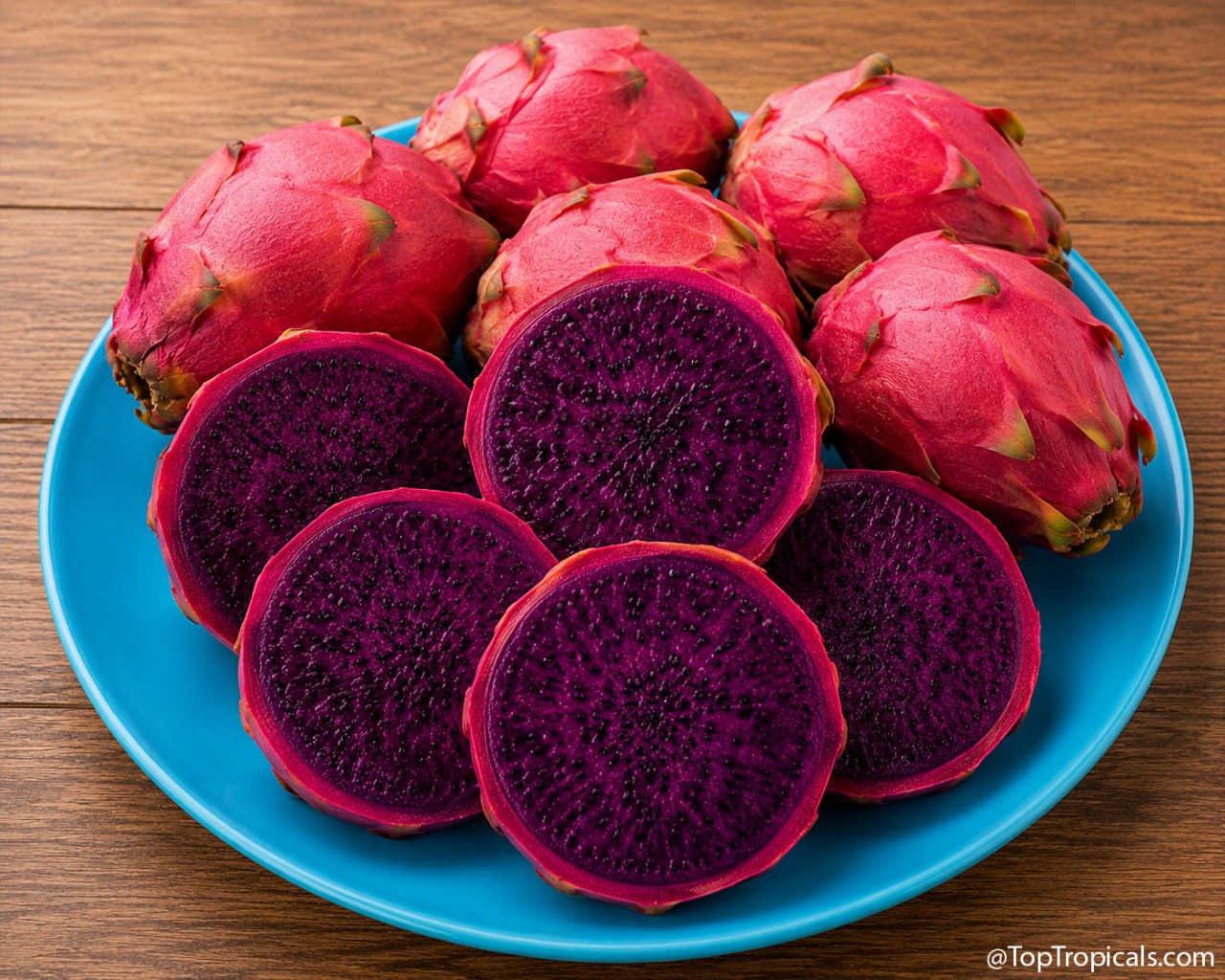
If Red Dragon Fruits are impressive, Purple Haze takes color to another level. This famous hybrid combines Hylocereus guatemalensis and Hylocereus polyrhizus to produce some of the most intensely colored fruit in the dragon fruit world. Cut one open and you'll find rich purple flesh so deeply pigmented that it rivals beetroot.

🔸 The dragon fruit that looks almost unreal


Purple Haze produces large fruit with bright pink skin, green-tipped fins, and vivid purple flesh packed with tiny edible seeds. Individual fruit commonly weigh between one and two pounds, making them among the larger dragon fruit varieties available to home gardeners.

The intense purple color comes from exceptionally high levels of betalains - the same natural pigments responsible for the color of beets. Among dragon fruits, Purple Haze is often considered one of the richest sources of these beneficial antioxidants.

🔸 A flavor that keeps people coming back


Many dragon fruits are valued for appearance. Purple Haze earns praise for both looks and flavor.

The flesh is sweet, juicy, and refreshing with a distinctive grape-like flavor that sets it apart from typical white-fleshed varieties. The small seeds add a pleasant texture without distracting from the fruit's smooth eating quality.

For many collectors, Purple Haze ranks among the best-tasting dragon fruits available.

🔸 Big crops and multiple harvests


Purple Haze is not just beautiful - it's productive.

Established plants are known for heavy yields and can produce as many as three fruiting cycles per year under favorable conditions. The variety is considered a reliable producer, making it popular with both collectors and home gardeners.

Growers seeking extra-large fruit often thin developing buds, allowing the remaining fruit to reach impressive size.

🔸 Why collectors love it


Purple Haze combines nearly everything dragon fruit enthusiasts look for - large fruit, exceptional flavor, stunning color, high productivity, and multiple harvests each year.

It is a variety that proves dragon fruit can be much more than a novelty. With its rich purple flesh and sweet grape-like flavor, Purple Haze is one of the standout stars in the colorful world of dragon fruits. 👉 More...

🛒 Explore and collect Dragon Fruit varieties

📚 Learn more:

Pitaya Plant Facts

Botanical name: Hylocereus sp.
Also known as: Pitaya, Pitahaya, Dragon Fruit, Strawberry Pear
USDA Zone: 9 - 11
Highligths Large shrub 5-10 ft tallVine or creeper plantSemi-shadeFull sunWatering: Moderate. Water when top soil feels dryWhite, off-white flowersThorny or spinyEdible plantSubtropical plant. Mature plant cold hardy at least to 30s F for a short timeSeaside, salt tolerant plant
Get personalized tips for your region

· Dragon fruit Hylocereus in Plant Encyclopedia
· Pitaya Hana: dragon fruit beyond pink and white
· Pitaya Eureka Red: dragon fruit beyond pink and white
· Pitaya David Bowie: Dragon Fruit Beyond Pink and White
· A Quick Guide to Dragon fruit varieties: Red, White, Yellow, Purple and more...
· What is the best Dragon fruit with red flesh?
· Planting your own Dragon Fruit plantation
· Do-It-Yourself Support Structure for Dragon Fruit
· Why you need to grow your own dragon fruit
· Do red, white and yellow Dragon fruit taste differently?

#Food_Forest #Dragon_Fruit #Discover

🟢 Join 👉 TopTropicals

Date: 13 Jun 2026

Pitaya Sweet Red: dragon fruit beyond pink and white - A Collectors Guide

Pitaya Sweet Red: dragon fruit beyond pink and white - A Collectors Guide

🍉 Pitaya "Sweet Red": dragon fruit beyond pink and white - A Collector's Guide


Many people discover dragon fruit through white-fleshed varieties. Then they cut open a Sweet Red and realize they're looking at something completely different.
With brilliant red skin and deep red flesh, Sweet Red is one of the most colorful dragon fruits you can grow. It is also considered by many collectors to be among the best-tasting varieties available.


🔸 A dragon fruit that lives up to its name


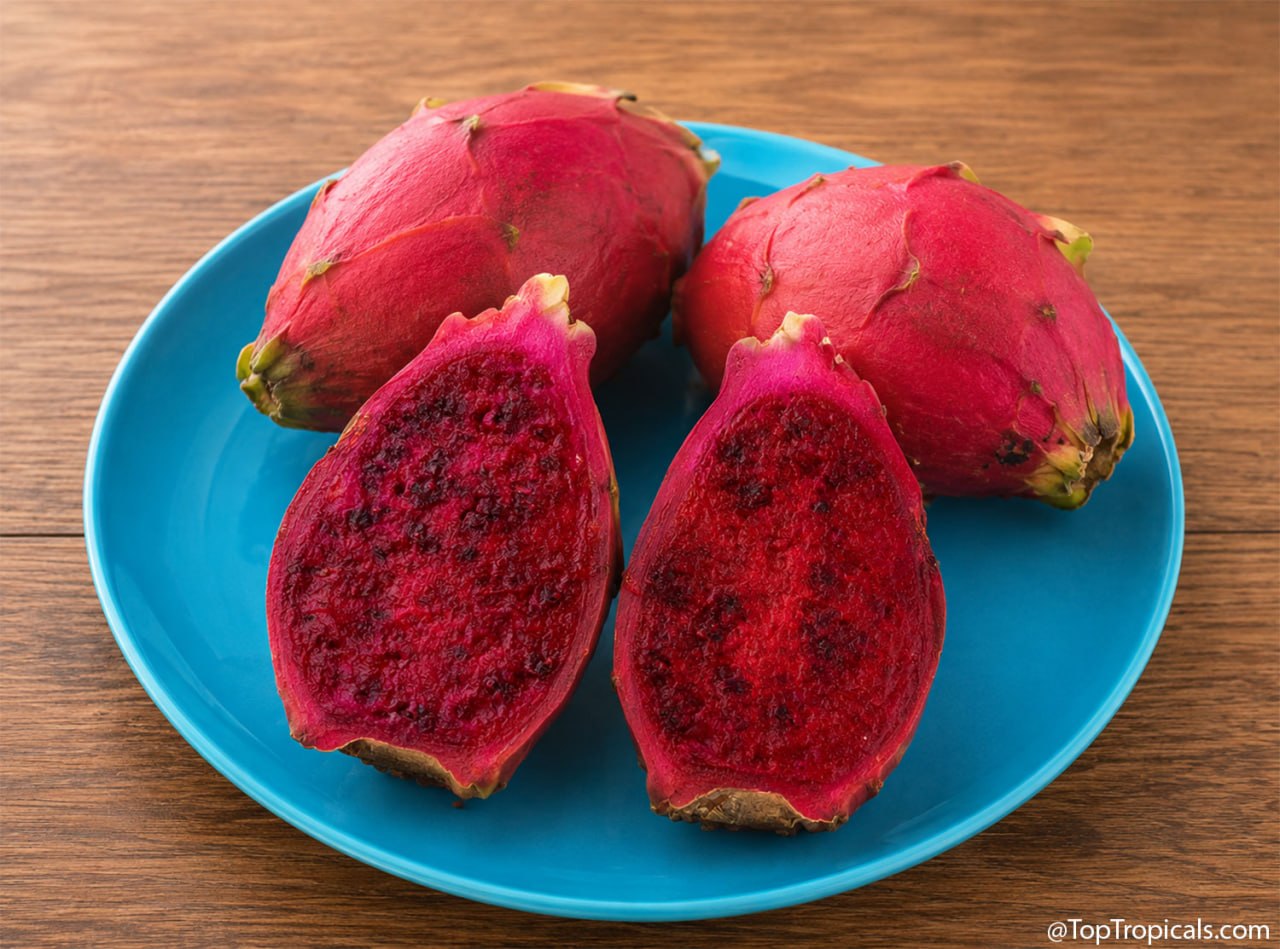
Sweet Red (Hylocereus costaricensis) produces striking fruit with bright red to magenta skin and rich crimson flesh filled with tiny black seeds. The color is so intense that the fruit almost looks artificial, but it's completely natural.

Unlike some dragon fruits that can be bland when picked too early, Sweet Red is known for delivering consistently rich flavor when fully ripe.

🔸 Why growers love it


This variety is self-fruiting, meaning a single plant can produce fruit without requiring another dragon fruit nearby. It is also an exceptionally vigorous grower, quickly climbing trellises and producing long stems once established.

Like other dragon fruits, Sweet Red rewards growers with spectacular night-blooming flowers followed by colorful fruit that seem almost tropical enough to belong in a rainforest.

🔸 Sweet, juicy, and packed with color


The flavor is often described as sweeter and more intense than many white-fleshed dragon fruits, with hints of kiwi and pear balanced by subtle earthy notes.

The flesh is juicy with a pleasantly crunchy texture from the tiny edible seeds, making it refreshing to eat fresh and excellent for smoothies, fruit bowls, and desserts.

🔸 Why collectors seek it out


Dragon fruit enthusiasts are always searching for varieties that combine beauty, flavor, and reliable production. Sweet Red checks all three boxes. Its self-fruiting habit, rapid growth, stunning red flesh, and exceptional sweetness have made it a favorite among home gardeners and collectors alike.

If you're looking for a dragon fruit that delivers both eye-catching color and outstanding flavor, Sweet Red is one of the easiest varieties to recommend. 👉 More...

🛒 Explore and collect Dragon Fruit varieties

📚 Learn more:

Pitaya Plant Facts

Botanical name: Hylocereus sp.
Also known as: Pitaya, Pitahaya, Dragon Fruit, Strawberry Pear
USDA Zone: 9 - 11
Highligths Large shrub 5-10 ft tallVine or creeper plantSemi-shadeFull sunWatering: Moderate. Water when top soil feels dryWhite, off-white flowersThorny or spinyEdible plantSubtropical plant. Mature plant cold hardy at least to 30s F for a short timeSeaside, salt tolerant plant
Get personalized tips for your region

· Dragon fruit Hylocereus in Plant Encyclopedia
· Pitaya Purple Haze: dragon fruit beyond pink and white
· Pitaya Hana: dragon fruit beyond pink and white
· Pitaya Eureka Red: dragon fruit beyond pink and white
· Pitaya David Bowie: Dragon Fruit Beyond Pink and White
· A Quick Guide to Dragon fruit varieties: Red, White, Yellow, Purple and more...
· What is the best Dragon fruit with red flesh?
· Planting your own Dragon Fruit plantation
· Do-It-Yourself Support Structure for Dragon Fruit
· Why you need to grow your own dragon fruit
· Do red, white and yellow Dragon fruit taste differently?

#Food_Forest #Dragon_Fruit #Discover

🟢 Join 👉 TopTropicals

Date: 18 Jun 2026

Container Gardening in Hot Climate: Your Pot May Be Hotter Than You Think

Container Gardening in Hot Climate: Your Pot May Be Hotter Than You Think

Container Gardening in Hot Climate: Your Pot May Be Hotter Than You Think


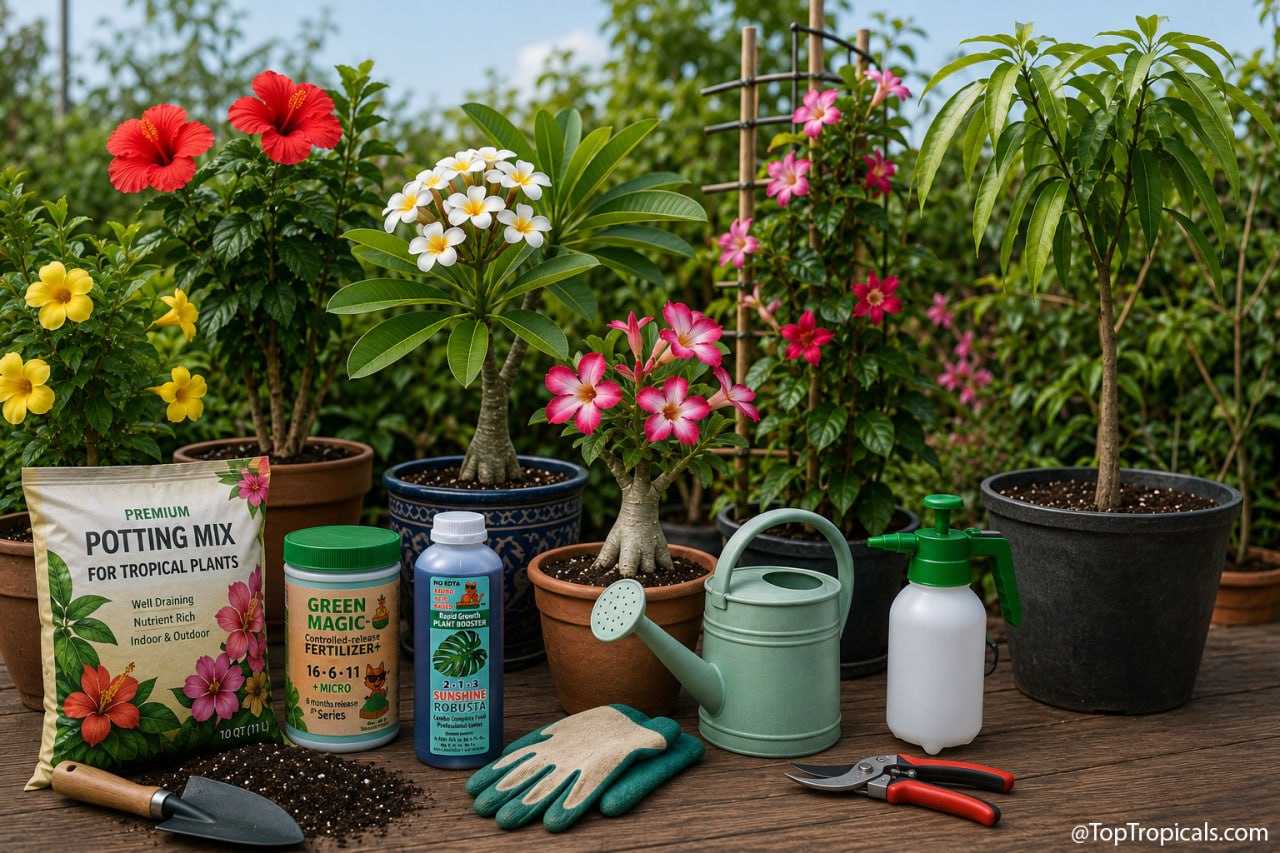
Container gardening lets you grow almost anything - tropical flowers, fruit trees, herbs, even small edible gardens. But in hot climates, pots create challenges that plants growing in the ground never face.
The biggest problem? Heat. A container sitting in full sun can become surprisingly hot. The potting mix dries much faster than garden soil, and roots can literally bake against the sides of the container during summer.
On a sunny summer day, the soil inside a container can heat up much faster than garden soil. While the leaves may look fine, roots trapped inside a hot pot can dry out, overheat, and become stressed long before gardeners notice a problem. That's why growing plants in containers during hot weather often requires a different approach than growing them in the ground.


Bigger Pots Stay Cooler🌡

• Large containers hold more soil, which means they stay moist longer and protect roots from temperature swings.
• Small pots may need watering daily - sometimes twice a day during extreme heat.
• Choose the largest container practical for your space and the plant's size. Avoid oversized pots, which can stay wet too long and promote root rot.

Protect the Pot, Not Just the Plant ☂️

Many gardeners focus on protecting the foliage from heat, but roots often suffer first.
Grouping containers together allows plants to shade each other's pots, helping keep the root zone cooler throughout the day. This is especially helpful for black nursery pots exposed to afternoon sun.
If a container sits in full sun all day, consider wrapping the pot with shade cloth or placing it inside a larger decorative planter. The goal is simple: keep the roots cooler while allowing the plant itself to receive the sunlight it needs.
The plant wants sun. The roots want shade.

Choose Containers Wisely

• Many gardeners love the look of clay pots, but in hot climates they can dry out very quickly because moisture evaporates through the porous sides.
• For most tropical plants, plastic nursery pots often perform better because they retain moisture longer and keep roots from drying out as fast.
• If appearance matters, simply place the nursery pot inside a decorative planter with good drainage.

Water Deeply, Not Constantly 💧

Frequent shallow watering encourages weak roots near the soil surface.
Instead, water thoroughly and allow excess water to drain away. A layer of mulch on top of the potting mix can also help slow moisture loss.

Feed Regularly

Container plants depend entirely on you for nutrition. Regular fertilizing during the warm growing season helps support stronger growth, flowering, and fruit production.

Check for Pests Often 🐛

Plants under heat and drought stress are more vulnerable to insects. Inspect leaves regularly for spider mites, scale, mealybugs, and other common pests before small problems become big ones.

Hot Climate Container Garden Checklist ✍️

• Use large containers whenever possible
• Make sure every pot has drainage holes
• Use quality potting mix, not garden soil
• Mulch the soil surface
• Fertilize regularly during active growth
• Inspect for pests weekly
• Watch for root-bound plants and repot as needed
• Be cautious with clay pots in hot weather

A healthy container garden is really a balance between moisture and drainage. Keep roots cool, provide consistent water and nutrition, and even tropical plants can thrive through the hottest months of summer.

🛒 Get fresh and real foodsoilless mix for your plants

📚
Learn more:
Sunshine Boosters: Complete Plant Nutrition System
Why June Is the Most Important Month for Potted Tropical Plants
Why young trees need staking?
The SECRET growers never tell you: simple trick how to bring plants back to life and keep green 
How to re-pot a plant properly?

#Discover #How_to

🟢 Join 👉 TopTropicals

Date: 19 Jun 2026

Pitaya Yellow

🍉 Pitaya Yellow Palora: dragon fruit beyond pink and white - A Collector's Guide


Most dragon fruits are pink or red; Palora - Selenicereus megalanthus - breaks all the rules. With bright yellow skin, white flesh, and an intensely sweet tropical flavor, Palora has earned a reputation as one of the most desirable dragon fruit varieties in the world. Many collectors consider it the finest-tasting dragon fruit available, and once you've tried one, it's easy to understand why.

🔸 The dragon fruit that tastes like candy


Palora is an Ecuadorian selection of Selenicereus megalanthus, a species native to parts of Ecuador, Colombia, Peru, and Bolivia. Unlike the more common red dragon fruits, Palora produces smaller golden-yellow fruit covered with soft spines that naturally fall off as the fruit ripens.

Inside is translucent white flesh packed with tiny edible seeds.

What truly sets Palora apart is the flavor. The fruit is remarkably sweet, often testing much higher in sugar than red dragon fruit varieties. Growers commonly describe the flavor as a blend of honey, pineapple, pear, and tropical fruit, with a richness that many dragon fruits simply don't have.

🔸 Why collectors hunt for it


Ask experienced dragon fruit growers to name the best-tasting variety, and Palora frequently appears near the top of the list.

Unlike some dragon fruits that can be mild or watery, Palora has concentrated sweetness and a smooth, juicy texture. The flavor is so distinctive that many people who are unimpressed by ordinary dragon fruit become instant fans after tasting a ripe yellow Palora.

🔸 Different from other dragon fruits


Palora belongs to a different species than most popular dragon fruits. The plant tends to have thinner stems and a somewhat different growth habit.

It is self-fertile, meaning a single plant can produce fruit on its own. The fruit are generally smaller than red dragon fruits, but what they lack in size they more than make up for in flavor.

Another pleasant surprise is the plant's adaptability. It appreciates regular watering and rainfall but also handles dry conditions remarkably well once established.

🔸 Why it deserves the hype


Every fruit category has its superstar variety. For mangoes it might be Coconut Cream or Lemon Zest. For avocados, perhaps Oro Negro and Fantastic. In the dragon fruit world, Palora is often that variety.

Its bright yellow skin, exceptional sweetness, tropical pineapple-honey flavor, self-fertility, and collector appeal have made it one of the most sought-after dragon fruits available.

If you're only going to grow one dragon fruit for flavor, many experienced collectors would tell you to make it Palora. 👉 More...

🛒 Explore and collect Dragon Fruit varieties

📚 Learn more:

Pitaya Plant Facts

Botanical name: Selenicereus megalanthus
Also known as: Pitaya, Pitahaya, Dragon Fruit, Strawberry Pear
USDA Zone: 9 - 11
Highligths Vine or creeper plantSemi-shadeFull sunWatering: Moderate. Water when top soil feels dryWatering: Regular. Let topsoil dry slightlyYellow, orange flowersWhite, off-white flowersThorny or spinyEdible plantFragrant plantSubtropical plant. Mature plant cold hardy at least to 30s F for a short time
Get personalized tips for your region

· Yellow Dragon fruit (Selenicereus megalanthus) in Plant Encyclopedia
· Pitaya Vietnamese Jaina White: dragon fruit beyond pink and white
· Pitaya Tricia: dragon fruit beyond pink and white
· Pitaya "Sweet Red": dragon fruit beyond pink and white
· Pitaya Purple Haze: dragon fruit beyond pink and white
· Pitaya Hana: dragon fruit beyond pink and white
· Pitaya Eureka Red: dragon fruit beyond pink and white
· Pitaya David Bowie: Dragon Fruit Beyond Pink and White
· A Quick Guide to Dragon fruit varieties: Red, White, Yellow, Purple and more...
· What is the best Dragon fruit with red flesh?
· Planting your own Dragon Fruit plantation
· Do-It-Yourself Support Structure for Dragon Fruit
· Why you need to grow your own dragon fruit
· Do red, white and yellow Dragon fruit taste differently?

#Food_Forest #Dragon_Fruit #Discover

🟢 Join 👉 TopTropicals