Garden Blog - Top Tropicals

Date: 25 Nov 2025

What Avocado is better - Type A or Type B?

Avocado tree flowers

Avocado tree flowers

What Avocado is better - Type A or Type B?


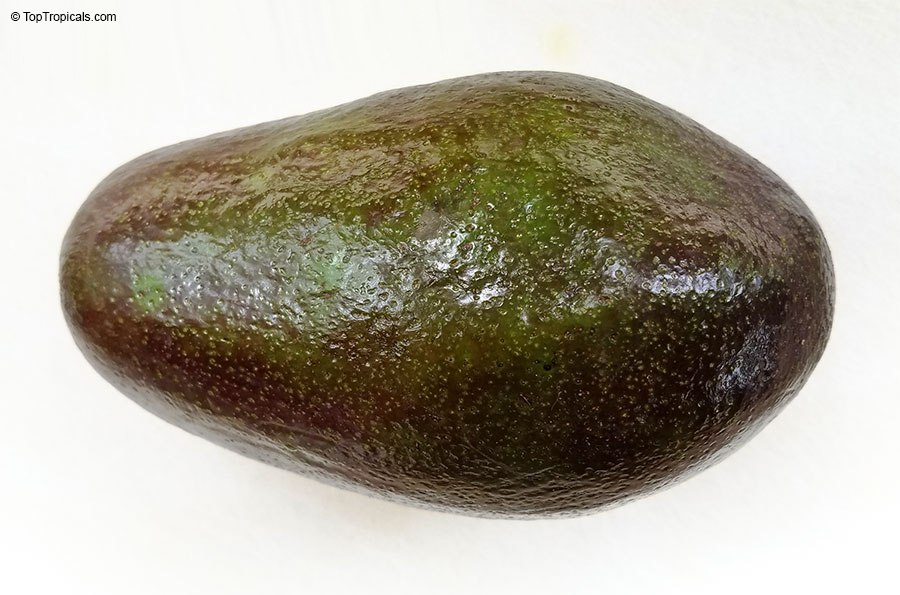
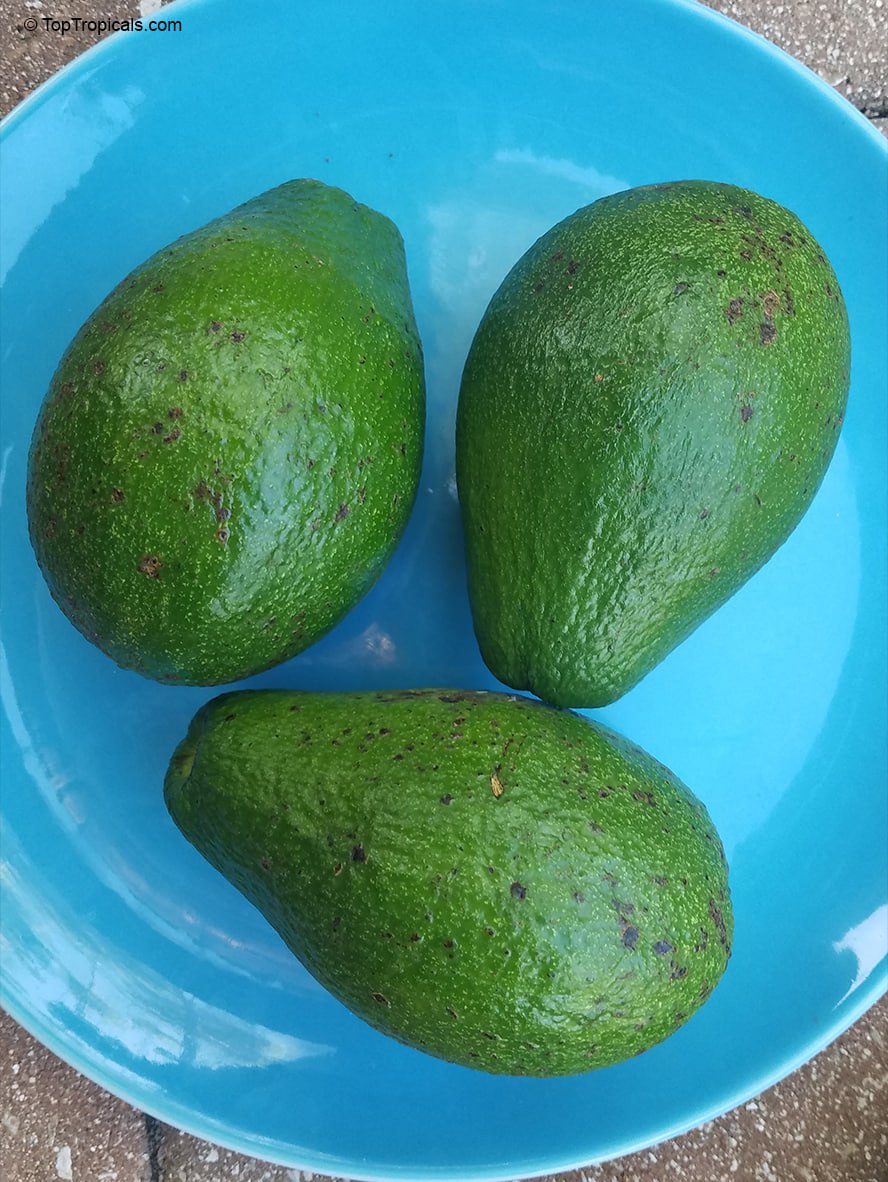
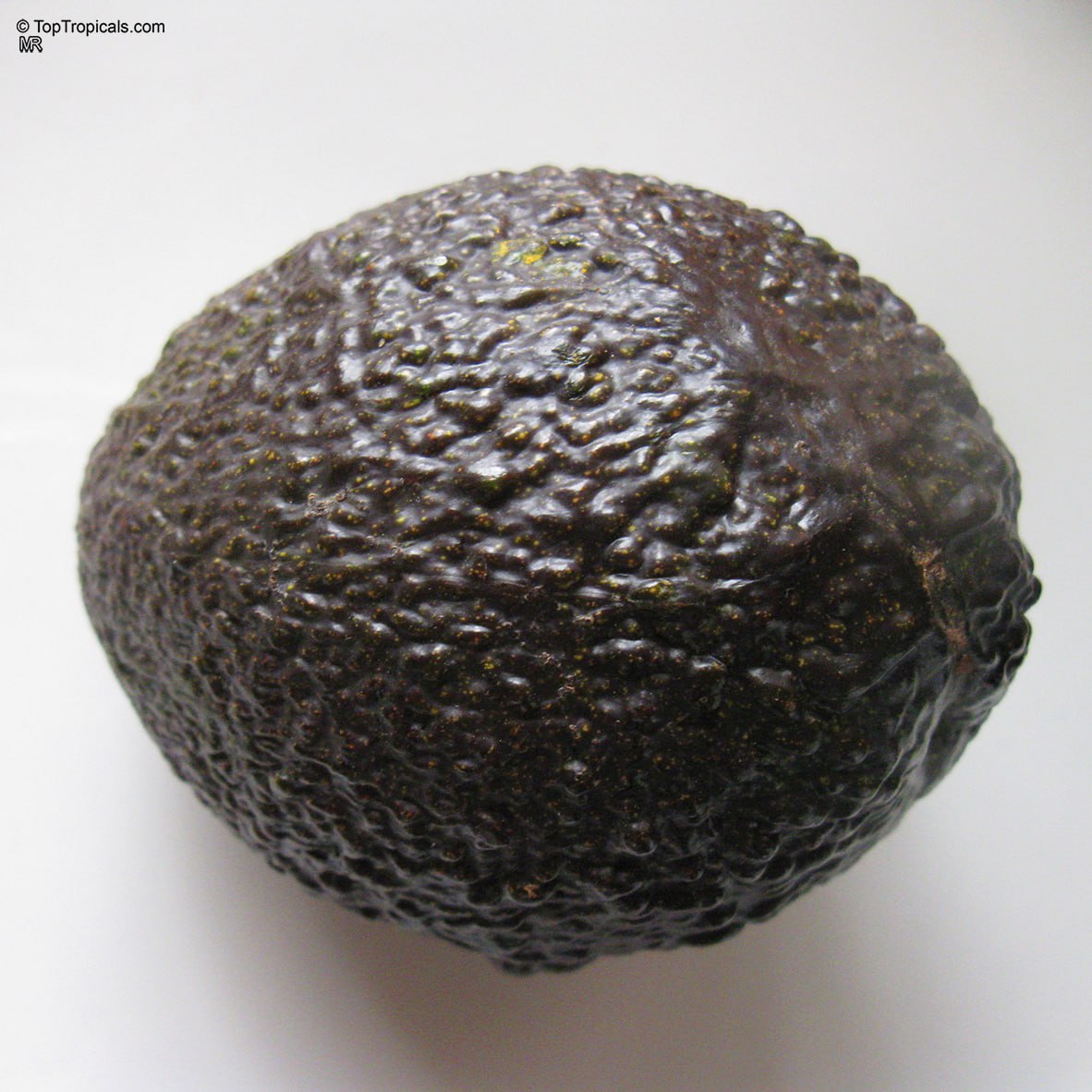
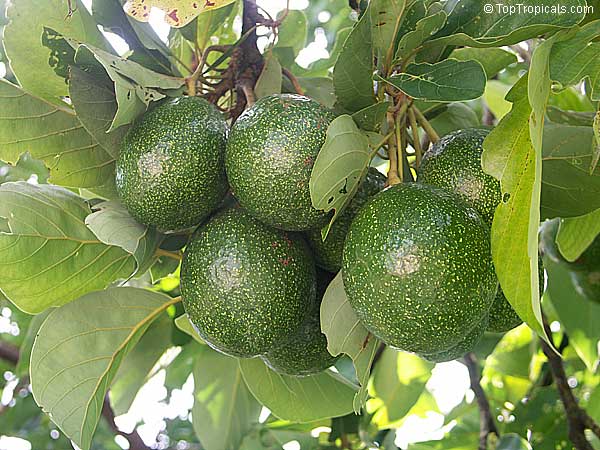
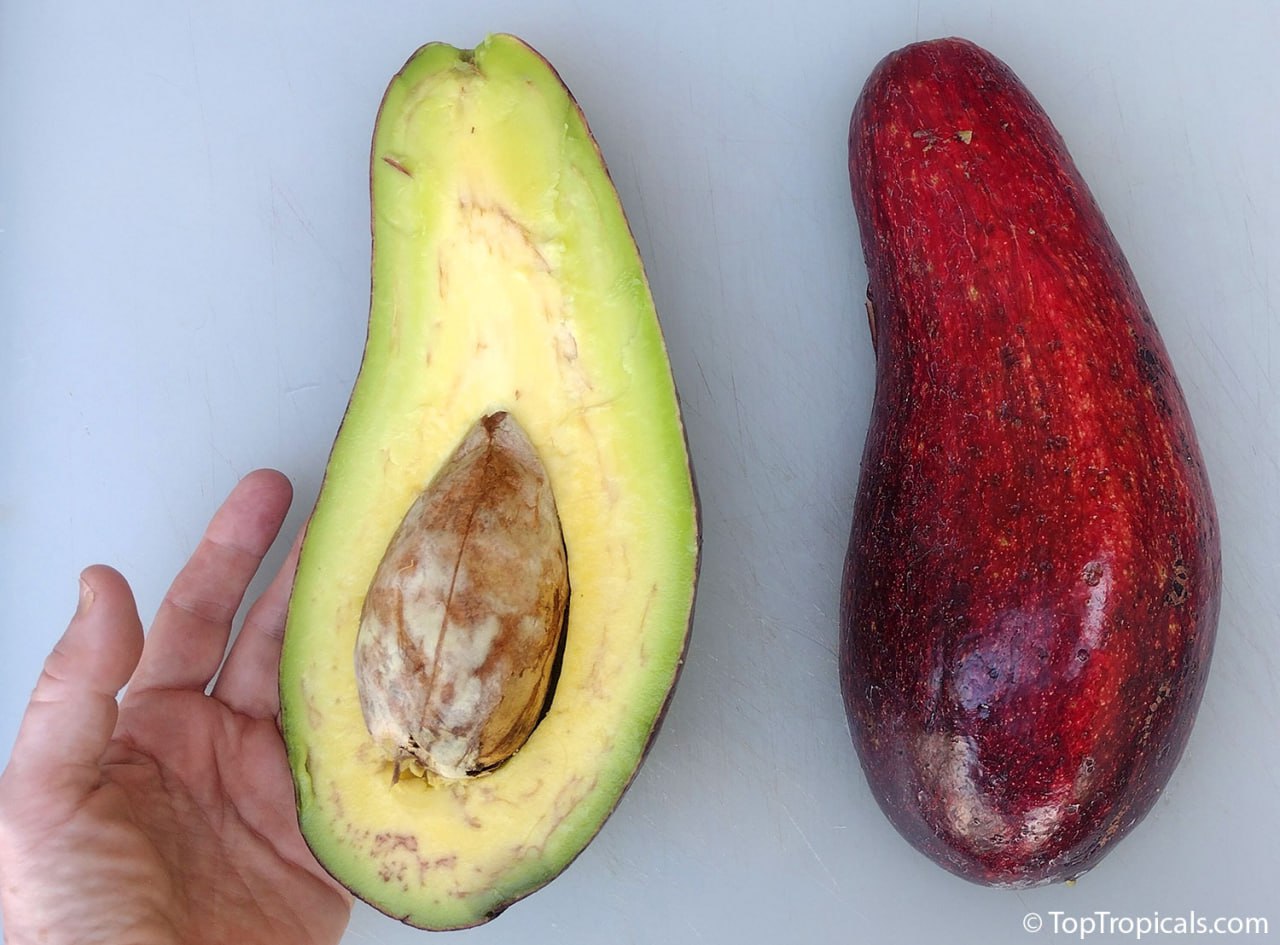
Avocados are divided into two types based on how their flowers open - Type A and Type B. This has nothing to do with how the fruit looks, only with how the flowers work.

TYPE A:
The flowers open as female in the morning of the first day, then close. On the afternoon of the second day, they reopen as male.

The most popular type A avocado varieties:
Bernecker, Black Prince, Catalina, Choquette, Day, Donnie (Doni), Fantastic, Florida Hass (Haas), Lila (Opal), Loretta, Lula, Mexicola, Mexicola Grande, Red Russell, Reed, Russell, Simmonds, Ulala (Oh La La, Super Hass) , Waldin, Wurtz (Dual Type, A&B).

TYPE B:
The flowers open as female in the afternoon of the first day, then close. The next morning, they reopen as male.

The most popular type B avocado varieties:
Anise, Bacon, Beta, Booth 8, Brazos Belle (Wilma), Brogdon (Brogden), Buck, Ettinger, Fuerte, Hall, Hardee Red, Hialeah Red, Joey, Kampong (Sushi), Marcus Pumpkin, Maria Black, Miguel, Monroe, Nishikawa, Oro Negro, Pollock, Poncho (Pancho), Thomson Red, Tonnage, Winter Mexican, Wurtz (Dual Type, A&B), Yamagata.
  • 🟢 Each tree can make its own fruit (it’s self-fertile), but if you plant both types together, they will help each other make more fruit. The flowers of A and B types open at opposite times, so bees can carry pollen between them more easily. This means better pollination and a bigger harvest.
  • 🟢 For home gardeners, one tree is enough to get fruit, but having both A and B types nearby will give you a larger crop. If you grow avocados in pots, it’s a good idea to have at least one of each type.


✍️ In short:
One tree = some fruit
Two trees (A + B) = lots more fruit!

✔ ️Check out Avocado Variety Guide interactive chart. Sort them by flower type A or B, tree habit, fruit shape and quality, cold hardiness, origin, season and more!

🛒  Explore Avocado varieties

📖 Our Book: Avocado Variety Guide, Snack or Guacamole?


Hard copy
PDF File Download

📚 Learn more:


How Avocado trees flower and set fruit
Avocado Variety Guide
#Avocado #Food_Forest #How_to

Join 👉 TopTropicals

Date: 30 Dec 2025

Persimmon spoon pudding: quick-n-fun exotic recipes

Persimmon spoon pudding

Persimmon spoon pudding

Persimmon tree (Diospyros sp)

Persimmon tree (Diospyros sp)

🍴 Persimmon spoon pudding


Ingredients

  • 2 very ripe persimmons (astringent type, fully soft)
  • 2 tablespoons plain yogurt
  • Optional: pinch of cinnamon

Instructions

  1. Scoop the soft persimmon flesh into a blender and puree until smooth.
  2. Chill the puree in the refrigerator for 15 to 30 minutes.
  3. Spoon into a bowl and top with plain yogurt.
  4. Sprinkle lightly with cinnamon if desired and serve.

🍑 About the fruit:


Persimmon (Diospyros spp.) is a graceful, cold-hardy subtropical fruit tree native to China and widely grown across temperate and warm regions. The fruit is loved for its rich sweetness, often compared to honey and apricot. Persimmons are divided into astringent types, which must soften fully before eating, and non-astringent types, which can be enjoyed firm. The fruit is nutritious and commonly eaten fresh or used in desserts.

🌱 In the garden:


Persimmon trees are highly ornamental, with drooping branches, lush summer foliage, and dramatic fall color. They thrive in well-drained soils, tolerate alkaline conditions, and are hardy in USDA zones 7-10. Many varieties perform well in containers, making persimmon a beautiful and productive choice for both edible landscapes and patio gardens.

🛒 Plant Persimmon Tree for sweet fruit and deserts

📚 Learn more:

Plant Facts

Diospyros blancoi, Diospyros discolor
Velvet Apple, Mabolo
USDA Zone: 9-11
Large tree taller than 20 ftFull sunRegular waterEdible plant
  • Explore Persimmon trees (Diospyros spp) in Plant Encyclopedia
  • How soon will Persimmon tree fruit?
  • Why so many gardeners this year planted Native American Persimmon
  • Hardy, dramatic looking tropical fruit tree with a sweet fruit

  • #Food_Forest #Recipes

    🟢 Join 👉 TopTropicals

    Date: 4 Jan 2023

    Ten steps to Happy Gardening in 2023

    Beginning of the year checklist

    Lagerstroemia  flowering  tree  on  crossroads

    To assist our customers in creating a happy and enjoyable gardening experience this year, we consulted with our horticulturist to compile a list of ten recommended items. Here are the results...

    1. A favorite. Get yourself a favorite small flowering plant that is compact, manageable, and easy. Such as Ground Orchid. Keep it in a pot or plant in the ground by the entryway where it can be seen often and enjoyed.
    2. A fruit of your labor. You need at least one (or one more) fruit tree for your garden, or for container culture if you live in colder climate. Growing and especially harvesting tropical fruit will make you happy. The Winner of the last year was Cherry Lolita - an easy, compact fruit tree that can produce almost year around. Some fruit trees will fruit right away!
    3. Be exclusive. A rare plant is a must for every gardener. It can be a useful gem such as Noni Tree or an unusual-looking like a Bat Lily - Tacca. Show your friends and neighbors something different they have never seen!
    4. Make it cool. Finally plant that shade tree by your driveway. Yes it takes time to grow, but the sooner you plant it, the sooner you get that shade! There are some fast growing species, some only take a couple of years to the mature size.
    5. Beauty. If you have an ugly fence or unwanted view in your yard, cover it with a flowering vine. Look at the beauty every day and make your life better. Replace a boring standard hedge with colorful flowering shrubs that will make you smile.
    6. Scent. Add some fragrant plants to your landscape and inhale their healing magic.
    7. Tropical. For a shady corner, select a showy tropical with lush foliage such as Philodendron or Monstera, or all time favorite Banana. Get a feel of tropics.
    8. Happiness of giving. Buy a gift plant for someone you care about but don't know how to thank them. Live plant is the best expression of love and gratitude. If you are unsure what plant to pick, ask our Team or simply buy a Gift Certificate that will never expire - let them chose the plant they like.
    9. Food for all. A set of quality liquid fertilizers is a must - try Sunshine Boosters that can be used year around. They will make your plants healthy, strong, fast growing, cold hardy and disease-resistant. You can choose formulas for different plant types from our selection, or simply buy online a Nutrition Kit of 8 bottles that will cover all your needs and save you 50% on fertilizer cost!
    10. Share. Subscribe your friend to TopTropicals Newsletter so they can get a weekly Piece of Tropics in their mailbox. Cool Cat Photos come as a bonus!

    Sunshine  boosters  Robusta  and  C-Cibus  with  a  bunch  of  bananas

    Make sure to always have on hand at least 2 main formulas of Sunshine Boosters - Robusta for vegetative growth, and C-Cibus

    Date: 13 Apr 2021

    Healthy Plants: Q&A from Mr Booster

    Why my Avocado is not flowering?

    Q: I have 5 avocados. Three of your cold hardy varieties and two others that have all flowered and set fruit in the past. The last two years including this year, not a single one of them has put out any flowers. I am getting lots of new growth like one would expect on a tree too young to flower. The last two years have been very mild with out any damaging frost where in previous years they lost all their leaves due to frost yet started putting out flowers once winter was over. I am confused because they have all flowered and set fruit previous years. Any ideas would be appreciated.

    A: From information you provided, and considering the trees get lots of full sun and cold was not an issue, the only explanation is - lack of nutrients. Here is an example.
    Very common situation: you get a small 2-3 ft Avocado or Mango tree in 3 gal pot (or even smaller) from a nursery, full of flowers, and sometimes even a small fruit. You bring it home, plant it in the ground or a bigger pot, it looks happy and grows like crazy. Then next year - oops, no fruit, sometimes not even flowers. What happened?
    When the tree lived in a nursery, it was provided with all necessary nutrients through the injector systems (continuous feed); or some nurseries may use top dress smart release on regular schedule. Regardless of fertilizer type, professional grower's set up delivers plant food non-stop, on regular basis, with balanced formulas. Plants are not only growing fast but also ready to produce, since nutrients are always available for a full growth cycle.
    When you plant a tree in the ground (or larger pot), conditions change. They may be beneficial for the plant: lots of room for roots to establish, hence lots of vegetative growth. Even if you planted it using good quality fertile soil, this soil may contain mostly nutrients responsible for vegetative growth (branches and leaves). Chances are, your soil may be rich in Nitrogen (good for green growth), but poor in other elements responsible for flowering and fruiting (Phosphorous, Potassium, and many important micro-elements such as Molybdenum, Boron, Iron, etc.). Besides, existing soil gets exhausted quickly, and within a year a two, if you don't add fertilizer, flowering and fruiting may be reduced or even stopped. This is why fertilizing program is very important for fruit trees that are expected to bring a crop soon.

    We recommend:

    - SUNSHINE C-Cibus - Crop Nutrition Booster - balanced food for fruit trees
    - SUNSHINE-Honey - sugar booster - promotes more efficient blossoming and pollination, makes flowers bigger and reduces bud drop
    - SUNSHINE SuperFood - for improving fruit trees production

    Also keep in mind that some fruit trees have a habit of "skipping" a year and may either produce less or not produce at all every other year. In any case, balanced nutrition program can help to fix this "bad habit".

    Date: 7 Jul 2024

    Why is it called Passion flower and Passion fruit?

    Passion flower - Passiflora

    Passion flower - Passiflora

    Passion fruit - Passiflora

    Passion fruit - Passiflora

    Passion fruit - Passiflora

    Passion fruit - Passiflora

    ☸️ The truth about Passion flower and Passion fruit.
    • Passion vines, passion flowers, and passion fruits - these are all Passiflora - fascinating plants with a rich history. These vines come from tropical and subtropical regions of the Americas.
    • Medicinal: Various parts of the passion vine have been used in traditional medicine to treat ailments such as anxiety, insomnia, and hypertension.
    • Host for Butterflies: Passion vines serve as host plants for several butterfly species.
    • Passion of Christ: the passion flower's complex structure with five sepals, five petals often used to symbolize the Passion of Christ in Christian tradition. Spanish Christian missionaries in South America saw the flower's structure as a representation of Christ's crucifixion, which led to the name Passion Flower.
    • Passion Fruit (Passiflora edulis) - Maracuya - is highly nutritious, rich in vitamins A and C, fiber, and antioxidants.
    • Delicious pulp: the fruit is popular in many cuisines around the world, used in beverages, desserts.
    • Two main types of passion fruit: the purple sweeter variety (Passiflora edulis) and the yellow variety larger and more acidic (Passiflora x flavicarpa).
    • Fast growing vine in no time: known for their rapid growth, Passifloras need strong support as they can quickly cover large areas.


    📚 Learn more: The Passion Fruit – Juicy Maracuya

    🛒 Shop Passiflora plants

    #Food_Forest #Hedges_with_benefits

    🏵 TopTropicals