Date: 8 Nov 2024
Why you should grow your own Pomegranate Tree:
The "Fruit of Miracles" in your backyard
Pomegranates aren't just pretty to look at - they're packed with nutrients that make them a true "fruit of miracles". Adding a pomegranate tree to your garden can offer you a bountiful supply of this health-boosting superfruit and bring a bit of Mediterranean charm to your backyard.
Health Boosters in Every Bite
Pomegranates are loaded with antioxidants, vitamins, amino acids, and minerals. These nutrients work wonders for your health, from boosting hemoglobin levels to strengthening your immune system. Here's why this gem of a fruit deserves a spot in your diet (and your garden):
Antioxidant Power: Pomegranates are rich in antioxidants that fight off free radicals - those pesky molecules that can damage cells and lead to various diseases.
Heart Health Hero: They can reduce cholesterol and improve blood flow, lowering your risk of cardiovascular issues. Plus, they're known for increasing hemoglobin!
Blood Sugar Support: Pomegranate helps regulate blood sugar and offers a whole range of benefits, from diuretic and anti-inflammatory effects to even a little pain relief!
Beauty Booster: This fruit has benefits for your teeth, can help prevent hair loss, and even promotes youthful-looking skin.
Seeds of Goodness
Ever thought about tossing those pomegranate seeds? Think again! Eating the seeds can help keep your gut and hormones in check. These tiny bits are packed with oils that do wonders for your skin, blood vessels, and heart.
How often to indulge?
To enjoy the maximum benefits, you can eat one pomegranate daily or drink 300 ml of juice. Try to do this 30-40 minutes before a meal to prepare your stomach for digestion.
So, why not give this "miracle fruit" a home in your garden? You'll have a natural health booster right at your fingertips, ready to add a pop of flavor and color to your meals!
Date: 15 Nov 2024
Where can I try a rare Abiu fruit and what does it taste like?
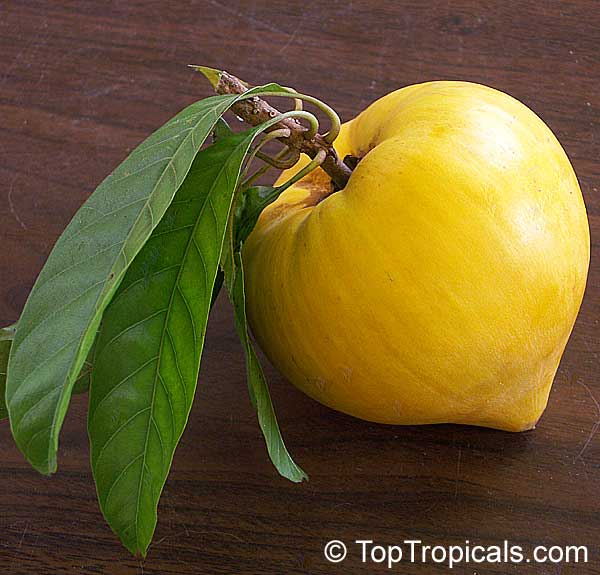
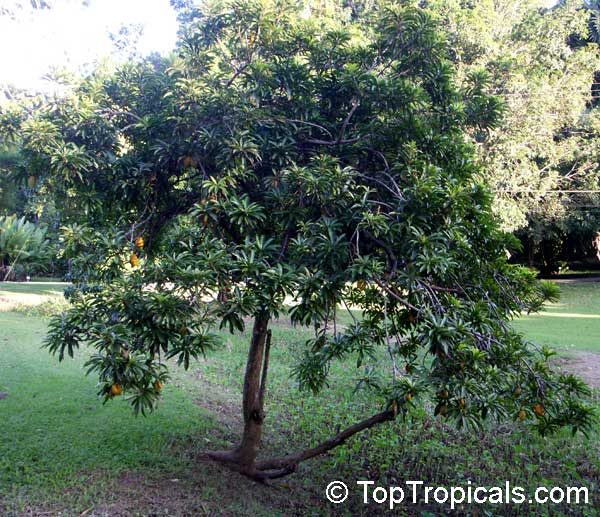
- 🍋 Abiu tree (Pouteria caimito), or Harvest Moon Sapote - is a must-try rare tropical fruit with a striking appearance and incredible flavor.
- 🍋 About the size of a medium apple, Abiu ripens to a bright, sunny yellow that hints at the deliciousness inside. Beneath its somewhat thick, sturdy skin, which contains a bit of sticky latex when cut, lies a jelly-like, ultra-juicy flesh that's sweet, smooth, and completely acid-free.
- 🍋 Its flavor is often compared to the luscious taste of Chrysophyllum cainito (Star Apple that we mentioned earlier), making it a favorite among tropical fruit lovers.
- 🍋 Each fruit typically has one elongated seed nestled within, and Abiu is often grown from seed.
- 🍋 Abiu is very hard to find tropical fruit tree, and you won't find this fruit in supermarkets. So the only way to taste it - to grow your own!
- 🍋 With its vibrant color, unique texture, and tropical sweetness, Abiu is a fantastic choice for anyone looking to add a touch of the exotic to their rare fruit collection!
🛒 Grow your own Abiu
#Food_Forest #Nature_Wonders
🔴 Join 👉 TopTropicals
Date: 8 Dec 2024
How to harvest and eat Monstera Ice Cream
Monstera deliciosa - Swiss Cheese Plant fruit
Monstera deliciosa - Variegated Swiss Cheese Plant leaves
Monstera deliciosa - Swiss Cheese Plant fruit
Monstera deliciosa - Swiss Cheese Plant fruit and flower
🍨 How to harvest and eat Monstera Ice Cream
- 🍀 Monstera deliciosa - Swiss Cheese Plant - is a stunning jungle climber from Mexico and Guatemala celebrated for its dramatic, perforated leaves and delectable tropical fruit.
- 🍀 Known for its large, fenestrated leaves with oblong or oval perforations, giving it the nickname "Swiss Cheese Plant."
- 🍀 In its natural habitat, seedlings grow toward darkness until they locate a tree, then climb toward the light.
- 🍀 Fruits begin appearing about three years after planting. The 9-inch, green, cone-like fruit ripens over a year, its scales separating to reveal sweet, creamy white pulp.
- 🍀 Tastes like a mix of pineapple, sugar apple and ice cream with a strong tropical aroma.
- 🍀 The fruit must be ripe to eat, as unripe pulp contains oxalic acid, which irritates the mouth and throat. To ripen, pick when the base wrinkles slightly, then wrap in a bag. When the scales loosen, it’s ready to eat. Rinse off black specks before eating.
- 🍀 Spectacular variety Thai Constellation is a stunning variegated form with cream-and-green marbled leaves, has become a collector's dream. Specimens can sell for thousands of dollars, making it one of the most sought-after houseplants.
🛒 Shop Monstera plants
#Food_Forest #Container_Garden #Shade_Garden
🔴 Join 👉 TopTropicals
Date: 25 Dec 2024
What is the secret of Mameys popularity
Pouteria sapota, Mamey Sapote fruit
Pouteria sapota, Mamey Sapote fruit on a branch
Pouteria sapota, Mamey Sapote fruit
- 🍊
Flowers emerge in clusters in the axils of fallen leaves along the branches, followed by the showy fruit. This is called cauliflory - when plants flower and fruit from their main stems or woody trunks. Other examples of cauliflory are Cucumber tree and Jaboticaba.
📚 More from previous post:
Why exotic Mamey is so much wanted
🛒 Order Mamey Tree
#Food_Forest #Fun_Facts
🔴 Join 👉 TopTropicals
Date: 21 May 2024
Who wants a cold hardy, dramatic looking tropical fruit tree with a sweet fruit? Or, who doesnt?
Persimmon (Diospyros sp.)
- 🍑 Persimmon (Diospyros sp.) is a graceful, small, subtropical fruit tree from China, with multitrunked or single-stemmed structure and drooping leaves and branches, turning dramatic shades in autumn.
- 🍑 People love Persimmon fruit for its sweet and unique flavor, often described as a blend of honey and apricot.
- 🍑 The tree thrives in deep, well-drained loam soil, tolerating alkaline conditions.
- 🍑 The fruit classified into astringent (soft, sweeter pulp) and non-astringent (crunchy) cultivars.
- 🍑 Best Varieties for Container Culture: Non-Astringent: Fuyu, Giant Fuyu, Matsumoto-Wase, Jiro, Maekawa, Izu.
- 🍑 Hardy to USDA zones 7-10, may need protection in colder regions.
Astringent: Chocolate, Guang Yang, Hachiya, Meader, Saijo, Tanenashi, Winterset.
📚 How to grow Persimmon tree
🛒Order Persimmon Tree
#Food_Forest #Container_Garden
🏵 TopTropicals