Garden Blog - Top Tropicals

Date: 11 Nov 2025

Fruits with the most vitamin E, according to dietitians

Fruits with the most vitamin E

Fruits with the most vitamin E

🥭 Fruits with the most vitamin E, according to dietitians

  • 🔛 Vitamin E works as an antioxidant that helps fight inflammation throughout the body. While nuts and seeds top the charts, some fruits quietly add their share to your daily needs - especially when eaten with a bit of healthy fat. According to New York City Nutrition, vitamin E anti-inflammatory action supports heart, brain, and skin health.
  • 🔛 Vitamin E is a fat-soluble vitamin that acts as an antioxidant, meaning it fights inflammation in the body. Because of this anti-inflammatory role, vitamin E is beneficial for immune health, heart health, eye health, brain health, and skin health.
  • 🔛 Adults need about 15 milligrams a day, according to the National Institutes of Health. Deficiency is rare, but it’s smart to get vitamin E from a variety of foods. Fruits alone don’t provide large amounts, but they can complement vitamin-E-rich foods like almonds or sunflower seeds.
  • 🔛 Since vitamin E needs fat for absorption, pair fruit with something creamy or crunchy - like yogurt, olive oil, nuts, or seeds - for best results.
  • 🔛 Here are some fruits that naturally offer vitamin E:

  • 🍊 Sapote 1 cup = 3.7 mg vitamin E. A tropical favorite with rich orange flesh and a flavor somewhere between pumpkin pie and sweet potato, with hints of honey and almond, Sapote is great fresh, blended in shakes, or scooped over ice cream. It also packs calcium, iron, potassium, and vitamins A and C.
  • Blackberries 1 cup = 1.7 mg vitamin E. Deep color, bold flavor, and plenty of antioxidants, Blackberries are high in fiber and low in calories. Dietitian Keri Glassman calls them her top fruit for fighting inflammation.
  • 🥭 Mango 1 cup = 1.5 mg vitamin E. The “king of fruits” brings more than tropical sweetness, Mango supports digestion, helps you feel full longer, and delivers both vitamin A and E in one juicy package.
  • 🍉 Guava 1 cup = 1.2 mg vitamin E. This fragrant fruit has a flavor that lands between strawberry and pear, Guava is also one of the highest-fiber fruits and surprisingly rich in protein for a fruit.
  • 🍑 Persimmon 1 fruit = 1.2 mg vitamin E. An autumn favorite that looks like an orange tomato but tastes sweet and mellow, Persimmons are rich in vitamins A and C and make a colorful, fiber-filled snack or dessert.
  • Avocado 1 fruit = 0.9 mg vitamin E. Creamy, mild, and versatile, Avocado’s healthy fats help your body absorb vitamin E while protecting heart health. Try it on toast, in salads, or as a smooth butter substitute in baking.

🛒 Plant more remedies in your food forest

📚
Learn more:
#Food_Forest #Remedies #Discover

🟢 Join 👉 TopTropicals
Date: 7 May 2025

Why you should grow a Pitanga tree

Eugenia uniflora - Surinam cherry, Brazilian cherry, Pitanga tree - fruit

Eugenia uniflora - Surinam cherry, Brazilian cherry, Pitanga tree - fruit

Eugenia uniflora - Surinam cherry, Brazilian cherry, Pitanga tree - fruit var. Lolita

Eugenia uniflora - Surinam cherry, Brazilian cherry, Pitanga tree - fruit var. Lolita

Eugenia uniflora - Surinam cherry, Brazilian cherry, Pitanga tree

Eugenia uniflora - Surinam cherry, Brazilian cherry, Pitanga tree

Eugenia uniflora - Surinam cherry, Brazilian cherry, Pitanga tree - fruit var. Lolita

Eugenia uniflora - Surinam cherry, Brazilian cherry, Pitanga tree - fruit var. Lolita

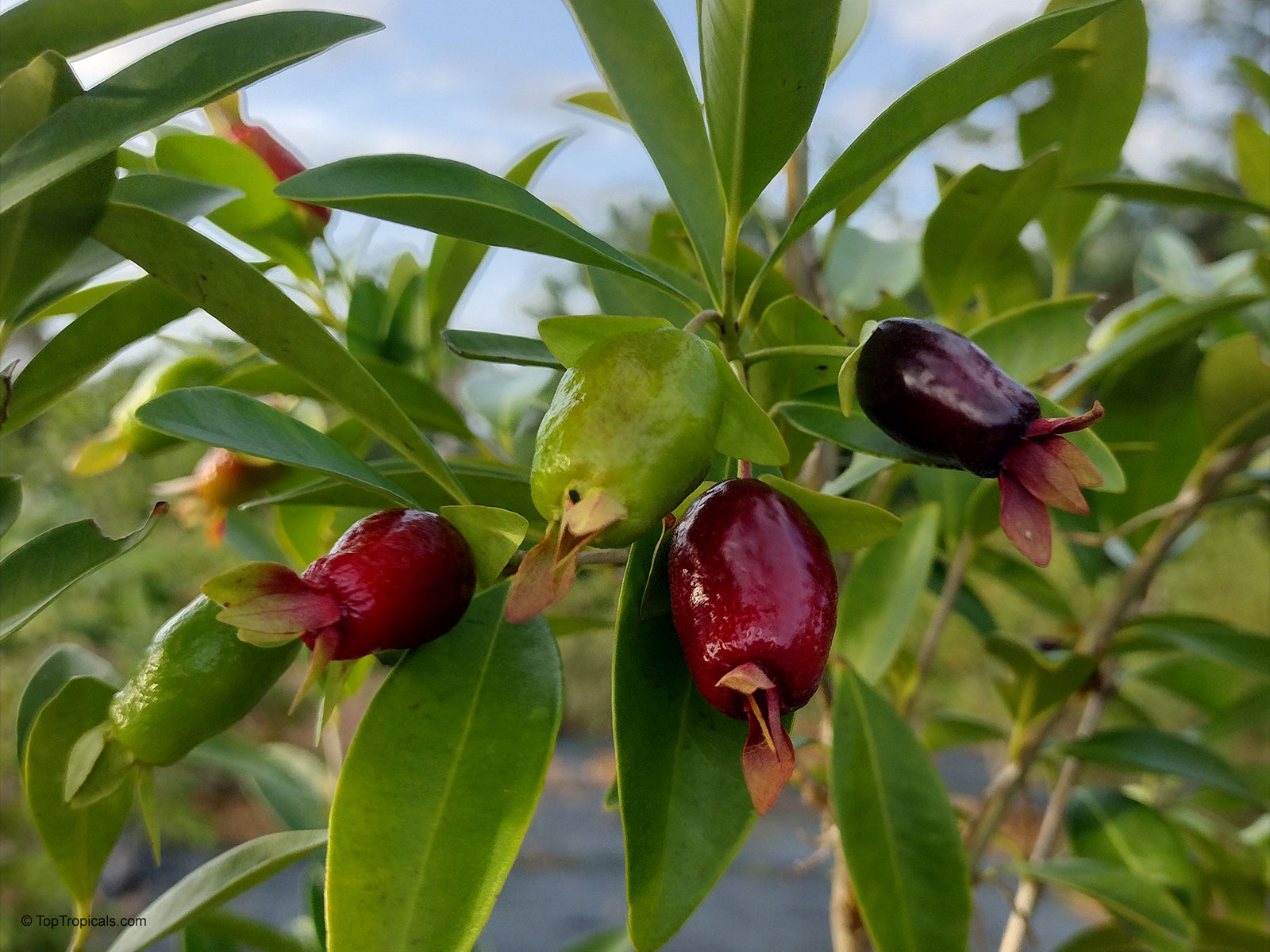
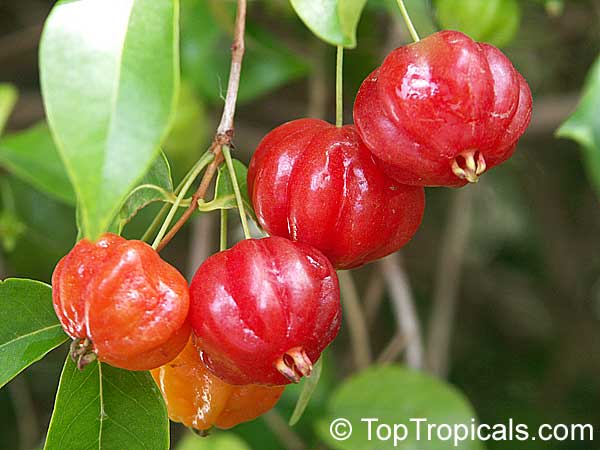
🍒 Why you should grow a Eugenia uniflora), also known as Surinam cherry or Brazilian cherry


Pitanga (Eugenia uniflora), also known as Surinam cherry or Brazilian cherry, is a tropical fruit that's as tasty as it is healthy. This small tree or bush brings beauty to your yard and benefits to your body. With shiny leaves, fragrant white flowers, and bright red or dark maroon fruit, it's an easy-to-grow plant that also happens to be a nutritional powerhouse.

❓ So, why plant Pitanga?

  • 🍒 Pitanga is packed with vitamins. Pitanga is loaded with vitamin C for glowing skin and a strong immune system, and vitamin A for healthy eyes.
  • 🍒 Pitanga is full of antioxidants. Especially the dark fruits, which are rich in plant compounds like lycopene and beta-carotene that may protect your cells and reduce inflammation.
  • 🍒 Pitanga has healing power. Traditional medicine has used it for heartburn, stomach issues, and even respiratory conditions. Lab studies show it may help fight bacteria and fungi too.
  • 🍒 Pitanga might fight cancer. Early research suggests pitanga extracts may slow cancer cell growth.
  • 🍒 Pitanga tastes like summer. When fully ripe, the juicy fruit has a sweet-tart flavor - great in salads, desserts, jams, and even cocktails. Pitanga var. Black Star, or Lolita has exceptional flavor, larger sweeter fruit than regular red-fruit variety.


⚠️ Bonus: It grows fast, stays evergreen, and makes a great natural privacy screen or edible hedge.

If you're looking for a tropical fruit tree that’s both beautiful and beneficial, Pitanga is a smart choice. Just make sure to pick the fruit when fully ripe - and prepare to fall in love with this cherry that's not quite a cherry!

🛒 Start growing Health today - add Pitanga to your Food Forest

📚 More about Lolita Cherry from previous posts:


#Food_Forest #Remedies #Hedges_with_benefits #Discover

🔴 Join 👉 TopTropicals

Date: 2 Mar 2026

😼😺 The Story Behind Smokey and Sunshine 🐾

Smokey  and  Sunshine  in  office  presentation  about  Cherry  of  the  Rio 
 Grande  freeze  survival,  with  Sunshine  pointing  at  polar  bear  and  penguin 
 marketing  poster,  coffee  and  donuts  on  table,  tropical  plants  on  shelves  in 
 background.
Sunshine: You know, February 27 was International Polar Bear Day. I just learned about it and got a brilliant marketing idea. Cherry of the Rio Grande survived 25F. With wind. Real wind. That means we go north. Let them taste this magic. I even have a donut recipe with the fruit. It’s a bomb, Smokey. We expand. Trust me. Finally you can afford that new watering timer.

Smokey: Not so fast, genius. Twenty five degrees is not the North Pole. And polar bears and penguins do not share zip codes.

Sunshine: You always pour cold water on my brilliance. Fine. Where do we start?

Smokey: Well, first you go talk to Tatiana. She graduated from the Geography Department. She can explain climate zones. Cherry of the Rio Grande can grow in North Florida, Texas, and similar climates. Let’s master that before we conquer Arctic.

Sunshine: So… Phase One: Geography?

Smokey: Exactly.

Some stories are easier to tell with a little humor. Smokey and Sunshine were never just mascots. They represent the two forces behind every decision we make here: bold ideas and careful reality. One dreams big. The other checks the climate zone map. Together, they remind us that growing plants is part science, part optimism, and always personal. If you have ever wondered why they keep appearing in our newsletters, you can read their full story on the Smokey and Sunshine page. They have been with us longer than most people realize.

🐾 Learn the Story of Smoky and Sunshine

Freeze Testing of Grumichama and Cherry of Rio Grande 🍒❄️

Grumichama  tree  (Eugenia  brasiliensis)  showing  white  flowers  and  ripe 
 red  fruits  in  tropical  garden 
 conditions

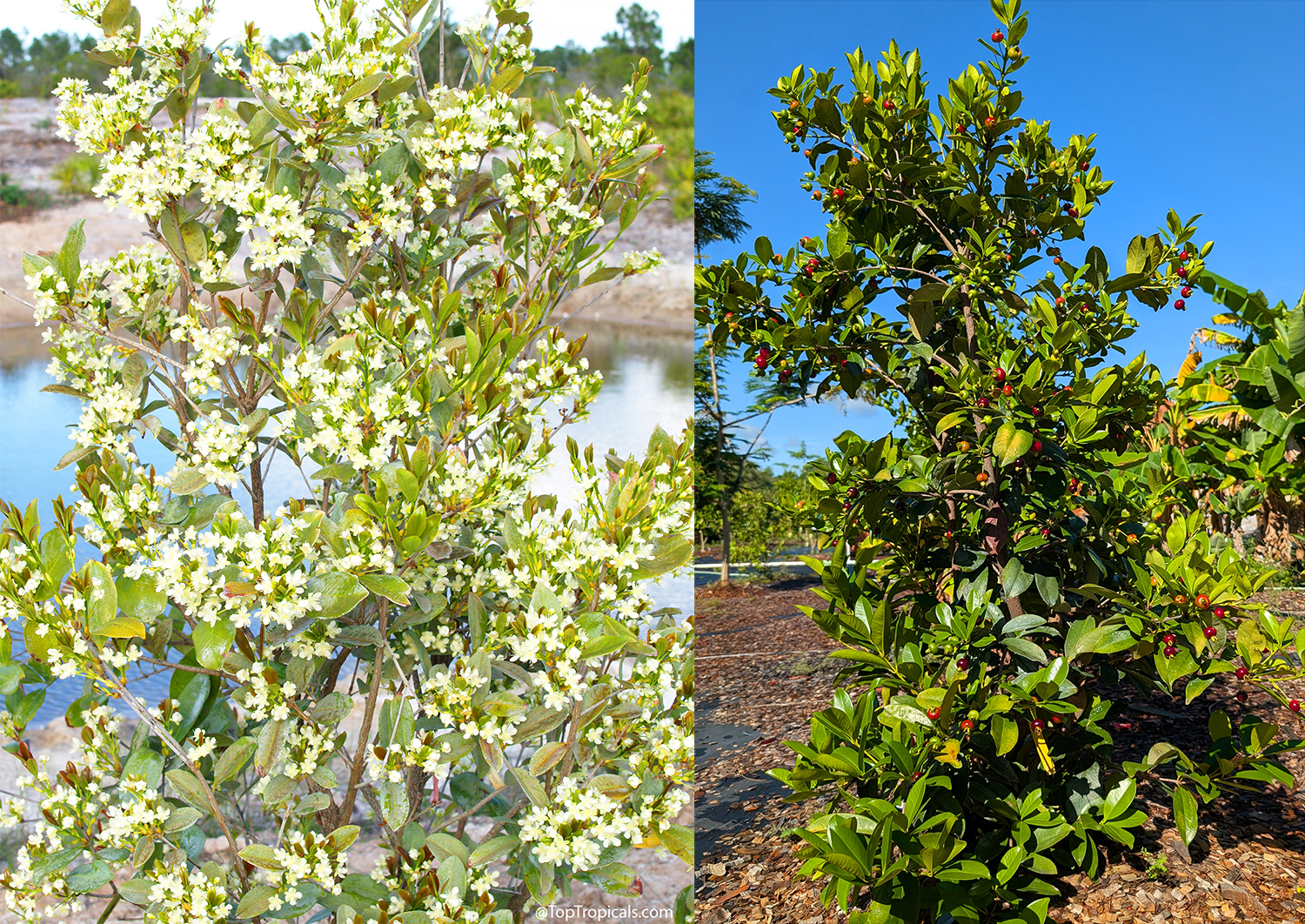
Eugenia brasiliensis - Grumichama tree flowering and fruiting

When temperatures dropped to 25F, with wind chill near 14F, winter made it clear which tropical trees were truly resilient. Some plants burned back. Tender growth collapsed. But our established Eugenia cherries stood steady. Leaves held. Branches stayed flexible. The canopy remained intact.

Cherry of the Rio Grande (Eugenia aggregata) and Grumichama (Eugenia brasiliensis) are among the most cold-hardy tropical cherries for Southern gardens. Both are native to Brazil and thrive in USDA Zones 9b–11, and even protected 9a sites.

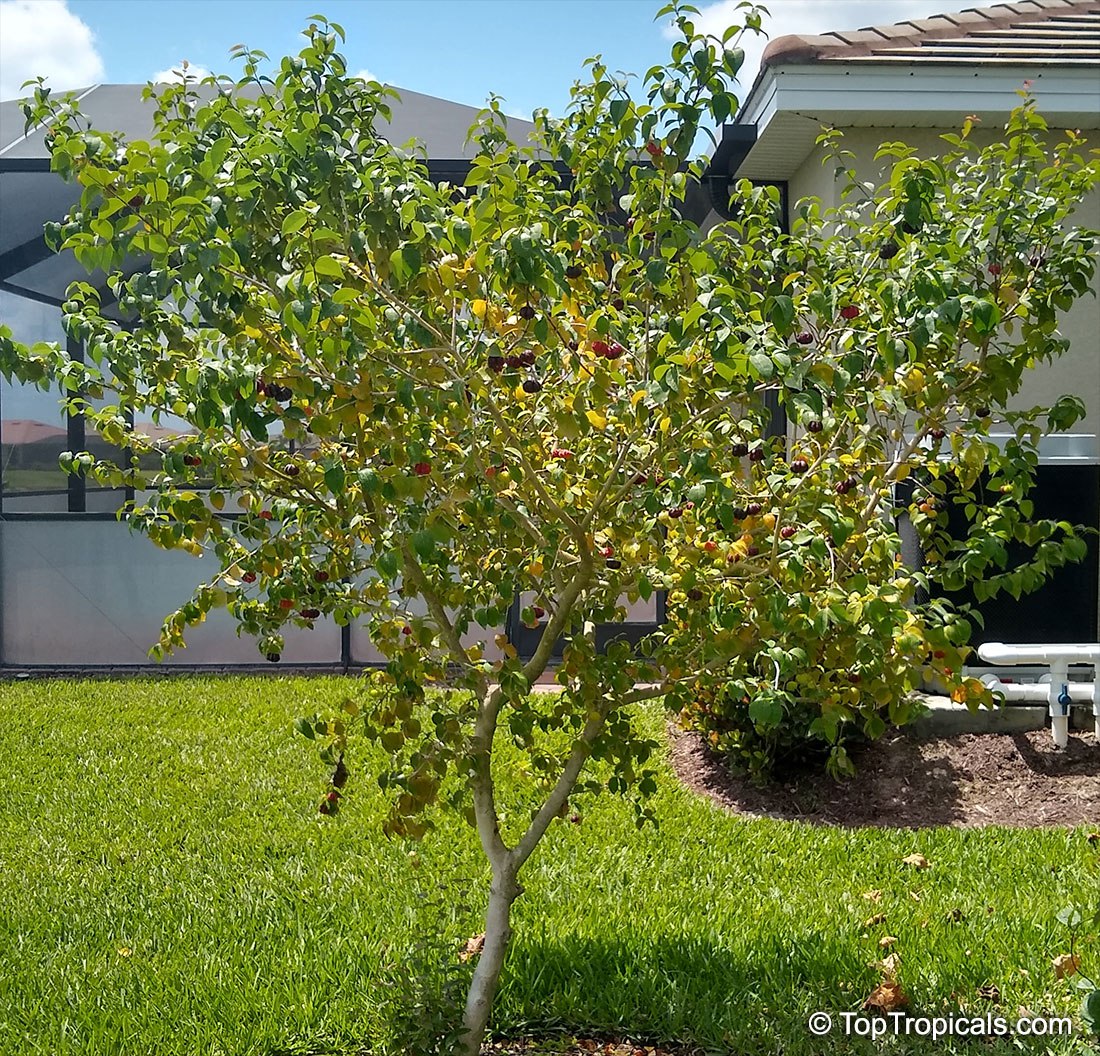
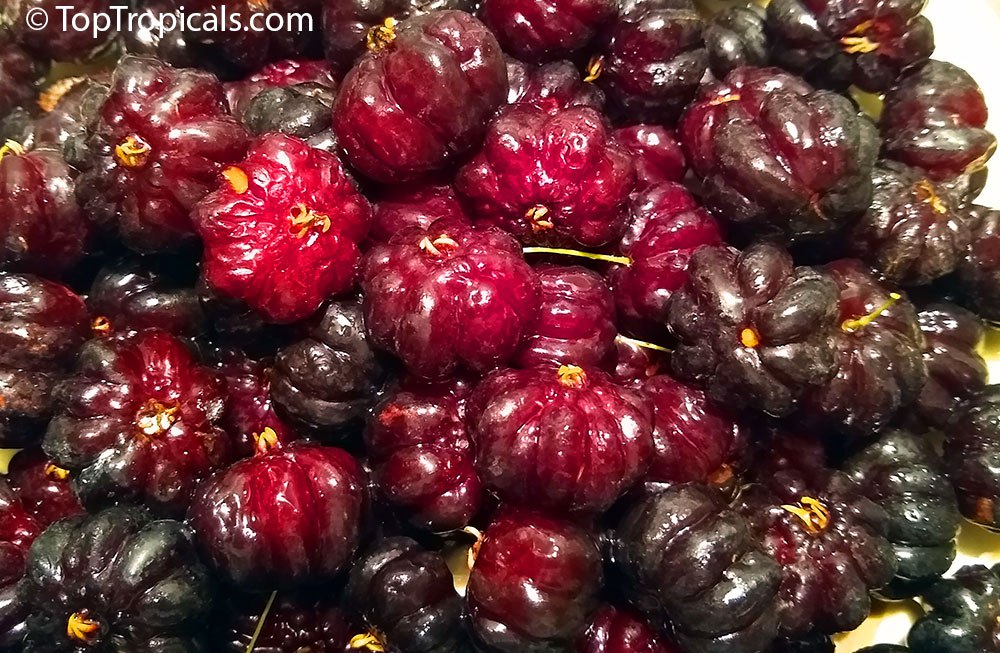
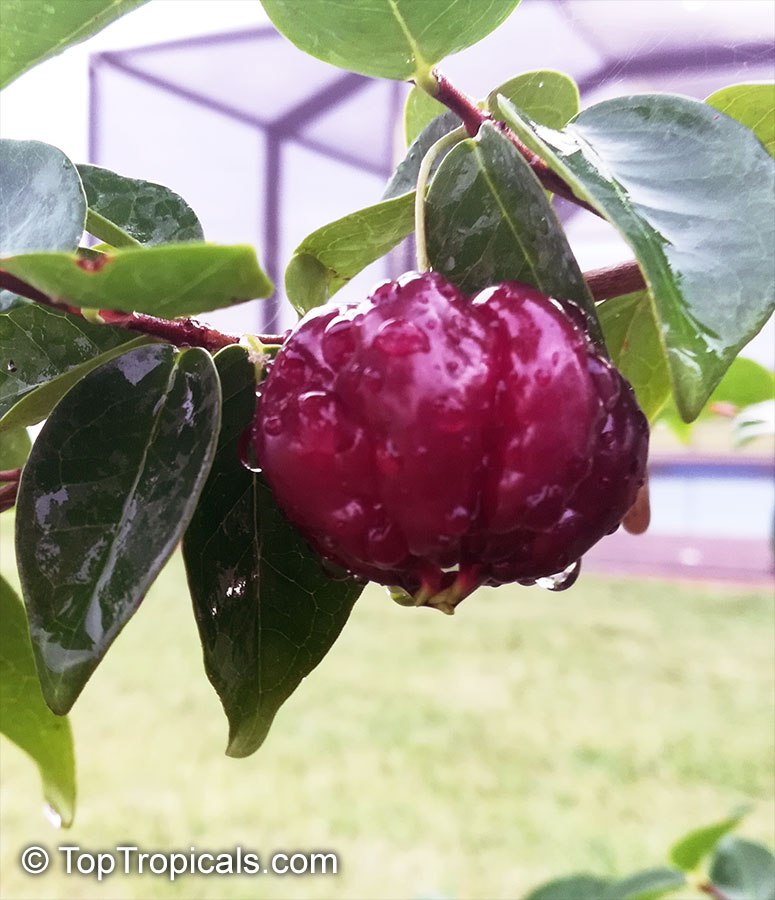
Cherry of the Rio Grande produces dark ruby fruit that ripens almost black, with a rich, full cherry flavor. It flowers early in spring and can fruit well into summer. Mature trees can tolerate brief drops into the low 20s once established. Trees typically grow 8 to 15 feet tall, remain naturally compact, and often begin fruiting within 2 to 3 years.

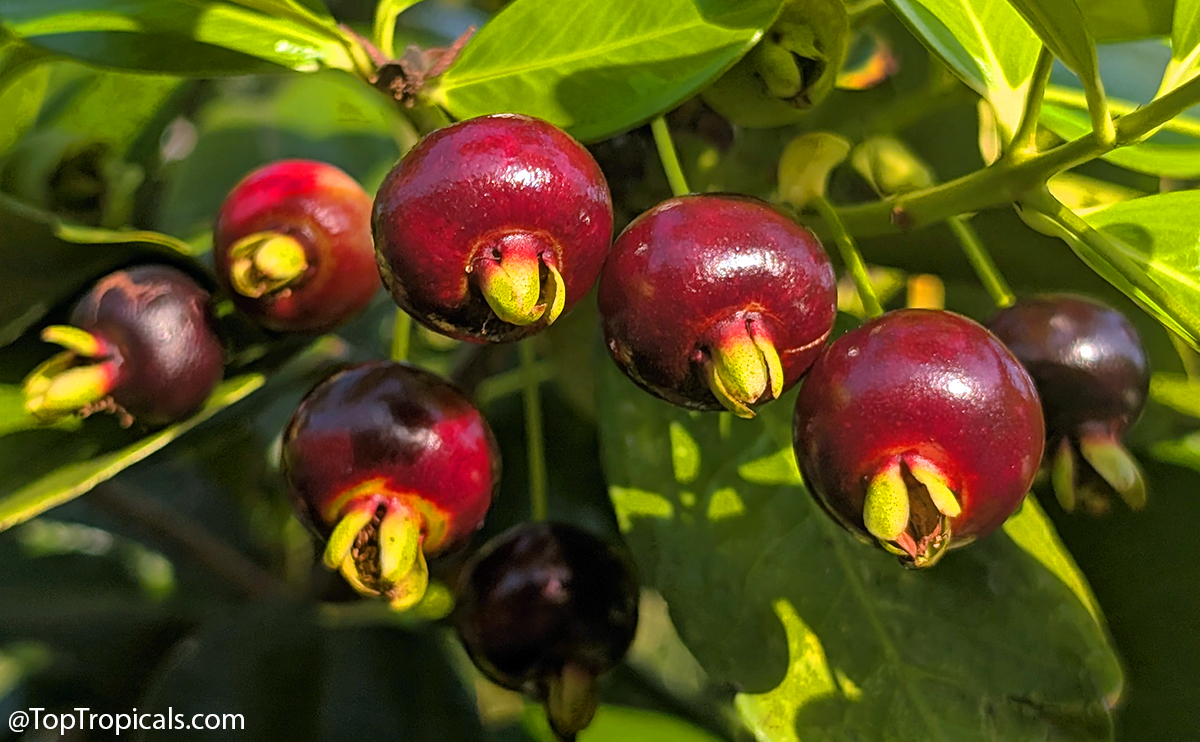
Grumichama is an evergreen tree known for both beauty and productivity. In spring, it covers itself in white starburst flowers that attract pollinators. Within about four weeks, glossy purple-black fruit develops. Established trees tolerate temperatures into the upper 20s and grow well in the ground or in 5–10 gallon containers. Mature trees can produce hundreds of fruits per season.

Across the Eugenia group, strengths are consistent: early bearing, compact growth, heat tolerance, light freeze endurance, and low pest pressure. They are adaptable to different soils, need modest water once established, and perform in full sun or partial shade. Birds enjoy the fruit, but there is usually plenty to share.

Nutritionally, Eugenia cherries provide Vitamin C, fiber, antioxidants, and notable Vitamin A that supports eye health. They offer sweetness with real dietary value.

In the kitchen, they are simple and rewarding. Cherry of the Rio Grande makes an easy compote. Simmer the fruit with a small amount of water until soft, mash lightly, and spoon over pancakes or warm bread. Grumichama turns into a deep red jam with sugar and lime, or can be blended into a bright spoon drizzle over vanilla ice cream.

Even when not fruiting, both trees remain attractive year-round with glossy evergreen foliage and clean structure. They fit well into edible landscapes, small yards, and container gardens.

Winter will return. The difference lies in planting fruit trees that can handle heat, humidity, and the occasional cold snap. If you are building a food forest for lasting harvests, cold-hardy tropical cherries like Cherry of the Rio Grande and Grumichama deserve a place in your garden.

Ripe  Grumichama  fruits  (Eugenia  brasiliensis)  hanging  on  a  branch  with 
 glossy 
 leaves

Ripe Grumichama (Eugenia brasiliensis) fruits developing on the tree, turning deep red to nearly black when fully mature.

Cherry  of  the  Rio  Grande  (Eugenia  aggregata  cv.  Calycina)  fruits 
 ripening  from  green  to  dark  purple  on  the 
 branch

Eugenia aggregata (cv. Calycina), Cherry of the Rio Grande

🛒 Plant hardy Eugenia cherries

Date: 3 Nov 2025

Cashews: more magnesium than almonds!

Cashew Nuts - Anacardium occidentale

Cashew Nuts - Anacardium occidentale

Cashews: more magnesium than almonds!

  • 🌰 Cashews might be the real nutty winner when it comes to magnesium. One ounce provides about 83 mg, or roughly 20% of your daily need, slightly topping almonds at 76 mg, according to Verywell Health.
  • 🌰 Magnesium plays a key role in your body’s daily operations - it helps your heart, muscles, and bones function properly, keeps blood pressure steady, and supports your energy and metabolism. Yet many people still fall short of getting enough.
  • 🌰 Along with magnesium, cashews are packed with protein, healthy fats, copper, zinc, and iron - all nutrients your body depends on.


🏆 More magnesium-rich fruit:


Avocado


Avocados are famous for their healthy fats, but they’re also surprisingly high in magnesium - about 58 mg per medium fruit. That’s one of the highest amounts among fruits. Their creamy texture and fiber content make them especially gentle on the stomach, helping digestion and easing constipation. Regularly adding avocado to meals can support gut health, muscle function, and overall mineral balance in a naturally delicious way.

🍍 Pineapple


Best known for its enzyme bromelain, pineapple also provides a helpful 20 mg of magnesium per cup. While not the top source, it offers a rare combination of fiber, enzymes, and minerals that benefit the digestive system. Bromelain helps reduce inflammation in the gut, and magnesium keeps digestive muscles relaxed. Together, they make pineapple a light, refreshing choice for better digestion and a balanced system.

✅ How to get more magnesium:

  • • Eat a mix of magnesium-rich foods every day - your body only absorbs about half of what you consume.
  • • Try pairing magnesium-rich sources. Add Cashews, Avocados, Bananas, Pineapple, or Spinach to your meals and snacks.
  • • Remember, caffeine, age, and certain medications can reduce absorption, so balance your diet and check with your doctor if needed.
  • • A handful of cashews can go a long way - for your heart, your energy, and your bones.


🛒 Explore your future food forest: fruit and edibles

📚
Learn more:
#Food_Forest #Remedies #Discover

🟢 Join 👉 TopTropicals
Date: 20 Jan 2026

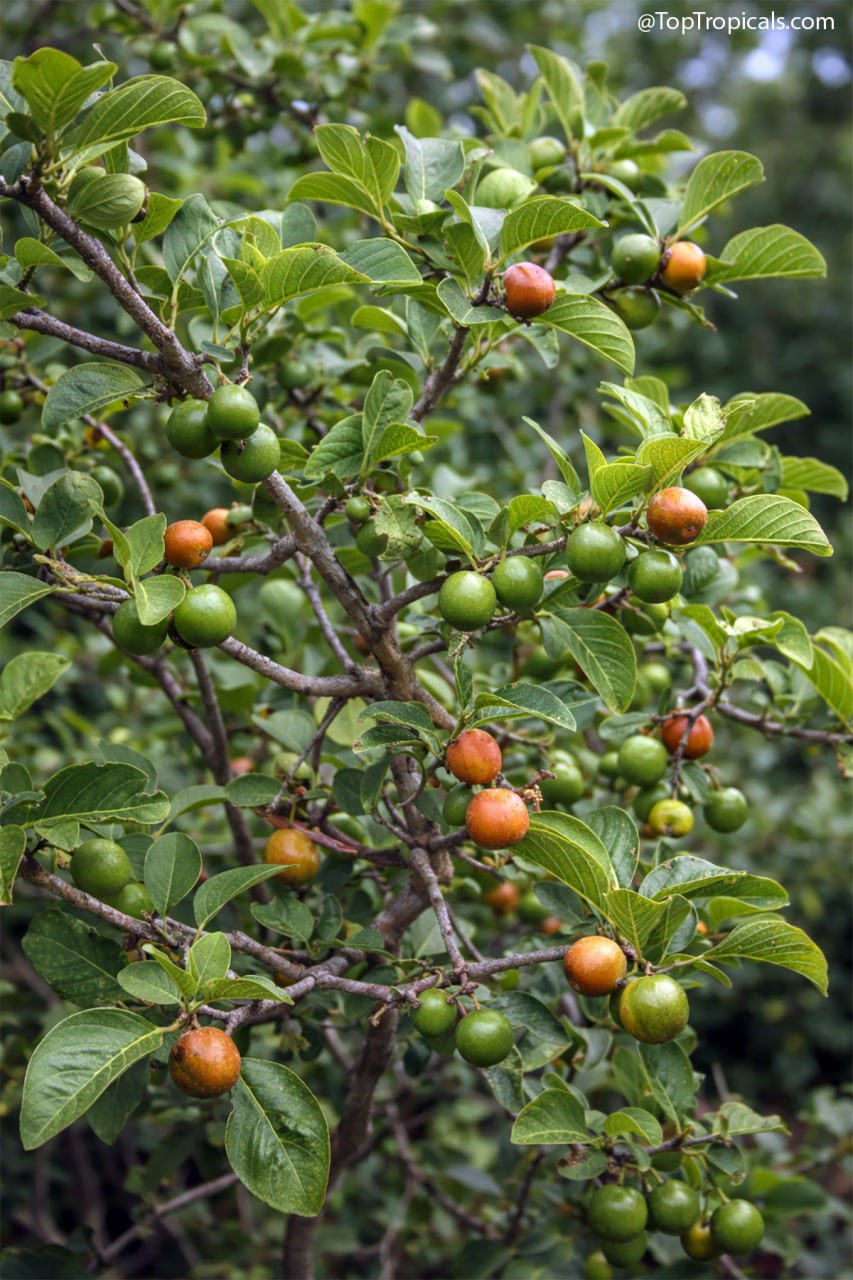
7 steps for a care-free Spanish Tamarind - the easiest rare fruit to grow

Vangueria infausta (Spanish Tamarind, Wild Medlar)

Vangueria infausta (Spanish Tamarind, Wild Medlar)

🍊 7 steps for a care-free Spanish Tamarind - the easiest rare fruit to grow


Yes, it can handle light frost - Vangueria infausta (Spanish Tamarind, Wild Medlar) - we just discovered it can handle cold snaps! After a few cold nights in January, our young tree planted just a few months ago, still looks happy and strong!
If you are looking for a tough little fruit tree that thrives on neglect but gives you something truly special in return - try this rare, compact fruit tree. Spanish Tamarind is native to southern Africa, it is drought-tolerant, pest-resistant, and surprisingly cold-hardy once established - making it a great choice even for gardeners in borderline zones.

Here’s how to grow this resilient gem:

🌞 Sun and soil


Spanish Tamarind loves full sun, but will tolerate light shade. It isn’t picky about soil as long as it drains well - sandy, rocky, or loamy, it will grow just fine. No special amendments needed.

💧 Watering


Once established, it's very drought tolerant, but young trees need regular watering to develop a deep root system. In containers, water when the top inch of soil is dry. In the ground, water deeply but infrequently.

❄️ Cold tolerance


Now for the surprise: while it’s considered a tropical fruit, Wild Medlar can handle brief dips into the mid-30s F without damage, especially when mature and dormant. In Sebring, FL, we’ve seen this tree shrug off light frosts with no protection!
And what makes this even more impressive? The tree has beautiful, lush velvet leaves - soft to the touch and tropical in appearance - yet surprisingly hardy for such large, tender-looking foliage.
  • · Young plants should be protected the first couple winters
  • · Grow in containers if you’re in USDA zone 8 or lower
  • · A little mulch around the base helps stabilize soil temps in winter


Growing in pots


This tree is very compact and does well in containers. Use a large, well-drained pot and a loose soil mix. Keep it outside in spring through fall, then bring it indoors before a hard frost. It grows slowly and stays compact for years, making it a great fit for patios or balconies.

🍊 When to expect fruit


With enough sun and time, your tree can start fruiting in 2-3 years. Mature trees can bear 20-40 small round fruits per season, ripening to a golden-brown with a tangy-sweet flavor. The fruiting season may vary depending on your local climate, but typically occurs in late summer to fall.

🛠 Maintenance? Almost none.

  • · No special pruning needed (except to shape)
  • · No major pests or diseases reported
  • · Tough and low-maintenance in the landscape


🏆 Final thought: grow it for the surprise


Spanish Tamarind - Wild Medlar - is a tree that rewards patience. It's unusual, beautiful in its own scruffy way, and packs a punch with cold tolerance, drought resistance, and tasty fruit. Spanish Tamarind belongs in every experimental garden or food forest - especially if you love growing things no one else in the neighborhood has.

🛒 Add rare Spanish Tamarind to your rare fruit collection

📚 Learn more:

Plant Facts

Vangueria infausta
Wild Medlar, Spanish Tamarind
USDA Zone: 9-11
Small tree 10-20 ftFull sunModerate waterEdible plantDeciduous plantEthnomedical plant.
Plants marked as ethnomedical and/or described as medicinal, are not offered as medicine but rather as ornamentals or plant collectibles.
Ethnomedical statements / products have not been evaluated by the FDA and are not intended to diagnose, treat, cure, or prevent any disease. We urge all customers to consult a physician before using any supplements, herbals or medicines advertised here or elsewhere.Subtropical plant. Mature plant cold hardy at least to 30s F for a short time

#Food_Forest #Remedies #Discover

🟢 Join 👉 TopTropicals