Date: 24 Jun 2018
Full Sun Garden vs Shade Garden
"Someone is sitting in the shade today because someone planted a tree a long time ago." (Warren Buffett)
Q: I live in California and I have a large area of my garden in full shade. Are there any plants that will be happy there? I am looking for something colorful. I also have a smaller area in front of the house that has full sun almost all day long, but I am afraid this can be too hot for flowering plants? Can you recommend something?
A:
Full sun gardens have a strong, bright look while shade
gardens have cooler, subdued appearance. Both types of
gardens are fun to design and maintain as long as you pick
the right plants.
Full Sun Garden is the easiest to grow. Depending
on exposure, it may require some plants that can tolerate
the hottest summer days and the dry conditions in your
area. The good news is, the majority of tropical and
subtropical plants prefer full sun, so you have a large
selection to pick from - fruit trees, flowering trees,
shrubs, vines, and small perennials. The more sun, the
more flowers and fruit you will get! However, keep in mind
that sun gardens require more water, but generous mulching
will help to minimize watering.
Shade Garden is much more restful in appearance,
but sometimes may be a little more difficult to work with.
As shade trees grow bigger and thicker, it may become too
dark; nothing will grow in total darkness. In this case
you need to prune back some branches to let more light in.
Filtered sunlight or dappled light coming through the
leaves of the trees is beneficial and considered light
shade, which would be the best light conditions for shade
loving plants to thrive. Although shady cooler spaces
attract more insects and will require more attention to
control them, they also have some advantages over sun
gardens. You can enjoy working in cooler conditions, and
your garden will require less water. Many foliage plants
look more deeply colored and healthier than in full sun;
white flowers shine instead of looking washed out!
Our favorite shade plants are fragrant brunfelsias , clerodendrums, and of course
colorful gingers and heliconias. You
may also consider ornamental foliage of Calatheas, lush Alocasias, Colocasias, and colorful Cordylines. Check out our shade loving plant list for
more colorful suggestions. These are also great for indoor
gardens!
Date: 23 Oct 2025
How we ship plants: quick guide
🚚 How we ship plants: quick guide
If you’re a first-time mail order plant buyer, or just want peace of mind before sending a live plant on its journey in a box, check out these videos. And if you have questions, feel free to ask - we’ll be happy to answer them all!
Rest assured, your plants are in good hands!
- 📱 How do we ship plants? Part 1: prepare the plant
- 📱 How do we ship plants? Part 2: packing in the box
- 📱 How do we ship plants, Part 3: it's Christmas - unwrapping is fun?
🛒 Shop plants online
📚 Learn more:
#How_to
🟢 Join 👉 TopTropicals
Date: 3 Dec 2025
Can Poinsettia grow for years? 5 most common mistakes with new container plants
Poinsettia - Euphorbia pulcherrima tree
Poinsettia - Euphorbia pulcherrima colorful leaves
Poinsettia - Euphorbia pulcherrima in a pot
Poinsettia - Euphorbia pulcherrima bush
Can Poinsettia grow for years? 5 most common mistakes with new container plants.
You buy a beautiful plant from a big garden center, or maybe you received one as a holiday gift. It looks perfect - lush, bushy, colorful, spotless. But a few weeks later… what happened? It is dropping leaves, getting leggy, or simply dying. Think about poinsettias after Christmas - most end up in the trash like annuals. But poinsettias are actually perennial shrubs that live for many years in their native environment!
So what went wrong? Here are simple ways to avoid these disappointments and keep your new plants as happy as they were in the greenhouse - and even help them grow bigger and nicer for a long time.
- ❌ Do not skip checking the soil. Even plants from professional growers can hide surprises:
❌ Do not put a plant directly into hot, bright sun.
Most nursery plants are grown in filtered light under shade cloth, and sudden full sun can burn the leaves.
✅ Move sun-loving plants gradually into full sun.
❌ Do not rely on the original container.
Holiday and gift plants often come in decorative pots that have issues:
- no drainage holes
- glazed or heavy plastic that traps moisture and causes root rot
- dry, porous terra cotta that loses moisture too fast
- cone-shaped pots that hold water and create waterlogging
- pots that are simply too big or too small for the root system
✅ Use simple black nursery pots with straight sides.
They:
- hold moisture at the right level
- are made of safe professional-grade plastic
- make it easy to remove the root ball when stepping up
For a fancy display, place the black pot inside a decorative planter. It will also act as a saucer to collect excess water - no stress, no mess.
- soil type on top may be wrong. They may pack peat moss or sphagnum on top to keep stems tight for display.
- the entire soil media might be temporary. Many orchids in stores, for example, sit in glazed pots stuffed with soggy sphagnum - not how orchids should grow.
✅ Take the plant out of the pot and inspect the roots and soil.
Remove excess peat or sphagnum. Use a quality, well-drained mix like Abundance and repot into a container that matches the root size or is just slightly larger.
❌ Do not forget fertilizer.
Your plant came from a professional nursery where it likely received constant feeding through a liquid injection system - almost like being on life support. Once removed, it can decline within weeks.
✅ Put your plant on a regular fertilizer schedule.
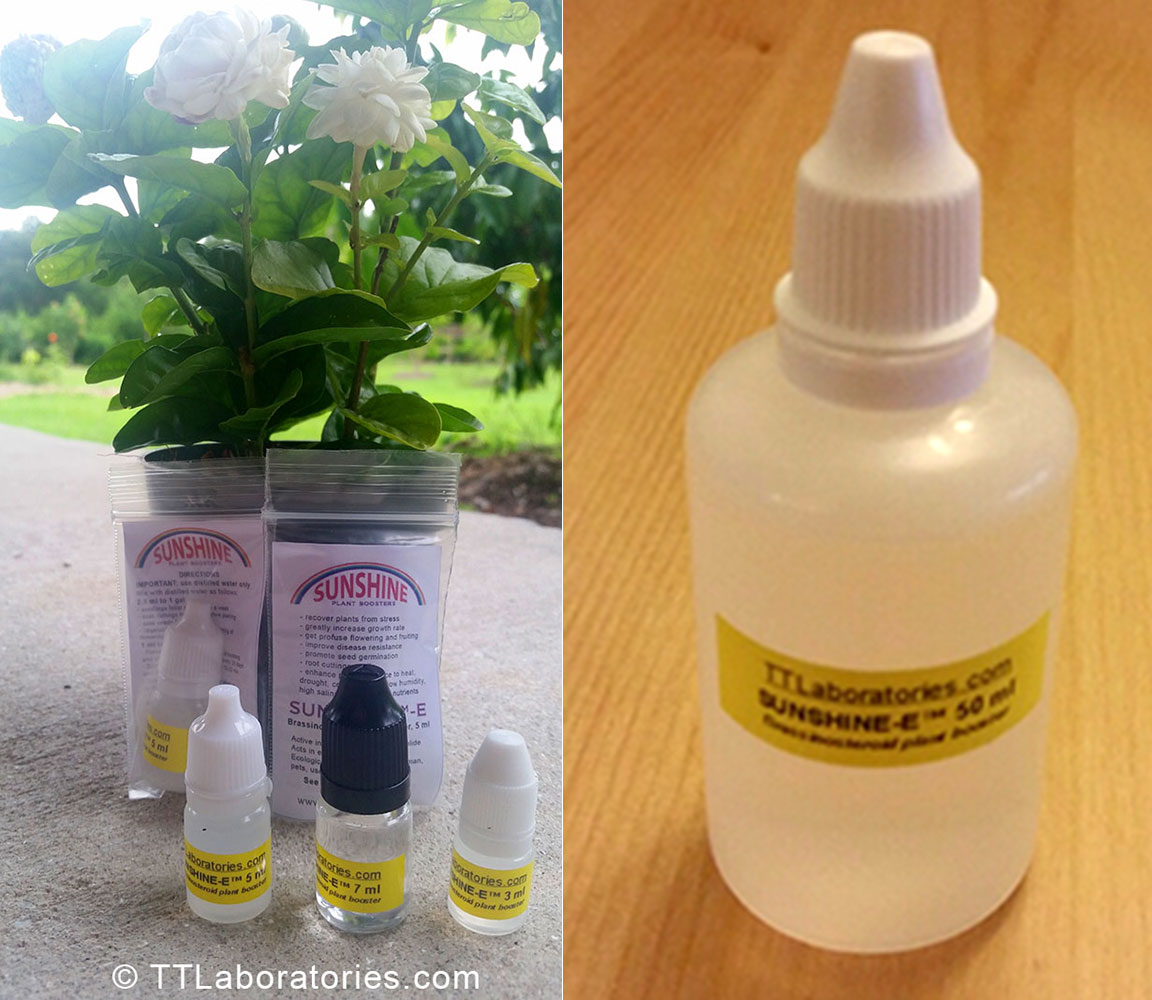
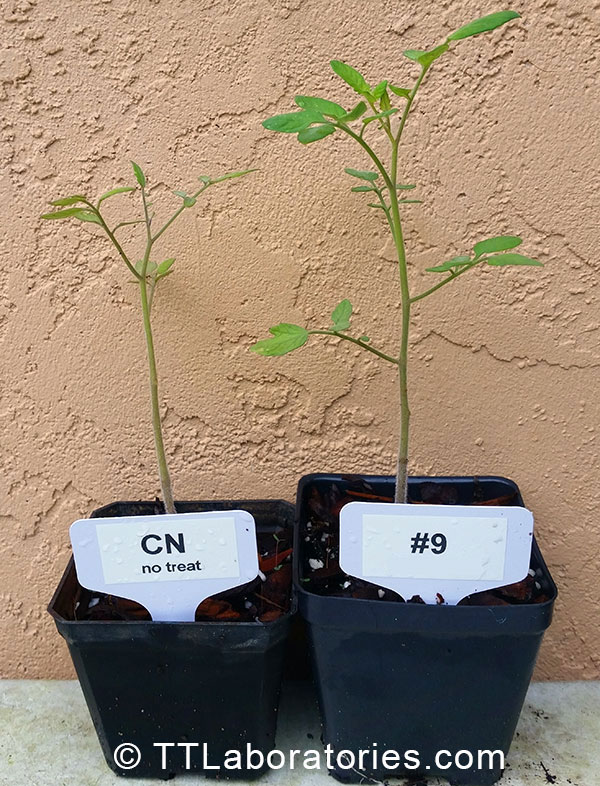
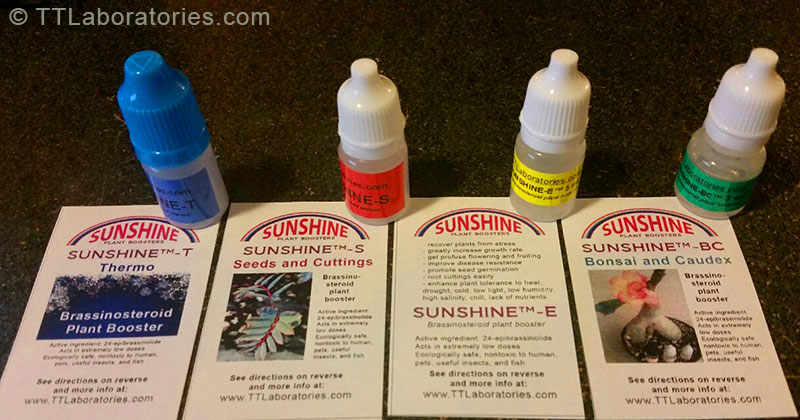
When repotting, mix in Green Magic controlled-release fertilizer and refresh it every 6 months. Simple and easy! You can also apply liquid Sunshine Boosters - safe to use with each watering.
❌ Do not ignore individual plant needs.
✅ Take a moment to ask what the plant prefers and what to avoid, when buying from a nursery where you can talk to a grower, like Top Tropicals. The grower knows exactly how it was grown and what it likes. Getting a plant is like adopting a baby - knowing its habits makes all the difference!
🛒 Select plants for containers
#How_to #Container_Garden
🟢 Join 👉 TopTropicals
Date: 11 Jan 2026
How to lose weight naturally with tropical fruit and plants
🍑 How to lose weight naturally with tropical fruit and plants
🏃♀️ Losing weight isn’t about starving yourself - it’s about supporting your body with the right nutrients and keeping things balanced. Plants can help by boosting your metabolism, keeping you full longer, improving digestion, and regulating blood sugar. When you build a food forest with the right plants, you’re investing in long-term health that tastes good and feels good.
🏆 15 TOP TROPICAL plants and fruits that naturally help with weight management:
- 💚 Papaya – Contains enzymes like papain that aid digestion, and it’s high in water and fiber—great for feeling full.
- 💚 Mango – Supports fat metabolism and reduces inflammation. Its fiber helps regulate appetite and digestion.
- 💚 Avocado – Full of healthy fats and fiber, avocado helps you feel satisfied longer and supports steady energy levels.
- 💚 Banana – Rich in resistant starch (especially when underripe), bananas help support gut health and fat metabolism.
- 💚 Jackfruit – High in fiber and low in fat, this fruit keeps blood sugar steady and supports slow, sustained energy.
- 💚 Yerba Mate – A natural tea with gentle stimulant properties that may help reduce appetite and increase fat burn.
- 💚 Moringa – Known as a superfood, moringa helps regulate blood sugar and boosts metabolism with powerful nutrients.
- 💚 Galangal (Thai Ginger) – Supports digestion and contains compounds that may help increase fat burning, like regular ginger.
- 💚 Cinnamon – Can improve insulin sensitivity and help with sugar cravings, making it easier to stay on track.
- 💚 Insulin Ginger (Costus igneus) – Traditionally used to manage blood sugar, it also supports digestion and energy. Chewing the spiraled leaves or brewing them as tea is a natural way to get more from your garden.
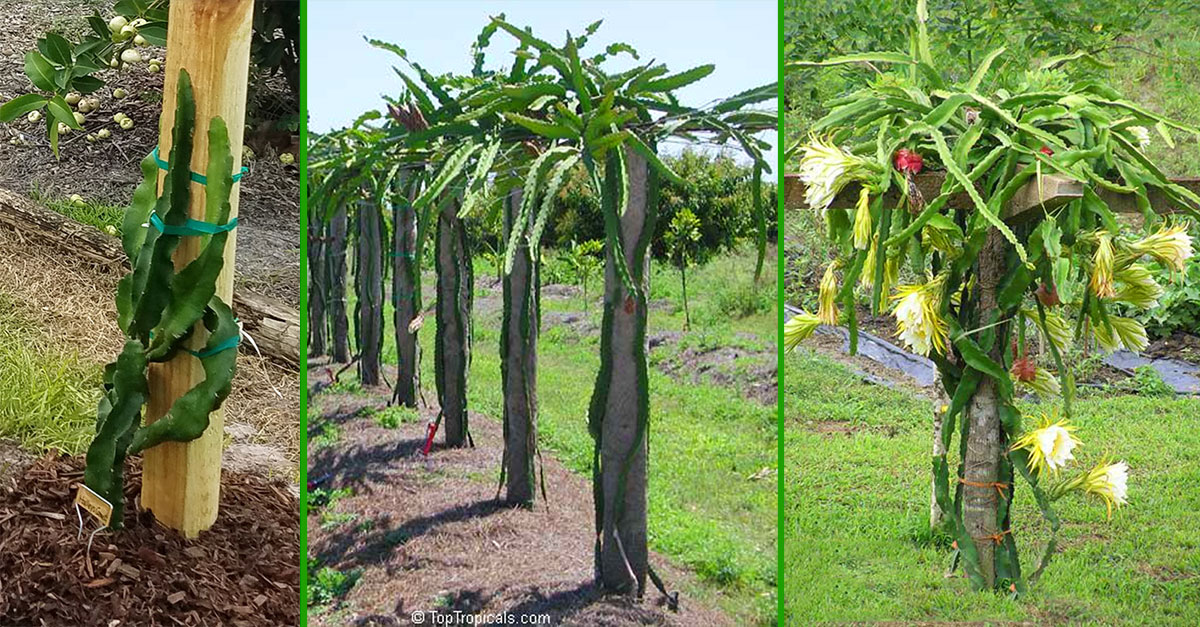
- 💚 Dragon Fruit – Extremely high in fiber, dragon fruit supports healthy digestion and helps regulate metabolism, which can aid weight loss.
- 💚 Pomegranate – Used for centuries in Ayurvedic medicine to improve metabolism. Its antioxidant-rich juice supports fat burning and digestion.
- 💚 Tea Leaf Tree (Camellia sinensis) – The source of green, black, and white tea. These teas are linked to metabolism boost, heart health, and appetite regulation.
- 💚 Noni – A powerhouse fruit traditionally used for inflammation, immune health, blood sugar balance, and metabolism support. It may also help reduce fat accumulation and boost overall vitality.
- 💚 Canistel (Eggfruit, Pouteria campechiana) is a naturally sweet, nutrient-dense fruit that helps curb sugar cravings while keeping you full longer. Its rich fiber content and slow-digesting carbs make it a great choice for supporting weight management without reaching for processed snacks.
❗️When you grow these plants in your home garden or food forest, you're not just planting food - you’re planting tools for better health.
And bonus: gardening itself keeps you active and stress-free, which is another win for your waistline.
🛒 Explore tropical fruit and edibles
📚 Learn more about natural weight loss with plants:
- Tropical fruit health benefits guide: Part 1 and Part 2.
- How to make lots of Insulin Ginger plants quickly and get more health benefits
- Truth about which fruit helps you lose weight faster: Mango or Papaya?
- Jambolan health and life benefits
- Health benefits of dragon fruit
- Weight loss with Noni
- Healing drops of blood: why Pomegranate is a superfood
#Food_Forest #Remedies #Discover
🟢 Join 👉 TopTropicals
Date: 20 Feb 2026
Florida freeze damage - what to replant after a record cold winter
❄️ Florida freeze damage - what to replant after a record cold winter
🌱 A record freeze changed Florida gardens
After the recent record cold across Florida, many gardeners are now seeing the real damage - browned leaves, split stems, collapsed shrubs, and fruit trees that may not recover.
Some plants surprised us with new growth. Others are clearly gone.
The practical question is simple: what should you replant so it does not happen again next winter?
The good news - you can build a more frost-resilient garden without giving up beauty or fruit.
🌱 First - do not rush to rip everything out
Before replacing anything, check carefully:
Scratch the bark lightly - green underneath means the branch is alive.
- Wait for consistent warm weather - some plants re-sprout weeks or even months later.
- Look for growth higher on the stem, not just at the base.
🌱 Why some plants survived and others did not
Freeze survival depends on several factors:
Duration of cold - 2 hours vs 8 hours makes a major difference
- Microclimate - south-facing walls, wind protection, canopy cover
- Plant maturity - established roots handle stress better
- Pre-freeze health - overfertilized, soft growth freezes faster
🌱 What to replant for a frost-resilient garden
Instead of replacing losses with the same tender species, consider:
Cold-hardy fruit trees
- Proven freeze survivors from this winter
- Shrubs that tolerate brief dips below freezing
- Layered planting for wind protection
- Plant tender species closer to structures.
- Use hardy trees as windbreaks.
- Avoid low frost pockets.
- Improve drainage - wet roots freeze faster.
When redesigning:
✍️ Check the list of freeze survivors:
What tropical plants survived Florida's historic freeze without protection
🌱 Rebuild with strategy, not emotion
After freeze damage, many gardeners replant quickly - only to repeat the same losses.
A better approach:
Identify what truly died.
- Learn which species survived locally.
- Choose varieties proven in your climate zone.
- Design with cold in mind.
🌱 Spring Equinox - a natural reset
The Spring equinox marks equal day and night and the astronomical start of spring. From this point forward, daylight increases and active growth accelerates.
For Florida gardeners, it is a natural reset.
New growth begins. Roots wake up. Replacement planting becomes safer.
This is the right time to rebuild.
🛒 Explore cold tolerant tropical plants and cold hardy Avocados
- 🎥 What tropical plants survived Florida's historic freeze without protection
- 🎥 These Avocados survived 3 nights of 25F hard freeze, Florida Record Freeze
📚 Learn more:
- · Top Ten Fruit Tree Winners of Florida 2026 Record Freeze
- · Top Ten Flowering Tree Winners of Florida 2026 Record Freeze
- · To trim or not to trim? When and how to trim damaged plants after winter
- · Cold-hardy avocado varieties - what freezing they really survive
- · Cold-hardy avocado survival groups - what the numbers really mean
#Discover #How_to
🟢 Join 👉 TopTropicals