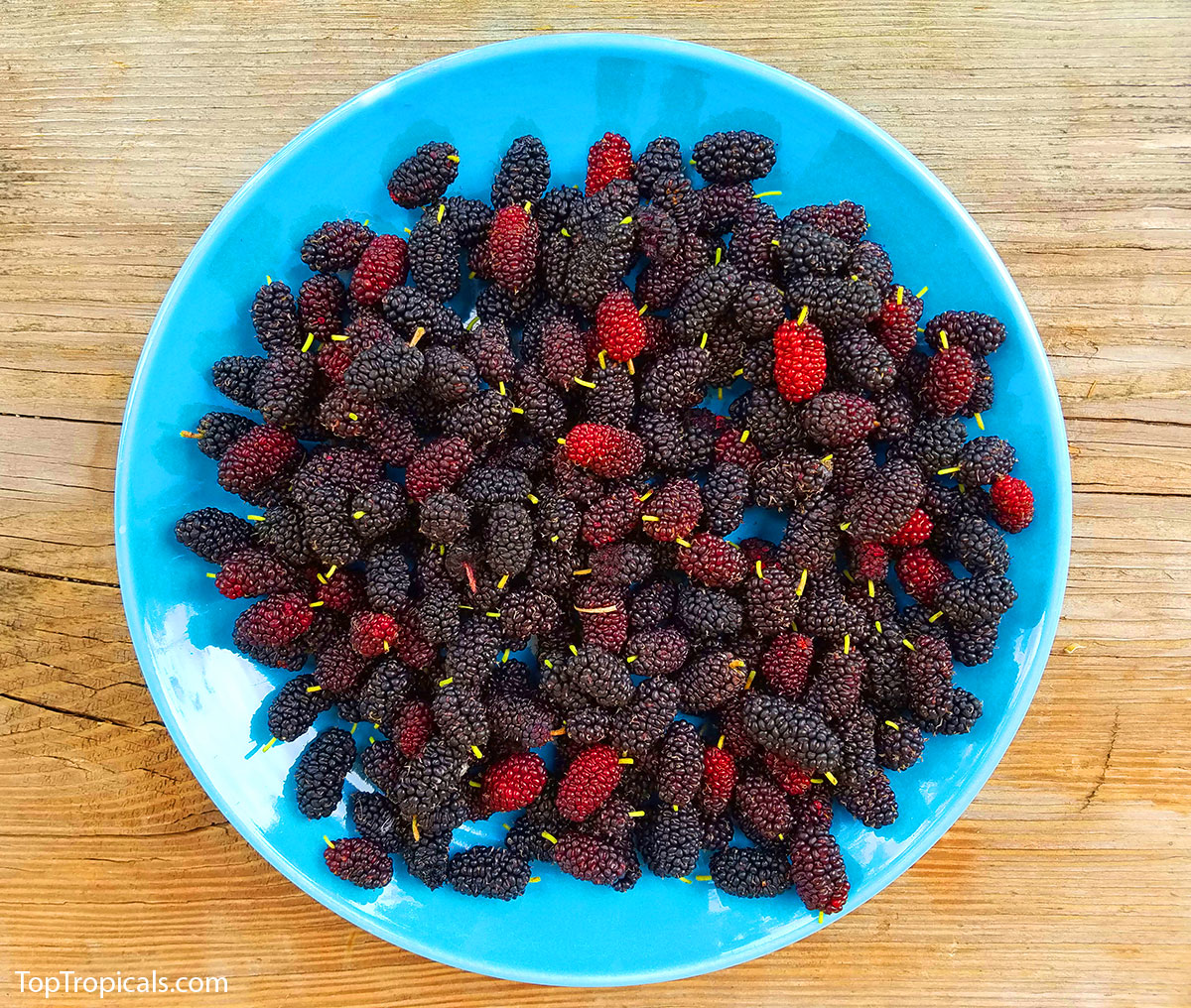
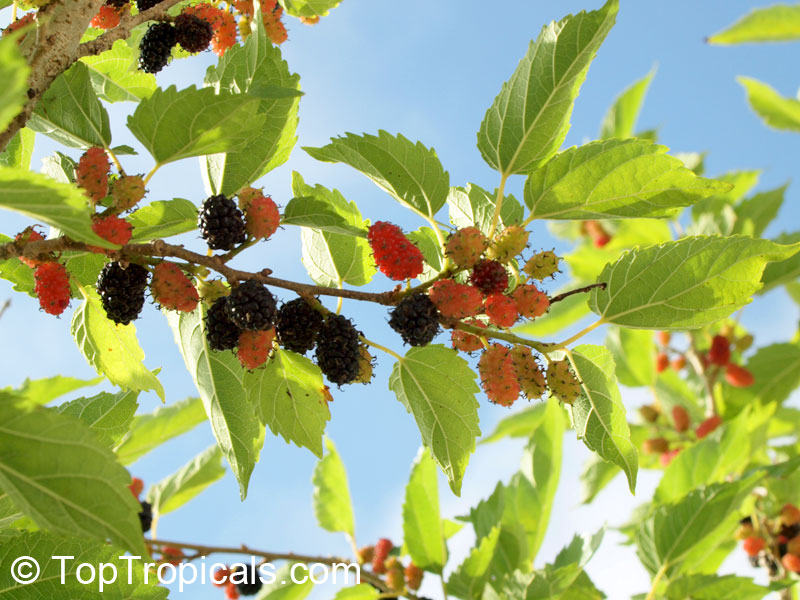
Mulberries are tough, low-maintenance fruit trees that adapt to many
conditions.
Climate: Hardy from USDA zone 5 to 10.
Soil: Grow well in almost any soil; prefer good drainage.
Watering: Regular watering during dry spells; drought tolerant
once etablished.
Growth: 3–5 feet per year, producing fruit early.
Pruning: Annual pruning controls size and improves
branching.
Pot culture: Dwarf types thrive in containers, staying 6–7
feet tall. Use a large pot, water consistently, and prune lightly. Use Abundance
potting mix for best results.
Fertilizer: For reliable production, fertilizer regularly. Apply
Sunshine C-Cibus liquid booster with every watering, or GreenMagic controlled release fertilizer every 5-6 months.
❓
Mulberry FAQ
How soon will a mulberry fruit?
One to two years, sometimes the very first season.
What climates are suitable?
USDA zones 5–10, from -20F winters to hot summers.
How tall do they get?
Standard trees 20–30 ft; dwarfs 6–10 ft in
pots.
Do I need more than one tree?
No, they are self-pollinating.
What do they taste like?
Sweet and juicy, like a blend of blackberry and raspberry.
How long is the harvest?
Everbearing types ripen gradually from summer into fall.
Do birds eat them?
Yes, but trees are so productive there’s plenty to
share.
Are they messy?
Dark-fruited varieties can stain; white mulberries do not.
The One Peach Tree Every Florida Gardener Should Know About: Tropic Beauty
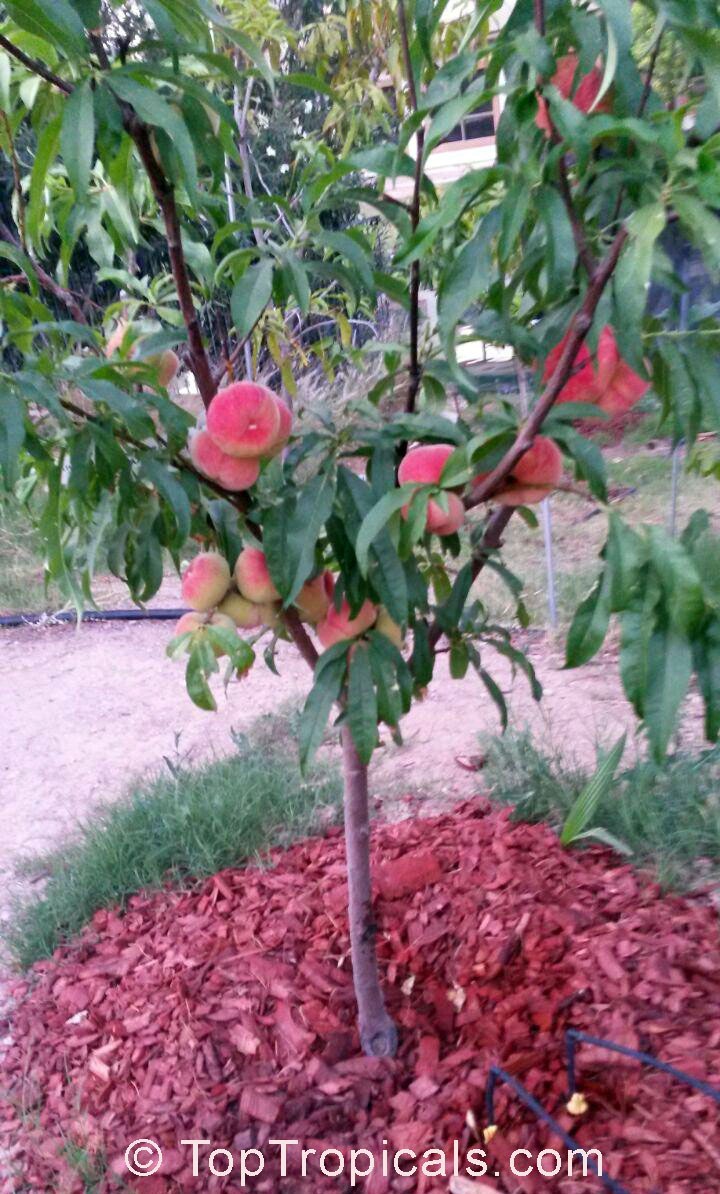
Peach tree in full bloom
Tropic Beauty Peach tree
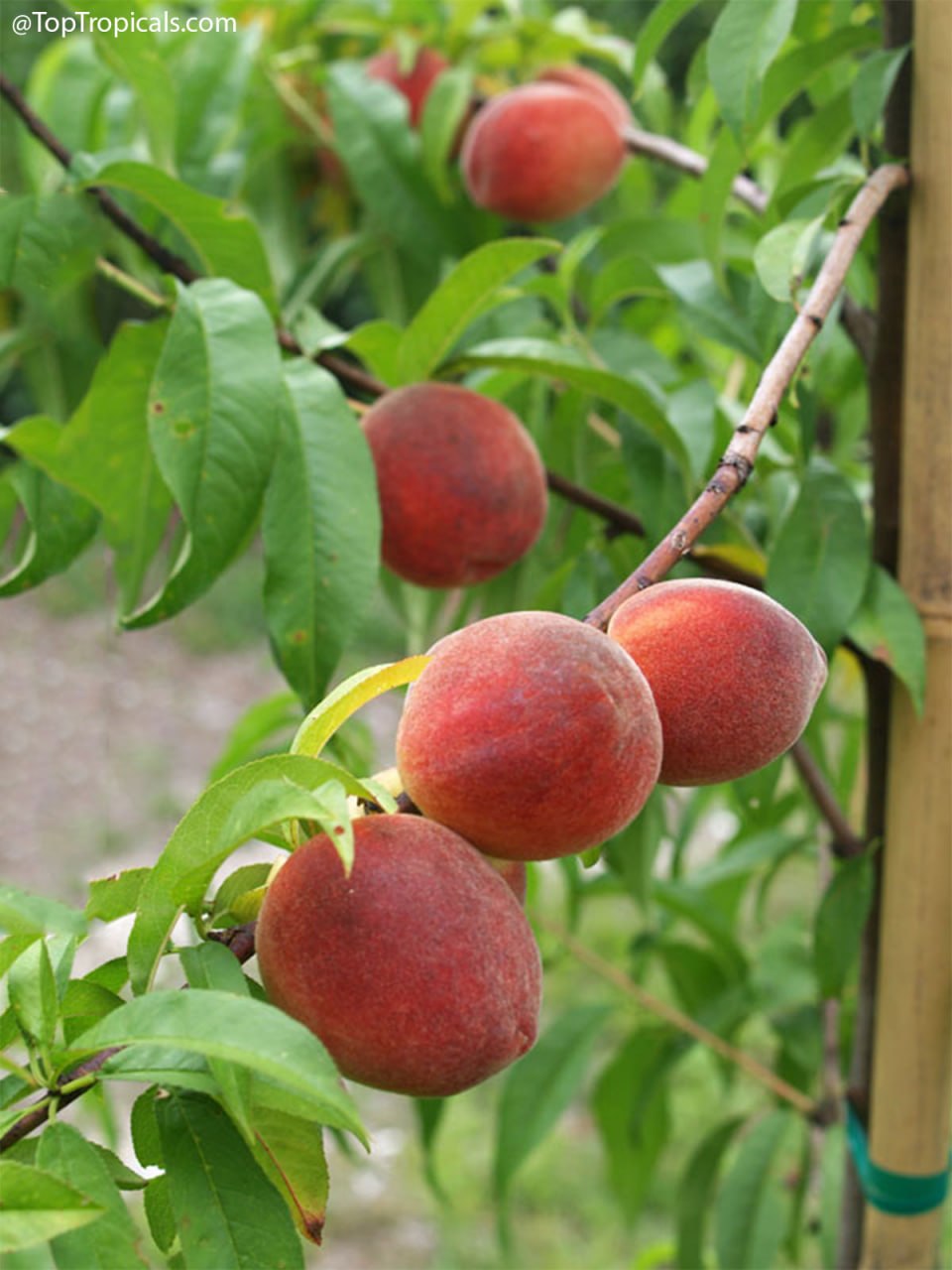
Tropic Beauty Peach fruit
The One Peach Tree Every Florida Gardener Should Know About: Tropic Beauty
Most Florida gardeners assume peaches are off the table. Wrong climate, not enough cold, too much heat. Tropic Beauty exists specifically to prove that wrong - and it ripens in late April while the rest of the country is still waiting on summer.
Peach Plant Facts
Botanical name: Prunus persica, Amygdalus persica Also known as: Peach
USDA Zone: 5 - 10
Highligths
I Didn't Think You Could Grow Peaches Here
I'll be honest - when I first started growing fruit trees in Florida, I assumed peaches were just off the table. Too much heat, not enough cold winters, wrong climate entirely. Then someone at my local nursery pointed me toward Tropic Beauty, and that assumption went right out the window.
This variety has been around since 1989, developed jointly by the University of Florida and Texas A&M. That's over three decades of Florida gardeners growing it, eating it, and planting more of them. When a cultivar sticks around that long, it's just a good tree.
Why Low Chill Actually Matters Here
Most peaches need 700 to 1,000 chill hours - the number of hours below 45°F the tree needs during winter to break dormancy and set fruit. In central and south Florida, we're lucky to scrape together 150 to 300 hours in a mild year. That rules out most varieties before you even get started.
Tropic Beauty only needs 150. It was built for exactly the winters we have here - cool but not cold, brief but not brutal. Most years, it gets what it needs without you thinking about it at all.
What the Fruit Is Actually Like
Medium-sized peaches, deep red blush covering about 70% of the skin over a bright yellow background. They look genuinely good on the tree - the kind of fruit that makes you grab your phone before you even pick one.
Cut one open and you get soft, melting yellow flesh with classic sweet peach flavor, plus a little acidity to keep it interesting. The pit is semi-freestone, easy enough that you're not wrestling with it.
If you've ever bitten into a grocery store peach and been let down - mealy texture, no real flavor - this is the opposite of that. Warm from the tree on a late April morning, it tastes like what peaches are supposed to taste like.
April Harvest: Earlier Than You'd Think
Ripening in late April, Tropic Beauty is one of the earliest peaches you can grow anywhere. Most of the country is still waiting on peach season while you're already making cobbler.
The fruit also holds well on the tree - no need to pick everything at once. You can let them hang and harvest over a couple of weeks, which is a real convenience if you're planning to can and want to spread the work out.
One Tree Is Enough (But Two Doesn't Hurt)
Tropic Beauty is self-fertile, so it doesn't need a second tree to produce fruit. Plant one, get peaches. That matters if you're working with a smaller yard or just testing the waters.
If you have space for two, yields do go up with cross-pollination - worth keeping in mind for a small home orchard.
It Fits More Spaces Than You'd Expect
The tree can grow 15 to 20 feet, but with regular pruning it's easy to keep around 10 feet. It also works well in containers, which makes it more accessible than most fruit trees.
Plant it in full sun, well-drained soil. Peaches don't love wet feet, so if drainage is questionable in your yard, mounding the soil before planting is a smart move.
Worth Planting?
If you're in central or south Florida and you've been wanting to grow peaches but weren't sure it was realistic - Tropic Beauty is your answer. Proven over decades, adapted to the climate, and when it produces, it produces well.
Some trees you plant and hope for the best. This one, you just wait for April.
"Before the peaches, there's this. Tropic Beauty in full bloom - proof that a fruit tree can be just as beautiful as anything you'd plant purely for looks.
Forget the Tropics: These 5 Condo Mango Varieties Thrive in Your Living Room
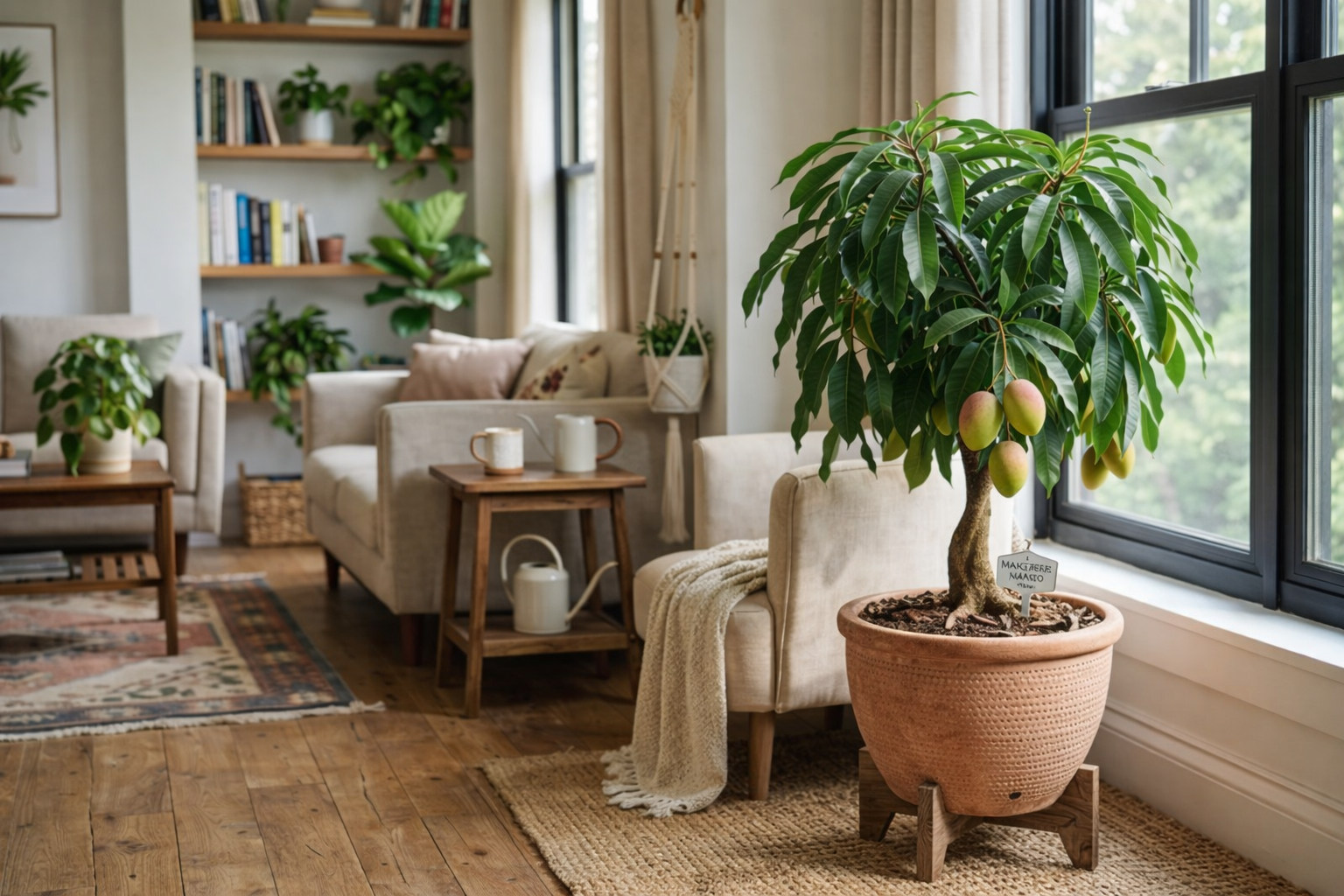
Mngo tree in a pot
Forget the Tropics: These 5 "Condo Mango" Varieties Thrive in Your Living Room 🥭
A tropical orchard in your living room? It’s more possible than you think. While wild mango trees can tower at 60 feet, "condo mango" varieties allow you to harvest juicy, sun-ripened fruit right next to your sofa.
Mango Plant Facts
Botanical name: Mangifera indica Also known as: Mango
USDA Zone: 9 - 11
Highligths
If you have a sunny window and a bit of patience, here is exactly how to grow a potted mango tree indoors.
🌳 Why "Condo Mangoes" are the Secret to Success
Most people fail because they plant a seed from a grocery store mango. Don't do that. Seeds take up to a decade to fruit and grow far too large.
Instead, look for grafted, dwarf varieties. These are bred to: • Stay compact (6–10 feet). • Fruit within 1–3 years. • Thrive in the limited root space of a container.
🌳 The 5 Best Mango Varieties for Indoor Pots
Choosing the right cultivar is 90% of the battle. These five are the gold standard for indoor growers:
• Pickering: The #1 choice for pots; naturally tiny. Rich, fiberless, and coconut-heavy. • Cogshall: Slow-growing and easy to prune. Classic, ultra-sweet tropical taste. • Ice Cream: Extremely compact; thrives in small spaces. Creamy texture, like mango sorbet. • Carrie: High disease resistance; very productive. intense, spicy-sweet aroma. • Mallika: A semi-dwarf Indian favorite. Exceptional, honey-like sweetness.
Mangoes are sun-worshippers. They need at least 8 hours of direct light daily.
The Pro Move: Place your tree in a south-facing window. If you live in a cloudy climate, a high-quality LED grow light isn't optional - it’s a necessity to prevent leaf drop and encourage flowering.
The Rule: Let the top 2 inches of soil dry completely before watering deeply.
3. Temperature & Humidity
Keep your room between 65F and 90F. If you are comfortable, the tree is likely comfortable. Avoid placing it near drafty AC vents or heaters that sap humidity.
4. The "Bee" Factor (Pollination)
Indoors, you lack wind and insects. When your tree flowers, gently shake the branches or use a small paintbrush to move pollen between blooms to ensure fruit sets.
👉 Quick Tips for a Better Harvest
• Pot Size: Start with a 15-inch wide container and "up-pot" every two years. • Pruning: Don't be afraid to snip! Pruning the tips encourages branching, and more branches mean more fruit. • Fertilizer: Use a balanced organic fertilizer with micronutrients (like magnesium and iron). We recommend Sunshine Mango Tango specifically formulated for mango trees, and a micro element supplement - Sunshine Superfood - these are safe to use with every watering.
🍊 7 steps for a care-free Spanish Tamarind - the easiest rare fruit to grow
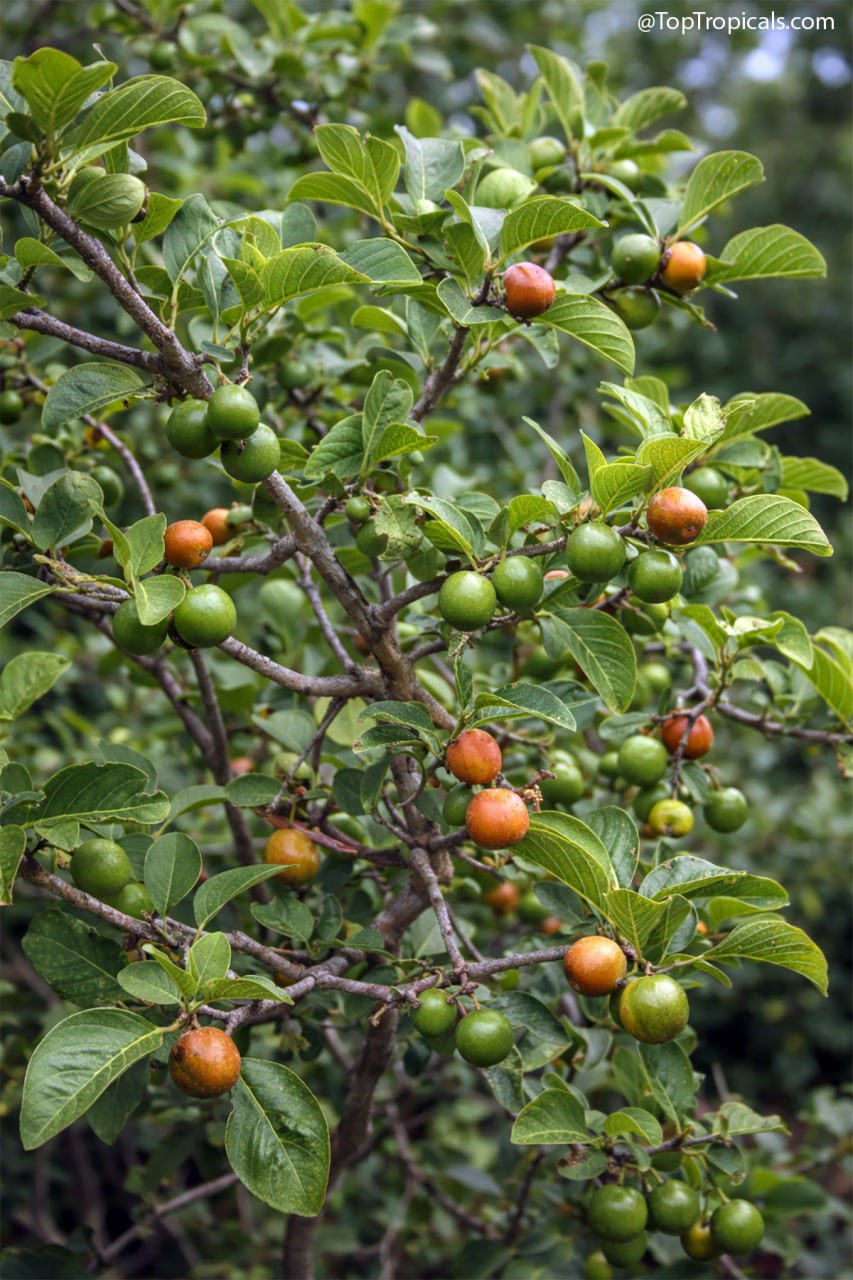
Yes, it can handle light frost - Vangueria infausta (Spanish Tamarind, Wild Medlar) - we just discovered it can handle cold snaps! After a few cold nights in January, our young tree planted just a few months ago, still looks happy and strong!
Wild Medlar Plant Facts
Botanical name: Vangueria infausta Also known as: Wild Medlar, Spanish Tamarind
USDA Zone: 9 - 11
Highligths
If you are looking for a tough little fruit tree that thrives on neglect but gives you something truly special in return - try this rare, compact fruit tree. Spanish Tamarind is native to southern Africa, it is drought-tolerant, pest-resistant, and surprisingly cold-hardy once established - making it a great choice even for gardeners in borderline zones.
Q: My mother loves gardening and I am thinking to buy her a live plant to make her happy. What plant do you recommend?
A: At Top Tropicals, we have a big selection of
wonderful gift plants
. Below are a few suggestions for you, these plants are large, developed and ready to bloom or fruit!
1. Joy Perfume Tree
The
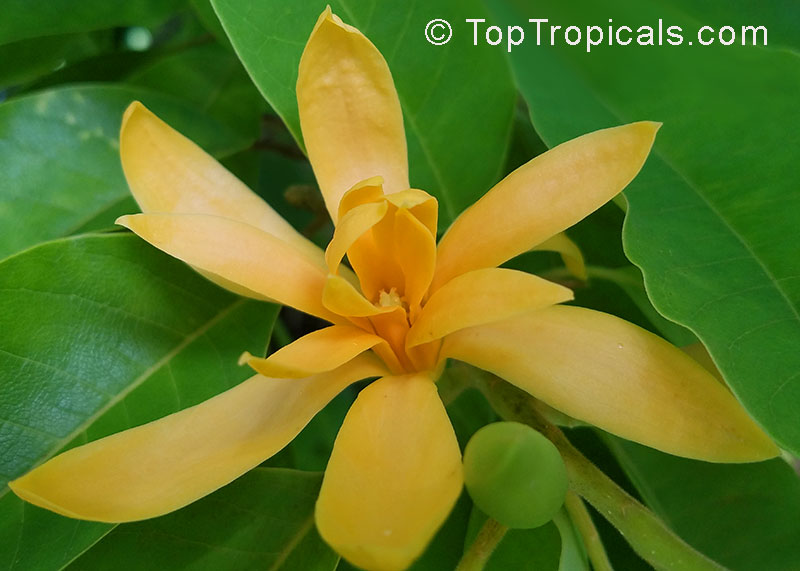
Champaka or Joy Perfume Tree (Magnolia champaca) - is a top choice for
Southern landscapes, prized for its striking columnar shape and fragrant,
fruity bubble gum-scented blooms - you won't be able to stop sticking your nose
in this flower! A signature plant at Top Tropicals, it's known for producing
the world's most expensive perfume, Joy. The Joy Perfume Tree blooms on and
off year-round and is currently in full bloom at our farm in Sebring, FL,
filling the air around with fantastic sweet scent. This tree thrives in both pots
and the ground, growing bushy and full as it matures. At Top Tropicals, we
have beautiful Champaka trees in all sizes, from 3-4 ft tall (ready to bloom in a year) to 6-10 ft tall (already
bloomed) for local pick up or delivery. Learn more, with a short video.
Tropical
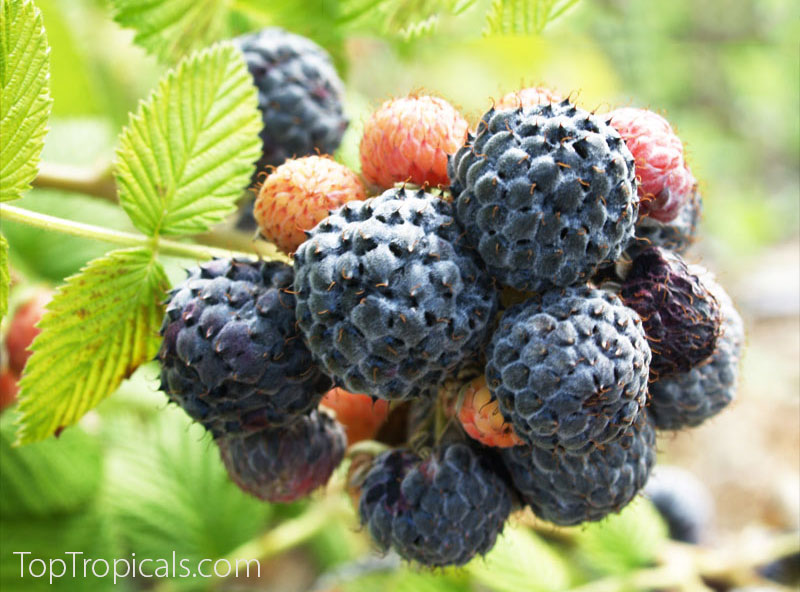
Raspberry Mysore (Rubus albescens) - is the perfect solution for those missing
Northern fruit in hot climates. Unlike traditional raspberries that can't
handle the heat, this fast-growing Raspberry from India thrives in humid, hot
conditions and produces juicy, sweet fruit almost year-round! The clusters of
purple-black fruit are packed with flavor, and the plant is perfect for large
containers, producing plenty of fruit in no time. Cold-hardy to the upper 20s
F, it's an easy-to-grow, fast producer. We have beautiful, fruit-ready 3 gal Raspberry
bushes, ready to add a burst of sweetness to your garden! Learn more, with a short
video.
Jasminum
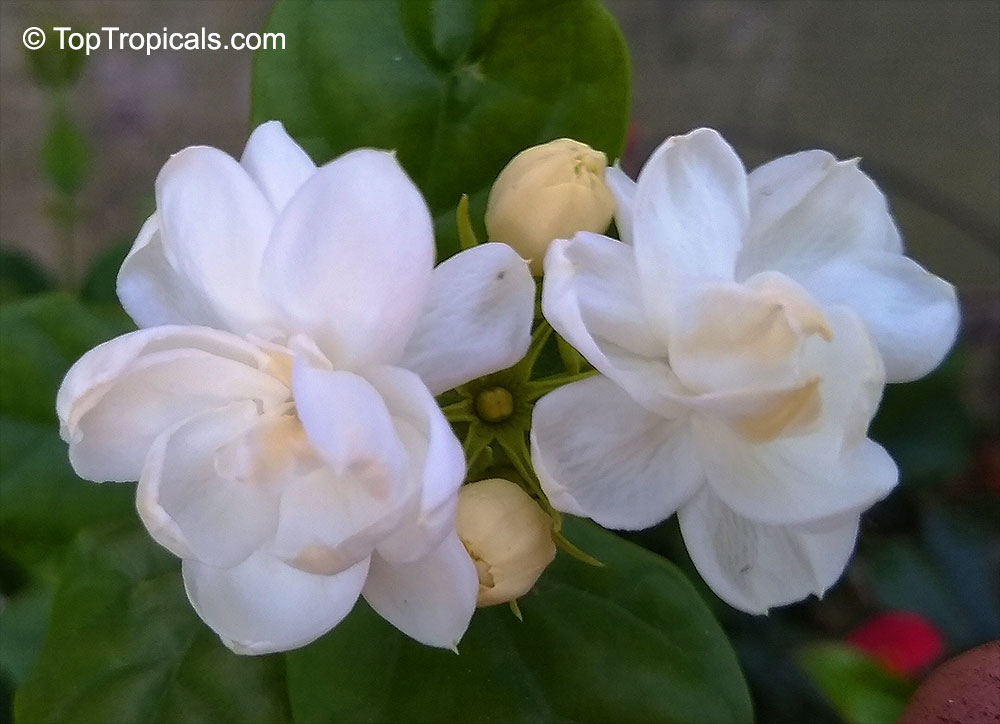
Sambac is widely regarded as the most fragrant jasmine, cherished by
tropical gardeners and plant collectors alike. Native to India, this jasmine is the
source of jasmine perfume oil and the signature ingredient in jasmine tea.
With various varieties offering unique flower sizes, shapes, and growth
habits, it’' perfect for both sun and shade, thriving as a container plant or
indoor favorite. Its delightful fragrance fills the air, and with the help
of
Sunshine Pikake plant booster, you can enjoy even more blooms. Jasmine Sambac,
along with Champaka, is another signature plant of Top Tropicals. Through the decades, we've collected all the available varieties in cultivation - check them out! Learn more about Jasmine Sambac
varieties, with a short video.
The Dwarf
Everbearing Mulberry (Morus sp.) - is the perfect way to enjoy fruit
year-round! This beautiful, cold hardy bush produces sweet, juicy mulberries starting
from the very first year - often the same season you plant it. With its dwarf
habit (easily maintained at 4-6 ft), it's perfect for containers and small
spaces. Cold-hardy and drought-resistant, this productive plant thrives in
various climates, from USDA zones 5 to 10! The fast-growing Mulberry will provide
fruit year-round, and with minimal care, it will flourish in almost any soil. Our
Everbearing Mulberry bushes produce enough fruit for both birds and breakfast - we pick a handful every day! Learn more, with a
short video.
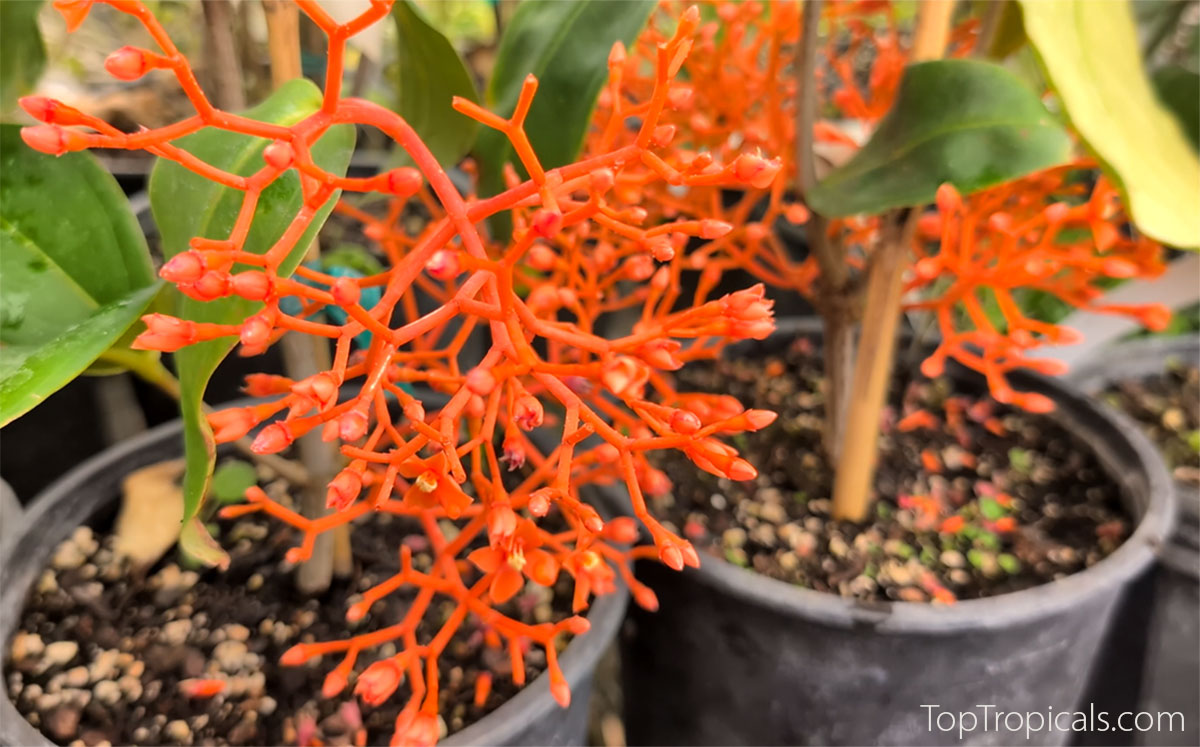
Rare Medinilla
scortechinii - Orange Coral Spike - is a rare gem that brings a touch of
the ocean to your garden! With bright orange stems bursting into star-shaped
blooms, it looks like something straight from a coral reef. Compact and easy to
grow, this plant stays under 2-3 ft tall, making it perfect for pots,
hanging baskets, or as an epiphytic accent. The glossy dark leaves contrast
beautifully with the vibrant orange panicles, and it thrives in bright shade. A must-have for collectors of unusual
tropical plants, this coral spike adds a bold pop of orange wherever it grows - but hurry, it doesn't stay in stock for long! Learn more, with a short video.
 Mulberry Care and Growing Tips