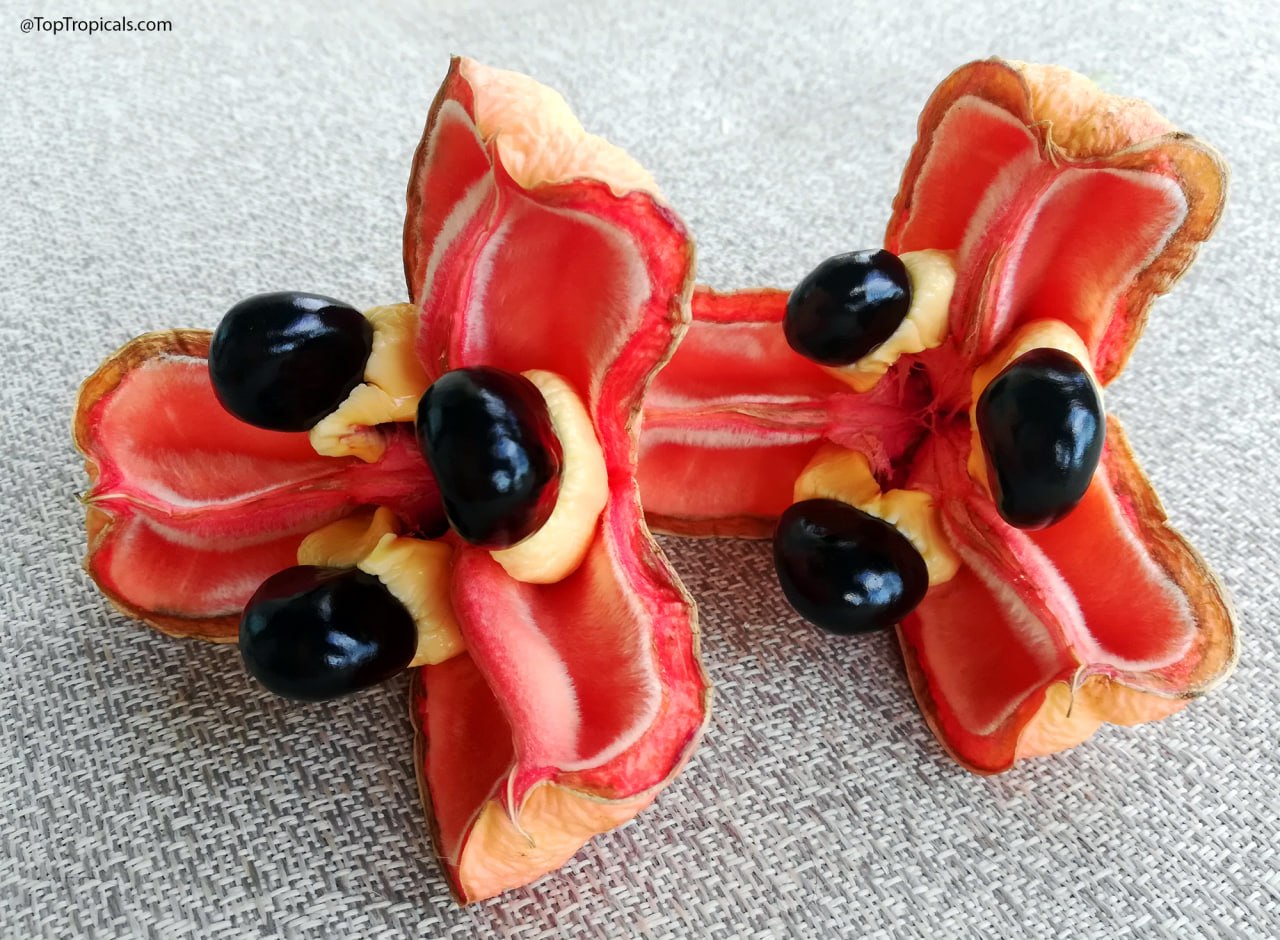
🔴Fold cooked ackee gently into warm, seasoned rice with a pinch of salt and a little oil or butter. 🔴Spread into a baking dish and bake until the top turns lightly crisp and golden. 🔴Scoop while warm - soft inside, slightly crisp on top, simple and satisfying.
🌿 About the plant:
When properly harvested and prepared, ackee has a mild, buttery texture often compared to scrambled eggs. It contains healthy fats and is a staple ingredient in Caribbean cooking.
🏡 In the garden:
Trees require consistent warmth and do not tolerate frost. Mature trees can produce generously in suitable climates with minimal intervention.
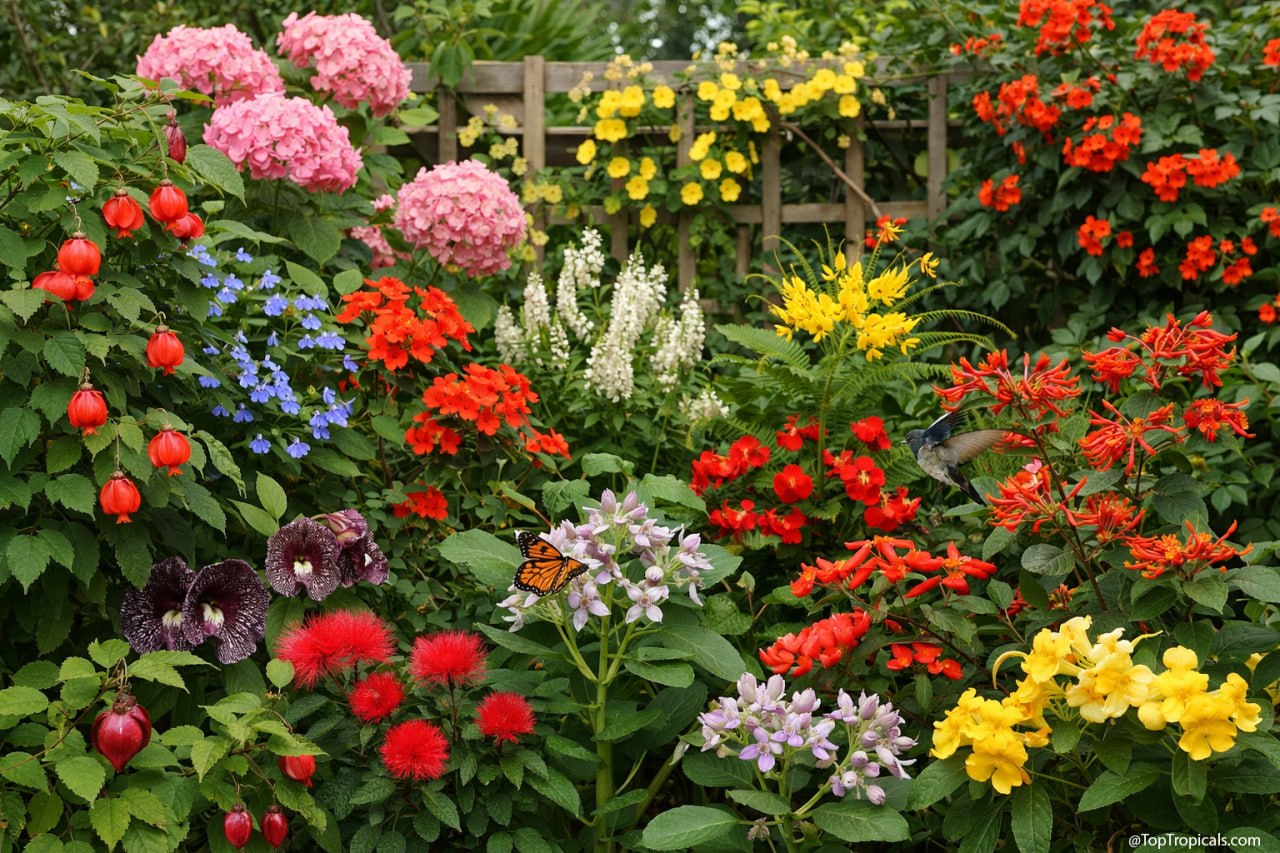
13 tropical flowers to plant in spring to attract pollinators year around
13 tropical flowers to plant in spring to attract pollinators year around: Abutilon Fireball (Abutilon darwinii x striatum), Almond Bush (Aloysia virgata), Calico Flower (Aristolochia littoralis), Pride of De Kaap (Bauhinia galpinii), Mexican Bird of Paradise (Caesalpinia mexicana), Red Tassel Flower (Calliandra tweedii With Love), Giant Milkweed (Calotropis gigantea), Blue Butterfly (Clerodendrum ugandense), Tropical Hydrangea (Dombeya wallichii), Fire Bush (Hamelia patens), Butterfly Orchid
13 tropical flowers to plant in spring to attract pollinators year around
Spring is when everything wakes up - and if you plant smart now, your garden can stay alive with butterflies, bees, and hummingbirds all year long. The key is mixing tropical bloomers that flower in waves, not all at once. These plants don’t just look good - they keep pollinators coming back season after season, turning your yard into a living, moving ecosystem.
1. Abutilon Fireball (Abutilon darwinii x striatum)
Bell-shaped flowers in warm red and orange tones hang like little lanterns. Very cold hardy, blooms on and off through the year, especially in mild climates. A steady nectar source for hummingbirds. More 👉
2. Almond Bush (Aloysia virgata)
Light, airy clusters of tiny white flowers with a strong almond scent. Bees absolutely cover this plant when it’s in bloom. Flowers repeatedly through warm months. More 👉
Sweet Almond Bush Plant Facts
Botanical name: Aloysia virgata Also known as: Sweet Almond Bush, Incense Bush
USDA Zone: 9 - 11
Highligths
3. Calico Flower (Aristolochia littoralis)
One of the most unusual flowers you can grow - patterned like fabric. More importantly, it’s a host plant for butterflies, giving them a place to lay eggs. More 👉
Elegant Dutchmans Pipe Plant Facts
Botanical name: Aristolochia littoralis, Aristolochia elegans Also known as: Elegant Dutchmans Pipe, Calico Flower
USDA Zone: 9 - 12
Highligths
4. Pride of De Kaap (Bauhinia galpinii)
Bright orange-red blooms cover this shrub for months. Tough, fast-growing, and constantly visited by butterflies and bees. More 👉
Pride of De Kaap Plant Facts
Botanical name: Bauhinia galpinii, Bauhinia punctata Also known as: Pride of De Kaap, Nasturtium Bauhinia
USDA Zone: 9 - 11
Highligths
5. Mexican Bird of Paradise (Caesalpinia mexicana)
Sunny yellow flowers with a light fragrance. Handles heat, freeze, and poor soil easily. A reliable nectar plant for bees and butterflies. More 👉
Mexican Bird of Paradise Plant Facts
Botanical name: Caesalpinia mexicana Also known as: Mexican Bird of Paradise, Dwarf Poinciana
USDA Zone: 9 - 11
Highligths
6. Red Tassel Flower (Calliandra tweedii With Love)
Very showy red-flowered powderpuff, fast-growing and spacey shrub. Cold tolerant to hard freeze, making it a strong choice for subtropical gardens. Forms a dense, many-stemmed plant with fine, feathery foliage that folds at night or by touch. Large scarlet tassel flowers bloom from spring to autumn and attract pollinators nonstop. More 👉
7. Giant Milkweed (Calotropis gigantea)
A bold plant with thick leaves and waxy flowers. Important host plant for butterflies, especially monarchs. Handles heat and drought well. More 👉
Giant Milkweed Plant Facts
Botanical name: Calotropis gigantea Also known as: Giant Milkweed, Crown Flower, Giant Calotrope, Arka, Jilledu, Erukkam Madar, White Madaar
USDA Zone: 9 - 11
Highligths
8. Blue Butterfly (Clerodendrum ugandense)
Flowers really do look like little blue butterflies. Blooms frequently and attracts actual butterflies along with bees. More 👉
Butterfly Clerodendrum Plant Facts
Botanical name: Rotheca myricoides, Clerodendrum ugandense Also known as: Butterfly Clerodendrum, Blue Butterfly Bush, Blue Glory Bower, Blue Wings
USDA Zone: 9 - 11
Highligths
9. Tropical Hydrangea (Dombeya wallichii)
Large clusters of soft pink flowers appear in cooler months when little else is blooming. A major nectar source in winter. More 👉
Pink Ball Tree Plant Facts
Botanical name: Dombeya wallichii, Dombeya x cayeuxii Also known as: Pink Ball Tree, Tropical Hydrangea
USDA Zone: 9 - 11
Highligths
10. Fire Bush (Hamelia patens)
One of the best all-around pollinator plants and a tough bush - takes both cold and heat. Tubular orange-red flowers attract hummingbirds nonstop, plus butterflies and bees. More 👉
Fire Bush Plant Facts
Botanical name: Hamelia patens Also known as: Fire Bush, Firecracker Plant
USDA Zone: 8 - 11
Highligths
11. Butterfly Orchid Vine (Mascagnia macroptera)
A climbing, cold hardy vine covered in bright yellow flowers and butterfly-like seeds. Great for fences or trellises, adding vertical color and feeding pollinators. More 👉
Butterfly pea vine Plant Facts
Botanical name: Mascagnia macroptera Also known as: Butterfly pea vine, Yellow Orchid vine, Gallinita
USDA Zone: 9 - 10
Highligths
12. Mexican Flame Vine (Senecio confusus)
Fast-growing, hardy vine with intense red blooms. Flowers heavily and brings in butterflies quickly. More 👉
Mexican Flame Vine Plant Facts
Botanical name: Pseudogynoxys chenopodioides, Senecio confusus Also known as: Mexican Flame Vine, Orangeglow Vine
USDA Zone: 9 - 11
Highligths
13. Yellow Elder (Tecoma stans)
Bright yellow trumpet flowers that bloom over a long season. A dependable plant for both bees and hummingbirds. More 👉
Yellow Elder Plant Facts
Botanical name: Tecoma stans, Bignonia stans Also known as: Yellow Elder, Yellow Bells
USDA Zone: 9 - 11
Highligths
✔️ Planting a mix of these gives you something in bloom almost every month.
That’s the real trick - not just planting for spring, but building a rotation of flowers that keeps pollinators fed all year long.
By Tatiana Anderson, Horticulture Expert at Top
Tropicals with Smokey & Sunshine help
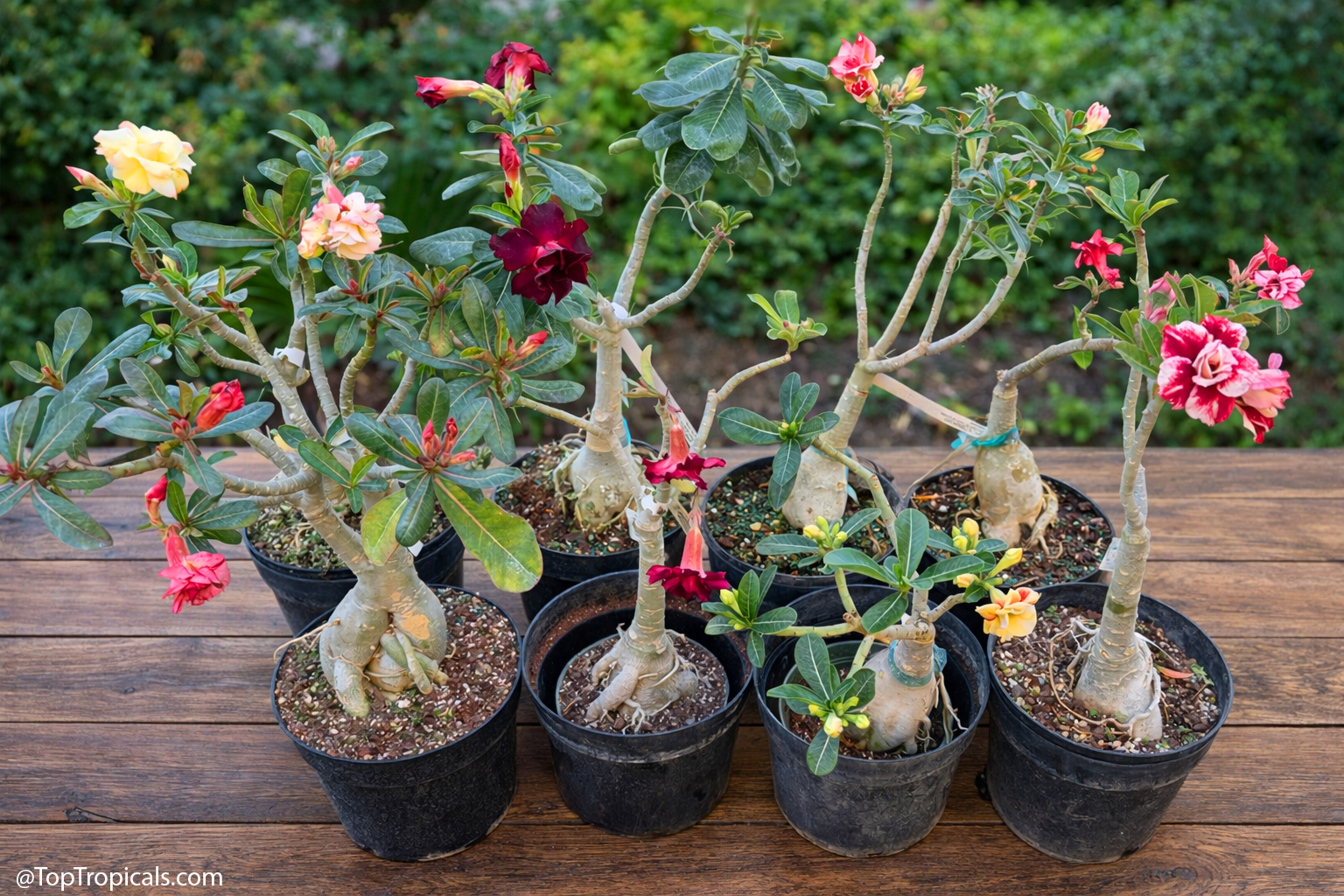
Adenium Plant Facts
Botanical name: Adenium sp. Also known as: Adenium, Desert Rose, Impala Lily
USDA Zone: 9 - 10
Highligths
Adeniums blooming inside the Top Tropicals greenhouse
during the record freeze of February 2026 - protected from the cold, kept
above 40F, and fed with liquid Sunshine
Megaflor. They responded with a spectacular, synchronized winter bloom.
Quite a surprize!
✅ Simple rules that actually make them bloom and grow well
Light - The more light, the better the growth and
flowering. Full sun is ideal, but in very hot climates, filtered
bright light keeps plants looking healthier.
Water - Water well, then let soil dry on the surface.
Sitting in wet soil damages roots, but letting plants dry
out too often can push them into early dormancy.
Pot and shaping - Use a shallow pot with excellent
drainage. To
develop a sculptural caudex, lift the plant slightly each time you repot and
remove some of the
top soil so upper roots become exposed. Over time, this creates a thicker,
more prominent base.
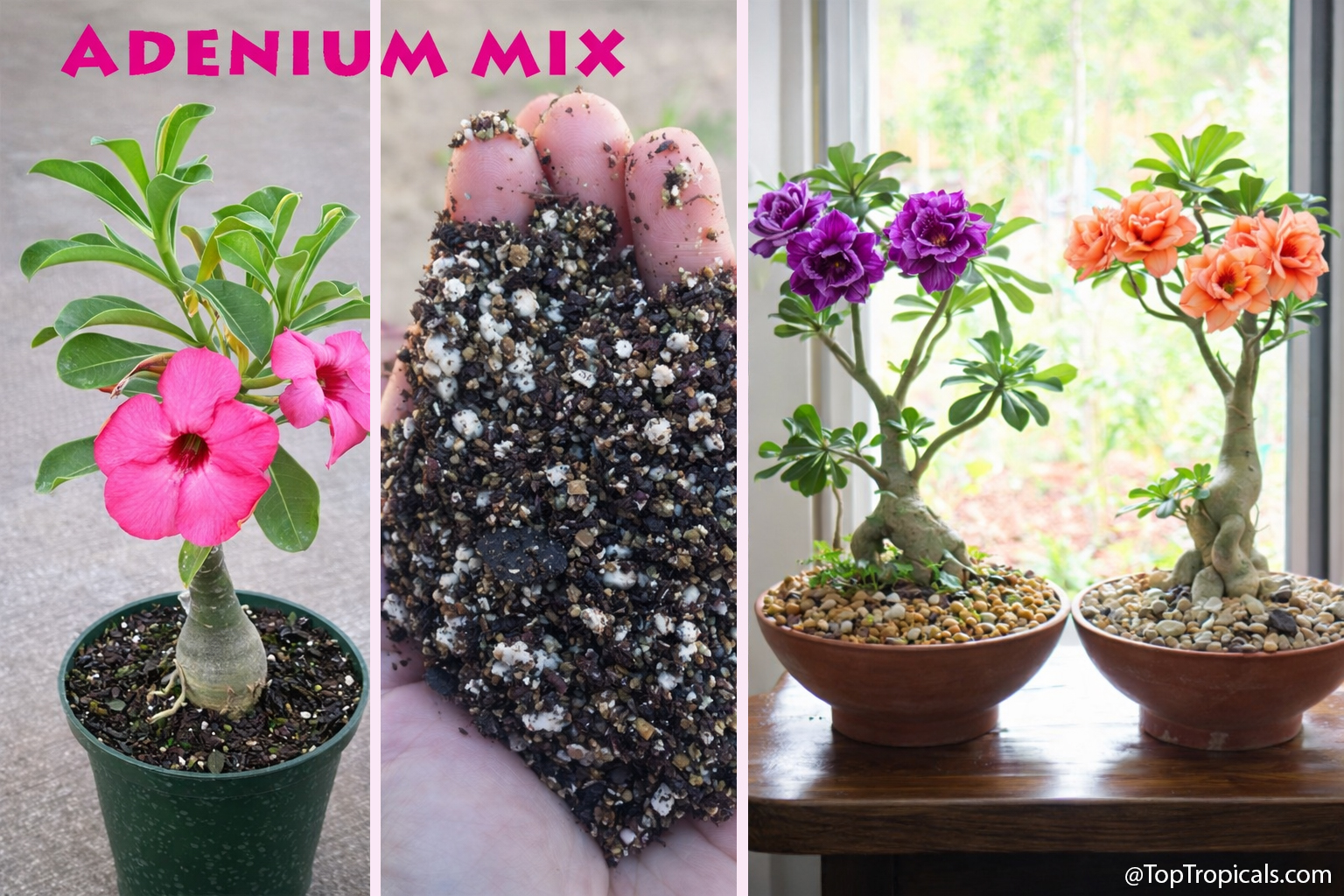
Healthy adeniums start with the right foundation - a
fast-draining soil mix and careful watering only when
dry to avoid caudex rot.
Cold hardiness - Adeniums are tropical and do not
tolerate frost. Keep above 40 F. Brief drops to mid 30s may be tolerated if
dry, but cold and wet conditions can damage or kill the plant. In cooler
climates, bring indoors or
protect during cold nights.
Indoor winter care - Move plants indoors before cold
nights. Place in the brightest spot possible, ideally a south-facing window.
Or use
additional lighting. Water very lightly and less often, as growth slows. Do
not fertilize during dormancy. Some
leaf drop is normal in winter.
Freshly grafted adeniums in
dormancy - a crucial resting phase. Keep watering low (once a month) and
avoid overcare; this is the time to let them rest and etablish.
Feeding - Adeniums respond best to liquid fertilizer.
We apply Sunshine
Megaflor Booster with each watering throughout the year. During
dormancy, watering is reduced, so fertilizer use decreases accordingly.
Consistent, light feeding promotes strong roots, a thicker caudex, and
improved
flowering.
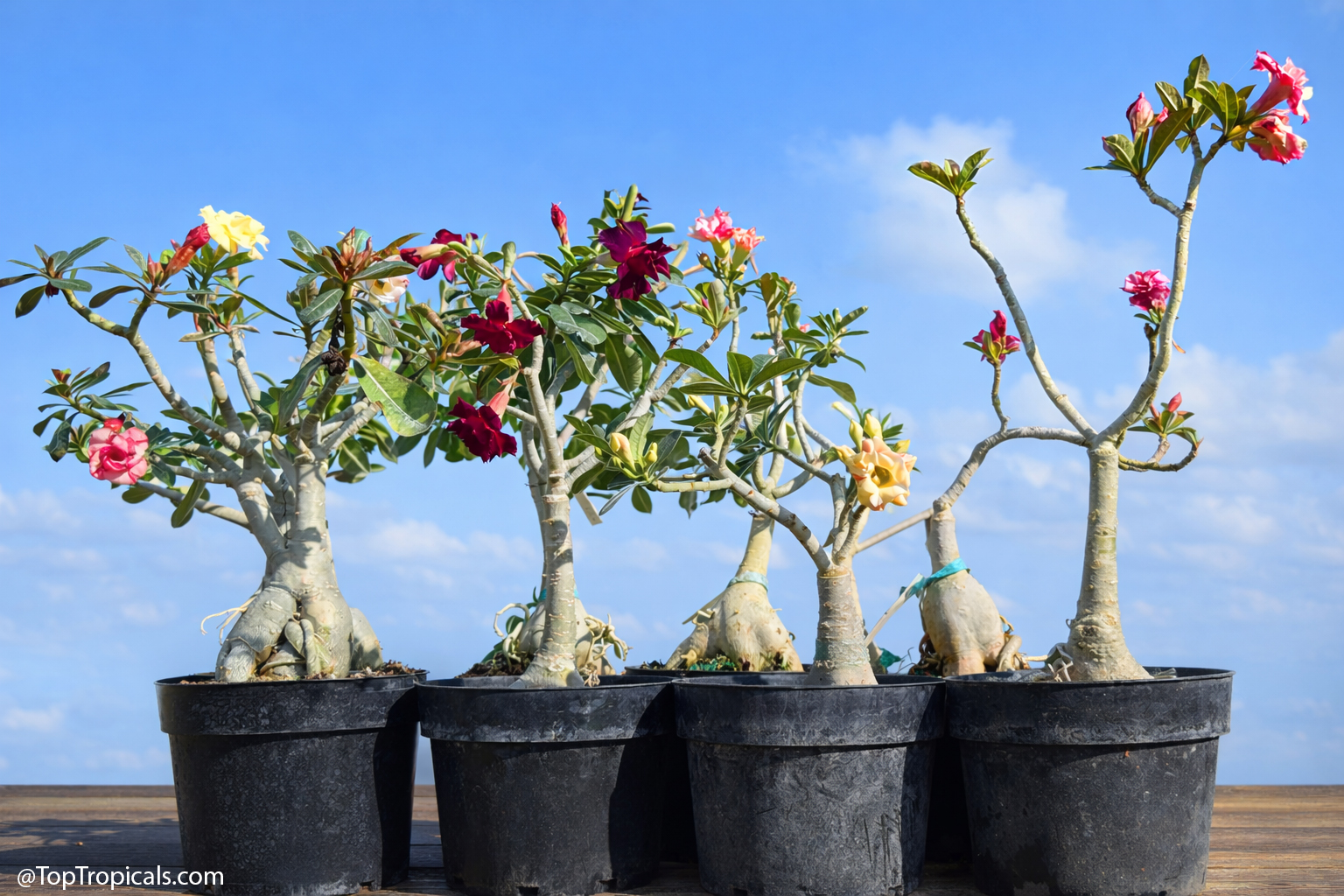
Pruning - For multiple blooms, regular pruning is
essential. After flowering, cut back long or leggy growth to stimulate
branching. Each new branch can produce more buds, leading to a much fuller
bloom in the next cycle.
Pruned vs. unpruned - the difference is clear. The four plants on the left
were trimmed 6 months ago, while the two on the right were not. Same
species,
very different results.
These Adeniums are screaming for pruning so they can bush out and produce
more blooms
Date: 22 Mar 2026
Do Fruit Trees Increase Property Value? Tropical Plants That Pay Off
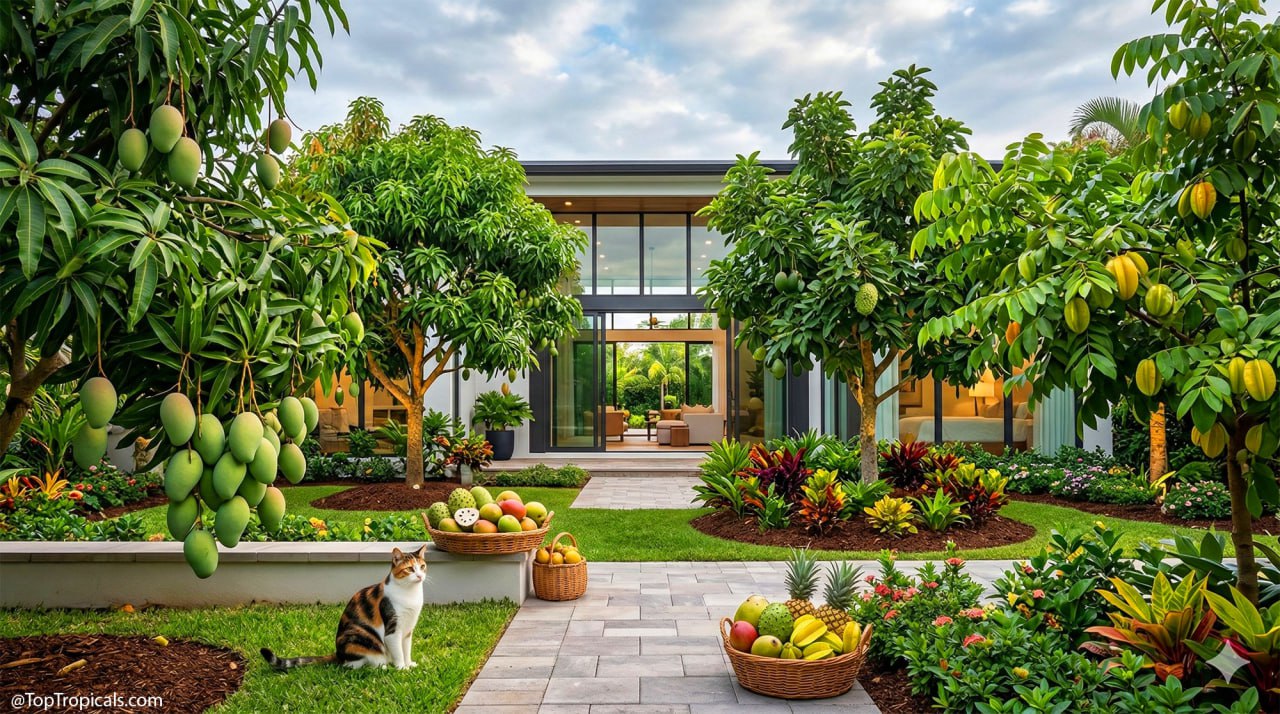
Yard with fruiting tropical trees
Landscaped yard in Florida
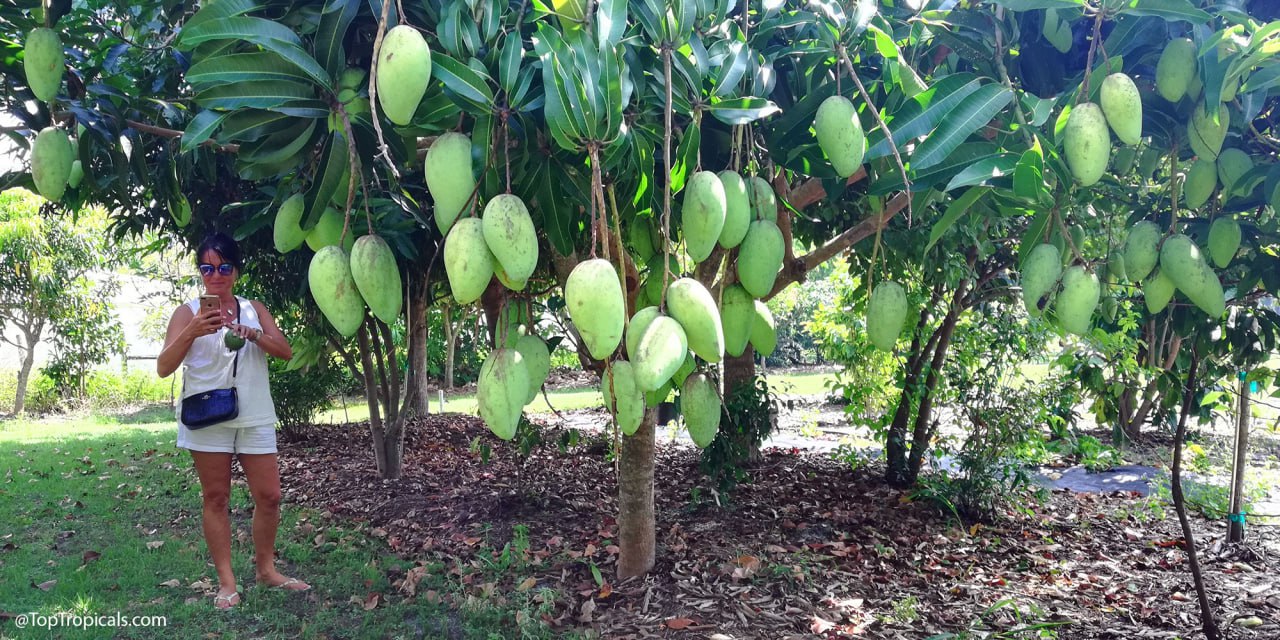
Mango tree fruiting in the garden
Do Fruit Trees Increase Property Value? Tropical Plants That Pay Off 🏡
Can your backyard pay for itself? Learn which 12 tropical fruit trees real estate experts say are the smartest investment for your landscape. Discover how tropical fruit trees like mango and avocado add "edible equity" and curb appeal to your property, making it more desirable to future buyers. Turn your yard into a private paradise that lowers grocery bills and boosts home value.
In warm climates like Florida, a mango tree isn't just landscaping - it’s a food-producing asset. Mature tropical fruit trees offer "edible equity," saving homeowners hundreds in grocery bills while creating a unique, memorable aesthetic for buyers.
Mango Plant Facts
Botanical name: Mangifera indica Also known as: Mango
USDA Zone: 9 - 11
Highligths
🥭 1. Focus on "Instant Recognition" Favorites
Trees buyers already know and love provide the strongest ROI. They signal that the yard is already productive - something new builds can’t offer.
• Top Picks: Mango, Avocado, Papaya, Banana, Guava, and Loquat.
Avocado Plant Facts
Botanical name: Persea americana, Persea gratissima Also known as: Avocado, Alligator Pear, Aguacate, Abacate
USDA Zone: 9 - 11
Highligths
• The Value: A single mature avocado or mango tree can yield hundreds of pounds of fruit annually.
🥭 2. Create a "Memorable Discovery" with Exotic Varieties
Unusual fruits turn a standard yard into a tropical orchard, acting as a conversation piece during home tours.
• The Exotic List: Jackfruit, Sugar Apple, Soursop, Sapodilla, Ice Cream Bean, and Star Fruit.
🥭 3. Strategic Placement for Energy Savings
Large-canopy trees like jackfruit or mango do more than provide food; they act as natural insulation.
• Natural Cooling: Strategic planting reduces afternoon sun exposure and lowers AC costs. • Indoor/Outdoor Flow: Use trees to frame window views, block neighbors, and create private "outdoor rooms."
🥭 4. The Power of the "Mini Orchard"
A collection of 3–5 trees creates a stronger emotional pull than a lone plant. Buyers begin to visualize a lifestyle of smoothies and harvests.
• Winning Combos: Mango + Avocado + Papaya or Guava + Star Fruit + Banana.
🥭 5. Maintenance: Health Equals Value
Fruit trees only add value if they look manageable. A neglected tree suggests a neglected home.
• Pre-Sale Prep: Prune for tidiness, mulch the base, and clear fallen fruit. • Spacing Matters: Avoid overcrowding; ensure buyers can walk comfortably through the yard without feeling "closed in."
🥭 The Long-Term Play
Unlike decorative plants that may need frequent replacement, fruit trees appreciate over time. Because a mango tree takes years to reach peak production, the best time to plant for future resale value is now. By the time you list, your yard will offer shade, privacy, and a harvest that buyers find hard to resist.
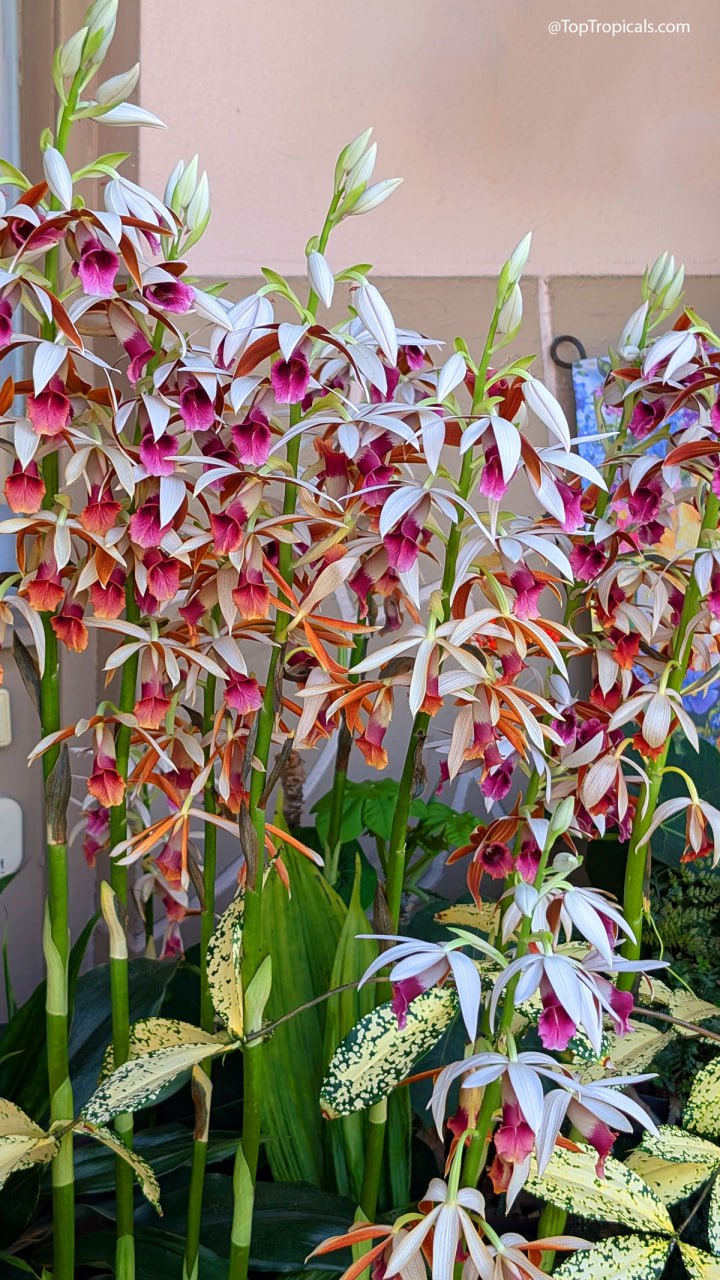
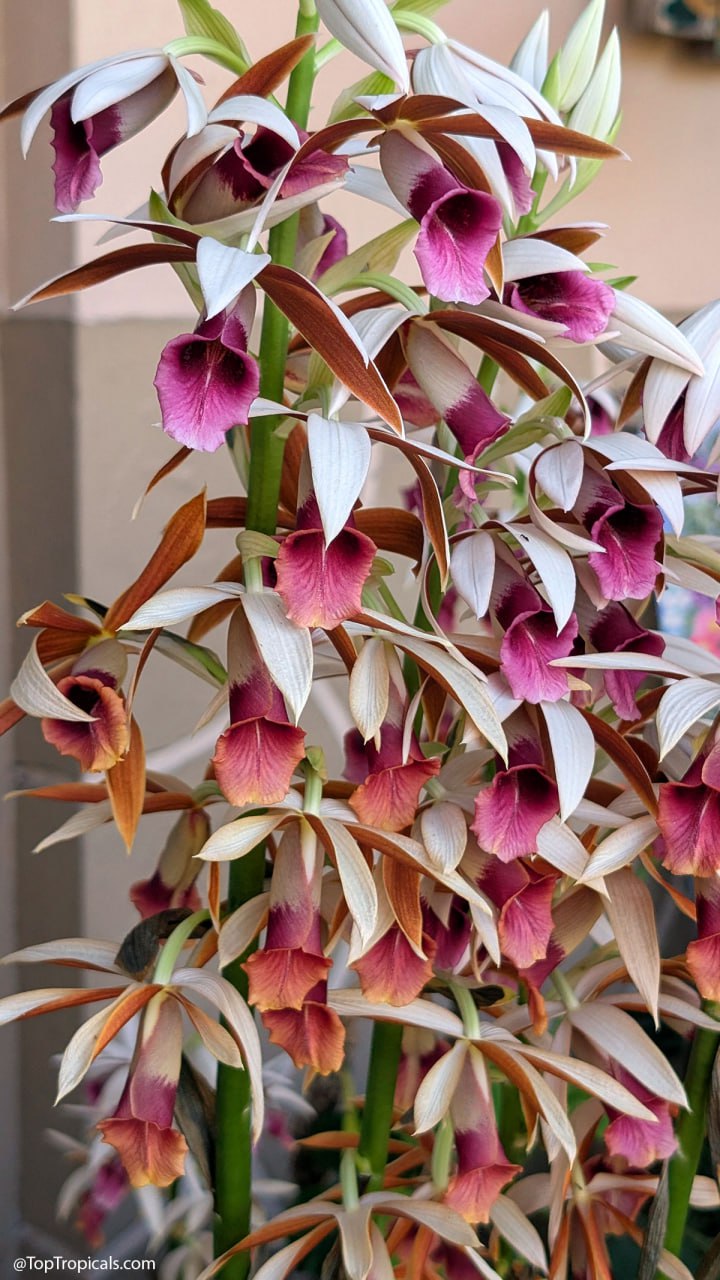
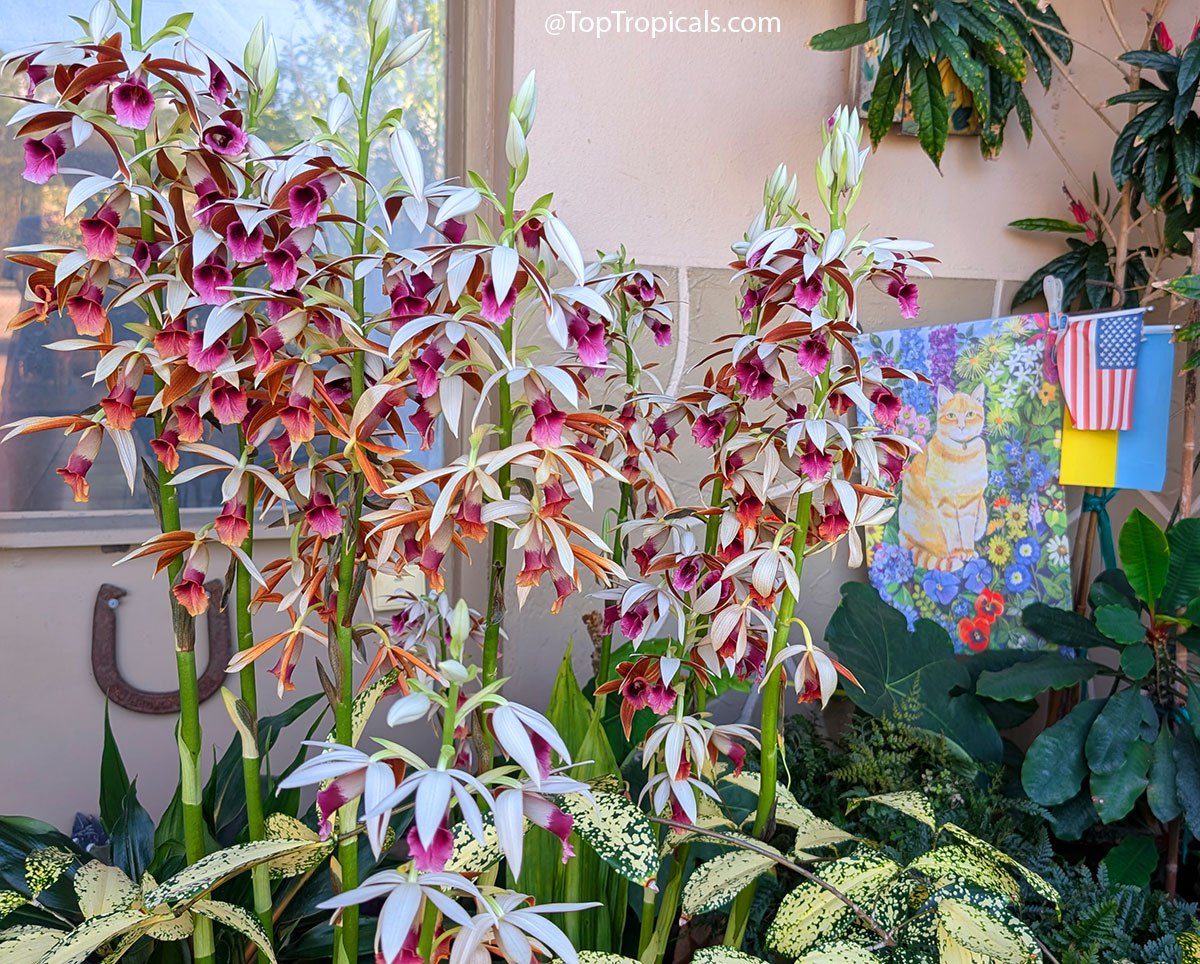
Just in time for spring: Nun Orchid blooms for months!
Phaius tankervilleae, Chinese Ground Orchid, Nut Orchid
Phaius tankervilleae, Chinese Ground Orchid, Nut Orchid
Phaius tankervilleae, Chinese Ground Orchid, Nut Orchid
Just in time for spring: Nun Orchid blooms for months! 🌹
🌷 What a wonderful treat after a long cold winter: Nun Orchid (Phaius tankervillea) is putting on a full show right now in the garden - and it’s been going strong since February.
🌷 These plants were already loaded with buds before our Record 25F Florida Freeze, so I moved the two pots into the garage to protect them. Totally worth it - they came through beautifully and didn’t miss a beat.
🌷 Now they’re in full bloom and should keep going well into April. This is one of those rare orchids that just keeps going.
🌷 Unlike most orchids, Nun Orchid grows in regular soil. Big lush leaves, tall flower spikes, and it’s perfectly happy in filtered light - great for patios, containers, or a shady spot in your garden.