Date: 20 Jul 2016
Forget the gym and get to gardening?
Calories Burned Gardening
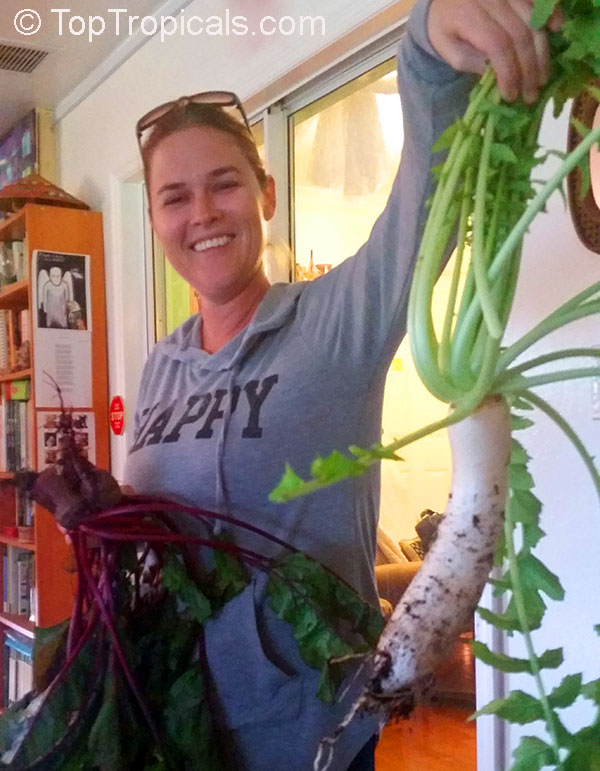
Fun workout? We never have enough time to go to the gym or do an exercise so it's good to know that just doing something that you love can give you a workout. We all know that when we are out in the garden it gives us a bit of exercise but we do not realize how much exactly. Working out in the yard is a healthy hobby for many reasons, the high number of calories burned gardening being one of them. When you do this kind of physical labor, you carry out a wide variety of movements that most definitely burn calories, and may even tone. The best part about it in terms of physical activity is that if you enjoy yard work at all, you aren't watching the clock or counting down the minutes until you are done (the way that many people do while they are on a treadmill). You can easily spend a whole afternoon or an entire day working without feeling as though you are putting yourself through a mentally grueling workout. Finding physical activities that you enjoy are key to maintaining a healthy weight throughout your lifetime, and this hobby is a perfect example of that scenario for many people.
Research says that three hours of gardening can have the same effect as an intense 1-hour gym session. The study was carried out with a group of 100 gardeners who were asked to monitor the amount of time spent doing a series of common gardening tasks over a four week period. Gardening tasks that were monitored included weeding, digging, mowing the lawn, hedge trimming, trimming shrubs and trees, raking, planting shrubs, and moving garden waste using a wheel barrow. Here are some facts and numbers:
- Just doing half an hour weeding can burn up to 150 calories and tasks that handle heavy electrical equipment such as hedge trimming will give you a good workout burning 400 calories per hour.
- Spending a day or five hours each week in the garden will burn up to around 700 calories
- Over a gardening season that works out at 18,772 calories per year, equivalent to running seven marathons
- The gardening hobby could help burn a million calories over a lifetime.
Calories burned with only 1 hour of:

340 cal - Chopping wood, splitting logs, gardening with heavy power tools, tilling a garden, chain saw. Mowing lawn, walk, hand mower. Shoveling by hand.
272 cal - Carrying, loading or stacking wood, loading/unloading or carrying lumber, digging, spading, filling garden, composting, laying crushed rock or sod. Clearing land, hauling branches, wheelbarrow chores.
238 cal - Operating blower, walking. Planting seedlings, shrubs, trees, trimming shrubs or trees, manual cutter. Weeding, cultivating garden.
224 cal - Raking lawn, sacking grass and leaves
136 cal - Picking fruit off trees, picking up yard, picking flowers or vegetables. Walking, gathering gardening tools.
102 cal - Walking, applying fertilizer or seeding a lawn
34 cal - Watering lawn or garden, standing or walking
Sources: DailyMail, CalorieLab, FitnessBlender
Date: 19 May 2016
Care of mail-order plants during hot summer
Q: I live in California and about a month ago ordered several plants from you, including fruit trees (Carambola, Mango, Avocado) and flowering trees (Xanthostemon, Adeniums, Champaca, Ylang Ylang). They were all doing well until I tried to move them into full sun, when they got leaf burn immediately. Ylang Ylang was doing great in a shade, but I repotted it from 1 gal into 3 gal and it is drooping leaves now. It has been very hot (over 100F) and dry (humidity is less than 25%). Any suggestions?
A: Hot summer can be pretty challenging time for establishing new plants. These are some guidelines to make your summer gardening more successful and rewarding.
1. You can order plants at any time, but keep your eye on your local weather forecast and try to chose cooler periods to schedule your plant shipments. Here at TopTropcals we monitor weather at destinations, and we can also delay shipment per your request until more favorable conditions.
2. During hot Summer months, many plants are still OK to ship, and to be planted, many species are heat tolerant. It's usually safe to ship most succulents, including Desert roses and Euphorbias. Some fruit trees are pretty easy too, like Loquats, Mango, Eugenias. Many flowering trees can take heat: Acacias, Clusias, Jatropha, Sausage Tree, Plumerias and many others. Check our full list of plants suitable for hot and dry conditions. Most jasmines, including Jasmine Sambac and Trachelospermum make also a safe choice for hot weather planting.
3. Use shade cloth or simply white sheets to protect young plants and new plantings from hot sun.
4. When establishing mail ordered plants during hot weather, keep them in shade for longer period of time than average recommended 1-2 weeks. Give them a chance to establish really well. In areas with low air humidity, try to create a simple mist system
Date: 18 Apr 2024
How to water a new Mango tree?
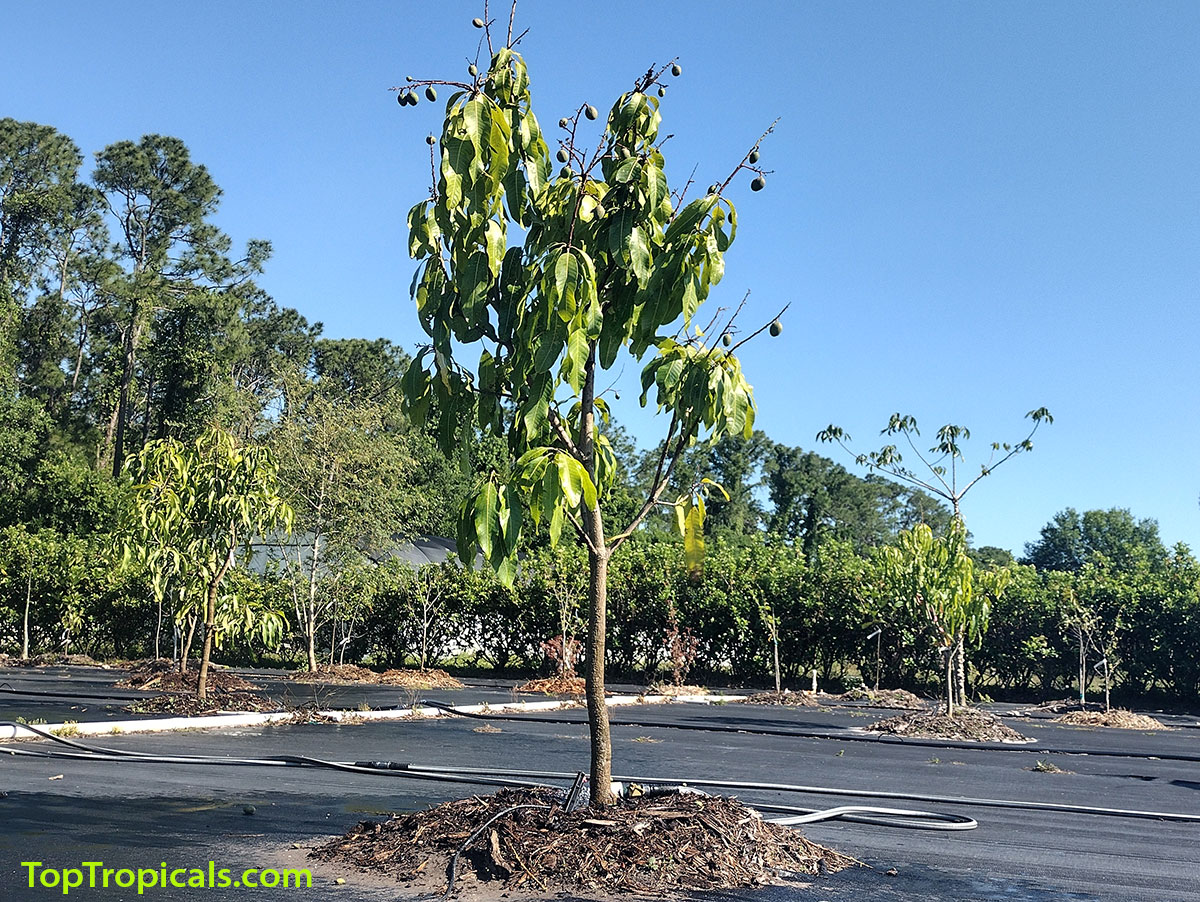
Q: I got a large mango tree from your garden center recently, planted in the ground, but noticed the corners of the leaves turning brown. It was full of little fruit when I planted it but now they are falling off... I wonder how much should I water the mango tree? We have lawn sprinkler system that runs daily, is this enough?
A: Generally speaking, never rely solely on your sprinkler system when planting a new tree, especially during the first week or even several weeks if you have no rain. By rain, we mean a nice downpour. Here in Florida, we usually have a hot and dry spring, and while springtime is great for starting new trees, additional hose-watering becomes essential for establishing them during the first months.
Dry leaves are a signal of under-watering. Make sure to hand water your mango tree every day for at least the first week after planting. Even if you have an individual sprinkler for the tree, ensure that the soil around the rootball receives enough water, not only around the trunk. Surprisingly, the bigger the tree, the more it may suffer from a lack of water, and sprinkler watering does not saturate the large root system, sometimes only reaching around the trunk. Big tree means lots of leaves and branches - they all get thirsty!
Mangos are pretty drought-tolerant trees, but only once established. They even benefit from hot, drier air (means less leaf fungus). However, young trees require regular irrigation until they start growing new leaves and branches.
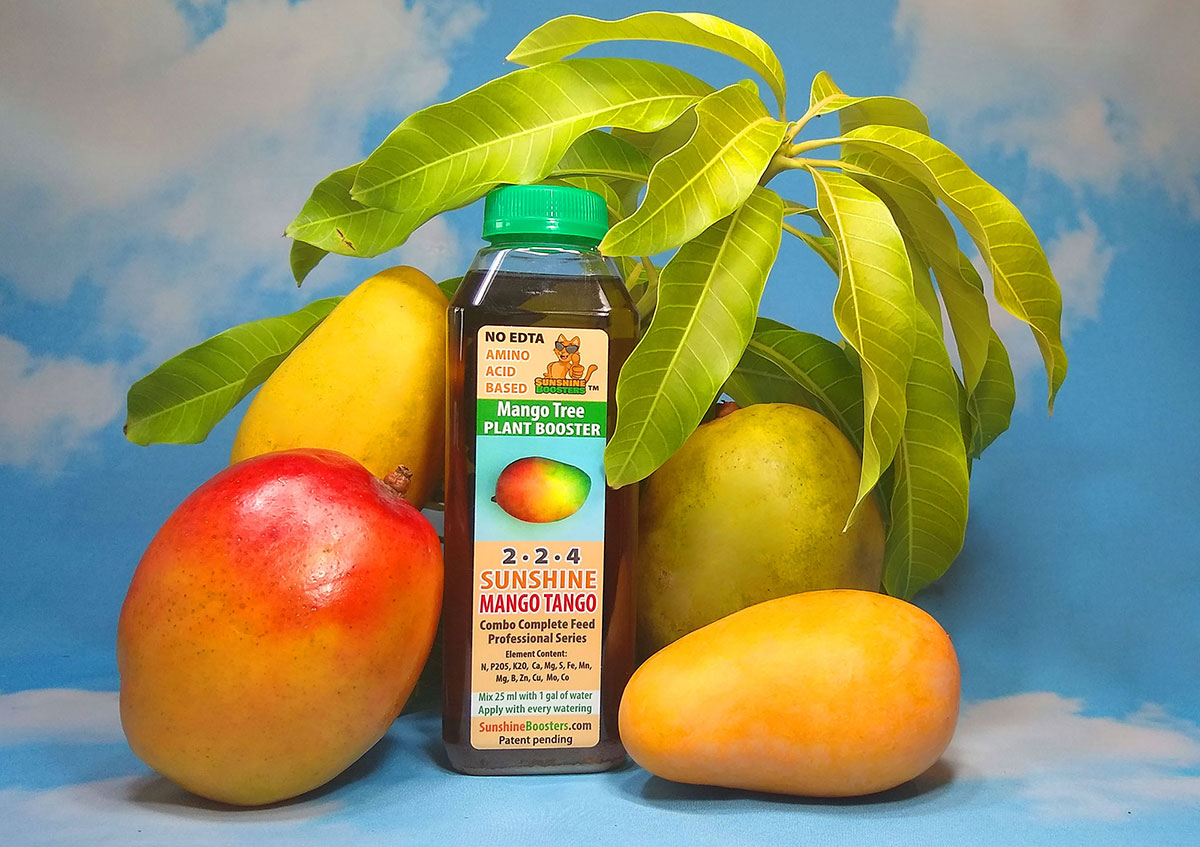
Note that fertilizing your Mango tree is especially important during the spring and summer seasons - the period of active growth. This ensures that the tree takes the best advantage of nutrients with a faster metabolism encouraged by high temperatures. Give your tree a chance to build up lots of energy for the cooler winter as well as for the next flowering and crop season. To ensure a strong tree and reliable crop with no fruit drop, apply Sunshine Mango Tango liquid fertilizer with every watering and watch your mango tree become a Champ!
Date: 22 Feb 2023
Benefits of growing your own tropical fruit
"The fruit of the mango tree is no longer forbidden.
Indeed, it has been recommended to me by the physicians as an antidote to the
plague."
- Louis IX, King of France -
Q: Why do you want to grow your own tropical fruit tree?
A: Growing your own tropical fruit tree can have many benefits. Here are a few reasons why someone might choose to grow their own tropical fruit tree:
1. Fresh, flavorful fruit: When you grow your own tropical fruit tree, you have access to fresh, flavorful fruit that you may not be able to find at your local grocery store. Tropical fruit, like avocado, mangoes, papayas, and passionfruit, jackfruit, Dragon Fruit, Annona have a short shelf life, and the fruit you find at the store may have been harvested weeks ago. When you grow your own fruit tree, you can pick the fruit when it's fully ripe and enjoy it at its peak flavor. Besides, some rare fruit like Akee or Sapodilla simply never offered from the store.
2. Environmental benefits: Growing your own fruit trees can have environmental benefits. Trees absorb carbon dioxide from the air and release oxygen, which can help reduce your carbon footprint. Additionally, growing your own fruit trees reduces the need to transport fruit long distances, which can help reduce greenhouse gas emissions.
3. Cost savings: Depending on where you live and the availability of tropical fruit, growing your own fruit tree can be a cost-effective way to enjoy your favorite tropical fruits.
4. Gardening and outdoor hobby: Growing a fruit tree can be a fulfilling and rewarding outdoor hobby. It can also be a great way to teach children about where their food comes from and the importance of taking care of the environment.
Overall, growing your own tropical fruit tree can be a great way to enjoy fresh, flavorful fruit, reduce your carbon footprint, save money, and enjoy a fulfilling outdoor hobby.
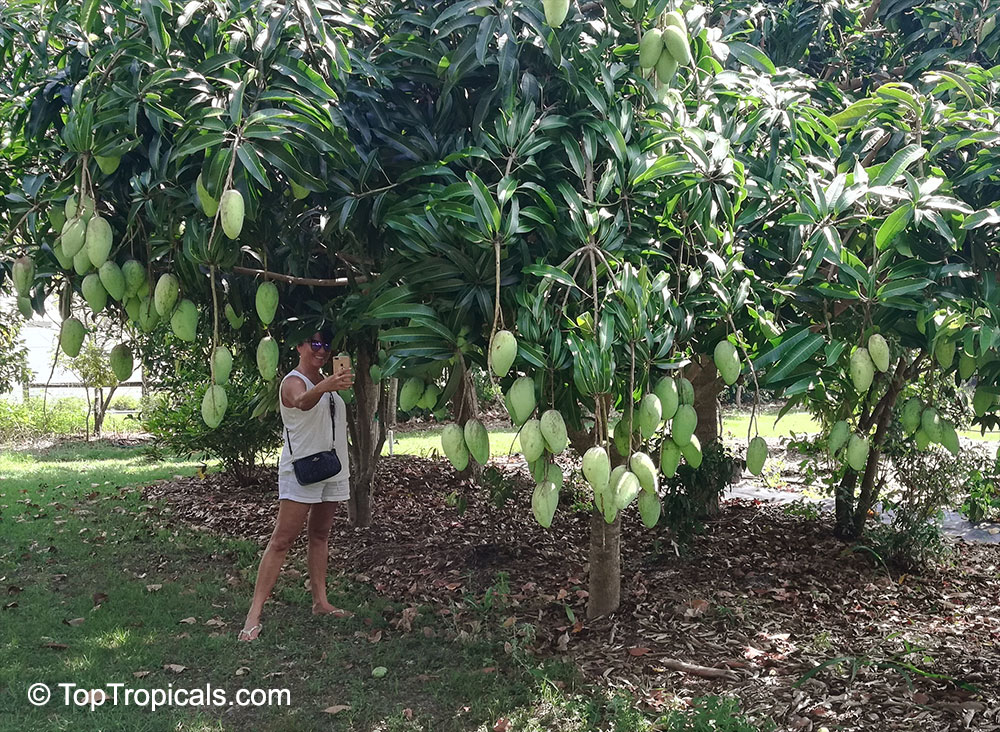
In the photo: Mango
Date: 18 Oct 2021
Season star:
The Purple Tango of Hypnotizing Jacaranda

by Alex Butova, the Witch of Herbs and Cats
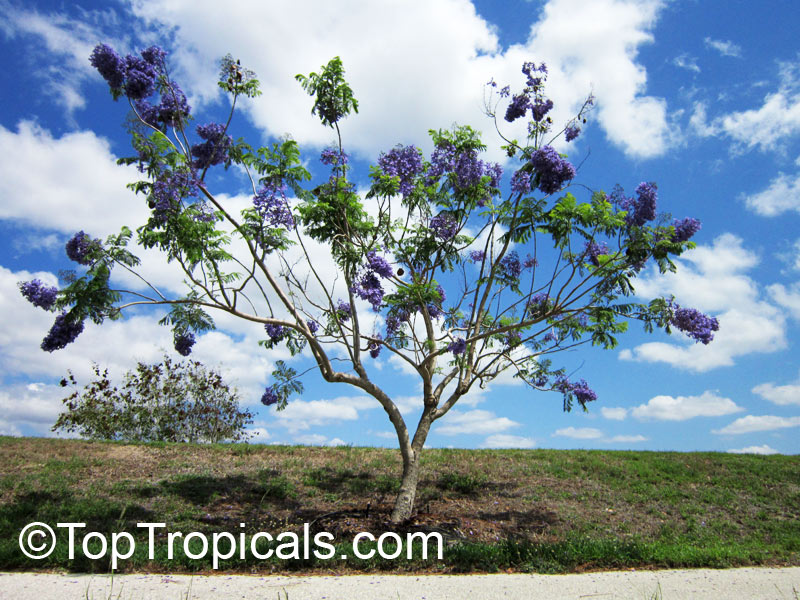
...Hypnotizing bluish-purple, trumpet-like flowers create the magical image of the tree. Incredible, long-lasting purple blooms in spring give way to rich, yellow hues in the fall, making the Jacaranda Tree a season-to-season star that stands out. Fern-like foliage lends volume to its bold, dramatic silhouette for a landscape look unlike any other. When the trumpet-shaped blooms finally fall, they form a lilac carpet beneath the awe-inspiring Jacaranda for luxuriant curb appeal...