Garden Blog - Top Tropicals

Date: 4 Jan 2023

Ten steps to Happy Gardening in 2023

Beginning of the year checklist
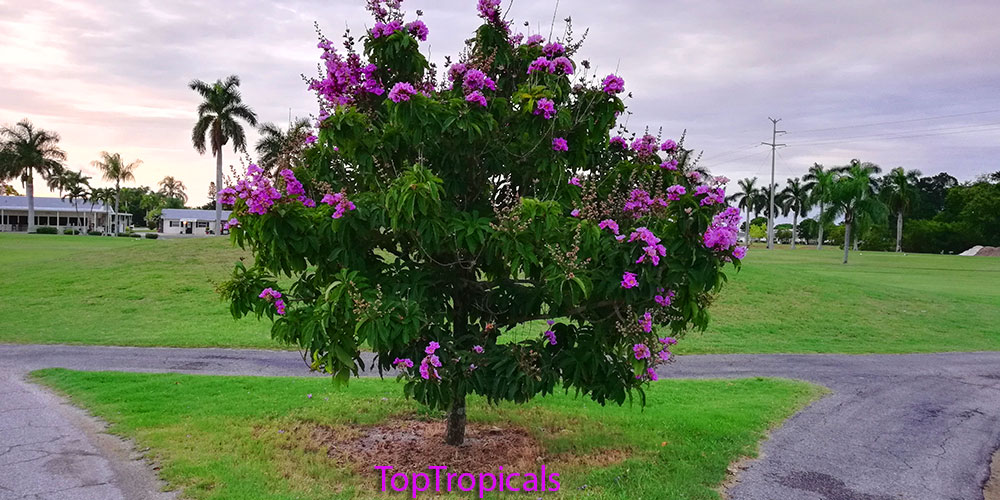
Lagerstroemia  flowering  tree  on  crossroads

To assist our customers in creating a happy and enjoyable gardening experience this year, we consulted with our horticulturist to compile a list of ten recommended items. Here are the results...

1. A favorite. Get yourself a favorite small flowering plant that is compact, manageable, and easy. Such as Ground Orchid. Keep it in a pot or plant in the ground by the entryway where it can be seen often and enjoyed.
2. A fruit of your labor. You need at least one (or one more) fruit tree for your garden, or for container culture if you live in colder climate. Growing and especially harvesting tropical fruit will make you happy. The Winner of the last year was Cherry Lolita - an easy, compact fruit tree that can produce almost year around. Some fruit trees will fruit right away!
3. Be exclusive. A rare plant is a must for every gardener. It can be a useful gem such as Noni Tree or an unusual-looking like a Bat Lily - Tacca. Show your friends and neighbors something different they have never seen!
4. Make it cool. Finally plant that shade tree by your driveway. Yes it takes time to grow, but the sooner you plant it, the sooner you get that shade! There are some fast growing species, some only take a couple of years to the mature size.
5. Beauty. If you have an ugly fence or unwanted view in your yard, cover it with a flowering vine. Look at the beauty every day and make your life better. Replace a boring standard hedge with colorful flowering shrubs that will make you smile.
6. Scent. Add some fragrant plants to your landscape and inhale their healing magic.
7. Tropical. For a shady corner, select a showy tropical with lush foliage such as Philodendron or Monstera, or all time favorite Banana. Get a feel of tropics.
8. Happiness of giving. Buy a gift plant for someone you care about but don't know how to thank them. Live plant is the best expression of love and gratitude. If you are unsure what plant to pick, ask our Team or simply buy a Gift Certificate that will never expire - let them chose the plant they like.
9. Food for all. A set of quality liquid fertilizers is a must - try Sunshine Boosters that can be used year around. They will make your plants healthy, strong, fast growing, cold hardy and disease-resistant. You can choose formulas for different plant types from our selection, or simply buy online a Nutrition Kit of 8 bottles that will cover all your needs and save you 50% on fertilizer cost!
10. Share. Subscribe your friend to TopTropicals Newsletter so they can get a weekly Piece of Tropics in their mailbox. Cool Cat Photos come as a bonus!
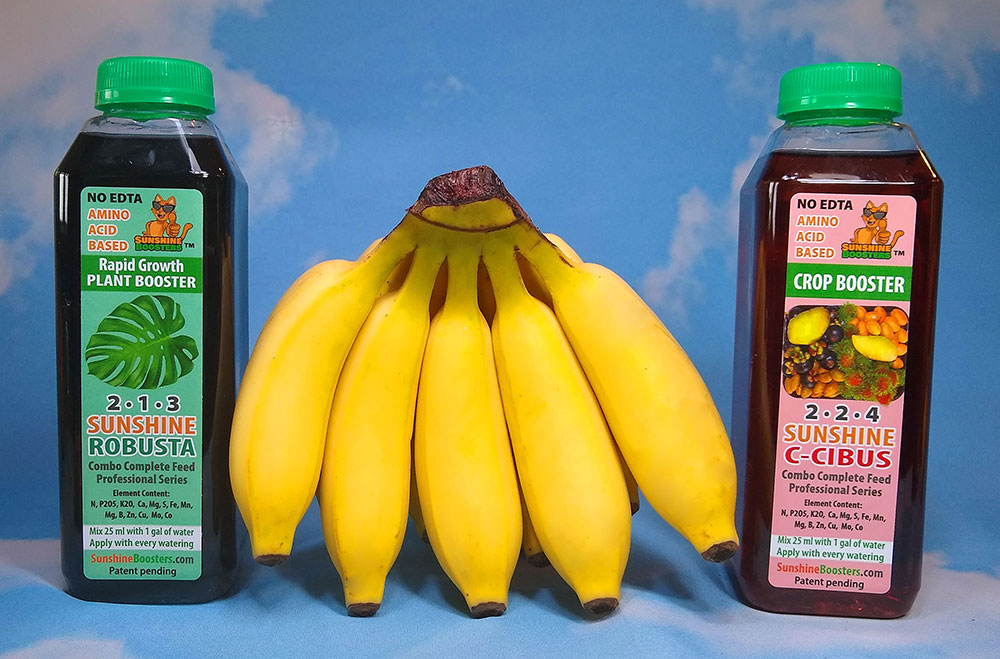
Sunshine  boosters  Robusta  and  C-Cibus  with  a  bunch  of  bananas

Make sure to always have on hand at least 2 main formulas of Sunshine Boosters - Robusta for vegetative growth, and C-Cibus that will satisfy plant needs for both fruit production and profuse flowering

Date: 15 Dec 2020

Healthy Plants: Q&A from Mr Booster

What is an ideal potting mix?

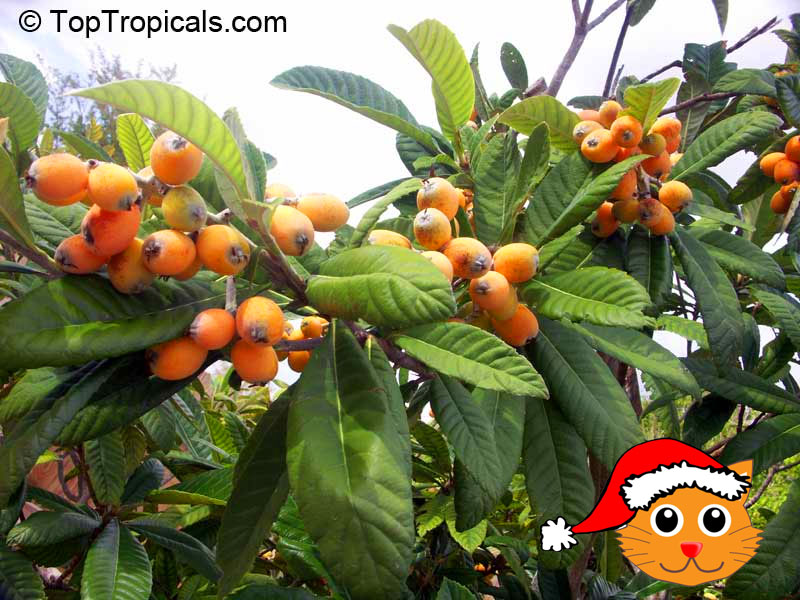
Q: A few years ago, I purchased a Barbie Loquat from you, and I'm pleased to say it's been growing very well. I now have several loquat seedlings. I have read that a well-draining medium should be used, and I have found that the various formulations provided on the web for such medium seem vaguely reminiscent of the recipe provided in your transplanting instructions. Therefore, I would like to retrieve your recipe, unless you could recommend an even better one?

A: The main requirements for a good potting mix are:
- perfect drainage, allowing air circulation that is so necessary for healthy roots; oxygen circulation helps to avoid root rot
- water retention: to keep nutrients in soil
- low pH (soil acidity) which is important for most tropical plants
- adequate amount of organic matter in the mix, in combination with proper fertilizer program

In our nursery we experimented with many different potting mixes for the past couple decades. We ended up with an ultimate mix for tropical container plants that we designed ourselves. This custom mix is called -

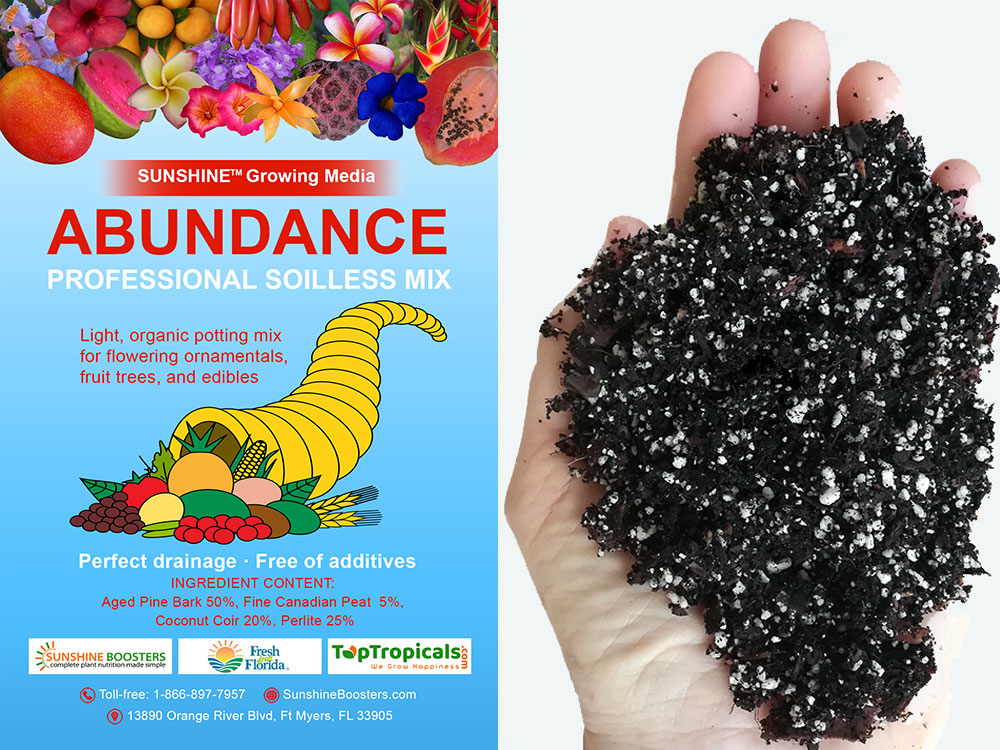
Abundance - TopTropicals professional soilless potting mix

It meets all the requirements above which makes it a perfect mix. All our plants are happy with it. Abundance is a professional quality (nursery-grade) potting mix with great drainage characteristics, ideal for any tropical plants. It is organically derived soil-less mix, free of any additives.
Ingredients are:
- fine Canadian peat moss
- coconut coir
- perlite
- aged pine bark (soil conditioner).
See more info on soil mixes.
We have this mix available for purchase in different packaging sizes - 2, 3, and 7 gal bags.

Besides proper potting mix, all container plants require regular fertilizing. We recommend the newest, scientifically balanced fertilizers Sunshine Boosters that are natural, eco-safe, great for all edibles and organic gardening. They are safe to use with every watering, provide all necessary elements for plant daily needs, and won't burn the roots.
For your loquat tree, consider Sunshine C-Cibus, it boosts both flowering and fruit production. Loquat is Winter-Spring bloomer, hopefully you will get some crop soon!

See more information about potting mix science

Date: 6 Nov 2020

The truth about Sensational Monstera Thai Constellation

"Nothing's making sense anymore. It's gotten out of control"

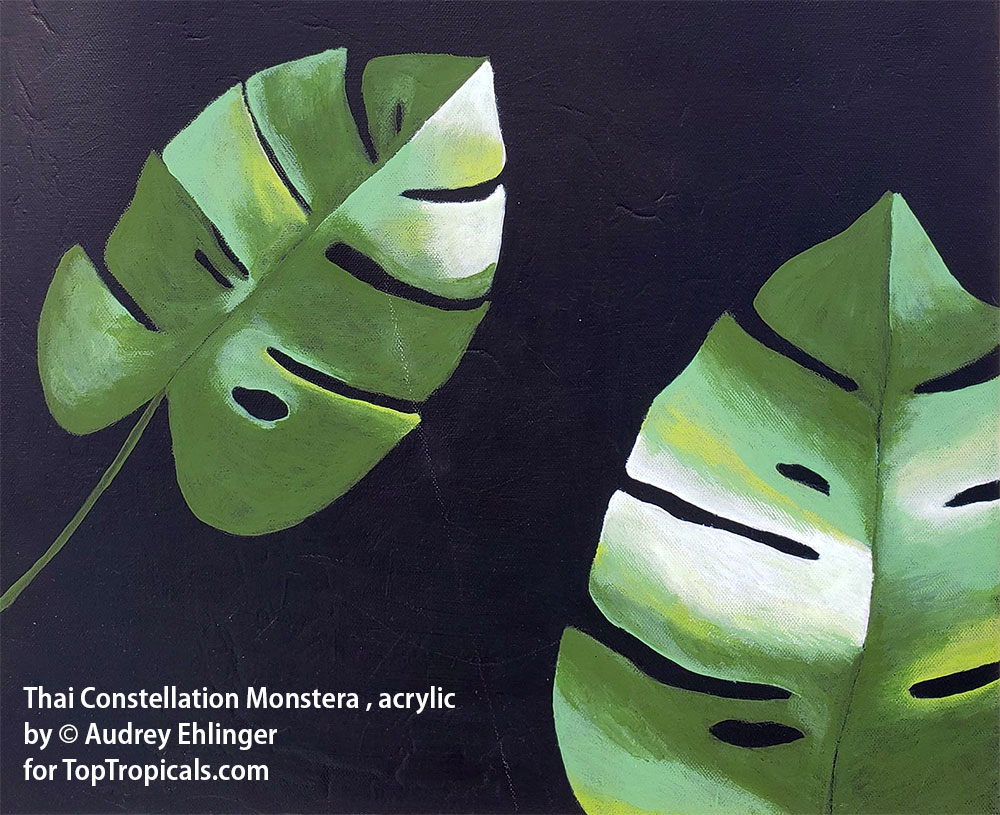
Painting above: "Thai Constellation Monstera deliciosa" with acrylic paint on textured background by Audrey Ehlinger - participant of the 2020 Tropical Plant Art Contest

Variegated Monstera... Now that this Sensational plant deserves even its own works of art, it is time to admit: this beauty is probably one of the most surprising phenomena in the history of rare plant industry.

Many plant collectors noticed the craziness around this unusual variegated cultivar of Monstera deliciosa - Thai Constellatio. Top Tropicals was the first plant nursery that originally introduced this variety into the US tropical plant market a few years ago. Since then, popularity of this plant went above and beyond any expectations. Everybody wants this plant! Yet it is nearly impossible to propagate, with the only somewhat successful method as Tissue Culture. Besides, in order to create a viable batch, one must use cells from the stem only. Considering this plant grows about 2 inches a year (in favorable conditions), this leaves us with very limited propagation material... Who can sacrifice their unique mature plant for a knife of a propagator? Let us know if you have any extra you can share ;)

No wonder very quickly Thai Constellation had become a commodity plant, or even better - an asset compared by some people to a real estate bubble... Some collectors sell cuttings for $2,000 each. People pay up to $250 per leaf of this plant... Crazy? Maybe. But being rare plant collectors, we all know the feeling! Check out this article:

It's Better Than The Stock Market: A Massive Bubble Is Forming In The Rare Plant Market...

Thai Constellation available for sale:

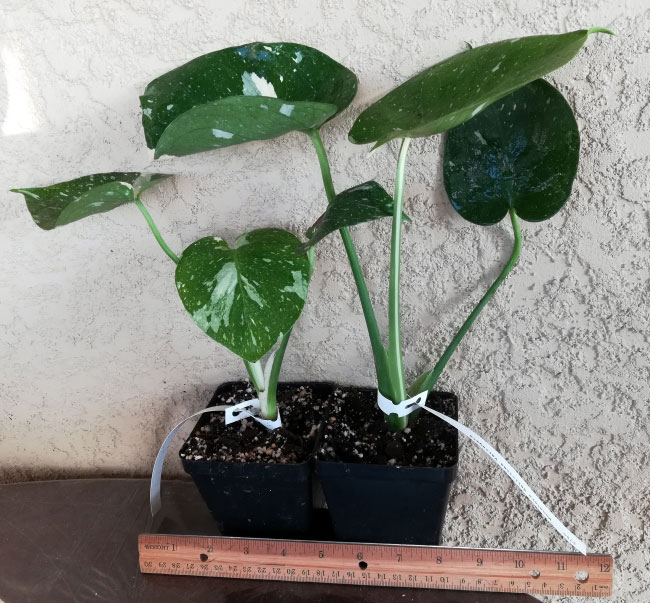
The good news is - we have a few plants. They are in 4"pots. Small, but well-established. The price is not cheap. It is what it is - this is what it costs us to obtain these plants from Thailand. This is the last batch for a long while, no more available even at this price, since the growers can't find enough propagation material to satisfy the market. Next batch expected from tissue culture is probably 2022. We have over 400 customers on wish list for this plant.If you really NEED IT, order right now!

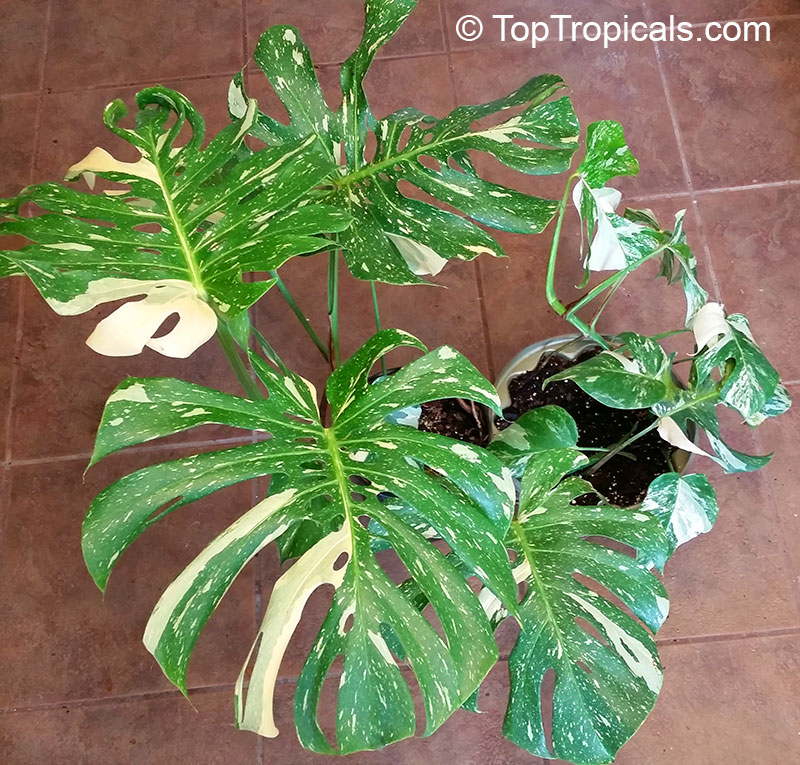
3-years old Monstera Thai Constelation from Top Tropicals personal collection

Date: 14 Jul 2019

A Cup of Tea Plant

By Onika Amell, tropical plant specialist

A: I live in Ave Maria, Florida. I want to try my hand at growing my own tea. Which plant do I need?

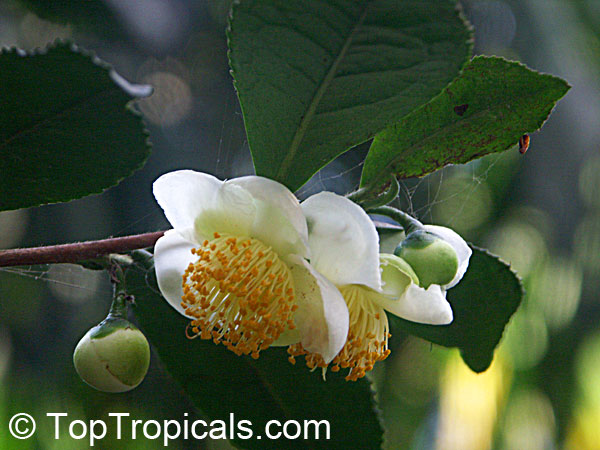
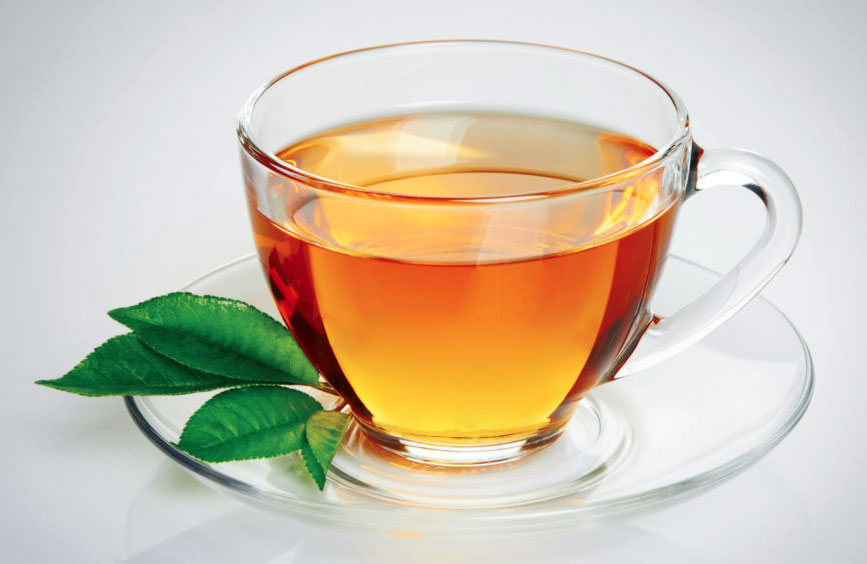
A: Most people do not realize they are actually enjoying camellias when they sip their cup of tea. True tea comes from the Camellia sinensis plant, an evergreen shrub or small tree.
In the fall and winter, the plant will produce small white flowers with a lovely fragrance. The foliage is shiny and dark green with a very nice informal and open look. Camellia sinensis (or tea plant, as it is commonly known) prefers a temperature between 65 and 86 degrees, which makes Florida an ideal area to grow them. However, if you live in colder zones, you can certainly succeed growing your own tea plants using a greenhouse. Alternatively, you can use containers which can be brought inside when temperatures start falling. Tea plants will usually survive a very slight freeze, though the leaves may be damaged or killed. It will not tolerate a hard freeze. They prefer full sun or light shade in the garden.
Tea plants will become small trees or large bushes if not pruned. Hardcore tea growers trim back the shoots repeatedly to a height of around 4 feet to encourage new growth and to contain the size.
Make sure to pick an area of your landscape where it does not flood or remain wet during our rainy season. Camellia sinensis does not like wet feet at all. They prefer well-drained, sandy and slightly acidic soil. If grown in a container, add some sphagnum moss to the potting mix. They will benefit from frequent applications of small amounts of fertilizer.
You will need some patience, too. Your plant should be around 3 years old before you start harvesting leaves.

Recommended fertilizers:

Tropical Greenhouse Plus - Plant Booster
Tropical Allure - Smart-Release Booster

Harvesting recipes

Now that you know how to grow the Tea, you need to check this out: the Harvesting recipes how to harvest and make different kinds of real tea: Green Tea, Japanese Style Green Tea, Oolong Tea, Black Tea, Orthodox Indian Tea... Continue reading...

Date: 25 Jun 2019

True love of Night Blooming Jasmine

By Onika Amell, tropical plant specialist

Q: I live in New Cumberland, West Virginia. I love the smell of Night-Blooming jasmine. Is it possible to grow it in the northern panhandle of West Virginia? Do I have to plant it every year or do I keep it in a pot and take it inside during the winter months?

A: Technically, Night Blooming Jasmine is not a true jasmine (those plants belong to Oleaceae, or Olive family). Night Blooming Jasmine belongs to the Solanaceae family, also known as the Nightshade or "Potato" family of plants. Yes, this sweet fragrant flower called Jasmine for its perfume is related to potatoes and tomatoes!
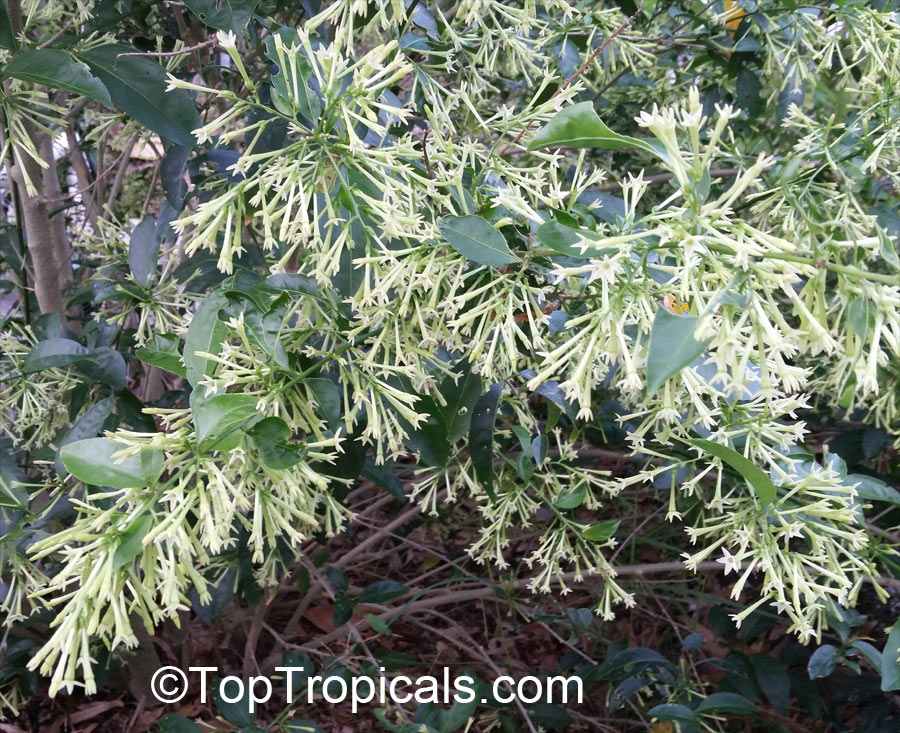
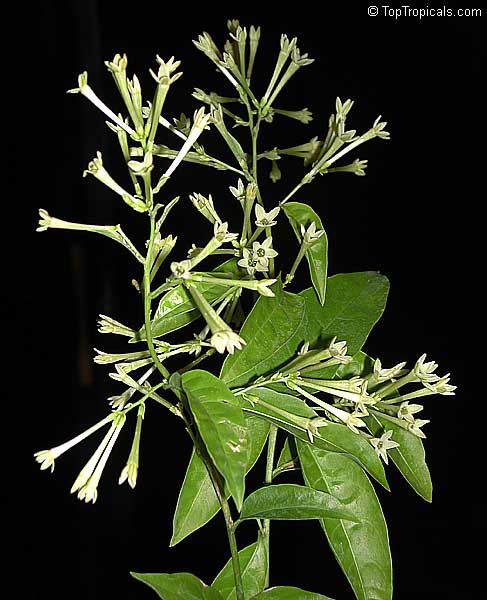
Night Blooming Jasmine - Cestrum nocturnum - is loved by many gardeners for its beautiful fragrance at night. It is one of the most fragrant tropical evergreen shrubs available. Cascading clusters of tiny, tubular pale yellow to white flowers open at night and release a heavenly fragrance throughout the garden, especially on warm summer evenings. The fragrance is much lighter during the day. Night Blooming Jasmine is grown year-round in zones 9-11. It is at its happiest in a sunny to a partially sunny spot in your garden in well-drained soil but can be grown in cooler climates as a container or greenhouse plant.
You would absolutely be able to enjoy this plant during the warm months in West Virginia, but it will most certainly not survive outside during the winter. You will have to bring it inside. Take it outside again only once you are confident there is no more possibility of frost. When grown indoors, be sure to give it the sunniest, South facing window in your home. When grown in a container, you will need to re-pot it every two to three years so it doesn't become root-bound.
For those who are lucky to live in frost-free areas, in ideal growing conditions outside, it can easily reach 8 feet with a spread of 5 feet. It has a lovely informal look that can soften a more manicured garden. Add organic matter to the planting hole when you plant to enrich the soil around the root ball. Water well in the summer, but allow them to dry out a bit between watering in the winter. Plant this Jasmine near pools, porches, doors, windows, and walkways where its lovely fragrance can be enjoyed. The shrub is also an excellent plant for privacy hedges and screens. When grown as a hedge, plant 3 feet apart.
Trim lightly after a bloom cycle to shape and then do a hard pruning in fall or spring to control the size of this plant. Fertilize 3 times a year - in spring, summer, and autumn - with a good quality granular fertilizer.

Recommended fertilizers:

Pink N Good Daily Plant Food - Flower Booster
Tropical Allure - Smart-Release Booster

Interesting facts:

Night-blooming jasmine is an excellent mosquito repellent. The powerful scent of the flowers attracts moths and bats that feed on mosquitoes and other small insects.
The flowers of the Night Blooming jasmine are widely used in India and other countries of South Asia for perfumery, medicinal applications and in religious ceremonies.

Limited time special offer:
Instant $5 off Night Blooming Jasmine