Vangueria infausta (Spanish Tamarind, Wild Medlar) from Africa to your backyard: the fruit, the medicine, the tradition.
Spanish Tamarind may look like a small, unassuming fruit - but don’t let it fool you. In its native Africa, this tree is a food staple, a home remedy, and a cultural favorite, all wrapped into one. And now, it’s ready to bring that same magic into your garden and kitchen. People have used this fruit for generations - and how you can too.
🍊 1. Eat it fresh, off the tree
When ripe, the fruit turns golden brown and softens slightly. Its flavor is sweet-tart, almost like a tangy apple or tamarind with a hint of citrus. Just peel and eat!
🍬 2. Dry it for snacks
In many African regions, the fruit is sun-dried and enjoyed like natural fruit leather. It keeps well, travels well, and makes a great healthy snack.
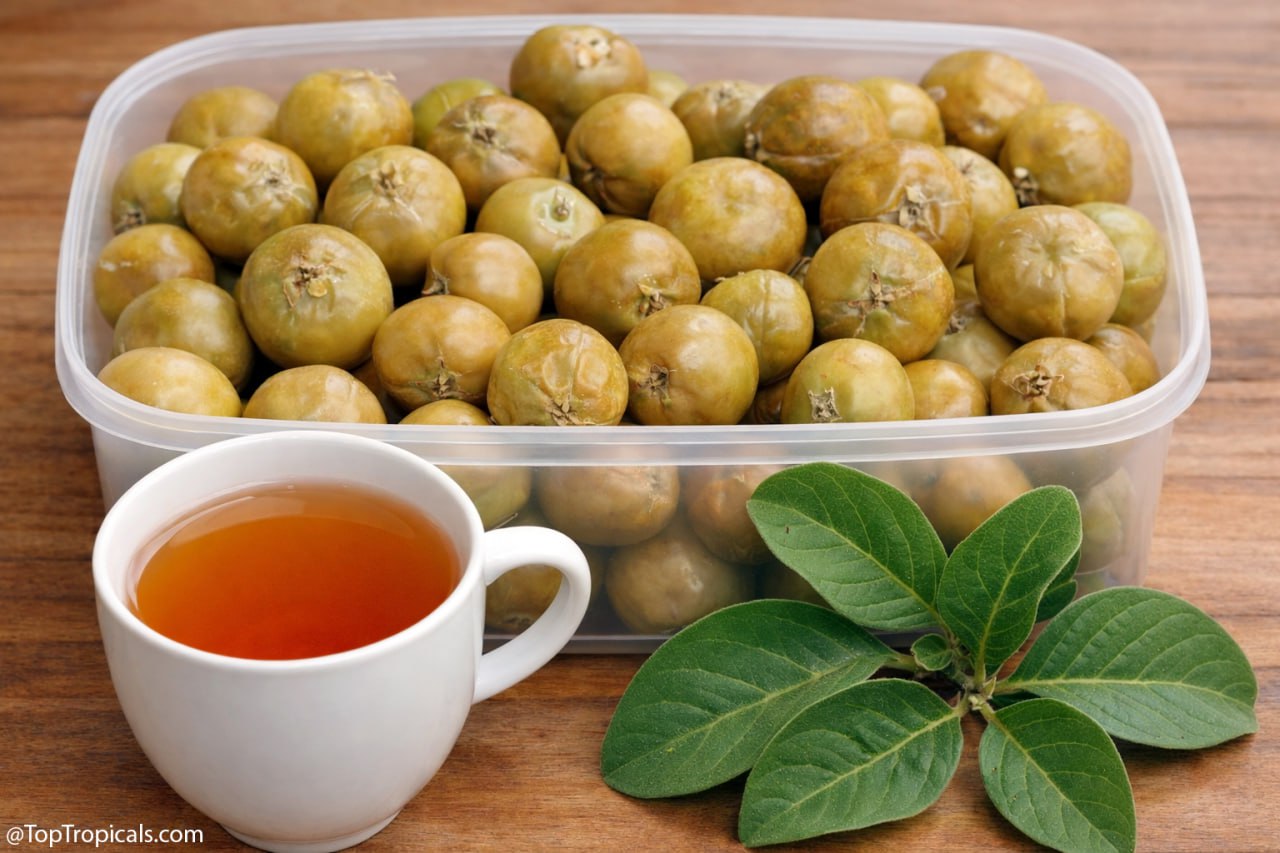
🍵 3. Brew it into a fruit tea
Dried fruit can be steeped into a tart, refreshing tea that’s packed with vitamin C and antioxidants. Add honey or ginger for a soothing drink.
🍷 4. Ferment it into traditional beer or wine
In some local cultures, the fruit is fermented into a mild alcoholic drink, similar to fruit wine or beer. This is one of the tree’s oldest known traditional uses.
🍧 5. Make jams and preserves
Boil the pulp with sugar and lemon juice to make tangy medlar jam. Spread it on toast, stir into yogurt, or use it in baking.
6. Add to porridge or smoothies
Crushed or juiced medlar fruit is added to traditional maize porridge for a nutrient boost. You can do the same with oatmeal or smoothies.
7. Try traditional fruit pudding
A simple medlar mash with a little sweetener makes a rich, apple-like pudding with hints of spice. Great as a chilled dessert.
🌿 8. Use the leaves and bark medicinally
In folk medicine, leaves are brewed into a tea for treating fever, colds, and stomach aches. Bark is used for chest congestion and coughs. Roots are sometimes used for even stronger remedies like malaria treatment.
9. Clean your teeth the traditional way
Believe it or not, people use medlar leaves to clean their teeth! The leaves are antimicrobial and have a slight astringent taste that leaves your mouth feeling fresh.
🎨 10. Dye fabric naturally Crush the bark or boil the leaves to create natural dyes in yellow, green, and even purple tones. This use is still practiced in rural areas of southern Africa.
✍️ Why this tree belongs in your life
Wild Medlar is more than just a fruit. It’s a versatile, resilient, and deeply cultural plant that connects generations. It’s food, it’s healing, it’s art—and now it can be part of your garden story.
Grow it for the fruit, the medicine, the tradition… or just for the joy of growing something wild and wonderful.
Class @ 11:00am by Robert Riefer. How to keep pests off of maturing fruit.
Class @12:00pm Super foods by Zoe Merring. Benefits of Soursop, barbados cherry, goji, moringa. Benefits and recipes.
Discounts on all edibles
Prize giveaways at 12:00pm and 2:00pm (must be present to win)
20% off After-Cyber-Monday sale! Now that everybody is done with shopping for monitors and speakers, it is time to get some happy stuff! 20% off on all fruit trees, 1 day only! Enjoy your shopping and get the plants you always wanted at a low price!
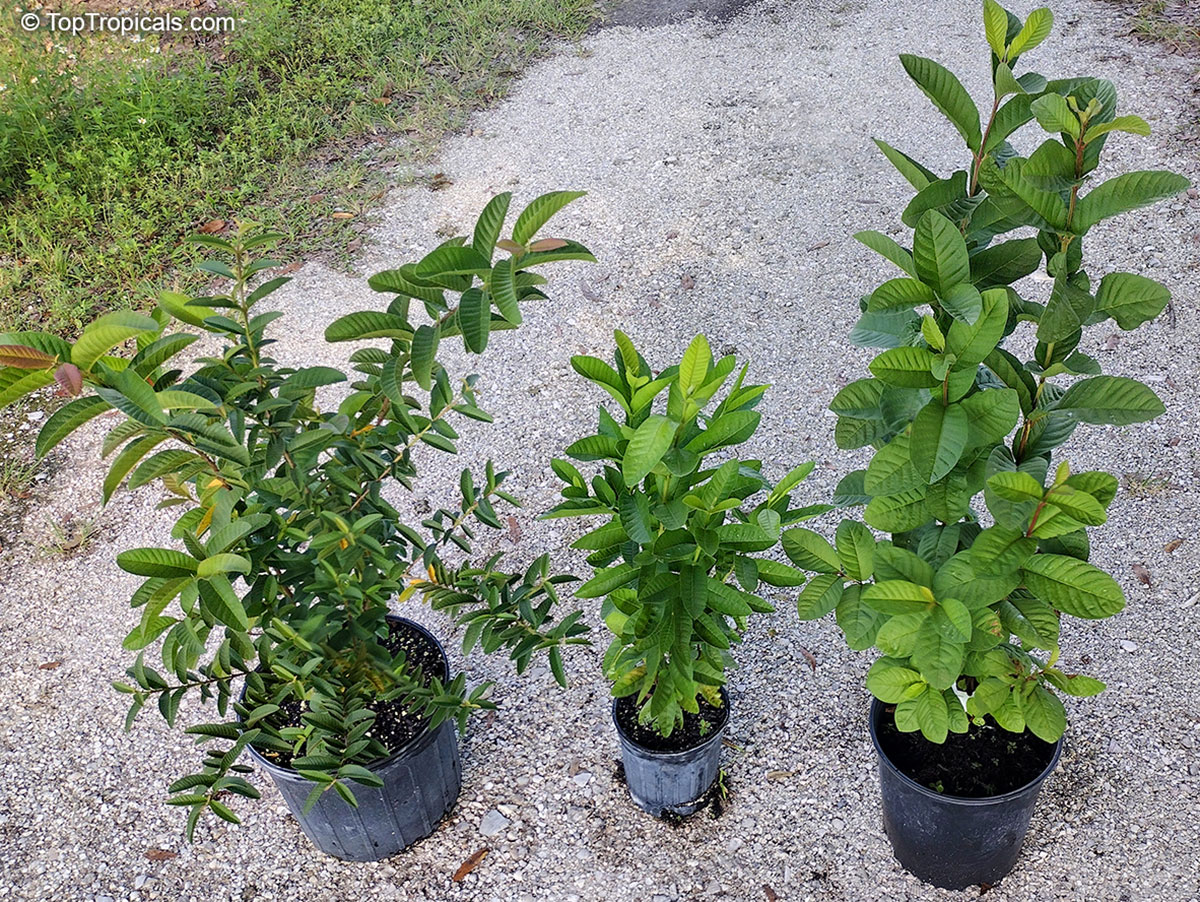
Guavas love full sun — aim for 6–8 hours of direct light.
They’re adaptable to many soils but do best in well-drained, organic-enriched
mixes. Plant them in a spot where you can water
easily; guavas are thirsty trees during fruiting.
Container & Indoor Growing
Don’t have space or live in a cooler climate? Guavas thrive in
large pots. Use well-drained potting mix. LINK TO OUR SOIL Keep them on a
sunny
patio during warm months and bring them indoors when nights dip below
freezing. Compact varieties like Dwarf Hawaiian
Rainbow or Tikal are especially
good for pots.
Winter Care
Mature guavas can handle a light frost (down into the high 20s F), but
young plants need protection. If planted outdoors, cover them with frost
cloth
on cold nights. Container guavas can be wheeled into a garage, greenhouse,
or bright indoor window until the weather warms.
Watering and Fertilizing
Water deeply once or twice a week, more often in hot weather or when
fruit is developing. They don’t like soggy soil, but they won’t
complain about short floods either. Fertilize 3–4 times a year during
the
growing season with a balanced fruit tree fertilizer. Guavas especially love
potassium and phosphorus for strong flowering and heavy crops. We recommend
liquid crop booster Sunshine
C-Cibus and balanced controlled release fertilizer Green
Magic.
Pruning
Prune after fruiting to keep them compact and open up airflow. Remove
crossing or dead branches. In containers, trim back vigorous shoots
regularly
to manage size and encourage more fruiting wood.
Pests and Problems
Guavas are generally tough and pest-resistant. The main thing to watch
for in humid or rainy climates is mealybugs - those cottony white clusters
on
leaves or stems. They're easy to manage with neem oil or a quick spray of
horticultural soap.
Fruit time
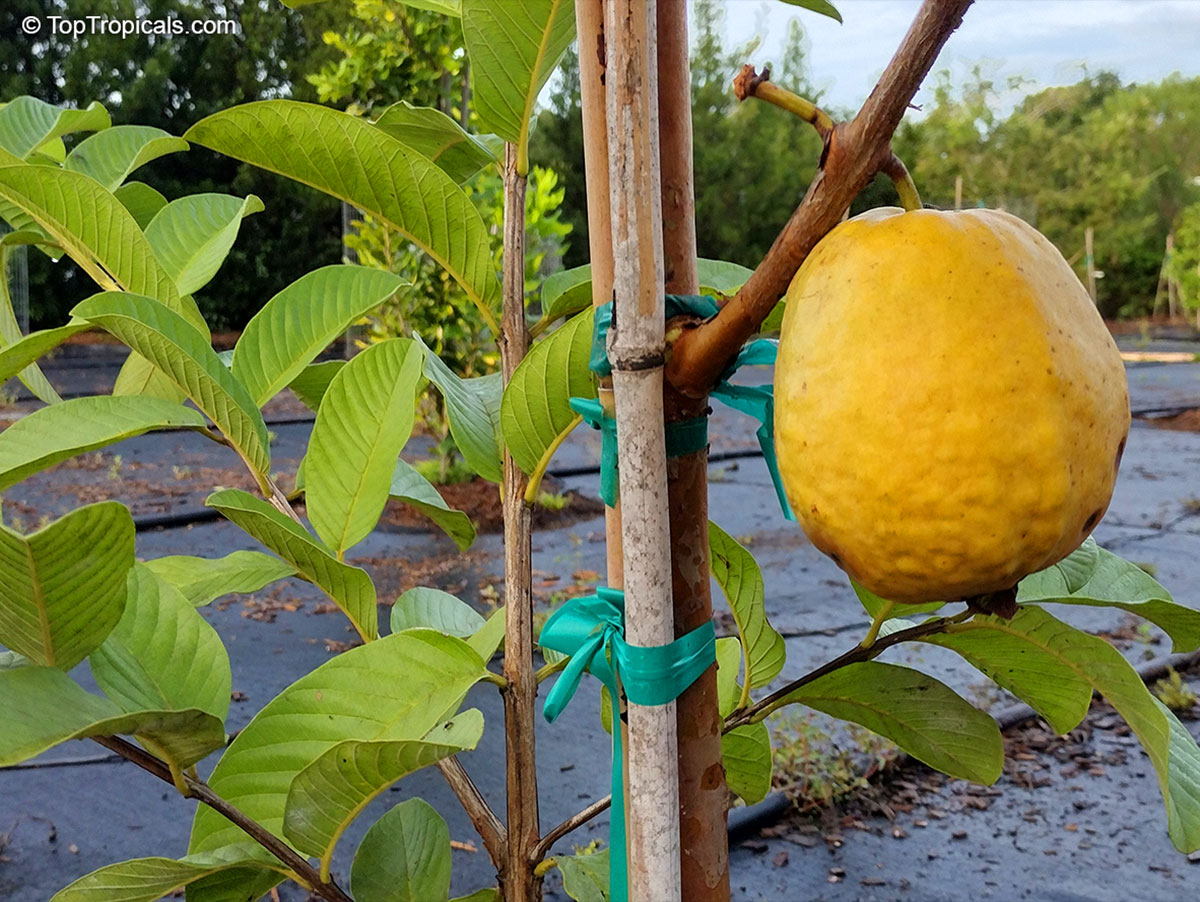
Guavas fruit young - often within a year or two.
Pollination
Guavas are self-pollinating, so you'll get fruit even with a single
tree. Planting more than one tree, however, often boosts harvests and gives
you a
longer fruiting season.
If you've ever wanted instant gratification from a fruit tree, guava is
it.
🍴
Guava Recipes
With all that fruit, the next question is always: "What do I do with
it?" Here are our favorites:
Cas Guava: Make Agua de Cas
Boil halved Cas Guava fruits with sugar, simmer, strain, and bottle.
Dilute with water when serving. The concentrate keeps for months in the
fridge.
Check out the recipe.
Hawaiian Gold: Make Drinks
Perfect for Mojitos or Margaritas. Sweet, tangy juice pairs beautifully
with lime and mint. Learn more
Araca Pera: Guava Wine
Famous in Brazil, where the fruit is turned into a vibrant rosу wine.
Locals say it’s the taste of summer in a glass — and yes, you
can make it at home too. Learn more...
Quick snack: Guava Grilled Cheese
Spread guava paste or fresh mashed fruit with cheese, grill until
golden. Sweet and savory heaven. Learn more...
Simple Guava Juice
Blend ripe guavas with water, ice, and a little sugar if you like. Instant
refreshment.
✅Ready to Grow? Whether you want fresh juice, sweet fruit,
or even your own guava wine, we’ve got the best varieties in stock
right now. Your future self, sipping guava juice on a hot summer afternoon,
will
thank you.
3 Olive Trees Worth Planting in Your Yard Right Now
3 Olive Trees Worth Planting in Your Yard Right Now
Olive trees aren’t just for the Mediterranean anymore. In warm parts of the U.S. - including much of Florida - certain varieties handle heat, humidity, and even occasional cold better than people expect. If you’ve been thinking about adding something useful, low-maintenance, and long-lived to your garden, olives deserve a spot on your list. Here are three varieties that actually make sense to grow.
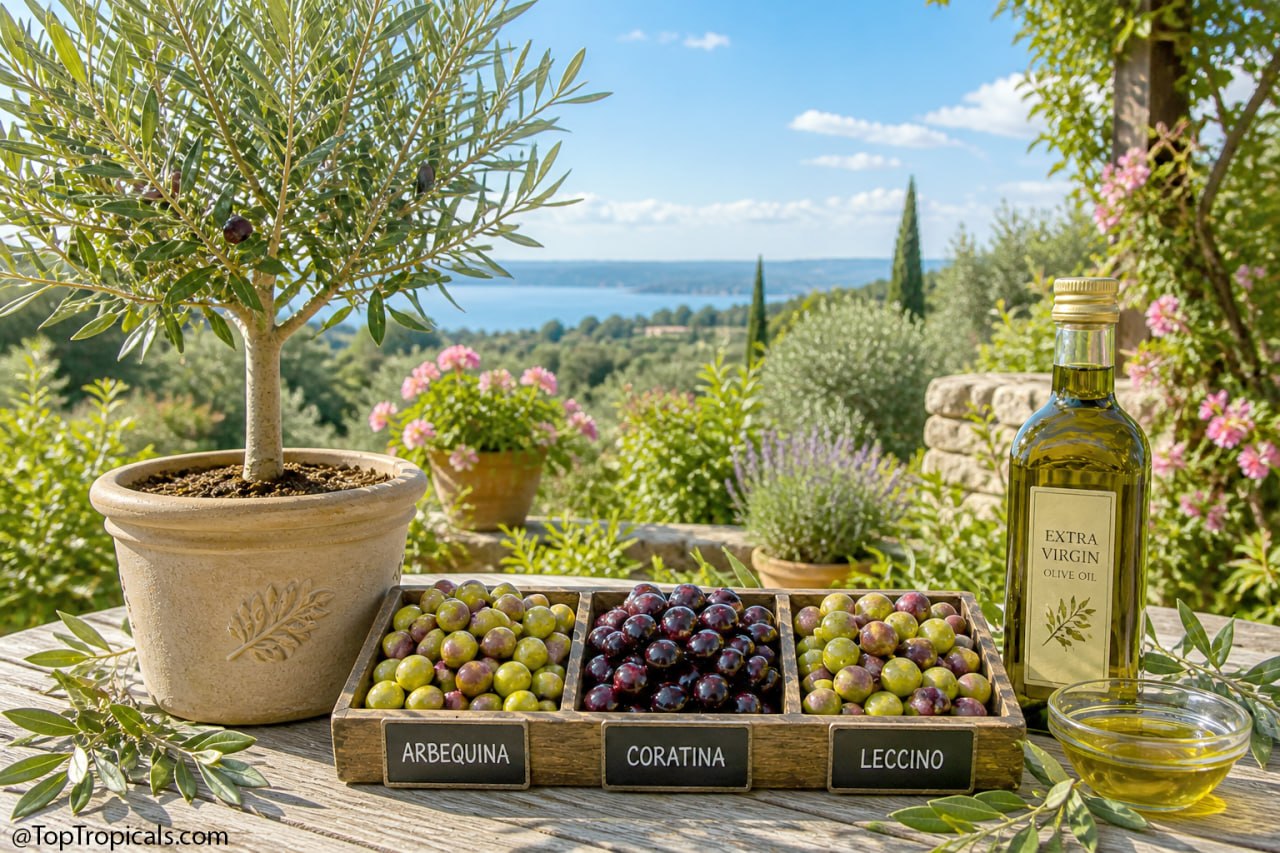
1. Arbequina: Compact, Productive, and Beginner-Friendly
Arbequina is one of the easiest olives to grow, especially if space is limited. It is naturally compact, which makes it great for containers or small yards. It starts producing early compared to other olives, handles heat well, and adapts to different soils. The fruit is mild, buttery, and excellent for oil. If you want an olive tree that behaves well and produces without much fuss, this is the one. 👉 More...
2. Coratina: Bold Flavor and Strong Growth
Coratina is a completely different type of olive - vigorous, tough, and known for intense flavor. It is fast-growing and very hardy once established, and it produces heavily under the right conditions. The fruit is high in oil content with a flavor that is strong and peppery, making it prized for premium olive oil. This is a great choice if you want a more traditional, high-performance olive tree with character. 👉 More...
3. Leccino: Reliable and Cold-Tolerant
Leccino is known for consistency and is one of the most widely planted olives for a reason. It is more cold-tolerant than many other varieties and is a reliable producer year after year. It has a medium growth habit that is easy to manage, and the fruit works well for both oil and curing. If your area gets occasional cold snaps, Leccino is a safer bet. 👉 More...
Why olives make sense in your garden
Olives check a lot of boxes most fruit trees don’t. They are drought-tolerant once established and don’t need rich soil; average or even poor soil is fine. They are long-lived trees that can produce for decades and have low pest pressure compared to many tropical fruits. They’re not high-maintenance, and they don’t demand constant attention.
What to know before you plant
A few practical points make all the difference. Full sun is non-negotiable, and drainage matters because if water sits, the roots suffer. Light pruning keeps trees productive and manageable. Some varieties produce better with cross-pollination. In Florida conditions, airflow and avoiding overly wet soil are key.
If you want a tree that looks good, produces something useful, and doesn’t need babysitting, olives are hard to beat. Choose Arbequina for small spaces and ease, Coratina for strong growth and bold oil, or Leccino for reliability and cold tolerance. Plant one - or plant all three - and you’ll start to see why olive trees have been grown for thousands of years.
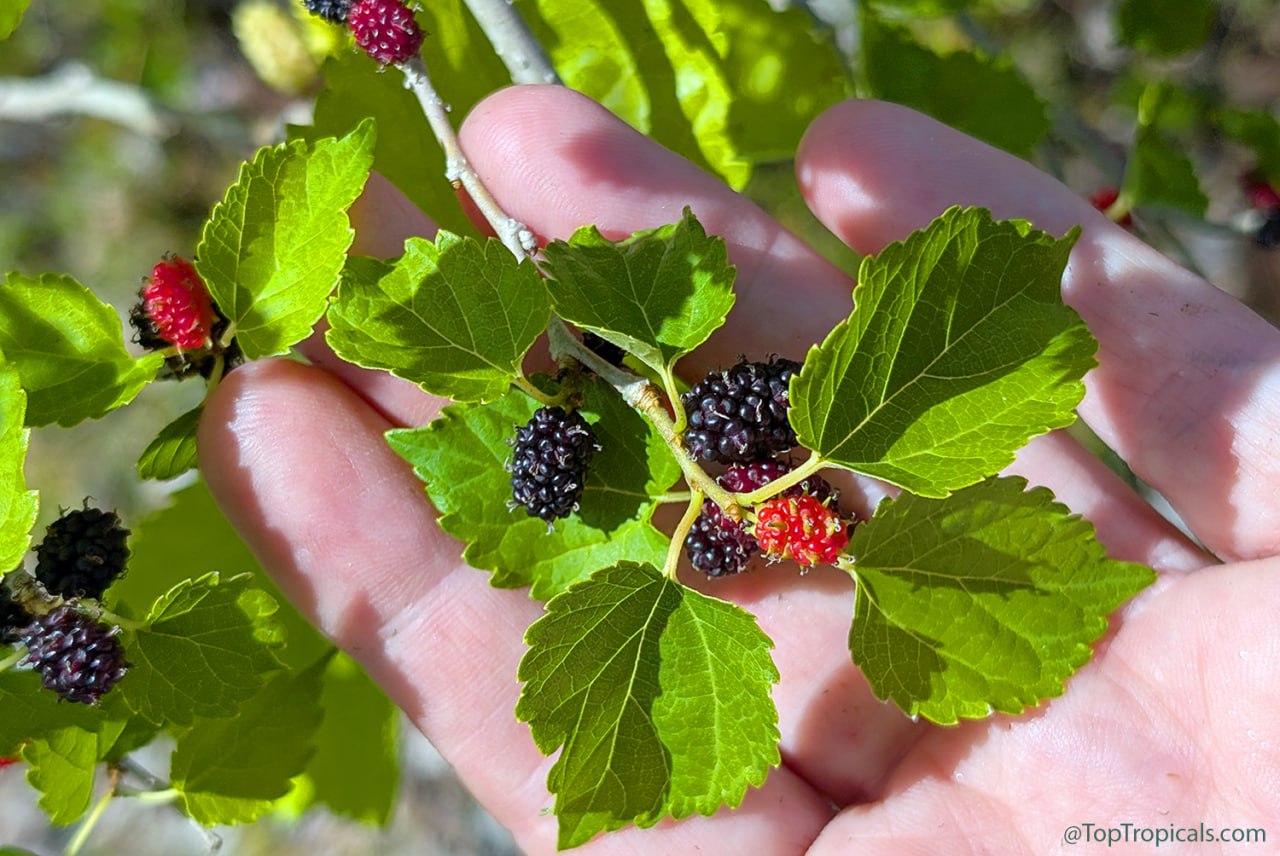
Want Massive Mulberry Harvests? Do These 5 Things Before May Ends
🍇 Want Massive Mulberry Harvests? Do These 5 Things Before May Ends
Don’t let your mulberry tree
Paper Mulberry Plant Facts
Broussonetia papyrifera, Morus papyrifera Paper Mulberry
USDA Zone: 9-11
fool you. While they are incredibly low-maintenance, what you do in May dictates your summer harvest. Avoid these common mistakes for a bumper crop of juicy berries.
Mulberry trees
Paper Mulberry Plant Facts
Broussonetia papyrifera, Morus papyrifera Paper Mulberry
USDA Zone: 9-11
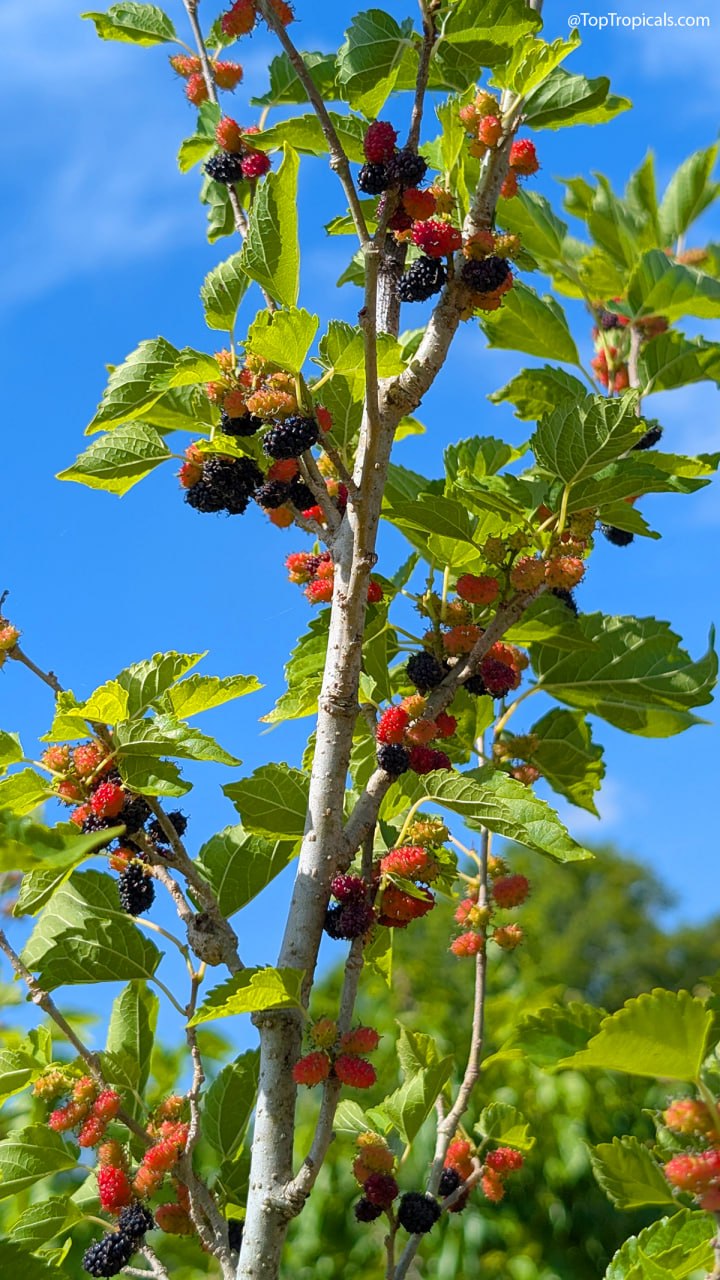
are famously bulletproof, handling intense heat and pumping out massive crops with little care. But May is the month that decides it all. Right now, they are pouring energy into fruit development. A few simple mistakes this month can quietly sabotage your harvest.
Fortunately, maximizing your crop is easy if you follow these five simple rules:
1. The Deep Soak Rule
While established mulberries
Paper Mulberry Plant Facts
Broussonetia papyrifera, Morus papyrifera Paper Mulberry
USDA Zone: 9-11
tolerate drought, moisture stress causes them to drop young berries early. Drop the sprinkler—frequent, shallow watering only wets the surface. Instead, give the tree a slow, deep soak that penetrates the root zone. Check the soil two inches down; if it’s dry, water thoroughly.
2. Lock it in with Mulch
Late spring heat evaporates soil moisture fast. Apply a 2-to-4-inch layer of pine bark or compost to keep roots cool and suppress weeds. Crucial rule: Leave a 4-inch gap around the base of the trunk. Piling mulch against the bark traps moisture and invites devastating fungal rot.
3. Don't Over-Fertilize
Mulberries
Paper Mulberry Plant Facts
Broussonetia papyrifera, Morus papyrifera Paper Mulberry
USDA Zone: 9-11
are naturally vigorous. If you feed them this month, use a balanced, slow-release organic plant food. Avoid high-nitrogen fertilizers. Excess nitrogen triggers a massive explosion of green leaves, causing the tree to completely forget to grow fruit.
4. Put the Pruning Shears Away
Heavy spring pruning clips off active fruiting wood and decimates your harvest. Mulberries
Paper Mulberry Plant Facts
Broussonetia papyrifera, Morus papyrifera Paper Mulberry
USDA Zone: 9-11
are also notorious "bleeders" - cutting now causes them to lose significant sap, stressing the tree during fruit set. Only remove dead or damaged wood. Save major shaping for winter dormancy.
5. Exploit the Softwood Cuttings Window
Want more trees? May is prime time for softwood cuttings. Cut a few 6-inch flexible green stems, strip the lower leaves, dip in rooting hormone, and tuck into moist potting mix in partial shade. They root incredibly fast! 🛒 Choose from Mulberry varieties



 Guava Tree Plant Care