Garden Blog - Top Tropicals

Date: 5 Jan 2026

A  tuxedo  cat  planting  a  small  shrub  in  a  tropical  garden  while  a  ginger
    cat  relaxes  nearby  with  coffee  and  donuts,  illustrating  winter  planting  in 
 a  warm 
 climate.
Sunshine: January might feel warm, but its still winter. Wool socks, scarf, hot coffee.
Smokey: You get warm when you work. Plant now so roots are established before spring growth starts.
Sunshine: Alright. Lets see who stays warmer - you digging or me with coffee.

🌴 Why winter planting works in a warm climate

By our plant expert Tatiana Anderson

We are lucky to live in a warm climate. This is how I think about the seasons here. Winter is for roots. Spring is for growth. Summer is for managing heat and water.

So if we want plants that handle summer better, we plant them in the season that gives them the best start. Winter here is comfortable. The soil stays workable. The days are mild. And plants are not being stressed by heat. That is exactly why winter is the best time to plant in Florida and other warm areas.

If we use this season well, plants go into spring already settled instead of trying to catch up. This is what I like to plant now, and why.

🟢 Trees first. Anything that will be in the ground for years. Fruit trees, shade trees, flowering trees. When we plant them in winter, they can focus on roots before the spring growth surge starts. By the time spring arrives, the tree is anchored and ready to grow on top.
Examples: mango, avocado, Eugenia cherries, jackfruit, sapodilla, longan, lychee, canistel.

🟢 Shrubs next. Shrubs establish faster than trees, but winter still gives them an advantage. They settle in quietly before the spring flush and bloom cycles begin. That usually means steadier growth and fewer problems once heat returns.
Examples: gardenia, jasmine, brunfelsia, hibiscus, clerodendrums.

🟢 Vines are often overlooked. Vines want to grow fast when spring starts. If the root system is not ready, you get weak growth and frustration. Planting vines in winter gives them time to build a foundation first, so spring growth has support.
Examples: Rangoon creeper, stephanotis, Petrea, Mexican Flame Vine.

🛒 Explore cold tolerant plants

Date: 9 Jan 2026

Moringa leaves made simple - daily benefits and 6 easy recipes

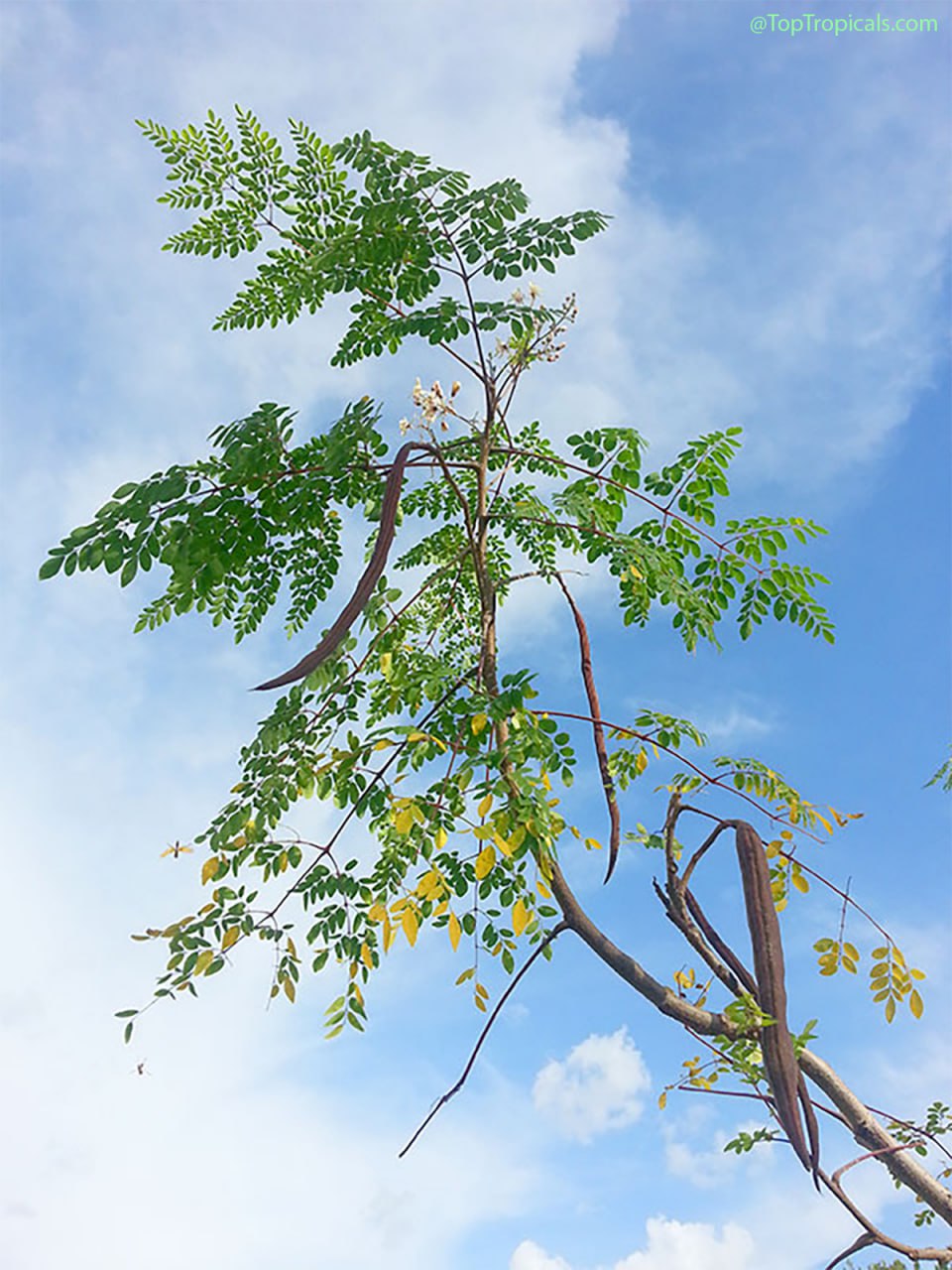
Moringa oleifera leaves and flowers

Moringa oleifera leaves and flowers

Moringa oleifera leaves on a branch

Moringa oleifera leaves on a branch

🌳 Moringa leaves made simple - daily benefits and 6 easy recipes


Moringa tree is called the Tree of Life for a reason. Moringa leaves, often called miracle greens, are packed with vitamins A, C, and E, calcium, iron, potassium, and plant protein. Regular use supports immunity, digestion, skin health, energy levels, and overall vitality. Traditionally, moringa has also been used to support blood sugar balance, heart health, and inflammation control thanks to its rich supply of antioxidants and bioactive compounds like flavonoids and polyphenols.

❤️ Key benefits of eating moringa leaves daily:

  • 🌿 Supports blood sugar balance


    Moringa may improve insulin sensitivity and help stabilize blood sugar, reducing sudden energy crashes. Regular intake has been linked to better glycemic control and reduced inflammation.
  • 🌿 Improves digestion


    High fiber supports gut health, while natural detoxifying compounds help liver function. Moringa may also promote healthy gut bacteria and improve digestion regularity.
  • 🌿 Fights inflammation


    Moringa leaves contain compounds that help reduce inflammatory markers in the body, supporting joint, heart, and overall cellular health.


6 easy moringa recipes to try

  • 🌿 Moringa laddoo


    Roast whole wheat flour in ghee, add fresh moringa leaves, jaggery, nuts, sesame seeds, and cardamom. Shape into laddoos and store airtight.
  • 🌿 Moringa smoothie


    Blend fresh moringa leaves, banana, curd, honey, and water. Top with soaked chia seeds and drink fresh.
  • 🌿 Moringa dal


    Cook toor dal with turmeric. Saute moringa leaves, onion, tomato, garlic, and chilies in ghee, mix into dal, and finish with cumin and asafoetida tempering.
  • 🌿 Moringa paratha


    Knead wheat flour with moringa leaves, onion, spices, and salt. Roll and cook on a hot tawa with oil or ghee.
  • 🌿 Moringa chutney


    Grind moringa leaves with coconut, green chilies, ginger, lemon juice, and salt. Serve fresh.
  • 🌿 Moringa tea


    Simmer fresh or dried moringa leaves in water for a few minutes, strain, and enjoy warm with honey or lemon if desired.


🛒 Grow your own Tree of Life - Moringa

📚 Learn more:

Plant Facts

Moringa oleifera, Moringa pterygosperma
Horseradish tree, Ben Oil Tree, Coatli, Drumstick tree, Bridal veil, Miracle Tree
USDA Zone: 9-11
Plant used for bonsaiLarge tree taller than 20 ftSmall tree 10-20 ftFull sunModerate waterWhite, off-white flowersEdible plantPlant attracts butterflies, hummingbirdsDeciduous plantEthnomedical plant.
Plants marked as ethnomedical and/or described as medicinal, are not offered as medicine but rather as ornamentals or plant collectibles.
Ethnomedical statements / products have not been evaluated by the FDA and are not intended to diagnose, treat, cure, or prevent any disease. We urge all customers to consult a physician before using any supplements, herbals or medicines advertised here or elsewhere.Fragrant plantSubtropical plant. Mature plant cold hardy at least to 30s F for a short time
  • · Moringa oleifera in Plant Encyclopedia
  • · Moringa omelet recipe
  • · Moringa vs spinach: which one wins for nutrition?
  • · What edible plants and herbs can reduce your blood pressure
  • · Top 12 Eye-Supporting Fruit and Plants for Vitamin A - Retinol
  • · Memory & Cognitive Support (Brain Boosters) Edible Plants and Herbs
  • · How to grow drumsticks on a tree
  • · What is the most useful tree in the world?
  • · How to grow a happy Moringa Tree

  • #Food_Forest #Remedies #Discover #Trees #Recipes

    🟢 Join 👉 TopTropicals

    Date: 23 Jan 2026

    A leaf you grow, not a pill you buy

    Insulin Ginger (Chamaecostus cuspidatus)

    Insulin Ginger (Chamaecostus cuspidatus)

    ❣️ A leaf you grow, not a pill you buy: Insulin ginger - the plant people actually use
    • ❣️ Costus igneus (Chamaecostus cuspidatus) - Insulin Ginger, Fiery Costus or Spiral Flag - I love this plant! And that’s not something I say lightly.
    • ❣️ Customers often ask me about medicinal plants that may help with diabetes, and Insulin Ginger always comes up - for a good reason. This is one of those plants people grow on purpose, not just because it looks nice. Imagine stepping into your garden and picking a leaf instead of opening a pill bottle. That idea alone makes people pause.
    • ❣️ In everyday use, Insulin Ginger is valued for supporting healthy blood sugar and helping the body respond better to insulin. It’s also packed with antioxidants, which gardeners like to think of as quiet helpers for organs that get stressed when sugar balance is off. No lab talk, no big claims - just a plant people have trusted and used for a long time.
    • ❣️ From a gardener’s point of view, it’s hard not to love. You can harvest leaves year-round, and the more you pick, the better it grows. One plant quickly turns into many, which means you’ll have enough for yourself and extras to share with friends and family.
    • ❣️ It’s one of those plants people don’t regret planting. Easy to grow. Easy to share. Easy to use.


    🛒 Add Insulin Ginger to your medicinal herb garden

    📚 Learn more:

    Plant Facts

    Costus igneus, Chamaecostus cuspidatus
    Insulin Plant, Fiery Costus, Spiral Flag
    USDA Zone: 9-11
    Large shrub 5-10 ft tallSmall plant 2-5 ftSemi-shadeShadeRegular waterYellow, orange flowersEdible plantSpice or herb plantEthnomedical plant.
Plants marked as ethnomedical and/or described as medicinal, are not offered as medicine but rather as ornamentals or plant collectibles.
Ethnomedical statements / products have not been evaluated by the FDA and are not intended to diagnose, treat, cure, or prevent any disease. We urge all customers to consult a physician before using any supplements, herbals or medicines advertised here or elsewhere.Subtropical plant. Mature plant cold hardy at least to 30s F for a short time
  • Costus igneus (Chamaecostus cuspidatus) - Insulin Ginger in Plant Encyclopedia
  • How to make lots of Insulin Ginger plants quickly and get more health benefits
  • How to lose weight naturally with tropical fruit and plants
  • The fiery plant that fights sugar: Nature secret insulin?
  • Most interesting edible gingers

  • #Food_Forest #Remedies #Shade_Garden #Discover

    🟢 Join 👉 TopTropicals

    Date: 8 Jan 2026

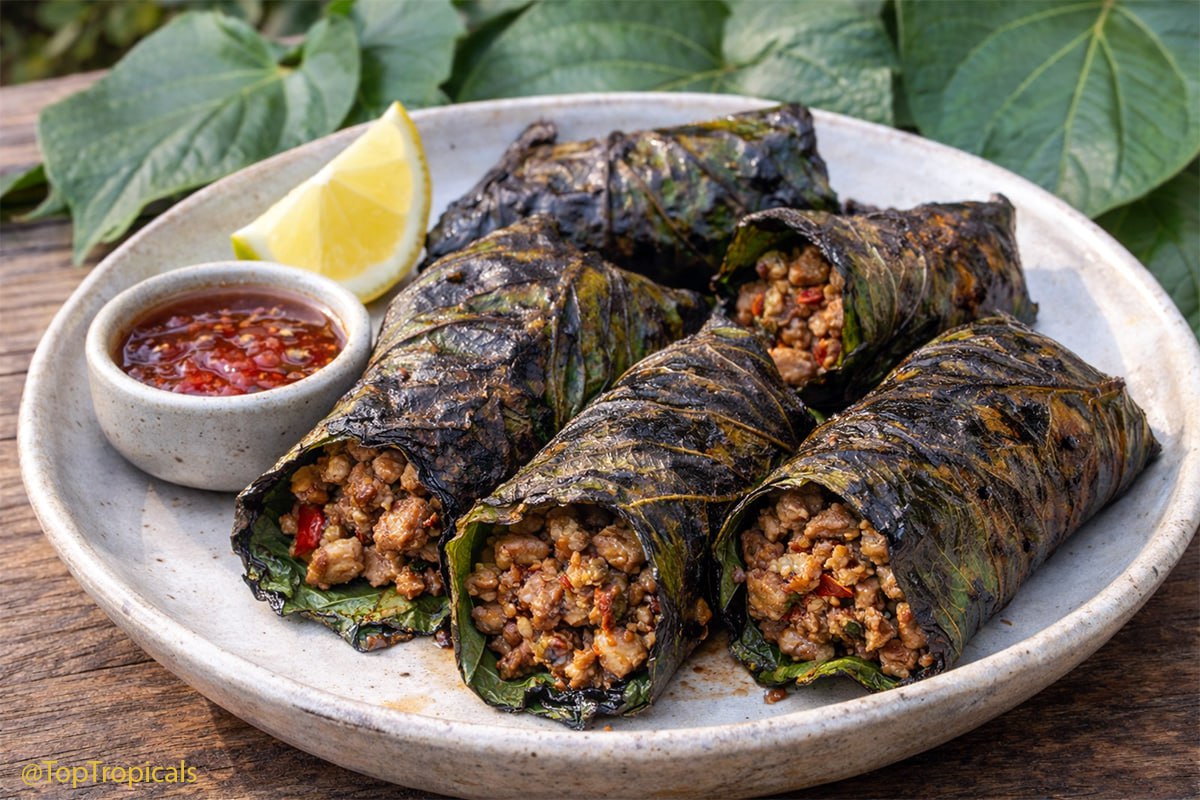
    Root beer leaf wraps: quick-n-fun exotic recipes

    Root beer leaf wraps

    Root beer leaf wraps

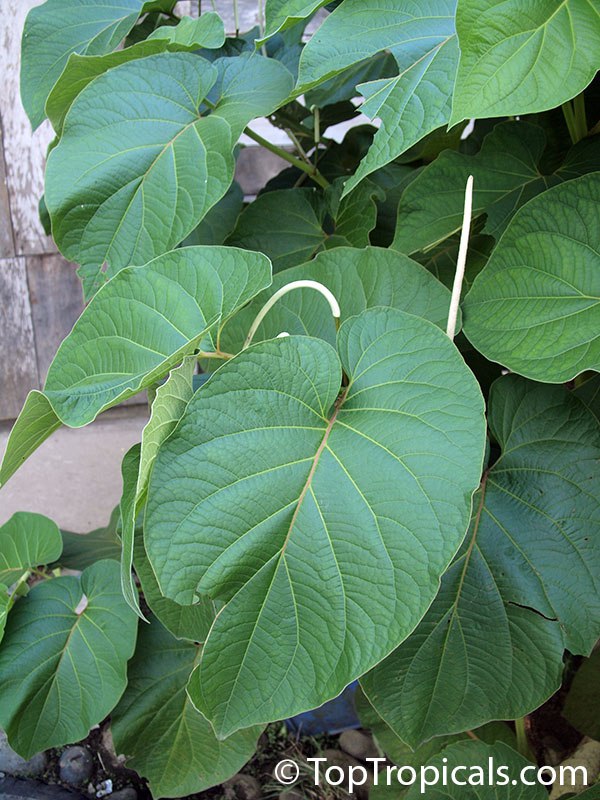
    Piper auritum - Root Beer Plant

    Piper auritum - Root Beer Plant

    🍴 Root Beer Leaf Wraps

    Ingredients

    • 6 to 8 large fresh Root Beer leaves (Piper auritum)
    • 1 lb ground meat or firm tofu
    • 1 small onion, finely chopped
    • 2 cloves garlic, minced
    • 1 tbsp vegetable oil
    • Salt and pepper to taste
    • Optional: chili flakes, paprika, or cumin
    • Lemon wedges, for serving

    Instructions

    1. Rinse the Root Beer leaves and pat dry. Trim thick stems if needed.
    2. In a bowl, mix ground meat or tofu with onion, garlic, oil, salt, pepper, and spices.
    3. Place a portion of filling onto each leaf and roll tightly into wraps.
    4. Grill over medium heat until the leaves are lightly charred and the filling is cooked through.
    5. Serve warm with lemon wedges or dipping sauce.

    ☘️ About the plant:


    Piper auritum - Root beer plant, also known as Acuyo or false Kava-Kava, is a large-leaved tropical herb native to Central and South America and also grown in the South Pacific. It belongs to the same family as Kava-Kava and black pepper. The leaves are prized for their bold, aromatic flavor, often described as root beer, anise, or clove-like. Traditionally, the leaves are chopped for seasoning or used whole as natural wrappers for meats, fish, and tamales.

    🌱 In the garden:


    Piper auritum is easy to grow in warm climates and forms a lush, fast-growing perennial. Its huge, soft leaves - often over a foot long - make it both edible and ornamental. It prefers warmth, moisture, and partial shade and is often mistaken for Kava-Kava due to its similar appearance and close relation.

    🛒 Plant the beautiful Root Beer Plant - it always will be with you

    📚 Learn more:

    Plant Facts

    Piper auritum
    Root Beer Plant, Mexican Pepperleaf, Hoja Santa , Veracruz Pepper, False Kava-Kava, Sacred Pepper
    USDA Zone: 9-11
    Large shrub 5-10 ft tallSmall plant 2-5 ftSemi-shadeShadeFull sunRegular waterKeep soil moistInvasive plantSpice or herb plantEthnomedical plant.
Plants marked as ethnomedical and/or described as medicinal, are not offered as medicine but rather as ornamentals or plant collectibles.
Ethnomedical statements / products have not been evaluated by the FDA and are not intended to diagnose, treat, cure, or prevent any disease. We urge all customers to consult a physician before using any supplements, herbals or medicines advertised here or elsewhere.Irritating plantSubtropical plant. Mature plant cold hardy at least to 30s F for a short time
  • Piper auritum - Root Beer Plant in Plant Encyclopedia
  • How to always have your own Root Beer
  • How to grow your own Pepper plants. Five most valuable 'Pipers'

  • #Food_Forest #Recipes

    🟢 Join 👉 TopTropicals

    Date: 2 Jan 2026

    Velvet Nopal tacos: quick-n-fun exotic recipes

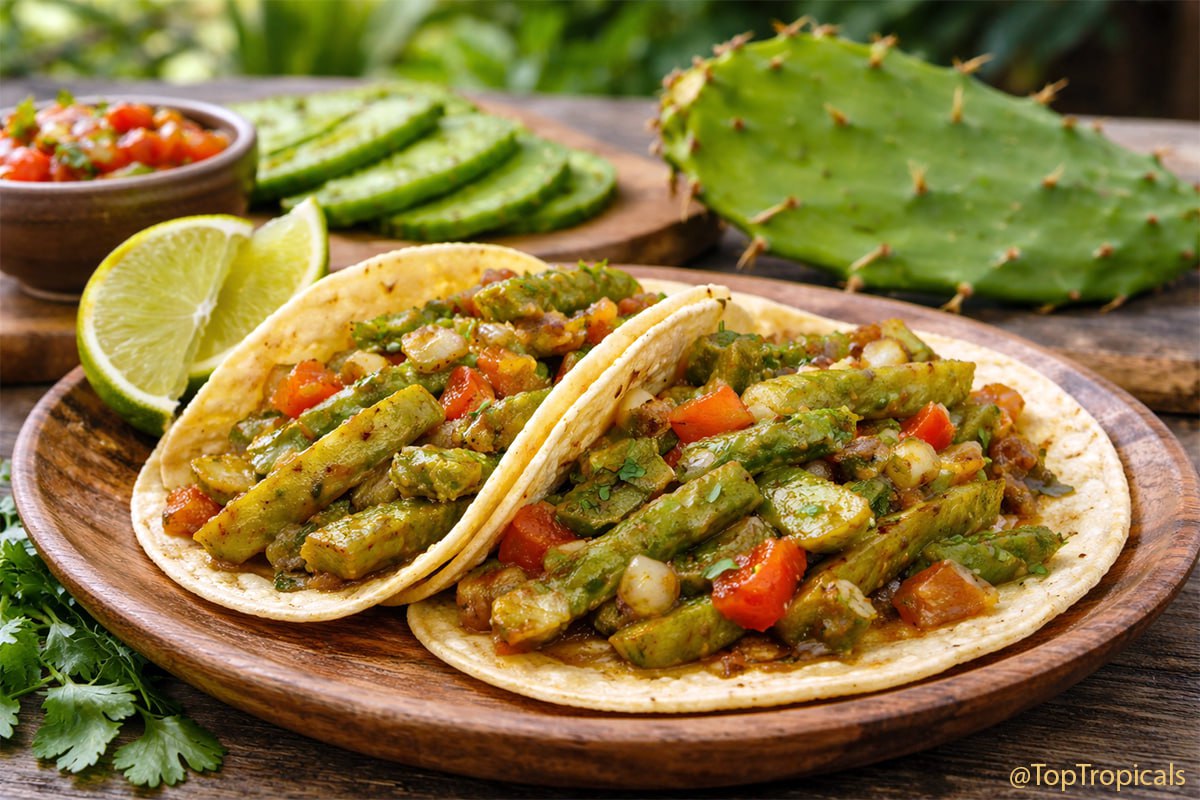
    Velvet Nopal tacos

    Velvet Nopal tacos

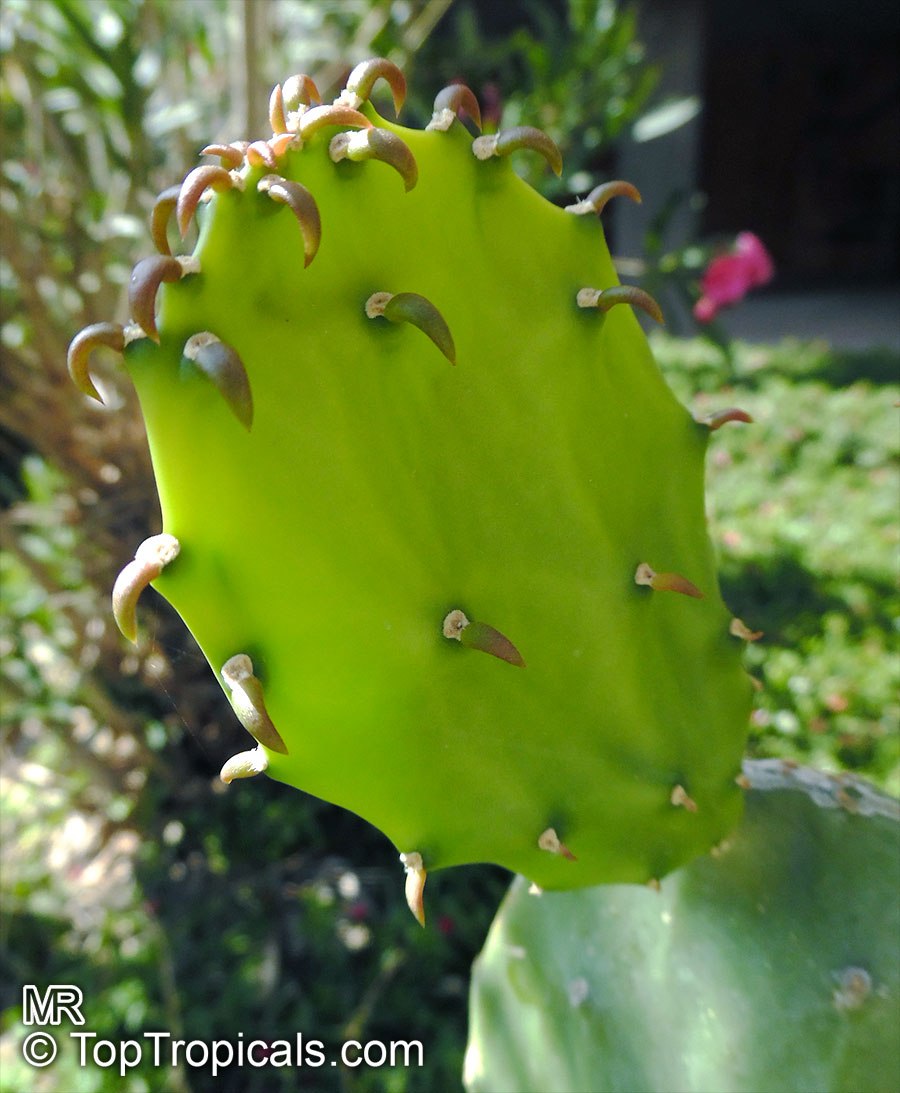
    Opuntia cochenillifera - Velvet Nopal Cactus, Prickly Pear

    Opuntia cochenillifera - Velvet Nopal Cactus, Prickly Pear

    🍴 Velvet Nopal Tacos

    Ingredients

    • 2 to 3 tender velvet nopal pads (Opuntia cochenillifera)
    • 1 small onion, diced
    • 1 small tomato, diced
    • 1 tablespoon vegetable oil
    • Salt to taste
    • Corn tortillas

    Instructions

    1. Remove spines from nopal pads and slice into strips.
    2. Boil the sliced nopal for 5 minutes, then drain well.
    3. Heat oil in a pan and saute onion until soft.
    4. Add tomato and cooked nopal, season with salt, and saute until tender.
    5. Serve warm in corn tortillas.

    🌵 About the plant:


    Nopal Opuntia (prickly pear cactus pads) is a cornerstone vegetable in Mexican cuisine and a long-standing staple across Central and South America. It is valued both as food and medicine. Traditionally eaten sauteed, grilled, or stewed, nopal is rich in fiber, minerals, and antioxidants. It is especially well known for its role in blood sugar management - many people who eat it regularly report significant improvement in diabetes control.

    🌱 In the garden:


    Prickly pear is a fast-growing, tough desert plant with showy red flowers. It thrives on neglect, tolerates drought, and also handles Florida rain surprisingly well. Easy to grow, productive, and edible, it is one of the most practical food plants you can add to your landscape.

    🛒 Add Nopal Cactus to your kitchen garden

    📚 Learn more:

    Plant Facts

    Opuntia cochenillifera, Nopalea cochenillifera, Opuntia nuda
    Cochineal Cactus, Warm hand, Velvet Opuntia, Nopales Opuntia, Nopal Cactus
    USDA Zone: 9-11
    Large shrub 5-10 ft tallSemi-shadeFull sunModerate waterRed, crimson, vinous flowersEdible plantSubtropical plant. Mature plant cold hardy at least to 30s F for a short time
  • Opuntia cochenillifera - Velvet Nopal Cactus, Prickly Pear in Plant Encyclopedia
  • Edible cactus with health benefits that your tortoise will love too

  • #Food_Forest #Recipes #Remedies

    🟢 Join 👉 TopTropicals