Garden Blog - Top Tropicals

Date: 16 Feb 2026

Yes, you can grow a mango tree on your patio - here is how to do it right
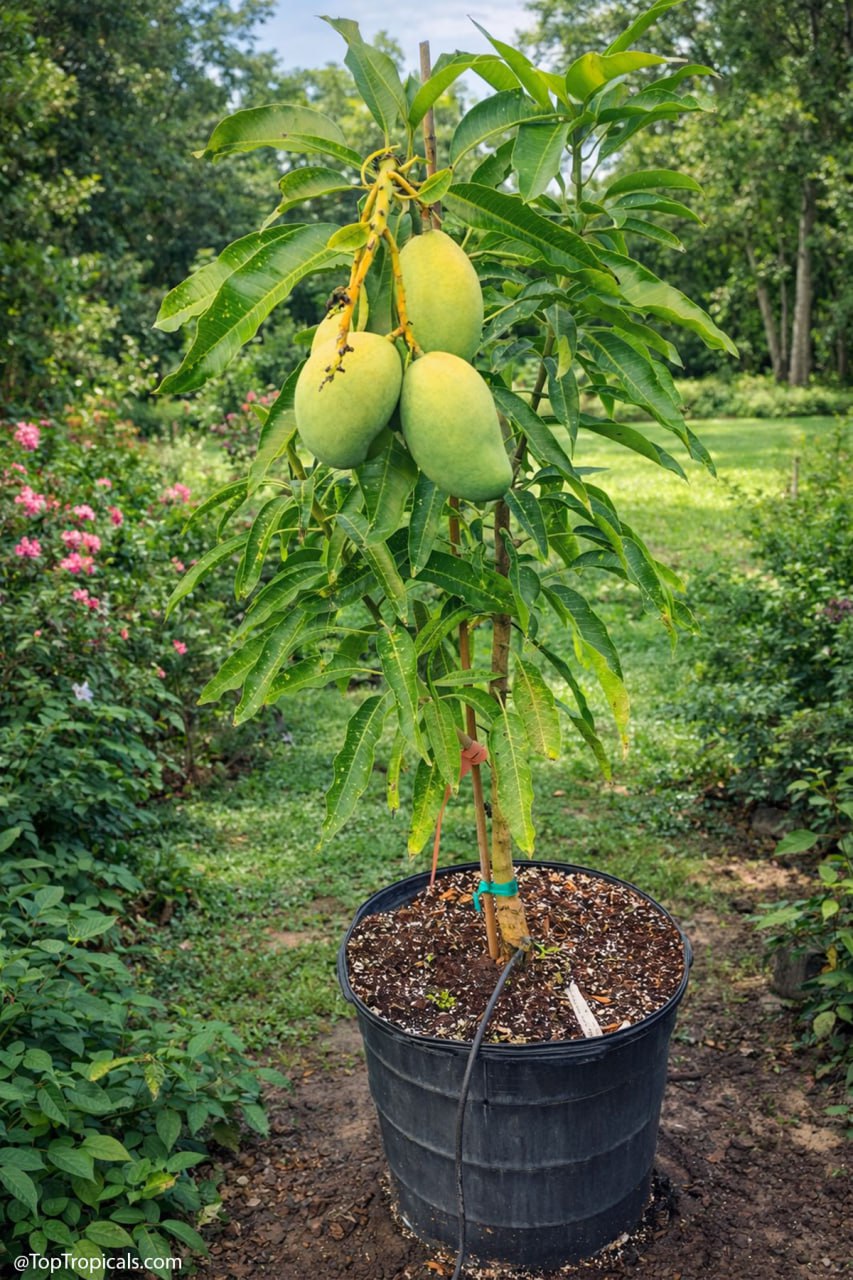
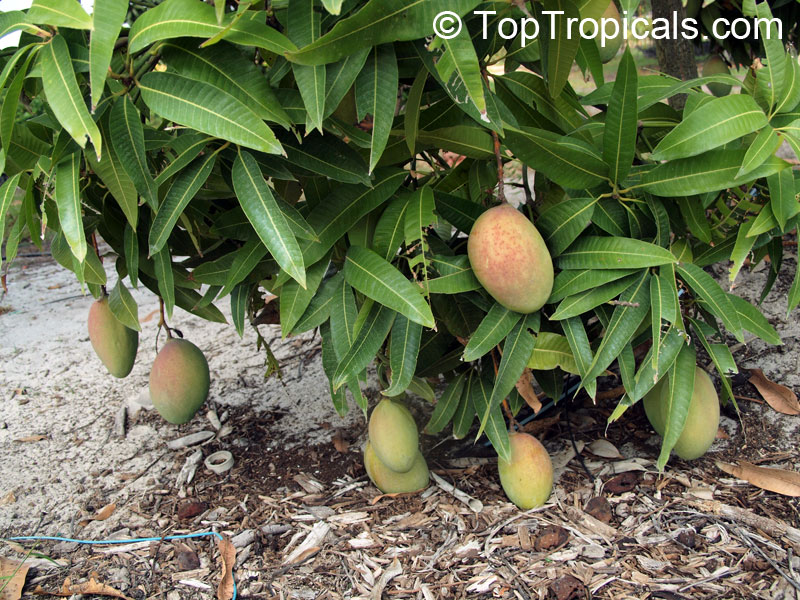
Mango fruiting in container

Mango fruiting in container

🥭 Yes, you can grow a container mango tree on your patio - here is how to do it right


Think you need a backyard orchard to grow mangoes? You don't. Mango trees grow very well in containers. Compact varieties, often called condo mangoes, stay naturally smaller and are well suited for pots, patios, and small yards. We grow and ship mango trees nationwide and have seen which varieties perform best in containers.

Mango Plant Facts

Botanical name: Mangifera indica
Also known as: Mango
USDA Zone: 9 - 11
Highligths Large tree taller than 20 ftSmall tree 10-20 ftFull sunWatering: Moderate. Water when top soil feels dryYellow, orange flowersPink flowersEdible plantSeaside, salt tolerant plant
Get personalized tips for your region


Growing mangoes in pots is also practical in cooler climates. The tree can be moved to protection during cold weather while still producing real fruit. Here is how to do it right.

🥭 Pick the right condo mango tree variety


Choose condo or semi-dwarf mango varieties that stay smaller and respond well to pruning. These mango trees usually stay 6 to 10 feet tall in containers with light pruning. Fruit size is full-size, just fewer than on large trees.

Good mango choices for pots include:
· Cogshall - compact and productive
· Pickering - naturally small and reliable
· Carrie - manageable size, great flavor
· Ice Cream - slow growing, narrow canopy
· Julie - classic Caribbean type
· more condo varieties...

🥭 Choose the right pot


Start small. Young mango trees do best in a 5- to 7-gallon pot. Oversized containers too early often cause overwatering and root issues.

Increase size gradually:
First pot: 5-7 gallons
Next size: 10-15 gallons
Mature container: 20-25 gallons

The pot must drain well. Mango roots dislike wet soil. Add holes if needed. Plastic, ceramic, and fabric pots all work.

🥭 Use fast-draining soil


Mango trees need air around their roots.
Use a loose, fast-draining mix, such as Abundance Professional Soilless Mix. Improve drainage with perlite, pine bark, or coarse sand. Avoid heavy or water-holding soils. Drainage matters more than fancy ingredients.

🥭 Water carefully


Mango trees prefer a wet-dry cycle.
Water deeply, then allow the top few inches of soil to dry before watering again. Always check with your finger first.
In warm weather, water once or twice a week. In winter, much less. Overwatering is the most common container mistake.

🥭 Give plenty of sun


Mango trees love sun and heat.
Place the pot in full sun with at least 8 hours daily. More sun improves growth and flowering.
If overwintered indoors, use the brightest window possible. Grow lights help, but outdoor sun is best when weather allows.

🥭 Fertilize lightly but consistently


Potted mango trees benefit from regular feeding during active growth.
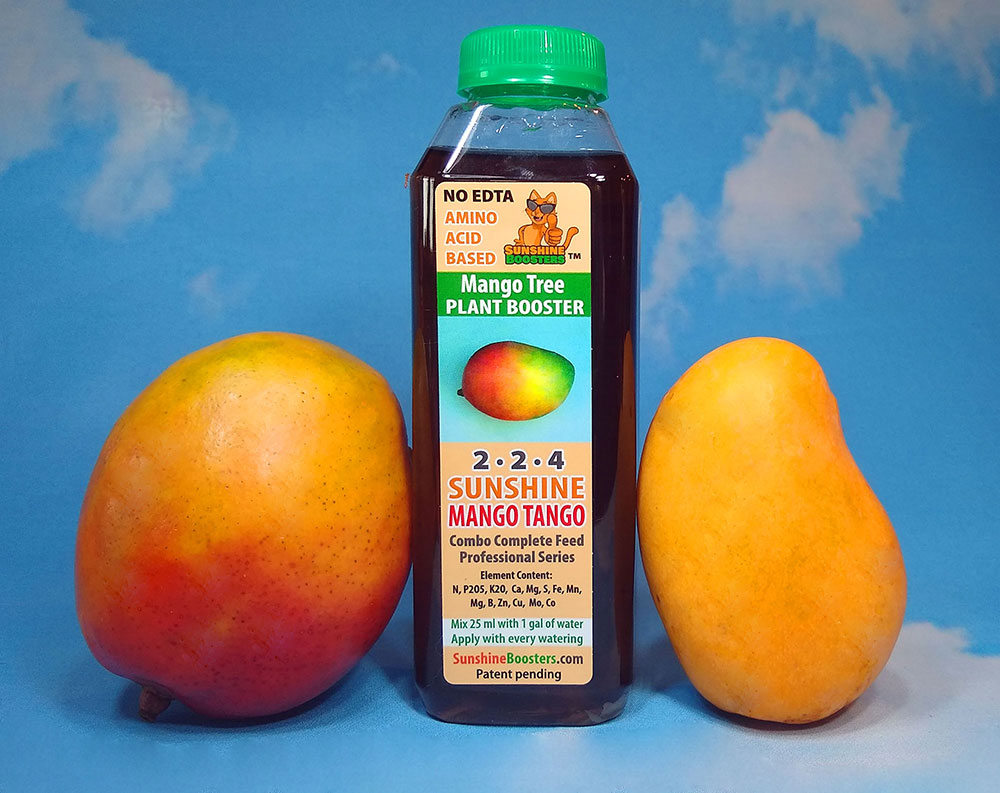
Use a balanced mango or fruit tree fertilizer such as Sunshine Mango Tango (safe to use with every watering, year-around). Controlled-release fertilizer Green Magic (every 6 months) work well too. Avoid excess feeding, which promotes leaves over flowers.
If leaves pale, check watering first, then nutrition.

🥭 Prune to stay compact


Pruning is essential for mangoes in pots.
Light tipping and trimming control size, encourage branching, and increase flowering points. Keep the canopy open and balanced. Watch how simple tipping works in real life: .
Avoid heavy pruning before flowering. Most pruning is best right after harvest.

🥭 Protect from cold


Mango trees are tropical and cold-sensitive.
When temperatures drop below 40F, move the pot to protection or indoors. Young trees are especially vulnerable.
During winter, reduce watering and stop fertilizing. Growth slows and the tree rests.
When warm weather returns, reintroduce the tree to sun gradually to prevent leaf burn.

🥭 Final thoughts


Growing a mango tree in a pot is practical and rewarding. With the right variety, good drainage, full sun, and careful watering, a potted mango can thrive and fruit for years, even in small spaces.
Ready to start? Choose a compact mango variety.


🛒 Discover Condo Mango

📚 Learn more:
Mango in Plant Encyclopedia
Mango Tree for Zone 5: top 15 Condo Mango for growing in cold areas
How long does it take for a mango tree to bear fruit?
What are the Condo Mangos - a practical guide
Top 10 Dwarf "Condo" Mango, great for container culture
Yes, you can grow an avocado tree on your patio - here is how to do it right

Avocado Plant Facts

Botanical name: Persea americana, Persea gratissima
Also known as: Avocado, Alligator Pear, Aguacate, Abacate
USDA Zone: 9 - 11
Highligths Large tree taller than 20 ftSmall tree 10-20 ftFull sunWatering: Regular. Let topsoil dry slightlyEdible plantSubtropical plant. Mature plant cold hardy at least to 30s F for a short time
Get personalized tips for your region


#Food_Forest #How_to #Discover #Mango

🟢 Join 👉 TopTropicals
Date: 7 May 2026

3 Best Trees for a Fast-Fruit Garden

3 Best Trees for a "Fast-Fruit" Garden

3 Best Trees for a "Fast-Fruit" Garden

3 Best Trees for a "Fast-Fruit" Garden 🍒

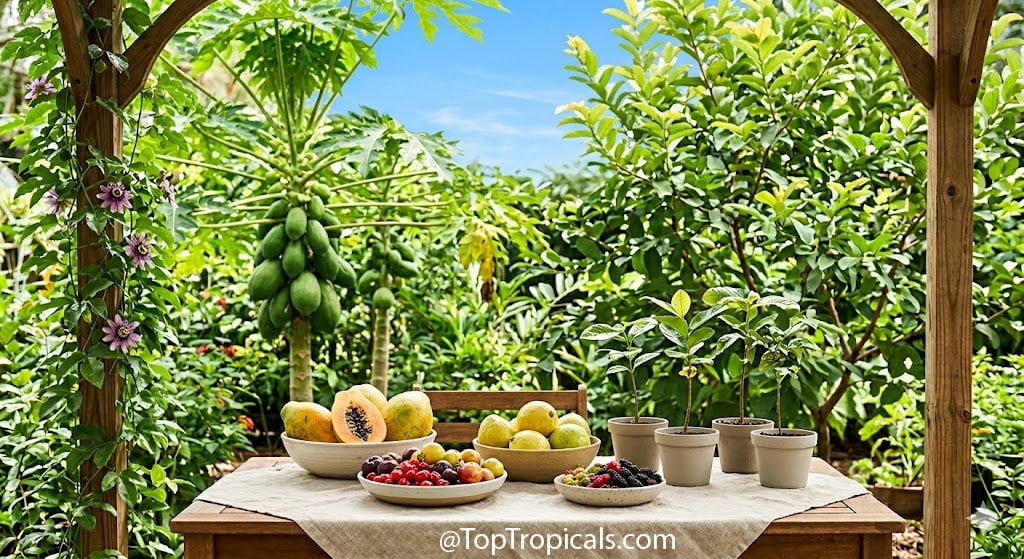
Want fruit without the wait? These tropical powerhouses deliver a "fast-food" garden in record time.

🍓 The Top 3 Speed Demons


1. The Favorite: Papaya 🍊
If you want speed, Papaya is king. It can go from a small seedling to heavy fruit in 6-10 months. It behaves more like a giant herb than a tree: it is fast, has shallow roots, and is incredibly responsive to water and fertilizer. In warm climates, it is a plant it and watch it go legend. More details

2. The Reliable: Guava 🍉
Guava is the most forgiving fruit tree you can own. It handles heat, poor soil, and the occasional week of neglect without missing a beat. Most varieties begin producing in just 1-2 years, staying compact enough for small yards or large pots. More details

3. The Surprise: Eugenias 🍒
This family (including Surinam Cherry, Grumichama, Cherry of the Rio Grande, and Pitomba) often flies under the radar. They look like ornamental shrubs, but they establish quickly and can fruit within year two. They handle pruning beautifully, making them perfect for edible hedges. More details

🍓 The Fast-Fruit Honor Roll


🍓 Ultra-Fast (Under 1 Year)


Papaya and Banana: The heavyweight champions of speed.
Strawberry Tree (Muntingia calabura): Non-stop cotton candy berries.
Grafted Favorites: High-quality Mango, Avocado, Peach, Nectarine, and Persimmon.

Mango Plant Facts

Botanical name: Mangifera indica
Also known as: Mango
USDA Zone: 9 - 11
Highligths Large tree taller than 20 ftSmall tree 10-20 ftFull sunWatering: Moderate. Water when top soil feels dryYellow, orange flowersPink flowersEdible plantSeaside, salt tolerant plant
Get personalized tips for your region

Avocado Plant Facts

Botanical name: Persea americana, Persea gratissima
Also known as: Avocado, Alligator Pear, Aguacate, Abacate
USDA Zone: 9 - 11
Highligths Large tree taller than 20 ftSmall tree 10-20 ftFull sunWatering: Regular. Let topsoil dry slightlyEdible plantSubtropical plant. Mature plant cold hardy at least to 30s F for a short time
Get personalized tips for your region

Peach Plant Facts

Botanical name: Prunus persica, Amygdalus persica
Also known as: Peach
USDA Zone: 5 - 10
Highligths Small tree 10-20 ftFull sunWatering: Regular. Let topsoil dry slightlyWhite, off-white flowersPink flowersEdible plantDeciduous plantSubtropical plant. Mature plant cold hardy at least to 30s F for a short time
Get personalized tips for your region


🍓 Very Fast (1-2 Years)


The Berries: Mulberry (especially Everbearing), Fig, and Barbados Cherry.
The Exotics: Strawberry Guava, Loquat, and the curious Peanut Butter Tree (Bunchosia).
The Sweet Treats: Blackberry Jam Fruit (Randia formosa).

🍓 Tropical Staples (2-3 Years)


Starfruit (Carambola): A heavy producer that looks stunning in the garden.
Annona Family: Sweet Sugar Apples and creamy Atemoyas.
Macadamia Nut: A long-term investment that starts surprisingly early.

🍓 Fast Climbers and Bush Fruit


Passionfruit: Will cover a fence and fruit in a single season.
Berries: Mysore Raspberry and classic Blackberries for quick returns.

🛒 Ready to harvest? Shop the "Fast-Fruit" Collection

📚 Learn more:


· Eugenia cherries in Plant Encyclopedia
· 10 best fruit trees to grow in Florida and Southern landscapes
· Top 10 fast-fruiting trees
· 5 fast-growing fruit trees and shrubs for quick, low-effort harvests (Top Tropicals experts for Martha Stuart)

#Food_Forest #How_to #Discover

🟢 Join 👉 TopTropicals

Date: 26 May 2021

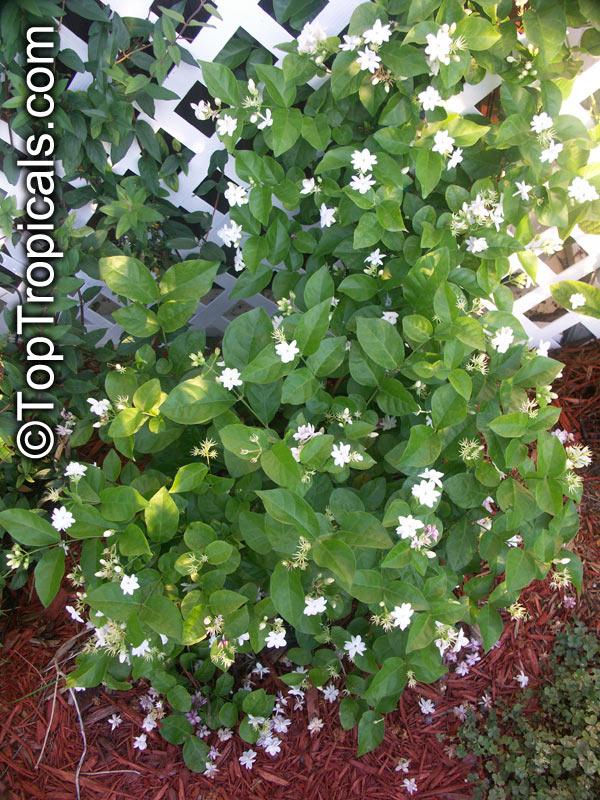
Jasmine for a fence

In the photo: Jasmine Maid of Orleans

Q:We are looking for a jasmine variety without thorns that we can grow on a wire fence...

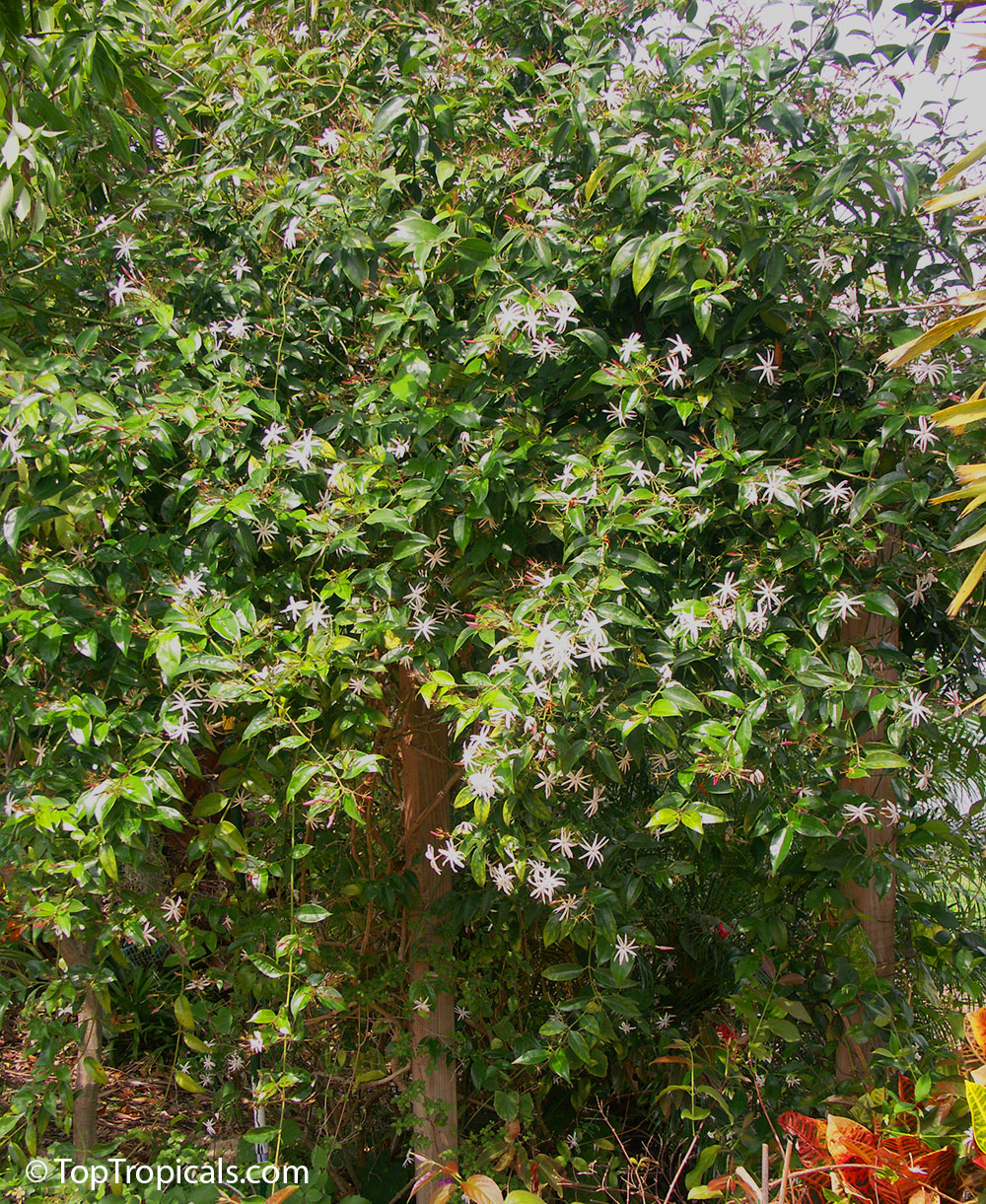
A: All true jasmines (Jasminum spp.) are thornless. So you are safe to get anyone you like. The most vigorous, fast growing jasmines that grow into a vine, are:
Jasminum dichotomum
Jasminum pubescens
Jasminum nitidum
Jasminum officinale
Jasminum sambac Maid of Orleans - the most fragrant!

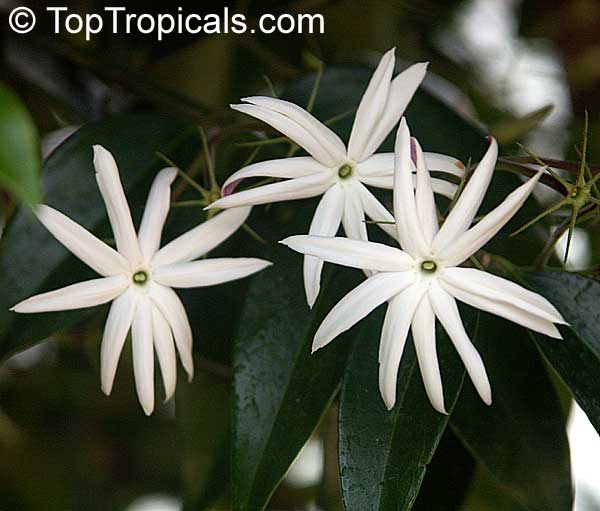
In the photos: Jasminum nitidum (Star Jasmine)

Date: 30 Aug 2020

Healthy Plant Food

Q&A from Mr Booster

How to make Mango tree fruit

Q: Hello, I have a five-year-old Lemon Meringue tree that has only given me fruit one year. It put out about 50 mangoes and has done nothing for the past three years. Do you recommend any vitamins or any of the nutrients that you guys sell to help with this for next season?

A: We've had very similar problem with our Nam Doc Mai Mango tree, fruited once and no more next year. Usually the reason is nutrients deficiency, here in Florida we have poor soils. We applied Mango-Tango tree booster and it started flowering within a couple of weeks.
Generally, Mango flowering season is over by now, however, we recommend to feed the tree starting now, during active growth season. This way it will get better established before winter and also will store away all elements necessary for triggering flowering and fruiting. So by late Fall through Winter it will be ready to flower.
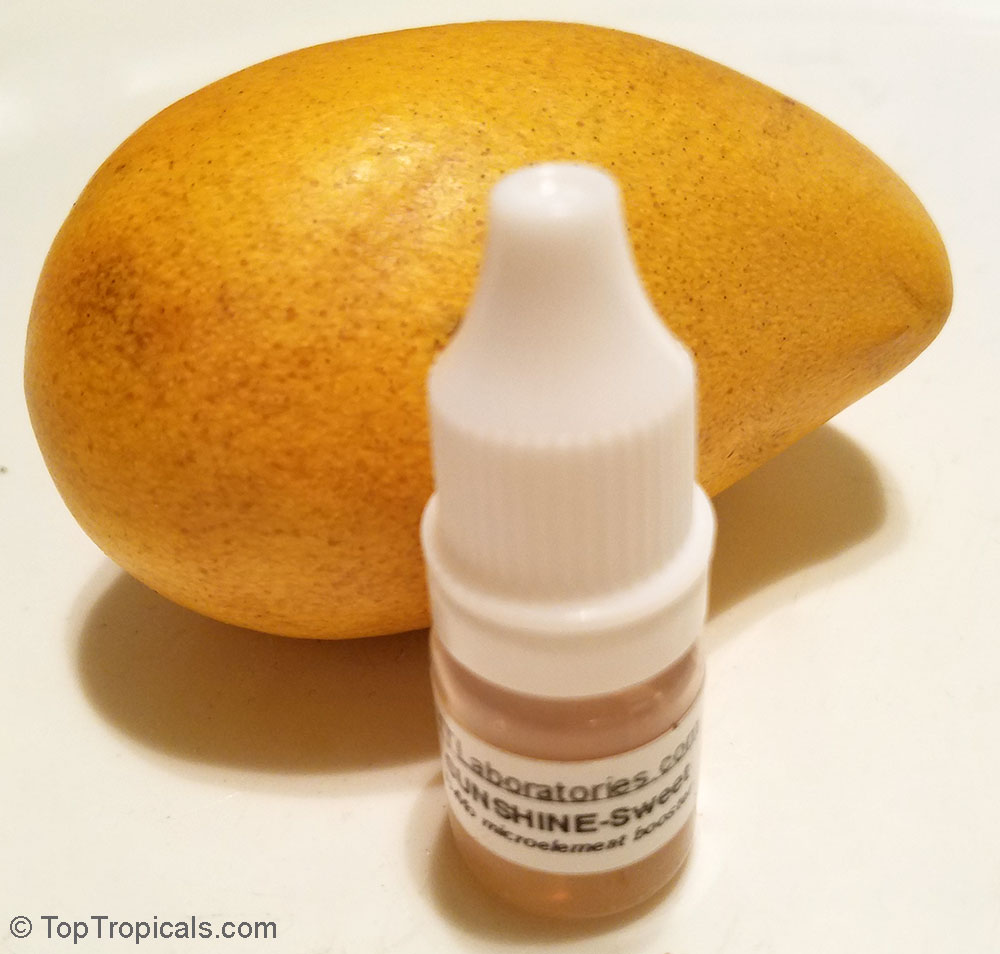
Along with the fertilizer, additional micro-element supplements will be beneficial. For improving fruit quality and increasing number of flowers, we also recommend to use SUNSHINE-Honey - sugar booster

SUNSHINE Mango Tango - Mango Tree Booster, for healthy mango trees and profuse fruit production.

SUNSHINE Honey - a natural supplements that makes fruit sweeter, and increases fruit quantity and quality.

Date: 18 Oct 2019

Using SUNSHINE Complete Nutrition System

For hydroponics and potted plants

Q: I recently bought both the 5ml of the sunshine epi and the 100 ml advanced nutrition kit. I read on the paper for the Epi not to use any other strong fertilizers along with this but I was wondering if it'd be alright to use both this foliar spray and nutrition watering together?

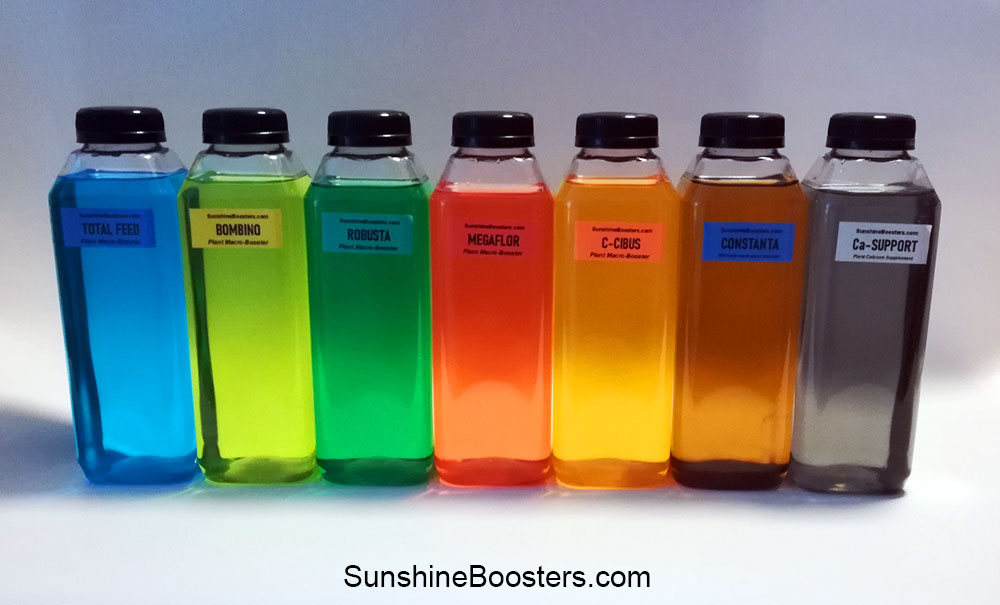
A: All solutions in SUNSHINE Booster Nutrition System (NPK-macro and micro-boosters) are compatible.
The only exception is Sunshine-Epi - brassinosteroid bio-stimulant. Epi should be mixed with distilled water separately from other boosters. The reason is, it is very bio-active, and if mixed with other compounds, oxidizes quickly which may affect its performance.

Sunshine-Epi solution must be prepared using distilled water and applied as foliar spray only (it only works on contact with leaves and not through the root system). Epi shows extremely impressive results when you apply it before the application of other nutrients because it increases plant metabolism; so all boosters become even more effective if you spray Epi the day before.

When using Micro- and Macro-boosters, you may mix all components in one watering can/tank (except for Epi), using regular tap water. Besides watering root ball, the macro-micro solution can be also used for foliar spray. It is optional, as in some circumstances growers prefer to keep leaves dry at all times: to stay away from mold, fungus and other issues caused by the wet environment.

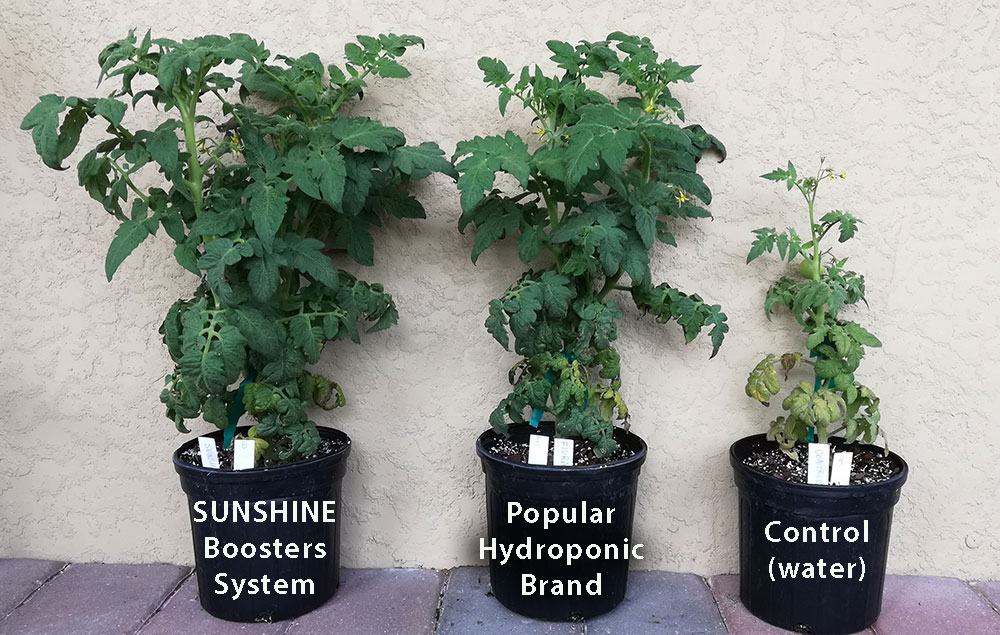
Here is an example of Sunshine Boosters Nutrition System application:
1. Daily watering in one can: NPK 25 ml/gal (one of 5, depending on growth stage) + Constanta 5 ml/gal + Ca-Support 5 ml/gal, mixed in tap water
2. Every 2 weeks: spray Sunshine-Epi 2.5 ml/gal - to boost the immune system and growth rate, mixed in distilled water
3. From daily to every 2 weeks: Sunshine-Power-Si 25 ml/gal to protect from diseases and keep pH at 5.5-6.5. Can be used as often as daily and mixed with a daily watering solution (1)
4. As needed: Sunshine SuperFood and GreenLeaf - for correcting deficiencies. Can be also mixed with the daily solution (1)

Make sure to prepare a solution right before use and do not store solution for more than 1 day. Keep concentrates and solutions protected from bright sunlight.

Here is also advanced information on Sunshine Boosters compatibility.

READ MORE >>>