Garden Blog - Top Tropicals

Date: 10 Aug 2025

Tuxedo  cat  planting  tropical  tree  with  Sunshine  Boosters  bag,  orange  cat  waving  to  kitten  with  backpack  by  school  bus  in  sunny  garden 
 scene.

🌺 Back to School and Back to Planting – Cats in the Garden

Back to School, Back to Planting – Why August Works for Tropicals

Planting Season Isn't Over Yet

August is still a good month for planting tropicals in warm climates. The soil stays warm enough to push root growth, and late-summer weather gives plants time to settle in before winter. In drier areas, regular watering will keep them moving along just fine.

Tropicals in warm climates aren't usually harmed by cooler Winter weather, but as days get shorter, growth may slow down. This is why planting in late Summer-Fall lets roots grow during this last warm stretch, so the plant enters winter already established.

By spring, those roots are ready to drive new shoots, flowers, and fruit. There's no lost time to transplant shock - plants can get straight to blooming and fruiting earlier in the season.

August Planting FAQ

How can heat be prevented from harming new tropicals?

Water in the morning so plants start the day hydrated. Warm soil is good for root growth, but don't let it dry out.

How should new plants be protected from strong sun?

For the first couple of weeks, use a shade cloth or even a white bed sheet to soften midday sun and prevent leaf scorch.

What fertilizer works best for planting in summer heat?

Controlled-release types are best. We use professional grade Green Magic. You may pair it with Sunshine Boosters for steady, gentle feeding through the warm months.

Which tropicals grow best when planted in August?

Most tropical plants do well when planted in warm end-of-summer conditions, including Mango, Avocado, Guava, Jackfruit, Annona, Bananas, Orchid Trees, Jasmines, Allamanda and most of flowering trees, shrubs and vines.

Can tropical trees planted in August produce fruit next year?

Many can, especially fast growers, since they have established roots by the time spring growth begins.

How can tropicals be kept healthy when planting in August?

Mulch around the base to help prevent soil from drying out too quickly. Water deeply in the morning to help plants handle the heat.
Shop Flowering trees

Shop Fruit trees and edibles

Date: 24 Nov 2025

One fruit on this tray always stumps people

Tropical fruit on a tray

One fruit on this tray always stumps people


🍉 Another day, another fruit tray from the garden! Even at the end of November, something is always ripening here in Florida. This tray turned out especially fun - a mix of familiar fruits and a couple that always make people guess twice!

🍉 Today’s harvest includes: sweet Persimmons, Star fruit, a few different dragon fruits: yellow Palora and white with red skin - this is Seoul Kitchen. There's also Cocoplum, which makes great drinks. And - ta-da! - the little showstopper of the day: Curly Locks Orchid Cactus fruit (Epiphyllum guatemalense Monstrosa). It looks wild, but it's edible and tastes like a tiny dragon fruit.

🍉 If you live in Florida or any warm climate, growing your own fruit is one of the best gifts you can give yourself. Tropical fruit trees are generous plants - they don’t wait for a season, they give you something month after month. Some days it’s a handful, some days it’s a whole tray, but there’s always a fresh treat waiting. Once you start growing your own food, you realize how easy and rewarding it is to fill your garden with flavor.

🍉 Every tray has a new surprise. Come along and see what the garden gives us next!

🛒 Explore rare tropical fruit

📚 Learn more:
Can you name all the fruits on this tray?
Weird cactus looks like pasta with Dragon Fruit
Cocoplum: secret fruit in your hedge
Pitaya vs Dragon fruit - what is the difference and how to grow it?
How soon will Persimmon tree fruit?
10 best fruit trees to grow in Florida and Southern landscapes
Top 10 fast-fruiting trees

#Food_Forest #Discover

🟢 Join 👉 TopTropicals

Date: 29 Nov 2025

What will bloom for you in November: Gardenia nitida - Shooting Star

Gardenia nitida - Shooting Star

Gardenia nitida - Shooting Star

Gardenia nitida - Shooting Star

Gardenia nitida - Shooting Star

⭐️ What will bloom for you in November: Gardenia nitida - Shooting Star


⭐️ It's end of November and let's see what's in bloom today.
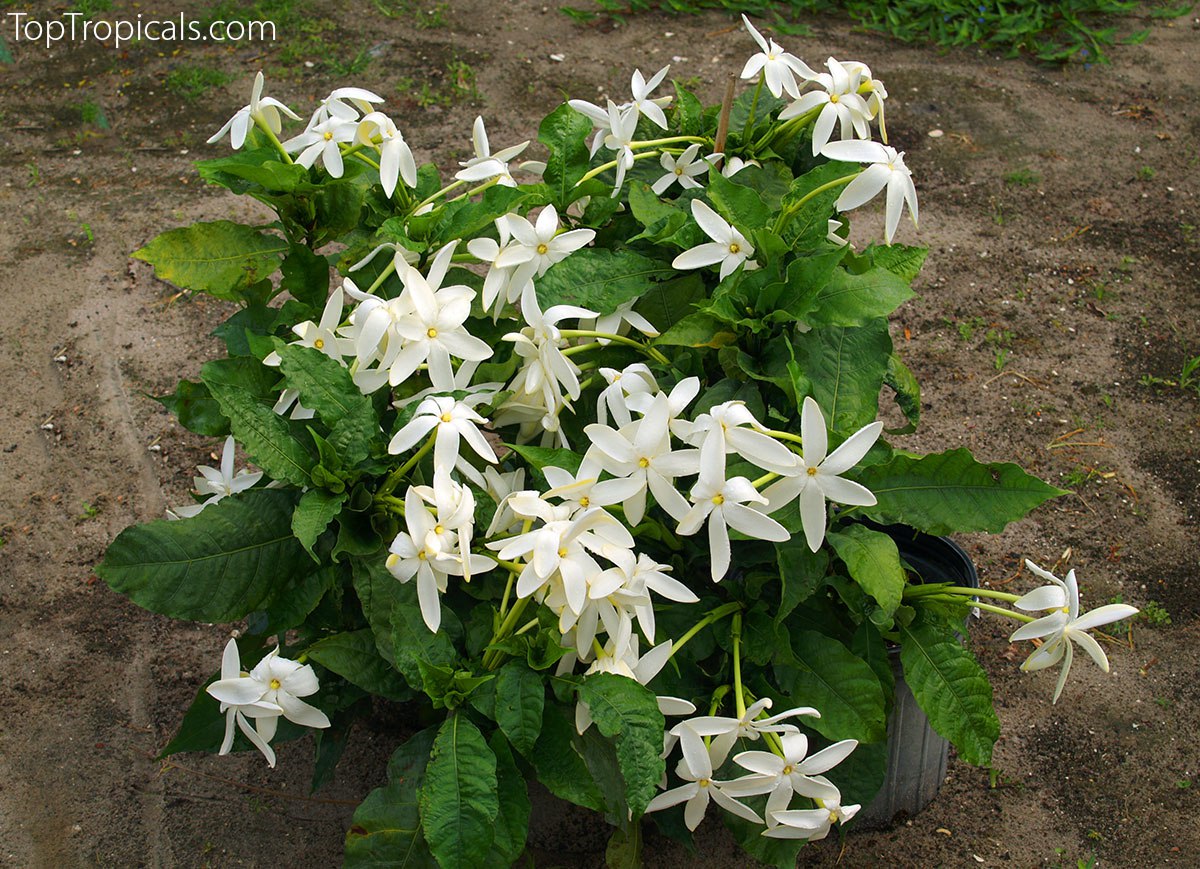
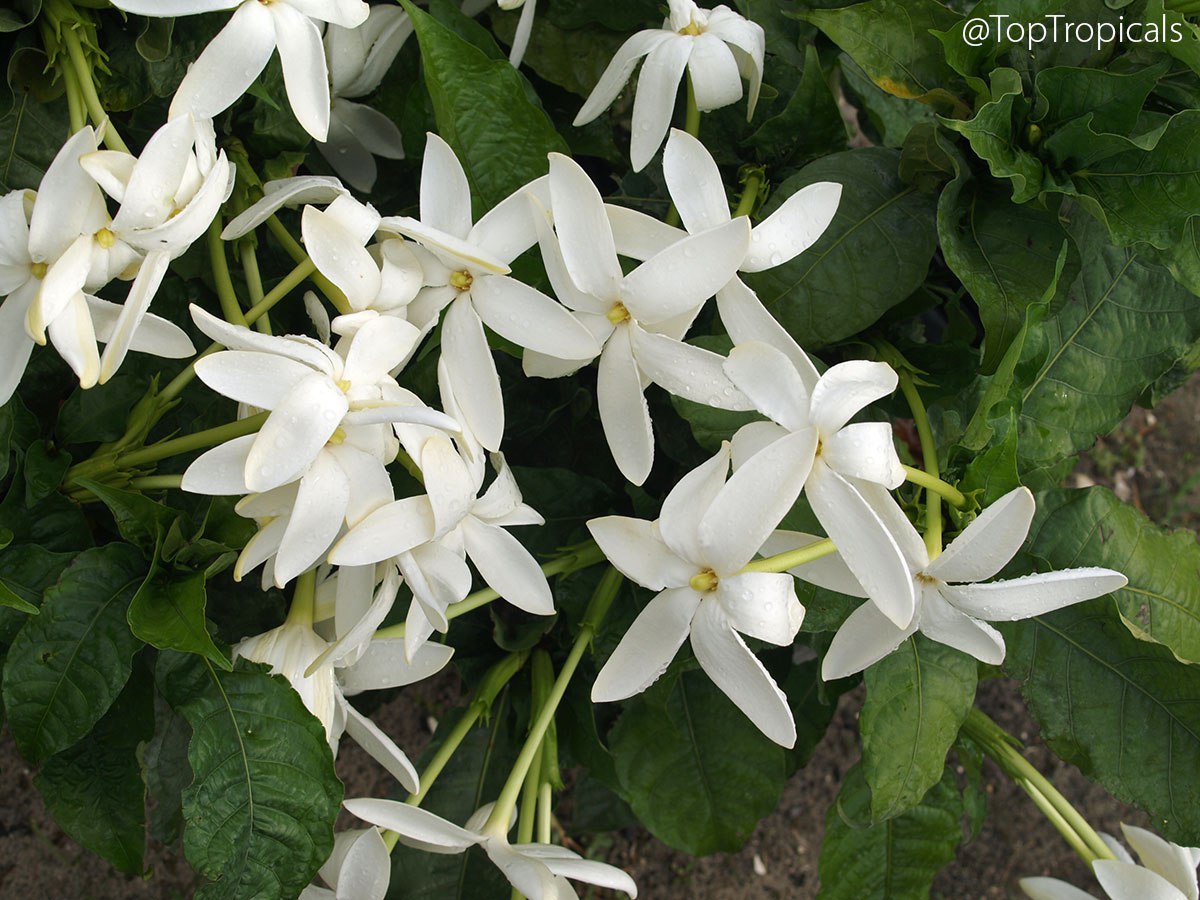
Gardenia nitida - the Shooting Star Gardenia - is looking absolutely perfect right now. This is one of the most unusual gardenias you’ll ever run into. Native to tropical Africa, slow-growing, elegant, and honestly… it doesn’t even look like the regular gardenias people are used to.

⭐️ The leaves are the first giveaway. Instead of the thick, waxy look of common gardenias, this one has big, soft, diamond-shaped leaves that give the whole plant a delicate, almost tropical-orchid vibe. The shrubs grow into neat, rounded shapes, so they do great in containers or smaller garden spaces.

⭐️ And the blooms… they’re happening right now! Long, skinny white tubes that flare open into bright little starbursts. They show up in clusters, and when the sun hits them, they really do look like tiny shooting stars across the plant. The fragrance is sweet, rich, and drifting all over the walkway even before you get close.

⭐️ It blooms several times a year, but this moment - right now, heading into winter - is one of its best. If you like rare fragrant plants, this is one of those collector pieces you don’t see every day, especially looking this full and this fresh.

🛒 Get the Shooting Star to light up your garden in Winter

📚 Learn more:

Gardenia Plant Facts

Botanical name: Gardenia nitida, Gardenia posoqueria
Also known as: Gardenia
USDA Zone: 9 - 10
Highligths Large shrub 5-10 ft tallFull sunWatering: Regular. Let topsoil dry slightlyWhite, off-white flowersPlant attracts butterflies, hummingbirdsFragrant plant
Get personalized tips for your region

More about Gardenia nitida from Plant Encyclopedia

📱 Watch YouTube short videos:


You thought you knew Gardenias, until you saw this one
Shooting Star Gardenia: a rare scent from Africa

#Perfume_Plants #Hedges_with_benefits

🟢 Join 👉 TopTropicals

Date: 10 Oct 2016

Cold protection - winter action for your plant collection

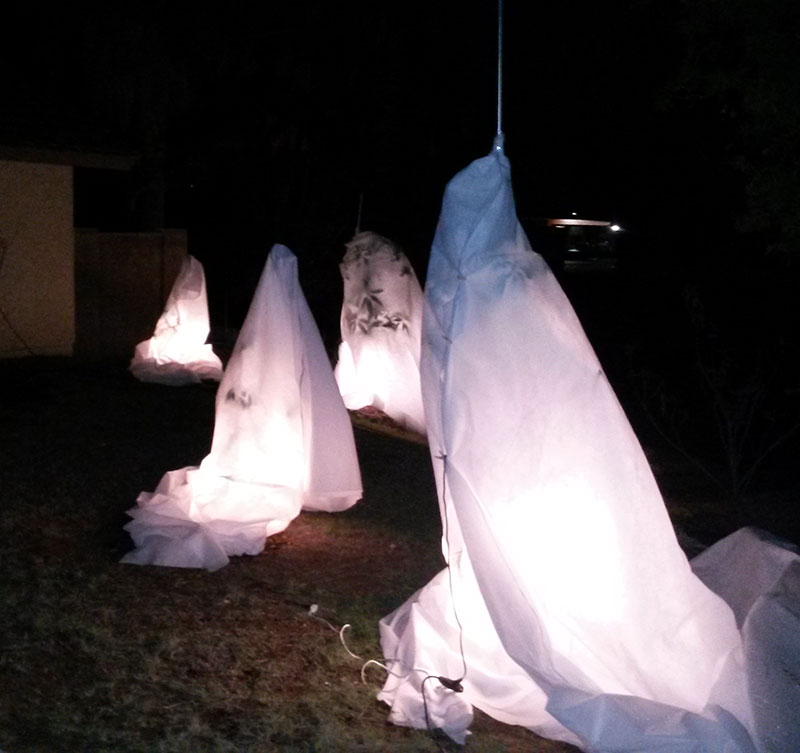
A note from our customer: Last winter was very cold here in Arizona, lower 30's. I used white synthetic sheets (called frost cloth, it is very light and yet effective) to cover my fruit trees, and kept simple light garlands on for the whole night. Sending you couple photos so you can share with others. It worked pretty well for my plants and no cold damage!

With winter approaching, it is time to take some actions to protect your rare plants from cold stress and damage.
If you live in a mild climate, you still need to get ready for the cold nights. When expecting a cold night, individual plants and trees can be wrapped with sheets, or blankets, to protect them from the wind chill. Christmas lights is a good idea for an additional warm up.

For large collections of tropical plants, temporary winter greenhouse doesn't have to be expensive. An easy-assembly mobile carport from a hardware store covered with a plastic or fabric will cost you $100-200. It can fit a hundred plants or more!

If you live in area with a hard freeze, Southern exposure windowsill will work for most of the compact tropicals providing proper care. Larger collections may also move into your garage for a few cold nights, or for longer periods if the garage has a bright light source.

Factors affecting tropical plant winter survival:

1. Duration of cold period. Tropical plants can't stand long periods of cold. A few days of even upper 30's may kill a tropical plant. A few hours of frost may cause leaf drop but the plant will recover.
2. Minimum temperature - of course, the warmer the better. But see 1) - if cold is not for too long, it may be OK.
3. Wind-chill can be more dangerous than low temperatures.
4. Exposure. Southern slopes get warm during daytime and stay warm longer.
5. Protection with a house, fence, larger trees - where a "pocket" of warm air forms and stays - is beneficial.
6. Humidity. A lake or a river nearby (especially ocean) will mild the micro-climate.
7. Individual species hardiness. Don't try to grow Orchid Tree outdoors in New York.
8. Plant maturity and health. A well-established plant with developed root system has more chances to survive cold. If a plant had a good change to develop during warm season (bright light, enough water, fertilizer), it will be more cold hardy. Healthy plant can withstand lower temperature, so proper nutrition is important, including micro-element applications. Large specimens, even ultra-tropical, may survive cooler winter than they normally do in their natural habitat. The Nature provided plants with better hardiness level than it is normally used. To boost plant immune system and improve cold tolerance even more, use SUNSHINE plant boosters. SUNSHINE-T - thermo-protection booster, is specially formulated for winter protection of tropical plants. To improve cold hardiness, spray 1-2 days prior to cold with 5 ml/1 gal solution and continue applications with 2.5 ml/1 gal solution every 10-15 days throughout winter period.
9. Gradual temperature decrease is less dangerous than a sudden drop since it gives a plant a chance to adjust. One sudden freeze in December with prior warm fall may create more damage than a gradual temperature adjustment. If it starts to get cold early in the Fall, plants slow down their metabolism, and the new tender growth won't get hurt later in winter, since the plants are "expecting" the cold.
10. Do not fertilize plants during cool months. Not only because they don't need much food beyond growing season, but also because fertilizer (especially Nitrogen) encourages rapid tender growth that will be damaged by cold and this will stress the whole plant.

Stay warm!

Date: 23 Jul 2016

Leo Zodiac lucky plants

Leo - 7/23-8/22. Naturally, Leo is a FIRE sign ruled by the brilliant Sun. Leo's plants are usually large and gold or orange in color, have heart-shaped leaves or a radiating shape, or have association with victory (like the Bay Leaf). Leo loves this colorful and special spice, which is known for amplifying prosperity and abundance.

The part of the body ruled by Leo the Lion is the heart. Plants related to Leo are primarily associated with the cardiac system, but also with the spine, the thymus gland, and the eyes. They strengthen and tone the heart, regulate blood pressure, raise the spirits and have an uplifting effect. Keep in mind that all cardio-active medicinal herbs should be used only in consultation with a qualified professional.

Leo Zodiac lucky plants: Sunflower tree, Delonix, Hibiscus, Abutilon, Mahoe, Hawaiin Sunset Vine (Stictocardia), Campsis, Passion flower, Calendula, Mexican Flame Vine, Bay Leaf, Safflower, Mint, Rosemary, Ruda - Ruta graveolens, Marigolds, Sunflowers, Palm trees, Lemon and orange trees, Grapefruit, Dieffenbachia , Croton, Lemon Balm, Chamomile, Tarragon, Kaligottu (Stereospermum chelonoides), Bel Fruit, White Madaar, Peppers, Pineapple, Coconut, Anise, Heliotrope, Gingers, Lavender, Ashoka Tree, Dombeya, Jacquemontia, Lychee, Mulberry, Philodendrons, Macaranga, Anthuriums, Aphelandra, Orchid trees, Leonotis.

For other signs information, see full Plant Horoscope.