Garden Blog - Top Tropicals

Date: 12 Dec 2025

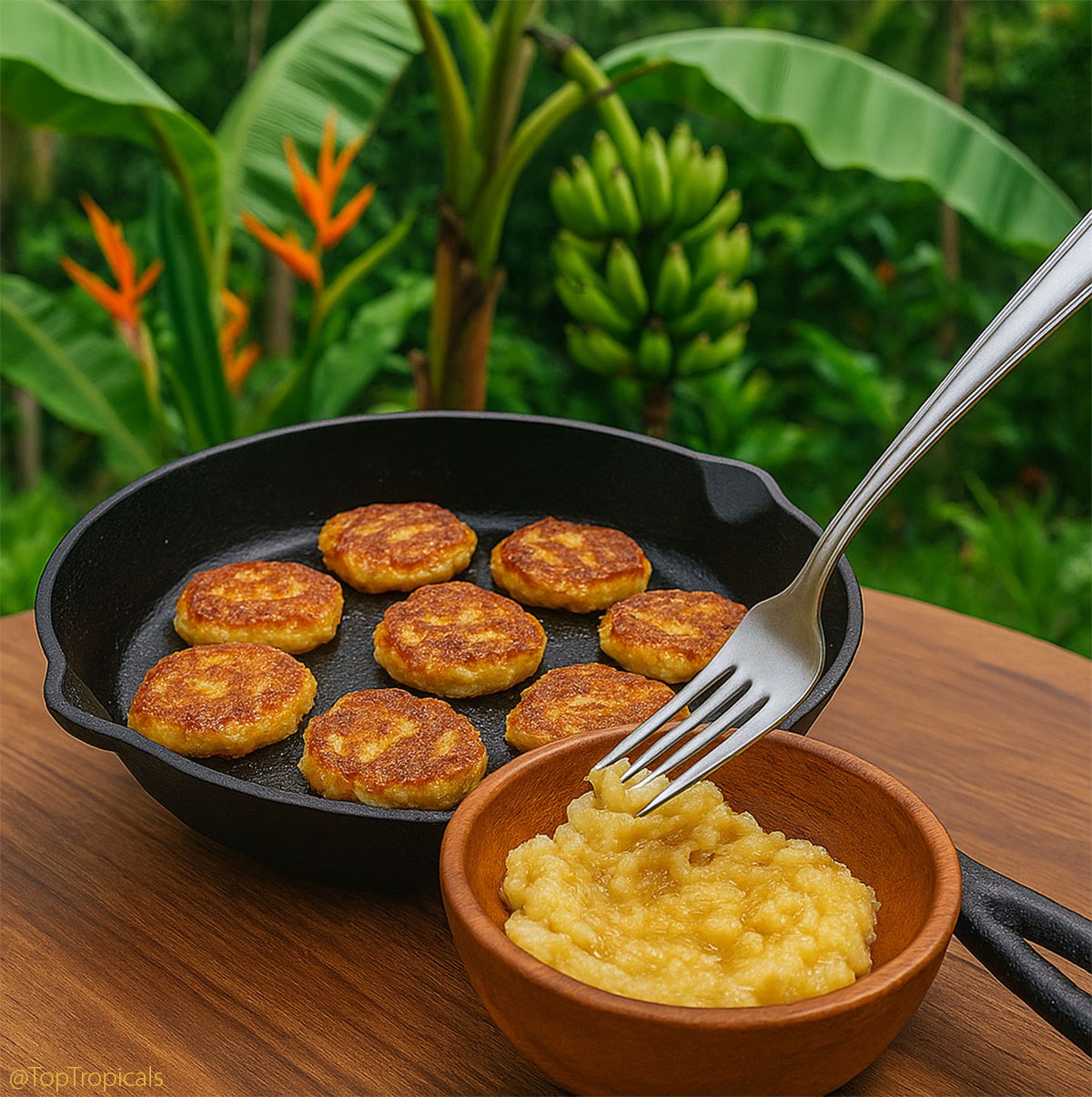
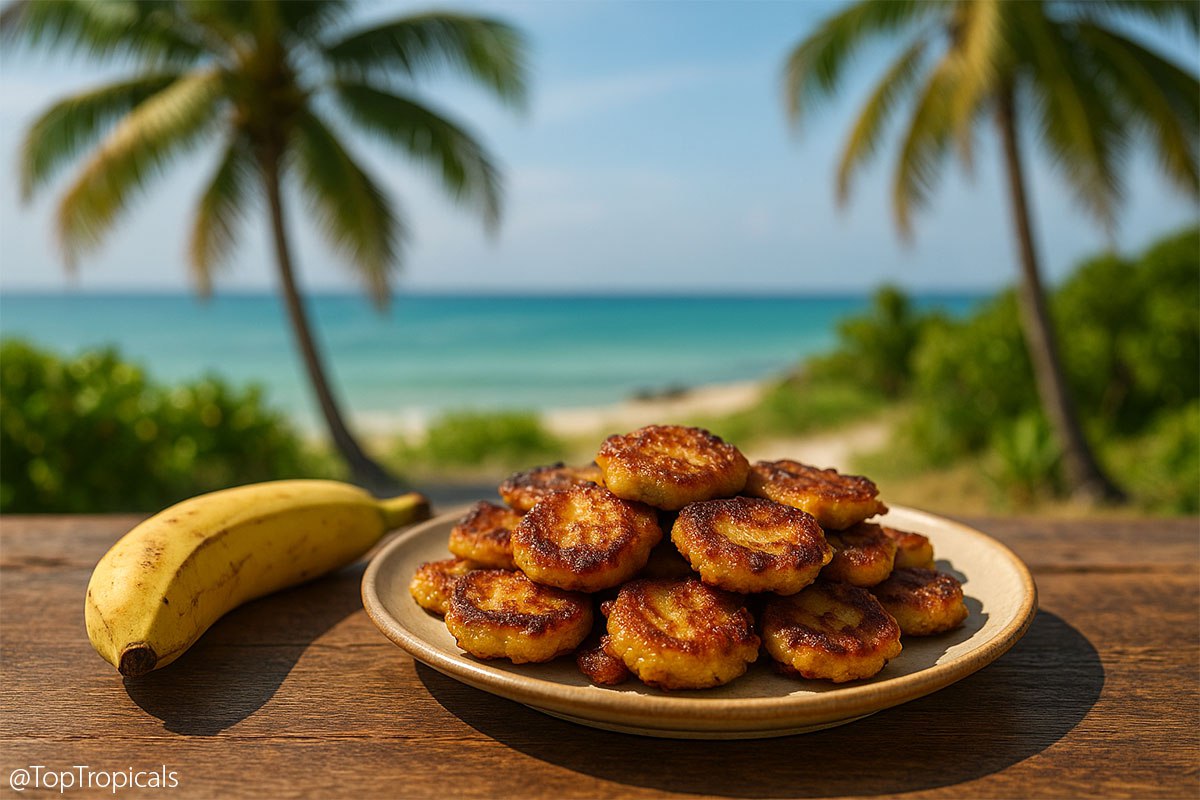
Banana skillet fritters: quick-n-fun exotic recipes

Banana skillet fritters

Banana skillet fritters

Banana skillet fritters

Banana skillet fritters

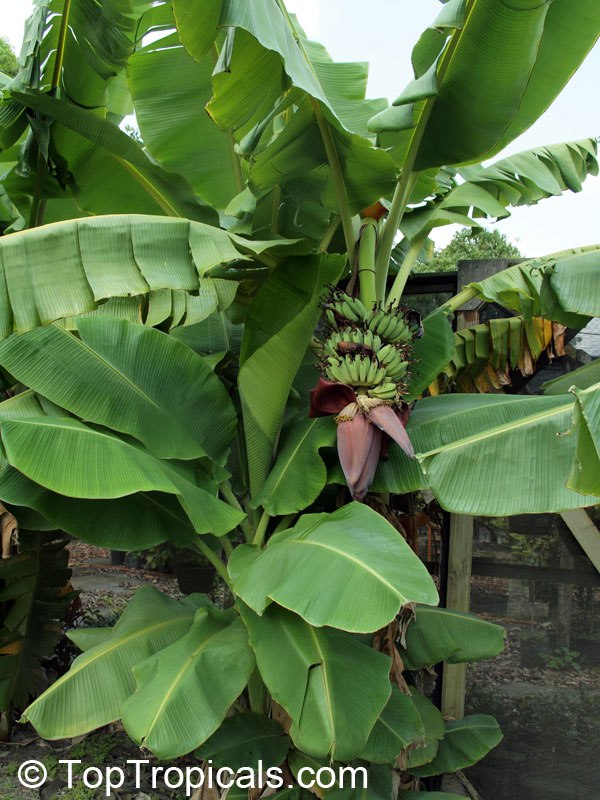
Banana tree with fruit

Banana tree with fruit

🍴 Banana Skillet Fritters

Ingredients

  • 1 ripe banana
  • 1 tablespoon flour
  • Oil for pan searing

Instructions

  1. Mash the ripe banana in a bowl until smooth.
  2. Stir in the flour to form a thick batter.
  3. Heat a lightly oiled skillet over medium heat.
  4. Drop small spoonfuls into the pan.
  5. Cook until golden and crisp outside, flipping once.

📚 Learn more:

Plant Facts

Musa sp.
Banana, Bananier Nain, Canbur, Curro, Plantain
USDA Zone: 9-11
Small tree 10-20 ftFull sunModerate waterEdible plantSubtropical plant. Mature plant cold hardy at least to 30s F for a short time
  • Banana cinnamon fritters
  • Secret Banana Daiquiri recipe: healthy never tasted so good
  • Grilled Banana Boats recipe
  • Banana plant (Musa) in Plant Encyclopedia
  • The best varieties of edible Banana to plant
  • Posts about #Bananas
    📱 Why every garden needs a banana tree

    #Food_Forest #Recipes #Bananas

    🟢 Join 👉 TopTropicals
  • Date: 8 Dec 2025

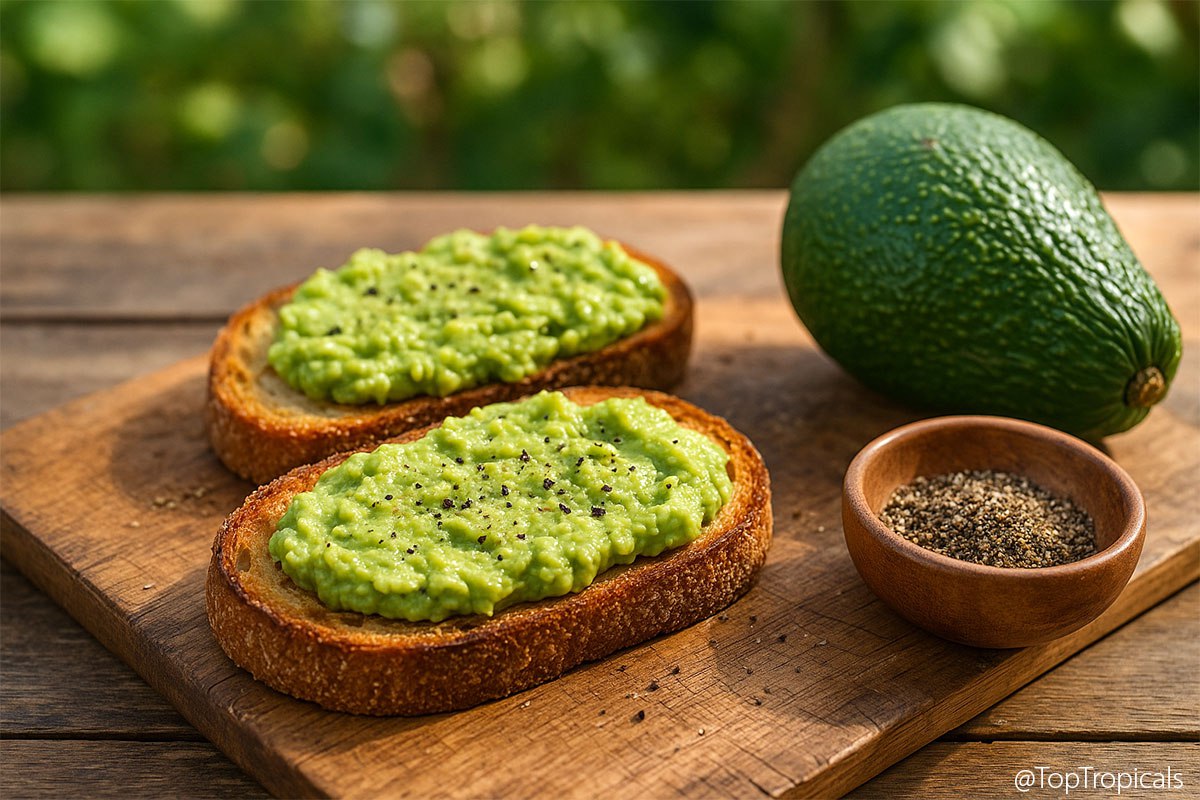
    Avocado miso toast-up: quick-n-fun exotic recipes

    Avocado miso toast

    Avocado miso toast

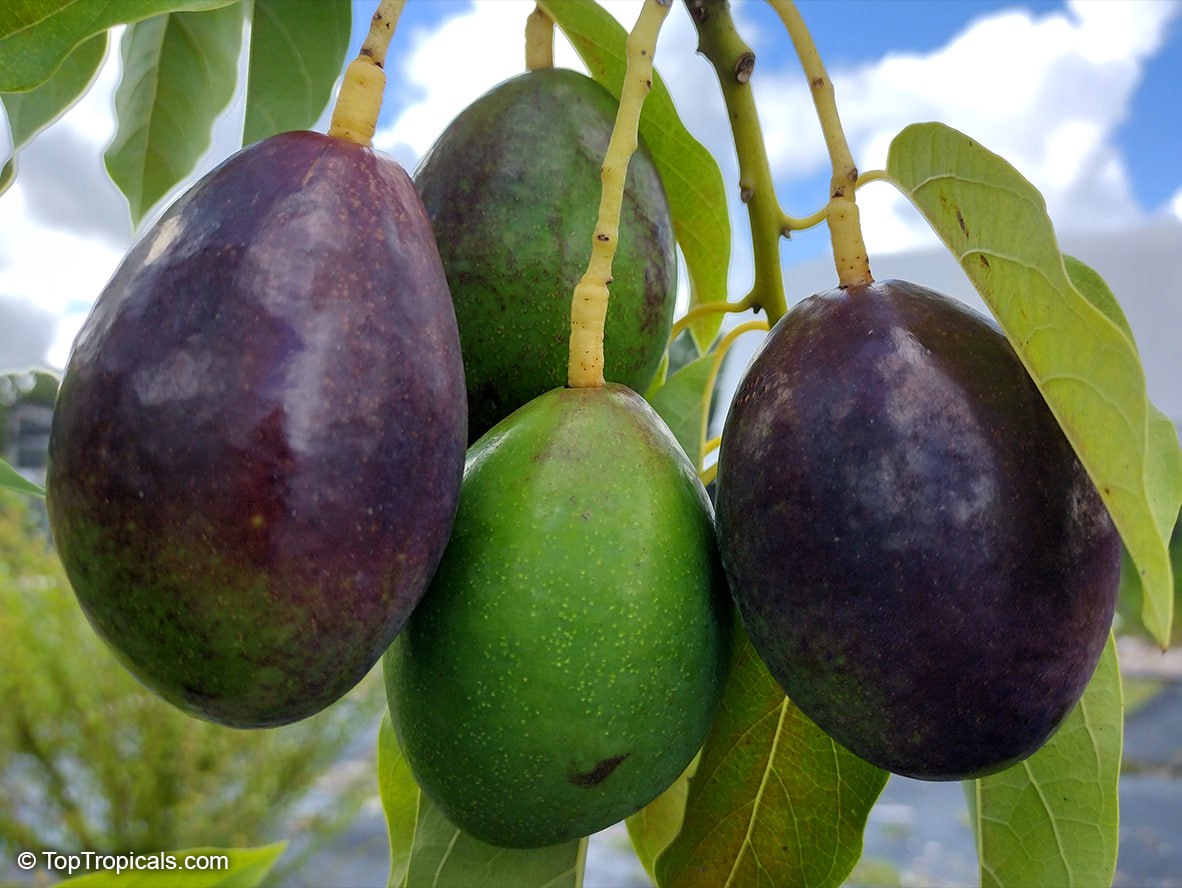
    Avocado fruit

    Avocado fruit

    🍴 Avocado Miso Toast-Up

    A fast, savory avocado toast with a subtle umami kick. Creamy ripe avocado is mashed with a small touch of miso, spread on warm toast, and finished with cracked black pepper. Simple, unexpected, and deeply satisfying.

    Ingredients

    • 1 ripe avocado
    • 1/4 teaspoon white or light miso paste
    • 2 slices bread, toasted
    • Freshly crushed black pepper, to taste

    Instructions

    1. Scoop the avocado flesh into a bowl.
    2. Add miso and mash until mostly smooth.
    3. Spread evenly on warm toast.
    4. Finish with crushed black pepper and serve immediately.


    🛒 Plant several varieties and always have Avocado in season

    📚 Learn more:

    Plant Facts

    Persea americana, Persea gratissima
    Avocado, Alligator Pear, Aguacate, Abacate
    USDA Zone: 9-11
    Large tree taller than 20 ftSmall tree 10-20 ftFull sunRegular waterEdible plantSubtropical plant. Mature plant cold hardy at least to 30s F for a short time
  • · Avocado Variety Guide
  • · Posts about #Avocado
  • · Avocado tree (Persea americana) in Plant Encyclopedia

  • #Food_Forest #Recipes #Avocado

    🟢 Join 👉 TopTropicals

    Date: 6 Dec 2025

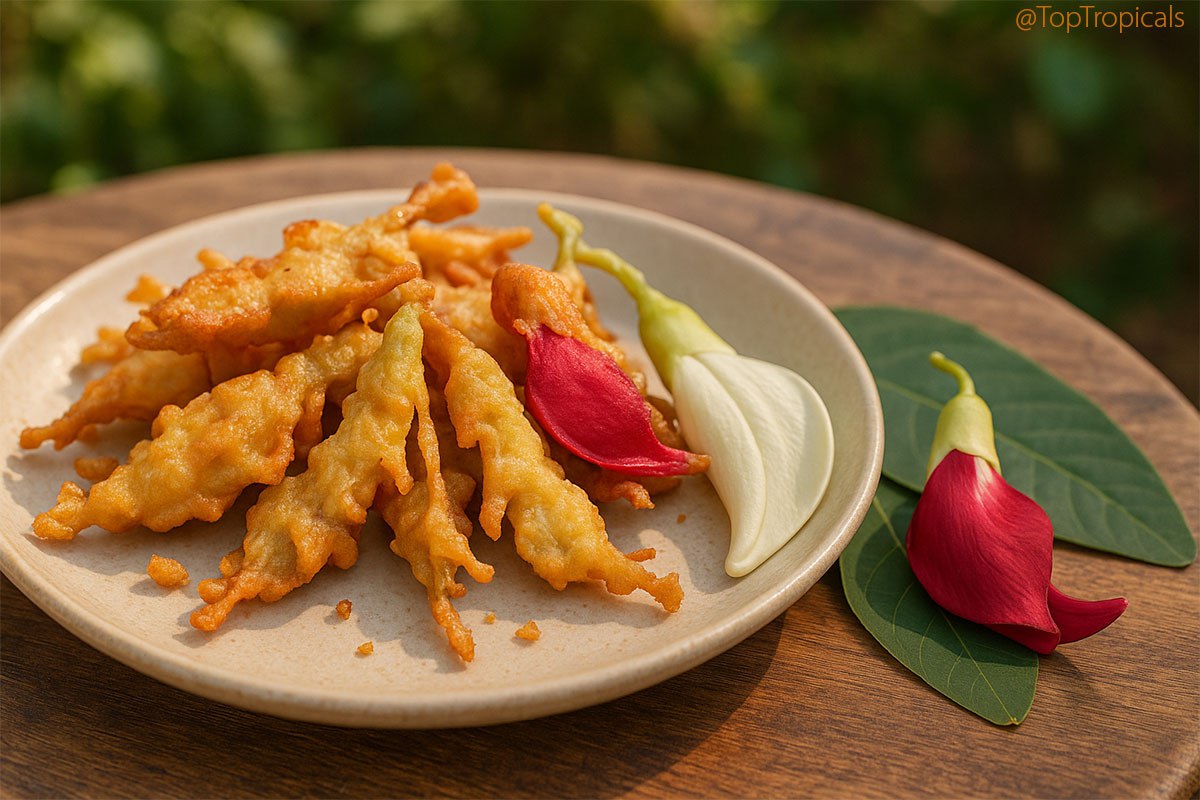
    Sesbania flower fritters: quick-n-fun exotic recipes

    Sesbania flower fritters: quick-n-fun exotic recipes Sesbania flower fritters: quick-n-fun exotic recipes Sesbania flower fritters: quick-n-fun exotic recipes

    🍴 Sesbania flower fritters: quick-n-fun exotic recipes

    🔴Delicate, floral, and fun to snack on.

    Sesbania Flower Fritters

    Ingredients

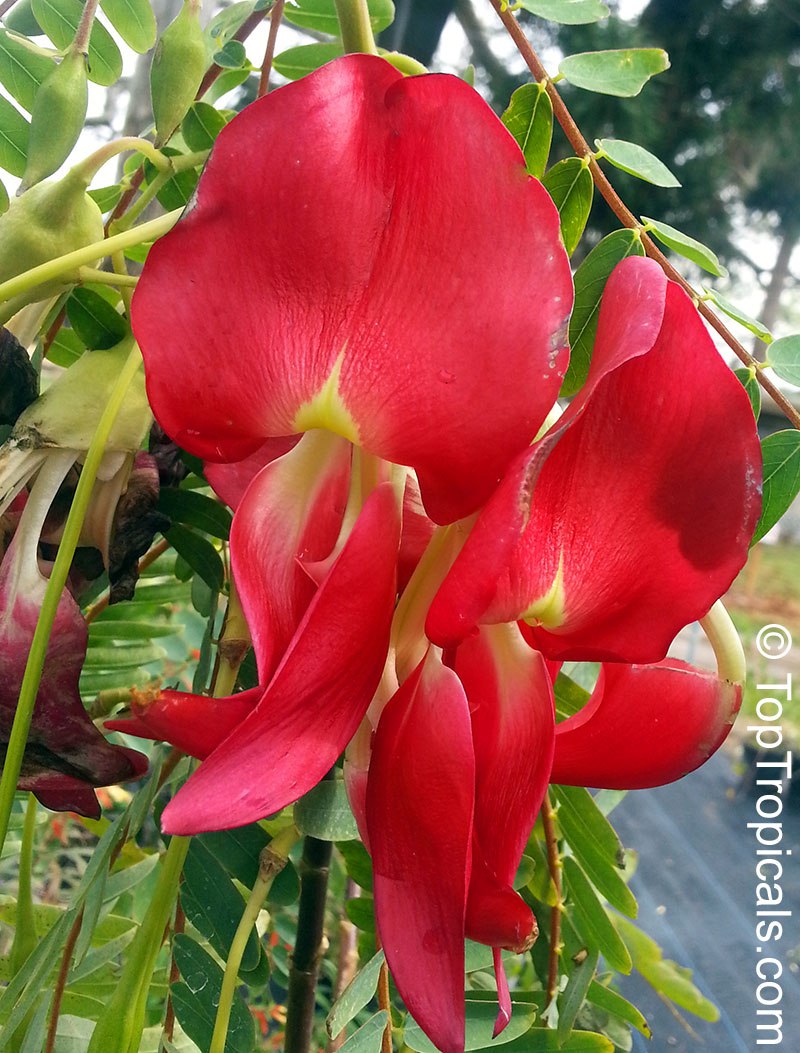
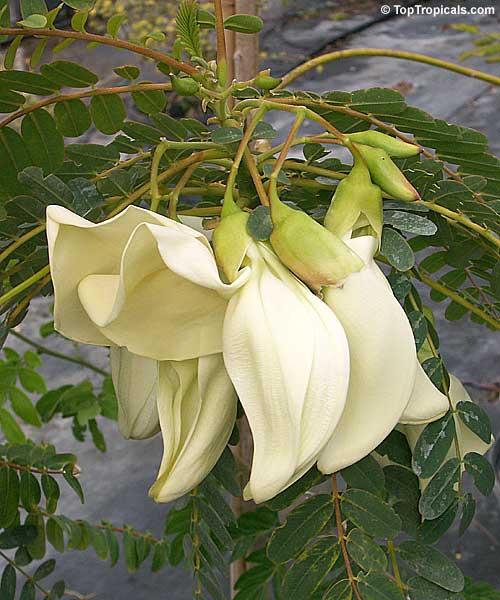
    • 1 cup fresh Sesbania flowers (Sesbania grandiflora), washed and trimmed
    • 1/2 cup all-purpose flour
    • 1/2 cup cold water
    • 1/4 teaspoon salt
    • Oil for frying

    Instructions

    1. Rinse Sesbania flowers thoroughly and remove tough stems.
    2. In a bowl, mix flour, salt, and cold water to form a light batter.
    3. Heat oil in a pan over medium heat.
    4. Dip each flower into the batter, letting excess drip off.
    5. Fry until golden and crisp, about 1-2 minutes per side.
    6. Remove and drain on paper towels. Serve warm.

    🛒 Add Hummingbird tree edible flowers tree to your garden

    📚 Learn more:

    Plant Facts

    Sesbania grandiflora, Agati grandiflora
    Hummingbird Tree, Butterfly Tree, Agati
    USDA Zone: 9-11
    Small tree 10-20 ftSemi-shadeFull sunRegular waterRed, crimson, vinous flowersWhite, off-white flowersEdible plantPlant attracts butterflies, hummingbirdsDeciduous plantEthnomedical plant.
Plants marked as ethnomedical and/or described as medicinal, are not offered as medicine but rather as ornamentals or plant collectibles.
Ethnomedical statements / products have not been evaluated by the FDA and are not intended to diagnose, treat, cure, or prevent any disease. We urge all customers to consult a physician before using any supplements, herbals or medicines advertised here or elsewhere.Flood tolerant plant
  • Sesbania grandiflora in Plant Encyclopedia
  • Why it's called Hummingbird Tree
  • Bird-looking flowers: you can eat the whole tree

  • #Food_Forest #Recipes

    🟢 Join 👉 TopTropicals

    Date: 3 Jan 2026

    Cutting into a 37-pound Jackedak Jackfruit with Chiane and Ashley

    🍈 Cutting into a 37-pound Jackedak Jackfruit with Chiane and Ashley


    📱

    #Food_Forest #Jackfruit

    🟢 Join 👉 TopTropicals

    Date: 5 Jan 2026

    A  tuxedo  cat  planting  a  small  shrub  in  a  tropical  garden  while  a  ginger
    cat  relaxes  nearby  with  coffee  and  donuts,  illustrating  winter  planting  in 
 a  warm 
 climate.
    Sunshine: January might feel warm, but its still winter. Wool socks, scarf, hot coffee.
    Smokey: You get warm when you work. Plant now so roots are established before spring growth starts.
    Sunshine: Alright. Lets see who stays warmer - you digging or me with coffee.

    🌴 Why winter planting works in a warm climate

    By our plant expert Tatiana Anderson

    We are lucky to live in a warm climate. This is how I think about the seasons here. Winter is for roots. Spring is for growth. Summer is for managing heat and water.

    So if we want plants that handle summer better, we plant them in the season that gives them the best start. Winter here is comfortable. The soil stays workable. The days are mild. And plants are not being stressed by heat. That is exactly why winter is the best time to plant in Florida and other warm areas.

    If we use this season well, plants go into spring already settled instead of trying to catch up. This is what I like to plant now, and why.

    🟢 Trees first. Anything that will be in the ground for years. Fruit trees, shade trees, flowering trees. When we plant them in winter, they can focus on roots before the spring growth surge starts. By the time spring arrives, the tree is anchored and ready to grow on top.
    Examples: mango, avocado, Eugenia cherries, jackfruit, sapodilla, longan, lychee, canistel.

    🟢 Shrubs next. Shrubs establish faster than trees, but winter still gives them an advantage. They settle in quietly before the spring flush and bloom cycles begin. That usually means steadier growth and fewer problems once heat returns.
    Examples: gardenia, jasmine, brunfelsia, hibiscus, clerodendrums.

    🟢 Vines are often overlooked. Vines want to grow fast when spring starts. If the root system is not ready, you get weak growth and frustration. Planting vines in winter gives them time to build a foundation first, so spring growth has support.
    Examples: Rangoon creeper, stephanotis, Petrea, Mexican Flame Vine.
    🛒 Explore cold tolerant plants