Garden Blog - Top Tropicals

Date: 12 Jul 2024

How to protect fruit in your garden from greedy competitors

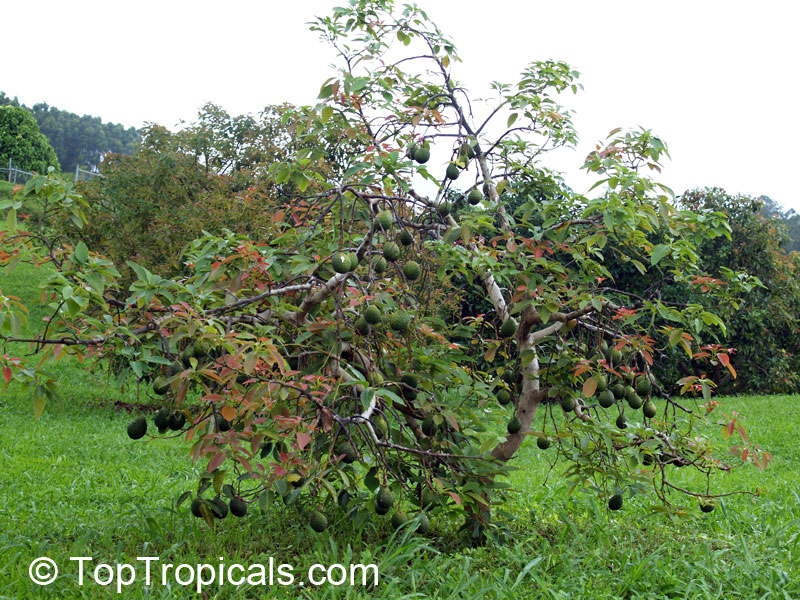
Mango Orange Essence fruiting

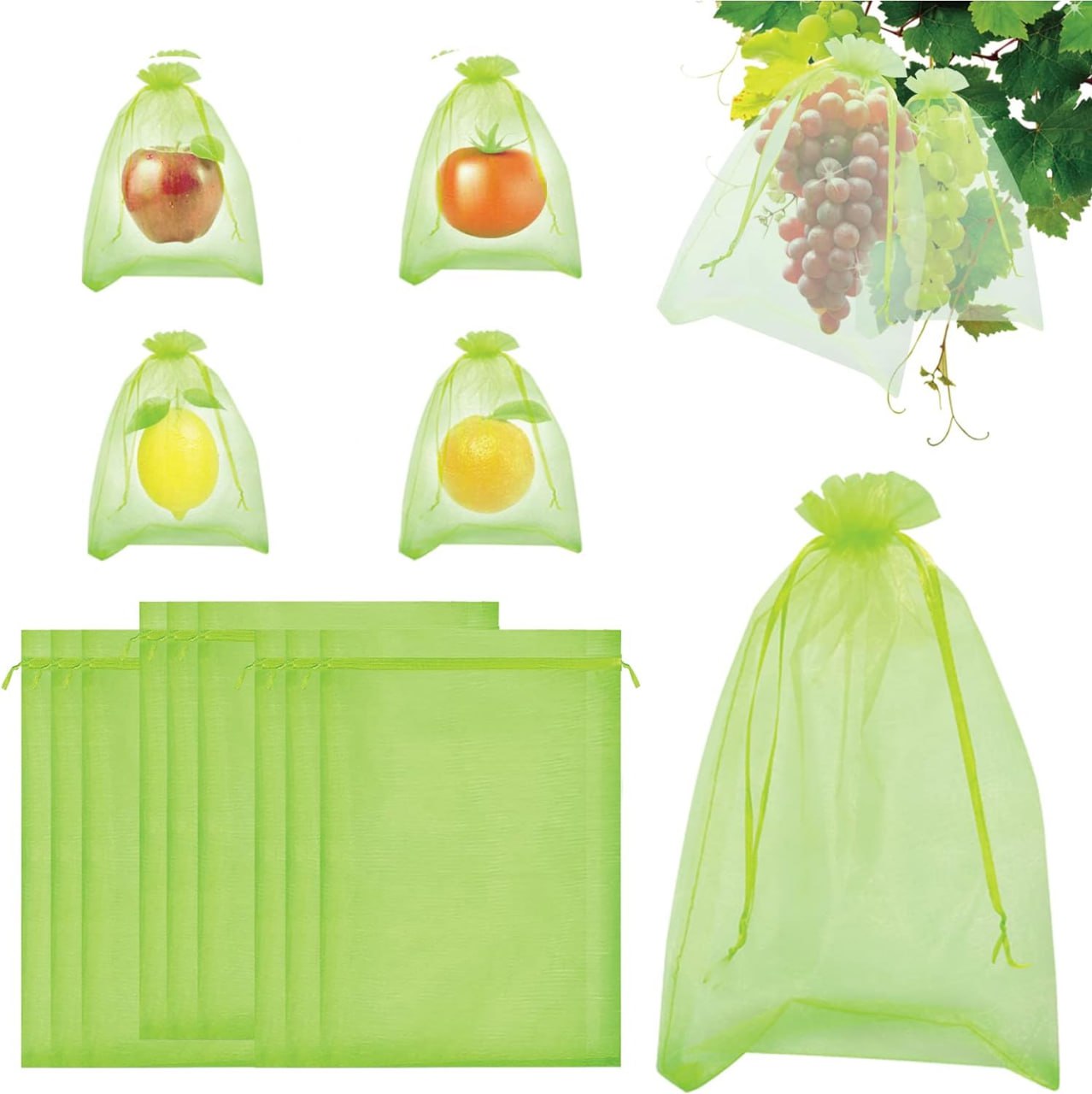
Fruit bags

Fruit bags

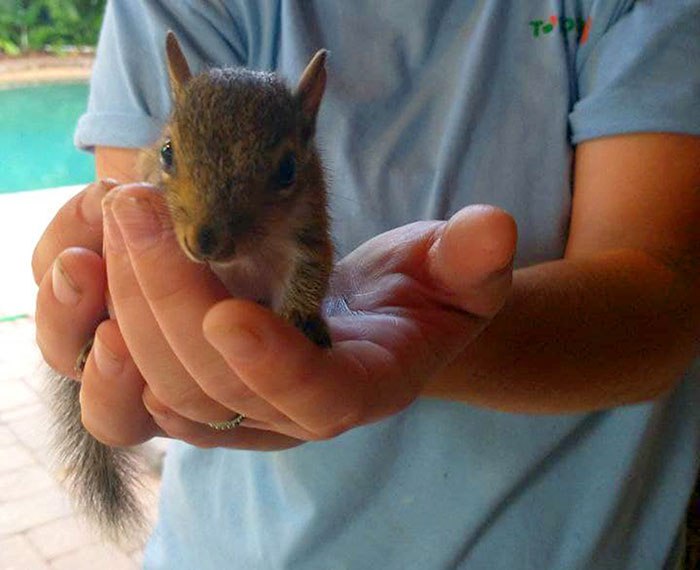
Squirrel

Squirrel

🐰🐁🐿 How to protect fruit in your garden from greedy competitors

🥭
Mango season is here, and so are squirrels, bunnies, birds, rats, and raccoons... They also love the delicious fruit but don't like to share. So you may end up getting their leftovers if anything!

Here is how we protect our mango and avocado fruit - so far it works great:

💰💰💰 Fruit Protection Bags


These mesh netting bags/covers are made of strong nylon and have an easy drawstring, helping to protect developing fruit on a tree from insects, birds, and rodents. With drawstring closures on both ends, you can easily tighten bag around the fruit. Available from Amazon for only 15 cents a piece.

🥭🍒 Enjoy your fruit!

🛒 Dont's have your own mango tree? Plant one now to enjoy fruit tomorrow.

📚 Fun reading: Penelope, the Squirrel Cat

#How_to #Food_Forest

🏵 TopTropicals

Date: 30 Jul 2025

Why tipping mango trees makes them fruiting machines (DIY Garden Tip)

🥭 Why tipping mango trees makes them fruiting machines (DIY Garden Tip)


📱

🌳 Want more mangoes from your backyard tree?
In this step-by-step guide, Ed from Top Tropicals in Fort Myers, Florida, shows how to tip mango trees to boost branching, improve structure, and increase fruit production. Whether you're growing Valencia Pride, Orange Sherbet, or Glen mangoes - this method works!

✔️ You'll learn:


When and how to tip branches
What tools to use (and how to clean them)
Real before-and-after results from trees in our Florida garden
Tips for shaping young trees for long-term success

🛒 Get your own mango trees

🌱 More garden tips and tropical fruit care

#Food_Forest #Mango #Mango_Rainbow

🟢 Join 👉 TopTropicals

Date: 1 Apr 2026

Happy Passover!

Cats Smokey and Sunshine celebrating Passover

Cats Smokey and Sunshine celebrating Passover

Happy Passover!

Sunshine: I fixed the donut problem. And I brought mango.
Smokey: Non-traditional. Compliant. Happy Passover.

🥭 Some traditions stay exactly as they are. Others - adapt. On our patio this Passover, Smokey kept things properly grounded (wine in hand), watching closely as the table filled with familiar symbols. Sunshine, meanwhile, solved a practical problem the only way he knows how: creatively. No leavened donuts allowed? Fine. Matzah donuts it is. And since no celebration should be short on sweetness, a plate of fresh mango quietly found its place at the table.

Mango Plant Facts

Botanical name: Mangifera indica
Also known as: Mango
USDA Zone: 9 - 11
Highligths Large tree taller than 20 ftSmall tree 10-20 ftFull sunWatering: Moderate. Water when top soil feels dryYellow, orange flowersPink flowersEdible plantSeaside, salt tolerant plant
Get personalized tips for your region


🥭 That is gardening in a nutshell. You respect the rules, but you work with what grows, what thrives, and what brings joy. A tropical garden teaches the same lesson every day: conditions change, but abundance is always possible if you choose the right plants.

🥭 This season, whether you are planting something new or enjoying the fruits already within reach, take a note from Smokey and Sunshine. Stay within the rules - but do not be afraid to make them work for you.

🛒 Explore Mango varieties · Shop fruit trees

#Mango #Food_Forest

🟢 Join 👉 TopTropicals

Date: 27 Feb 2020

7 secrets of a Happy Avocado Tree
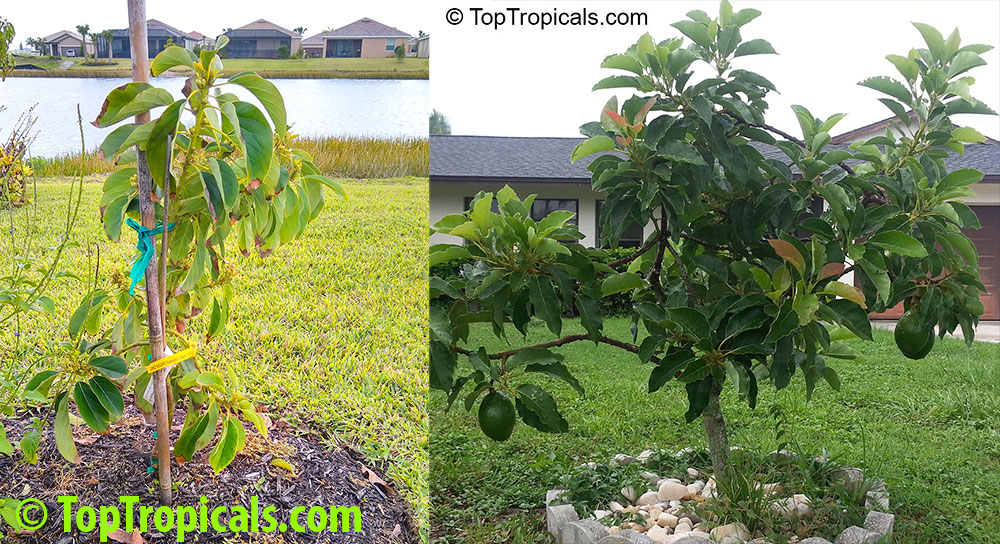
Q: I purchased an avocado tree from local garden centers three times but every time it dies on me. My neighbor has a nice tree in his yard and it grows beautifuly. I just purchased one online from you and I need to know what I was doing wrong? Are there any secrets how to make an Avocado tree happy? I have a big garden and several mango trees, but no luck with Avocado...

A: Avocado tree is famous for being such a pain to establish. But once it starts growing, it's growing! We will share a few simple tricks how to make it right.

1. Plant high and provide good drainage. Wet feet is number one reason for failing an avocado tree. It doesn't like wet soil and won't tolerate soggy conditions. Plant it in the highest spot of your yard and slightly on a "hill" (3-4"higher than the surrounding ground).
DO NOT plant Avocado tree in low spots or wet spots of your yard. Save those spots for Cannas or Black Sapote or even a Mango if you want a fruit tree there.
2. Use quality soil. Use only well-drained soil with high content of organic matter. You may add compost to existing sandy soil, or add some professional potting mix that contains pine bark and perlite. Remove rocks from the hole if you see any while digging. Dig a big hole and fill it with a good soil; compact the soil in the hole very well before setting the root ball. Reminder: plant the tree high!
3. Water regularly. After planting an Avocado tree in a nice high spot with a good drainage, start watering it... daily! Avocado likes water, although it doesn't like wet feet! Once you figure out this combination, you've got the recipe of success. Water by hand daily for the first week after planting, then twice a week for couple weeks, then once you notice new growth - you may rely on sprinklers, but keep watching the tree and don't let the soil over-dry. It must be slightly moist, but not soggy.
4. Fertilize. For such finicky tree, we suggest mild formulas of fertilizers. Dry fertilizers may burn roots, especially of a young tree. Even smart-release granulated fertilizers should be used very carefully. The best way to feed your young avocado tree - get a complete set of Sunshine Boosters Pro system. It has all necessary elements for all stages of plant development and never burns the roots. Sunshine Boosters Pro can be used with every watering - no need to guess how much and when. Besides, it is a natural fertilizer based on amino acids - exactly what you want to use on your fruit trees and other edibles!
5. Boost immune system of the tree. Apply Sunshine Epi plant hormone every 2 weeks as a foliar spray to boost immune system and metabolism of the tree and protect it from diseases. Epi makes plants (especially young plants) grow twice faster! It also enhances effect of fertilizers by increasing plant metabolism.
6. Do not prune until you see significant growth. The tree is small and can use as many leaves and branches as possible for photosynthesis and healthy metabolism. We suggest to avoid pruning for at least the first year. On the second year your tree most likely will be covered with flowers (assuming you followed fertilizer program). Let it go through the blooming stage and setting fruit; prune in Fall after fruiting is over.
7. Keep number of fruit to minimum for the first crop. Don't let the small tree exhaust itself. Keep just 2-3 fruit to develop. The next year, no need to control fruit quantity, the tree will develop as many as it can support.
P.S. If you got the tree from a mail-order, remember to establish it in a pot before planting in the ground; move gradually from shade to sun. Follow planting instructions.

Learn more about Sunshine Nutrition System - a Natural solution for your garden.

Date: 22 Feb 2023

Benefits of growing your own tropical fruit

"The fruit of the mango tree is no longer forbidden. Indeed, it has been recommended to me by the physicians as an antidote to the plague."
- Louis IX, King of France -

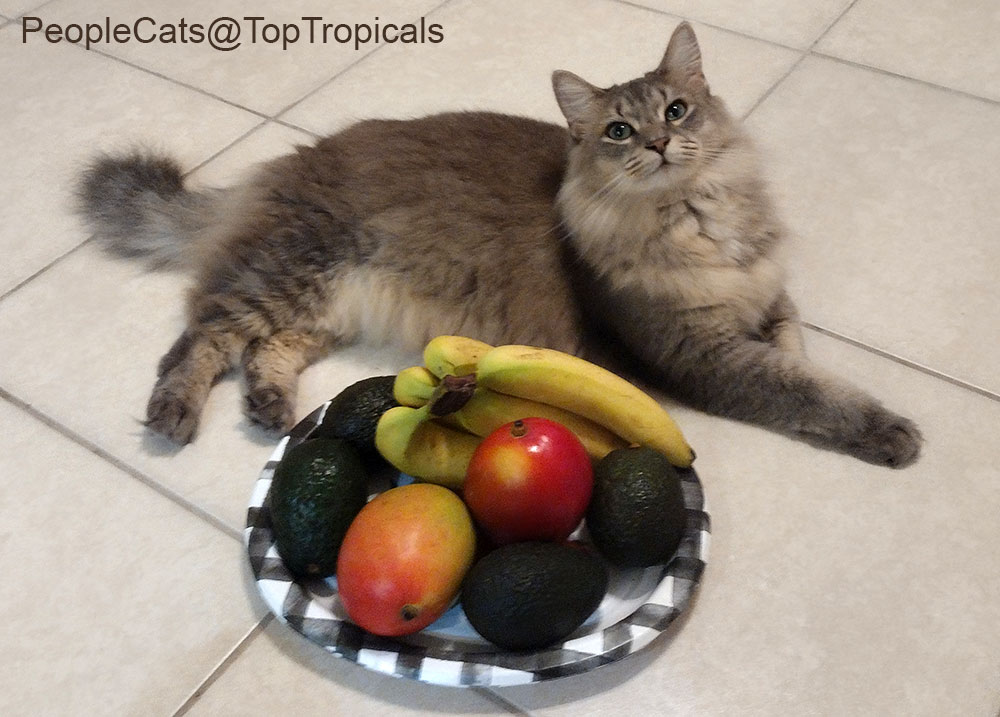
Fluffy  cat  with  a  tray  of  tropical  fruit

Q: Why do you want to grow your own tropical fruit tree?

A: Growing your own tropical fruit tree can have many benefits. Here are a few reasons why someone might choose to grow their own tropical fruit tree:

1. Fresh, flavorful fruit: When you grow your own tropical fruit tree, you have access to fresh, flavorful fruit that you may not be able to find at your local grocery store. Tropical fruit, like avocado, mangoes, papayas, and passionfruit, jackfruit, Dragon Fruit, Annona have a short shelf life, and the fruit you find at the store may have been harvested weeks ago. When you grow your own fruit tree, you can pick the fruit when it's fully ripe and enjoy it at its peak flavor. Besides, some rare fruit like Akee or Sapodilla simply never offered from the store.

2. Environmental benefits: Growing your own fruit trees can have environmental benefits. Trees absorb carbon dioxide from the air and release oxygen, which can help reduce your carbon footprint. Additionally, growing your own fruit trees reduces the need to transport fruit long distances, which can help reduce greenhouse gas emissions.

3. Cost savings: Depending on where you live and the availability of tropical fruit, growing your own fruit tree can be a cost-effective way to enjoy your favorite tropical fruits.

4. Gardening and outdoor hobby: Growing a fruit tree can be a fulfilling and rewarding outdoor hobby. It can also be a great way to teach children about where their food comes from and the importance of taking care of the environment.

Overall, growing your own tropical fruit tree can be a great way to enjoy fresh, flavorful fruit, reduce your carbon footprint, save money, and enjoy a fulfilling outdoor hobby.

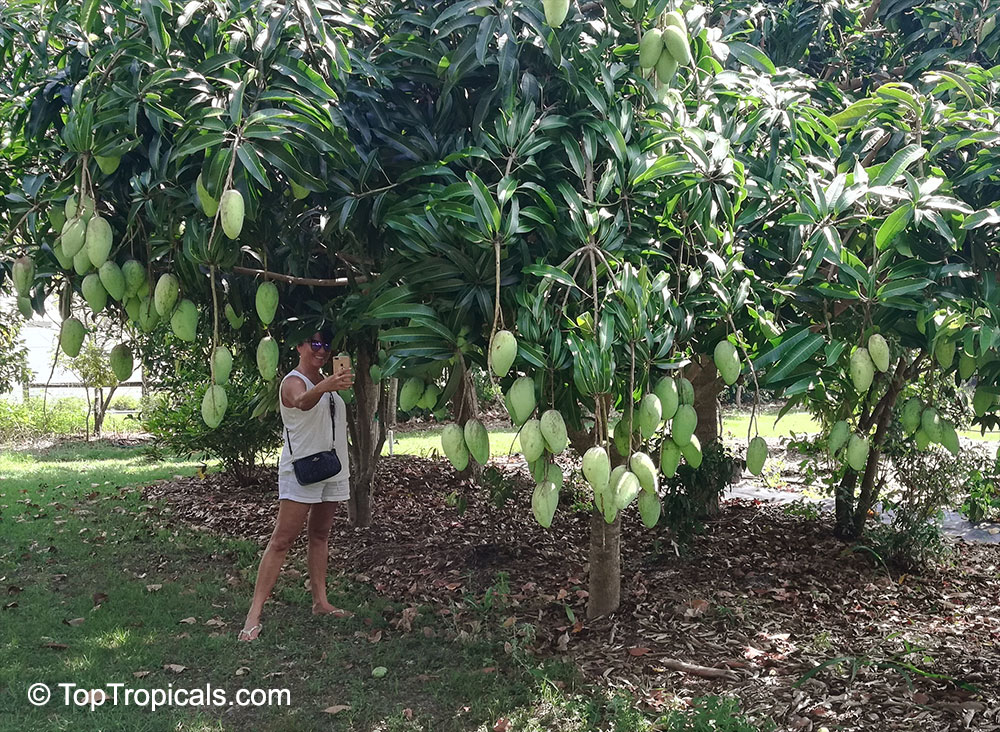
Taking  a  picture  of  a  mango  tree  loaded  with  fruit

In the photo: Mango tree in Top Tropicals garden.