Date: 2 Dec 2021
New Video:
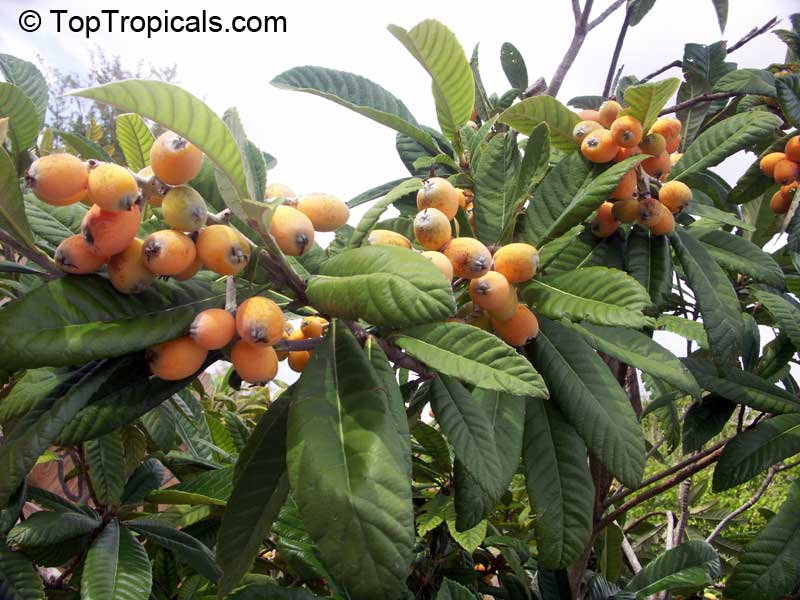
What is a Loquat?
Loquat is one of the easiest tropical/subtropical fruit trees to grow, with delicious fruit resembling Apricots (in fact, from the same family!). This video presented by our video host David Mortimer.
More information on Loquat trees:
Golden Loquat - the symbol of Prosperity
Kristi's Loquat Tropical BBQ sauce
Overlooked fruit: tasty Loquat recipes (PDF from Tropical Treasures
Magazine)
WATCH NEW VIDEO >>
Stay updated with TopTropicals Videos by subscribing to our channel at YouTube.com/TopTropicals and get our latest video news of what is fruiting and blooming!
Date: 28 Oct 2025
Before opening a jar, see where the natural peanut butter comes from!
Peanut Butter Tree (Bunchosia argentea)
Before opening a jar, see where the natural peanut butter comes from!
- Peanut Butter Tree (Bunchosia argentea) is a small tropical tree with one of the most surprising fruits on earth. Its red, fleshy berries taste just like peanut butter - creamy, nutty, and sweet, with a texture that melts in your mouth. No nuts, no sugar, no processing - just pure tropical flavor, straight from nature!
- Native to Central and South America, this rare fruit has been a favorite among tropical fruit collectors for decades. The tree stays compact, reaching only about 8-10 feet tall, and can even be kept as a bush. It's perfect for small gardens, patios, or large containers, and it can thrive indoors with enough light. Within just 2 to 3 years from seed, it begins to reward you with clusters of yellow flowers followed by rich, red fruits that taste like peanut butter candy.
- The fruit isn't just fun - it's healthy, too. It's rich in antioxidants, vitamins, and beneficial plant compounds that support the immune system and overall wellness. Kids love it, adults can’t stop talking about it, and gardeners love how easy it is to grow.
- If you’re looking for something truly unique - an edible curiosity that sparks conversation and delights the taste buds - the Peanut Butter Tree is the one. Grow your own, and the next time someone opens a jar of peanut butter, you can smile and say, "Mine grows on a tree!"
🛒 Try the real peanut butter fruit
📚 Learn more:
- 💋Peanut butter fruit smoothie: quick-n-fun exotic recipes
- 💋Top 10 fast-fruiting trees: #10. Peanut Butter Tree (Bunchosia argentea)
- 💋Delectable Peanut Butter Tree
- 💋The best small fruit trees that will produce right away
- 💋How soon will Peanut Butter Tree fruit?
- 💋Top 10 fast-fruiting trees
📱 How to grow the Amazing Peanut Butter Tree - in one short video
#Food_Forest #Nature_Wonders
🟢 Join 👉 TopTropicals
Date: 4 Nov 2025
The secret Brain Food growing in my backyard (and it tastes like green peas!)
Tropical Asparagus (Sauropus androgynus)
🏆 The secret Brain Food growing in my backyard (and it tastes like green peas!)
- 🌿 Katuk, or Tropical Asparagus (Sauropus androgynus), is one of the most underrated edible plants you can grow. This leafy tropical shrub is a superfood in disguise. It grows fast, looks lush, and its tender young shoots taste just like green peas.
- 🌿 Native to Southeast Asia, Katuk is a kitchen staple in places like Vietnam, Malaysia, and Thailand. The leaves and shoots are used in soups, stews, and stir-fries with egg or seafood. It’s not only delicious but also incredibly nutritious - rich in nutrients linked to improved memory and reduced cognitive aging: folate, lutein, and especially vitamin K, which is rare in plants.
- 🌿 Katuk thrives in sun or partial shade, needs little care, and grows into a dense, bushy plant that gives you edible greens all year round. If you want something that feeds both your garden and your health, this one’s a winner!
🛒 Add Katuk Superfood to your Food Forest
Lean more:
🍴 Katuk egg stir-fry: Quick-n-Fun exotic recipes
✔️ Discover the health benefits of Katuk: a Superfood for your mind and body
📚 Tropical Asparagus, Katuk: Grow your own food
📱 How to cook with Katuk
#Food_Forest #Remedies #Discover
🟢 Join 👉 TopTropicals
Date: 22 Jan 2026
This old-school tropical fruit is making a quiet comeback: Eggfruit - Canistel
Canistel - Pouteria campechiana, Egg Fruit
💛 This old-school tropical fruit is making a quiet comeback: Eggfruit - Canistel
❓✔️ The tropical fruit that feels like dessert but isn’t junk: FAQ
💛 What is canistel fruit?
Canistel is the fruit of Pouteria campechiana, often called Egg Fruit because its texture resembles a cooked egg yolk. It has dense, yellow flesh and a naturally sweet, custard-like flavor.
💛 Is canistel a high-energy fruit?
Yes. Canistel contains complex carbohydrates that provide steady, long-lasting energy instead of quick sugar spikes. It is a good choice for active days or when you need sustained fuel.
💛 Does canistel help you feel full?
It does. The thick texture and fiber content make canistel very satisfying, helping you feel full with smaller portions.
💛 Can canistel support weight management?
Canistel is filling and naturally sweet, which can help reduce cravings for processed desserts and snacks.
💛 Is canistel easy to digest?
Yes. Its soft, pasty texture is gentle on the stomach and often well tolerated by people with sensitive digestion.
💛 How does canistel benefit skin health?
Canistel provides beta-carotene and vitamin C, which support skin renewal, elasticity, and overall skin appearance.
💛 Does canistel help with muscle function?
Yes. It contains potassium and other minerals that support muscle function and help reduce fatigue after physical activity.
💛 Is canistel good for brain health?
Canistel supplies iron and B vitamins that support oxygen delivery and mental clarity, especially during periods of fatigue.
💛 Does canistel support healthy aging?
Its antioxidants help protect cells from oxidative stress, which plays a role in aging and long-term wellness.
💛 Is canistel just a snack fruit?
Not at all. Canistel is a functional fruit used in custards, smoothies, baked goods, spreads, and even savory dishes, offering both nutrition and comfort-food satisfaction.
🛒 Plant Egg Fruit - Canistel Tree
📚 Learn more:
- Pouteria campechiana - Canistel, Eggfruit - in Plant Encyclopedia
- Canistel breakfast mash: quick-n-fun exotic recipes
- Health Benefits of Canistel Fruit
- Pouteria campechiana - Canistel, the curious heart-shaped Egg Super-Fruit
#Food_Forest #Remedies #Discover
🟢 Join 👉 TopTropicals
Date: 26 Jan 2026
Why Turmeric was named the 2026 Herb of the Year
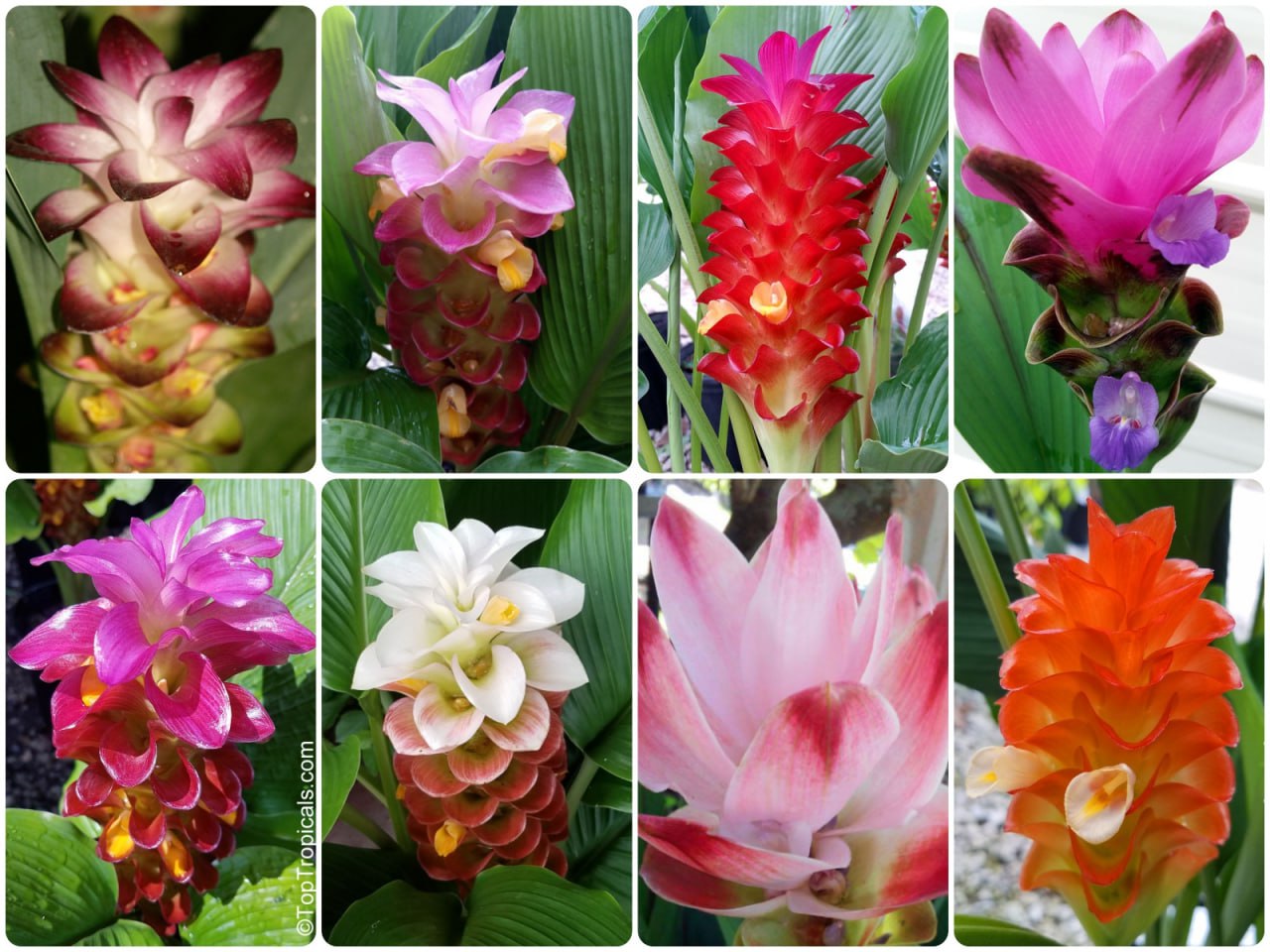
Turmeric - Curcuma
🌷 Why Turmeric was named the 2026 Herb of the Year
- 🌷 Turmeric was named the 2026 Herb of the Year by the International Herb Association, and it is easy to see why gardeners are paying attention. This tropical plant from the ginger family is best known for its bright orange underground rhizomes, used for centuries as a spice, natural dye, and traditional remedy.
- 🌷Native to India, Turmeric (Curcuma longa) is closely related to Ginger and Cardamom. Its rhizomes are a staple in curry and widely used in Asian, African, and Caribbean cuisines. In recent years, turmeric has also gained attention for potential anti-inflammatory properties.
🌷 Herb, spice or flower?
- • Botanically, turmeric is a spice, since it comes from the plant’s rhizomes rather than its leaves. In the kitchen, however, it often functions like an herb. Fresh turmeric can replace powdered turmeric in most recipes and delivers brighter flavor and color.
- • Beyond edible Turmeric, there are many Curcuma hybrids grown purely for ornament. These selections produce striking, long-lasting flower spikes in shades of pink, white, orange, red, and purple, rising above lush tropical foliage. Ornamental curcumas are popular as patio plants and indoor accents, adding dramatic color and texture even where they are grown strictly in containers.
🌷 Growing turmeric anywhere - even in cool climates
Although Turmeric is a tropical perennial, it grows very well in containers, making it suitable for gardeners everywhere. When grown in pots, turmeric is treated as a warm-season plant that can be moved indoors as temperatures cool.
🌷 How to grow Turmeric
Turmeric is a compact, but bold plant, reaching 3-4 feet tall and wide, so it needs a roomy container. It prefers:
- • Rich, well-drained soil
- • Slightly acidic conditions (around pH 6–6.5)
- • Consistent moisture
- • Warm temperatures and bright, indirect light
The plant produces flowers that do not set seed, so turmeric is grown entirely from rhizomes.
🌷 Harvesting and using Turmeric
As the season ends, turmeric naturally goes dormant and the leaves yellow and dry. This signals harvest time. Dig the rhizomes, clean them, and dry them in a cool, shaded place.
Rhizomes can be:
- • Boiled, dried, and ground into powder
- • Frozen whole and grated as needed
- • Pickled for long-term storage
Some healthy rhizomes can also be saved and replanted the following season, making turmeric both productive and renewable.
Compact, bold, and useful, turmeric proves that tropical plants can thrive well beyond the tropics - especially when grown in pots.
🛒 Plant Curcuma for both flowers, spice and herb
📚 Learn more :
- Turmeric (Curcuma) in Plant Encyclopedia
- Curcuma - the tropical tulip with a secret spice twist
- Curcuma: one plant, two powers - color and spice!
- How Curcuma Turmeric keeps blood pressure in balance.
- Turmeric Curcuma: Grow Your Own Brain Boosters
- The most interesting edible gingers?
#Food_Forest #Container_Garden #Remedies #Discover
🟢 Join 👉 TopTropicals