Garden Blog - Top Tropicals

Date: 2 Mar 2026

Beyond fruit: how this African tree supports wildlife and garden health
Vangueria infausta - Spanish Tamarind

Vangueria infausta - Spanish Tamarind

Beyond fruit: how this African tree supports wildlife and garden health: Wild Medlar in the ecological food forest 🍊

Vangueria infausta (Spanish Tamarind, Wild Medlar) might win your heart for its sweet-tart fruit and folk medicine magic - but did you know it’s also a quiet hero in the ecosystem? Whether you’re planting a full-blown food forest or just a mixed backyard garden, Vangueria infausta brings more than fruit to the table. It brings balance, beauty, and biodiversity.

Wild Medlar Plant Facts

Botanical name: Vangueria infausta
Also known as: Wild Medlar, Spanish Tamarind
USDA Zone: 9 - 11
Highligths Small tree 10-20 ftFull sunWatering: Moderate. Water when top soil feels dryEdible plantDeciduous plantEthnomedical plant.
Plants marked as ethnomedical and/or described as medicinal, are not offered as medicine but rather as ornamentals or plant collectibles.
Ethnomedical statements / products have not been evaluated by the FDA and are not intended to diagnose, treat, cure, or prevent any disease. We urge all customers to consult a physician before using any supplements, herbals or medicines advertised here or elsewhere.Subtropical plant. Mature plant cold hardy at least to 30s F for a short time
Get personalized tips for your region


🐝 Pollinator power


When in bloom, this tree produces nectar-rich flowers that attract bees, butterflies, and other pollinators. These beneficial insects don’t just help the Wild Medlar fruit - they boost productivity in your entire garden.
If you grow mangos, citrus, guava, or veggies nearby, Spanish Tamarind helps keep the pollinator traffic moving.

🐦 Bird magnet


Birds are big fans of this tree. They nest in its dense branching, snack on overripe fruit, and help spread seeds. In return, they’ll help keep down pests like caterpillars and beetles.
Even in a small garden, one Wild Medlar can be a micro-habitat for birds, insects, and other helpful wildlife.

🌱 Soil stabilizer


With its deep roots and drought-hardy nature, Wild Medlar helps hold soil in place, especially on slopes or rocky patches. It improves drainage and reduces erosion, which makes it a great addition to food forests in challenging spots.

🍂 Natural mulch & green cleanup


The tree drops a modest amount of leaf litter, which breaks down into soft, rich mulch. In a diverse planting, that means fewer weeds, better soil structure, and less watering needed.

🌿 Companion planting & food forest stacking
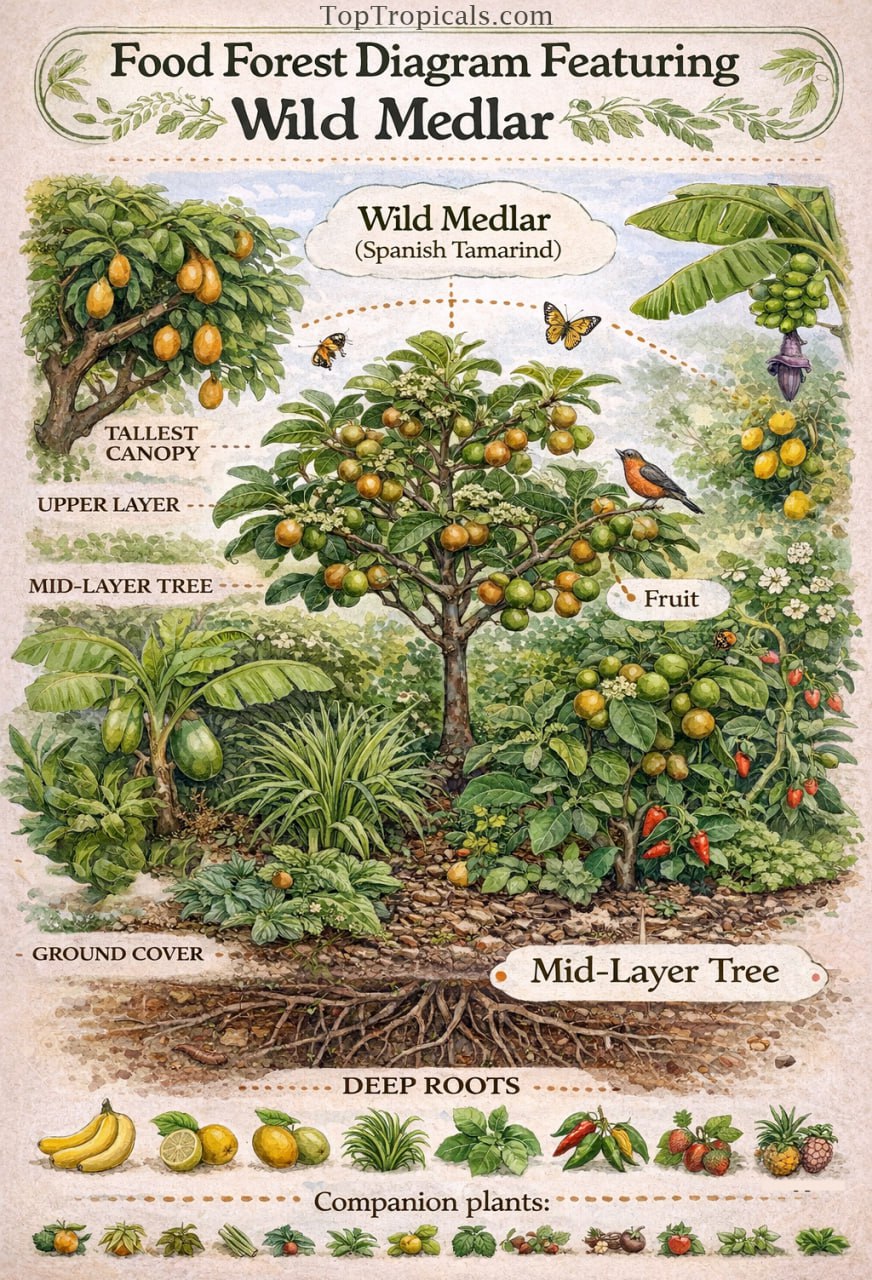
· Works great as a mid-layer tree in multi-tiered systems
· Provides light shade for herbs or smaller fruiting plants
· Plays well with bananas, papaya, guava, lemongrass, and ground covers
In zones 9-11, it can live happily in a mixed border or permaculture guild. In colder zones, just keep it potted and move it around as needed - it still offers many of the same benefits.

🛡 Pest and disease resistant


One more bonus: Spanish Tamarind is incredibly low-maintenance. It resists most common pests and doesn’t suffer from fungal issues like many tropical fruit trees do. That means fewer chemicals and more harmony in your garden ecosystem.

✍️ Ready to plant something that gives back?


Think you need more than just another fruit tree? More life. More movement. More meaning in your garden?
Grow Wild Medlar for the fruit - but keep it for everything else it brings. The pollinators. The shade. The quiet medicine. The steady presence that makes your space feel alive.
If you’re building a food forest - or simply want a tree that earns its place every single season - this one doesn’t just sit there. It contributes.

🛒 Plant Spanish Tamarind in your Food Forest for a happy wildlife

📚 Learn more:


Vangueria infausta - Spanish Tamarind in Plant Encyclopedia
10 ways to enjoy Wild Medlar - Spanish Tamarind
7 steps for a care-free Spanish Tamarind - the easiest rare fruit to grow
The wild fruit with a secret: health benefits of rare Spanish Tamarind - the exotic fruit you've never heard of

#Food_Forest #Discover

🟢 Join 👉 TopTropicals
Date: 31 Aug 2025

Zero Sugar fruit: forget lemonade - new perfect summer drink discovered!

Costa Rican Guava, Cas Guava - Psidium friedrichsthalianum

Zero Sugar fruit: forget lemonade - new perfect summer drink discovered!


🍋 Costa Rican Guava, or Cas Guava (Psidium friedrichsthalianum) is the boldest fruit you can grow for refreshing drinks. Its flavor is sharp, tangy, and unforgettable - perfect for anyone who loves acidic fruit. Cas Guava has sugar at all, unless you decide to add some.

🍋 The trees are super prolific - even young ones fruit heavily, and we make gallons of juice at Top Tropicals.

🍋 The best part? You can freeze the fruit or boil it into a concentrate with a bit of sugar. That drink lasts in the fridge for months without going bad, thanks to Cas Guava’s natural antibacterial punch.

🍋 Cas Guava juice is Costa Rica’s traditional Agua de Cas - tart, refreshing, and perfect for summer heat. And if you save enough, you’ll still be sipping it through the winter.

♨️ Agua de Cas Quick Recipe


We boiled this fruit and the drink lasted for months!

Boil halved fruits in water with sugar to taste
Simmer 5-10 minutes, let sit, then mash the softened fruit to release all the flavor
Strain through a colander, bottle, and refrigerate - just dilute with water when serving

✔️ Why choose Cas Guava?


• Packed with vitamin C - four times more than lemons - for a powerful immune boost.
• Rich in antioxidants to combat stress and inflammation.
• Hardy and low-maintenance, thriving in poor soils and resisting pests.

🛒 Grow your own Cas Guava

📚 Learn more:


What is the best fruit for summer drinks and wine?
•  What fruit is more sour and has more vitamin C than a lemon
•  What fruit can you drink? Costa Rican Cas is the Guava for Drinking
•  Costa Rican Guava

#Food_Forest #Recipes #Guava

🟢 Join 👉 TopTropicals

Date: 11 Jun 2026

Star fruit chili relish: quick-n-fun exotic recipes

Star fruit chili relish

Star fruit chili relish

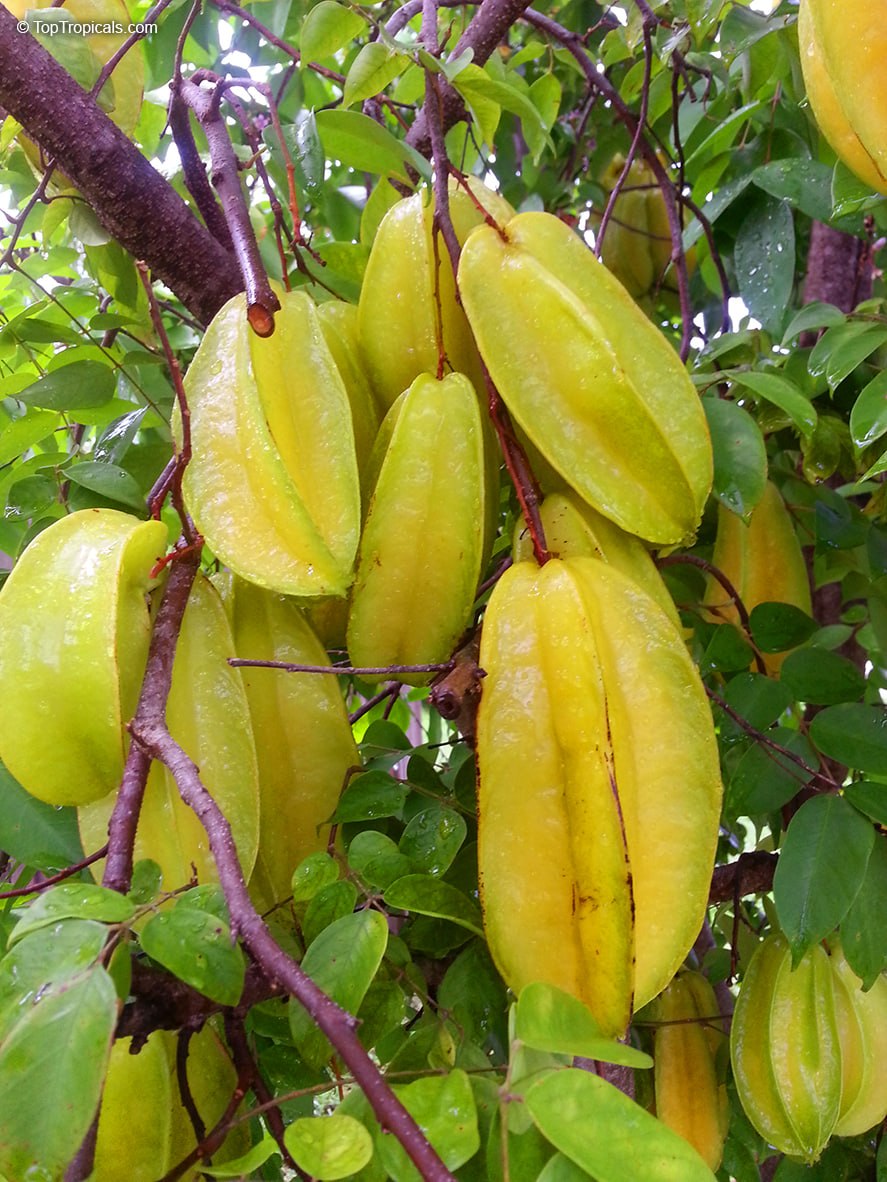
Carambola - Starfruit

Carambola - Starfruit

🍴 Star fruit chili relish: quick-n-fun exotic recipes


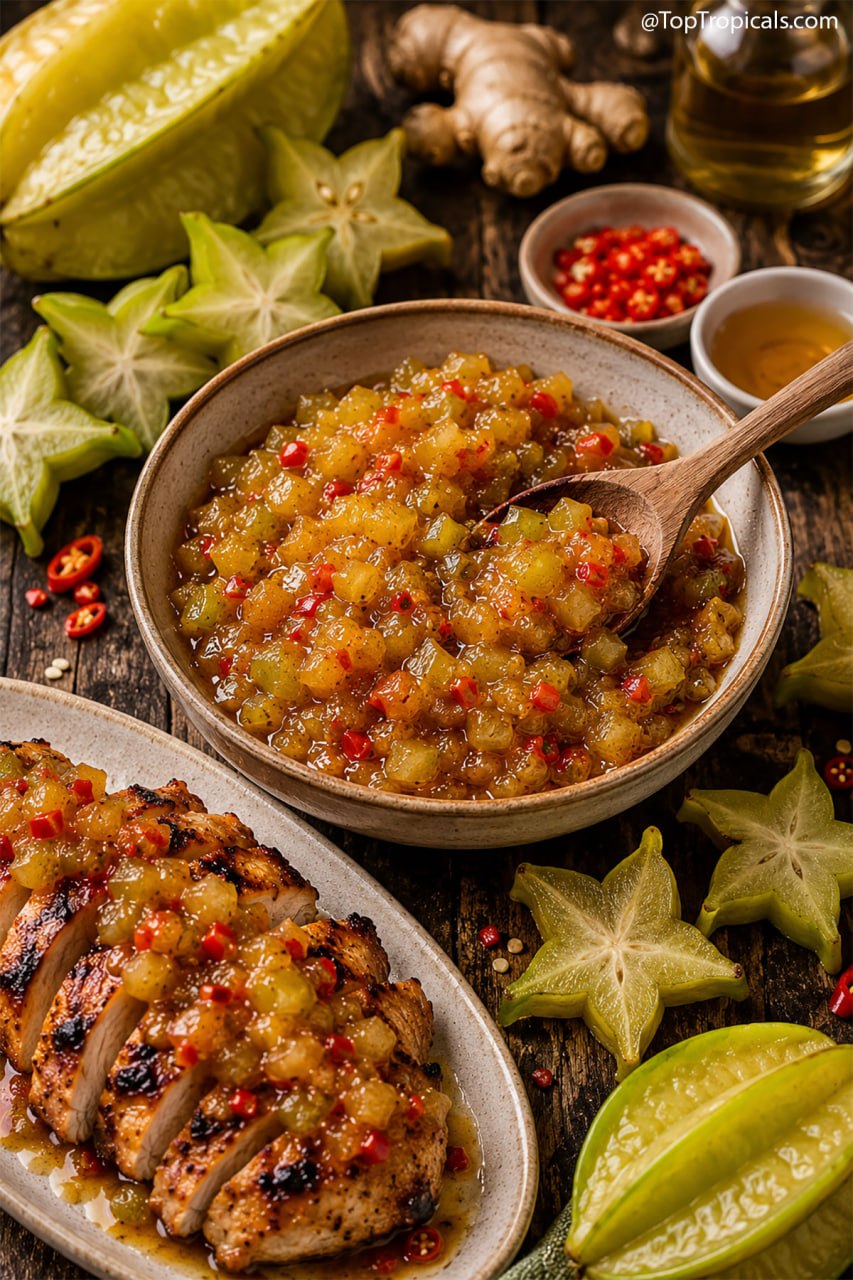
🟡Dice ripe star fruit into small cubes and combine with finely chopped chili peppers, grated ginger, and a splash of vinegar in a saucepan.
🟡Simmer over medium heat, stirring occasionally, until the fruit softens and releases its juices.
🟡Continue cooking until the mixture thickens into a glossy sweet-and-spicy relish with tender fruit pieces throughout.
🟡Spoon generously over grilled chicken, pork, or fish for a bright tropical kick.

🌿 About the plant:


Carambola, Averrhoa carambola, produces delicate pink-lavender flowers that grow along the branches before forming ribbed fruit. The distinctive five ridges create those clean star shapes when sliced.

🏡 In the garden:


Trees stay relatively compact and respond well to light pruning. Flowering can occur several times a year in warm climates, leading to multiple harvests. Good drainage is essential - they dislike soggy roots.

🛒 Plant Star Fruit Carambola Tree

📚 Learn more:

Carambola Plant Facts

Botanical name: Averrhoa carambola
Also known as: Carambola, Starfruit, Five-finger, Balimbing
USDA Zone: 9 - 11
Highligths Small tree 10-20 ftSemi-shadeFull sunWatering: Regular. Let topsoil dry slightlyEdible plantSubtropical plant. Mature plant cold hardy at least to 30s F for a short time
Get personalized tips for your region

Averrhoa carambola in Plant Encyclopedia
Grilled star fruit slices: quick-n-fun exotic recipes
How to gets lots of Star Fruit Carambola
Star Fruit from our garden
Grow your own Carambola
Top 10 fast-fruiting trees: #8. Carambola - Starfruit
Carambola Banana Whip
Carambola Jam recipe
When young Carambola trees are covered with fruit
Carambola tree is the Star of the orchard

#Food_Forest #Recipes

🟢 Join 👉 TopTropicals

Date: 6 Dec 2024

What are the best varieties of Lychee Tree?

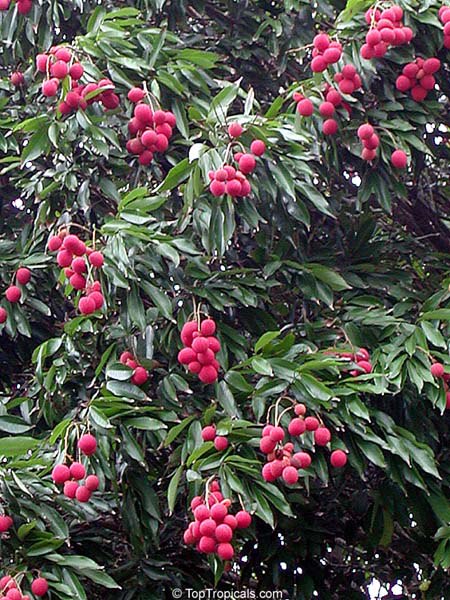
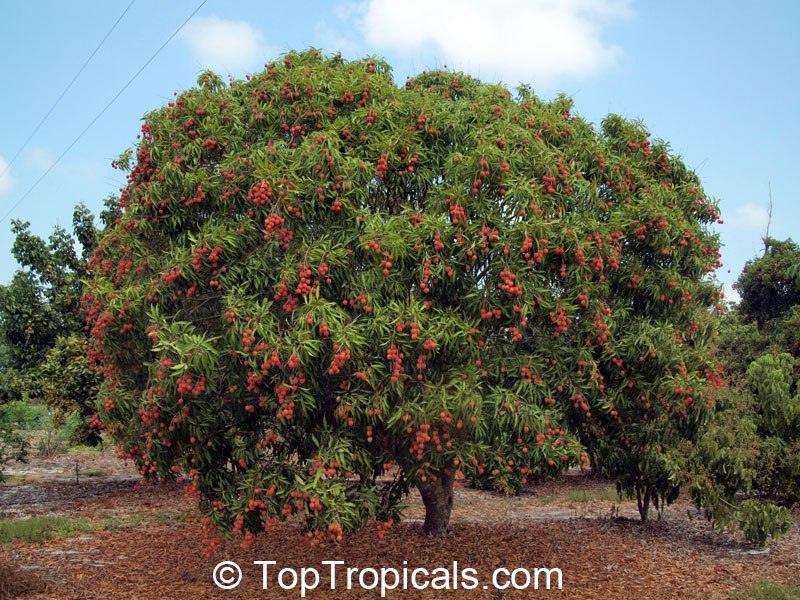
Lychee (Litchi sinensis) - fruit on a tree

Lychee (Litchi sinensis) - fruit on a tree

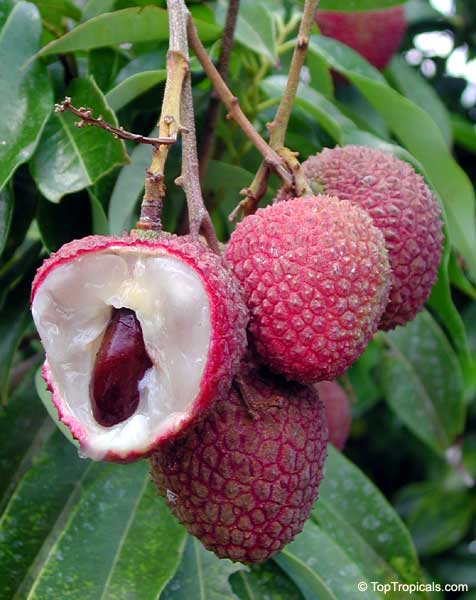
Lychee (Litchi sinensis) - fruit

Lychee (Litchi sinensis) - fruit

Lychee (Litchi sinensis) - fruit

Lychee (Litchi sinensis) - fruit

Lychee (Litchi sinensis) - tree

Lychee (Litchi sinensis) - tree

💖 What are the best varieties of Lychee Tree?


🍓 The three most popular Lychee varieties are Brewster, Mauritius, and Sweetheart (sometimes referred to as Hak Ip). Brewster and Mauritius are the most reliable producers and are commonly used commercially, while Sweetheart is more of a backyard specialty. Although it produces fewer fruits, the fruit are significantly larger than other varieties.

🍓 Brewster: Medium to large, round fruit and a sweet, slightly tart flavor, Brewster is highly productive and ideal for fresh eating.
Mauritius: Medium to large, round fruit with thick skin. It has a sweet, delicate flavor and is one of the earliest varieties to ripen.
Choose Brewster or Mauritius if you want a reliable producer with an average fruit size.

🍓 Sweetheart: True to its name, Sweetheart is prized for its exceptional sweetness. It has the largest fruit of all varieties, with a thick rind and juicy, flavorful interior.
Some growers consider Hak Ip to be just another trade name for Sweetheart, although it is sometimes marketed as a separate variety.
Opt for Sweetheart if you prefer larger fruit but don't mind a smaller harvest.

🍓 Keep in mind that Lychee trees typically produce every other year, with heavy crop years alternating with low production years or no fruit at all.

📚 Learn more from previous post:


What is the best fruit in the world? How to grow your own Lychee tree.

🛒 Shop Lychee varieties

#Food_Forest

🔴 Join 👉 TopTropicals

Date: 7 May 2025

Why you should grow a Pitanga tree

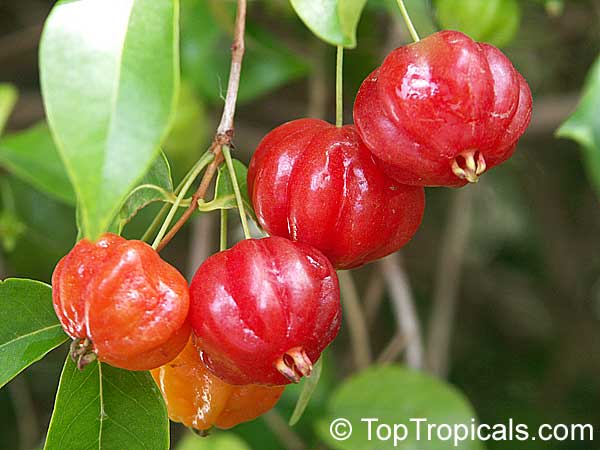
Eugenia uniflora - Surinam cherry, Brazilian cherry, Pitanga tree - fruit

Eugenia uniflora - Surinam cherry, Brazilian cherry, Pitanga tree - fruit

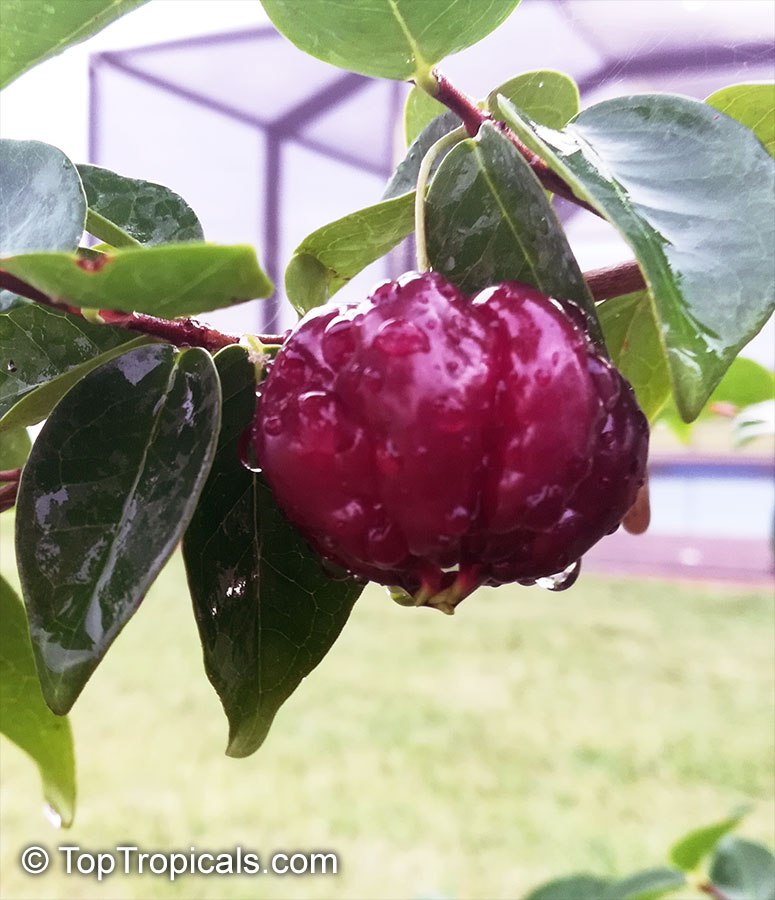
Eugenia uniflora - Surinam cherry, Brazilian cherry, Pitanga tree - fruit var. Lolita

Eugenia uniflora - Surinam cherry, Brazilian cherry, Pitanga tree - fruit var. Lolita

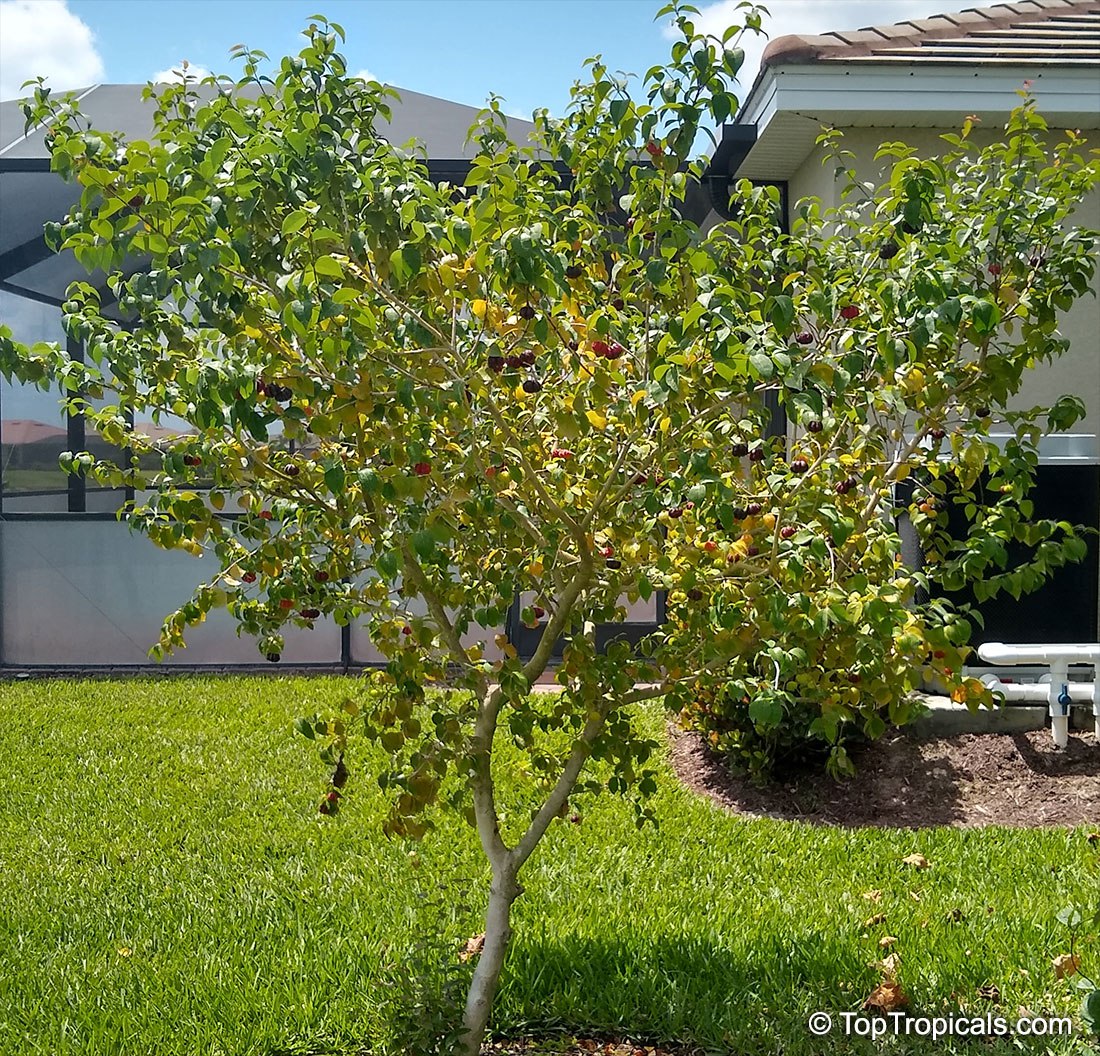
Eugenia uniflora - Surinam cherry, Brazilian cherry, Pitanga tree

Eugenia uniflora - Surinam cherry, Brazilian cherry, Pitanga tree

Eugenia uniflora - Surinam cherry, Brazilian cherry, Pitanga tree - fruit var. Lolita

Eugenia uniflora - Surinam cherry, Brazilian cherry, Pitanga tree - fruit var. Lolita

🍒 Why you should grow a Eugenia uniflora), also known as Surinam cherry or Brazilian cherry


Pitanga (Eugenia uniflora), also known as Surinam cherry or Brazilian cherry, is a tropical fruit that's as tasty as it is healthy. This small tree or bush brings beauty to your yard and benefits to your body. With shiny leaves, fragrant white flowers, and bright red or dark maroon fruit, it's an easy-to-grow plant that also happens to be a nutritional powerhouse.

❓ So, why plant Pitanga?


🍒 Pitanga is packed with vitamins. Pitanga is loaded with vitamin C for glowing skin and a strong immune system, and vitamin A for healthy eyes.

🍒 Pitanga is full of antioxidants. Especially the dark fruits, which are rich in plant compounds like lycopene and beta-carotene that may protect your cells and reduce inflammation.

🍒 Pitanga has healing power. Traditional medicine has used it for heartburn, stomach issues, and even respiratory conditions. Lab studies show it may help fight bacteria and fungi too.

🍒 Pitanga might fight cancer. Early research suggests pitanga extracts may slow cancer cell growth.

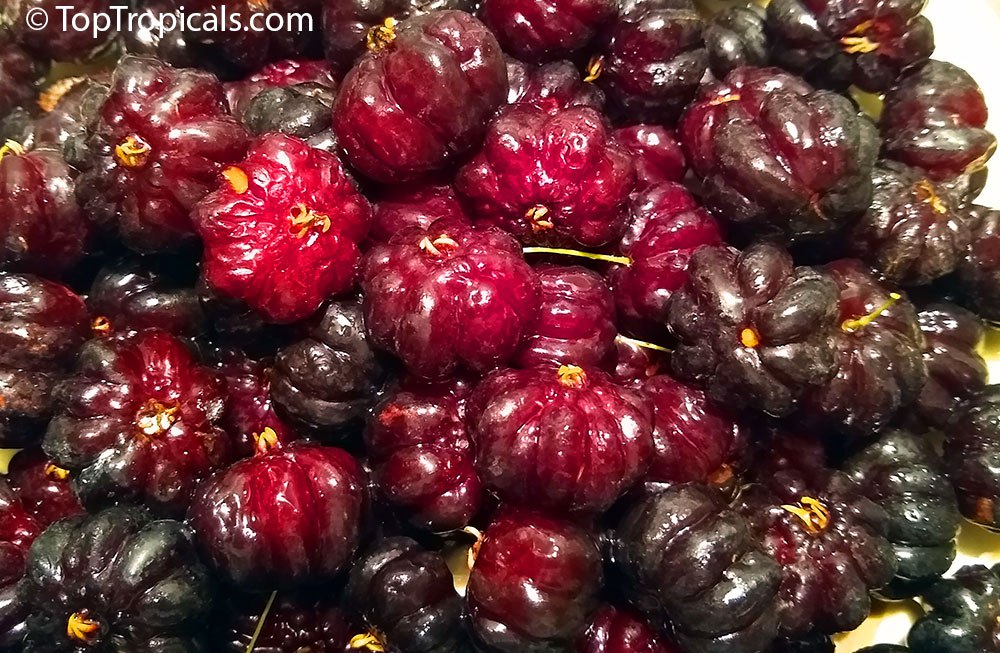
🍒 Pitanga tastes like summer. When fully ripe, the juicy fruit has a sweet-tart flavor - great in salads, desserts, jams, and even cocktails. Pitanga var. Black Star, or Lolita has exceptional flavor, larger sweeter fruit than regular red-fruit variety.

⚠️ Bonus: It grows fast, stays evergreen, and makes a great natural privacy screen or edible hedge.

If you're looking for a tropical fruit tree that’s both beautiful and beneficial, Pitanga is a smart choice. Just make sure to pick the fruit when fully ripe - and prepare to fall in love with this cherry that's not quite a cherry!

🛒 Start growing Health today - add Pitanga to your Food Forest

📚 More about Lolita Cherry from previous posts:


💋What makes Lolita different from regular Surinam Cherry?
💋Top 10 fruit you'll ever need for your health benefits: #8 Lolita Cherry
💋 Who is that Sweet Black Lolita from Surinam?
💋Top 10 fast-fruiting trees: #3. Eugenias - Tropical Cherries
💋How to make a jam with Surinam Cherry

#Food_Forest #Remedies #Hedges_with_benefits #Discover

🔴 Join 👉 TopTropicals