Garden Blog - Top Tropicals

Date: 20 Dec 2020

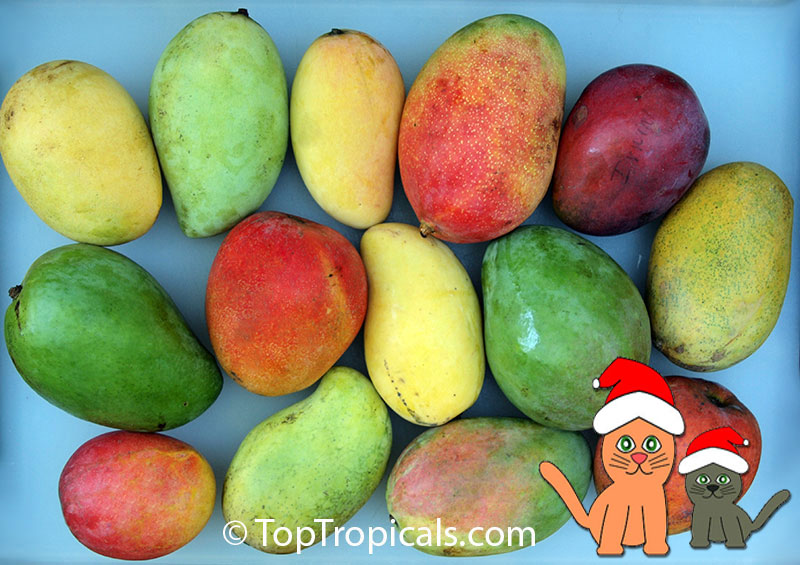
Mango ID and ripeness

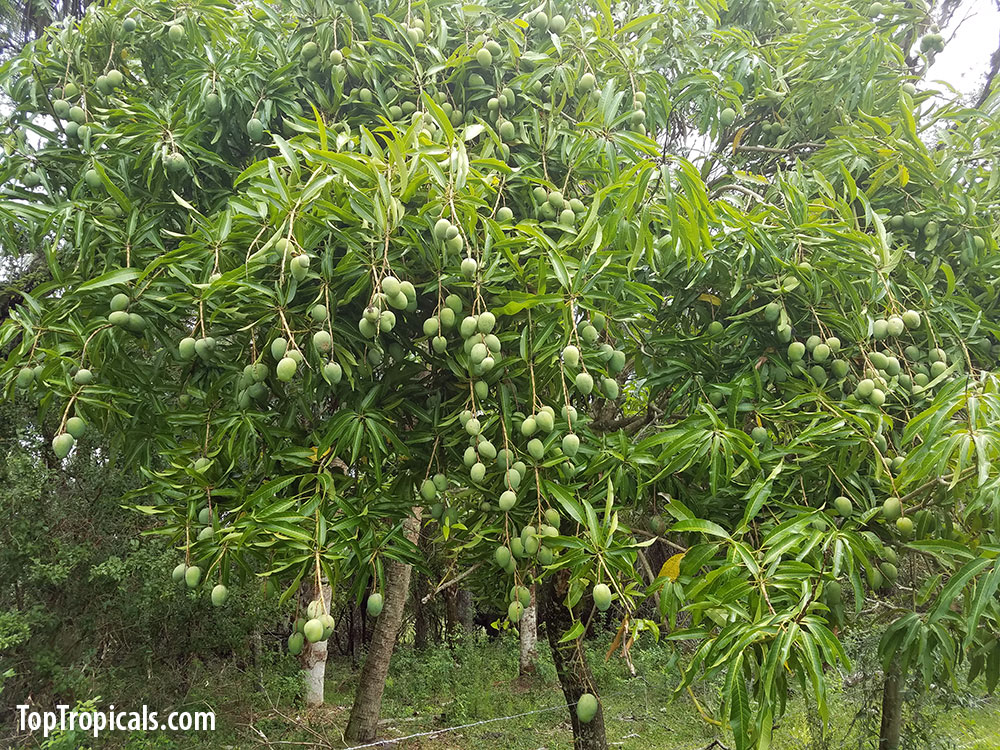
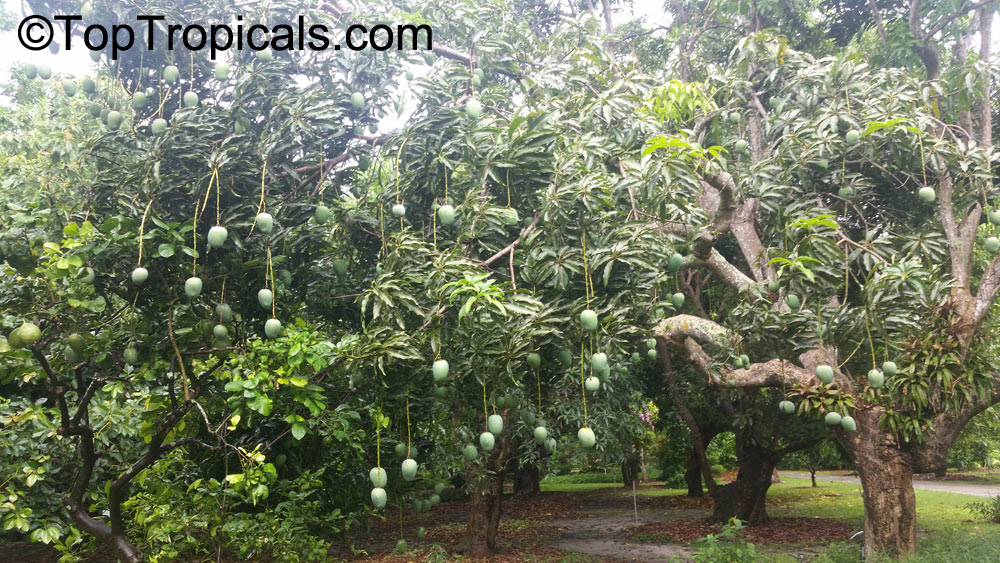
Q: As the World's Leading Authority on Tropical Plants, I hope you can help us out. We obtained a mango tree from a City giveaway, and planted it a few years ago. This is the 1st year it has produced fruit. They are almost all green color, & range from 6-7 inches in length. Attached are a few photos of the tree & its fruit. Please help to identify the type, and how to determine when they would be ready to pick. Or should we just wait until they fall off of the tree?

A: If the tree is grafted, it normally starts flowering within a year after planting. If the tree is over 6 years old and just now started fruiting - chances are, this is a seedling (possible at giveaways) without specific variety. However the fruit looks pretty good size and shape, hopefully it tastes great. You will find out soon!
Based on the pictures, there maybe a few possible choices, including varieties (or their seedlings) Keitt, Rosigold, it can be even Lancetilla if fruit grows bigger than 7" long. The next step would be, wait until the fruit get some color, then it will be easier to narrow down the variety. Also see if there is a lot of fiber or no fiber.
You may wait until at least one fruit ripens on the tree and let it fall naturally - that will be the color (can be all green, but in your case it looks like it's turning yellow blush). After that, you may pick full size fruit before they fall and let them ripen on a kitchen table. Usually once the fruit starts showing color, it is close to ripening. For all-green varieties, just wait till fruit grows to maximum full size. You may also check if the fruit gets softer to touch, then it's ready.

Date: 30 May 2020

How to prevent mango fruit drop

Q: My mature mango tree is fully grown 15 yrs old and each year it fully blooms, sometimes twice. Shortly thereafter, all the baby mangos and flowers fall off providing no mangos for the season. I have tried fertilizing, spraying the tree for fungus or other insects, to no avail. I give up, any suggestions?

A: Dropping fruit in pretty common issue with mango trees. There may be several reasons, or a combination of reasons.
1. Fungal disease (anthracnose), and/or powdery mildew. To avoid fungal disease problems, spray your tree when it just begins to form the flower spikes. Treat foliage with Copper fungicide. There is also another one, very effective for anthracnose: Thiophanate methyl.
2. Inadequate nutrition. Feed your tree with a combination of granulated fertilizer Mango-Food, liquid booster SUNSHINE Mango Tango and micro-elements Sunshine Honey and Sunshine Superfood
Check out pictures of our mango tree problems that were fixed within a month by using Sunshine Boosters.
3. Too much rain or heavy dew during blooming and fruit set (see 1 - use preventive treatment for fungus)
4. Cold. Sometimes the cause of premature fruit drop is from the cold weather during bloom and fruit set. Usually the most affected varieties are the early bloomers including Glenn, Haden. The cold damages the developing embryo in the seed. The fruit starts to develop but because of ethylene gas given off by the damaged embryo, the fruit is triggered to drop before maturity. To see if cold temperature was the cause for your fruit dropping, cut open the fallen fruit. Even if there is a small speck of brown in the seed, that's enough damage to stop fruit development.
To learn more how to care for your mango, please read this publication.

Date: 10 Mar 2020

Boosting Mango Flowers and Fruit

Q: I've been a long time customer of yours and always been very happy with my purchases. Last year I purchased a coconut cream mango tree from you and while it did flower and show signs of starting to fruit, they soon fell off and I never got any fruit from the tree. This year, there are many more little buds on the tree and much earlier in the season. I want to do whatever possible to get as much fruit as I can and prevent these from all falling off again. Please advise what I should do.

A: Mango flowers can be tricky and there are several factors that may affect setting fruit and especially possible fruit drop. Here are a few ideas that may be helpful...

CONTINUE READING >>

Date: 3 Aug 2019

Grafted or seedling?

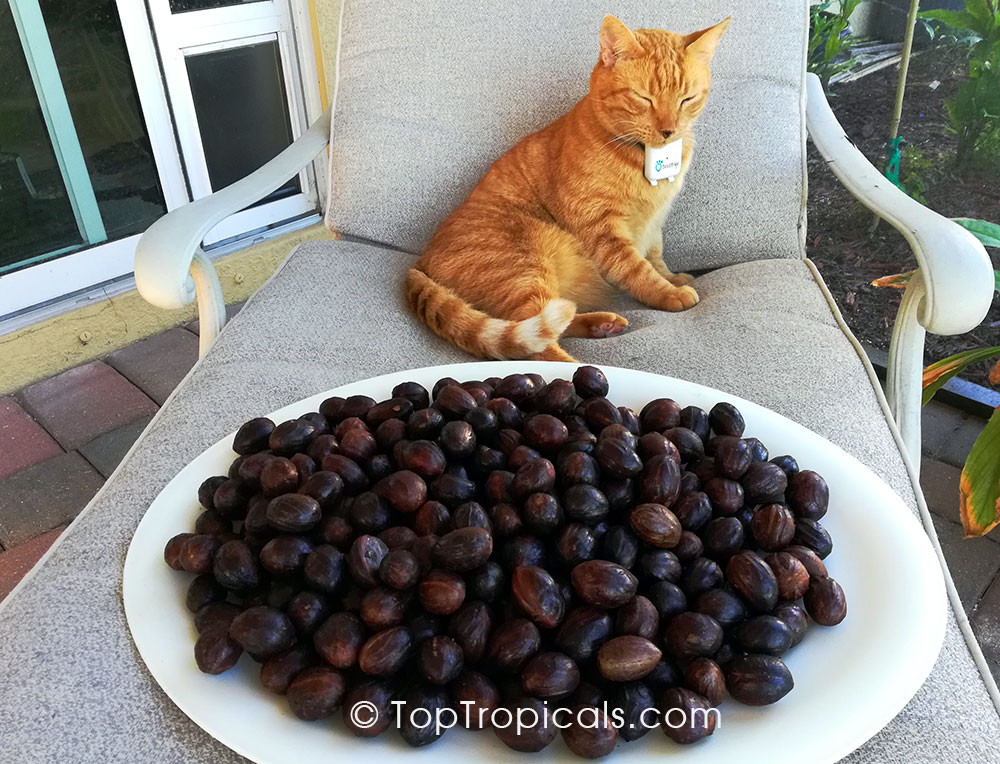
Photo: Mr Barcy meditating before planting Nutmeg seeds

Q: I planted an avocado seed and it sprouted quickly, it has been only a couple months and I already have a small plant. How soon will it produce fruit? Can I grow other tropical fruit from seed?

A: Unfortunately, some fruit trees, including varieties of avocado, mango, lychee, as well as apples and peaches - must be either grafted or air-layered in order to produce, for 2 main reasons:
- seedlings may take a very long time until fruiting, up to 10-15 years
- seedling gives no guarantee on the quality of the fruit or variety
These fruit trees should be propagated as "clones" - both grafted material or cuttings are actually copies of the mother plant and will keep the same fruit qualities. Grafted trees usually start producing immediately.
However there is a number of fruit trees that come true from seed, and take a very short time to start flowering. Jackfruit, Annonas (Sugar Apple, Guanabana, etc), Papaya, Icecream Bean, Eugenias start producing at a young age (3-4 years from seed).

Recommended fertilizers for fruit trees:

Fruit Festival Plant Food - Super Crop Booster
Mango-Food - Smart Release Fruit Tree Booster
SUNSHINE-Honey - for sweeter fruit
SUNSHINE SuperFood - microelement supplement

Date: 6 Feb 2025

How to get mango trees to bloom and set fruit

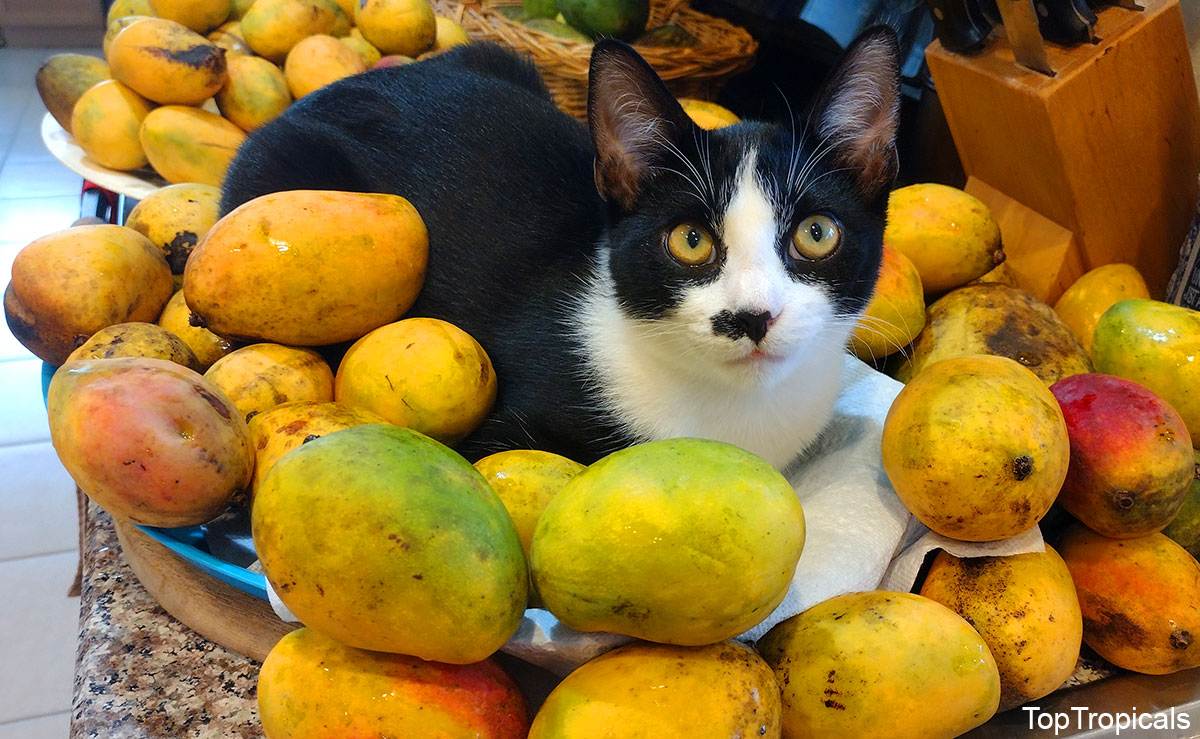
Cat  with  mango  fruit

Q: Is there any way to make a mango tree set more fruit? My mango trees bloomed like crazy last year but most of the flowers dropped and I had only a few fruit. What do I need to do to get more fruit?

A: Mango trees flower from late Winter to Spring, with the peak blooming season varying based on variety. During this time, mango trees produce hundreds of small, fragrant flowers in large panicles. A healthy mango tree can produce anywhere from 500 to 2,000 flowers per panicle. However, only a small fraction of the flowers will be successfully pollinated and develop into fruit, depending on the tree's size and health.

To support healthy flowering and fruit set, mango trees need dry weather, as excessive moisture can inhibit pollination and fruit development. During flowering period, it's important not to overwater, as the tree is less active in water uptake.

Avoid dry fertilizers during flowering since the tree is focused on reproduction rather than vegetative growth. Continue applying Sunshine Boosters Mango Tango liquid fertilizer to support the tree's overall health and vigor which will encourage fruit quantity and quality. Sunshine Boosters deliver essential nutrients in optimum amounts, proportionally to water intake.

Ensuring a dry, sunny environment and mild fertilizer Mango Tango will help the tree set fruit successfully.

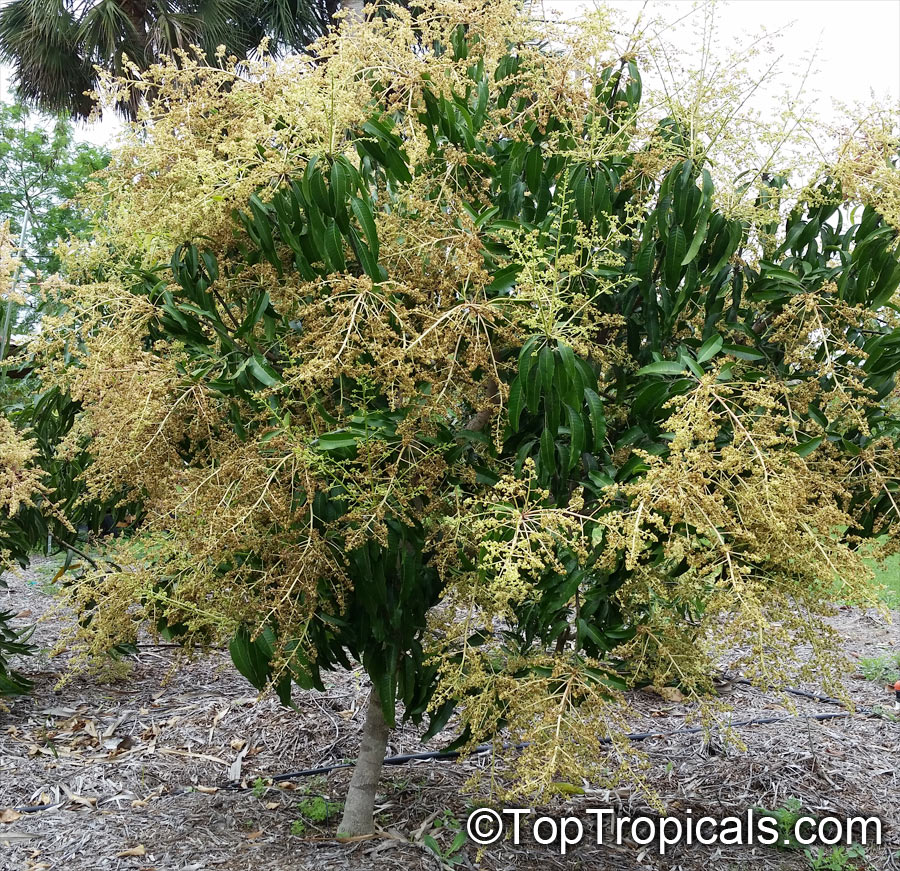
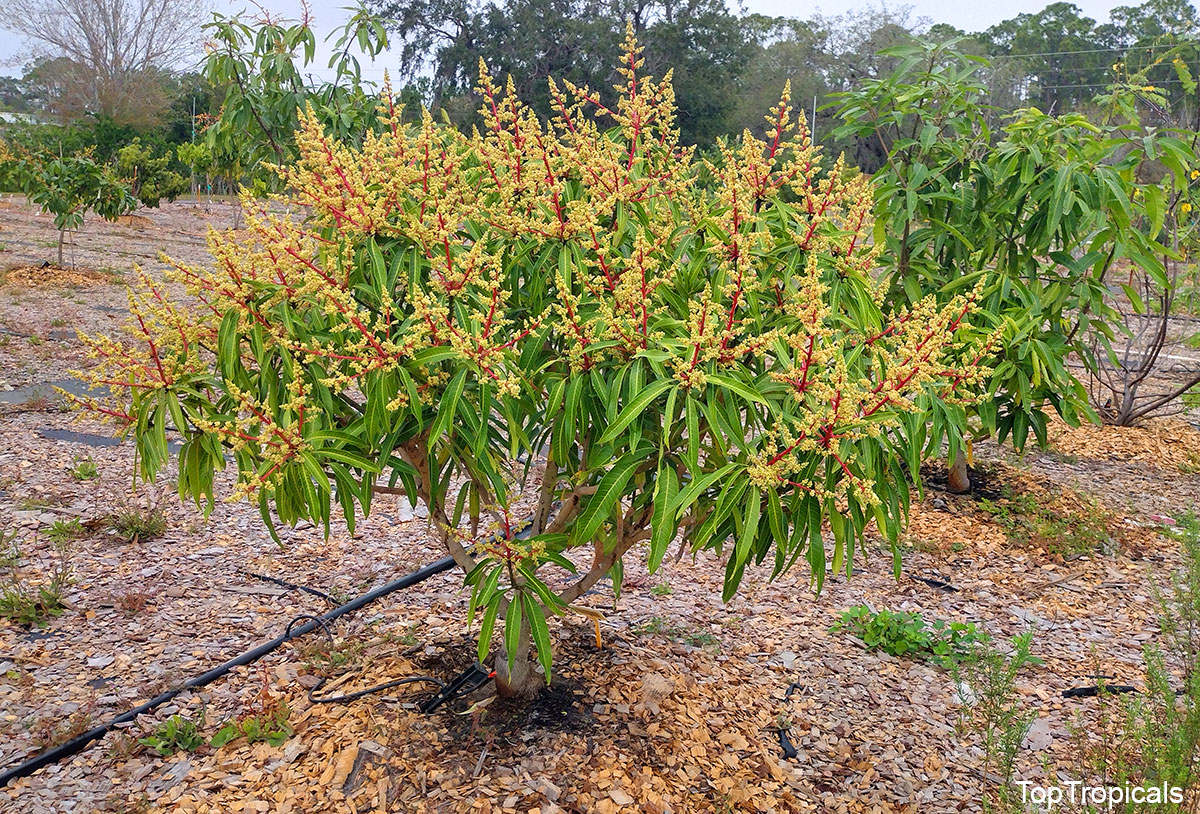
Mango  tree  flowering

Photo above: Our Mango garden in Sebring, FL is in full bloom now! Early spring in Florida started in January 2025. Surprisingly, all our mango varieties decided to start blooming: - early, mid- and late- season cultivars. It's a stunning view! Check out a short Video.

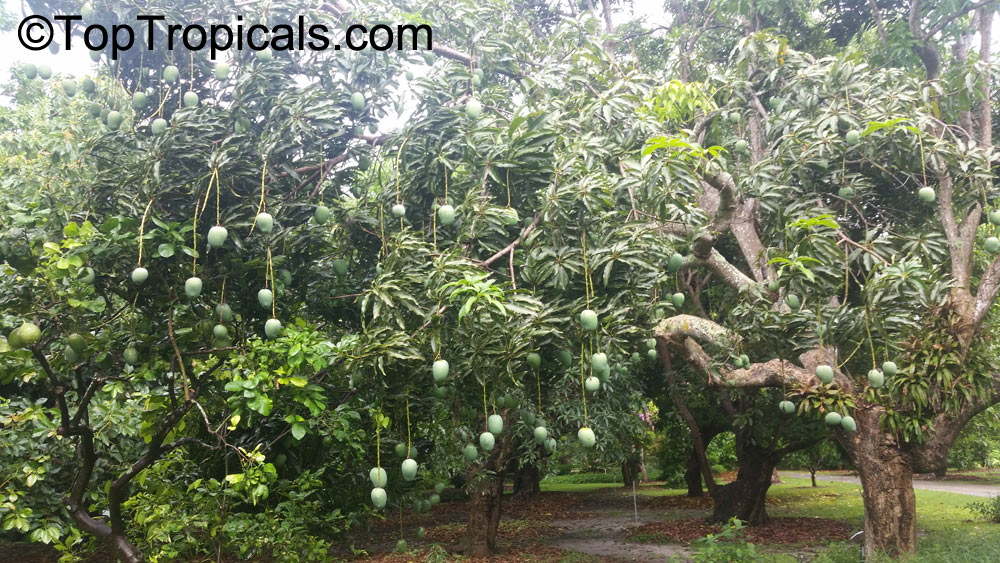
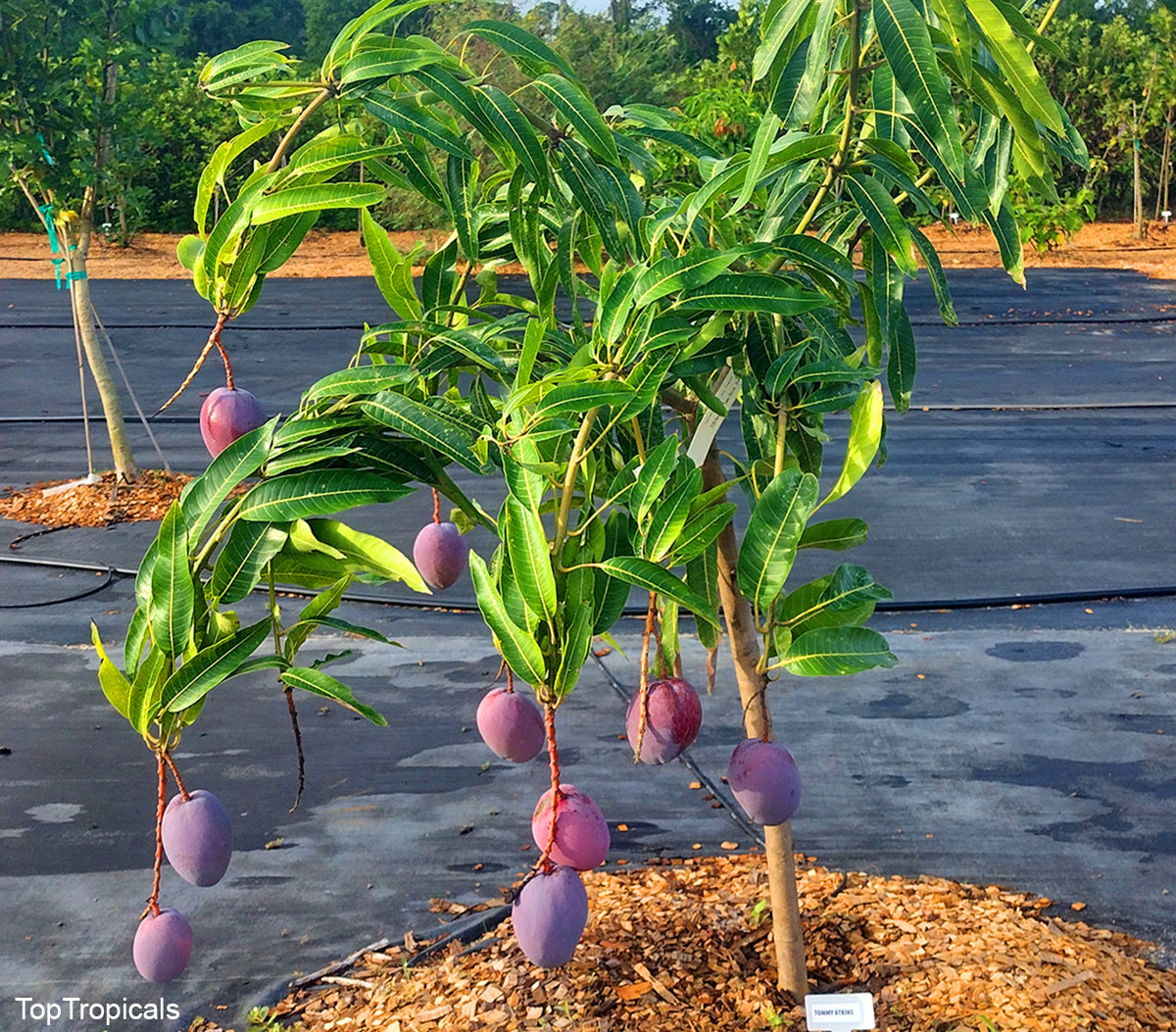
Photo below: 2024 fruiting trees. We use Sunshine Mango Tango year around.

Mango  tree  fruiting