Garden Blog - Top Tropicals

Date: 12 Dec 2021

Golden Sugar Apple and Jackedak Cheena
50% OFF and MORE!

We've combined the exotic fruit of this rare Annona from Costa Rica - Golden Sugar Apple with the sweet, crunchy and excellent flavor of the Jackedak Cheena. Both rare and unique plants can be yours at considerable savings, but don't delay as there are limited quantities in stock.

Rare Fruit Collection:
two Jackfruit-textured rare fruit!

For this Easy Sunday we have priced these at incredible savings:
The Golden Sugar Apple regularly $39, is on Easy Sunday sale for only $19
The Jackedak Cheena, regularly $49, is on Easy Sunday Sale for only $24 .
Combine the two for your own Rare Fruit Collection and save even more, only $39 for the set!

Jackedak Cheena

Artocarpus x integer (Jackfruit x Chempedak) - Jackedak Cheena has been grown in TopTropicals garden from a seedling and fruited within 3 years from planting. The fruit is the best we ever tasted! It is super sweet, crunchy, with a rich, excellent flavor, with very little latex which makes it easy to handle when cutting up. Our tree survived light frosts as well as 48 hours of 3 ft flooding, with no damage! Cheena is a natural hybrid between Jackfruit and Chempedak with low and spreading growth habit, can be maintained at 8 ft with annual pruning.

Picture of 3 y.o. Cheena at Top Tropicals garden, loaded with fruit:

Golden Sugar Apple

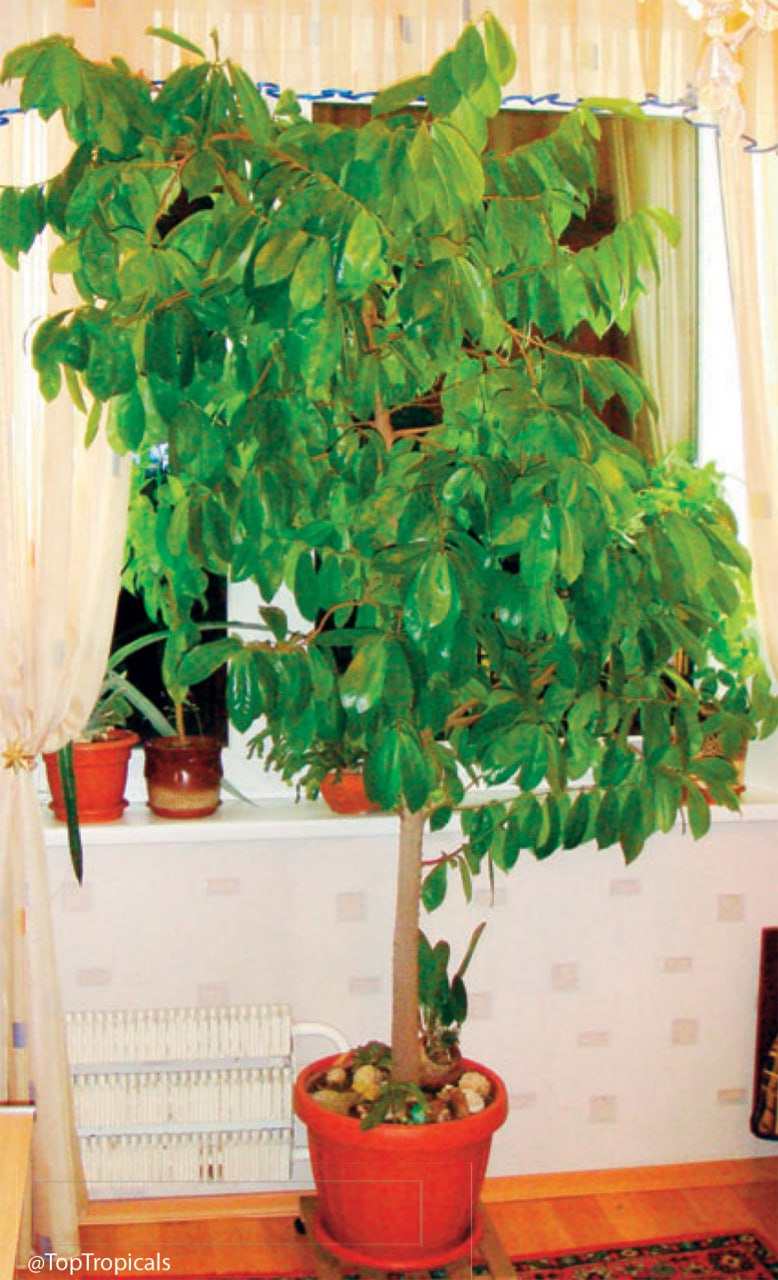
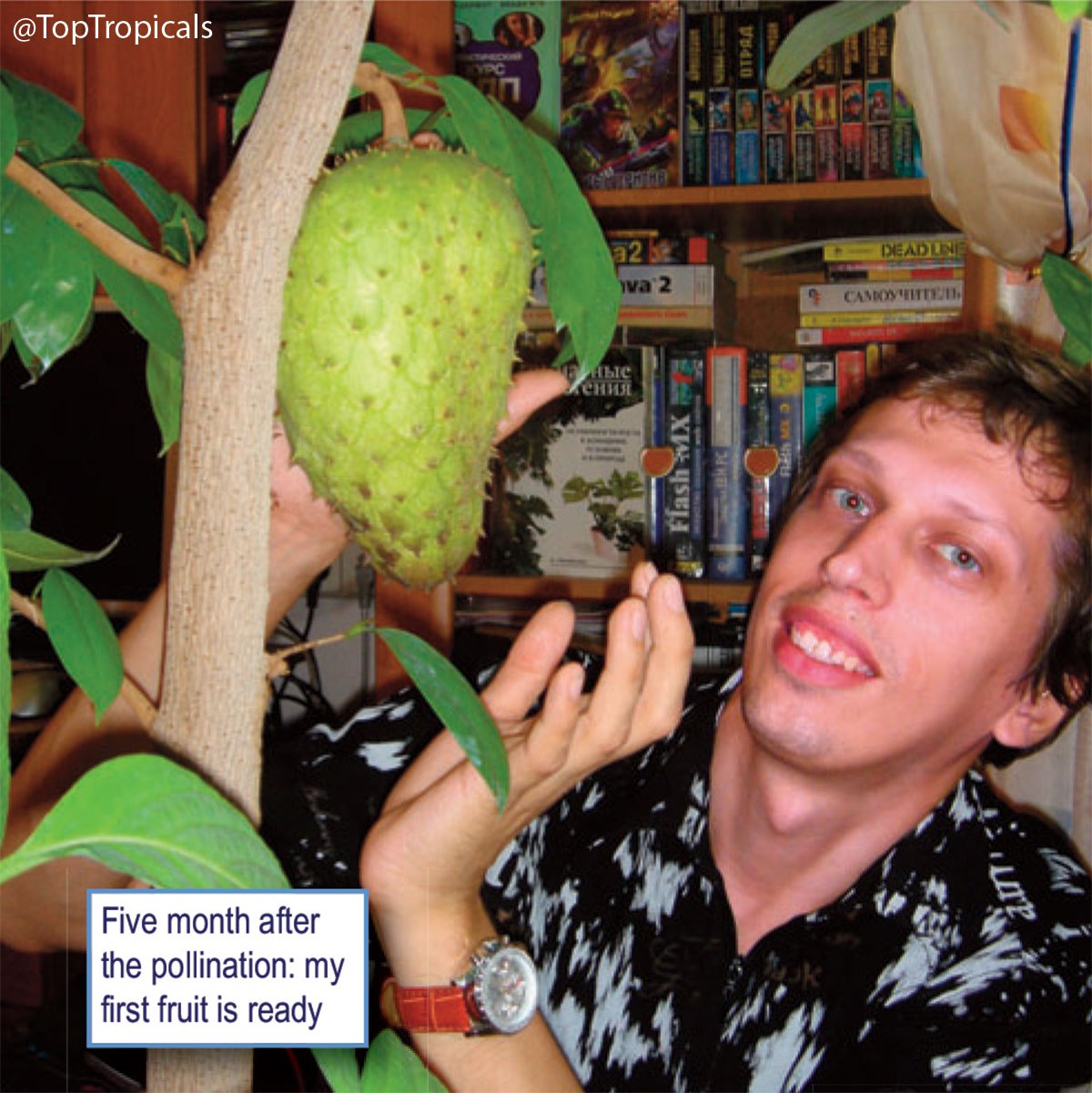
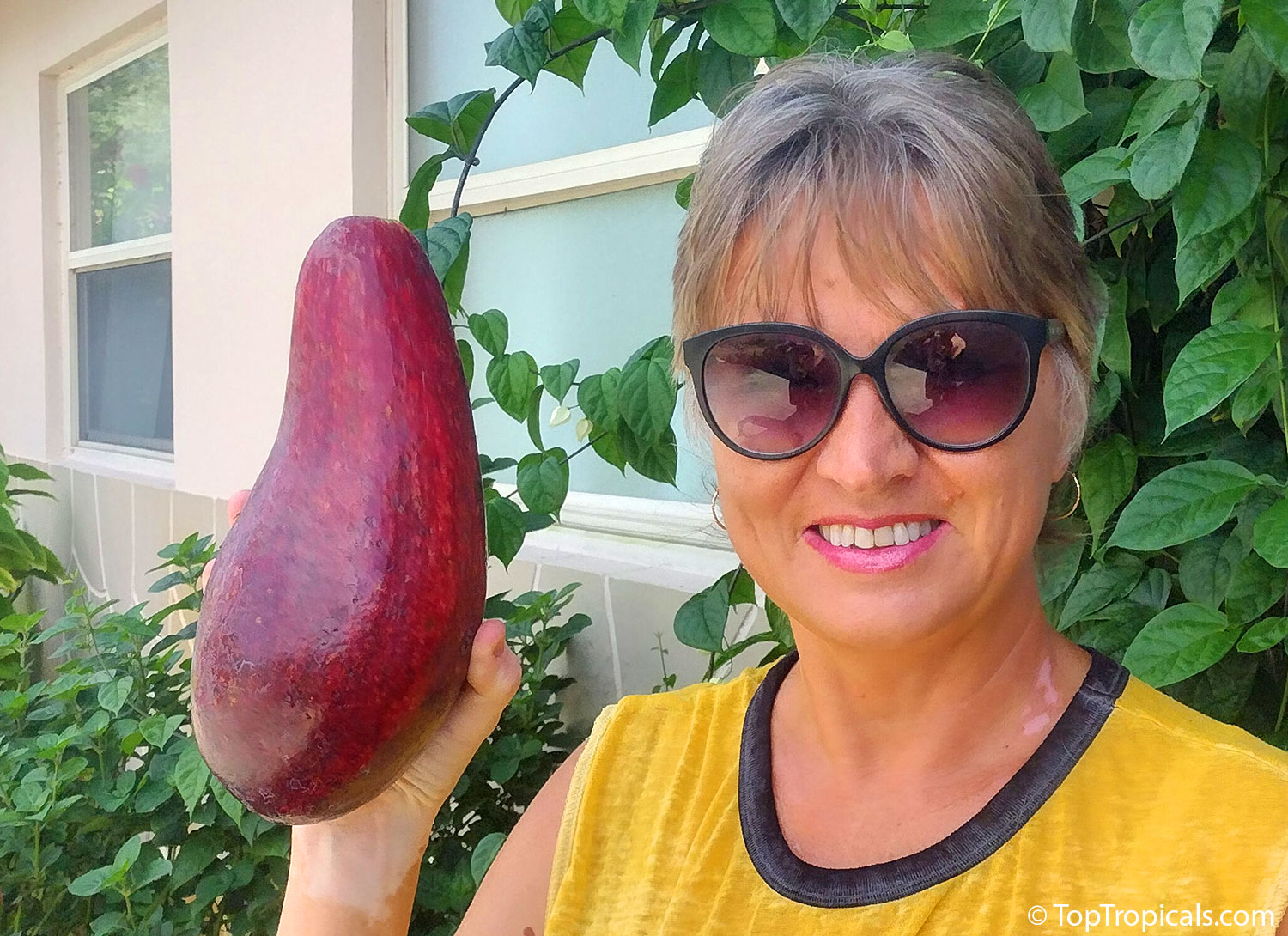
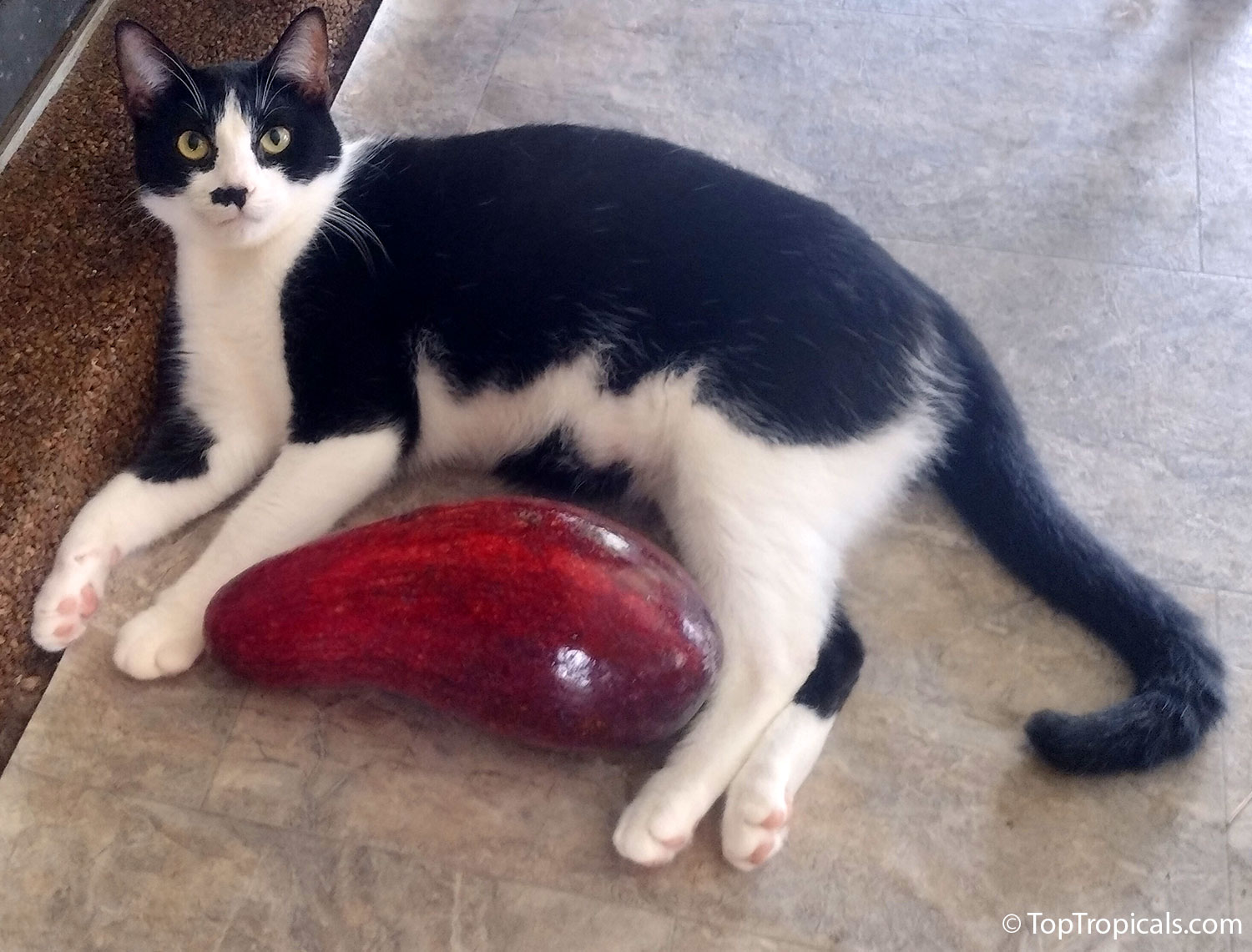
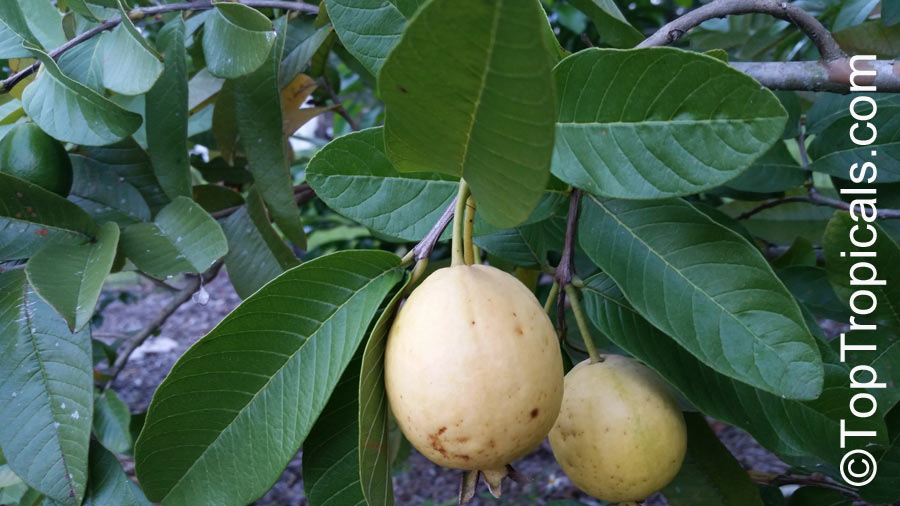
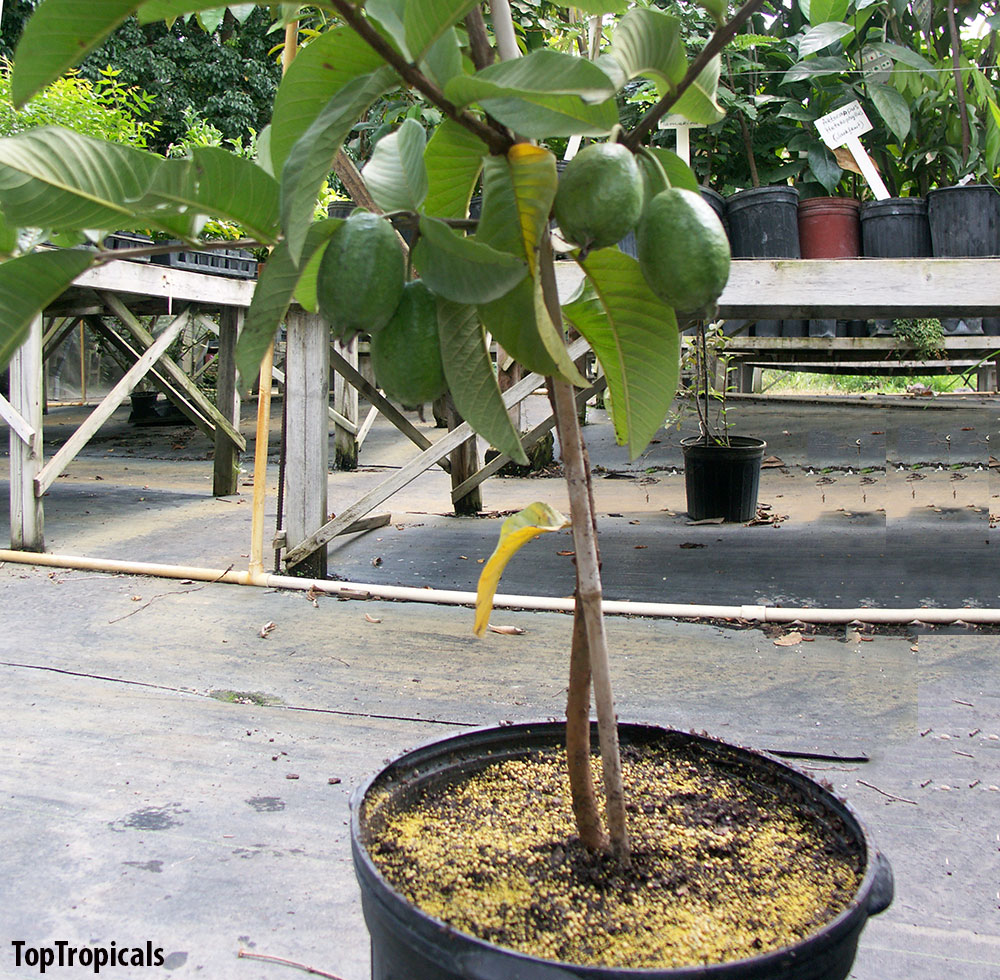
The Golden Sugar Apple or Pineapple Annona originally was brought to us by our customer from Costa Rica. We believe it to be a natural hybrid between A. muricata and A. glabra. It is a very ornamental small tree similar in growth habit to A. muricata, A. montana or Rollinia. Fast growing, forms nice bushy specimen. Fruit is very large, up to 1 lb, golden to orange when ripe, with strong Pineapple scent, and resembling Jackfruit in texture, with pineapple, papaya, apricot and melon overtones. The tree tolerates flooding and is cold hardy at least to upper 20's. Very interesting for rare fruit collectors as much more hardy and water tolerant alternative to its sensitive relatives Soursop and Rollinia.

Picture of 3 y.o. tree full of fruit:

Remember, the Easy Sunday special has been extended through Wednesday, December 15th. Limited availability, hurry up! All orders over $75 (excluding S&H) are eligible for 20% off!

For 20% off - use code YEAREND20

Min. order $75 (excluding S&H). Good through December 15th

Enjoy your Holiday Tropical Fruit!

Photo above: Jim is Holiday decorating with super-sweet tropical fruit balls - Pom-Poms

Date: 24 Jun 2024

How to grow your own Carambola

How to grow your own Carambola How to grow your own Carambola
⭐️ How to grow your own Carambola

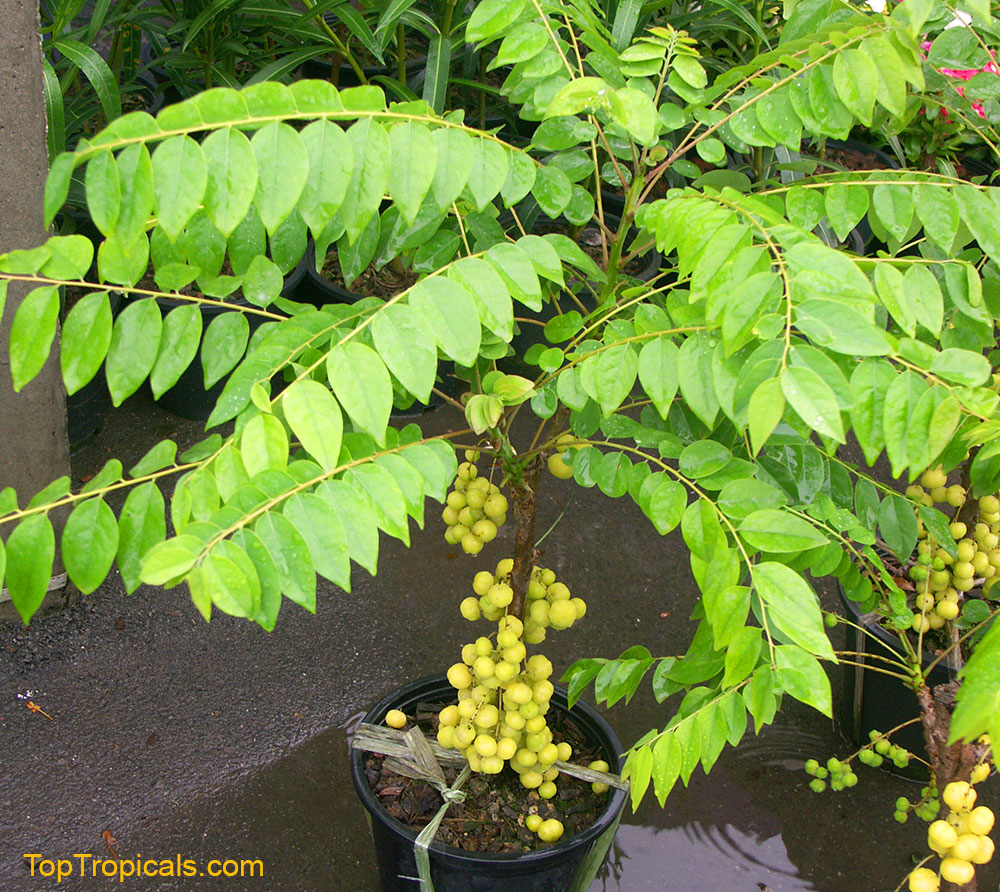
Star Fruit
- Carambola Tree (Averrhoa carambola). Growing this tree is a fun and rewarding way to enjoy this unique and delicious fruit right at home.

  • 🌟 Star power: slice it, and you get perfect star-shaped pieces for impressing guests or adding some sparkle to your fruit salad. Bright yellow and shiny, the fruit adds a pop of color to any dish. Great in salads, smoothies, desserts, or even as a garnish. Endless possibilities!

  • 🌟 Nature's candy and low-calorie treat: a delightful mix of sweet and tangy flavors packed with juicy goodness, a refreshing way to stay hydrated. Guilt-free snacking with hardly any calories. Snack away!

  • 🌟 Health benefits: Star fruit is loaded with Vitamin C. Good source of dietary fiber, keeps things moving smoothly. Packed with antioxidants to help fight off those pesky free radicals.

  • 🌟 Cultivation of the tree is easy:


  • ▪️ Loves full sun. Plant it in a sunny spot for the best fruit.
  • ▪️Keep warm and protect from winds. Thrives in warm, tropical climates, but can take some light frost winters as long as protected from winds, wind-free is the key!
  • ▪️Prefers well-drained soil. Keep it happy with good drainage.
  • ▪️Regular watering but doesn't like soggy feet.
  • ▪️Space saver: compact tree that doesn't take up much space. Perfect for smaller gardens. Dwarf varieties available, good for containers.
  • ▪️Fast grower: grows quickly. You'll be harvesting star fruit in no time!
  • ▪️Pretty blooms: produces lovely pink flowers. Adds beauty to your garden even before the fruit comes.
  • ▪️Home harvest: enjoy fresh, home-grown star fruit. Pick them right off the tree!
  • ▪️Fast-fruiting: seedlings start fruiting within 3 years from seed. Grafted or air-layered trees fruit right away.


📚 Learn more: Carambola tree is the Star of the orchard

🛒 Shop Start Fruit varieties

#Food_Forest

🏵 TopTropicals

Date: 22 Jan 2026

Canistel breakfast mash: quick-n-fun exotic recipes

Canistel breakfast mash

Canistel breakfast mash

Canistel - Pouteria campechiana, Egg Fruit

Canistel - Pouteria campechiana, Egg Fruit

🍴 Canistel Breakfast Mash

Ingredients

  • 1 ripe canistel (egg fruit), peeled and seeded
  • 1 tablespoon milk
  • Ground cinnamon, to taste

Instructions

  1. Scoop the canistel flesh into a bowl.
  2. Mash thoroughly with a spoon, adding milk gradually until smooth and custard-like.
  3. Serve immediately, topped with a light sprinkle of cinnamon.

🌿 About the plant:


Canistel (Pouteria campechiana), often called Eggfruit, has dense yellow flesh with a flavor reminiscent of sweet potato, pumpkin, and custard. It is naturally rich and filling, which is why it is often used mashed, blended, or cooked.

🌱 In the garden:


Canistel is a tough, drought-tolerant tropical fruit tree that performs well in warm climates. It prefers full sun, well-drained soil, and minimal fuss once established. Compact growth and heavy production make it well suited for edible landscapes and container growing.

🛒 Add to your garden:


📚 Learn more:

Plant Facts

Pouteria campechiana
Canistel, Eggfruit, Chesa
USDA Zone: 9-11
Large tree taller than 20 ftSmall tree 10-20 ftFull sunRegular waterEdible plant
  • Pouteria campechiana - Canistel, Eggfruit - in Plant Encyclopedia
  • Health Benefits of Canistel Fruit
  • Pouteria campechiana - Canistel, the curious heart-shaped Egg Super-Fruit

  • #Food_Forest #Recipes

    🟢 Join 👉 TopTropicals

    Date: 2 Mar 2026

    😼😺 The Story Behind Smokey and Sunshine 🐾

    Smokey  and  Sunshine  in  office  presentation  about  Cherry  of  the  Rio 
 Grande  freeze  survival,  with  Sunshine  pointing  at  polar  bear  and  penguin 
 marketing  poster,  coffee  and  donuts  on  table,  tropical  plants  on  shelves  in 
 background.
    Sunshine: You know, February 27 was International Polar Bear Day. I just learned about it and got a brilliant marketing idea. Cherry of the Rio Grande survived 25F. With wind. Real wind. That means we go north. Let them taste this magic. I even have a donut recipe with the fruit. It’s a bomb, Smokey. We expand. Trust me. Finally you can afford that new watering timer.

    Smokey: Not so fast, genius. Twenty five degrees is not the North Pole. And polar bears and penguins do not share zip codes.

    Sunshine: You always pour cold water on my brilliance. Fine. Where do we start?

    Smokey: Well, first you go talk to Tatiana. She graduated from the Geography Department. She can explain climate zones. Cherry of the Rio Grande can grow in North Florida, Texas, and similar climates. Let’s master that before we conquer Arctic.

    Sunshine: So… Phase One: Geography?

    Smokey: Exactly.

    Some stories are easier to tell with a little humor. Smokey and Sunshine were never just mascots. They represent the two forces behind every decision we make here: bold ideas and careful reality. One dreams big. The other checks the climate zone map. Together, they remind us that growing plants is part science, part optimism, and always personal. If you have ever wondered why they keep appearing in our newsletters, you can read their full story on the Smokey and Sunshine page. They have been with us longer than most people realize.

    🐾 Learn the Story of Smoky and Sunshine

    Freeze Testing of Grumichama and Cherry of Rio Grande 🍒❄️

    Grumichama  tree  (Eugenia  brasiliensis)  showing  white  flowers  and  ripe 
 red  fruits  in  tropical  garden 
 conditions

    Eugenia brasiliensis - Grumichama tree flowering and fruiting

    When temperatures dropped to 25F, with wind chill near 14F, winter made it clear which tropical trees were truly resilient. Some plants burned back. Tender growth collapsed. But our established Eugenia cherries stood steady. Leaves held. Branches stayed flexible. The canopy remained intact.

    Cherry of the Rio Grande (Eugenia aggregata) and Grumichama (Eugenia brasiliensis) are among the most cold-hardy tropical cherries for Southern gardens. Both are native to Brazil and thrive in USDA Zones 9b–11, and even protected 9a sites.

    Cherry of the Rio Grande produces dark ruby fruit that ripens almost black, with a rich, full cherry flavor. It flowers early in spring and can fruit well into summer. Mature trees can tolerate brief drops into the low 20s once established. Trees typically grow 8 to 15 feet tall, remain naturally compact, and often begin fruiting within 2 to 3 years.

    Grumichama is an evergreen tree known for both beauty and productivity. In spring, it covers itself in white starburst flowers that attract pollinators. Within about four weeks, glossy purple-black fruit develops. Established trees tolerate temperatures into the upper 20s and grow well in the ground or in 5–10 gallon containers. Mature trees can produce hundreds of fruits per season.

    Across the Eugenia group, strengths are consistent: early bearing, compact growth, heat tolerance, light freeze endurance, and low pest pressure. They are adaptable to different soils, need modest water once established, and perform in full sun or partial shade. Birds enjoy the fruit, but there is usually plenty to share.

    Nutritionally, Eugenia cherries provide Vitamin C, fiber, antioxidants, and notable Vitamin A that supports eye health. They offer sweetness with real dietary value.

    In the kitchen, they are simple and rewarding. Cherry of the Rio Grande makes an easy compote. Simmer the fruit with a small amount of water until soft, mash lightly, and spoon over pancakes or warm bread. Grumichama turns into a deep red jam with sugar and lime, or can be blended into a bright spoon drizzle over vanilla ice cream.

    Even when not fruiting, both trees remain attractive year-round with glossy evergreen foliage and clean structure. They fit well into edible landscapes, small yards, and container gardens.

    Winter will return. The difference lies in planting fruit trees that can handle heat, humidity, and the occasional cold snap. If you are building a food forest for lasting harvests, cold-hardy tropical cherries like Cherry of the Rio Grande and Grumichama deserve a place in your garden.

    Ripe  Grumichama  fruits  (Eugenia  brasiliensis)  hanging  on  a  branch  with 
 glossy 
 leaves

    Ripe Grumichama (Eugenia brasiliensis) fruits developing on the tree, turning deep red to nearly black when fully mature.

    Cherry  of  the  Rio  Grande  (Eugenia  aggregata  cv.  Calycina)  fruits 
 ripening  from  green  to  dark  purple  on  the 
 branch

    Eugenia aggregata (cv. Calycina), Cherry of the Rio Grande

    🛒 Plant hardy Eugenia cherries

    Date: 7 Jul 2016

    Growing fruit trees in containers

    Will it fruit in a pot? YES! Many tropical fruit trees can be grown in a pot. We get many calls from customers in cooler climates asking if our tropical trees can grow and fruit in a pot. The answer is yes!

    Several plants fruit well in pots. Blackberries and raspberries, barbados cherries, blueberries and many more start fruiting even in their 1 gallon containers. We are especially excited about our new Pixie grapes, which are heavily laden with grapes even at only a foot long!

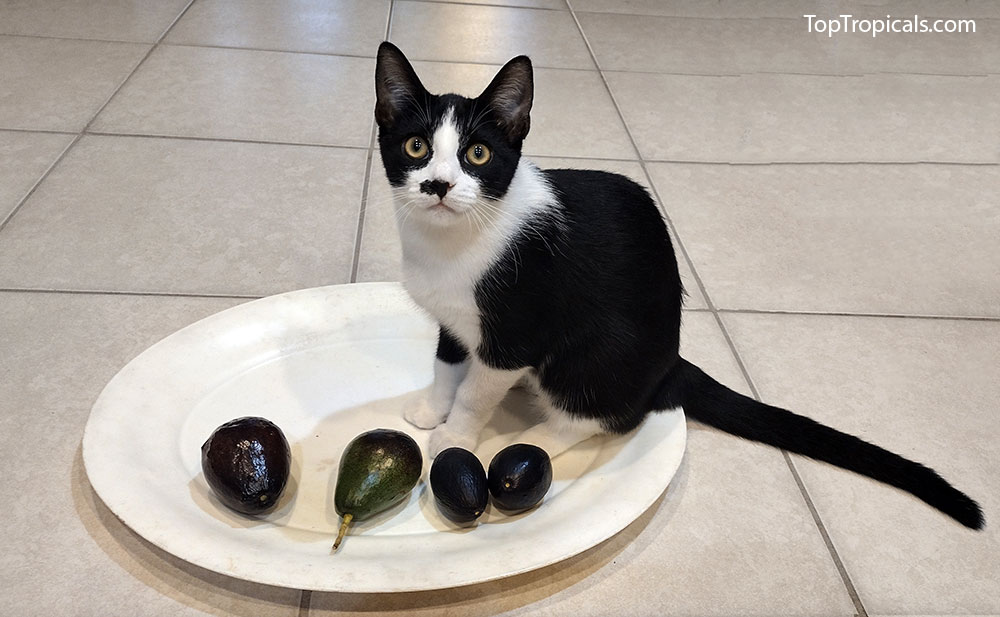
    While some plants are small and will fruit easily in a container, others are large trees. For the tree type fruits, we recommend growing only non-seedling plants for pot culture. We have cuttings, air layers and grafted plants that are great options. These have the ability to fruit right away, as they are the same age as the parent tree. Some horticulturists recommend removing the first year fruit to allow the plant to focus on growth and establishing. If the plant is being kept in a pot, this is not necessary.

    We also have several dwarf varieties of fruit trees that will thrive in a pot. For avocados, we carry the Wurtz variety which is a dwarf tree... read more...