Top 5 exotic Mango varieties for rare fruit collection
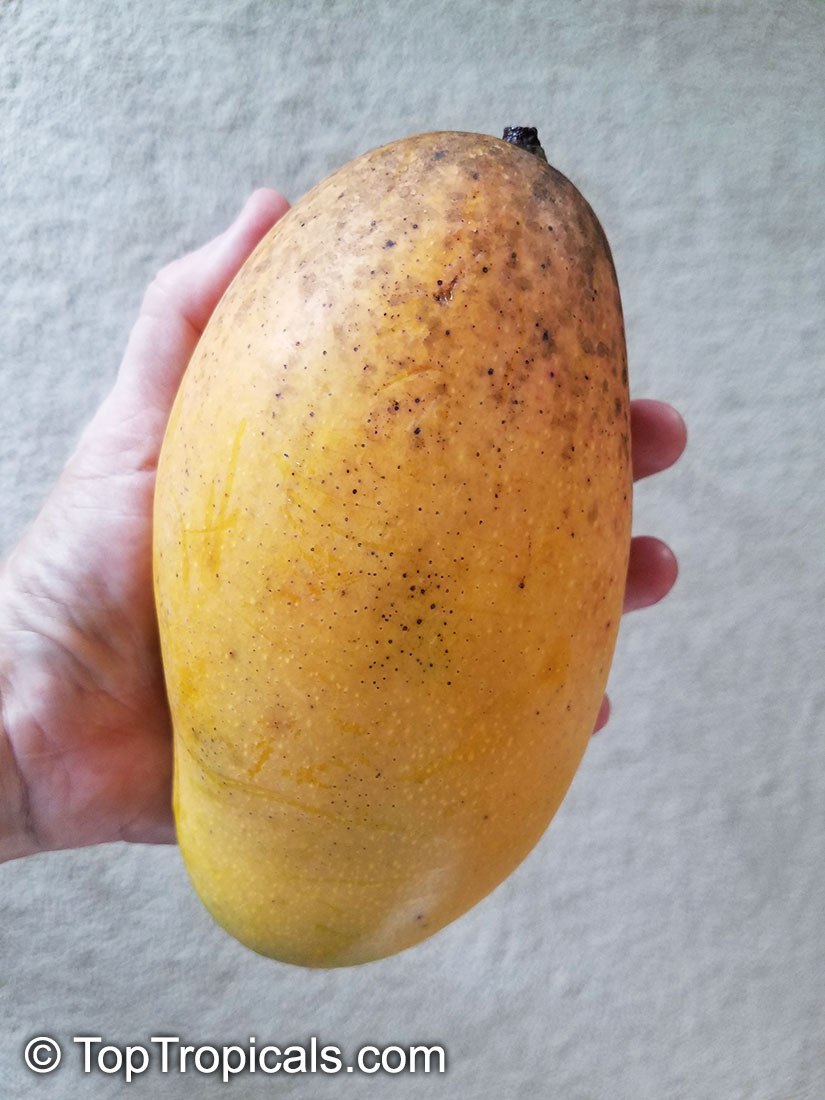
Mango Kar Lon Long
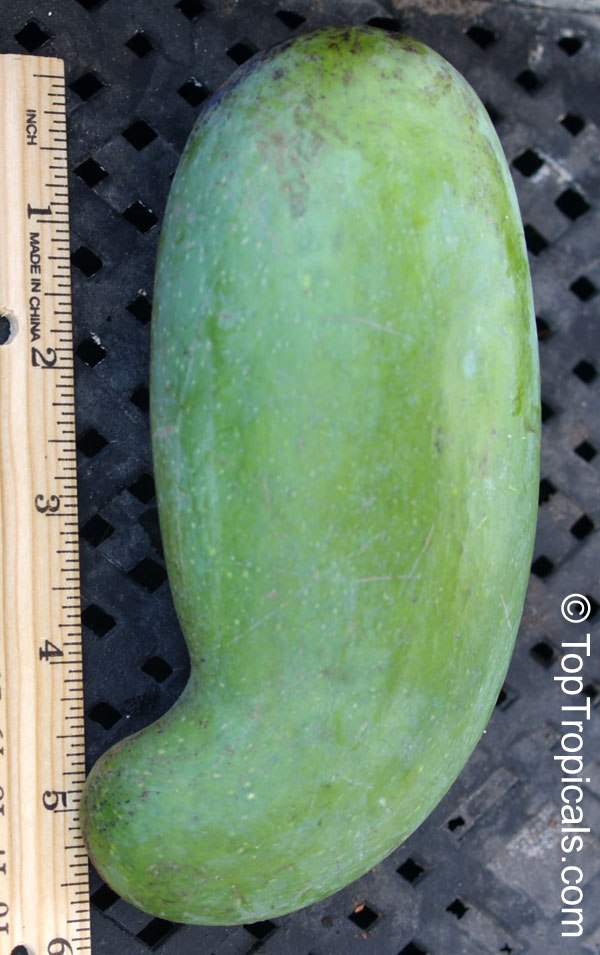
Mango Mun Kun Si
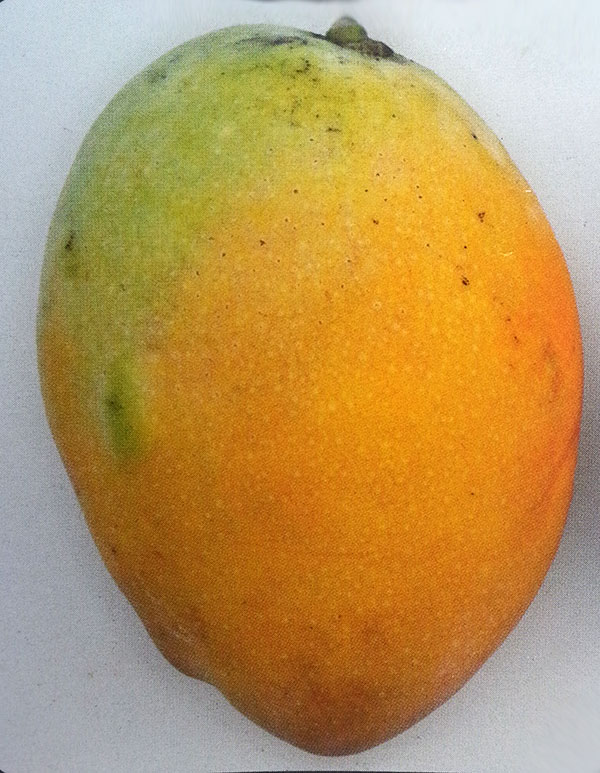
Mango - Pina Colada
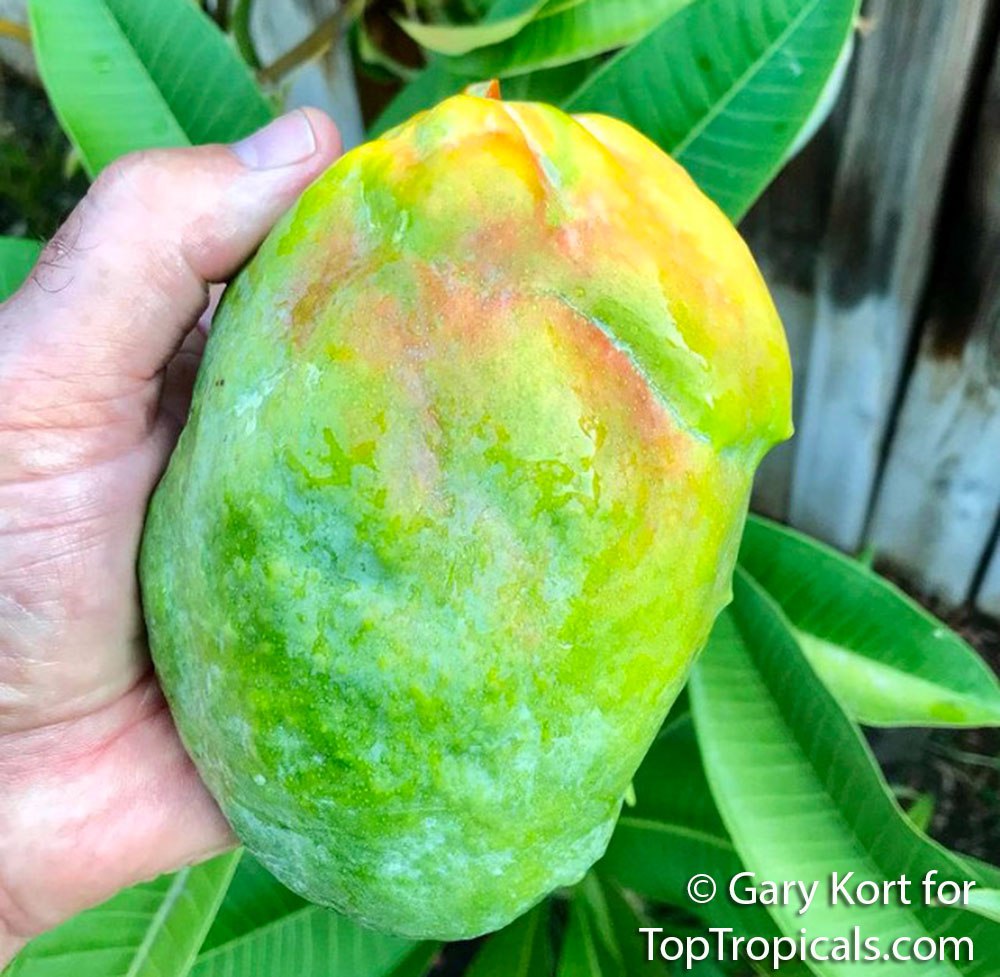
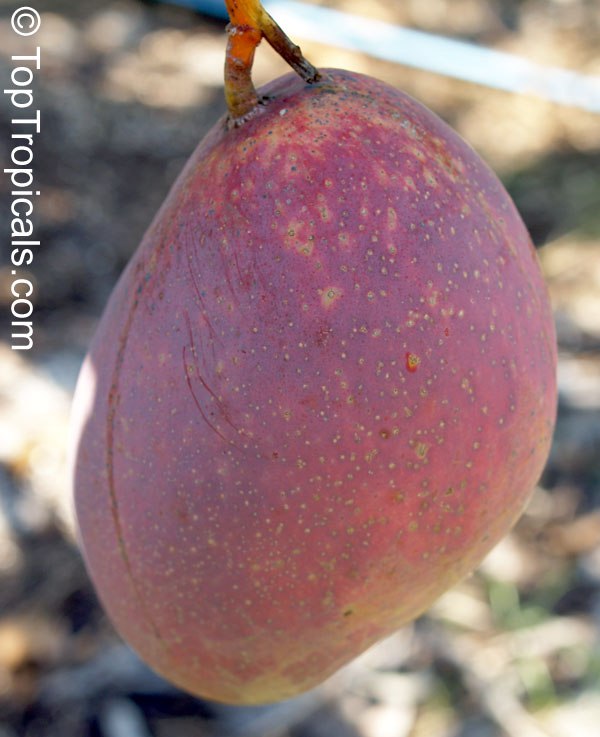
Mango Ugly Betty
Mango Giselle
🥭 Top 5 exotic Mango varieties for rare fruit collection.
Now that you have decided to collect them all but have limited space, these are the top 5 of the most interesting rare Mango cultivars:
🟠 1. Kar Lon Long - rare and unusual, native to India. Fruits that can weigh up to 5 lbs each! The unique flavor that has been described as being a cross between a mango and a pineapple.
🟠 2. Mun Kun Si - similar to Nam Doc Mai but much bigger. Rare variety, very popular among Thai and Vietnamese people. The fruit are extremely sweet, fiberless and somewhat crunchy ("Mun" means crunchy). Very late producer, fruit may still be on a tree as late as January.
🟠 3. Pina Colada - very sweet, has rich flavor with a hint of coconut and pineapple.
🟠 4.Ugly Betty - awesome mango, great sweet flavor, while the fruit is real ugly! Slightly mis-shaped at the top - hence the name.
🟠 5. Giselle - from Gary Zill's breeding program and was a seedling of a mango called Tower. It was described as a juice mango and is named after Gary's wife.
❓What is your favorite Mango variety? Share in comments 👇
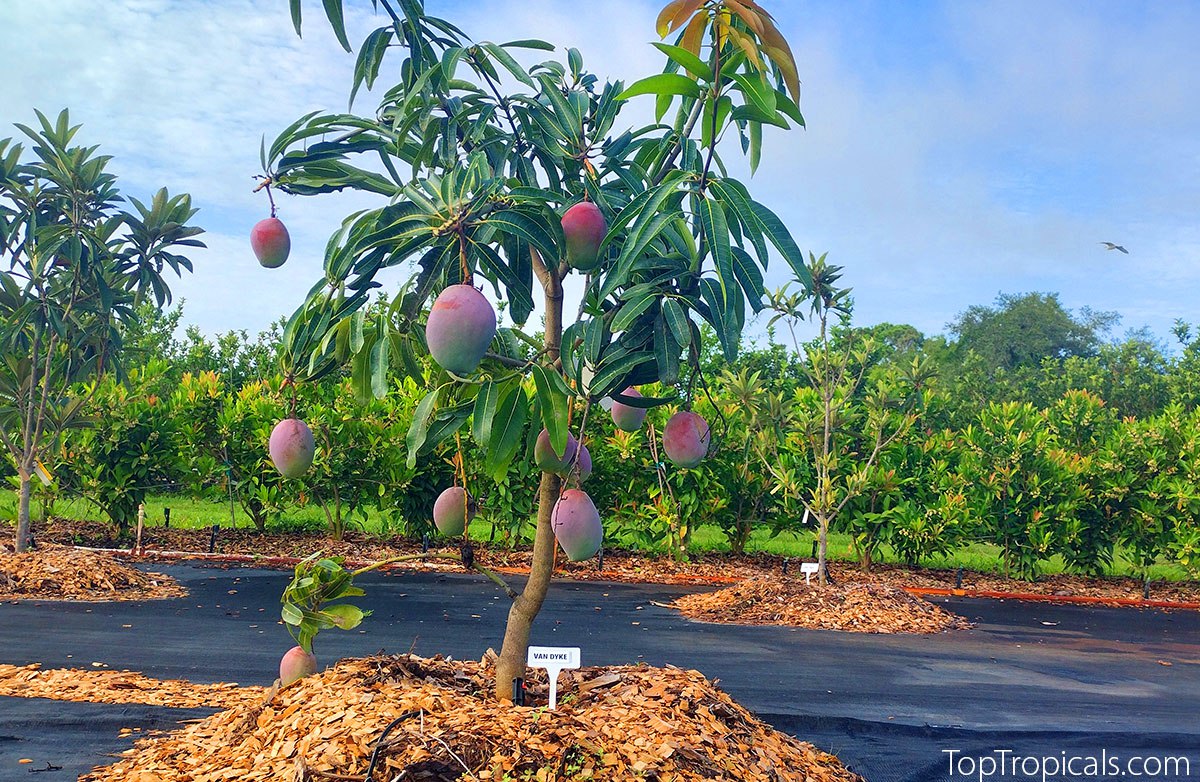
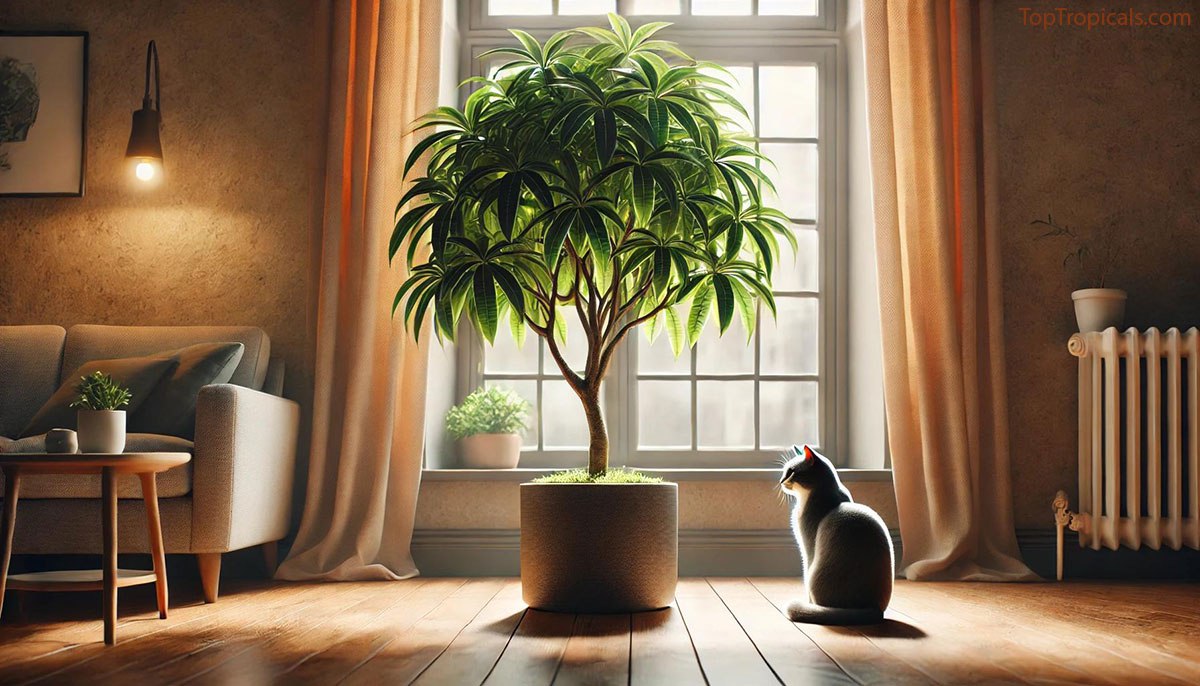
Condo Mangos, also known as dwarf mango trees, are perfect for small spaces. These trees can be grown in containers, making them ideal for balconies, greenhouses, or small suburban backyards. With proper care, they can be maintained at a manageable height of 6–10 feet through regular pruning. Some plant enthusiasts even manage growing Mango tree as an indoor plant!
🟠 The term “Condo Mango”
“Condo Mango” refers to mango varieties that thrive in containers and are small by nature, allowing them to be easily kept even smaller with selective pruning.
🟠 Size and Growth
Unlike traditional mango trees, Condo Mangos are compact. They naturally grow to around 6-10 feet, but with proper pruning, they can be kept small, making them an excellent choice for limited space.
🟠 Growing in Containers
· Condo Mango trees thrive in pots and containers. · A 15-20 gallon pot is ideal to give the roots enough room to grow. · Ensure your container has drainage holes to prevent root rot.
🟠 Planting Tips
· Plant Condo Mangos in full sun, where they’ll get plenty of heat and light. · Use well-draining soil for optimal growth. · Fertilizer regularly with quality plant food. Out best choice is Sunshine Mango Tango for edibles. · Late Winter to early Spring is the best time to plant in containers, before the rainy season starts. · Mangoes grow well in USDA zones 9-10, but if you live in cooler climates, you can grow them indoors or in a greenhouse, as long as you meet their heat and light needs.
🟠 Pruning and Maintenance
· Prune Condo Mango trees once a year to keep them at the desired height (6–10 feet), right after harvesting (late Summer to Fall) · Trim the tips of the branches to maintain a compact shape and encourage healthy growth. · Regular pruning will help keep the tree manageable and ensure better fruit production.
📝 See most popular Condo Mango varieties in the next post 👇
❄️ Watering During winter, mango trees need minimal watering. Overwatering can cause root rot, especially when temperatures are low. Water the tree only when the soil feels dry about 2 inches deep.
❄️ Fertilizing Avoid feeding in the winter with dry fertilizer. It may cause root burn, plus encourages new growth that is more susceptible to cold damage. Wait until spring when the weather warms up to resume heavy feeding your tree. You can continue using Sunshine Boosters natural liquid fertilizers - Sunshine Mango Tango: it is safe to apply year around since its intake is regulated by reduced water, and only the necessary amount of essential elements will be delivered.
❄️ Temperature Protection Mango trees are sensitive to cold. If you live in a region with freezing temperatures, move your mango tree indoors or to a sheltered location like a garage with a bright light source. If it's in a small container, consider bringing it inside for the winter.
❄️ Sunlight Ensure the tree gets as much sunlight as possible. If indoors, place it near a South-facing window where it can soak up the sun during the day.
❄️ Check for Pests Winter can bring pests indoors. Regularly inspect the tree for any signs of insect problems around the leaves and stems.
By following these guidelines, your mango tree will be healthier and better prepared for the next growing season.
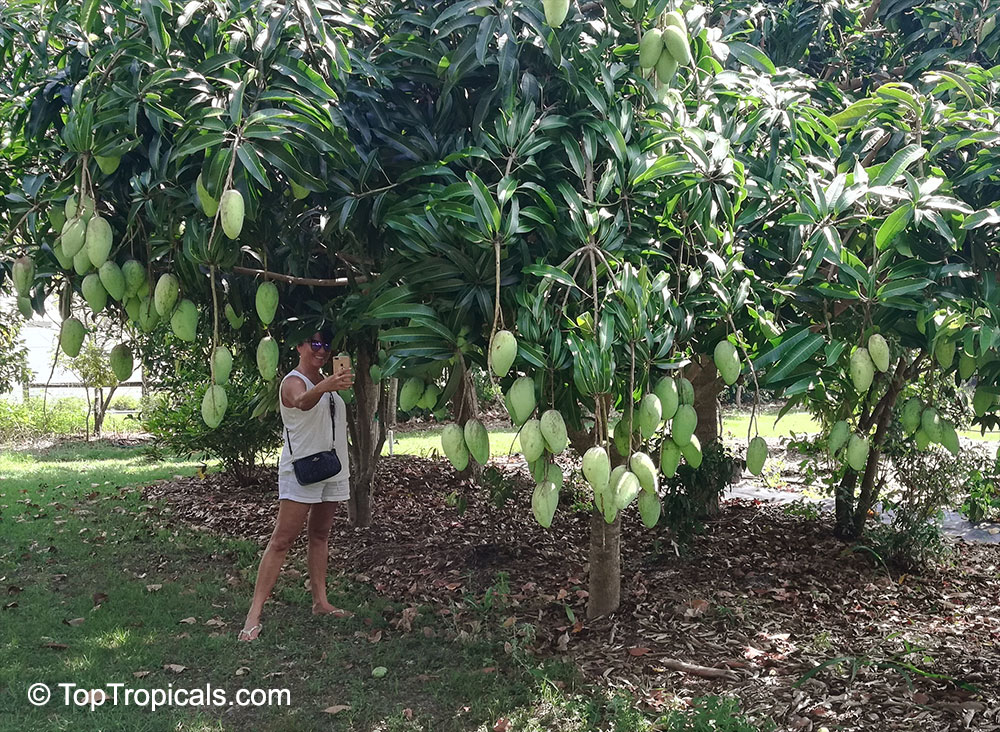
Large Grafted Mango Trees - Plant Now Before
Winter!
"Next Time We'll Specify - A TREE!" - Smokey and
Sunshine Plant a Giant Mango
🌡️ Why plant now?
Fall is the perfect time to plant tropical fruit trees. The
soil is still warm, the air is mild, and your trees can quietly build strong
roots. By spring, they’ll already be settled and ready to grow
fast.
Imagine walking outside next summer and picking your own
mangoes from a tree you planted this fall!
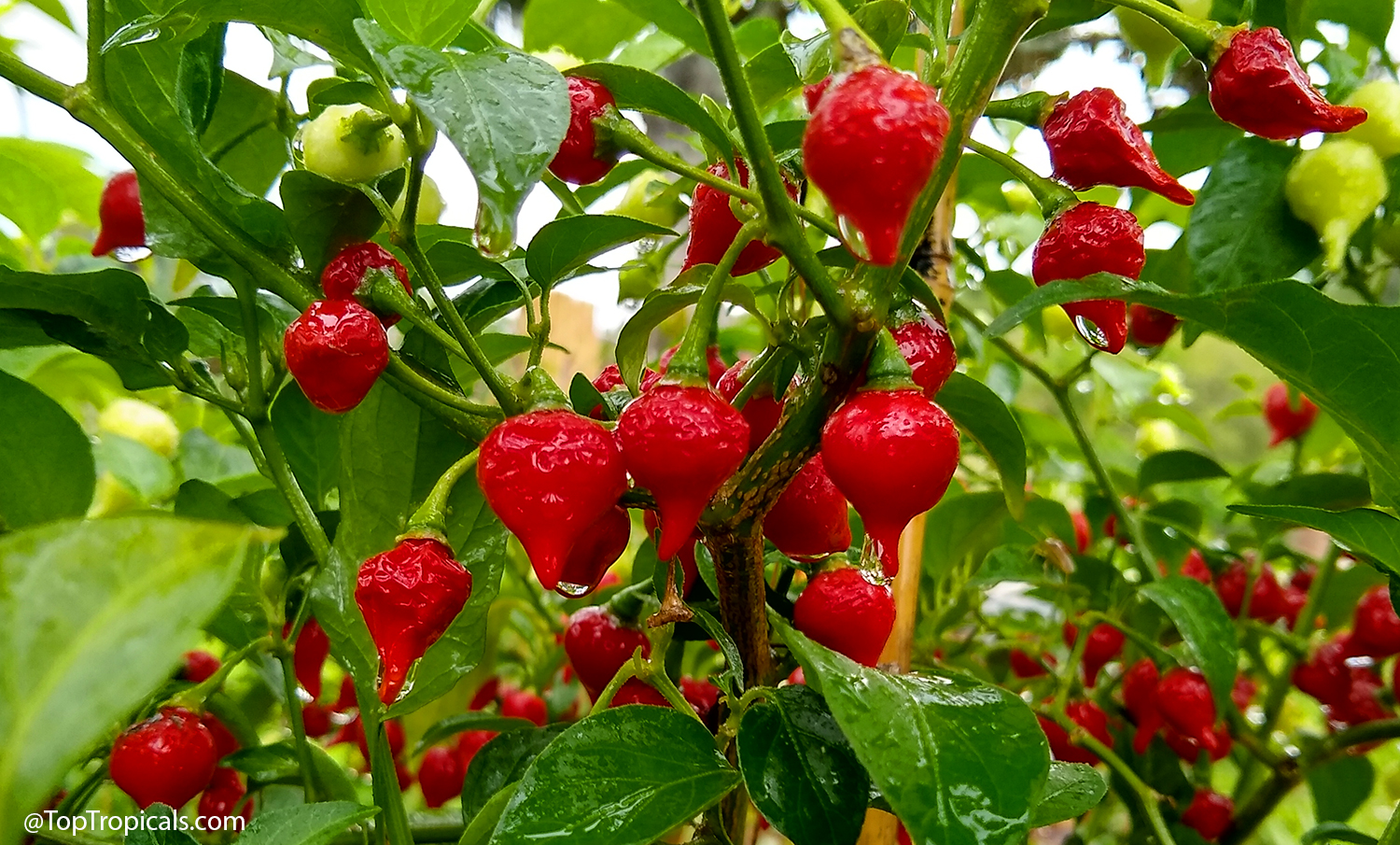
Biquinho
pepper loaded with fruit - small, beak-shaped peppers ripen
from green to bright red, offering intense fruity habanero flavor with
little to no heat on a compact, heavy-producing plant.
Sweet Pepper Plant Facts
Botanical name: Capsicum annuum Also known as: Sweet Pepper, Chilli Pepper, Cayenne Pepper, Paprika, Ornamental pepper
USDA Zone: 4 - 10
Highligths
A lot of plants that thrive in Florida heat have deep roots in Mexico, and
not just as ornamentals. Think coral vine or flame vine climbing a fence in
summer, or bird of paradise
sitting at the edge of a patio like it owns the place. These are not plants
that need coaxing. They grow fast, full, and unapologetically.
Then there are the plants you actually eat: peppers,
prickly
pear, sweetleaf,
and fruit trees like avocado, guava,
and sapodilla.
They do not just decorate the yard. They change how the yard works, and how
the kitchen feels all year.
Avocado Plant Facts
Botanical name: Persea americana, Persea gratissima Also known as: Avocado, Alligator Pear, Aguacate, Abacate
USDA Zone: 9 - 11
Highligths
That is the part that sneaks up on you. Gardening stops being about having a
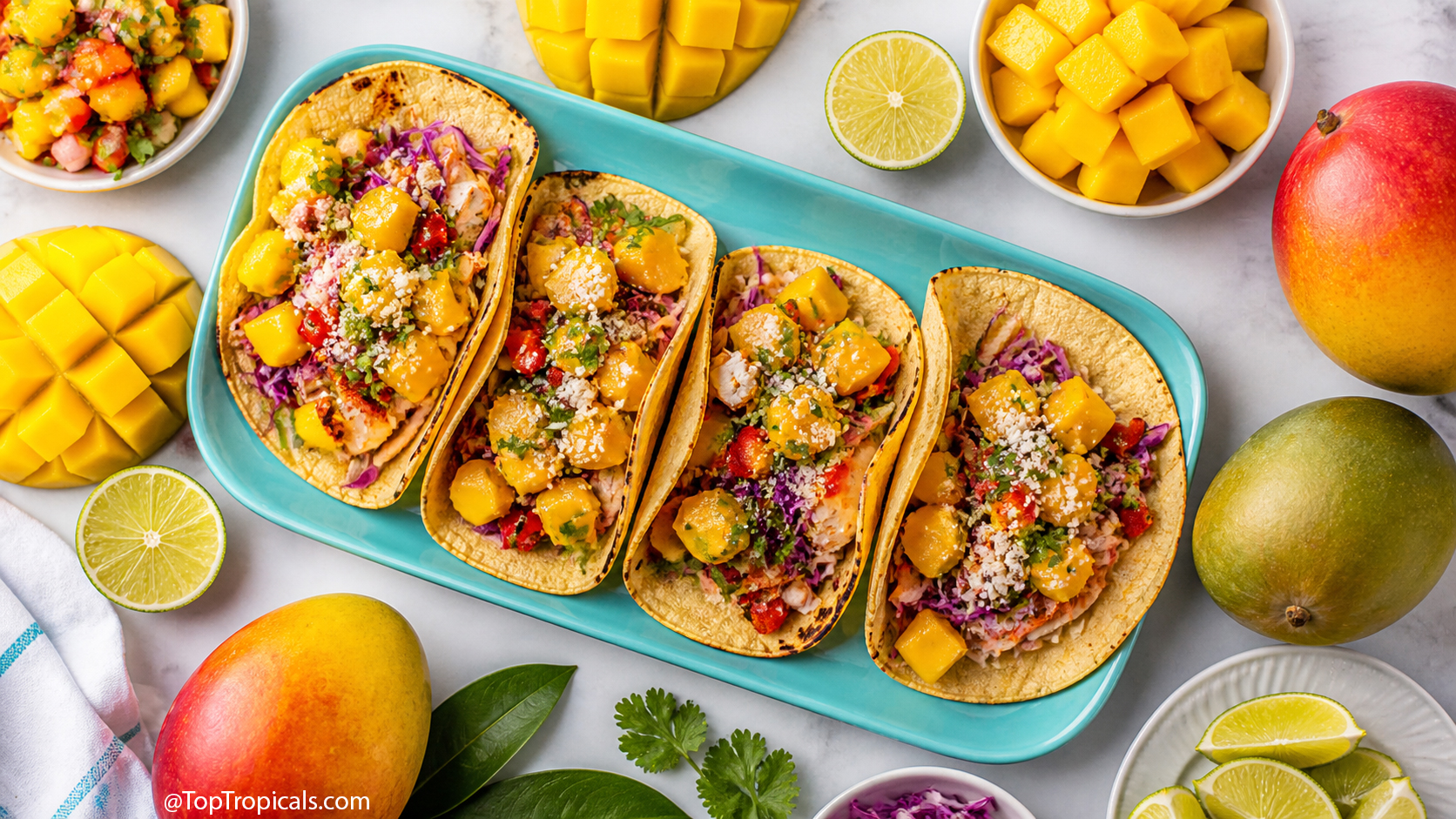
pretty yard and starts becoming a way of living. Mango tacos taste
different when you picked the mango yourself. Everything does.
Mango Plant Facts
Botanical name: Mangifera indica Also known as: Mango
USDA Zone: 9 - 11
Highligths
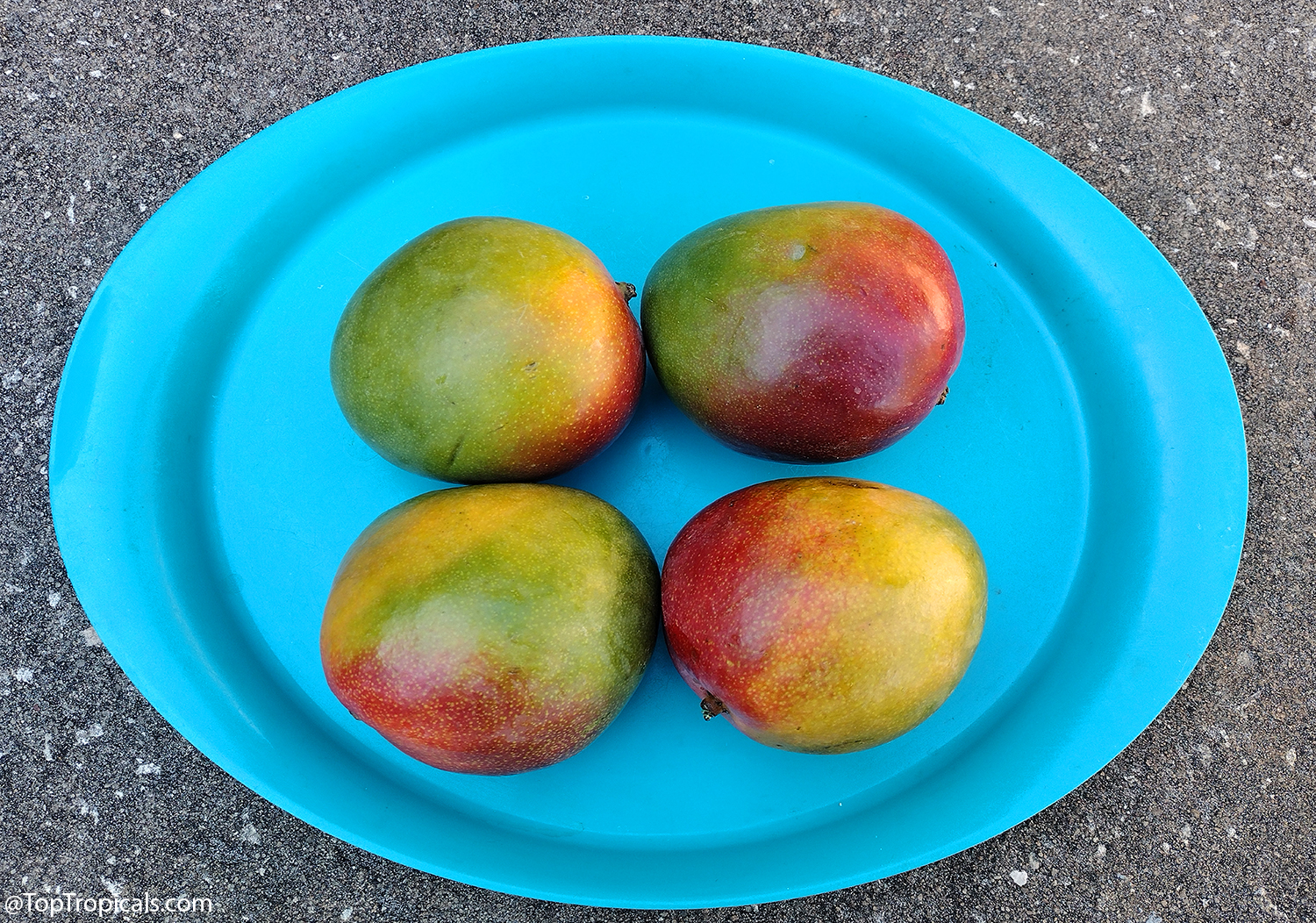
Kent mango - classic late-season variety with smooth,
fiberless flesh and rich, sweet flavor.
🍀Mexican
Plants That Thrive With Minimal Effort
by Tatiana Anderson, Top Tropicals Garden
Expert
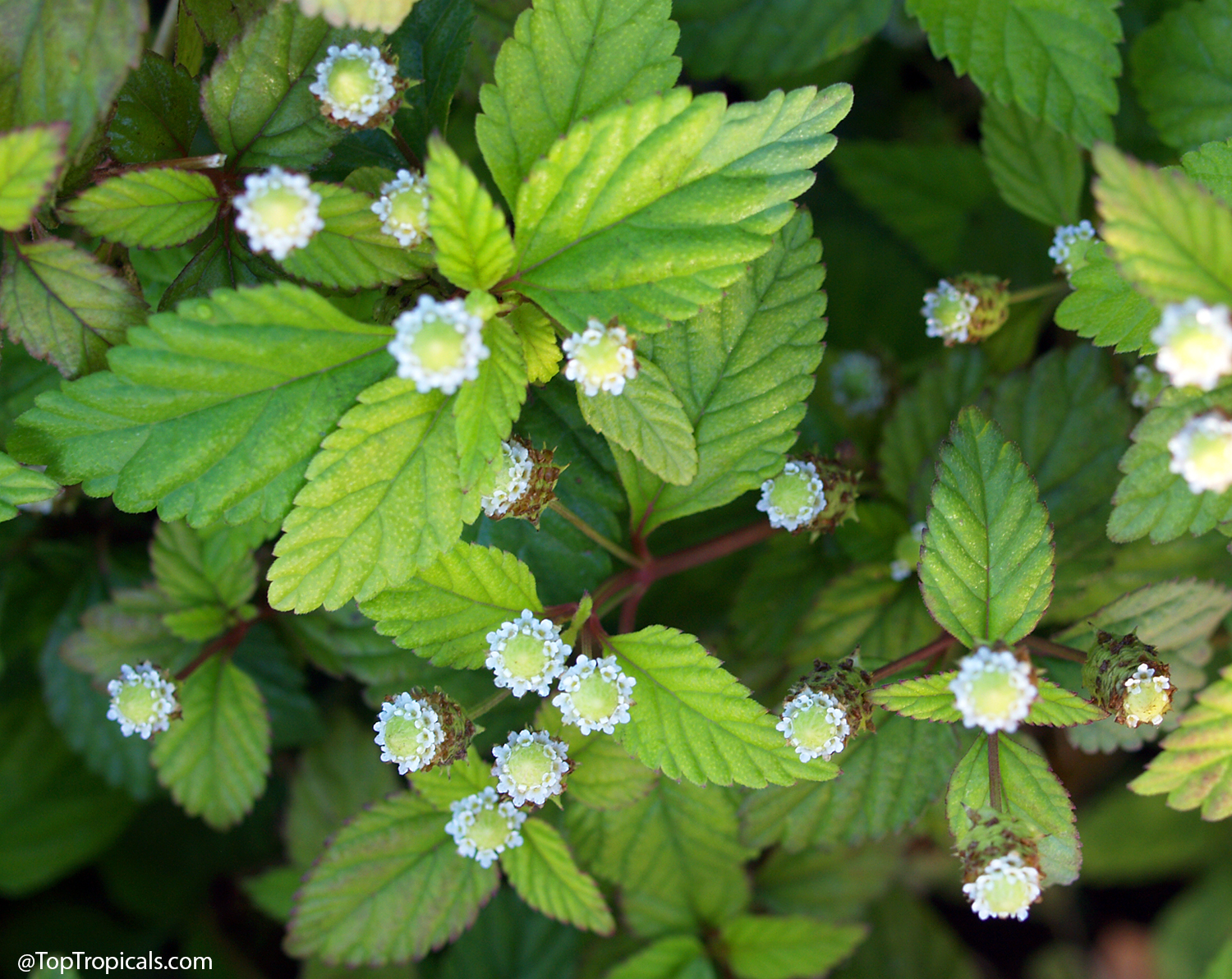
Lippia
dulcis - Aztec Sweet Herb in bloom - a low-growing Mexican herb
with tiny white flowers and remarkably sweet leaves that can be eaten fresh
or added to fruit dishes, traditionally used since Aztec times for coughs
and colds.
Aztec Sweet Herb Plant Facts
Botanical name: Phyla dulcis, Lippia dulcis, Phyla scaberrima, Lippia mexicana Also known as: Aztec Sweet Herb, Sweetleaf
USDA Zone: 9 - 11
Highligths
These Mexican plants are surprisingly easy to grow if you give them what
they expect: sun, heat, and good drainage. Most of them are built for tough
conditions and will grow fast with minimal care once established.
The one rule that matters: fill the planting hole with water. If it does
not drain in 5-10 seconds, plant on a mound or use a container.
Flowering
vines will take off quickly, edibles like peppers and sweetleaf
lippia
are very forgiving, and cactus types prefer to be left alone rather than
overwatered.
For full, step-by-step growing tips and plant-specific advice, read our blog
- we break everything down in practical, real-world terms.
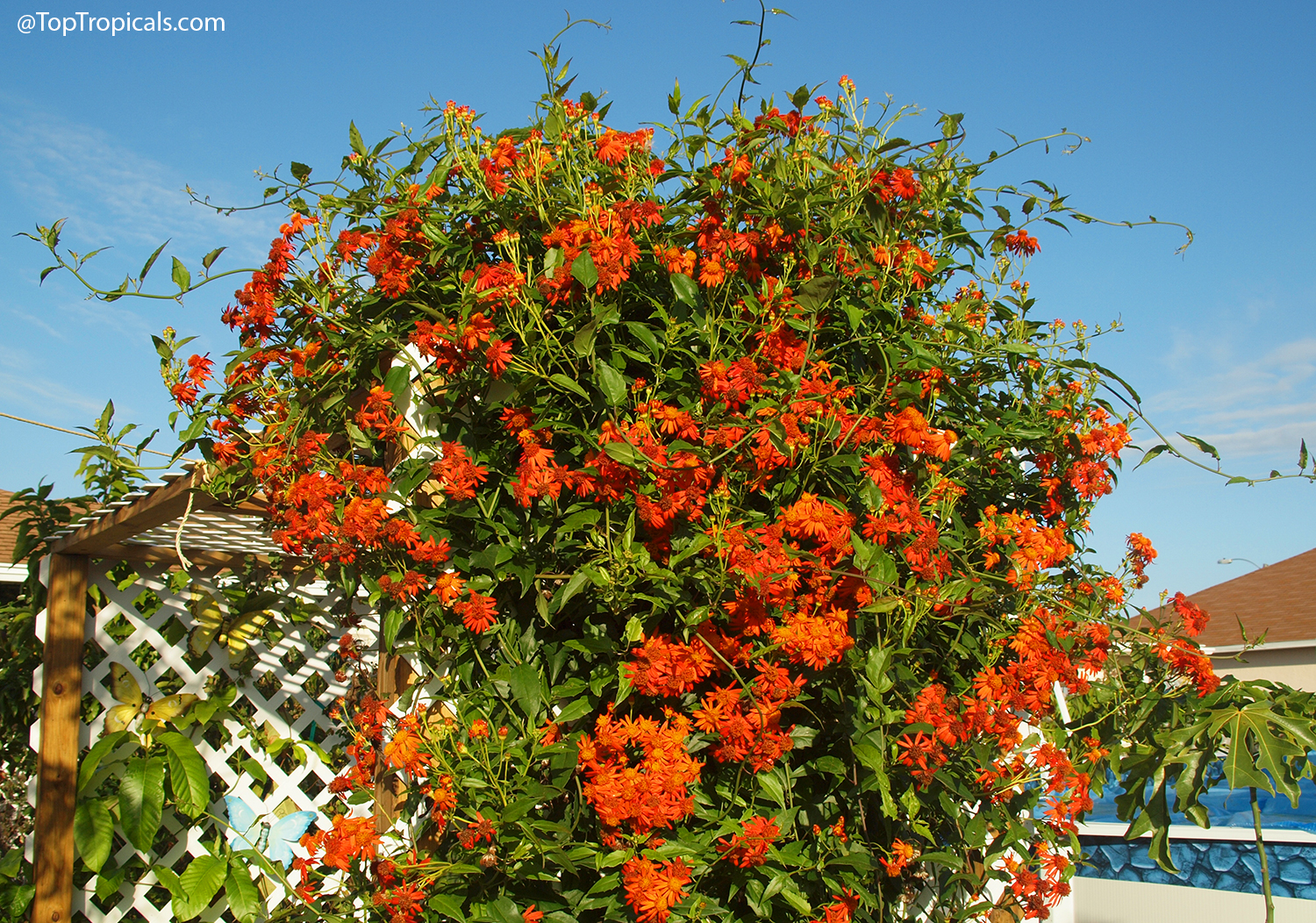
Mexican Flame Vine in full bloom - a fast-growing,
drought-tolerant climber that quickly covers fences with vivid red flowers,
attracting
pollinators and adding bold color with minimal care.
Mexican Flame Vine Plant Facts
Botanical name: Pseudogynoxys chenopodioides, Senecio confusus Also known as: Mexican Flame Vine, Orangeglow Vine