Garden Blog - Top Tropicals

Date: 31 Jan 2026

Pitomba pop cups: quick-n-fun exotic recipes

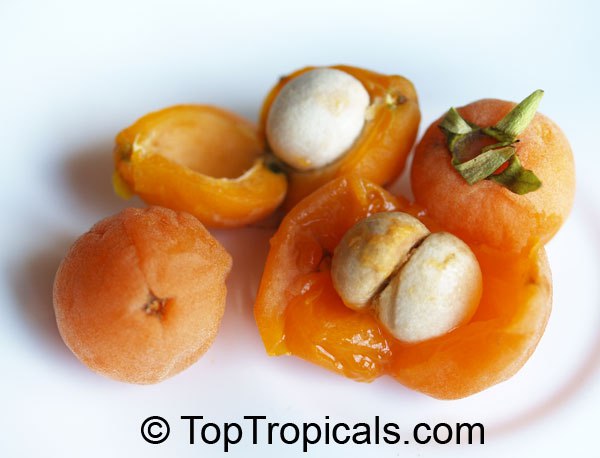
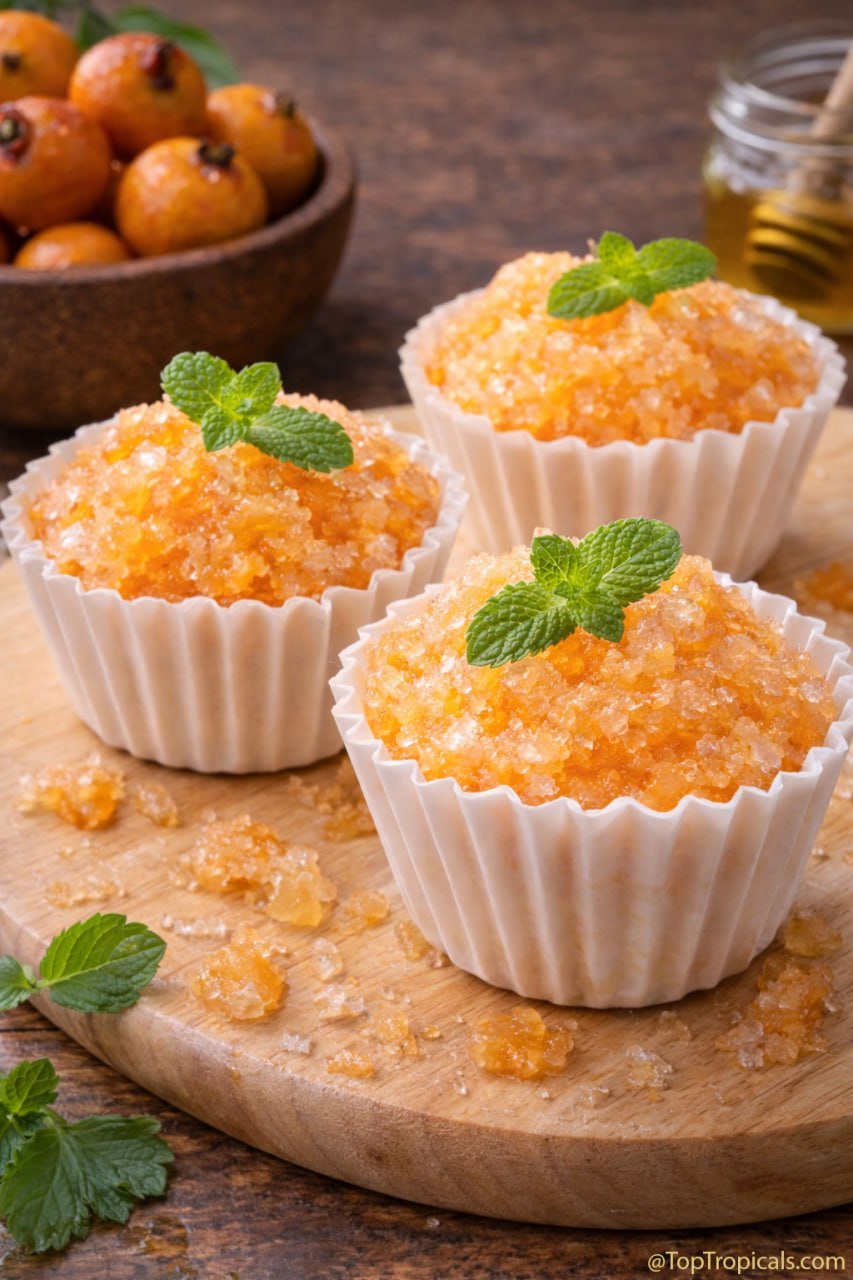
Frozen pitomba pops with mint

Frozen pitomba pops with mint

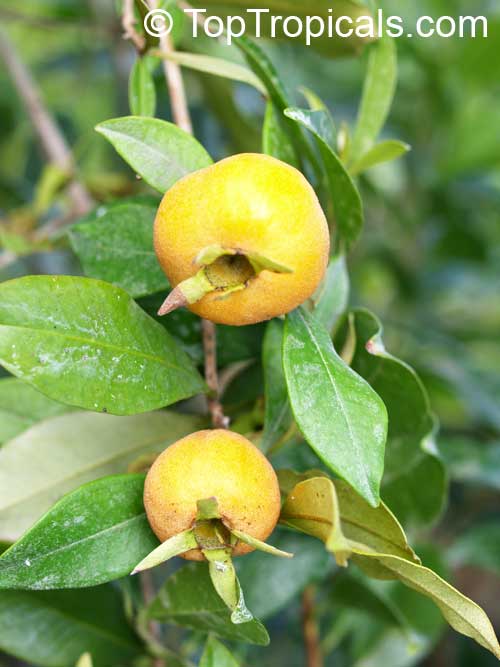
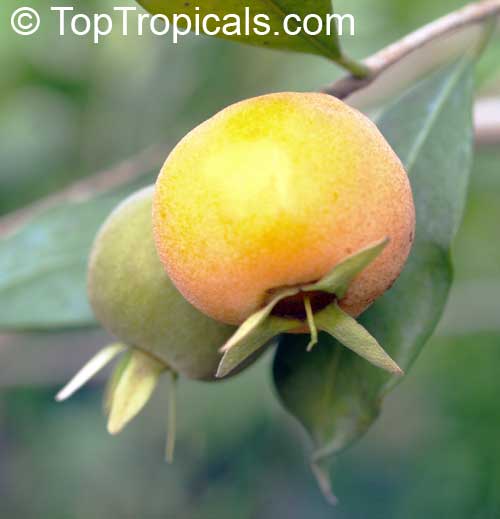
Eugenia luschnathiana - Pitomba

Eugenia luschnathiana - Pitomba

🍴 Pitomba pop cups: quick-n-fun exotic recipes


Pitomba Pop Cups

Ingredients

  • 1 cup pitomba pulp
  • 1 teaspoon honey
  • 1 tablespoon water
  • Fresh mint leaves (optional)

Instructions

  1. Scoop pitomba pulp into a small bowl.
  2. Mix with honey and a little water to soften the texture.
  3. Spoon the mixture into small cups or molds.
  4. Freeze until icy-soft.
  5. Serve topped with fresh mint for a refreshing tropical snack.


🌿 About the plant:


Pitomba (Eugenia luschnathiana) is a tropical fruit native to Brazil, prized for its bright, citrusy pulp with a sweet-sour kick. The flavor is often compared to a mix of apricot, citrus, and mild resin, making it refreshing and snack-worthy straight from the fruit.

🌱 In the garden:


Pitomba grows as a small to medium-sized slow growing tree with glossy evergreen leaves. It thrives in warm climates, prefers full sun to light shade, suitable for USDA zones 10-11, it can also be grown in large containers and responds well to pruning, making it manageable for home gardens.

🛒 Plant exotic Pitomba cherry in your garden

📚 Learn more:

Plant Facts

Eugenia luschnathiana, Phyllocalyx luschnathianus
Pitomba
USDA Zone: 9-11
Small tree 10-20 ftFull sunModerate waterRegular waterWhite, off-white flowersEdible plant

Eugenia luschnathiana - Pitomba - in Plant Encyclopedia

#Food_Forest #Recipes

🟢 Join 👉 TopTropicals

Date: 2 Apr 2026

Stop Fixing Your Soil: 15 Bulletproof Fruit Trees for Tough Ground

Stop Fixing Your Soil: 15 Bulletproof Fruit Trees for Tough Ground
Stop Fixing Your Soil: 15 "Bulletproof" Fruit Trees for Tough Ground 💩

Not everyone starts with a lush, loamy paradise. In many parts of Florida and the South, "soil" is just a polite word for sand, limestone rock, or depleted clay.
The biggest mistake new gardeners make? Spending hundreds of dollars on soil amendments before they ever put a tree in the ground.
The secret the pros know: You don't need to change your land to fit your plants; you need to choose plants that love your land. Some of the most delicious fruits actually thrive on neglect - and a few even produce better fruit when the soil is "poor."

  • 🌳 The "Big 5" Toughest Fruit Trees


If your yard is a dry, sandy lot or a rocky outcrop, start with these. They are the ultimate "survivors."

Jujube, Chinese Date (Ziziphus jujuba): Arguably the toughest fruit tree on earth. It laughs at drought, poor soil, and neglect. The fruit is crisp like an apple when fresh and sweet like a date when dried.

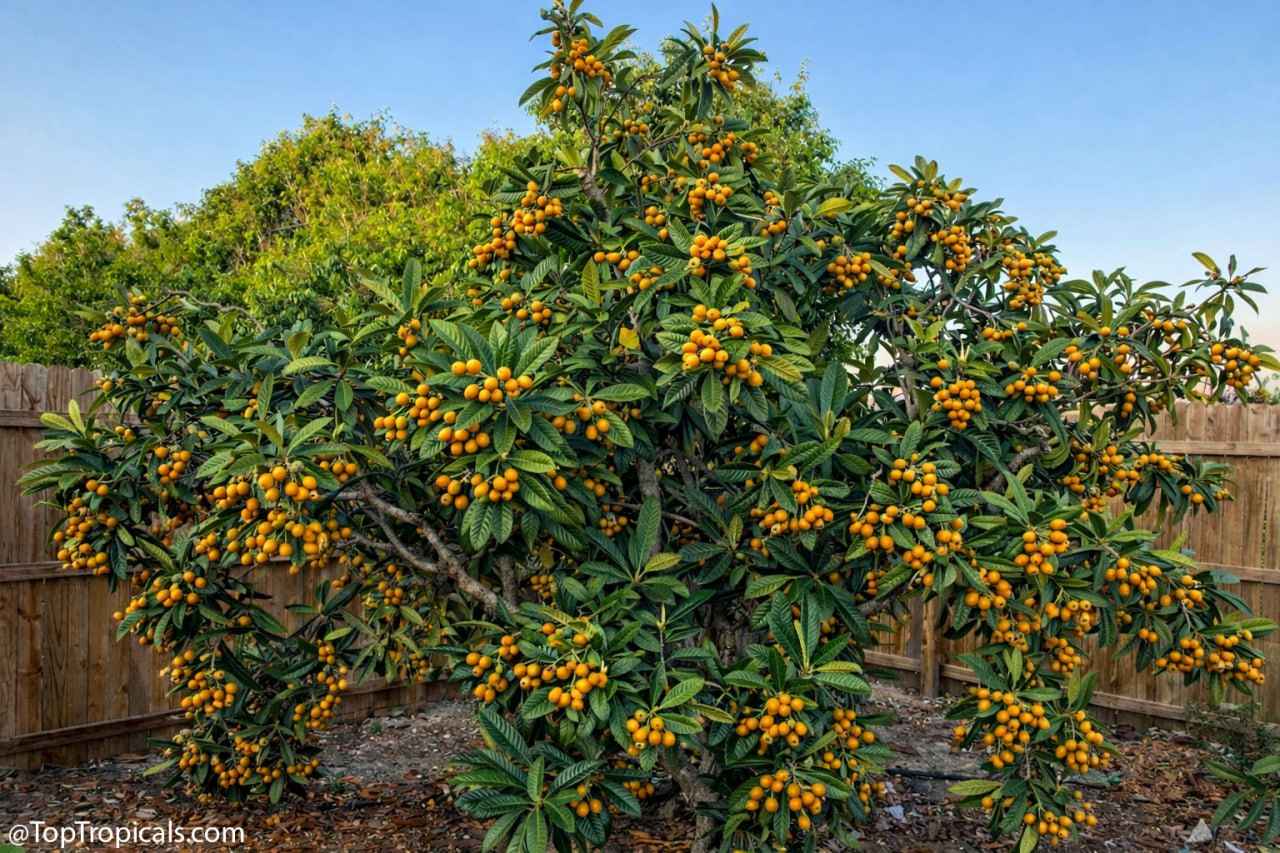
Loquat (Eriobotrya japonica): A Southern staple. It’s evergreen, beautiful, and produces honey-sweet fruit in early spring when nothing else is ripe.

Mulberry (Morus alba): If you can’t grow a Mulberry, you might be gardening on the moon. It grows in sand, clay, or sidewalk cracks with equal enthusiasm.

Fig (Ficus carica): Figs actually prefer not to be pampered. In overly rich soil, they grow lots of leaves but little fruit. Give them well-drained, mediocre soil and they’ll thrive.

Pomegranate (Punica granatum): These trees are "stress-lovers." Rocky, alkaline soil is no problem, and a bit of soil stress often results in a higher sugar content in the fruit.

  • 🌳 Tropical Flavors That Don't Need "Perfect" Dirt


You don’t need a rainforest to grow tropical treats. These species are surprisingly resilient once they get their roots established.

  • 🌟 The Sand-Lovers:

Mango (Mangifera indica): While young trees need a little babying, a mature Mango is incredibly drought-tolerant and handles Florida’s sandy "sugar sand" like a champ.

Sapodilla (Manilkara sapota): A rugged, wind-resistant tree that produces fruit tasting like brown sugar and pear. It is a top-tier choice for coastal or sandy areas.

Tamarind (Tamarindus indica): It’s slow-growing but patient. Once it’s in, it’s there for a century, regardless of soil quality.

  • 🌟 The Low-Maintenance Stars


Longan (Euphoria longana): If you’ve struggled with finicky Lychee trees, try Longan. It’s more cold-hardy and much less picky about its soil.

Citrus: While they need regular feeding (fertilizer), Citrus trees are naturally adapted to the sandy ridges of the South.

🌟 The "Quick-Win" Berry & Shrub Layer


If you want fruit this year, don’t wait for a tree to mature. Add these hardy producers to your edges. And here is why it works:

Dragon Fruit (Hylocereus undatus). It’s a cactus! It literally prefers poor, fast-draining soil over rich potting mixes.

Barbados Cherry (Malpighia glabra). A vitamin C powerhouse that handles low-nutrient soil with ease.

Grumichama (Eugenia brasiliensis). Slower grower, but steady and tolerant once established.

Surinam Cherry (Eugenia uniflora). Virtually indestructible. Often used as a hedge because it grows so vigorously in poor soil.

Pineapple Guava (Feijoa sellowiana). A beautiful silver-leafed shrub that is salt-tolerant and drought-resistant.


🌳 The Strategy: "Plant First, Improve Later"


In the South, the "dig a $100 hole for a $10 tree" rule doesn't always apply. Trying to completely re-engineer your soil often leads to drainage issues (the "bathtub effect").

Try this instead:
1. Select a species naturally adapted to your pH and texture.
2. Plant it at the correct height (never too deep!).
3. Mulch heavily with wood chips. This improves the soil from the top down over time, mimicking a natural forest floor.

🛒 Shop Fruit Trees and Mango

📚 Learn more:


#Food_Forest #How_to #Discover

🟢 Join 👉 TopTropicals
Date: 25 Aug 2024

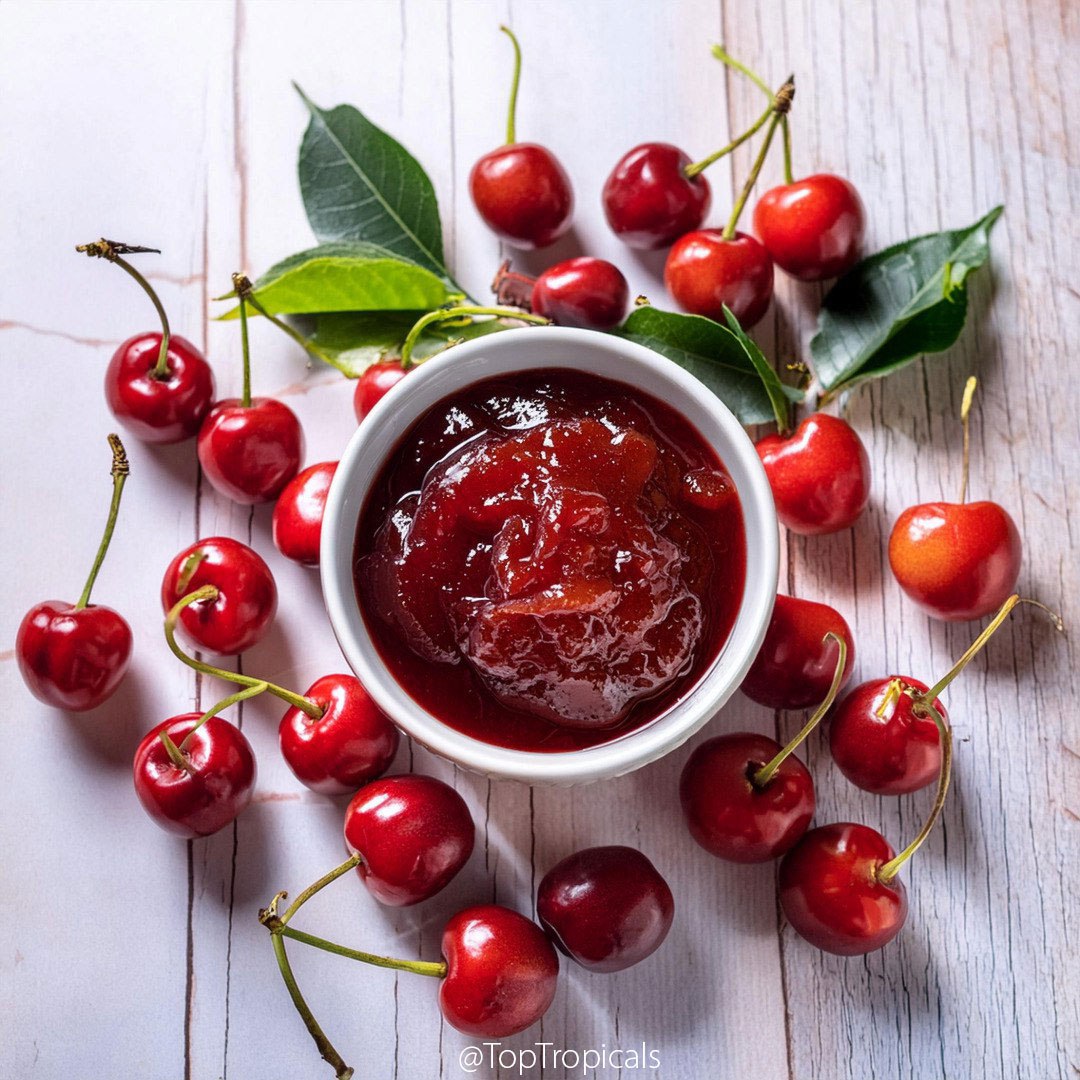
How to make a jam with Surinam Cherry

How to make a jam with Surinam Cherry
🍒 How to make a jam with Surinam Cherry

Surinam Cherry (Eugenia uniflora), often used as a hedge in Southern landscapes, also has a tasty fruit with a unique flavore. The black-fruit variety Lolita is especially valuable - the fruit is large, dark red to almost black, very juicy and sweet. It fruits profusely and there will be enough fruit for preserves too!

🎀 Surinam Cherry Jam

  • ✔️ 4 cups seeded Surinam Cherries
  • ✔️ 2 cups sugar
  • ✔️ 1 cup water


🍷Combine the sugar and water, bring to boil and add cherries. Cook slowly for 20 to 25 min until the mixture thickens slightly. Pour into sterilized jars and seal.

🛒 Plant your own Surinam Cherry

#Recipes #Food_Forest

🔴 Join 👉 TopTropicals

Date: 11 Apr 2025

What is better than Apricot? Tropical Apricot!

Pitomba, Eugenia luschnathiana - The Tropical Apricot Tree fruit

Pitomba, Eugenia luschnathiana - The Tropical Apricot Tree fruit

Pitomba, Eugenia luschnathiana - The Tropical Apricot Tree fruit

Pitomba, Eugenia luschnathiana - The Tropical Apricot Tree fruit

🍑 What is better than Apricot? Tropical Apricot!

  • 🍑 Looking for a small, ornamental fruit tree with big flavor? Pitomba (Eugenia luschnathiana) - The Tropical Apricot Tree - is a Brazilian gem that's as beautiful as it is delicious.
  • 🍑 This slow-growing evergreen reaches 15-20 feet, with glossy dark green leaves and a striking light brown trunk. In spring, it bursts into white and yellow flowers, followed by apricot-colored fruits ripening from May to July.
  • 🍑 The fruit is juicy, aromatic, with a flavor and texture similar to apricots. Rich in vitamin C, minerals, and dietary fiber, Pitomba is perfect eaten fresh or turned into jams, jellies, and juices.
  • 🍑 Pitomba grows best in full sun, likes acidic soil, and appreciates regular water and feeding. Whether in the ground or in a pot, it’s a stunning and fruitful addition to your edible landscape.
  • 🍑 Why grow Pitomba?


🟡Unique tropical fruit with apricot-like flavor
  • 🟡Beautiful, compact tree for small yards or containers
  • 🟡Fruits in 2–3 years from seed
  • 🟡Cold-hardy to the upper 20s (°F) once mature. Grows in USDA zones 9–11 or indoors with winter protection
  • 🟡Traditional medicinal uses in Brazil for colds and digestive health


🛒 Buy Pitomba to add a small fruit tree with big flavor to your yard

#Food_Forest #Fun_Facts #Discover

🔴 Join 👉 TopTropicals

Date: 23 Jun 2025

What is the best tasting and most beautiful tropical cherry? Grumichama

Grumichama - Eugenia brasiliensis

🍒 What is the best tasting and most beautiful tropical cherry? Grumichama!
  • 🍒 If you are hunting for a fruit tree that does it all - gorgeous looks, unbelievable flavor, and nonstop productivity - meet Grumichama (Eugenia brasiliensis), the tropical cherry you'll fall in love with!
  • 🍒 Grumichamais a compact cherry tree that steals the show. In spring, the tree transforms into a cloud of delicate white starburst flowers, like fireworks frozen in bloom. The blossoms are pure white with long, golden-tipped stamens, giving them a soft, lacy glow. The entire tree hums with life - bees and butterflies swarm to sip the nectar, turning your garden into a pollinator paradise.
  • 🍒 And then comes the fruit! The cherries are dark purple-black, glossy, and almost too juicy to believe. One bite and you're hooked- sweet, smooth, with hints of cherry, grape, and plum. It's our favorite tropical cherry at Top Tropicals, hands down. So good, you'll eat one - then a handful - and then realize you've picked half the tree. They're that good!
  • 🍒 Grumichama tree is a dream come true for beginners. It tolerates heat, partial shade, even salt spray. It's drought-tough, yet grateful for a little water with a crazy fruit yield - up to 500 fruits per tree. And it's perfect container fruit, so even small-space gardeners in colder zones can grow it. Cold hardy to the upper 20s!
  • 🍒 Even when not fruiting, Grumichama is a stunning ornamental. Shiny evergreen leaves, showy blooms, and a neat, upright form make it a standout in your landscape.
  • 🍒 And the fruit? Packed with vitamin C, fiber, and even a bit of plant protein, it's a sweet treat that’s also healthy. Perfect fresh off the tree, or turned into jam or jelly - if you can stop eating them long enough.
  • 🍒 Start your food forest with Grumichama. It's easy. It's beautiful. And it's the most addictive fruit!


🛒 Start your food forest with Grumichama

📚 Learn more:


Why grow Grumichama? Benefits of Brazilian Eugenia Tree - Cherry of the Tropics

#Food_Forest #Discover

🟢 Join 👉 TopTropicals