Garden Blog - Top Tropicals

Date: 24 Jun 2016

Coastal plants. Suggestions for coastal regions


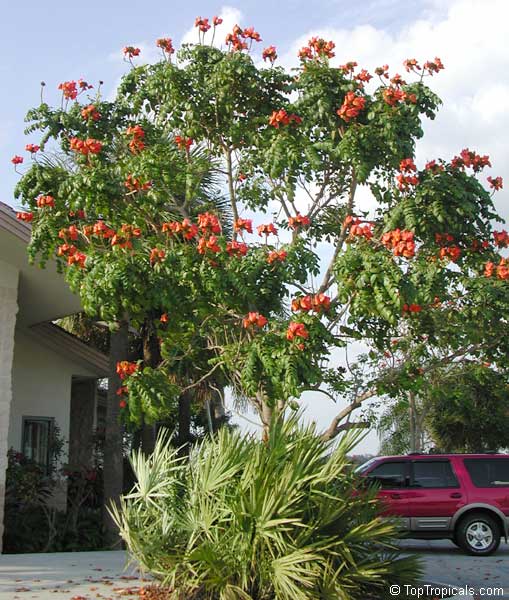
Spathodea campanulata - African Tulip Tree

Q: I'm looking for a plant to replace a Torrey pine that was sadly cut down. The pine made the soil very acidic and it's already silty, sandy, and salty from being near a coastal marsh. I was thinking of a Kei Apple. However, there are only seeds available on the website and I'd prefer a sapling to get things started faster. Are there other trees you'd suggest for that environment?

A: Here are some fast growing salt tolerant trees that we can suggest, just to name a few: Bucida buceras - Florida Black Olive Tree, Callistemon citrinus - Weeping red Bottlebrush, Capparis cynophallophora - Jamaica Caper, Cassia fistula - Golden Shower Tree, Coccoloba uvifera - Sea Grape, Cordias, Delonix regia - Royal poinciana, Flamboyant, Elaeocarpus grandiflorus - Fairy Petticoats, Ficus lyrata - Fiddle-Leaf Ficus, Ficus religiosa - Bo-Tree, Peepal, Sacred Ficus, Mahoe, Peltophorum pterocarpum - Yellow Poinciana, Plumeria, Spathodea campanulata - African Tulip Tree (shown on right). See full list of salt tolerant plants.

15% on all mango trees! This weekend only. Offer is valid through Sunday, June 26. See all mango varieties available.

Date: 19 May 2016

Care of mail-order plants during hot summer

Q: I live in California and about a month ago ordered several plants from you, including fruit trees (Carambola, Mango, Avocado) and flowering trees (Xanthostemon, Adeniums, Champaca, Ylang Ylang). They were all doing well until I tried to move them into full sun, when they got leaf burn immediately. Ylang Ylang was doing great in a shade, but I repotted it from 1 gal into 3 gal and it is drooping leaves now. It has been very hot (over 100F) and dry (humidity is less than 25%). Any suggestions?

A: Hot summer can be pretty challenging time for establishing new plants. These are some guidelines to make your summer gardening more successful and rewarding.

1. You can order plants at any time, but keep your eye on your local weather forecast and try to chose cooler periods to schedule your plant shipments. Here at TopTropcals we monitor weather at destinations, and we can also delay shipment per your request until more favorable conditions.

2. During hot Summer months, many plants are still OK to ship, and to be planted, many species are heat tolerant. It's usually safe to ship most succulents, including Desert roses and Euphorbias. Some fruit trees are pretty easy too, like Loquats, Mango, Eugenias. Many flowering trees can take heat: Acacias, Clusias, Jatropha, Sausage Tree, Plumerias and many others. Check our full list of plants suitable for hot and dry conditions. Most jasmines, including Jasmine Sambac and Trachelospermum make also a safe choice for hot weather planting.

3. Use shade cloth or simply white sheets to protect young plants and new plantings from hot sun.

4. When establishing mail ordered plants during hot weather, keep them in shade for longer period of time than average recommended 1-2 weeks. Give them a chance to establish really well. In areas with low air humidity, try to create a simple mist system. It can be purchased in your local Home Depot for only $20 and set up takes only 10 minutes! It makes a big difference and can help you save many plants from hot weather stress.

5. Although it may seem that during hot weather plants need more water due to high evaporation, be careful with watering, and check soil with your finger before watering - don't water if it is still wet. Combination of "hot and wet" can be as harmful for the root system as "cold and wet" during winter. Protect root systems from overheating: covering black pots with white cloth will work. Remember when temperature is above 90F, most of plants slow down their metabolism, which means roots slow down or even stop pumping water and become more vulnerable to overwatering. For the same reason, do not hurry to step up into bigger container if roots haven't filled yet the existing pot.

Date: 27 Jul 2023

How cats eat pineapples

TikTok Reels from TopTropicals

Pineapple,  Mango  and  Cats  from  Top  Tropicals 
 TikTok

Our PeopleCats love roaming in the gardens. They often guide customers in our Garden Center, and their favorite isle is fruit trees! At this time of the year, Pineapples are ripening, and these fruit are always fun for both people and PeopleCats.

In this short video, Philemon and Scooby are discovering new tastes of Pineapple varieties.

More to see: Watch Philemon eating Avocado!

Discover more exotic plants and fun garden happenings from our TikTok updates!

Subscribe to Top Tropicals TikTok:

Date: 27 Feb 2020

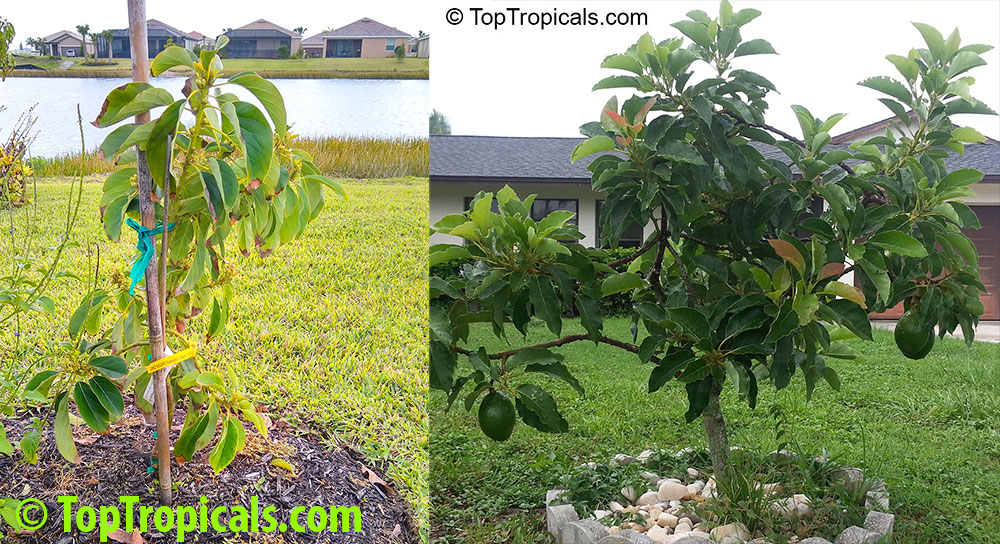
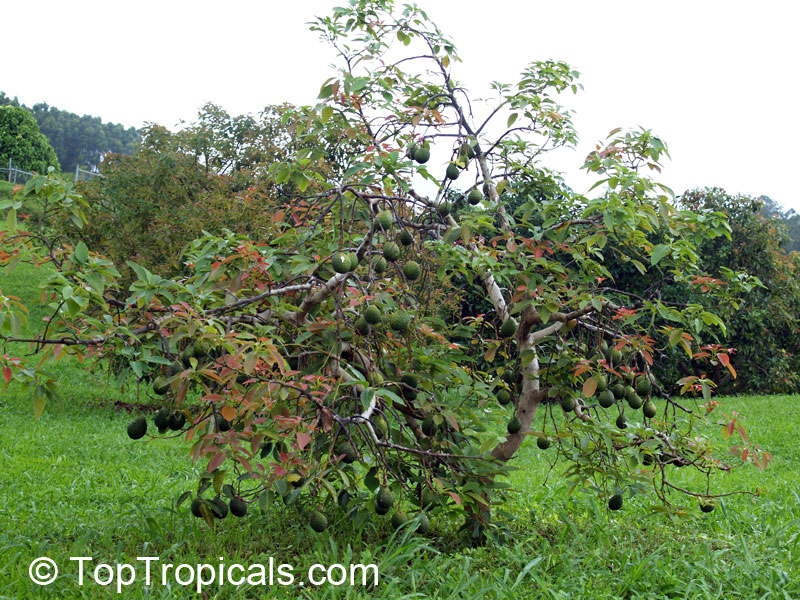
7 secrets of a Happy Avocado Tree

Q: I purchased an avocado tree from local garden centers three times but every time it dies on me. My neighbor has a nice tree in his yard and it grows beautifuly. I just purchased one online from you and I need to know what I was doing wrong? Are there any secrets how to make an Avocado tree happy? I have a big garden and several mango trees, but no luck with Avocado...

A: Avocado tree is famous for being such a pain to establish. But once it starts growing, it's growing! We will share a few simple tricks how to make it right.

1. Plant high and provide good drainage. Wet feet is number one reason for failing an avocado tree. It doesn't like wet soil and won't tolerate soggy conditions. Plant it in the highest spot of your yard and slightly on a "hill" (3-4"higher than the surrounding ground).
DO NOT plant Avocado tree in low spots or wet spots of your yard. Save those spots for Cannas or Black Sapote or even a Mango if you want a fruit tree there.
2. Use quality soil. Use only well-drained soil with high content of organic matter. You may add compost to existing sandy soil, or add some professional potting mix that contains pine bark and perlite. Remove rocks from the hole if you see any while digging. Dig a big hole and fill it with a good soil; compact the soil in the hole very well before setting the root ball. Reminder: plant the tree high!
3. Water regularly. After planting an Avocado tree in a nice high spot with a good drainage, start watering it... daily! Avocado likes water, although it doesn't like wet feet! Once you figure out this combination, you've got the recipe of success. Water by hand daily for the first week after planting, then twice a week for couple weeks, then once you notice new growth - you may rely on sprinklers, but keep watching the tree and don't let the soil over-dry. It must be slightly moist, but not soggy.
4. Fertilize. For such finicky tree, we suggest mild formulas of fertilizers. Dry fertilizers may burn roots, especially of a young tree. Even smart-release granulated fertilizers should be used very carefully. The best way to feed your young avocado tree - get a complete set of Sunshine Boosters Pro system. It has all necessary elements for all stages of plant development and never burns the roots. Sunshine Boosters Pro can be used with every watering - no need to guess how much and when. Besides, it is a natural fertilizer based on amino acids - exactly what you want to use on your fruit trees and other edibles!
5. Boost immune system of the tree. Apply Sunshine Epi plant hormone every 2 weeks as a foliar spray to boost immune system and metabolism of the tree and protect it from diseases. Epi makes plants (especially young plants) grow twice faster! It also enhances effect of fertilizers by increasing plant metabolism.
6. Do not prune until you see significant growth. The tree is small and can use as many leaves and branches as possible for photosynthesis and healthy metabolism. We suggest to avoid pruning for at least the first year. On the second year your tree most likely will be covered with flowers (assuming you followed fertilizer program). Let it go through the blooming stage and setting fruit; prune in Fall after fruiting is over.
7. Keep number of fruit to minimum for the first crop. Don't let the small tree exhaust itself. Keep just 2-3 fruit to develop. The next year, no need to control fruit quantity, the tree will develop as many as it can support.
P.S. If you got the tree from a mail-order, remember to establish it in a pot before planting in the ground; move gradually from shade to sun. Follow planting instructions.

Learn more about Sunshine Nutrition System - a Natural solution for your garden.

Date: 23 Sep 2024

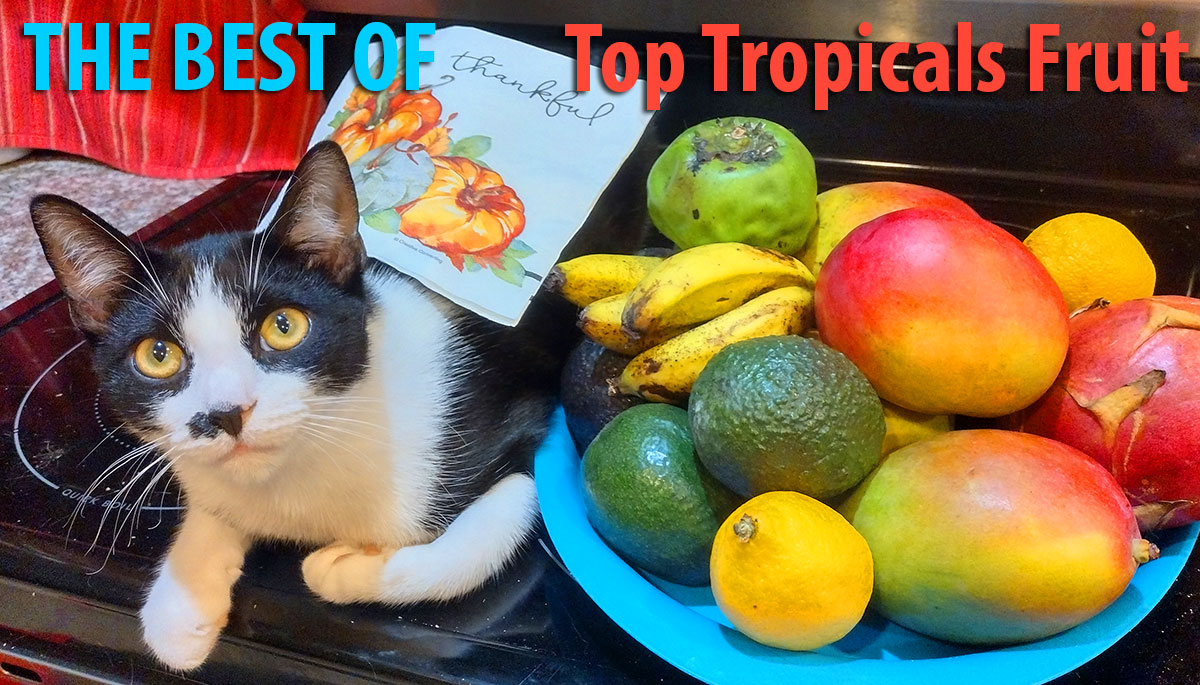
Ten top fruiting plants you'll ever need
for your health benefits

Top  Tropicals  Fruit

Q: I planted Mango and Avocado trees, and I still have room for more trees but want to use the space wisely. What other trees should I plant to get the most benefits out of the fruit?

A: Everyone loves planting Mango or Avocado trees for their well-known benefits. But did you know that adding a variety of other fruit trees to your garden can expand those benefits even more? If you plant just one of each of these 10 trees, you'll have a complete spectrum of nutrients and health-boosting ingredients you ever need. With a diverse range of healthy fruits, you'll boost your diet, improve your health, and elevate your lifestyle. Let's check out the TOP TEN most rewarding and useful fruit...

1. Guava
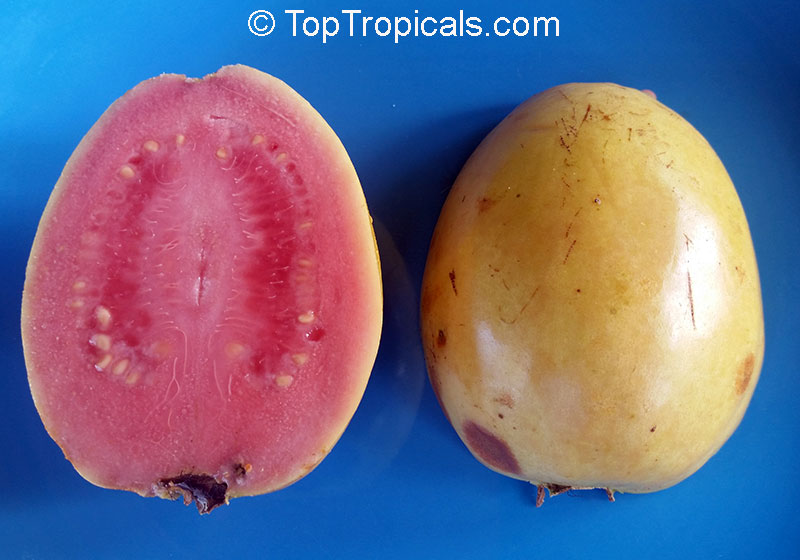
Guava  fruit

Guava is rich in vitamin C, which boosts the immune system and helps protect against colds and infections.
Guava helps regulate blood sugar levels, making it a good option for people with diabetes.
Its potassium content helps maintain healthy blood pressure.
Guava's antioxidants, like lycopene and vitamin C, contribute to glowing skin and may reduce the risk of cancer.
Guava is eaten fresh, made into juices, jams, and jellies, or added to desserts and smoothies.

2. Coffee
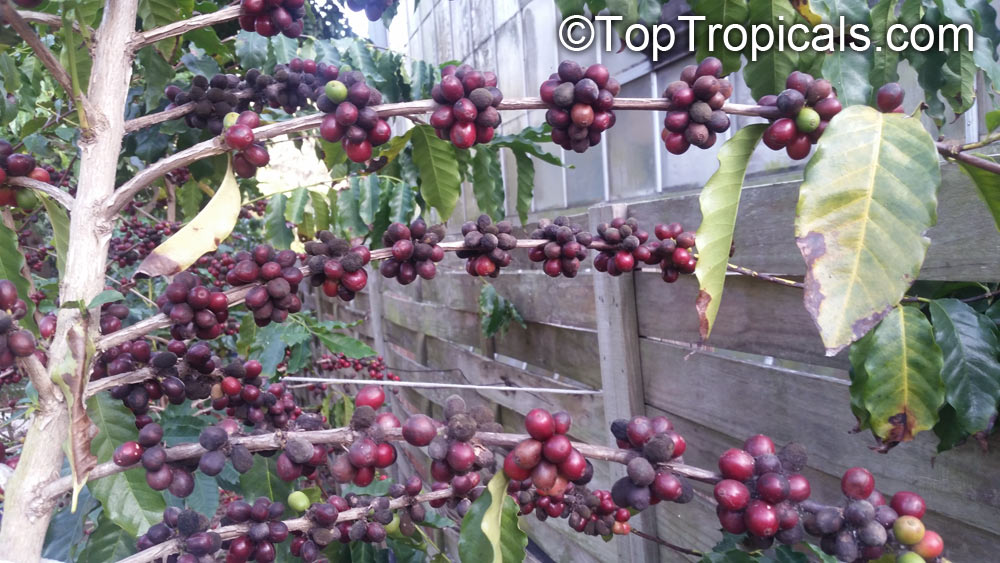
Coffee  fruit

Coffee is widely enjoyed as a beverage and is used in various desserts and drinks.
It is rich in antioxidants, which may reduce inflammation and lower the risk of chronic diseases.
It improves focus and mental alertness due to its caffeine content.
Coffee boosts metabolism and aid in fat burning, supporting weight management.

3. Noni
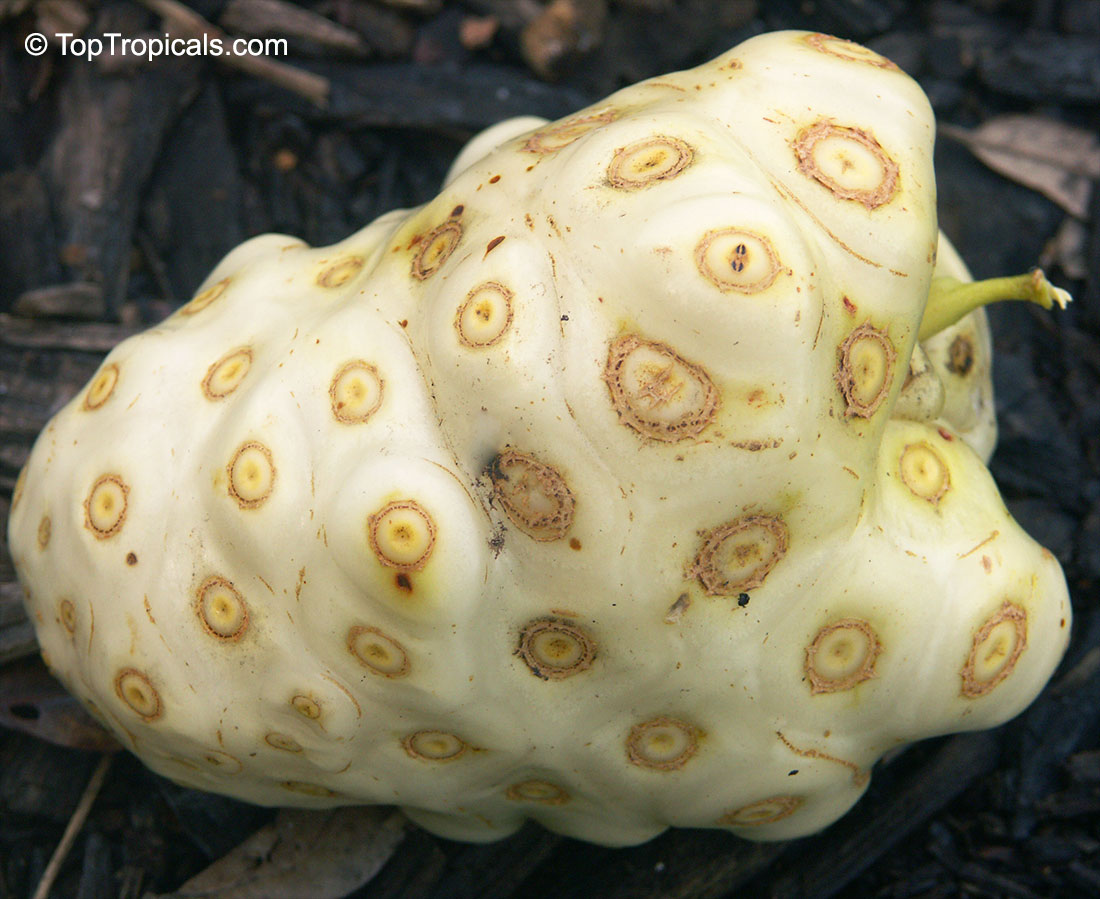
Noni  fruit

Noni is known for its anti-inflammatory properties and may help reduce joint pain and arthritis symptoms.
Fresh noni fruit and juice are popular in traditional herbal medicine and drinks.
It boosts the immune system due to its rich vitamin C content.
Noni juice is used traditionally to improve digestion and fight infections.

4. Papaya
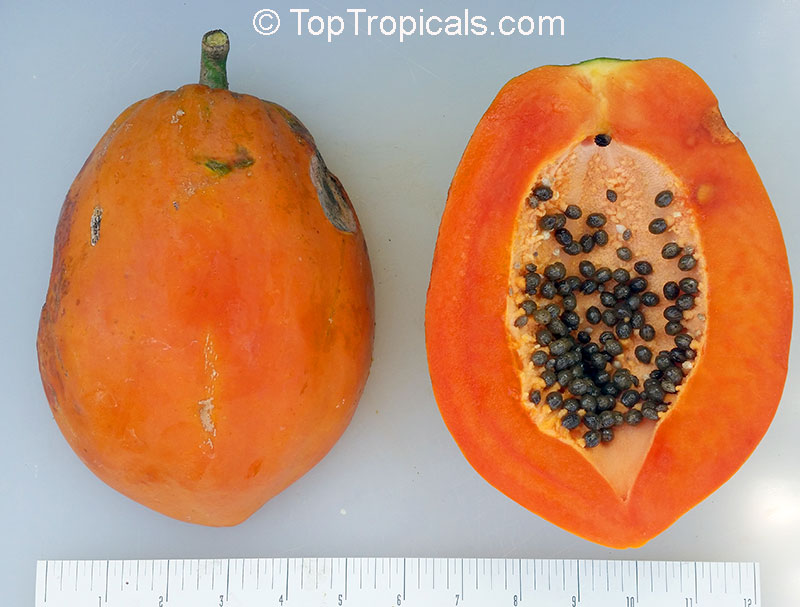
Papaya  fruit

Papaya is a popular ingredient in salads, smoothies, and tropical desserts.
It contains enzymes like papain that aid digestion and reduce bloating.
It is high in vitamin C and vitamin A, the antioxidants in papaya may protect against heart disease and reduce cancer risk.

5. Banana

Persimmon  fruit

Bananas are rich in potassium, which helps regulate blood pressure and supports heart health.
They provide a quick source of energy and are great for post-workout recovery.
The fiber in bananas aids digestion and promotes gut health.
East them fresh, add to smoothies, bake into breads and desserts, or use in various savory dishes.

6. Dragon fruit

Dragon  fruit

Dragon fruit is often used in smoothies, fruit salads, and refreshing drinks.
It is high in fiber, aiding digestion and promoting gut health. Low in calories and packed with nutrients, it's great for weight management.

7. Tamarind

Tamarind  fruit

Tamarind is a common ingredient in sauces, chutneys, and beverages.
Rich in antioxidants, it protects the liver and reduces inflammation.
It contains natural compounds that help lower cholesterol and improve heart health. Tamarind has a mild laxative effect, aiding digestion and relieving constipation.

8. Loilita (Surinam) Cherry
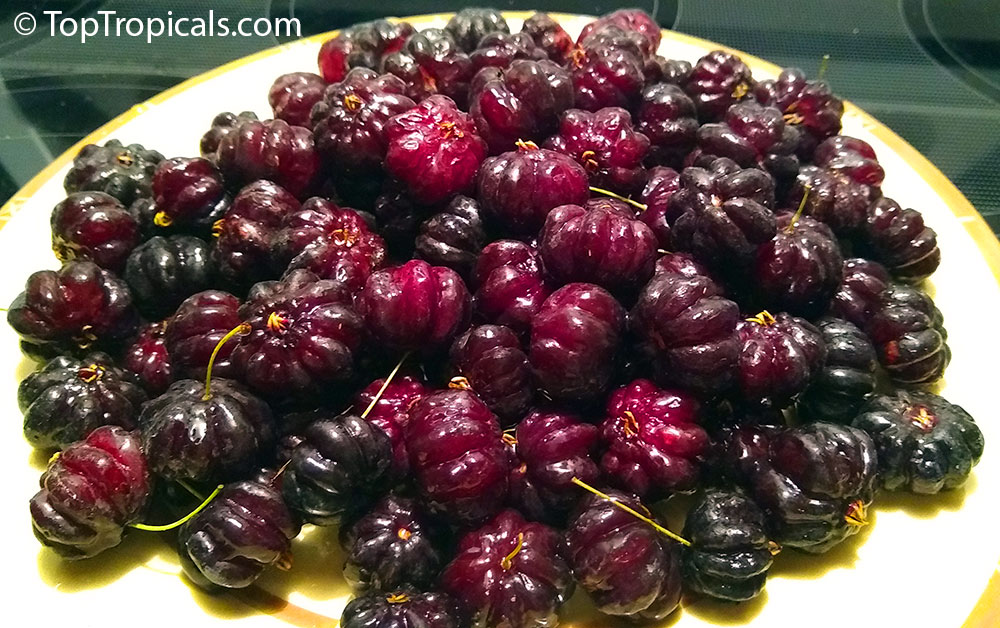
Surinam  cherry  fruit

Surinam cherry is rich in vitamin C, boosting the immune system and skin health.
Its antioxidants reduce inflammation and protect against free radical damage. It contains fiber, which supports healthy digestion.
Surinam cherries are used in jams, sauces, and desserts or eaten fresh.

9. Nescafe
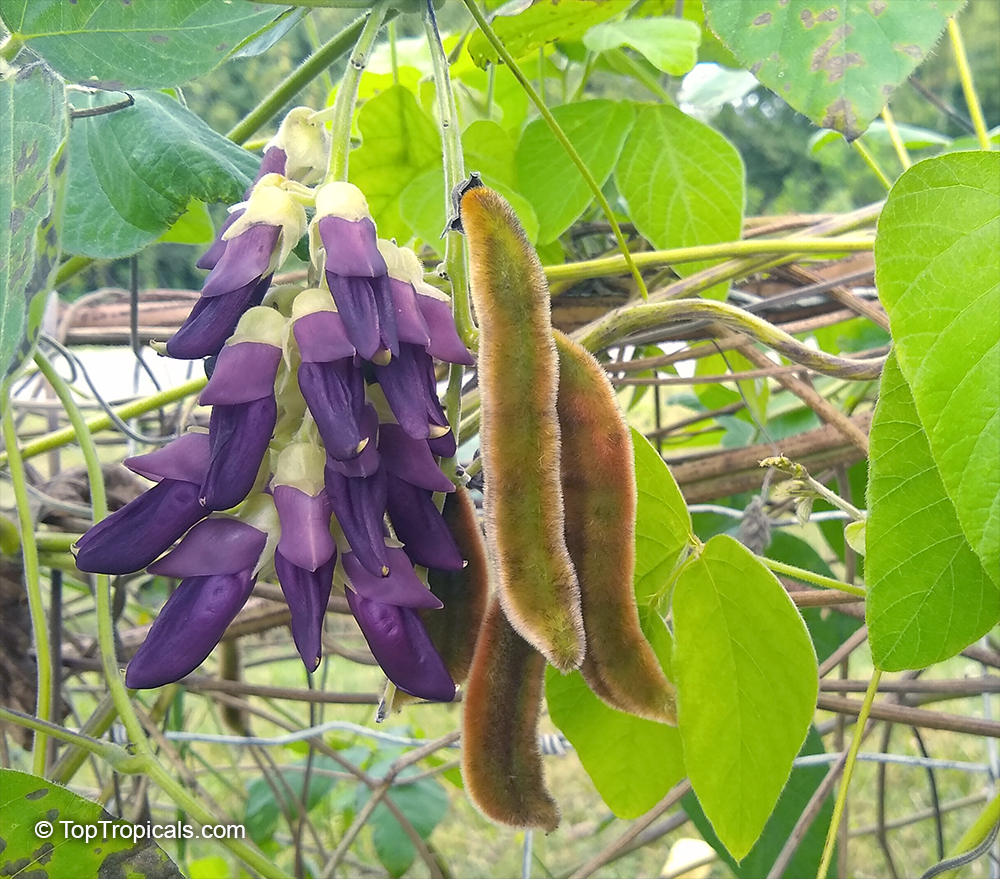
Nescafe

Nescafe - Mucuna pruriens - is used in herbal supplements or ground into powder for teas and health drinks.
It is known for its potential to boost dopamine levels, improving mood and reducing stress.
It supports cognitive function, muscle growth and increases energy levels.

10. Loquat
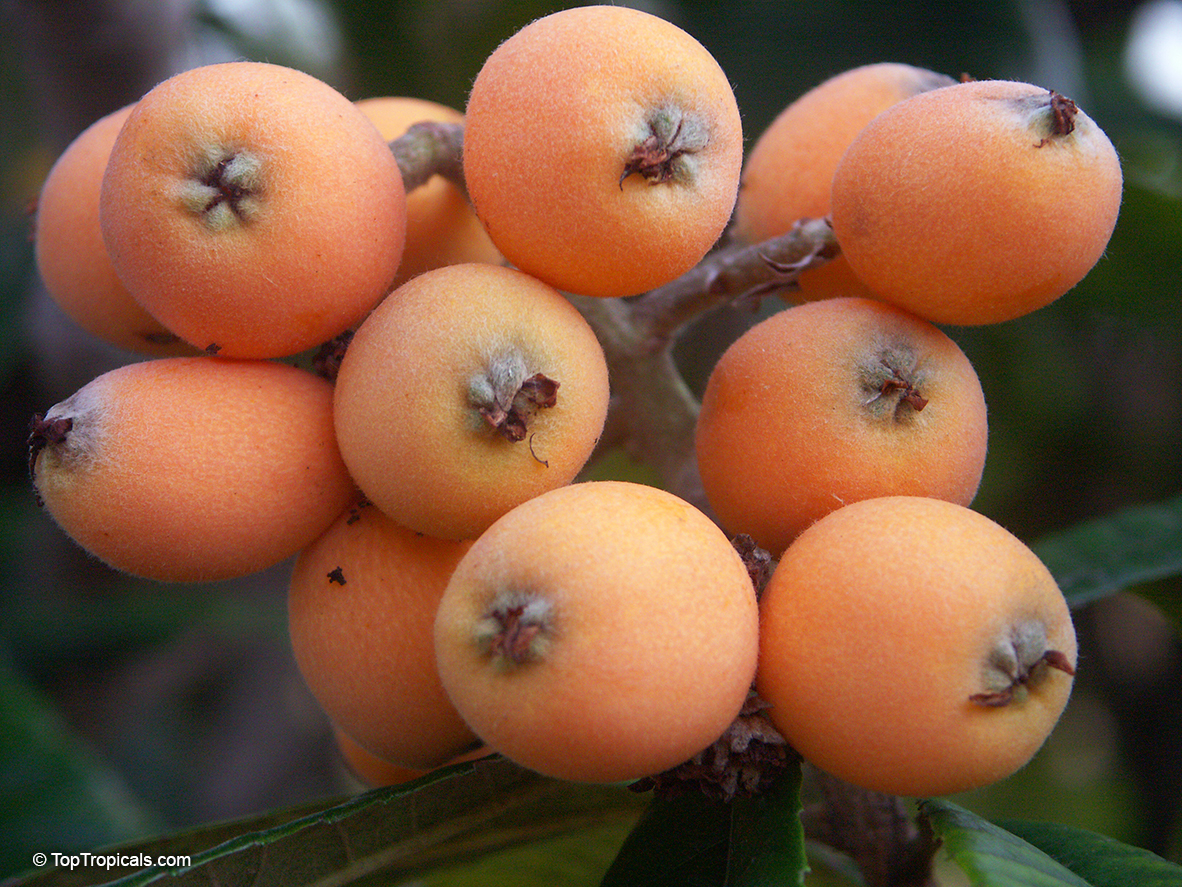
Loquat  fruit

Loquat are very popular and are eaten fresh or used in making jams, jellies, pies, and fruit salads.
Loquat is rich in vitamin A, supporting eye health. It contains antioxidants that help fight inflammation and reduce the risk of chronic diseases. The fiber in loquats aids digestion and helps maintain healthy blood sugar levels.

By planting these 10 diverse fruit trees, you'll not only enjoy a delicious and abundant harvest but also ensure your garden provides all the nutrients needed for a healthier, more vibrant life.