Date: 17 Mar 2026
Green Magic - 15% Off This Week!
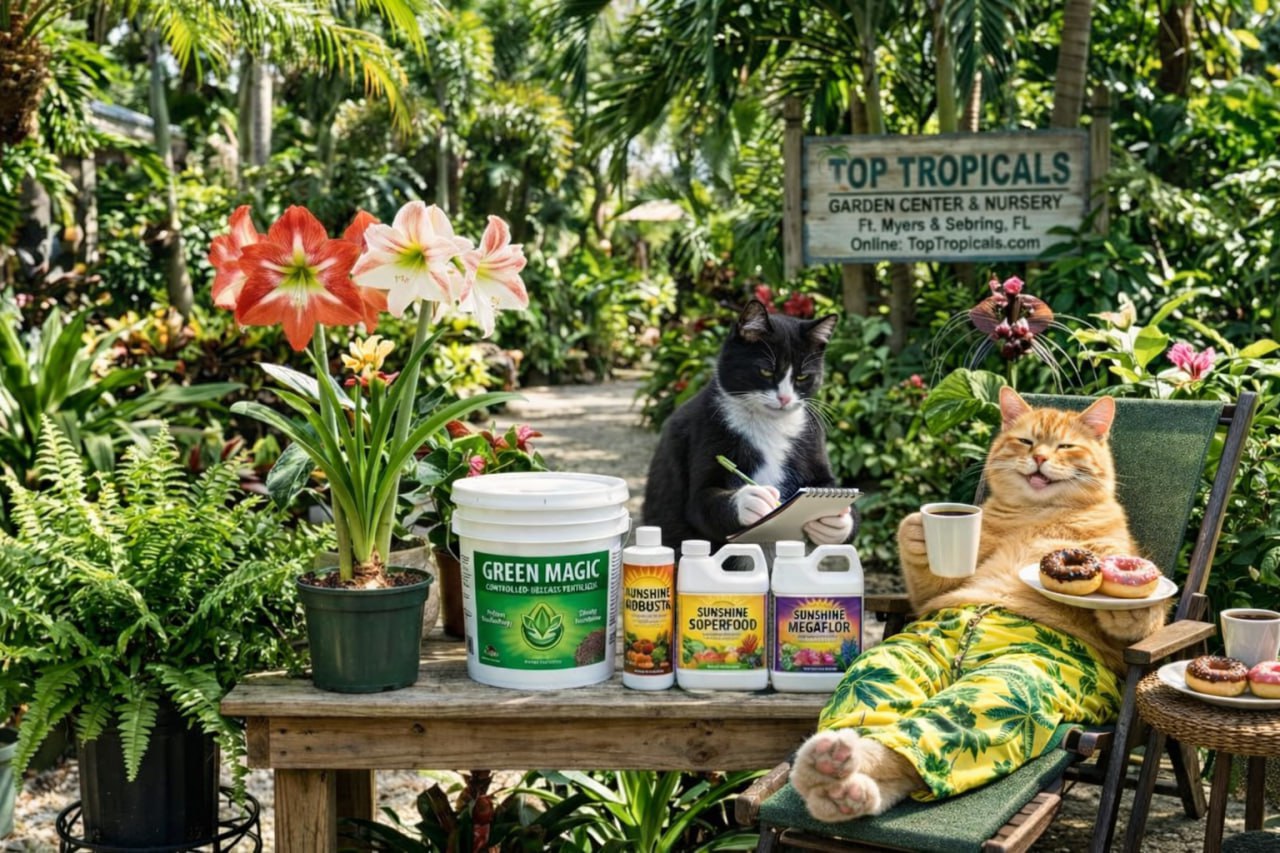
Smokey and Sunshine running a sale of fertilizers at Top Tropicals
Green Magic - 15% Off This Week!💲
Give Your Plants a Strong Start This Spring:
🛒 Get your plants some food
📚 Learn more about plant food:
📱 What are Sunshine Boosters
#Fertilizers #PeopleCats
🟢 Join 👉 TopTropicals
Give Your Plants a Strong Start This Spring:
- 🟢Green Magic - 15% OFF 🟢
Build the foundation for the entire growing season with a steady, long-lasting nutrient base!
No coupon needed. The discount is automatically applied at checkout.
Offer valid through 03/21/2026.
Discount applies to Green Magic products only.
🛒 Get your plants some food
- 🐈 Sunshine: So Green Magic feeds the plant for months. Does that mean I can forget about Sunshine Boosters?
- 🐈 Smokey: Not quite. Green Magic is the steady base diet. Sunshine Boosters are the weekly power drink during active growth.
- 🐈 Sunshine: Ah. Like my regular meals and donuts on top.
- 🐈 Smokey: Exactly. Plants eat slowly from Green Magic, and once a week they get a fresh boost.
- 🐈 Sunshine: Sprinkle once, then boosters every week. The plant grows, I drink coffee, and nobody forgets anything important.
- 🐈 Smokey: Except where you left the donuts.
- 🐈 Sunshine: Smokey... nobody forgets donuts. Ever!
- 🐈🐈 More about Smokey & Sunshine
📚 Learn more about plant food:
- Frequently Asked Questions: Plant Nutrition & Fertilizer
- Green Magic + SUNSHINE Boosters: A Complete System for Strong Plant Growth
- Spring Nutrition Strategy: Is Your Garden Starving?
- How to keep your house plants beautiful all year by feeding them right
- Why do you need Sunshine Boosters?
- Which dry fertilizer to use - slow release or controlled release?
- Green Magic effect: before and after
- The SECRET growers never tell you: simple trick how to bring plants back to life and keep green
📱 What are Sunshine Boosters
#Fertilizers #PeopleCats
🟢 Join 👉 TopTropicals