🌟 Star Fruit - Carambola Tree (Averrhoa carambola is one of those trees that makes gardening instantly rewarding. Once you plant it, you’ll soon have a tree covered in shiny yellow fruit shaped like little stars.
🌟 Growing tips
🟡 Sun: Loves full sun. The more light, the sweeter the fruit.
🟡Temperature: Keep warm and protect from winds. It thrives in warm, tropical climates but can handle light frost if sheltered from cold winds - wind-free is the key.
🟡Water: Regular watering keeps it happy, but don’t let roots sit in soggy soil.
🟡Size: Space saver! This compact tree doesn’t take up much room, perfect for smaller gardens. Dwarf varieties also do well in containers.
🟡Growth and crop: Fast-growing and early to fruit. Seedlings start producing in about three years, while grafted or air-layered trees fruit right away.
🟡Flowers: Beautiful pink blooms appear before the fruit, adding extra charm to the garden.
🌟 With just a bit of care and protection from wind and cold, your Carambola tree will reward you with baskets of bright, starry fruit through the cooler months when most other trees rest.
🌟 Slice one open and you get perfect star-shaped pieces that brighten up salads, desserts, or smoothies. The fruit is crisp, juicy, and beautifully sweet-tart. It’s nature’s candy - refreshing, low in calories, and rich in vitamin C and antioxidants.
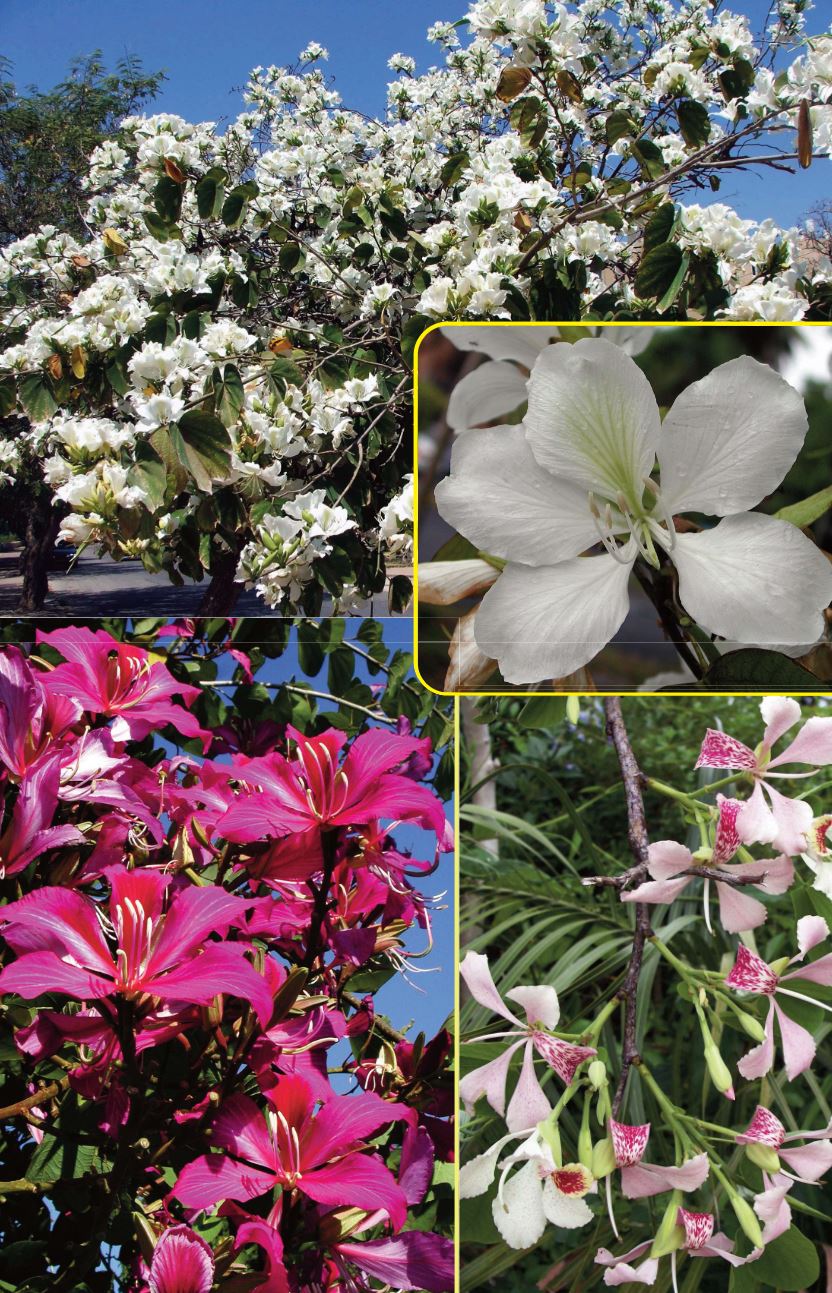
🌸 Orchid Tree - Bauhinia: Winter Blooms &
Year-Round Beauty
Bauhinia blakeana, Bauhinia variegata var. candida, and
Bauhinia monandra – Orchid Trees in Bloom
Sometimes a plant stops you midwalk. Flowers so bright they almost glow,
leaves shaped like butterflies — that’s a Bauhinia, the Orchid Tree. These fast growers bring color when many
gardens are quiet, with some blooming in the heart of winter.
🌟 Why Grow
Bauhinia?
Exotic blooms in colors from white to deep magenta
Distinctive leaves — nature’s own butterfly design
Many varieties flower in the cooler season
Fast growth, easy shaping, more blooms after pruning
Varieties for large yards, small gardens, and sunny patios
Tolerant of heat, drought, and poor soils
Bauhinia Care Tips
🌞 Outdoor
Full sun for best flowering, well-draining soil, deep
watering once established. Light pruning after bloom keeps shape and encourages
more flowers. Protect young plants from frost. During the growing season
(Spring - Fall), apply a balanced fertilizer - like top-dress slow release fertilizer or controlled-release Green Magic. Liquid fertilizer Sunshine Boosters Megaflor can be used year around - to promote
vigorous growth and abundant blooms.
🏡 Indoor / Patio
Bright sun (south window or outdoors in warm months), large
pot with drainage, even moisture during growth, and a bloom-booster feed in
season. Feed regularly with a balanced fertilizer controlled-release Green Magic. Liquid fertilizer Sunshine Boosters Megaflor can be used year around - to promote
vigorous growth and abundant blooms. Bring indoors before frost.
🍂 Seasonal Note – Bauhinias are
Deciduous
Bauhinias drop their leaves in winter — even in warm
climates. This is normal and part of their rest cycle. Bare branches in the
cool season will leaf out again in spring, often just as flowers begin.
Smokey: Winter roots make spring easy. Keep that plant straight.
Sunshine: I am keeping it straight by not touching it at all.
Smokey: That is exactly what I was afraid of.
November is the month when the garden finally stops yelling at you.
The heat backs off, the bugs calm down, and the weeds take a breath.
This is when we get to take control again.
And as gardeners, we know the truth:
Either you use your garden, or your garden will use you in
spring.
Let me walk you through this, gardener to gardener.
"November is when the garden finally listens.
Give it a little direction now, shape it, guide it, and prepare it for
spring.
It will reward you all year." - Tatiana Anderson, Top Tropicals Plant
Expert
🌴
When The Garden Uses
You
We have all lived this scene:
March weeds appear, and two days later it looks like a jungle.
One missed watering turns into five wilted plants and a full week of
recovery.
A skipped feeding shows up as yellow leaves and panic searching
online.
Bugs return fast, and suddenly you are washing leaves every other
day.
Random plant purchases fill your yard with chaos and mismatched care
needs.
When the garden takes control, spring feels like hard work, not
joy.
Overgrown Tropical Garden Showing How a Garden Can Use You
📊
When You Use Your Garden
November flips the script.
Plants slow down. Soil stays warm.
This is the safest month to experiment, move plants, fix mistakes, and
redesign.
What you do now pays off huge in March.
You map out sun zones and shade zones.
You mulch now so weeds do not explode later.
You move plants to better positions without heat stress.
You remove the high-drama plants before they start another season of
complaints.
You pick what you want for next year instead of letting impulse buys
rule you.
Spring becomes smooth instead of overwhelming.
And honestly? It feels good to walk outside in March and see order instead
of chaos.
In the photo: Every garden starts in small steps. Biquinho Pepper
(front) in the garden.
What Benefit
Do You Get Personally?
Less watering.
Fewer bugs.
Bigger fruit.
Better flowering.
Less money wasted.
Less time fixing problems you could have prevented now.
This is why experienced tropical gardeners adore November.
In the photo: Organized Tropical Garden. Firebush (lemon gold
variety) and Cordylines (Ti Leaf) make colorful spots in the garden.
🐭
Start With Something Small Today (5 Minutes)
Pick one:
Add mulch to the driest spot in your yard.
Cut one dead branch from any tree.
Move one pot to a better sun angle.
Pull three weeds from the worst area.
Water deeply once this week.
Small steps now save hours later.
⭐
One Short Story
Last year we planted a
Star Fruit in November.
By March, it was already covered in flowers, and have been harvesting fruit
non-stop since then!
That is what winter planning does: it gives plants a head start you can
actually see.
🐍
Plants That Will Use You If You Let Them
These are great plants, but only if you plan before planting them:
Papaya
- fits any yard, delicious fruit and natural digestive remedy
Pick even one of these and your garden starts giving back.
In the photo: Cattley Guava brings not only tasty fruit but also a
wonderful character with its amazing multi-color twisted trunk.
🌡️ November Advantage
You cannot ruin anything in November.
This is the safest, calmest month to shape your garden the way you want.
If you act now, spring becomes a victory lap.
If you wait, spring becomes a rescue mission.
In the photo: Adenium is a colorful accent in the
garden.
💐
Thanksgiving Tie-In
This is the season to reset, breathe, and be thankful for your outdoor
space.
A garden that works for you is one of the best gifts you can give yourself
going into the new year.
Start your November plan today.
Use your garden.
Do not let it use you.
In the photo: Megaskepasma, Iris, Colocasia, Crotons, Dracaena and Ti
Leaf bring instant tropical look to your garden.
Avocado leaf tea: island secret for a calm heart and blood pressure
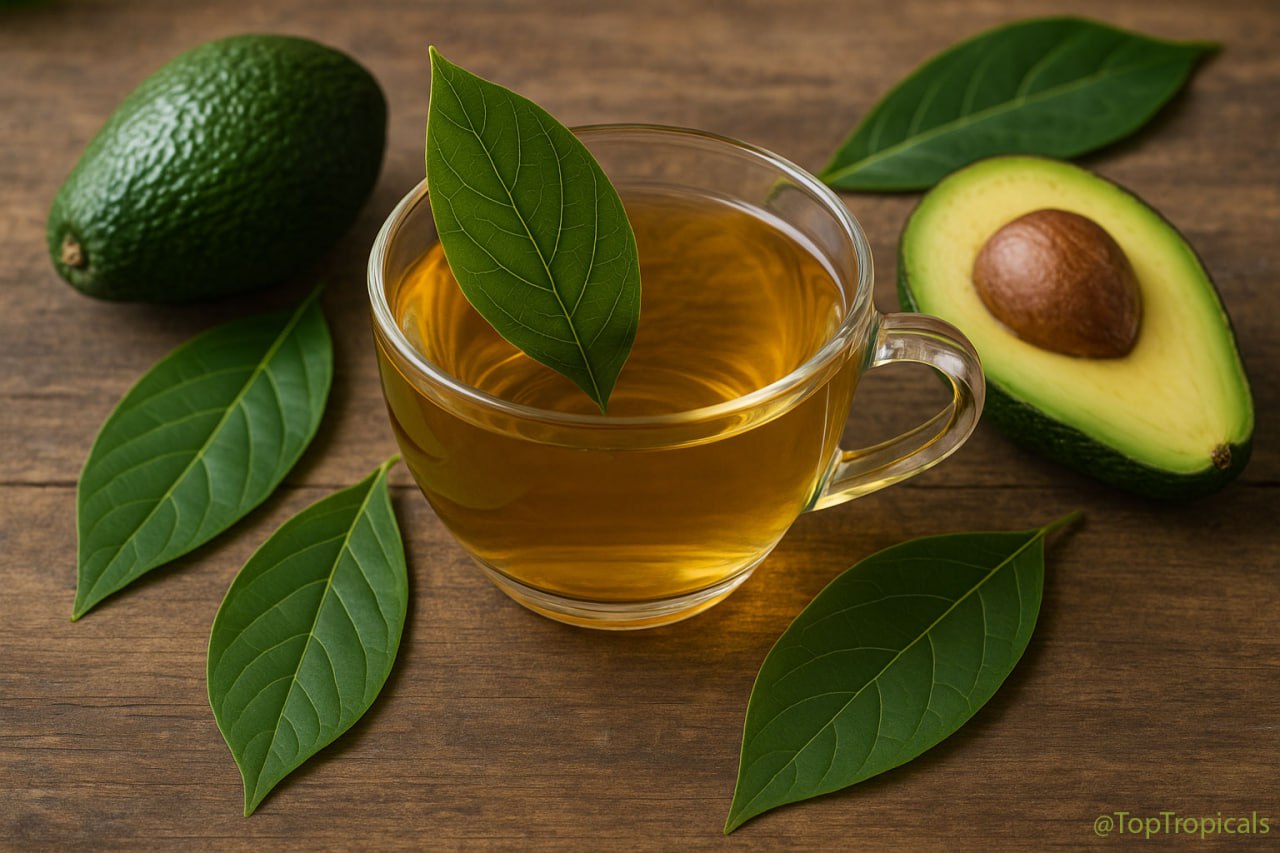
🍃 You see that Avocado tree in your yard? Don't just love it for the fruit - the leaves carry magic too! Old folks in the tropics will tell you - never throw away the avocado leaves. They’ve been used for generations to brew a tea that helps steady the heart and ease high blood pressure.
🍃 When life gets busy and your heart starts beating too fast, this tea helps it find its rhythm again. The leaf holds flavonoids and quercetin - fancy words for what nature been doing all along: keeping the blood flowing smooth and the body at peace. Folks say it also helps with digestion and keeps the liver happy.
🍃 Avocado leaf tea
Ingredients
3 to 4 fresh avocado leaves
2 cups water
Optional: honey, lemon, or cinnamon stick
Instructions
Rinse the avocado leaves well.
Place them in a small pot with 2 cups of water.
Bring to a gentle simmer and let it cook for about 10 minutes.
Strain the tea and add honey, lemon, or cinnamon if desired.
Sip slowly and enjoy the calm, earthy flavor.
🍃 They say it helps the belly, calms the mind, and keeps the liver strong. Maybe that’s science, maybe it’s just island truth - but it surely does the body good! Some call it bush medicine, others just call it good sense. Either way, it’s a simple garden remedy that’s been soothing hearts long before pills and prescriptions came around.
What happens when you eat it every day: a bowl of Papaya for breakfast
bowl of Papaya for breakfast
🍲 What happens when you eat it every day: a bowl of Papaya for breakfast
🍊 If you grow your own papayas or just enjoy picking one from your food forest in the morning, a small bowl (about 140-150 g) can quietly transform your day - and your long-term health. This tropical fruit is naturally low in calories, high in fiber, and loaded with vitamins A and C, making it a perfect morning starter for metabolism, digestion, and immunity.
🍊 Why papaya works so well in the morning
Papaya is famous for its natural enzyme, papain. It kick-starts digestion, eases bloating, helps break down proteins, and supports regular bowel movements. Ayurveda has praised ripe papaya for centuries as a cooling, Pitta- and Kapha-balancing fruit that clears toxins and improves gut function. Modern nutrition agrees: a fiber-rich, enzyme-rich fruit first thing in the day steadies appetite and helps prevent mid-morning cravings.
🍊 Daily benefits at a glance
Weight support: Low calorie, high fiber, and keeps you full longer.
Heart and blood pressure: Rich in potassium, vitamins, and antioxidants that support healthy cholesterol, smooth blood flow, and normal blood pressure.
Liver support: Antioxidants, choline, and beta-carotene help reduce inflammation, regulate fats, and protect liver cells from oxidative stress.
Skin health: Papain and vitamin C help remove damaged cells, improve collagen formation, and support a clearer, smoother complexion.
Immunity: One medium papaya gives more than double the daily vitamin C requirement and helps stimulate white blood cells while protecting them from oxidative stress.
Constipation relief: Papaya’s fiber and enzymes gently improve regularity and support a clean, efficient gut.
🍊 What research shows
According to the National Library of Medicine, papaya pulp and seeds contain vitamins A, C, and E; B vitamins; potassium; magnesium; carotenoids; glucosinolates; and unique phenolic compounds. Together, these show antioxidant, anti-inflammatory, hypoglycemic, and hypolipidemic actions. Studies link papaya extracts to reduced cholesterol and triglycerides, improved blood pressure regulation (ACE-inhibitory effects), and protection against oxidative stress.
Papaya seeds also demonstrate promising anti-cancer potential, including activity against colon, prostate, and liver cancer cells. Lycopene and other carotenoids further reduce oxidative damage linked to chronic diseases.
🍊 For home growers
A ripe papaya from your own garden isn’t just a sweet breakfast bowl. It’s a daily boost for digestion, immunity, skin, heart, and metabolic health. Growing papaya means you have a year-round supply of one of nature’s most complete morning foods - fresh, clean, and packed with bioactive compounds your body immediately puts to use.