Avocado, Lychee and Mango setting
fruit... give them some FOOD!
Q:
Do I need to fertilize tropical fruit when they set fruit?
A:
It is traditionally believed that mango and other tropical
fruit shouldn't be fertilized during fruiting period. It
is true to an extent: you don't want fruit to burst from
fast excessive growing. Instead, try to feed fruit trees
wisely, because they still need proper nutrition to
produce flowers and fruit.
Our spring specials of Lychee, Avocado and Mango are full of buds and
some already set tiny fruit (see examples on the photo).
Here is the feeding plan for these plants once you receive
your mail order:
1) Once received the plant, pot it into container size of
the root ball and let establish for couple weeks. Use SUNSHINE-E to help the plant
recover from shipping stress and establish root system.
2) Apply SUNSHINE-Honey right before
flowering, and next time at setting fruit, to provide
sweeter and bigger fruit, eliminate fruit cracks and help
resist fungus and other fruit diseases.
3) Use balanced granulated fertilizer,
1 tsp per each gallon of soil. Apply once a month during
Spring-Summer season. This gives the plant balanced
macro-elements (NPK) necessary for overall plant health.
Do not use on fruit trees fertilizers with high Nitrogen
content.
4) Apply SUNSHINE SuperFood
micro-element booster to keep fruit trees vigorous,
develop strong root system and avoid deficiencies.
5) In case of signs of chlorosis (yellowing leaves with
darker veins), give the tree SUNSHINE-GreenLeaf and watch
the leaves turning green quickly.
After harvesting, don't forget to make another treatment
of SUNSHINE-Honey as a
preparation for the next year flowering and fruiting
season.
Date: 8 Aug 2016
Growing mango in hot Arizona
By Mike D, Mesa, AZ. Despite to what you may think, mango can be successfully grown in desert Arizona climate. It has good heat and drought tolerance. It's possible providing the following:
1) Winter protection of a young plant when temperature goes around or below freezing. Try to plant trees in locations where they're protected from cold wind. Minimal temperatures vary widely. Areas which are closer to downtown are few degrees warmer, while outskirts can be very cold.
2) Some people are lucky enough to live in areas with good soil. However, most of us will have a so-called hardpan (extremely compacted desert) or caliche (layers of soil cemented together by calcium carbonate). Check with your local county extension office to determine how to deal with such conditions. Gypsum is usually used to loosen compacted soil.
3) When planting, dig a large hole making sure it has good drainage. Plant tree as usual, add mulch around it. It helps to conserve moisture.
4) Best time to plant is late Fall or early Spring, so mango can get established before Summer heat.
5) Plant where tree gets few hours of sun.
5) Water a lot until established. Once established, water when soil is dry.
6) Small plant may need protection from summer heat. Use shade cloth.
7) Mango requires very little nitrogen fertilizer. In hot climate, overdosing nitrogen may result in quick plant decline. Use balanced low nitrogen slow release fertilizer or avoid nitrogen completely. If you use mulch, then decomposing mulch provides enough nitrogen. Foliar spray of micronutrient solution is recommended during active growing period. Read more...
Date: 22 Sep 2025
Dragon Fruit Plant Care – Tips
from the Garden Expert
Dragon fruit is one of those plants that look exotic but are surprisingly
easy once you know the basics. Here is what works best in the garden:
Soil: They hate wet feet. A sandy, fast-draining soilless-mix
is
your friend. If water sits around the roots, rot comes fast.
Watering: Deep watering is better than frequent sips. Let the
soil dry between
waterings. In rainy season they cope well, but in pots you need to be
careful.
Sunlight: Full sun is great, but in very hot places a touch of
afternoon shade keeps them happy.
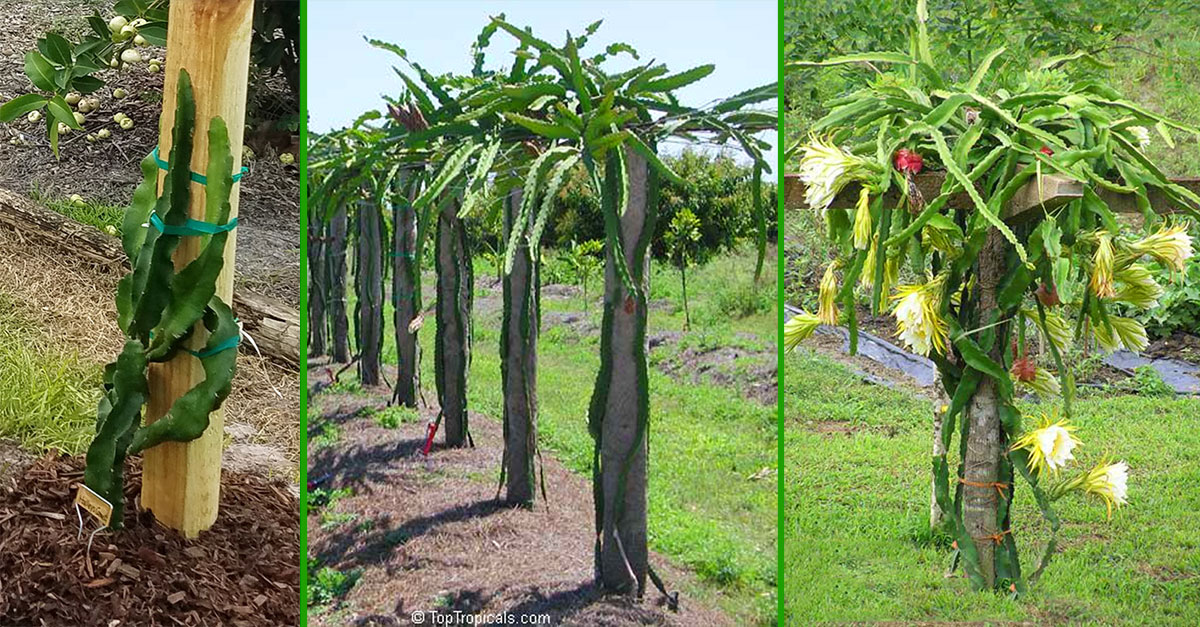
Support: They are natural climbers. A wooden post, concrete pole,
or trellis will give them something to grab and makes harvest easier.
Fertilizer: Feed lightly but often. A gentle liquid like Sunshine
C-Cibus liquid booster with every watering, or Green
Magic controlled release fertilizer
every 5-6 months. It encourages strong roots, lush growth, and lots of
flowers.
Pruning: Trim off tangled or weak stems. This guides energy into
strong branches that will flower and fruit.
Think of it as training a cactus vine into a small tree. Once it settles
in, it almost takes care of itself — and pays back with fruit you
can’t buy in stores.
🌱 Dragon Fruit
Plant Care – Outdoors and Indoors
Outdoors: Dragon fruit thrives in USDA Zones 10–11
year-round. In warm
regions like Florida, Texas, California, and Hawaii, you can grow it outside
in the ground. Give it fast-draining soil, full sun with a little afternoon
shade in the hottest months, and
a sturdy trellis or post to climb. Deep watering with drying periods in
between keeps roots healthy. A yearly pruning shapes the plant and boosts
flowering.
Indoors or Patio Pots: Gardeners in cooler zones can still enjoy
dragon fruit in containers. Use a large pot with sandy, well-draining mix or
soilless-mix
and a pole for support. Place the pot in the brightest
spot — a greenhouse, sunroom, or patio that gets 6+ hours of light
daily.
Move pots inside when temperatures drop below 40F. Even indoors, a healthy
plant can bloom and fruit if it has enough light and warmth.
❓
Dragon Fruit FAQ
How soon will a dragon fruit start producing?
Cuttings can flower and fruit in as little as 2–3
years. Seed-grown plants take longer, often 4–6 years. Large developed
specimens can start flowering and fruiting within a year or even the same
season.
Do I need more than one plant for pollination?
Some varieties are self-fertile, others need a second plant
for cross-pollination. Even self-fertile types usually set more fruit with a
partner nearby.
How big do they get?
In the ground, dragon fruit can climb 15–20 ft if you
let it. With pruning and a trellis, you can keep it shaped like a small
tree, 6–8 ft tall.
Can I grow it in a pot?
Yes. A large container with sandy mix or soilless-mix
and a pole for climbing works well. Indoors it will need
bright light or a grow lamp.
What does a dragon fruit taste like?
Sweet and juicy, like a blend of blackberry and raspberry.
Varieties differ: flesh can be white, pink, deep red, or purple, wrapped in
skins of red, pink, or yellow. White flesh is mild and refreshing, red flesh
is sweeter, and yellow flesh is the sweetest with a honey-pineapple flavor.
What zones can I grow dragon fruit outside?
USDA Zones 10–11 are best for year-round outdoor
planting. In cooler areas, grow it in containers and bring inside for
winter.
How often should I water?
Deep water, then let the soil dry. Too much water causes
root rot. Think “desert cactus with a taste for rain.”
Is dragon fruit easy to grow?
Yes. Pitayas grow like cactus trees on strong supports, but
they are easy to care for — little water, sun or semi-shade, and they
thrive.
How long do they live?
A healthy dragon fruit cactus can produce for 10 years or
more with proper care.
What are the health benefits?
Dragon fruit is high in fiber, supports digestion, and is
low in calories. It is rich in antioxidants and vitamin C, making it good
for immunity and overall wellness. Many gardeners enjoy it as a healthy
snack or in smoothies.
Most plants don't need more fertilizer - they need the right one at the right stage. Growth, flowering, and fruiting all require different support. Once you match feeding to what the plant is actually doing, everything starts to improve.
One system for every plant and stage
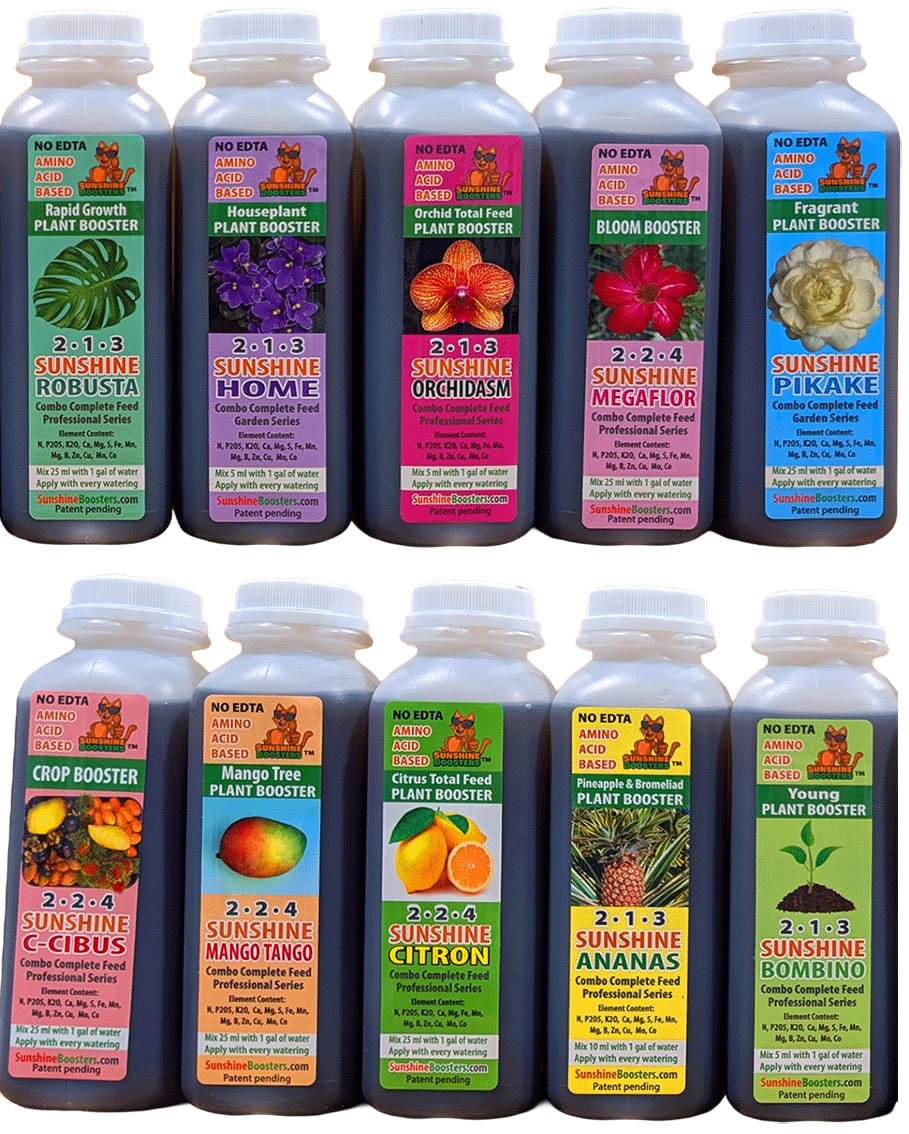
The Sunshine Boosters system includes different formulas for different stages of growth or plant types. Some are designed for young plants, some for vegetative growth, and others for flowering and fruiting. This allows you to match feeding to what your plant is doing without changing the overall system. All formulas, including additional supplements, remain compatible and can be used together when needed.
Build structure and foliage
Sunshine Robusta supports vegetative growth. It is useful for building strong structure, adding foliage, and helping plants recover after stress or damage. Sunshine Bombino is a gentle formula for young plants, seedlings, and cuttings. It supports early root development without stressing tender growth. Sunshine Home is made for indoor houseplants. It is mild and balanced for regular feeding of sensitive plants grown indoors.
Feeding for flowers Sunshine Megaflor is a bloom booster. It helps plants produce more flowers, improves flower size, and supports strong pollen development. Sunshine Pikake is designed for fragrant flowering plants. It increases the number of blooms and improves flower fragrance. Sunshine Orchidasm is a complete feed for orchids. It supports steady growth and encourages longer and more frequent blooming cycles.
Feeding for fruit and yield Sunshine C-Cibus is a crop and fruit booster. It is used during flowering and fruit development to improve yield and plant vigor. Sunshine Mango Tango is designed for mango trees. It helps improve flowering, fruit set, and reduces flower and fruit drop.
Mango Plant Facts
Botanical name: Mangifera indica Also known as: Mango
USDA Zone: 9 - 11
Highligths
Sunshine Citron is a complete formula for citrus trees. It supports healthy leaves, strong growth, flowering, and fruit production. Sunshine Ananas is made for bromeliads and pineapple. It supports healthy growth and improves fruit quality in these plants.
To be continued - next we'll cover the additional boosters that take your plants from good to exceptional. More... Get your plants real food
The Secret to a Sharper Mind Might Be Growing in Your Backyard
Harvesting tropical fruits
The Secret to a Sharper Mind Might Be Growing in Your Backyard
Your garden shed might hold a more powerful tool for brain health than your medicine cabinet. What if the best defense against cognitive decline isn’t found in a pill bottle - but right outside your door? While we often think of gardening as just a hobby, new research suggests that the combination of physical "zone-pushing" and harvesting your own nutrient-dense tropical fruit could be a literal life-saver for your brain.
🍒 What the Research Actually Says
A massive study recently published in the journal Neurology followed more than 92,000 people to see how diet impacts the mind. The findings were clear: the quality of the plant-based foods you eat plays a massive role in your risk of dementia. It isn't just about "eating your veggies" - it's about which ones you choose.
(The full study: Plant-Based Dietary Patterns and Risk of Alzheimer Disease and Related Dementias in the Multiethnic Cohort Study)
🍒 Why Growing Your Own Fruit Changes the Game
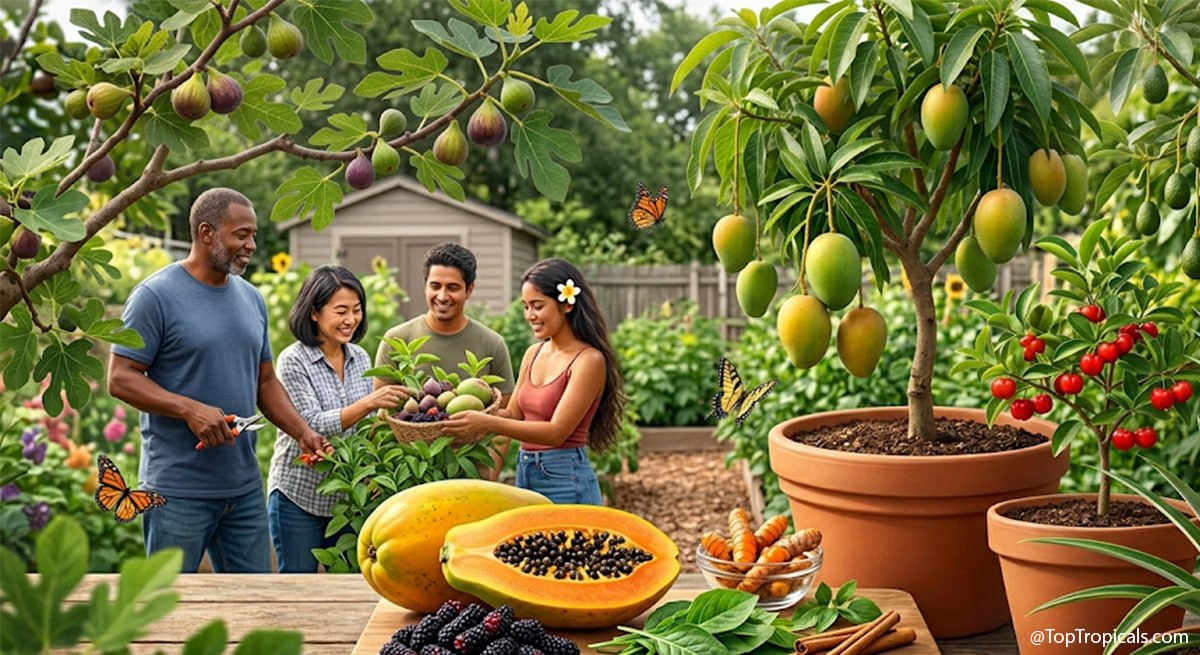
If you grow your own fruit, you quietly solve two problems at once. It turns a "diet plan" into a natural part of your day.
1. Effortless Nutrition
When a ripe mango, a handful of mulberries, or a fresh guava is hanging within arm's reach, you eat it. It replaces processed, sugary snacks without any "willpower" required. You are naturally moving toward the high-quality, whole-food diet the research supports.
Mango Plant Facts
Botanical name: Mangifera indica Also known as: Mango
USDA Zone: 9 - 11
Highligths
2. Functional Fitness
Gardening doesn't feel like a workout, but it is. Bending, pruning, carrying pots, and digging are all forms of functional movement. It’s steady, useful physical activity that supports your heart and brain while you’re focused on your plants.
3. The "Outdoor" Effect
Sunlight and fresh air are natural mood boosters. The mental focus required to manage tropical plants - especially when you’re protecting them from a surprise freeze - provides a level of mental engagement and stress relief that you just can't get from a treadmill.
🍒 What to plant if you are just starting
You don’t need a massive orchard to start investing in your brain health. One or two plants can shift your habits immediately.
Botanical name: Carica papaya Also known as: Papaya
USDA Zone: 9 - 11
Highligths
For Small Spaces:Dwarf Mango varieties and Cherries (Eugenias or Acerola), Pineapples thrive in containers and provide massive doses of antioxidants.
Pineapple Plant Facts
Botanical name: Ananas comosus Also known as: Pineapple, Pina
USDA Zone: 9 - 11
Highligths
For the "Zone Pusher":Figs and cold-hardy Avocados offer healthy fats and fiber that are essential for long-term health.
Fig Tree Plant Facts
Botanical name: Ficus carica Also known as: Fig Tree, Brevo
USDA Zone: 7 - 10
Highligths
Avocado Plant Facts
Botanical name: Persea americana, Persea gratissima Also known as: Avocado, Alligator Pear, Aguacate, Abacate
USDA Zone: 9 - 11
Highligths
🍒 Start Small, Start Now
The research makes one thing clear: improving your food quality matters, and you can see results no matter your age. Planting a fruit tree changes what you eat, how you move, and how often you step outside.
That’s more than just gardening - that’s a lifestyle shift your brain will thank you for.
🍒 FAQ
Does fruit really support brain health?
Yes. Diets rich in whole, high-quality plant foods are linked to a lower risk of dementia, especially when they replace processed snacks and added sugars.
Is gardening enough to count as exercise?
Absolutely. Regular gardening provides steady, functional movement that improves circulation and supports overall physical health.
Is it too late for me to start?
No. The study showed that even participants who improved their diet quality in their 60s and 70s saw a measurable reduction in dementia risk.

 Dragon Fruit Plant Care – Tips
from the Garden Expert
Dragon Fruit Plant Care – Tips
from the Garden Expert