Garden Blog - Top Tropicals

Date: 25 Jun 2021

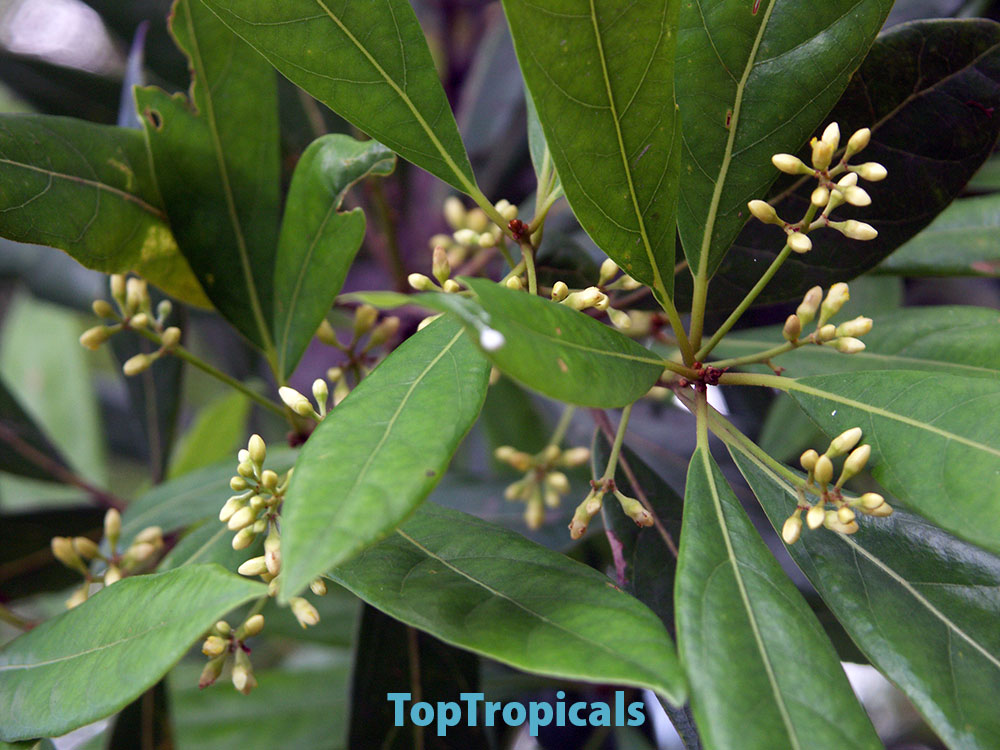
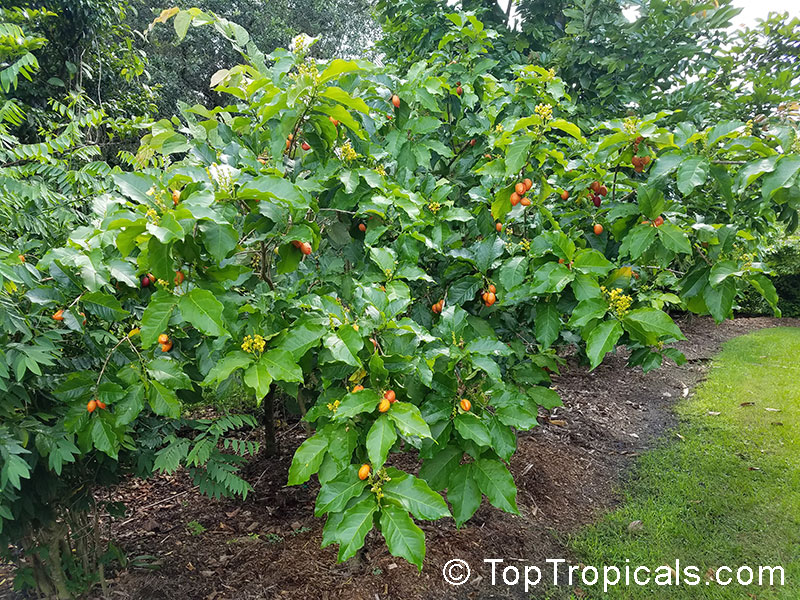
Peanut Butter Fruit... tastes like peanut butter!

by Alex Butova, the Witch of Herbs and Cats

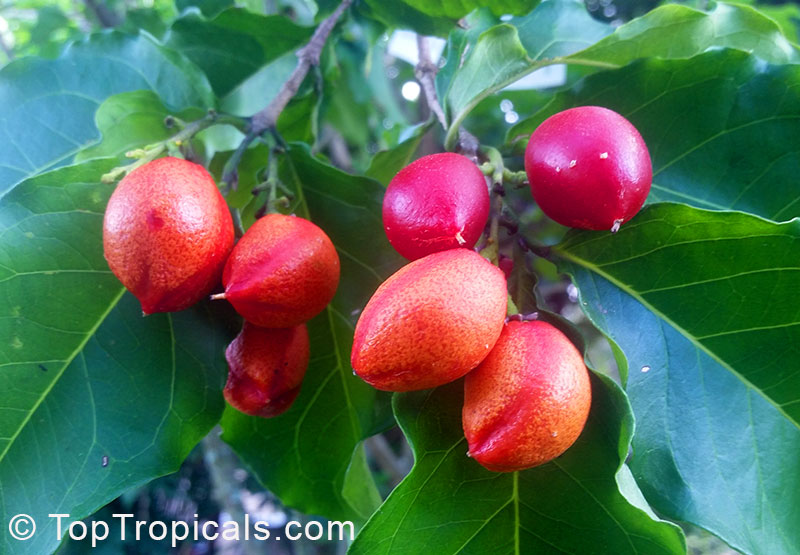
...One of the most fascinating exotic fruit, as amazing as Miracle fruit, Peanut Butter Fruit is loved by both kids and adults... and yes, it tastes exactly like peanut butter!.. Yet it is much healthier food, with many medicinal benefits...
...The easy, low-maintenance Peanut Butter Fruit tree is essential for any edible landscape, rare fruit collector, or tropical/subtropical garden. It has a great ornamental or screening value. Also can be grown in container, and will fruit indoors... Similar to fast-fruiting Annonas, and its close relatives Malpighia (Barbados Cherry) and Bursonima (Nancy Tree), Bunchosia tree starts fruiting in small size and at young age: 2-3 years from seed!..

CONTINUE READING >>

Date: 23 Sep 2020

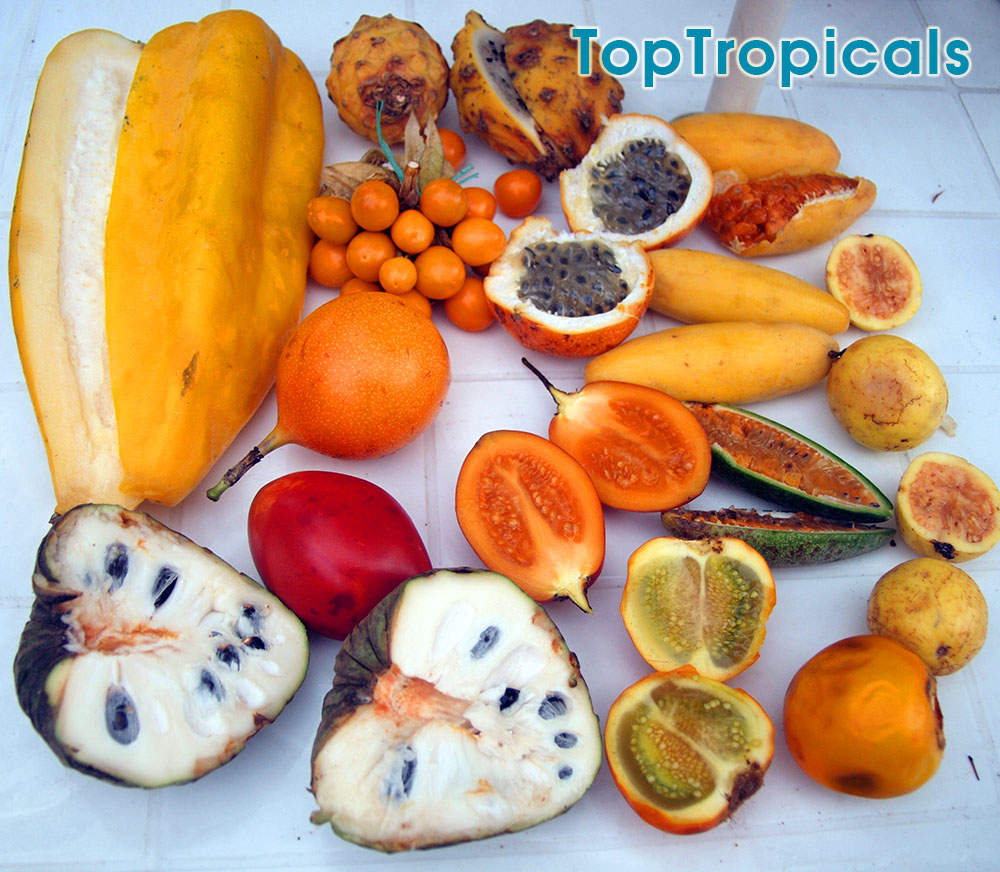
Fast-fruiting trees?
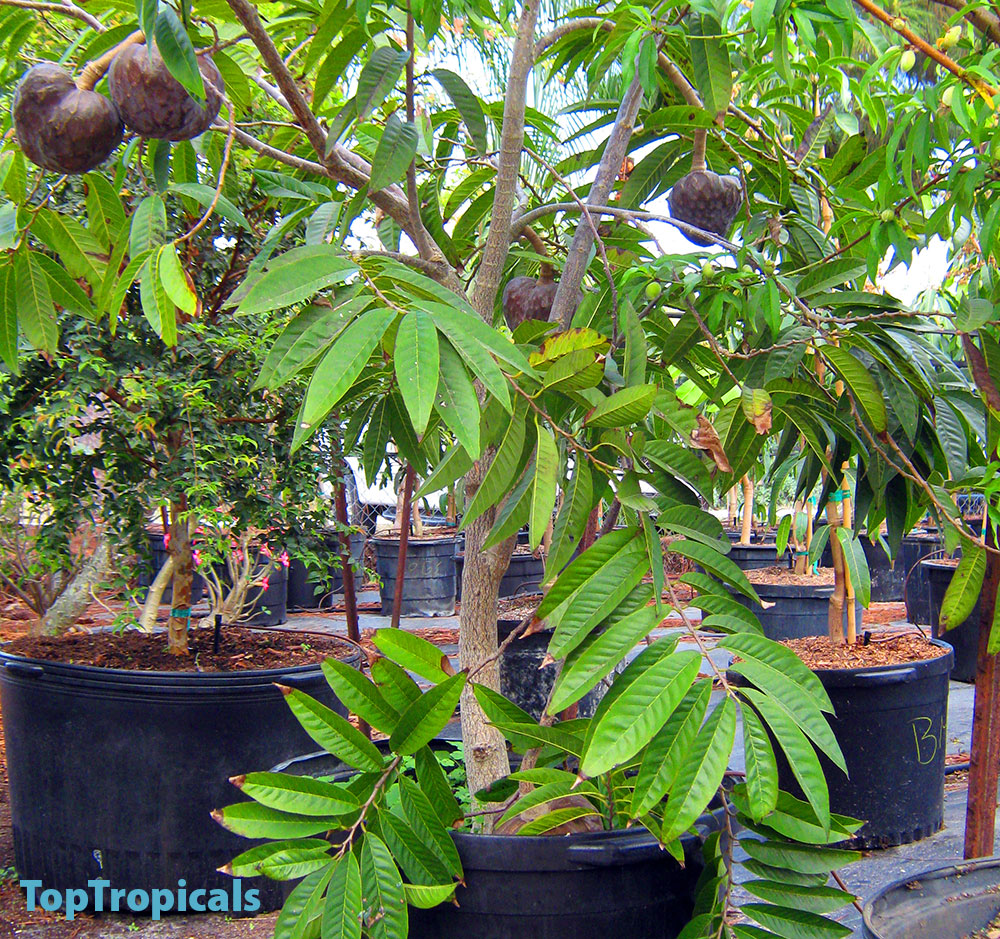
Photo above: Annona reticulata - Red Custard Apple

Q: More of a question than a review, but a review regarding your catalog, it would be easier for us buyers, if we could search for plants that produce fruit in 2 years or less, I don't have the patience to wait longer than that for fruit. I'm trying to buy for a fairly good sized garden but want some fast growers and fruit produced in 2 yrs. Can you help me out?

A: Fruiting time depends on many factors (established size, growing conditions, fertilizing, and even specific variety), this is why we can not just put a simple icon "will fruit within 2 years".
However, most grafted and air-layered fruit trees, including all Mango, Avocado, Loquat, Sapote, Sapodilla, Lychee/Longan, Peaches and Nectarines - will fruit right away. If you see in our store "grafted" or "air-layered" in plant description - these trees will fruit soon. Some of them already flowering and fruiting.
Some non-grafted trees or seedlings like Annona, Artocarpus (Jackfruit), Eugenia, Guava, Banana, Dragon fruit, Mulberry, Blackberry/Raspberry - will fruit within 3-4 years from seed or even sooner (Banana, Mulberry, Dragon fruit, Blackberry-Raspberry - within a year). Usually it says in description that this plant can produce fruit soon.
Bigger size plants are more established and have more energy to produce, so try to get larger size plants if your budget permits, and especially if you can pick up bigger plants rather than shipping them - obviously, shipping has size limitations.
In addition, all spice trees like Bay Leaf, Bay Rum, Allspice and many more - they will produce spice for you right away, so you don't need to wait at all!
If you have questions about fruiting time on any specific plant you put your eye on, don't hesitate to ask!

Photo above: Pimenta dioica - Allspice
Date: 29 Jul 2019

When to fertilize and prune tropical fruit trees?

Q: Can tropical fruit trees (Soursop, Mango, Star fruit, etc) be given plant food any time of year? Also can they be trimmed this time of year/summer?

A: True tropical plants (including fruit trees) need plant food most of the year in real Tropics, where temperatures have very little fluctuations, and active growth season is close to 12 months a year. In subtropical areas when temperatures in winter drop below 65F, plant metabolism slows down, so it is recommended to fertilize only during the warmest period (March through November). So yes, Summer is the perfect time for fertilizing your trees; their metabolism is at the highest point and they can use more food!

Trim your fruit trees right after harvesting. Obviously, you don't want to prune branches before or during flowering or fruiting. The specific time of the year for pruning depends on the plant - every tree has its own flowering/fruiting season. However, avoid pruning right before winter: young shoots promoted by pruning are tender and can be cold damaged.

Recommended fertilizers for fruit trees:

Fruit Festival Plant Food - Super Crop Booster
Mango-Food - Smart Release Fruit Tree Booster
SUNSHINE-Honey - for sweeter fruit
SUNSHINE SuperFood - microelement supplement

Date: 28 Nov 2025

What is the best Red Dragon fruit and what does it taste like?

Red Dragon Fruit - Halley's Comet

🔴 What is the best Red Dragon fruit and what does it taste like?


🍉 Red dragon fruit might look similar on the outside, but the flavors are all over the place once you start trying different varieties. Halley's Comet is one of the reds that actually tastes rich - sweet, juicy, and full of that deep berry-like flavor people hope for in dragon fruit. It ripens fast, so you have to catch it at the right moment or it turns soft overnight.

🍉 Red-fleshed types are also loaded with antioxidants, which is why the juice stains everything it touches. If you like bold flavor, check out other good reds below. These are some of the top varieties growers recommend for sweeter, stronger taste:

🔴🔴 Red skin, red flesh(Hylocereus costaricensis) - Sweeter, juicier, and more intense in flavor. The deep red juice can stain, but it’s loaded with antioxidants.
Varieties: American Beauty, Bloody Mary, Eureka Red, Costa Rican Sunset, Mac Edwin, Halley's Comet, Makisupa, Mega Red, Physical Graffiti, Sweet Red

🔴🟣 Red flesh, purple/magenta flesh(Hylocereus x costaricensis) - Hybrids, usually between red and white varieties.
Varieties: Cosmic Charlie, Edgar's Baby, Natural Mystic, Physical Graffiti, Purple Haze, Tricia, Voodoo Child, Zamorano

🛒 Bring a red dragon to your garden


📚 Learn more:

Pitaya Plant Facts

Botanical name: Hylocereus sp.
Also known as: Pitaya, Pitahaya, Dragon Fruit, Strawberry Pear
USDA Zone: 9 - 11
Highligths Large shrub 5-10 ft tallVine or creeper plantSemi-shadeFull sunWatering: Moderate. Water when top soil feels dryWhite, off-white flowersThorny or spinyEdible plantSubtropical plant. Mature plant cold hardy at least to 30s F for a short timeSeaside, salt tolerant plant
Get personalized tips for your region

· More about Dragon fruit plant from Plant Encyclopedia
· When do I get the fruit from my Dragon Fruit?
· Pitaya vs Dragon fruit - what is the difference and how to grow it. Varieties.
· Do red, white and yellow Dragon fruit taste differently?
📱 How to grow Dragon Fruit
📱

#Food_Forest #How_to #Dragon_Fruit

🟢 Join 👉 TopTropicals

Date: 25 Jan 2021

Healthy Plants: Q&A from Mr Booster

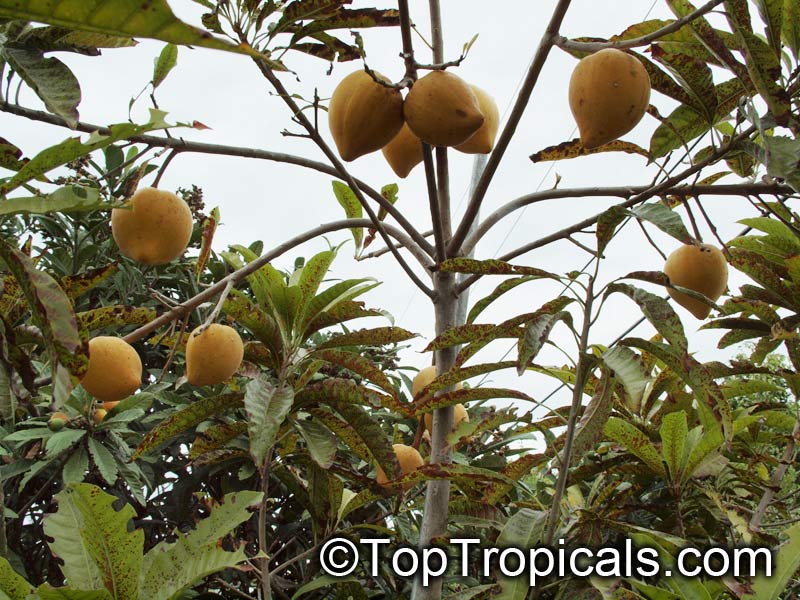
How to get Canistel tree to produce
without dropping flowers and fruit

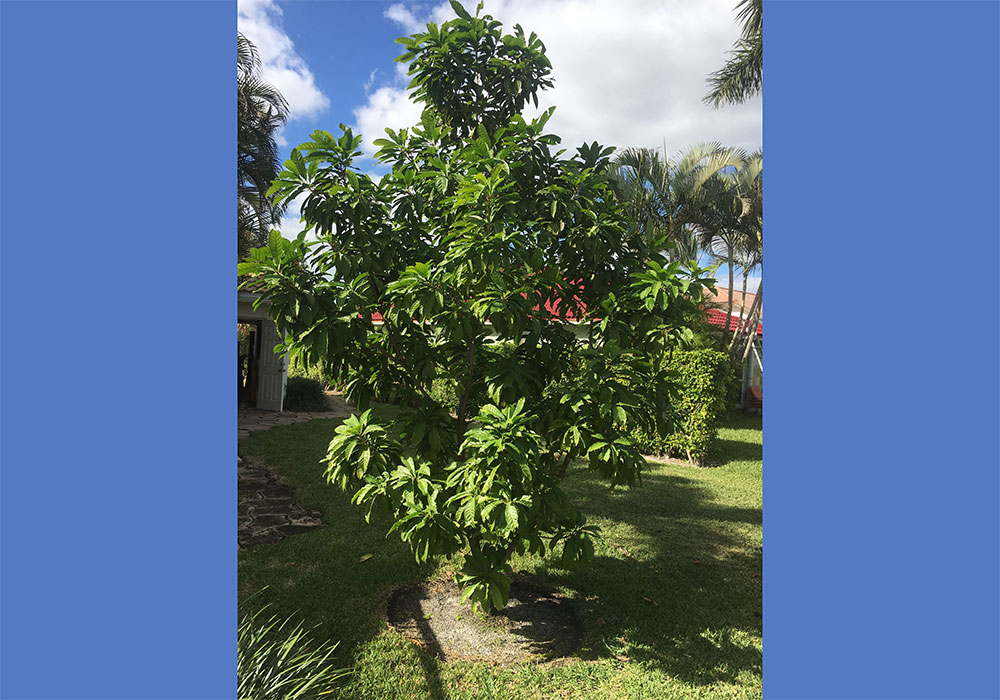
Q: My Canistel tree is 3 1/2 years old and is growing very well, see the picture below. It gets hundreds of pea sized "berries" but then they fall off. No canistel fruit. What's wrong?

A: You have such a nice looking tree, it is a shame you can't get any fruit to ripen.
In our experience, Pouteria trees dropping fruit prematurely is a very common problem. There may be one of the following reasons, or a combination of them:
- Cold winters may affect production, and while Canistel is generally pretty hardy tropical plant that can easily withstand short periods of chill, the fruit may never form properly if it had a cold winter.
- Lack of water. Canistel tree is pretty drought tolerant, but for the proper production cycle it needs regular irrigation. Especially during hot summer.
- The tree may be not strong enough; young trees drop fruit very often when they don't have enough "fruiting energy" built up in their system.
Your tree looks well established and vigorous, however, flower/fruit drop is often a sign of insufficient nutrients of particular kind, usually Boron (B) and/or Molybdenum (Mo): either when a tree is too young and not strong enough, or because of poor soils and lack of necessary elements.

Here is what can be done, considering you live in a warm, frost-free climate.

1. Provide regular fertilizing program. We recommend liquid fertilizers Sunshine Boosters that are safe to use with every watering and year around. It is beneficial to switch plants from traditional "slow-release" fertilizer to the liquid one because it makes a huge difference in plant growth and flower/fruit quality and quantity. See also:
- Why liquid fertilizers are better than dry
- Article about benefits of liquid fertilizers.

Use this plant food for your Canistel tree:
SUNSHINE C-Cibus - Crop Nutrition Booster

2. Apply micro-element remedies that are very effective for improving fruit production, especially when flower or fruit drop occurs:

SUNSHINE Honey - promotes more efficient blossoming and pollination, makes flowers bigger and reduces bud drop.
SUNSHINE SuperFood - improves plant vigor and quality and size of flowers These are all natural, eco-friendly supplements that work great for fruit trees and other edibles.