Garden Blog - Top Tropicals

Date: 14 Jul 2018

How to grow a Dragon Fruit
TopTropicals

Q: I want to grow a Dragon Fruit. Should I use cuttings or seed? What varieties do you recommend? How difficult it is to grow? How soon does it start flowering and fruiting?

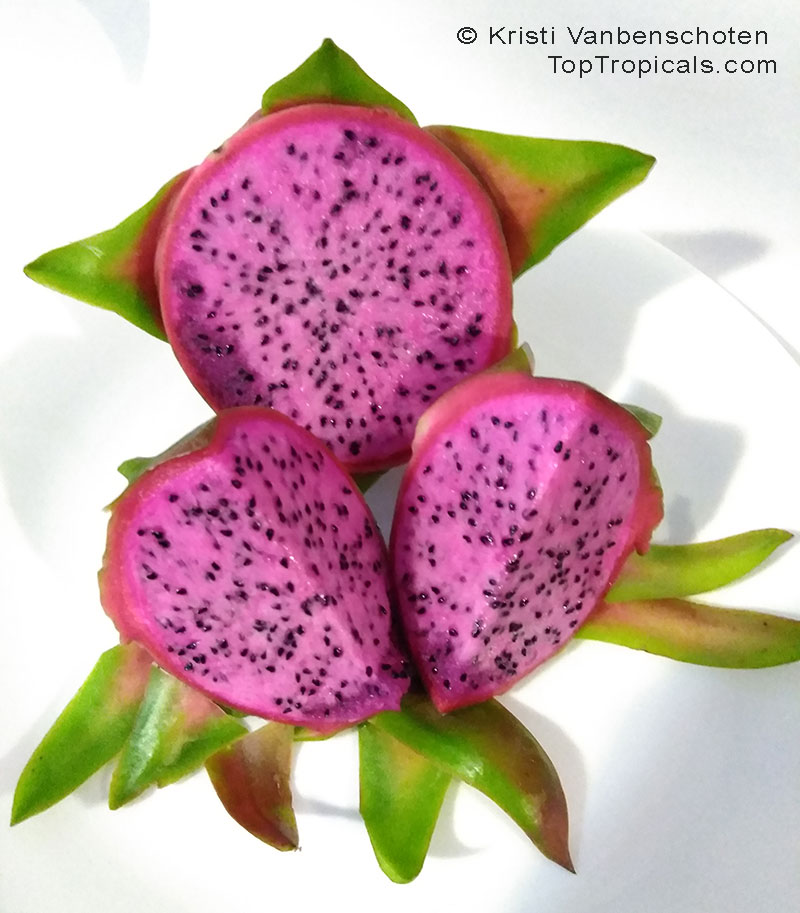
A: Dragon Fruit, or Pitaya is a highly prized, vining, fruit bearing cactus, extremely unusual terrestrial/epiphytic plant. It has magnificent flowers, stunningly beautiful fruit with an intense color, curious shape, and a delicious taste. The night blooming white flowers can be up to 14 inches in length. The fruit is most often eaten chilled and cut in half so the flesh may be spooned out. The juice is used in frozen drinks and it is in a new Tropicana Twister flavor. It is a must have for any collector or gardener with the flair for the unusual.
It takes 2-3 years for seedlings to fruit, besides the variety pay not come true to seed. We grow our plants from cuttings that are easy to root. We offer many selected varieties, most of them self-pollinating. The plants are ready to flower and fruit this year, or the next year.
Dragon Fruit Cactus is easy to grow, doesn't need much other than strong support, full sun, well-drained soil - adenium soil mix works great - and fertilizer during hot months, and SUNSHINE-Honey applications for growing sweeter fruit. For larger fruit bud thinning is recommended.

Check out Dragon Fruit varieties

Date: 24 Jun 2018

TopTropicals

Fruitful Fruit and SuperFood...

Q: I have a large fruit garden here in Florida with many mango trees, avocadoes, guavas, and other tropical fruit. Last year hurricane Irma and flooding killed a few avocado trees, but mangos and guavas survived OK, but the sad part is, very few flowers this year and almost no fruit setting. I noticed on your website your Superfood and Sunshine-Honey boosters that supposedly help fruiting? But I am afraid it is too late now as your instructions say first application must be in early Spring? I wish I discovered earlier that my trees wouldn't want to fruit this year...

A: First of all, it is never late to give the food! You may start applications of SUNSHINE products at any time of the year. The best results will be achieved once you treat your plants on regular basis throughout the whole year cycle of metabolism.
Couple weeks ago we started harvesting our 2 guava trees. These two are the same variety (Variegated Honeymoon), planted within 20 ft from each other and growing in the same conditions. The only difference was, one was treated with SUNSHINE-Honey and SUNSHINE-SuperFood, and another one didn't get any treats in order to have a control plant.
Results are very interesting, see the picture. Both trees were heavily covered with fruit. However the one with treatments developed fruit that is much larger, much sweeter and juicier, and the most interestingly - with less seeds, almost no seeds!
To answer your question: yes, you can start feeding your fruit trees right now. It is still a Springtime. Many mango varieties have late season; even early varieties may delay their fruiting if flowering triggered by miscro-elements. Guavas have very long season and most varieties can have multiple crops throughout Summer-Fall.
Here is a simple and affordable feeding schedule to help your fruit garden recover from last year hurricane stress, and establish reliable production:
1) SUNSHINE-E - for boosting metabolism - once a month
2) SUNSHINE-Honey - for bringing sugars to the heart of the tree and boosting fruit sweetness and quality - now and in 2 weeks
3) SUNSHINE-SuperFood - for overall health, recovering from hurricane and fixing root damage from flood - now and every 2 weeks throughout warm season.
4) You may apply regular balanced fertilizer NPK as usual (we apply once a month, a handful per in-ground tree)
It's that simple. Just try and watch your trees produce again!

Check out all SUNSHINE boosters... We offer FREE shipping on them, so you can make your plants happy!

Date: 17 Sep 2023

Cat Horoscope
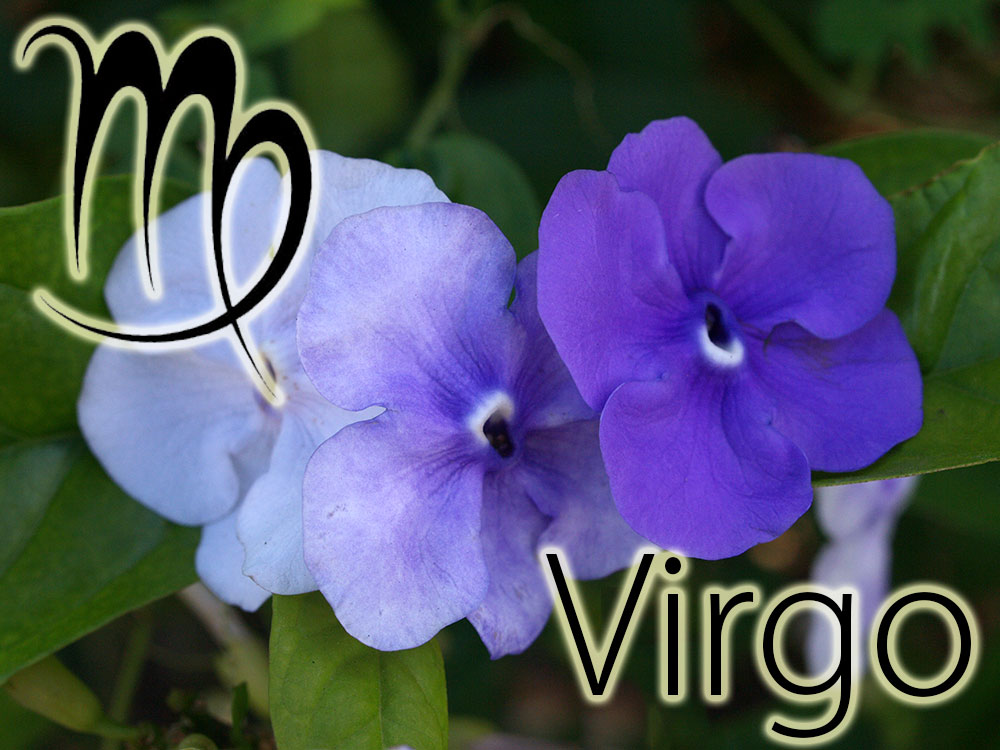
Virgo Zodiac Cats 08/22-09/23

By Alex Butova, the Witch of Herbs and Cats

Virgo  Zodiac  cat

How to know the astrological sign of your cat?
The astrological sign of a cat can be determined by either their date of birth or adoption, as adoption is often considered a second birth for cats...
More >>

Purrrrfect office companions!

Are you someone who occasionally finds themselves in a state of disarray, struggling to maintain a tidy living space and manage your time effectively? Do you often find yourself behind schedule, struggling to fulfill your plans punctually? If this sounds familiar, let the Virgo Cat lend a helping paw to restore order and rhythm to your life... The Virgo Cats are more than just a pet; it's a dedicated companion that excels at instilling structure and cleanliness...
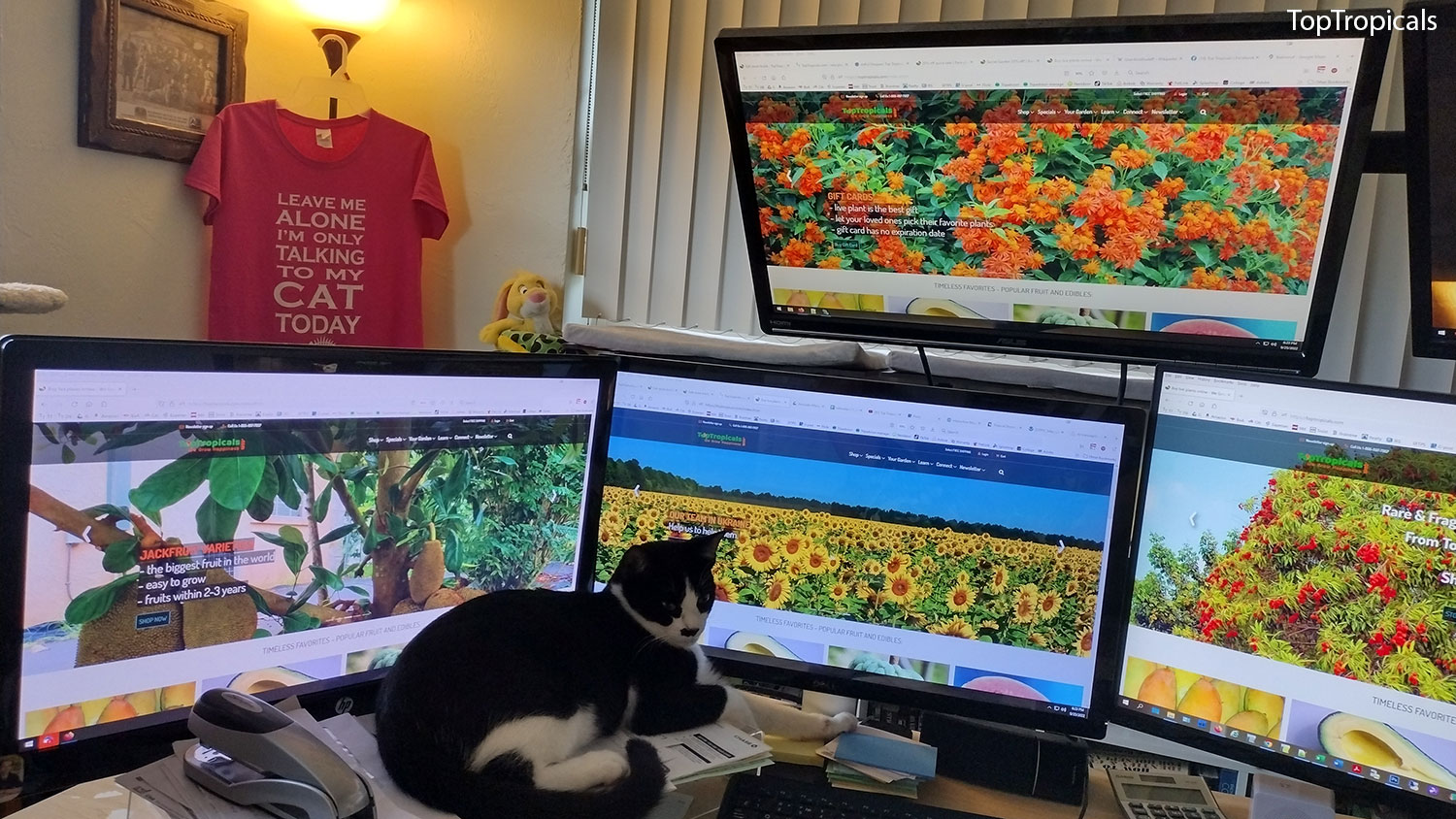
Eventually, you will realise that they want to accompany you to the office to be your office mate. This is why Virgo cats spread themselves over your laptop or sit deliberately in front of the screen - it is not because they need your attention, but because they (and you!) need to get to work...

Jacques  -  September,  Virgo  Zodiac  cat

In the photo: introducing a new member of Top Tropicals PeopleCats family - Jacques, September cat by point of entry. He is only 5 months old and still learning how to be an office cat... but he already has very daring plans!

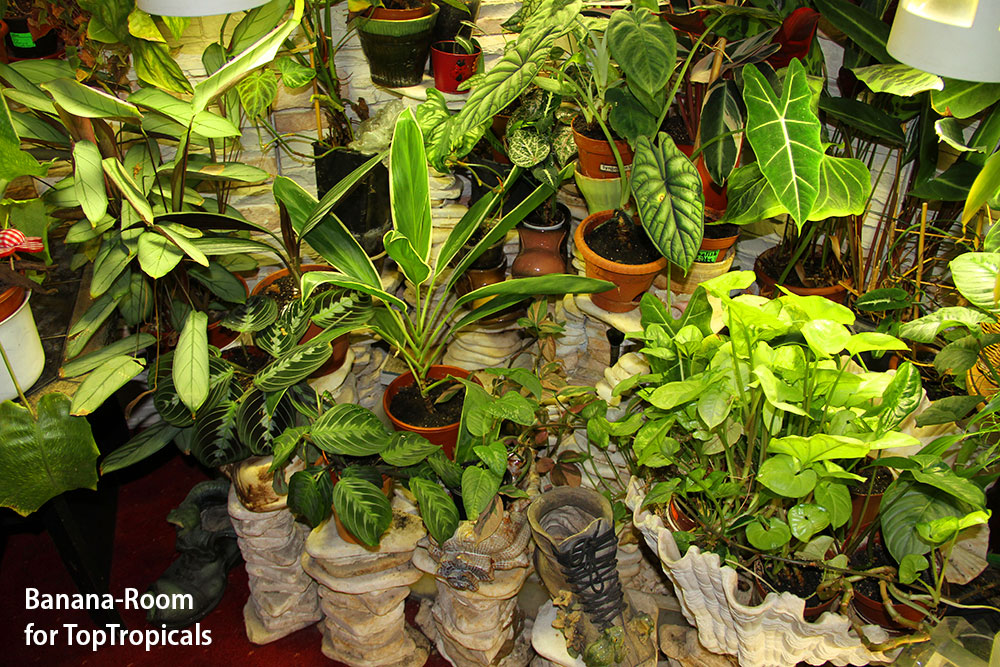
Virgo  Zodiac  Plants

Date: 14 Apr 2022

Our Ukrainian team update:
Happy Birthday Dasha!
Born amid the war...

Anatoly  and  Dasha

A happy update from our Sunshine Boosters team member in Ukraine, Anatoly Bychko: a baby girl is born!
"...We expected our baby when the war started... So my wife and I left the basement and drove hundreds of miles trying to get away from deadly missiles and find a working hospital... We left everything we had, lost our home, only took our Cat Belyash ("dumpling"). Now we started our new life in a new city... with a newborn little person - our Angel. Her name is Dasha!.."

Dasha

Belyash  Cat

All profits from Sunshine Boosters sales are used to help families of our Ukrainian Team

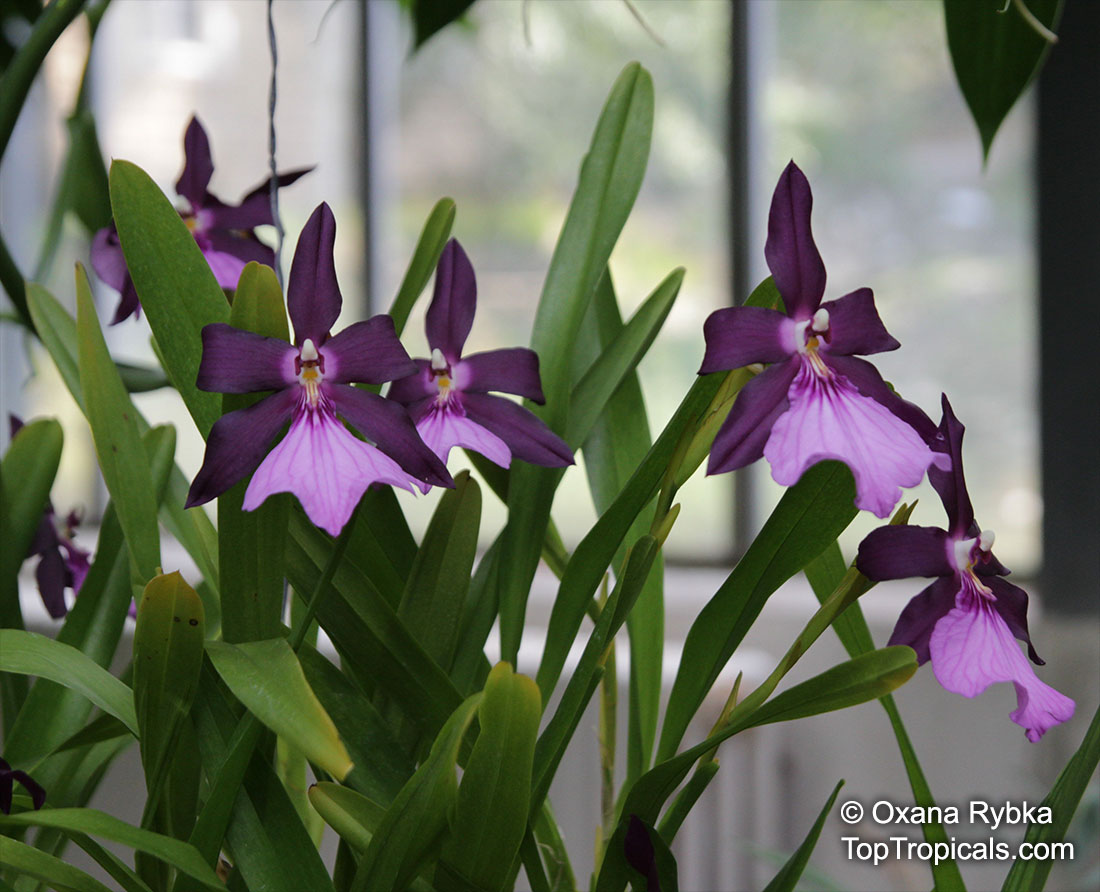
Miltonia  spectabilis

Photo above: Easter present for Top Tropicals, Miltonia spectabilis var. moreliana, hand-crafted cross-stitch embroidery by our Editor Marina Rybka, the original photo by Oksana Rybka (Ukraine) taken in Prague Botanical Garden.

Date: 19 Nov 2020

Healthy Plants: Q&A from Mr Booster

Feeding Indoor Plants

Q: I am moving all my potted plants indoors as weather is cooling down. I still have Sunshine Boosters that I got from you in Summer. Do I need to continue fertilizing and how often, or should I wait until Spring?

A: Indoor plants add a vibrant warmth to your home, and can even improve the air quality. But most importantly, indoor plants give you access to year-round gardening. While majority of house plants are easy to maintain, they still require proper care to thrive.
Too many gardeners overlook the importance of fertilizing plants indoors. However, proper feeding is essential to grow healthy, vibrant plants. With outdoor plants nature sends rain and a plant will send new roots to find food, an indoor plant is limited to only what you will give it. That is why it is essential to feed your plants a healthy nutritious meal even indoors.
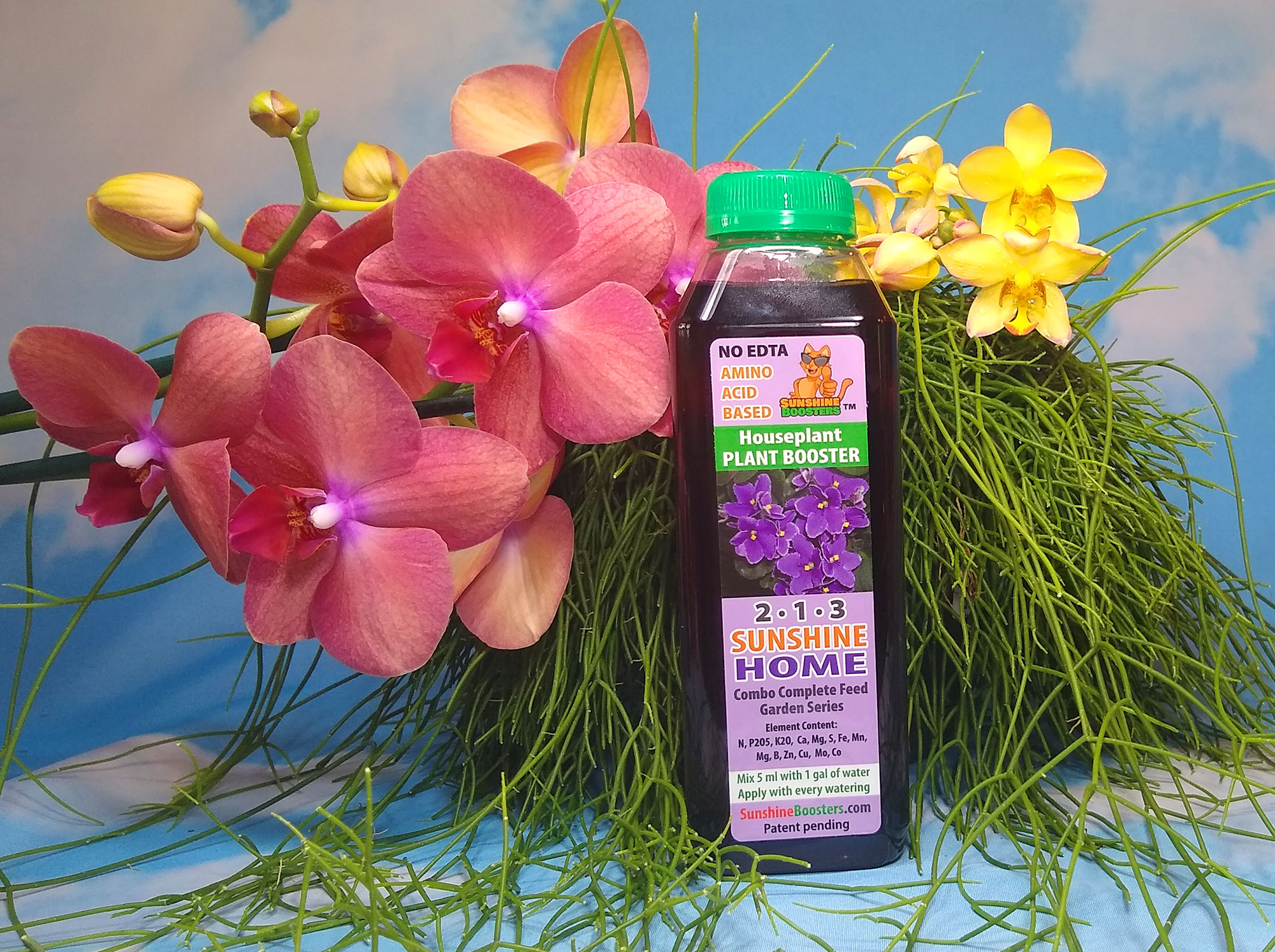
Many granular and slow-releasing fertilizers will recommend that you only feed your plants occasionally, but this is not the healthiest for plants, since they need to "snack" every day to satisfy their daily nutrient needs. When you feed a plant a large meal rarely, it cannot absorb the nutrients effectively, leftovers creating build up in soil (it's called "locked up nutrients") and that is why we specifically designed our fertilizers to be a light, daily nutritious meal for your plants - Sunshine Home for houseplants...