Garden Blog - Top Tropicals

Date: 20 Jul 2018

How to get shade quickly... and stay away from oaks
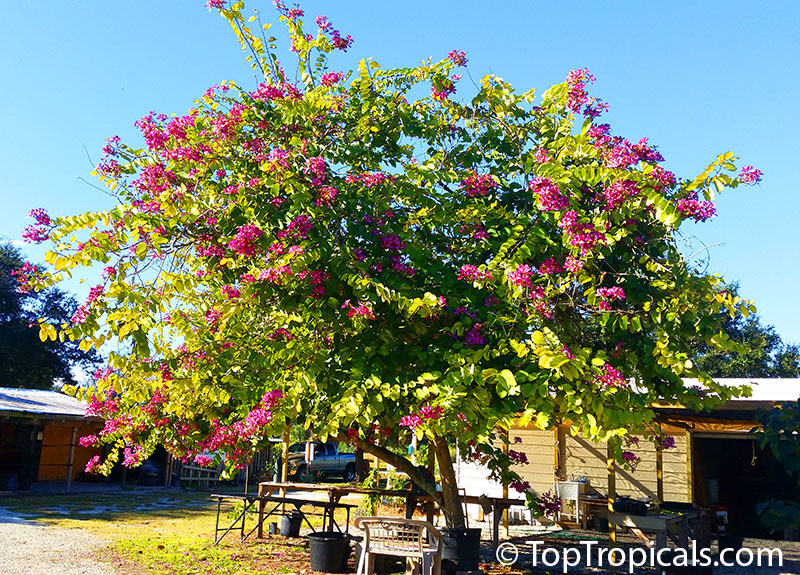
TopTropicals

Q: I just moved from Tennessee into a new house in Florida and there are no trees on the property, the yard is brutal hot. What can I plant so I have some shade real quick? I like Florida shady oaks, how long will they take to grow?

A: First of all, do not rush into oak solution. Oaks are beautiful shade trees, however they have at least 2 problems:
a) Oaks are slow growers and unless you are willing to wait some 20 years... you won't get that desirable shade that quickly.
b) We have hurricanes in Florida... sometimes. A hurricane can damage any tree, however with oaks it may be the worse case scenario - the branches of those giant trees are huge, hard and heavy and in unfortunate situation when you need to remove or trim a broken tree, it may cost you... a few thousand dollars.

These are solutions that are more economical and practical:

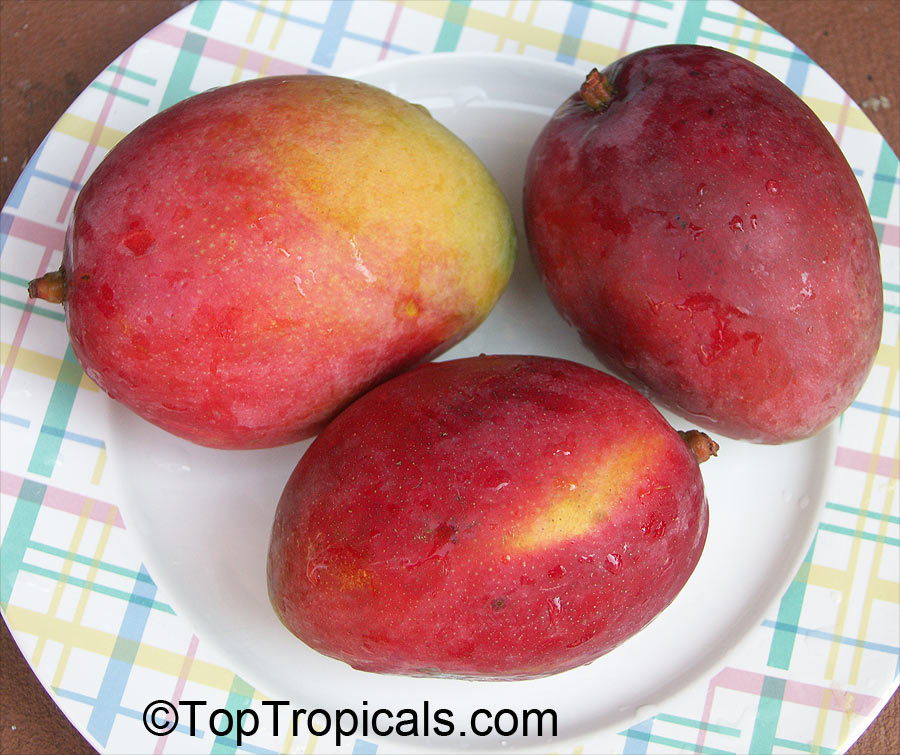
1) Selection. If you have room, get one of these most popular Florida shade trees: Royal Poinciana, Golden Shower, Hong Kong Orchid Tree, Red Kapok, Bottlebrush, and many others. See full list of fast growing shade trees. Or simply get a Mango Tree and have delicious fruit too! Many varieties of Mangos are very large and fast growing.

2) Do it right. Even if you are planting a smaller tree, 1-3 gal size, it may become a nice shade tree within 2-3 years and start providing your driveway with desirable shade. The keys for fast growth are -
a) Good soil. Dig as big hole as possible and fill it with good rich soil containing compost. See planting instructions PDF.
b) Water. Do not rely on sprinklers and rains. Water your tree daily for the first week, then at least twice a week for another month. After that, irrigation system will be enough.
c) Fertilizer. Put a few handfuls of fertilizer in a planting hole. Then fertilize once a month during warm season. Apply micro elements for even better results and faster growth.

3) Ask experts. Contact our office for advice. We will suggest the most suitable shade tree for your yard based on features of your property: location, soil, exposure, etc.

Check out fast growing shade trees

Date: 5 Nov 2021

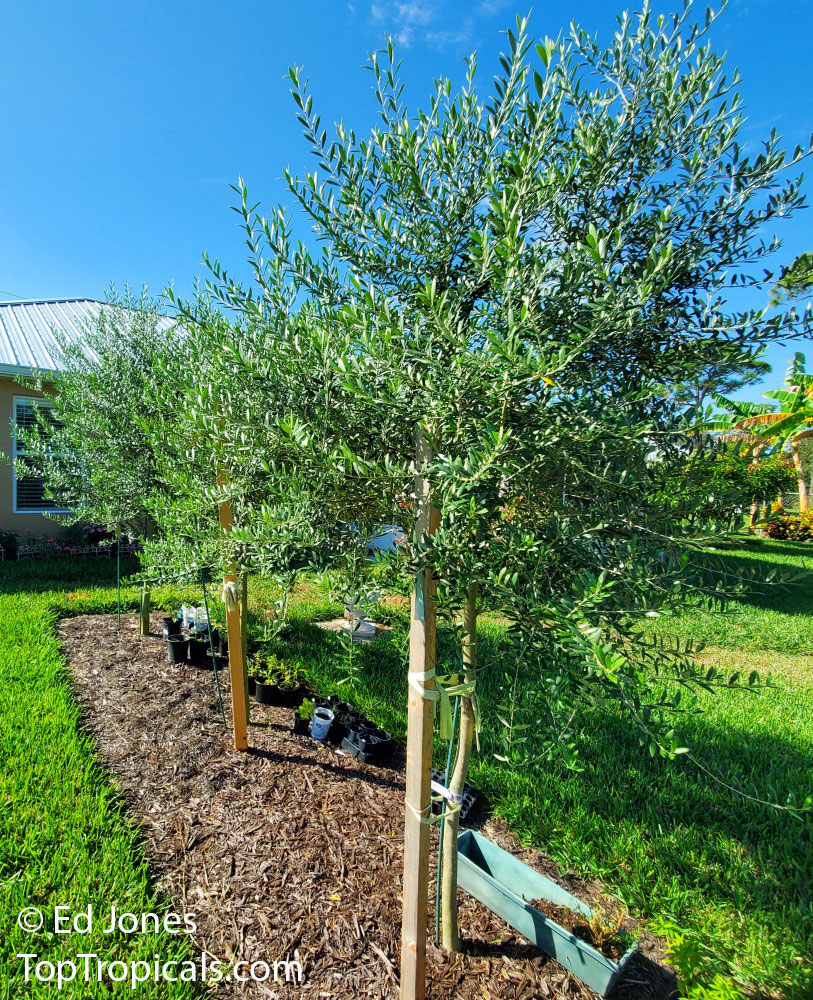
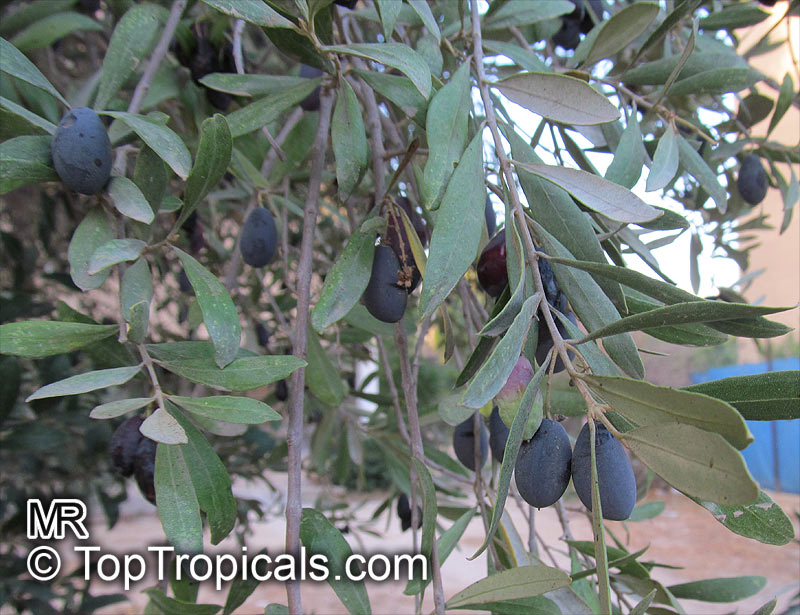
How to grow a nice Olive tree fast?

by Ed Jones, the Booster guy

Q: I got an Olive tree from you a few months ago, planted in the ground and it is doing well, but I don't see any active growth. The tree looks healthy but still about the same size when I planted it in June. I'm old and I want to see the olives sooner than later. Any suggestions, should I give it some fertilizer?

A: Olive trees are relatively slow growers, however, with balanced nutrition they can grow much faster, as fast as a few feet per year. Check out this Article by Ed Jones where he describes how he grew nice, bushy Olive trees just within one season with a help of Sunshine Boosters fertilizers. The article shows in details how to properly use liquid fertilizer on your fruit trees.

CONTINUE READING >>

Date: 21 May 2019

Perfecting a Mango Tree

TopTropicals.com

Q: I recently purchased a Mangifera indica - Coconut Cream Mango from you and would like to know if it is possible to keep this in a large pot rather than putting it in the ground. If so, I have a few questions:
1. How large would you expect this variety to get?
2. What are the ideal growing conditions? Full sun, partial sun, etc...?
3. What is the ideal soil?
4. Any specific watering directions for ideal growth?

A: Coconut Cream mango tree has a moderate growth. We've planted one in our garden 4 years ago and it is still under 10 ft tall. This variety should be well suitable for container culture.
1. Keep the branches trimmed after fruiting is over. Mango trees can be grown in 15 to 25 gal containers and can be trimmed under 7-8 ft high.
2. All mango trees need full sun, the more sun the better.
3. Mango needs very well draining soil, ideally with lots of bark and perlite. We recommend our professional soilless mix or a similar formula.
4. Mango trees hate wet feet, and prefer to stay on a dry side: make sure soil in a pot doesn't stay wet; allow it to dry a little between the waterings.
Remember to apply Mango Food fertilizer during warm season for vigorous growth and heavy crop!

Date: 17 Apr 2019

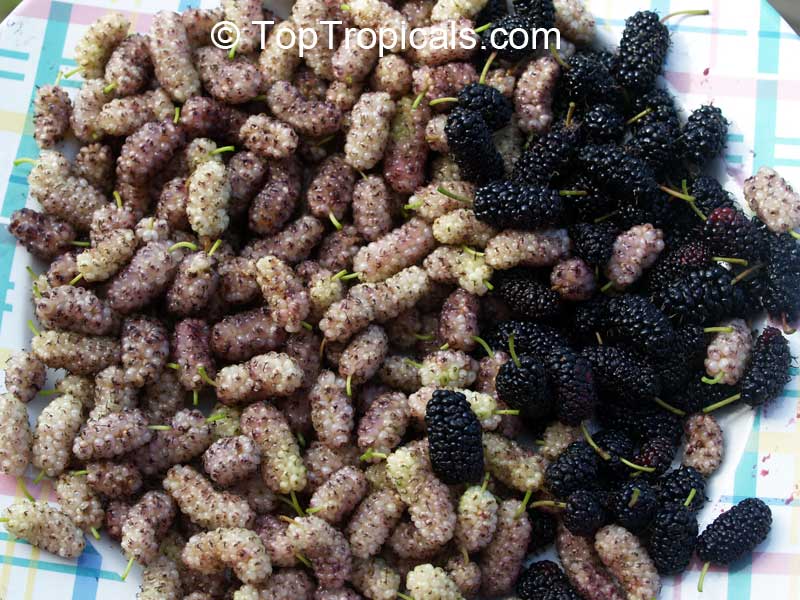
Mulberries - biggest, sweetest, and compact...

TopTropicals.com

Q: What is the difference between Pakistani and Australian Mulberry plants? Would one be better suited for South Florida backyard? Can one be maintained/pruned to be a tall shrub vs a large tree? Which one has the sweetest fruit? Thank you for the previous plants we've purchased from you. They're all doing great.!

A: These two varieties are very similar indeed. Both fruit are very large. Var. Pakistani fruit is a little longer than var. Australia and the tree is a more vigorous grower, but they both are very sweet, even before the fruit fully ripen. Both trees are a good choice and start fruiting at a young age.
We've had Australia in the ground in our garden for 4 years by now and for some reason, it has been very slow growing which is normally not the case with Mulberries. Maybe it is not fully happy with FL humid conditions.
There are two Mulberry varieties that can be maintained as bushes: Issai and Dwarf Everbearing. However, even vigorous Mulberry trees respond well to pruning and can be kept compact for easy harvesting. Just make sure to prune before the flowering season starts; here in S Florida Mulberries start flowering in March, and fruit start ripening during April-May.

Check out our Mulberry trees.

Date: 24 Jun 2018

TopTropicals

Avocado, Lychee and Mango setting fruit... give them some FOOD!

Q: Do I need to fertilize tropical fruit when they set fruit?

A: It is traditionally believed that mango and other tropical fruit shouldn't be fertilized during fruiting period. It is true to an extent: you don't want fruit to burst from fast excessive growing. Instead, try to feed fruit trees wisely, because they still need proper nutrition to produce flowers and fruit.
Our spring specials of Lychee, Avocado and Mango are full of buds and some already set tiny fruit (see examples on the photo). Here is the feeding plan for these plants once you receive your mail order:
1) Once received the plant, pot it into container size of the root ball and let establish for couple weeks. Use SUNSHINE-E to help the plant recover from shipping stress and establish root system.
2) Apply SUNSHINE-Honey right before flowering, and next time at setting fruit, to provide sweeter and bigger fruit, eliminate fruit cracks and help resist fungus and other fruit diseases.
3) Use balanced granulated fertilizer, 1 tsp per each gallon of soil. Apply once a month during Spring-Summer season. This gives the plant balanced macro-elements (NPK) necessary for overall plant health. Do not use on fruit trees fertilizers with high Nitrogen content.
4) Apply SUNSHINE SuperFood micro-element booster to keep fruit trees vigorous, develop strong root system and avoid deficiencies.
5) In case of signs of chlorosis (yellowing leaves with darker veins), give the tree SUNSHINE-GreenLeaf and watch the leaves turning green quickly.
After harvesting, don't forget to make another treatment of SUNSHINE-Honey as a preparation for the next year flowering and fruiting season.