Garden Blog - Top Tropicals

Date: 22 Oct 2024

How to grow Jackfruit in a pot:
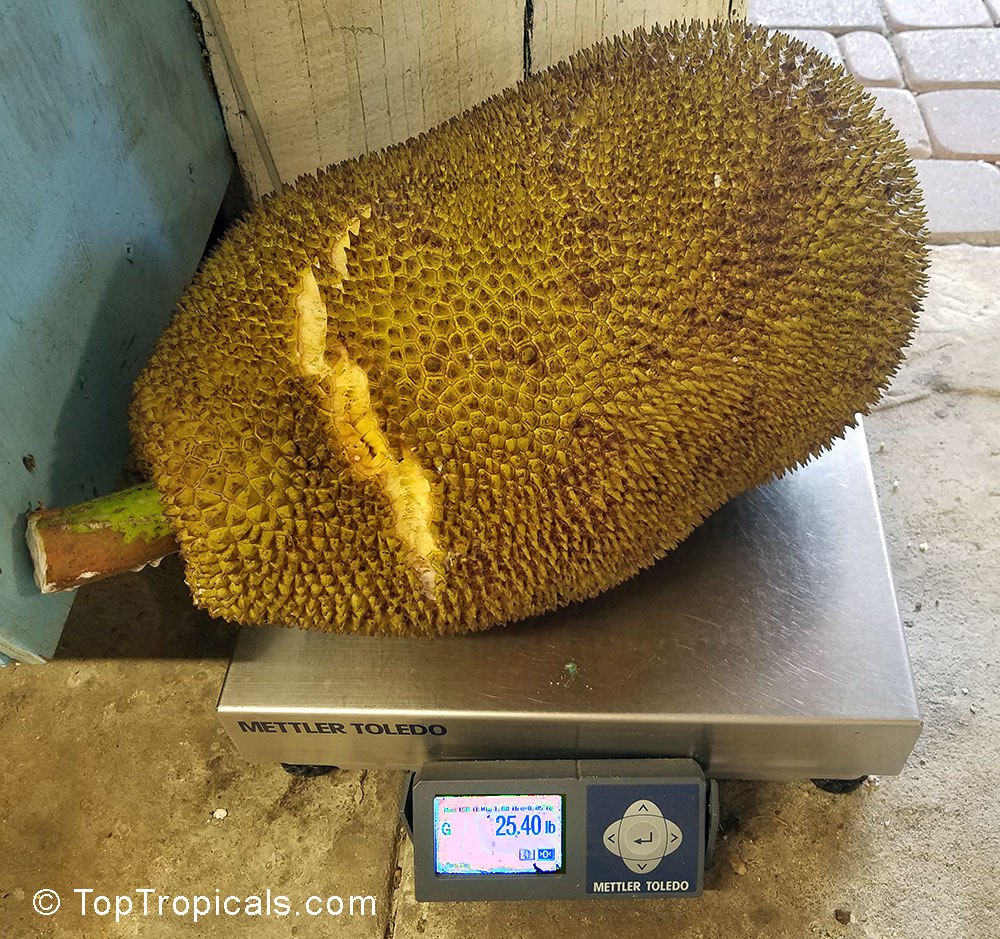
the biggest fruit in the world
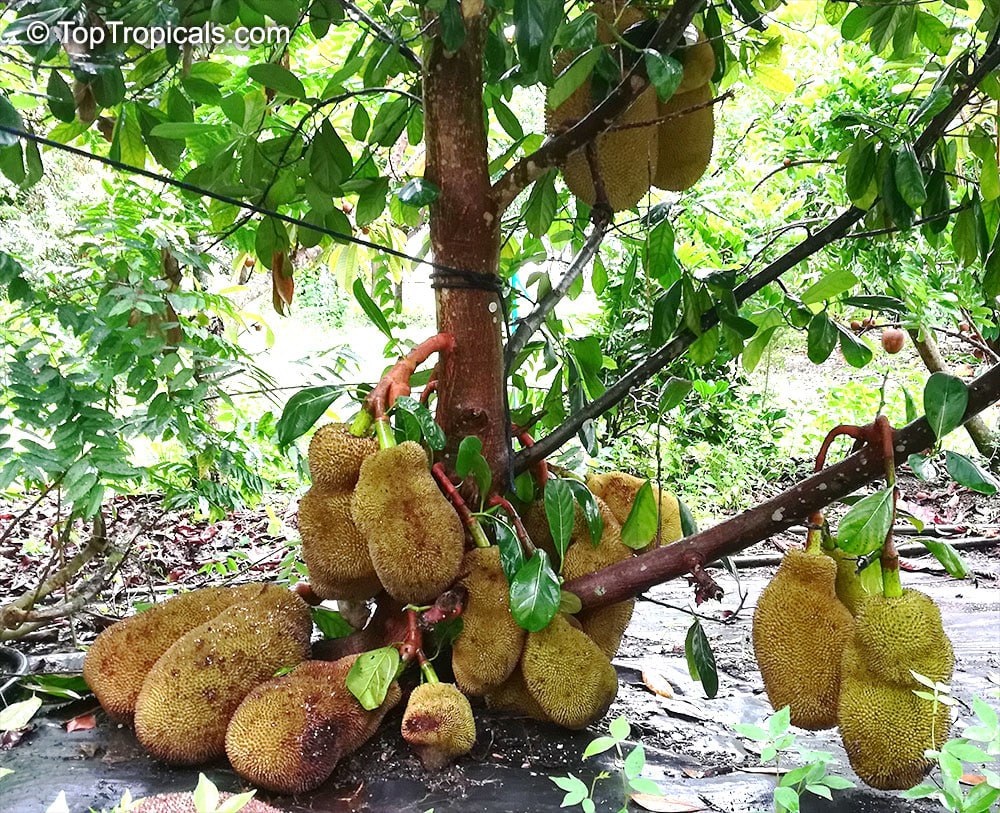
Jackfruit  -  Artocarpus  heterophyllus

Q: Can I grow Jackfruit in a pot?

A: Yes, you can! Jackfruit trees, despite producing the largest tree-borne fruit in the world - up to 80 pounds and 36 inches long - can thrive and fruit in containers. The tree has a clever feature: it grows fruit only at the base of the trunk, allowing you to manage its height and size. With regular pruning, the tree can stay compact at just 6-7 feet tall, making it perfect for pot culture.

1. Getting started: pot sizes and growth tips

Start with: A 3-7 gallon container.
As it grows: Gradually increase to a 15-25 gallon pot by the time it reaches fruiting size (2-4 years).
Pruning is key: Keep the tree topped at 6-7 feet to focus its energy on fruit production.
Fertilize regularly: Use high-quality plant food like Sunshine Boosters C-Cibus to promote healthy growth and fruit development. C-Cibus is the best natural plant food for fruit and edibles.

2. Fun facts about Jackfruit - Artocarpus heterophyllus
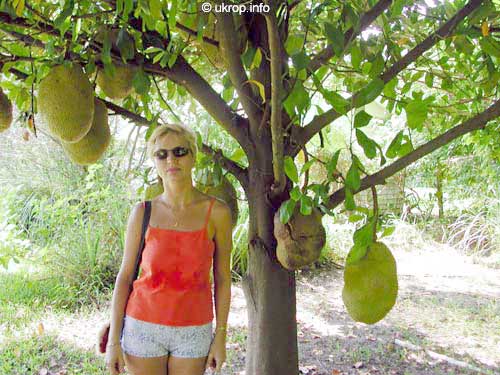
Jackfruit  -  Artocarpus  heterophyllus

A mature Jackfruit tree can produce 200 pounds of fruit per year.
The fruit consists of large, sweet, yellow bulbs with a banana-like aroma.
Seedlings start fruiting within 3-4 years, with fruits ripening in just 4-6 months after flowering.

3. Cold tolerance of Jackfruit trees

Though often thought of as ultra-tropical, mature trees can withstand light frost for short periods without major damage. Keeping Jackfruit in pots also offers an easy way to move them indoors during cold spells if you're in a cooler climate.

4. Secrets for successful Jackfruit production

- Frost-free temperatures are essential.
- Use rich, organic soil with compost, manure, or peat moss.
- Maintain moist soil with regular watering.
- Constant pruning to keep the tree under 7 feet promotes healthy fruiting.
- Apply fertilizer and microelements regularly for better fruit quality.

By following these tips, you'll be able to enjoy the world's biggest fruit right from your patio!
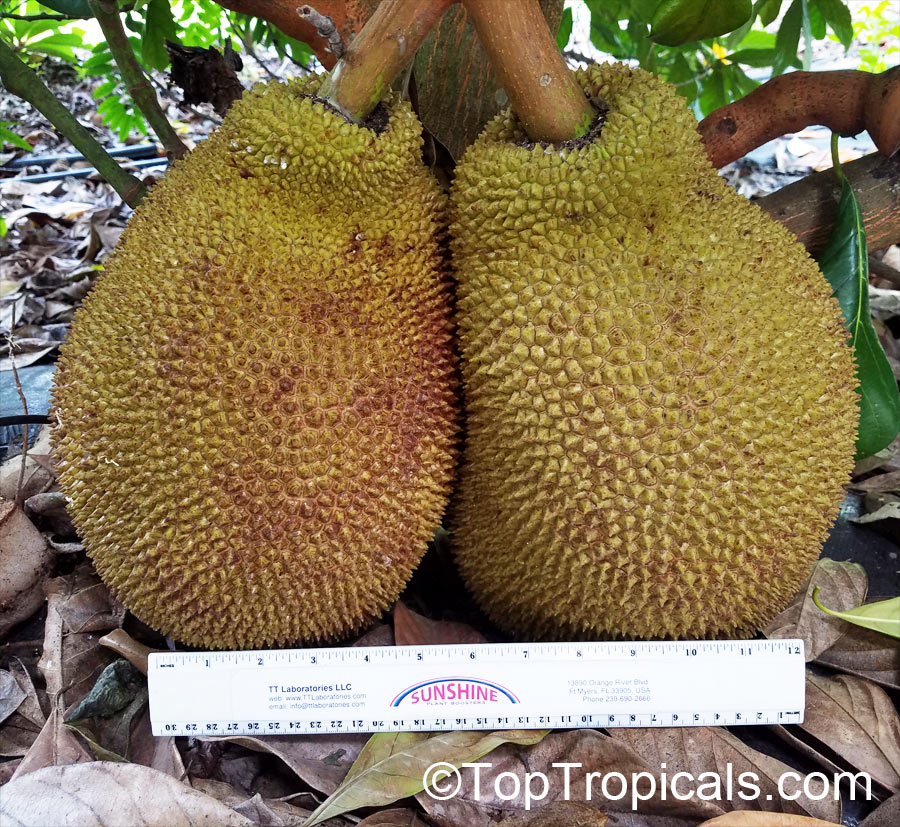
Jackfruit  -  Artocarpus  heterophyllus

Learn more:
About Jackfruit
How to grow the biggest fruit on Earth
Cheena - Jackedack

Videos:
Jackfruit Fruit
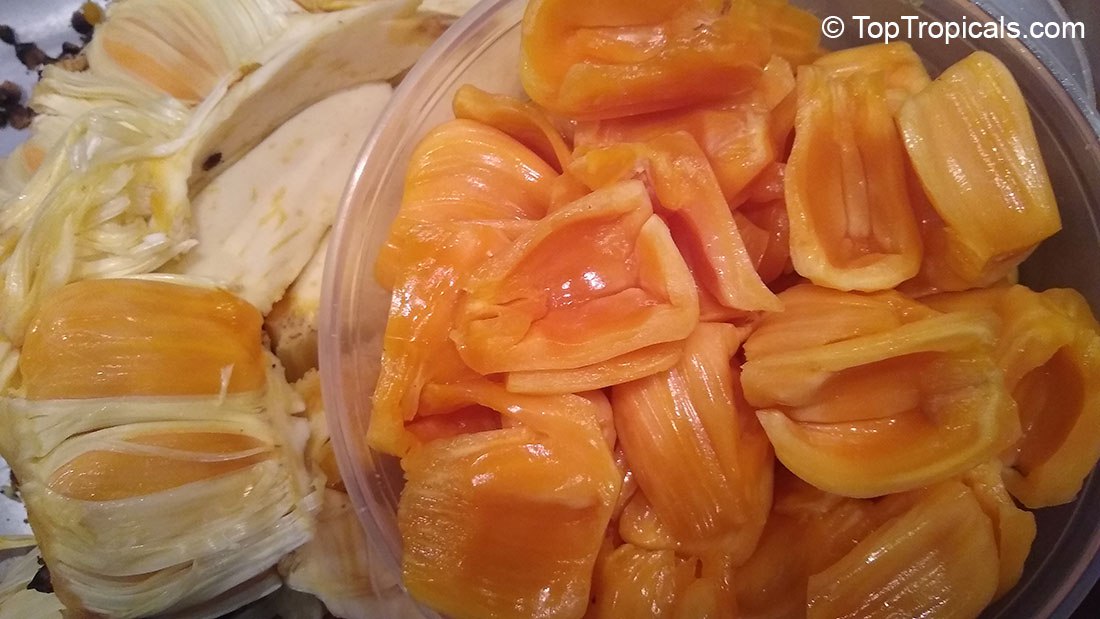
Jackfruit  -  Artocarpus  heterophyllus

Jackfruit  -  Artocarpus  heterophyllus

Date: 24 Jun 2018

TopTropicals

Avocado, Lychee and Mango setting fruit... give them some FOOD!

Q: Do I need to fertilize tropical fruit when they set fruit?

A: It is traditionally believed that mango and other tropical fruit shouldn't be fertilized during fruiting period. It is true to an extent: you don't want fruit to burst from fast excessive growing. Instead, try to feed fruit trees wisely, because they still need proper nutrition to produce flowers and fruit.
Our spring specials of Lychee, Avocado and Mango are full of buds and some already set tiny fruit (see examples on the photo). Here is the feeding plan for these plants once you receive your mail order:
1) Once received the plant, pot it into container size of the root ball and let establish for couple weeks. Use SUNSHINE-E to help the plant recover from shipping stress and establish root system.
2) Apply SUNSHINE-Honey right before flowering, and next time at setting fruit, to provide sweeter and bigger fruit, eliminate fruit cracks and help resist fungus and other fruit diseases.
3) Use balanced granulated fertilizer, 1 tsp per each gallon of soil. Apply once a month during Spring-Summer season. This gives the plant balanced macro-elements (NPK) necessary for overall plant health. Do not use on fruit trees fertilizers with high Nitrogen content.
4) Apply SUNSHINE SuperFood micro-element booster to keep fruit trees vigorous, develop strong root system and avoid deficiencies.
5) In case of signs of chlorosis (yellowing leaves with darker veins), give the tree SUNSHINE-GreenLeaf and watch the leaves turning green quickly.
After harvesting, don't forget to make another treatment of SUNSHINE-Honey as a preparation for the next year flowering and fruiting season.

Date: 30 Oct 2025

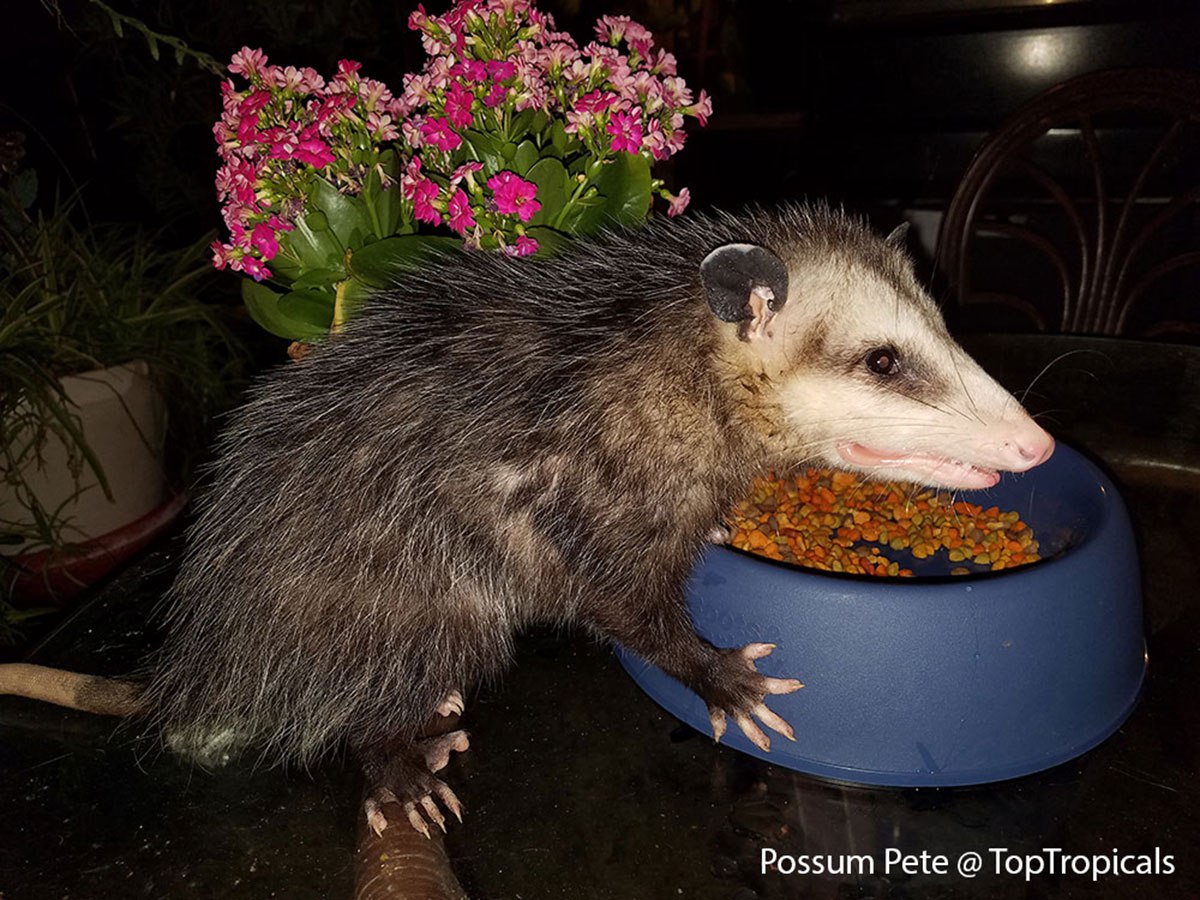
Possum Petes night visit

Possum Petes night visit

🐭 Possum Pete's night visit


"If it fits in your mouth, it’s yours." - Garfield (Jim Davis)

What do possums eat?
Obviously, cat food!

🐈📸 Possum Pete invited himself for a cat food dinner at TopTropicals PeopleCats.Garden.

#PeopleCats #Quotes

🟢 Join 👉 TopTropicals

Date: 28 Oct 2025

Longevity spinach omelet: quick-n-fun exotic recipes

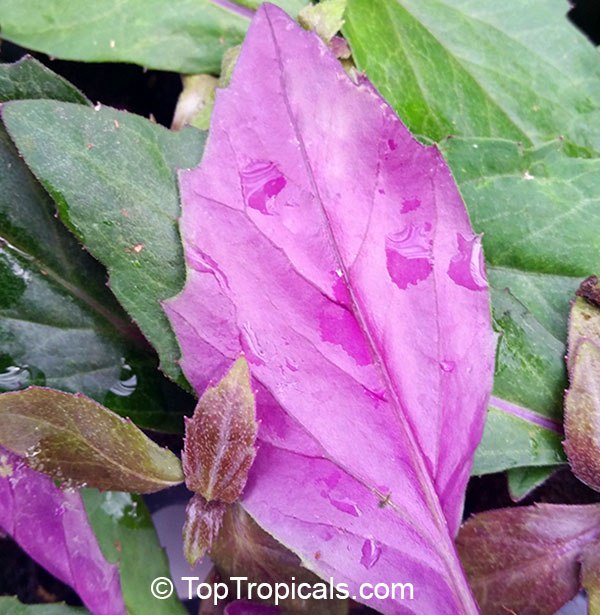
Gynura - Longevity spinach

Gynura - Longevity spinach

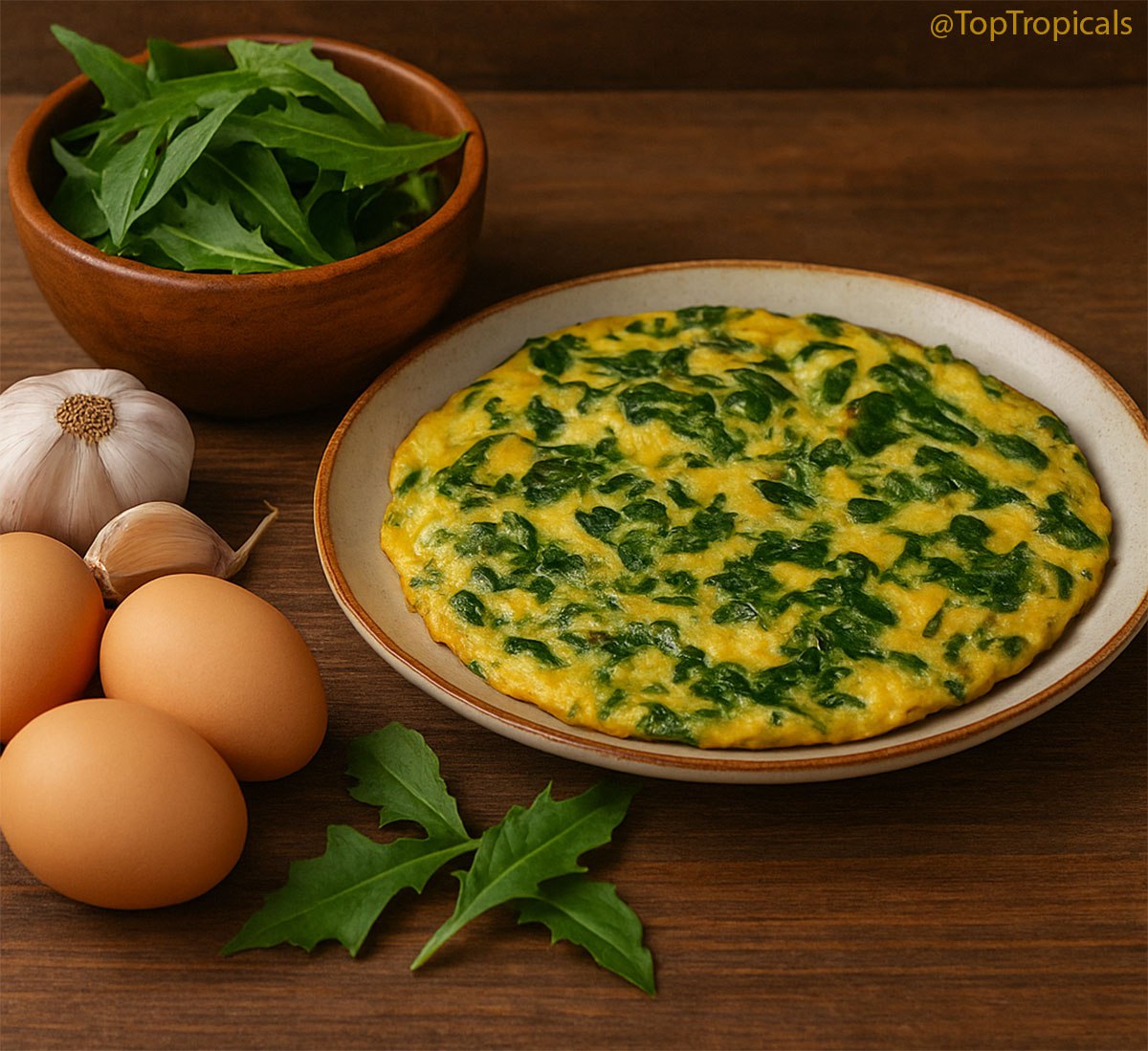
Longevity spinach omelet

Longevity spinach omelet

🟢Chop Gynura leaves into beaten eggs with garlic.
  • 🟢A health-boosting twist on a classic omelet.

🍴 Longevity spinach omelet: quick-n-fun exotic recipes 🍳

Ingredients

  • Fresh Gynura (Longevity Spinach) leaves
  • 3 eggs
  • 2 cloves garlic, minced
  • Salt to taste
  • Cooking oil or butter

Instructions

  1. Chop Gynura leaves finely.
  2. Beat eggs with minced garlic and a pinch of salt.
  3. Stir in chopped Gynura leaves.
  4. Heat oil or butter in a pan and pour in the mixture.
  5. Cook until the omelet is set and golden. Serve warm.

🛒 Plant Longevity Spinach and live long

📚 Learn more:


📱 What is better than Spinach

#Food_Forest #Recipes

🟢 Join 👉 TopTropicals

Date: 30 Oct 2025

Jaboticaba wine: quick-n-fun exotic recipes

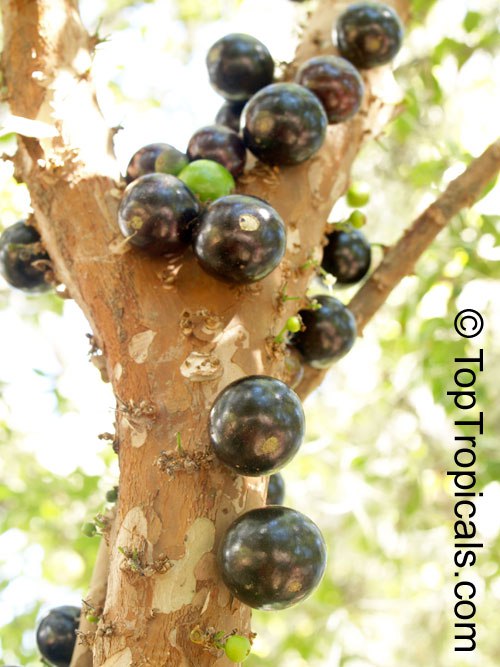
Jaboticaba (Myrciaria cauliflora)

Jaboticaba (Myrciaria cauliflora)

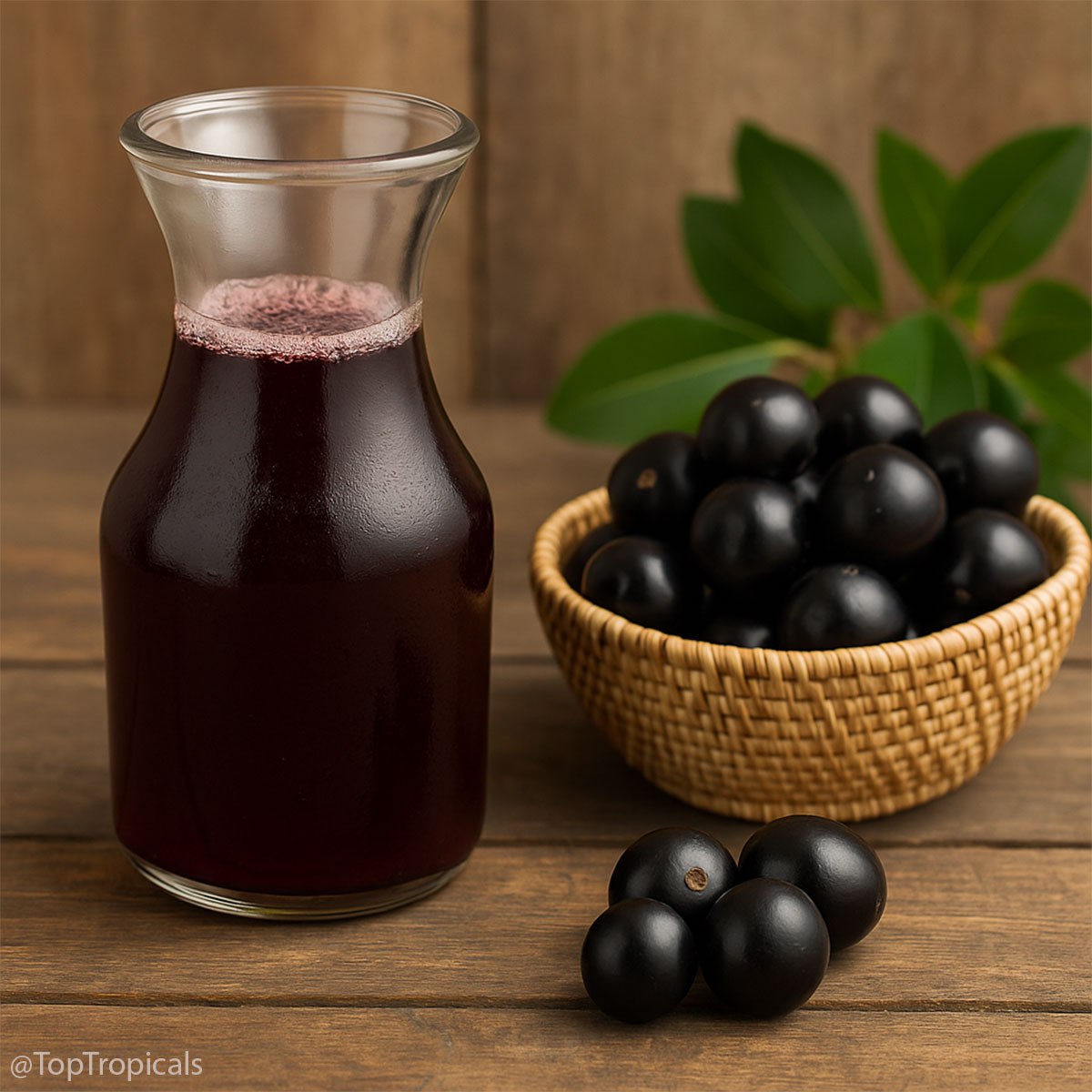
Jaboticaba wine

Jaboticaba wine

A homemade tropical wine with rich berry flavor and a hint of earthiness. This traditional Brazilian recipe turns fresh Jaboticaba fruit into a deep purple wine with a unique aroma and flavor somewhere between grape and plum. Easy to make, fun to share!

🍴 Jaboticaba wine: quick-n-fun exotic recipe

Ingredients

  • 4 lb fresh ripe Jaboticaba fruits (Myrciaria cauliflora)
  • 2 to 3 cups granulated sugar per gallon of pulp
  • 1 gallon non-chlorinated water
  • 1 tsp wine yeast (optional)
  • 1 cinnamon stick or a few cloves (optional)
  • Clean glass fermenting jar or food-grade bucket with loose cover

Instructions

  1. Wash and lightly crush Jaboticaba fruits. Do not remove skins; they add flavor and color.
  2. Mix crushed fruit with sugar and enough water to make about one gallon of pulp. Stir until sugar dissolves.
  3. Cover loosely and leave in a warm place (70-80F). Stir once or twice daily. Fermentation begins within 1-2 days.
  4. Let ferment 5-10 days, stirring daily. When bubbling slows, strain through cheesecloth into a clean jug.
  5. Seal loosely with an airlock or vented cap. Rest 2-4 weeks in a cool, dark spot (60-70F).
  6. Carefully pour clear wine into bottles, leaving sediment behind. Cork and let age a few more weeks.
  7. Chill before serving. Enjoy responsibly!

Tips

  • Reduce sugar to 1.5 cups per gallon for a drier wine.
  • Add more sugar after first fermentation for a sweeter dessert wine.
  • Add a spoon of honey for a floral note.
  • Save the skins to make Jaboticaba syrup or jam.

Grow your own exotic Jaboticaba fruit

📚
Learn more:
#Food_Forest #Recipes
🟢 Join 👉 TopTropicals