Garden Blog - Top Tropicals

Date: 19 Feb 2026

10 ways to enjoy Wild Medlar - Spanish Tamarind
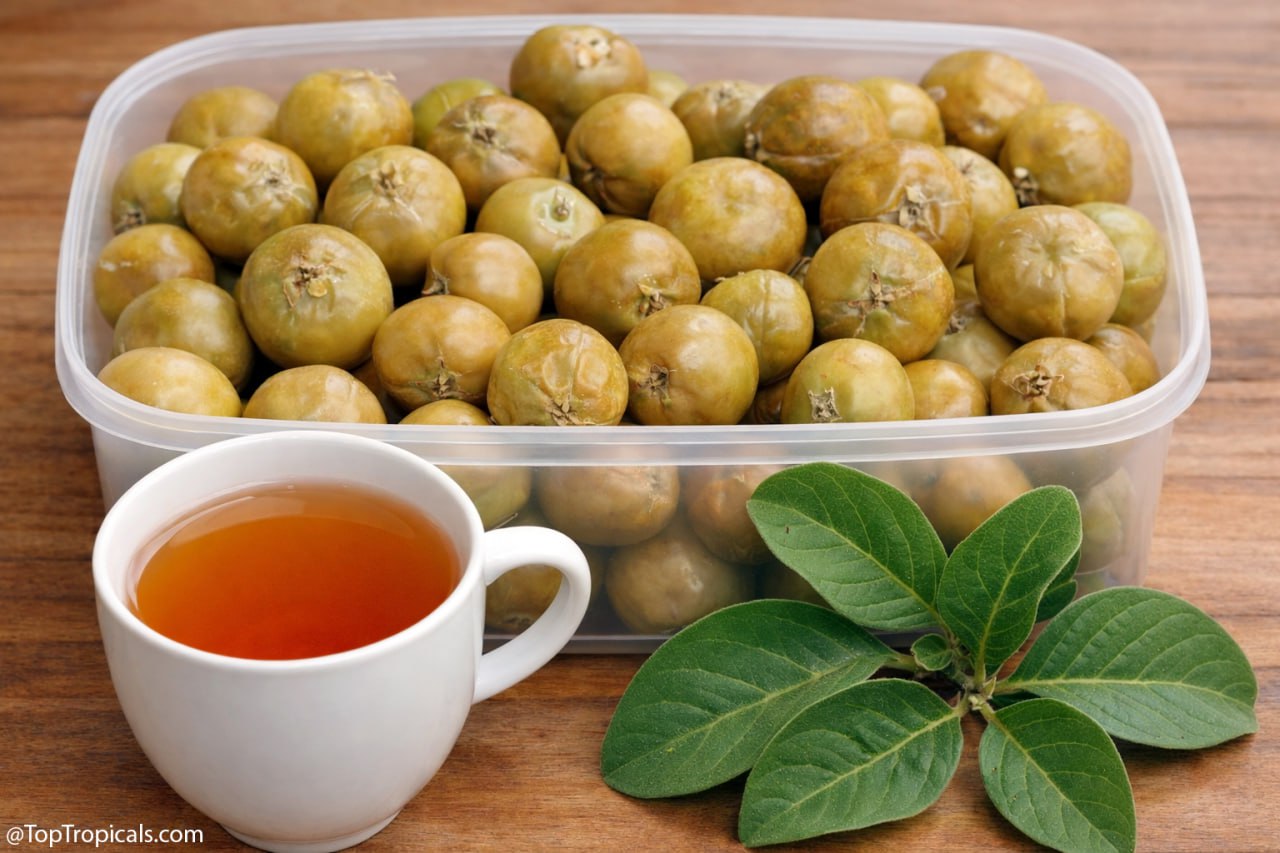
Vangueria infausta (Spanish Tamarind, Wild Medlar)

Vangueria infausta (Spanish Tamarind, Wild Medlar)

🍊 10 ways to enjoy Wild Medlar - Spanish Tamarind


Vangueria infausta (Spanish Tamarind, Wild Medlar) from Africa to your backyard: the fruit, the medicine, the tradition.

Wild Medlar Plant Facts

Botanical name: Vangueria infausta
Also known as: Wild Medlar, Spanish Tamarind
USDA Zone: 9 - 11
Highligths Small tree 10-20 ftFull sunWatering: Moderate. Water when top soil feels dryEdible plantDeciduous plantEthnomedical plant.
Plants marked as ethnomedical and/or described as medicinal, are not offered as medicine but rather as ornamentals or plant collectibles.
Ethnomedical statements / products have not been evaluated by the FDA and are not intended to diagnose, treat, cure, or prevent any disease. We urge all customers to consult a physician before using any supplements, herbals or medicines advertised here or elsewhere.Subtropical plant. Mature plant cold hardy at least to 30s F for a short time
Get personalized tips for your region


Spanish Tamarind may look like a small, unassuming fruit - but don’t let it fool you. In its native Africa, this tree is a food staple, a home remedy, and a cultural favorite, all wrapped into one. And now, it’s ready to bring that same magic into your garden and kitchen. People have used this fruit for generations - and how you can too.

🍊 1. Eat it fresh, off the tree


When ripe, the fruit turns golden brown and softens slightly. Its flavor is sweet-tart, almost like a tangy apple or tamarind with a hint of citrus. Just peel and eat!

🍬 2. Dry it for snacks


In many African regions, the fruit is sun-dried and enjoyed like natural fruit leather. It keeps well, travels well, and makes a great healthy snack.

🍵 3. Brew it into a fruit tea


Dried fruit can be steeped into a tart, refreshing tea that’s packed with vitamin C and antioxidants. Add honey or ginger for a soothing drink.

🍷 4. Ferment it into traditional beer or wine


In some local cultures, the fruit is fermented into a mild alcoholic drink, similar to fruit wine or beer. This is one of the tree’s oldest known traditional uses.

🍧 5. Make jams and preserves


Boil the pulp with sugar and lemon juice to make tangy medlar jam. Spread it on toast, stir into yogurt, or use it in baking.

6. Add to porridge or smoothies


Crushed or juiced medlar fruit is added to traditional maize porridge for a nutrient boost. You can do the same with oatmeal or smoothies.

7. Try traditional fruit pudding


A simple medlar mash with a little sweetener makes a rich, apple-like pudding with hints of spice. Great as a chilled dessert.

🌿 8. Use the leaves and bark medicinally


In folk medicine, leaves are brewed into a tea for treating fever, colds, and stomach aches. Bark is used for chest congestion and coughs. Roots are sometimes used for even stronger remedies like malaria treatment.

9. Clean your teeth the traditional way


Believe it or not, people use medlar leaves to clean their teeth! The leaves are antimicrobial and have a slight astringent taste that leaves your mouth feeling fresh.

🎨 10. Dye fabric naturally
Crush the bark or boil the leaves to create natural dyes in yellow, green, and even purple tones. This use is still practiced in rural areas of southern Africa.

✍️ Why this tree belongs in your life


Wild Medlar is more than just a fruit. It’s a versatile, resilient, and deeply cultural plant that connects generations. It’s food, it’s healing, it’s art—and now it can be part of your garden story.
Grow it for the fruit, the medicine, the tradition… or just for the joy of growing something wild and wonderful.

🛒 Plant Spanish Tamarind and enjoy exotic fruit benefits

📚 Learn more:


Vangueria infausta - Spanish Tamarind in Plant Encyclopedia
7 steps for a care-free Spanish Tamarind - the easiest rare fruit to grow
The wild fruit with a secret: health benefits of rare Spanish Tamarind - the exotic fruit you've never heard of

#Food_Forest #Remedies #Recipes #Discover

🟢 Join 👉 TopTropicals
Date: 15 Feb 2026

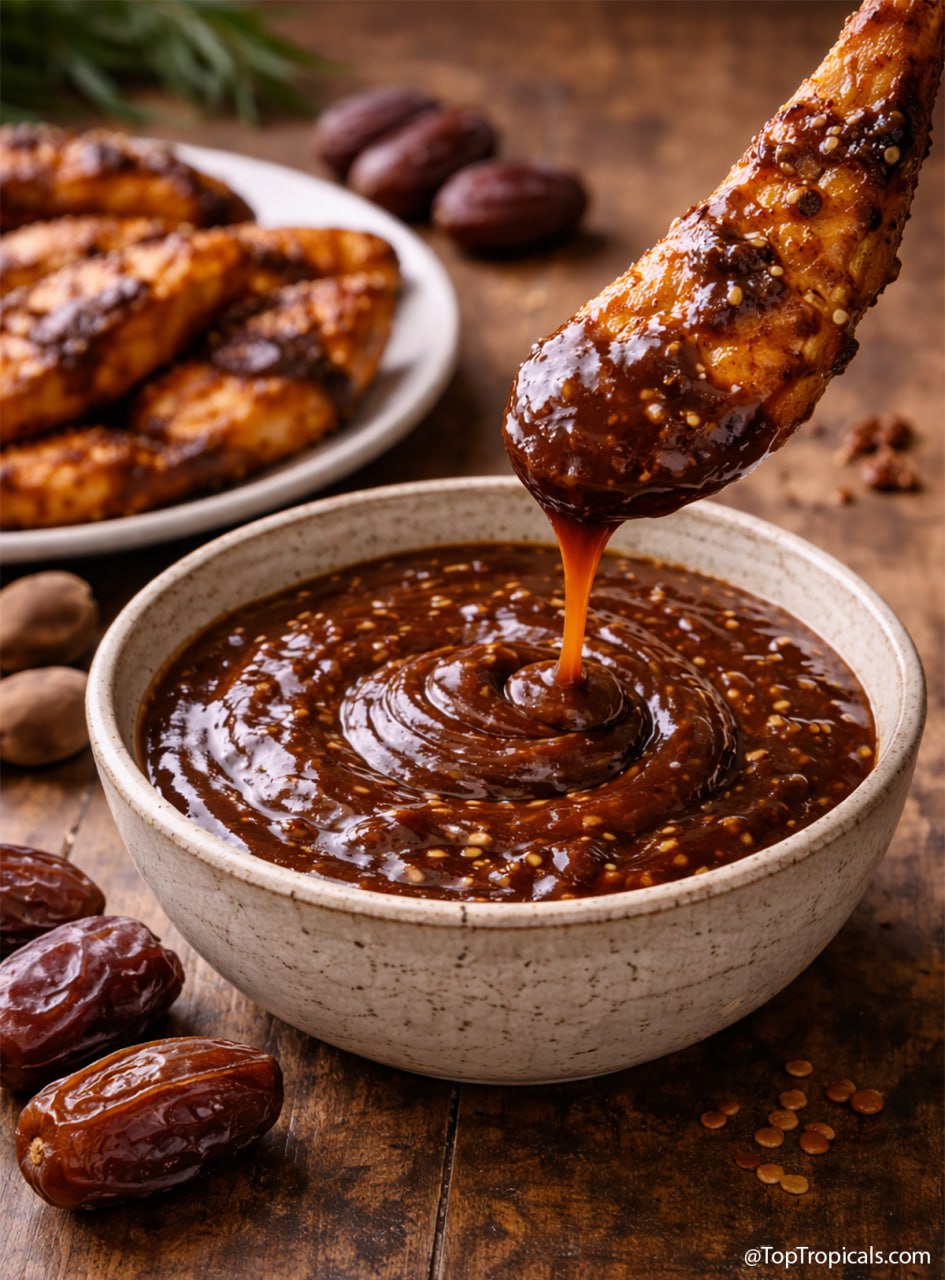
Tamarind date dipping sauce, quick-n-fun exotic recipes

Tamarind date dipping sauce

Tamarind date dipping sauce

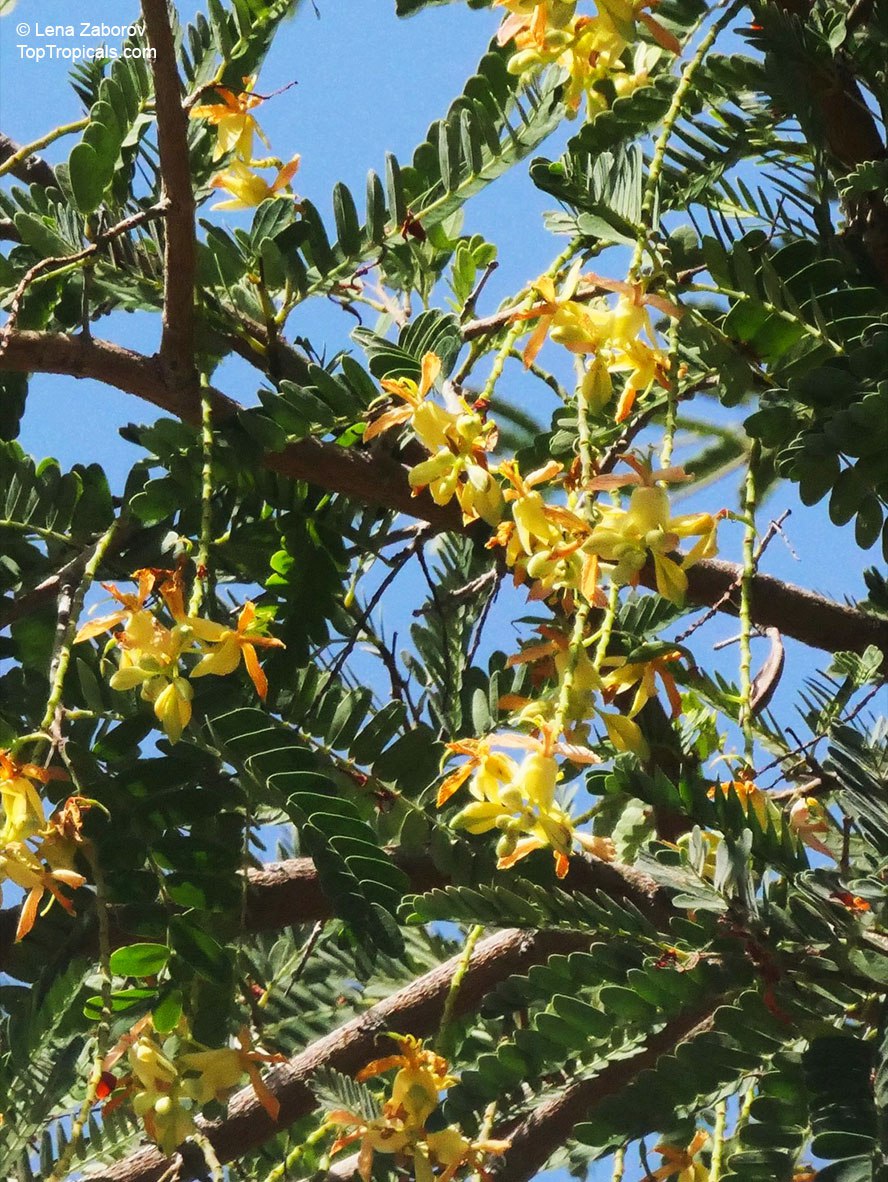
Tamarind - Tamarindus indica - flowers

Tamarind - Tamarindus indica - flowers

🍴 Tamarind date dipping sauce: quick-n-fun exotic recipes


Tamarind Date Dipping Sauce

Ingredients

  • 3 soft dates
  • 1 tablespoon tamarind pulp
  • 1 pinch salt
  • 2-3 tablespoons warm water

Instructions

  1. Soak the dates briefly in warm water if they are firm.
  2. Add the dates, tamarind pulp, and salt to a blender.
  3. Blend until smooth.
  4. Add warm water gradually until the sauce reaches dipping consistency.
  5. Serve with snacks, roasted vegetables, or grilled foods.


🌿 About the plant:


When combined with dates, tamarind transforms into a sweet-sour chutney common in Indian street food.

🏡 In the garden:


Tamarind (Tamarindus indica) flowering occurs in warm months with small yellowish blooms. Pollination leads to the familiar curved pods.

🛒 Add Tamarind tree to your garden

📚 Learn more:

Tamarind Plant Facts

Botanical name: Tamarindus indica
Also known as: Tamarind, Sampalok
USDA Zone: 9 - 11
Highligths Large tree taller than 20 ftFull sunWatering: Moderate. Water when top soil feels dryEdible plantSubtropical plant. Mature plant cold hardy at least to 30s F for a short timeFlood tolerant plantSeaside, salt tolerant plant
Get personalized tips for your region

Tamarindus indica in Plant Encyclopedia

#Food_Forest #Recipes

🟢 Join 👉 TopTropicals

Date: 12 Feb 2026

Hoa Mai and the Year of the Horse - why yellow flower Ochna is the luckiest plant of 2026?

Ochna integerrima - Vietnamese Mickey Mouse plant, Hoa Mai - seeds

Ochna integerrima - Vietnamese Mickey Mouse plant, Hoa Mai - seeds

Ochna integerrima - Vietnamese Mickey Mouse plant, Hoa Mai tree

Ochna integerrima - Vietnamese Mickey Mouse plant, Hoa Mai tree

Ochna integerrima - Vietnamese Mickey Mouse plant, Hoa Mai flowers

Ochna integerrima - Vietnamese Mickey Mouse plant, Hoa Mai flowers

🔥 Hoa Mai and the Year of the Horse - why yellow flower Ochna is the luckiest plant of 2026?


Ochna integerrima - Vietnamese Mickey Mouse plant, Hoa Mai has seeds and sepals that resemble the face of Mickey Mouse, hence the common name.

Vietnamese Mickey Mouse Plant Facts

Botanical name: Ochna integerrima, Ochna thomasiana
Also known as: Vietnamese Mickey Mouse Plant, Hoa Mai, Mai Vang, Hoang Mai
USDA Zone: 9 - 11
Highligths Large shrub 5-10 ft tallSemi-shadeFull sunWatering: Moderate. Water when top soil feels dryYellow, orange flowersWhite, off-white flowersPlant attracts butterflies, hummingbirdsEthnomedical plant.
Plants marked as ethnomedical and/or described as medicinal, are not offered as medicine but rather as ornamentals or plant collectibles.
Ethnomedical statements / products have not been evaluated by the FDA and are not intended to diagnose, treat, cure, or prevent any disease. We urge all customers to consult a physician before using any supplements, herbals or medicines advertised here or elsewhere.Fragrant plant
Get personalized tips for your region


💖 On February 17, 2026, the Lunar New Year begins - welcoming the Year of the Fire Horse


And if there is one plant that perfectly captures the bold, bright energy of a new zodiac cycle, it is Ochna integerrima, known in Vietnam as Hoa Mai. This cheerful yellow bloomer is not just decorative. In Vietnam, it is the flower of Tet - a living symbol of luck, prosperity, and fresh beginnings.

💖 Does Vietnamese New Year start on a different date in 2026?


No. In 2026, Tet - the Vietnamese Lunar New Year - begins on the same day as the Chinese Lunar New Year: February 17. Tet follows the lunar calendar, just like Chinese New Year, so both celebrations align this year.
Tet, officially called Tet Nguyen Dan, marks the arrival of spring and is the most important holiday in Vietnam. And nothing represents Tet in southern Vietnam more than Hoa Mai in full bloom.

💖 Why Hoa Mai is the flower of Tet


Hoa Mai literally means "yellow blossoms". In southern Vietnam, these bright yellow flowers open right around Lunar New Year, often covering the entire plant.
The color yellow symbolizes:
· Wealth
· Prosperity
· Happiness
· Good fortune

Families display flowering Hoa Mai trees in homes, courtyards, and businesses during Tet. The more blossoms, the more luck the coming year is believed to bring.

💖 Why it is called the Mickey Mouse plant


After flowering, Ochna integerrima produces glossy black berries that sit on bright red sepals. The combination looks surprisingly like a tiny cartoon face - two black "ears" and a round head - which is how it earned the nickname Vietnamese Mickey Mouse plant.

It is playful, unusual, and a total conversation starter.

💖 A perfect plant for Year of the Fire Horse energy


The Fire Horse year is associated with:
· Passion
· Independence
· Bold action
· Fast movement
And honestly? A plant that explodes into golden blooms in the middle of winter feels exactly right for that kind of year!
If you have been waiting to start something new - planting a rare shrub, reshaping your garden, training a miniature tree - this zodiac cycle carries that "go for it" momentum.

💖 Can you grow Hoa Mai outside Vietnam?


Yes - and that is part of its appeal. Ochna integerrima - Hoa Mai - is:
· A slow-growing, medium shrub
· Trainable into a small tree or bonsai form
· Suitable for containers
· Relatively tolerant of light frost
It blooms in winter, when many tropical collections feel quiet. That alone makes it valuable in warm-climate gardens like Florida.

To encourage winter blooms, steady feeding before and during the cooler season helps stimulate bud formation. Consistent light, good drainage, and balanced fertilization are key.

💖 A living symbol of luck for 2026


Every Lunar New Year carries its own theme. The Year of the Fire Horse is about bold growth, forward motion, and courage.
Hoa Mai blooms exactly at the moment when people reset intentions, clean their homes, and welcome fresh energy. It is not just a plant - it is a seasonal signal that a new chapter has begun.

And if you want to invite a little more golden luck into your garden this February, few plants say "new year, new beginning" better than Hoa Mai in full bloom.

🛒 Plant your own lucky Mickey Mouse Plant

📚 Learn more:


Ochna integerrima in Plant Encyclopedia
What is Mickey Mouse Plant?
2026: Year of the Fire Horse - time to grow bold, live free, and plant lucky
Year of the Fire Horse - what should you grow in 2026?
More #Horoscope info for plants and cats

#Horoscope #Hedges_with_benefits #Nature_Wonders #Fun_Facts

🟢 Join 👉 TopTropicals

Date: 31 Jan 2026

Pitomba pop cups: quick-n-fun exotic recipes

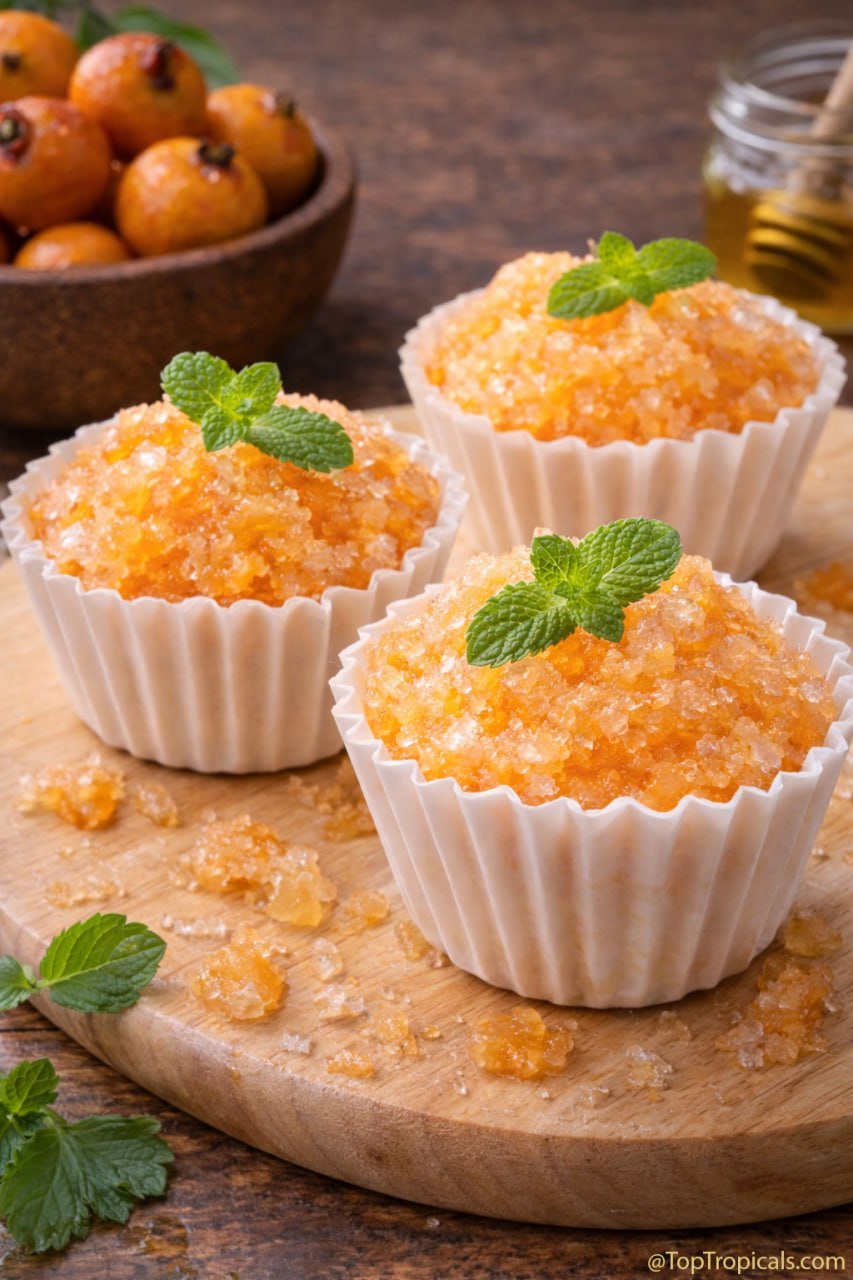
Frozen pitomba pops with mint

Frozen pitomba pops with mint

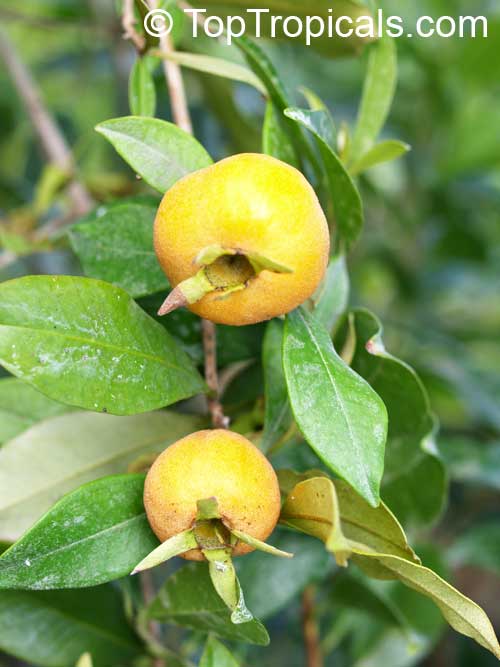
Eugenia luschnathiana - Pitomba

Eugenia luschnathiana - Pitomba

🍴 Pitomba pop cups: quick-n-fun exotic recipes


Pitomba Pop Cups

Ingredients

  • 1 cup pitomba pulp
  • 1 teaspoon honey
  • 1 tablespoon water
  • Fresh mint leaves (optional)

Instructions

  1. Scoop pitomba pulp into a small bowl.
  2. Mix with honey and a little water to soften the texture.
  3. Spoon the mixture into small cups or molds.
  4. Freeze until icy-soft.
  5. Serve topped with fresh mint for a refreshing tropical snack.


🌿 About the plant:


Pitomba (Eugenia luschnathiana) is a tropical fruit native to Brazil, prized for its bright, citrusy pulp with a sweet-sour kick. The flavor is often compared to a mix of apricot, citrus, and mild resin, making it refreshing and snack-worthy straight from the fruit.

Pitomba Plant Facts

Botanical name: Eugenia luschnathiana, Phyllocalyx luschnathianus
Also known as: Pitomba
USDA Zone: 9 - 11
Highligths Small tree 10-20 ftFull sunWatering: Moderate. Water when top soil feels dryWatering: Regular. Let topsoil dry slightlyWhite, off-white flowersEdible plant
Get personalized tips for your region


🌱 In the garden:


Pitomba grows as a small to medium-sized slow growing tree with glossy evergreen leaves. It thrives in warm climates, prefers full sun to light shade, suitable for USDA zones 10-11, it can also be grown in large containers and responds well to pruning, making it manageable for home gardens.

🛒 Plant exotic Pitomba cherry in your garden

📚 Learn more:


Eugenia luschnathiana - Pitomba - in Plant Encyclopedia

#Food_Forest #Recipes

🟢 Join 👉 TopTropicals

Date: 25 Jan 2026

Collecting clerodendrums: big color, little effort

Clerodendrum collage

Clerodendrum collage

🎨 Collecting clerodendrums: big color, little effort


🎨 Collector hook


If you love plants that look rare, unusual, and a little dramatic - but do not want high-maintenance divas - Clerodendrums belong in your collection.
Clerodendrums are a surprisingly diverse group of plants, ranging from flowering vines to shrubs and even small trees. What they all share is bold, colorful blooms and an easygoing nature that makes them far less fussy than they appear. This combination of exotic looks and forgiving care is exactly why collectors gravitate toward them.
Many clerodendrums bloom repeatedly through the year in warm climates, and several tolerate lower light better than most flowering plants. That makes them flexible - happy in the garden, in containers, on patios, or even indoors near a bright window. Their flowers come in striking combinations of red, white, blue, pink, and purple, often with unusual shapes that stop people mid-walk.

🎨 Why clerodendrums earn collector status


✦ Uncommon, eye-catching flowers
✦ Long or repeat bloom cycles in many varieties
✦ Vines, shrubs, and small trees in one genus
✦ Excellent performance in containers
✦ More tolerant of lower light than expected

🎨 Clerodendrum care made simple


Give clerodendrums bright filtered light to partial sun, regular watering with good drainage, and light feeding during active growth. A little pruning keeps them tidy and encourages fresh blooms. That is it. No complicated routines, no constant fixing.

For collectors who want maximum visual payoff without constant effort, clerodendrums deliver exactly what the title promises - big color, very little work.

🛒 Start your Clerodendrum collection

📚 Learn more:
💋Clerodendrums in Plant Encyclopedia
💋Do you see Musical Notes in this flower
💋The shrub that smells like a royal bouquet and grows like a weed
💋Bleeding Heart Vine surprised everyone this year!
💋How to get a large, lush and fragrant bush in no time
💋How to add Music to your garden
💋Clerodendrum schmitii and Clerodendrum wallichii
💋What is the difference between Clerodendrum schmitii and Clerodendrum wallichii?
💋What is the most spectacular Clerodendrum
💋How to grow Clerodendrums
💋Fireworks of Winter
💋Fragrant Cashmere Bouquet
💋Fountain Clerodendrum
💋What is better - Blue or Pink
💋Why is it called Blue Butterfly
💋Clerodendrum paniculatum
💋Seaside Clerodendrum
💋Pink Bleeding Heart
💋Why is it called Musical Notes
💋Bleeding Heart Vine
💋Cashmere Bouquet

#Butterfly_Plants #Shade_Garden #How_to #Hedges_with_benefits #Container_Garden

Cashmere (Cashmir) bouquet Plant Facts

Botanical name: Clerodendrum bungei
Also known as: Cashmere (Cashmir) bouquet, Glory Bower, Clerodendron
USDA Zone: 8 - 10
Highligths Large shrub 5-10 ft tallSemi-shadeFull sunWatering: Regular. Let topsoil dry slightlyRed, crimson, vinous flowersPink flowersPlant attracts butterflies, hummingbirdsDeciduous plantFragrant plantSubtropical plant. Mature plant cold hardy at least to 30s F for a short time
Get personalized tips for your region
🟢 Join 👉 TopTropicals