Garden Blog - Top Tropicals

Date: 19 May 2026

Be yourself

Be yourself
Be yourself

"Be yourself; everyone else is already taken"
- Oscar Wilde

🐈📸 Cat Jim II at TopTropicals PeopleCats.Garden.

#PeopleCats #Quotes

🟢 Join 👉 TopTropicals

Date: 21 Apr 2026

13 tropical flowers to plant in spring to attract pollinators year around

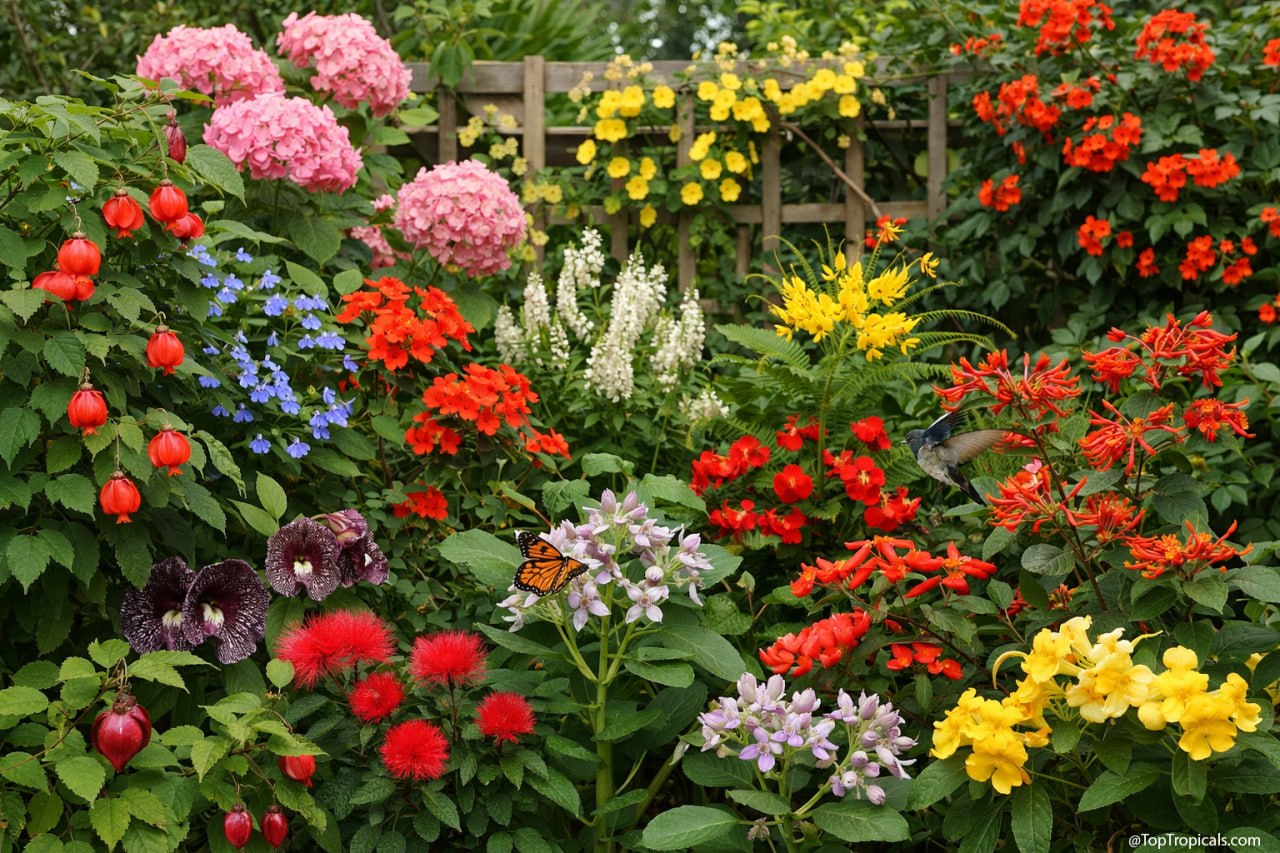
13 tropical flowers to plant in spring to attract pollinators year around: Abutilon Fireball (Abutilon darwinii x striatum), Almond Bush (Aloysia virgata), Calico Flower (Aristolochia littoralis), Pride of De Kaap (Bauhinia galpinii), Mexican Bird of Par

13 tropical flowers to plant in spring to attract pollinators year around: Abutilon Fireball (Abutilon darwinii x striatum), Almond Bush (Aloysia virgata), Calico Flower (Aristolochia littoralis), Pride of De Kaap (Bauhinia galpinii), Mexican Bird of Paradise (Caesalpinia mexicana), Red Tassel Flower (Calliandra tweedii With Love), Giant Milkweed (Calotropis gigantea), Blue Butterfly (Clerodendrum ugandense), Tropical Hydrangea (Dombeya wallichii), Fire Bush (Hamelia patens), Butterfly Orchid

13 tropical flowers to plant in spring to attract pollinators year around


Spring is when everything wakes up - and if you plant smart now, your garden can stay alive with butterflies, bees, and hummingbirds all year long. The key is mixing tropical bloomers that flower in waves, not all at once. These plants don’t just look good - they keep pollinators coming back season after season, turning your yard into a living, moving ecosystem.

1. Abutilon Fireball (Abutilon darwinii x striatum)


Bell-shaped flowers in warm red and orange tones hang like little lanterns. Very cold hardy, blooms on and off through the year, especially in mild climates. A steady nectar source for hummingbirds. More 👉

2. Almond Bush (Aloysia virgata)


Light, airy clusters of tiny white flowers with a strong almond scent. Bees absolutely cover this plant when it’s in bloom. Flowers repeatedly through warm months. More 👉

Sweet Almond Bush Plant Facts

Botanical name: Aloysia virgata
Also known as: Sweet Almond Bush, Incense Bush
USDA Zone: 9 - 11
Highligths Large shrub 5-10 ft tallSemi-shadeFull sunWatering: Moderate. Water when top soil feels dryWhite, off-white flowersPlant attracts butterflies, hummingbirdsFragrant plantSubtropical plant. Mature plant cold hardy at least to 30s F for a short time
Get personalized tips for your region


3. Calico Flower (Aristolochia littoralis)


One of the most unusual flowers you can grow - patterned like fabric. More importantly, it’s a host plant for butterflies, giving them a place to lay eggs. More 👉

Elegant Dutchmans Pipe Plant Facts

Botanical name: Aristolochia littoralis, Aristolochia elegans
Also known as: Elegant Dutchmans Pipe, Calico Flower
USDA Zone: 9 - 12
Highligths Vine or creeper plantSemi-shadeFull sunWatering: Moderate. Water when top soil feels dryRed, crimson, vinous flowersWhite, off-white flowersInvasive plantPlant attracts butterflies, hummingbirds
Get personalized tips for your region


4. Pride of De Kaap (Bauhinia galpinii)


Bright orange-red blooms cover this shrub for months. Tough, fast-growing, and constantly visited by butterflies and bees. More 👉

Pride of De Kaap Plant Facts

Botanical name: Bauhinia galpinii, Bauhinia punctata
Also known as: Pride of De Kaap, Nasturtium Bauhinia
USDA Zone: 9 - 11
Highligths Large shrub 5-10 ft tallVine or creeper plantSemi-shadeFull sunWatering: Regular. Let topsoil dry slightlyRed, crimson, vinous flowersPlant attracts butterflies, hummingbirdsSubtropical plant. Mature plant cold hardy at least to 30s F for a short time
Get personalized tips for your region


5. Mexican Bird of Paradise (Caesalpinia mexicana)


Sunny yellow flowers with a light fragrance. Handles heat, freeze, and poor soil easily. A reliable nectar plant for bees and butterflies. More 👉

Mexican Bird of Paradise Plant Facts

Botanical name: Caesalpinia mexicana
Also known as: Mexican Bird of Paradise, Dwarf Poinciana
USDA Zone: 9 - 11
Highligths Small tree 10-20 ftSemi-shadeFull sunWatering: Moderate. Water when top soil feels dryYellow, orange flowersIrritating plantFragrant plantSubtropical plant. Mature plant cold hardy at least to 30s F for a short timeSeaside, salt tolerant plant
Get personalized tips for your region


6. Red Tassel Flower (Calliandra tweedii With Love)


Very showy red-flowered powderpuff, fast-growing and spacey shrub. Cold tolerant to hard freeze, making it a strong choice for subtropical gardens. Forms a dense, many-stemmed plant with fine, feathery foliage that folds at night or by touch. Large scarlet tassel flowers bloom from spring to autumn and attract pollinators nonstop. More 👉

7. Giant Milkweed (Calotropis gigantea)


A bold plant with thick leaves and waxy flowers. Important host plant for butterflies, especially monarchs. Handles heat and drought well. More 👉

Giant Milkweed Plant Facts

Botanical name: Calotropis gigantea
Also known as: Giant Milkweed, Crown Flower, Giant Calotrope, Arka, Jilledu, Erukkam Madar, White Madaar
USDA Zone: 9 - 11
Highligths Large shrub 5-10 ft tallFull sunWatering: Moderate. Water when top soil feels dryBlue, lavender, purple flowersWhite, off-white flowersPink flowersPlant attracts butterflies, hummingbirdsEthnomedical plant.
Plants marked as ethnomedical and/or described as medicinal, are not offered as medicine but rather as ornamentals or plant collectibles.
Ethnomedical statements / products have not been evaluated by the FDA and are not intended to diagnose, treat, cure, or prevent any disease. We urge all customers to consult a physician before using any supplements, herbals or medicines advertised here or elsewhere.Seaside, salt tolerant plant
Get personalized tips for your region


8. Blue Butterfly (Clerodendrum ugandense)


Flowers really do look like little blue butterflies. Blooms frequently and attracts actual butterflies along with bees. More 👉

Butterfly Clerodendrum Plant Facts

Botanical name: Rotheca myricoides, Clerodendrum ugandense
Also known as: Butterfly Clerodendrum, Blue Butterfly Bush, Blue Glory Bower, Blue Wings
USDA Zone: 9 - 11
Highligths Large shrub 5-10 ft tallFull sunWater Requirement: Low. Allow soil to dry out between wateringsWatering: Moderate. Water when top soil feels dryBlue, lavender, purple flowersPlant attracts butterflies, hummingbirdsSubtropical plant. Mature plant cold hardy at least to 30s F for a short time
Get personalized tips for your region


9. Tropical Hydrangea (Dombeya wallichii)


Large clusters of soft pink flowers appear in cooler months when little else is blooming. A major nectar source in winter. More 👉

Pink Ball Tree Plant Facts

Botanical name: Dombeya wallichii, Dombeya x cayeuxii
Also known as: Pink Ball Tree, Tropical Hydrangea
USDA Zone: 9 - 11
Highligths Large shrub 5-10 ft tallSmall tree 10-20 ftFull sunWatering: Moderate. Water when top soil feels dryPink flowersPlant attracts butterflies, hummingbirdsFragrant plant
Get personalized tips for your region


10. Fire Bush (Hamelia patens)


One of the best all-around pollinator plants and a tough bush - takes both cold and heat. Tubular orange-red flowers attract hummingbirds nonstop, plus butterflies and bees. More 👉

Fire Bush Plant Facts

Botanical name: Hamelia patens
Also known as: Fire Bush, Firecracker Plant
USDA Zone: 8 - 11
Highligths Large shrub 5-10 ft tallSmall tree 10-20 ftFull sunWater Requirement: Low. Allow soil to dry out between wateringsYellow, orange flowersRed, crimson, vinous flowersPlant attracts butterflies, hummingbirdsSeaside, salt tolerant plant
Get personalized tips for your region


11. Butterfly Orchid Vine (Mascagnia macroptera)


A climbing, cold hardy vine covered in bright yellow flowers and butterfly-like seeds. Great for fences or trellises, adding vertical color and feeding pollinators. More 👉

Butterfly pea vine Plant Facts

Botanical name: Mascagnia macroptera
Also known as: Butterfly pea vine, Yellow Orchid vine, Gallinita
USDA Zone: 9 - 10
Highligths Large shrub 5-10 ft tallVine or creeper plantSemi-shadeShadeFull sunWatering: Regular. Let topsoil dry slightlyYellow, orange flowersPlant attracts butterflies, hummingbirds
Get personalized tips for your region


12. Mexican Flame Vine (Senecio confusus)


Fast-growing, hardy vine with intense red blooms. Flowers heavily and brings in butterflies quickly. More 👉

Mexican Flame Vine Plant Facts

Botanical name: Pseudogynoxys chenopodioides, Senecio confusus
Also known as: Mexican Flame Vine, Orangeglow Vine
USDA Zone: 9 - 11
Highligths Groundcover and low-growing 2ft plantVine or creeper plantFull sunWater Requirement: Low. Allow soil to dry out between wateringsWatering: Moderate. Water when top soil feels dryYellow, orange flowersRed, crimson, vinous flowersInvasive plantPlant attracts butterflies, hummingbirdsSubtropical plant. Mature plant cold hardy at least to 30s F for a short timeFlood tolerant plantSeaside, salt tolerant plant
Get personalized tips for your region


13. Yellow Elder (Tecoma stans)


Bright yellow trumpet flowers that bloom over a long season. A dependable plant for both bees and hummingbirds. More 👉

Yellow Elder Plant Facts

Botanical name: Tecoma stans, Bignonia stans
Also known as: Yellow Elder, Yellow Bells
USDA Zone: 9 - 11
Highligths Large shrub 5-10 ft tallVine or creeper plantSmall tree 10-20 ftSemi-shadeFull sunWatering: Regular. Let topsoil dry slightlyYellow, orange flowersPlant attracts butterflies, hummingbirdsSubtropical plant. Mature plant cold hardy at least to 30s F for a short timeSeaside, salt tolerant plant
Get personalized tips for your region


✔️ Planting a mix of these gives you something in bloom almost every month.
That’s the real trick - not just planting for spring, but building a rotation of flowers that keeps pollinators fed all year long.

🛒 Transform your yard into a Butterfly Haven with exotic plants

📚 Learn more:


#Butterfly_Plants
Butterfly Haven or a Heaven on Earth?
Top 20 plants for a Butterfly Haven
Five best butterfly attractors for a Southern garden
Top Eight irresistible vines for a hummingbird haven: Part 1 - Part 2

#Hedges_with_benefits #Butterfly_Plants #How_to #Discover

🟢 Join 👉 TopTropicals

Date: 18 Apr 2026

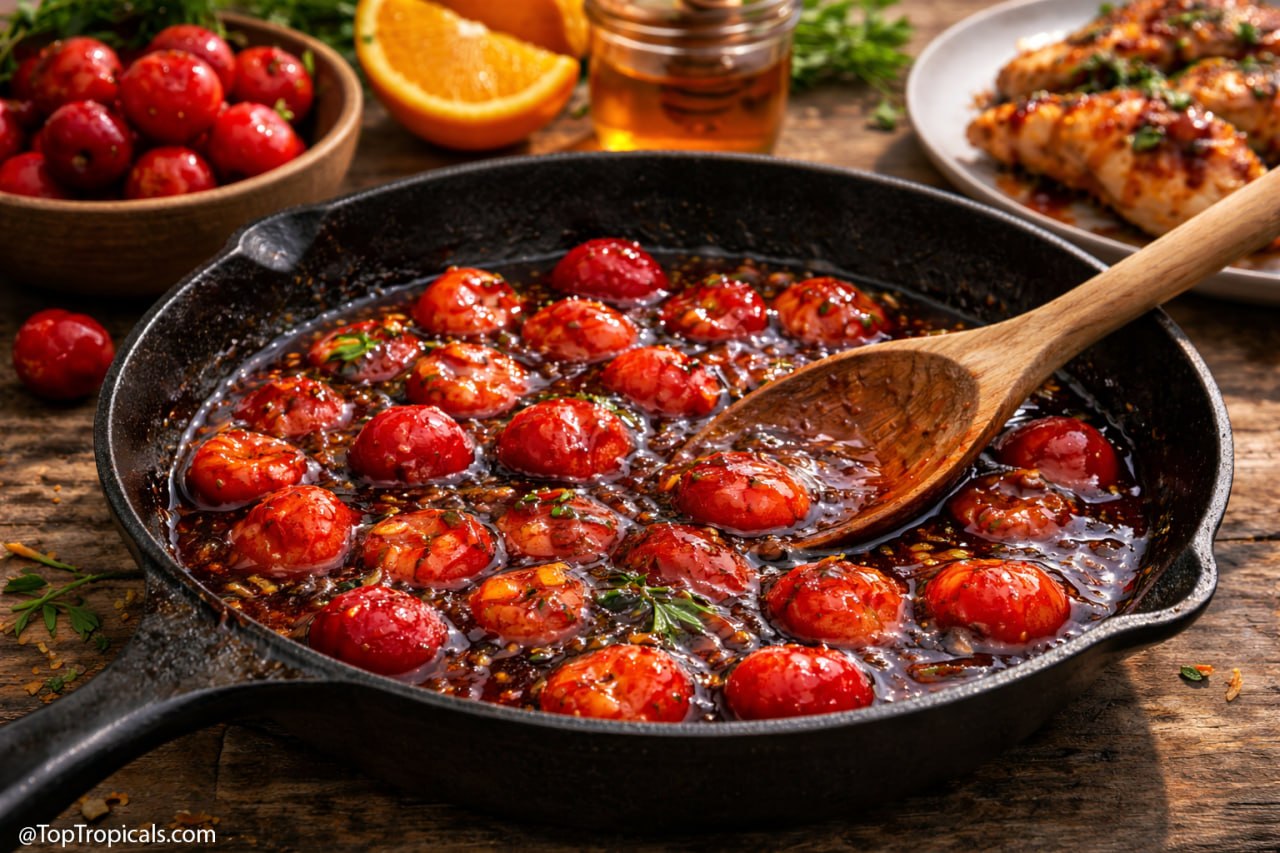
Surinam cherry skillet glaze: quick-n-fun exotic recipes

Surinam cherry skillet glaze

Surinam cherry skillet glaze

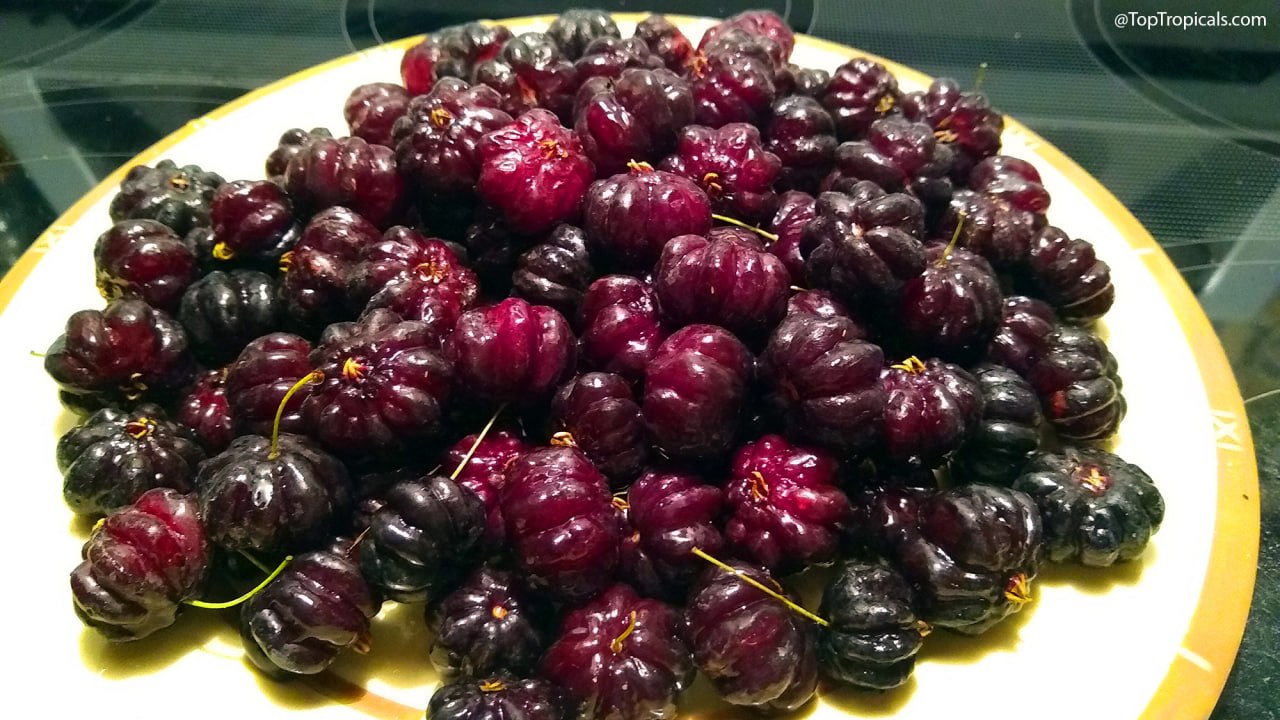
Surinam cherry, Pinanga - Eugenia uniflora

Surinam cherry, Pinanga - Eugenia uniflora

🍴 Surinam cherry skillet glaze: quick-n-fun exotic recipes


🔴Halve ripe Surinam cherries, take the seed out
🔴Cook in a pan with honey and a squeeze of orange. Simmer until syrupy.
🔴Pour over grilled chicken or roasted vegetables.

🌿 About the plant:


Surinam cherry produces bright ribbed fruit that range from sweet to tangy depending on variety and ripeness.

🏡 In the garden:


A tough, adaptable shrub that can be trimmed as a hedge. Fruits multiple times a year in warm climates.

🛒 Plant Surinam Cherry in your garden

Surinam Cherry Plant Facts

Botanical name: Eugenia uniflora, Eugenia michelii
Also known as: Surinam Cherry, Pitanga, Brazilian Cherry
USDA Zone: 9 - 11
Highligths Plant used for bonsaiLarge shrub 5-10 ft tallSmall tree 10-20 ftSemi-shadeFull sunWatering: Moderate. Water when top soil feels dryWatering: Regular. Let topsoil dry slightlyWhite, off-white flowersEdible plantFragrant plantSubtropical plant. Mature plant cold hardy at least to 30s F for a short time
Get personalized tips for your region


📚 Learn more:


💋Surinam cherry, Pinanga - Eugenia uniflora - in Plant Encyclopedia
💋Surinam cherry salsa: quick-n-fun exotic recipes
💋Why you should grow a Pitanga tree. Health benefits of Surinam Cherry
💋What makes Lolita different from regular Surinam Cherry?
💋Top 10 fruit you'll ever need for your health benefits: #8 Lolita Cherry
💋 Who is that Sweet Black Lolita from Surinam?
💋Top 10 fast-fruiting trees: #3. Eugenias - Tropical Cherries
💋How to make a jam with Surinam Cherry

#Food_Forest #Recipes

🟢 Join 👉 TopTropicals

Date: 4 Apr 2026

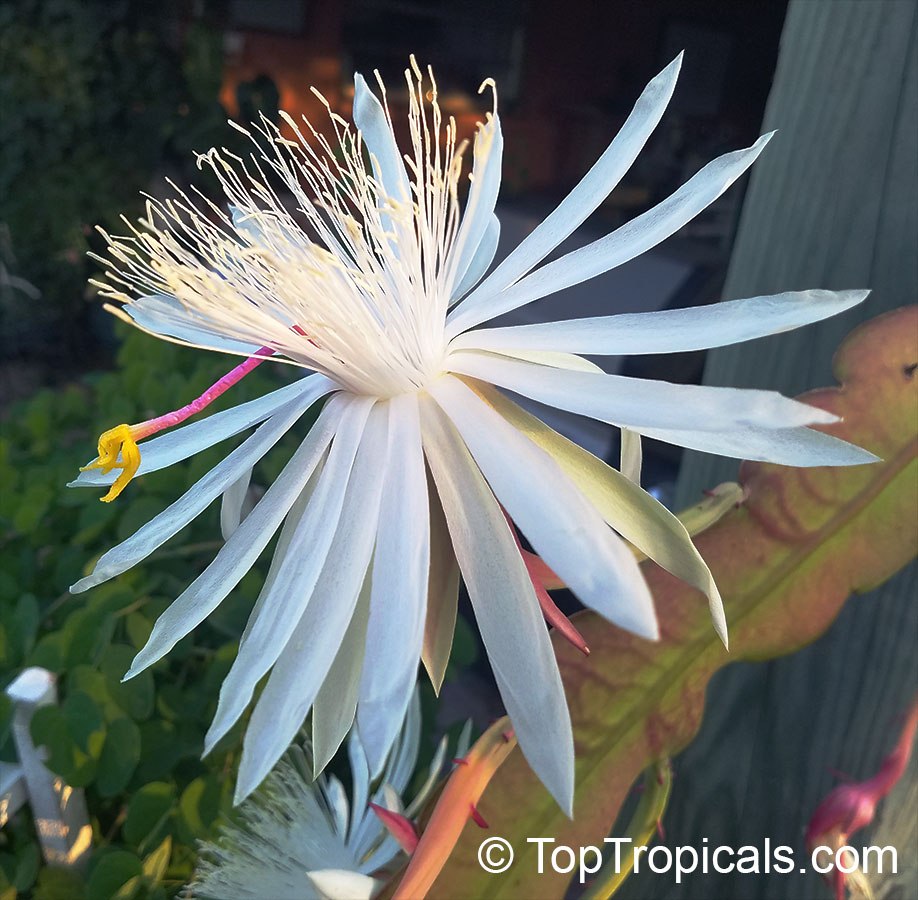
Rare Night-Blooming Cactus that Glows and Grows Large Edible Fruit

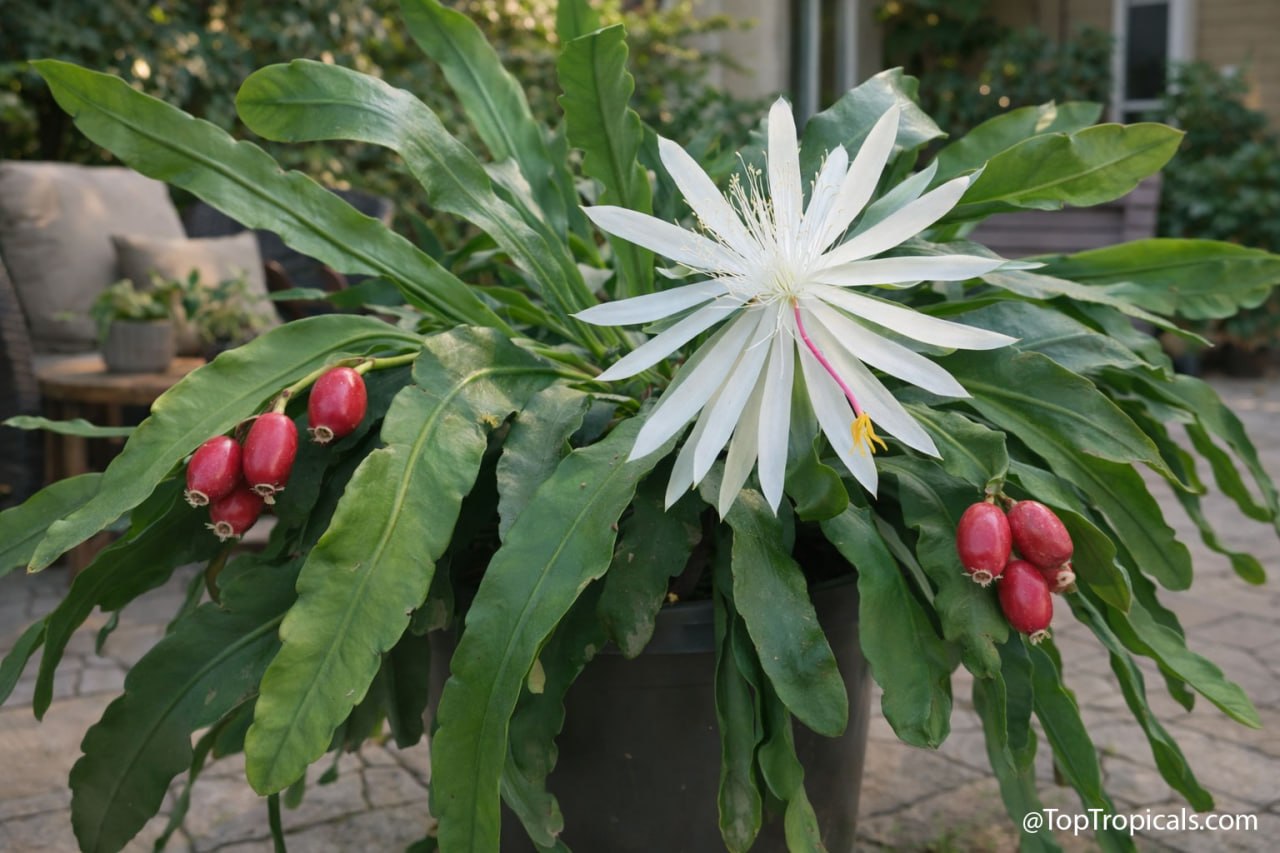
Epiphyllum hookeri - Rare Night-Blooming Cactus with fragrant flowers and large edible fruit

Epiphyllum hookeri - Rare Night-Blooming Cactus with fragrant flowers and large edible fruit

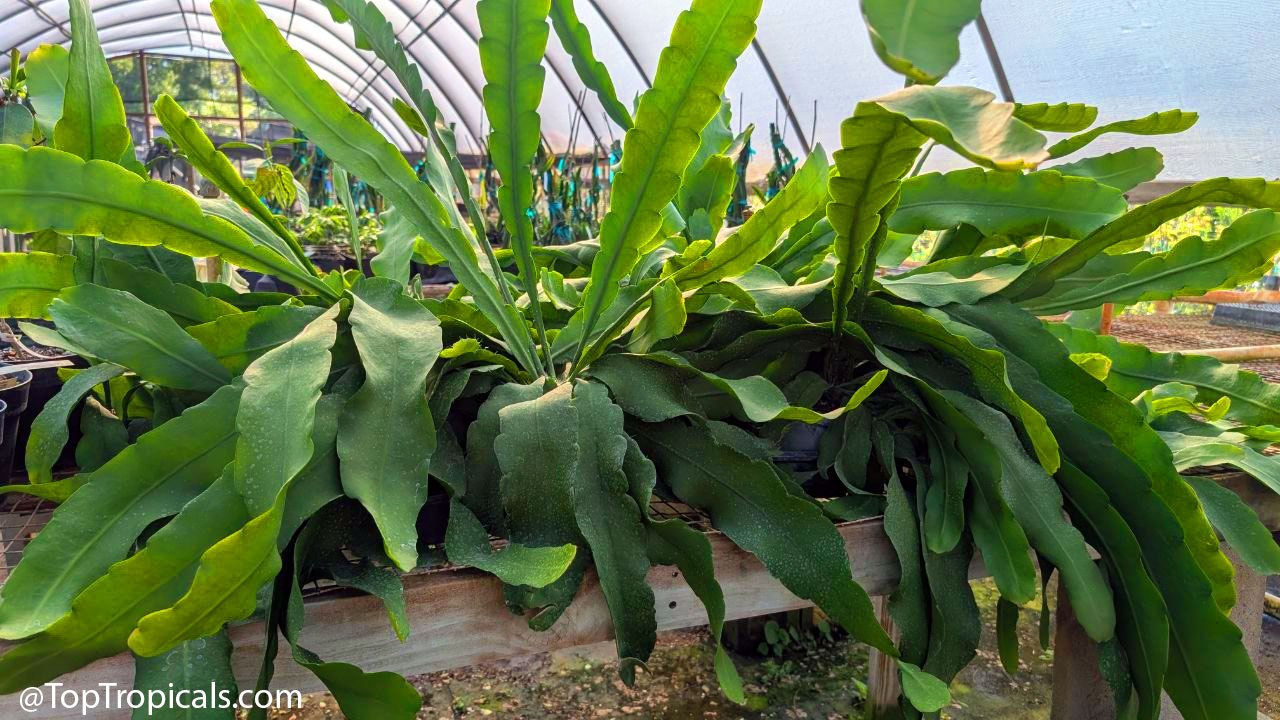
Epiphyllum hookeri - Night-Blooming Cactus with large leaves

Epiphyllum hookeri - Night-Blooming Cactus with large leaves

Epiphyllum hookeri - Night-Blooming Cactus large flowers

Epiphyllum hookeri - Night-Blooming Cactus large flowers

Rare Night-Blooming Cactus that Glows and Grows Large Edible Fruit 🍅

Did you know this nigh blooming beauty has large edible fruit? Why the Epiphyllum hookeri is the ultimate two-for-one plant for tropical garden lovers.

Climbing Cactus Plant Facts

Botanical name: Epiphyllum hookeri, Epiphyllum strictum, Epiphyllum stenopetalum, Epiphyllum phyllanthus
Also known as: Climbing Cactus, Hooker's Orchid Cactus
USDA Zone: 9 - 11
Highligths Small plant 2-5 ftSemi-shadeWatering: Moderate. Water when top soil feels dryWhite, off-white flowers
Get personalized tips for your region


🌠 The Midnight Spectacle


Most gardeners grow the Epiphyllum hookeri for its "ghostly" white flowers. These massive, fragrant blooms wait until sunset to unfurl, reaching their peak beauty under the moonlight before fading at dawn.

🌠 The Edible Bonus


What many don’t realize is that this specific seed-grown type is a "fruiting" powerhouse. After the dramatic floral display, the plant sets smooth, elongated fruit. The flavor? Mild, sweet, and surprisingly refreshing -think of it as a garden-grown secret.

🌠 How to Grow It


Light: Filtered sun or bright shade (no harsh midday sun!).
Hydration: Regular watering in well-drained soil.
Display: It’s a natural climber/cascader—put it in a hanging basket and let it shine.

🛒 Claim your fruiting night-bloomer

Collect epiphytic jungle cacti:
· Epiphyllum hookeri - Large-Fruiting Night-Blooming Cactus
· Epiphyllum oxypetalum - Queen of the Night

Belle de Nuit Plant Facts

Botanical name: Epiphyllum oxypetalum
Also known as: Belle de Nuit, Lady of the Night, Queen of the Night, Night blooming Cereus, Dutchman's Pipe
USDA Zone: 9 - 11
Highligths Large shrub 5-10 ft tallSemi-shadeShadeWatering: Moderate. Water when top soil feels dryWatering: Regular. Let topsoil dry slightlyEpiphyte plantWhite, off-white flowersPink flowersPlant attracts butterflies, hummingbirdsFragrant plantSubtropical plant. Mature plant cold hardy at least to 30s F for a short time
Get personalized tips for your region

· Pseudorhipsalis (Wittia) amazonica - Blue Flame

Purple Rhipsalis Plant Facts

Botanical name: Pseudorhipsalis amazonica, Wittia Amazonica, Disocactus amazonicus, Wittiocactus amazonicus
Also known as: Purple Rhipsalis, Blue Flame
USDA Zone: 9 - 11
Highligths Small plant 2-5 ftSemi-shadeShadeWatering: Moderate. Water when top soil feels dryWatering: Regular. Let topsoil dry slightlyBlue, lavender, purple flowersPlant attracts butterflies, hummingbirdsSubtropical plant. Mature plant cold hardy at least to 30s F for a short time
Get personalized tips for your region

· Epiphyllum guatemalense Monstrosa - Orchid Cactus, Curly Locks
· Disocactus ackermanni - Red Orchid Jungle Cactus

📚 Learn more:


Epiphyllum species in Plant Encyclopedia
Moonlight Cactus, the Night Blooming Wonder with a mystical twist: Epiphyllum oxypetalum FAQ
Epiphyllum oxypetalum - Queen of the Night Cactus in Plant Encyclopedia
Does Queen of the Night bloom only one night out of the year?
Weird cactus looks like pasta with Dragon Fruit
This giant red stared right back at me
Red Orchid Cactus puts out the biggest bloom show
Pseudorhipsalis (Wittia) amazonica - Blue Flamу Jungle Cactus
Epiphyllum guatemalense Monstrosa - Orchid Cactus, Curly Locks

#Container_Garden #Shade_Garden #Food_Forest

🟢 Join 👉 TopTropicals

Date: 20 Mar 2026

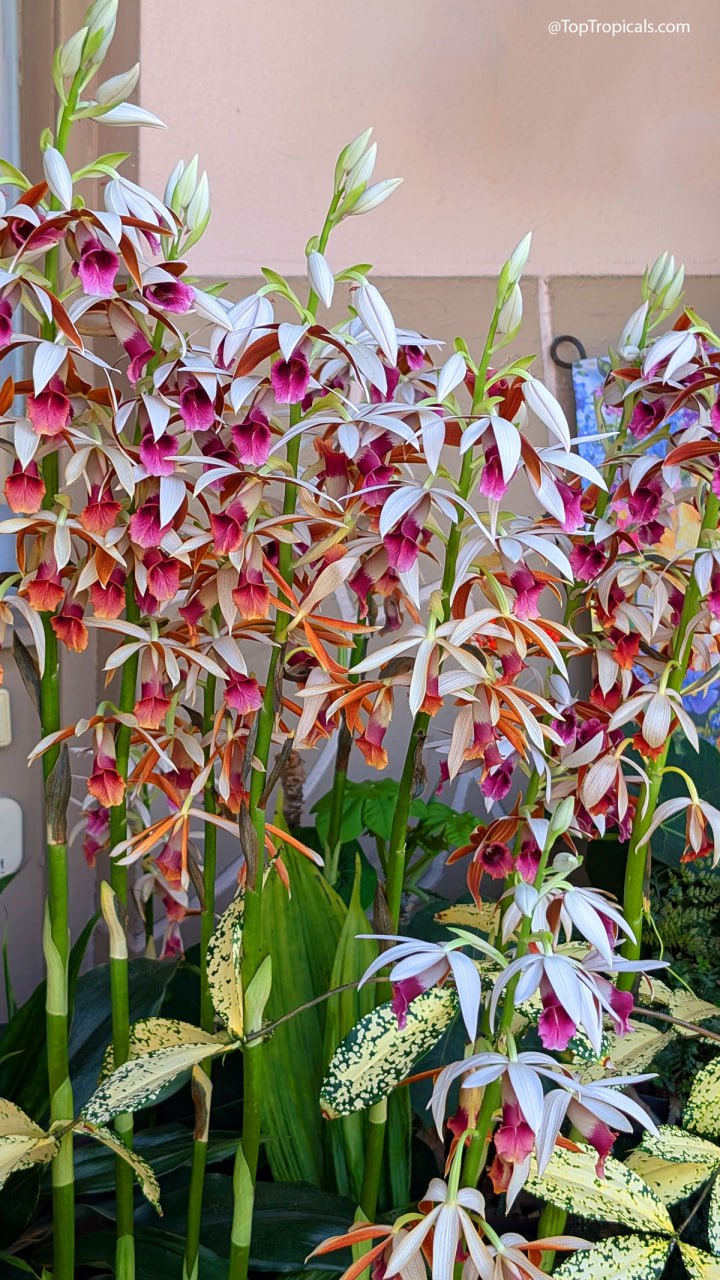
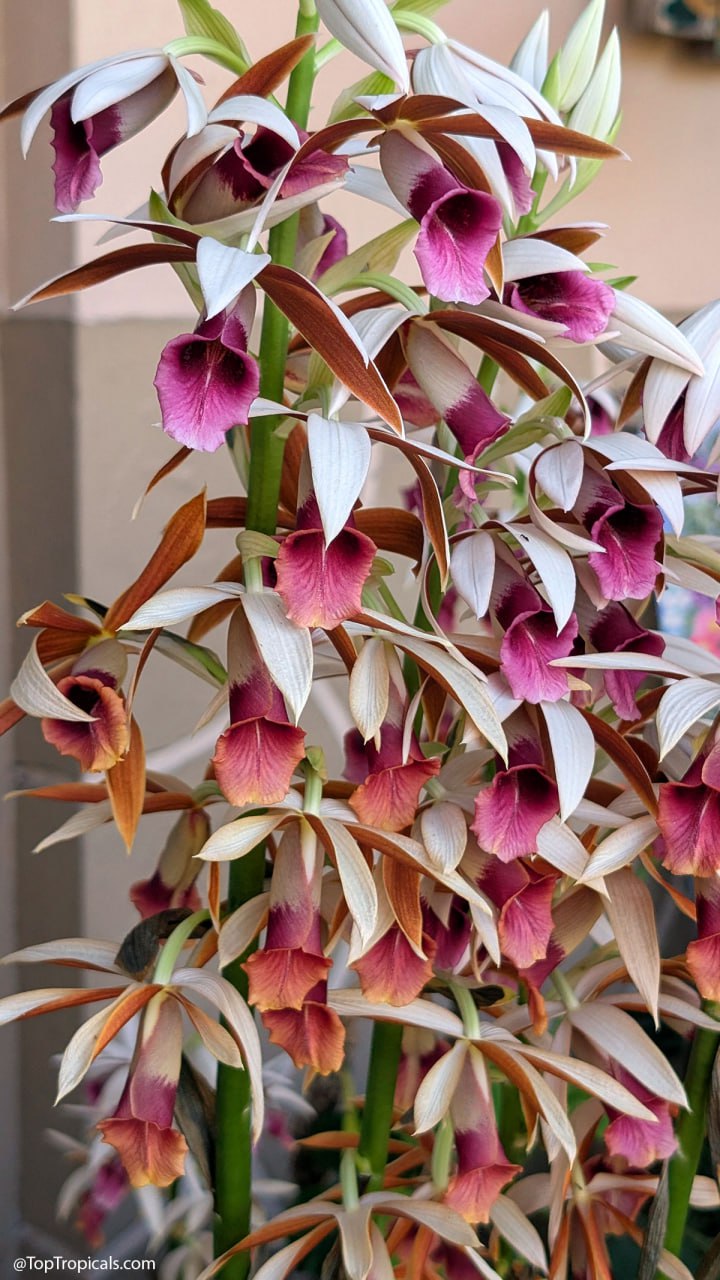
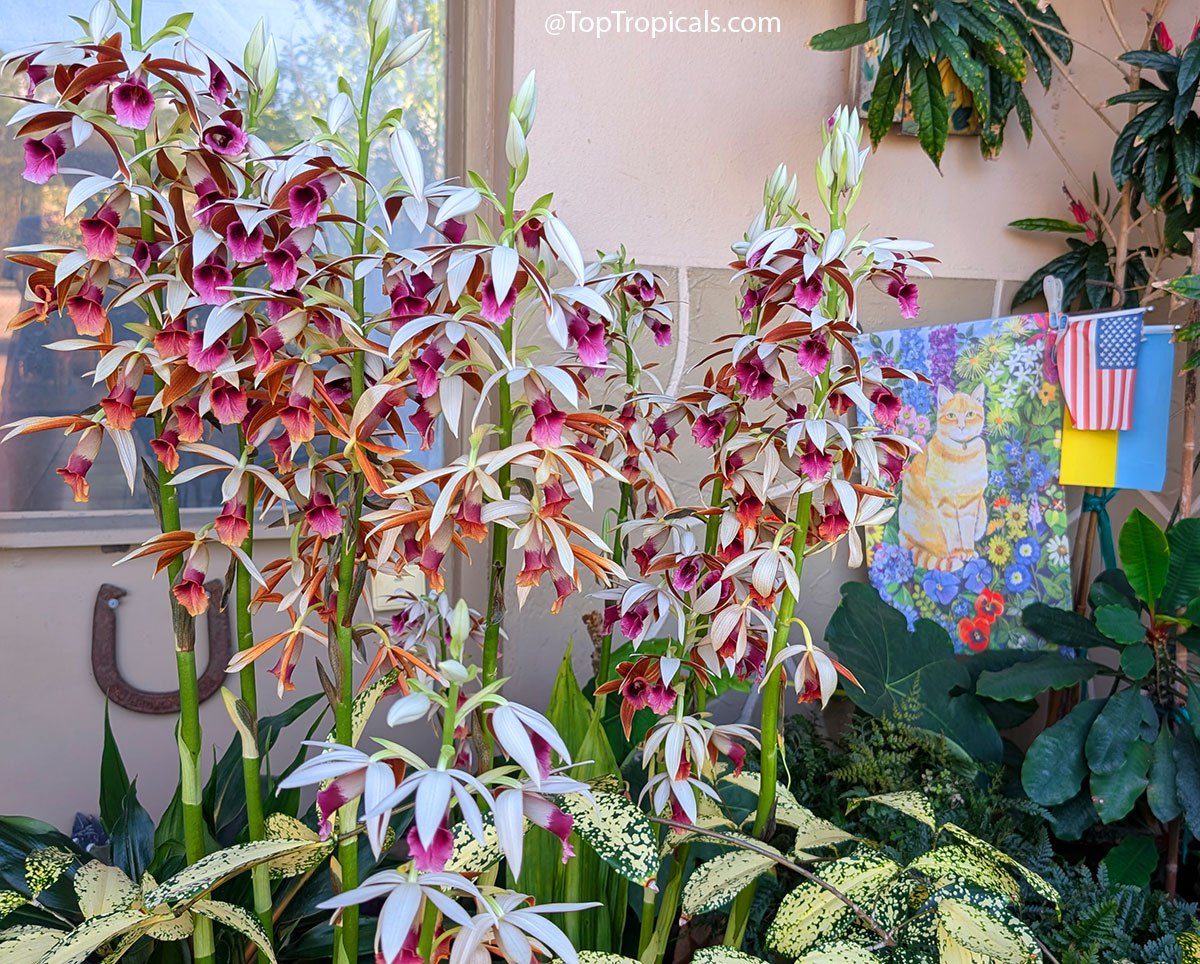
Just in time for spring: Nun Orchid blooms for months!

Phaius tankervilleae, Chinese Ground Orchid, Nut Orchid

Phaius tankervilleae, Chinese Ground Orchid, Nut Orchid

Phaius tankervilleae, Chinese Ground Orchid, Nut Orchid

Phaius tankervilleae, Chinese Ground Orchid, Nut Orchid

Phaius tankervilleae, Chinese Ground Orchid, Nut Orchid

Phaius tankervilleae, Chinese Ground Orchid, Nut Orchid

Just in time for spring: Nun Orchid blooms for months! 🌹

🌷 What a wonderful treat after a long cold winter: Nun Orchid (Phaius tankervillea) is putting on a full show right now in the garden - and it’s been going strong since February.

🌷 These plants were already loaded with buds before our Record 25F Florida Freeze, so I moved the two pots into the garage to protect them. Totally worth it - they came through beautifully and didn’t miss a beat.

🌷 Now they’re in full bloom and should keep going well into April. This is one of those rare orchids that just keeps going.

🌷 Unlike most orchids, Nun Orchid grows in regular soil. Big lush leaves, tall flower spikes, and it’s perfectly happy in filtered light - great for patios, containers, or a shady spot in your garden.

What’s blooming in your yard today?

🛒 Plant beautiful Nun Orchid

📚 Learn more:

Chinese Ground Orchid Plant Facts

Botanical name: Phaius tankervilleae
Also known as: Chinese Ground Orchid, Nun Orchid
USDA Zone: 9 - 11
Highligths Groundcover and low-growing 2ft plantSemi-shadeFull sunWatering: Moderate. Water when top soil feels dryRed, crimson, vinous flowersWhite, off-white flowersPlant attracts butterflies, hummingbirdsFragrant plant
Get personalized tips for your region

💋 Phaius tankervilleae – Chinese Ground Orchid in Plant Encyclopedia
💋 Why is it called Nun Orchid
💋 How to grow Ground orchids
💋 When Bamboo blooms with orchid flowers
💋 The prettiest flower for shade
💋 Ground orchids: all-summer colors
💋 Why do we love Ground Orchids
💋 Epidendrum radicans - Orange Reed Ground Orchid, Sunrise
💋 Terrestrial orchids
💋 What orchids can be grown in the ground

#Container_Garden #Shade_Garden

🟢 Join 👉 TopTropicals