Garden Blog - Top Tropicals

Date: 18 Oct 2025

Avocado leaf tea: island secret for a calm heart and blood pressure

Avocado leaf tea: island secret for a calm heart and blood pressure Avocado leaf tea: island secret for a calm heart and blood pressure

Avocado leaf tea: island secret for a calm heart and blood pressure


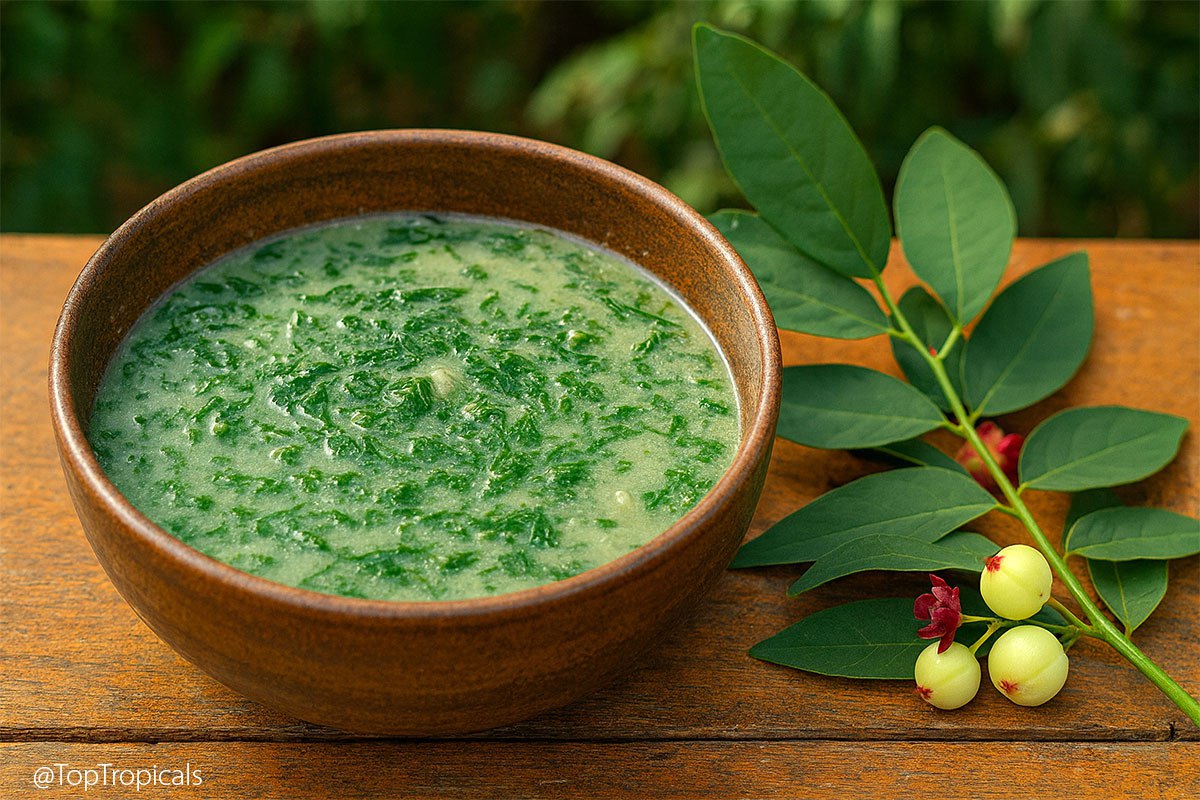
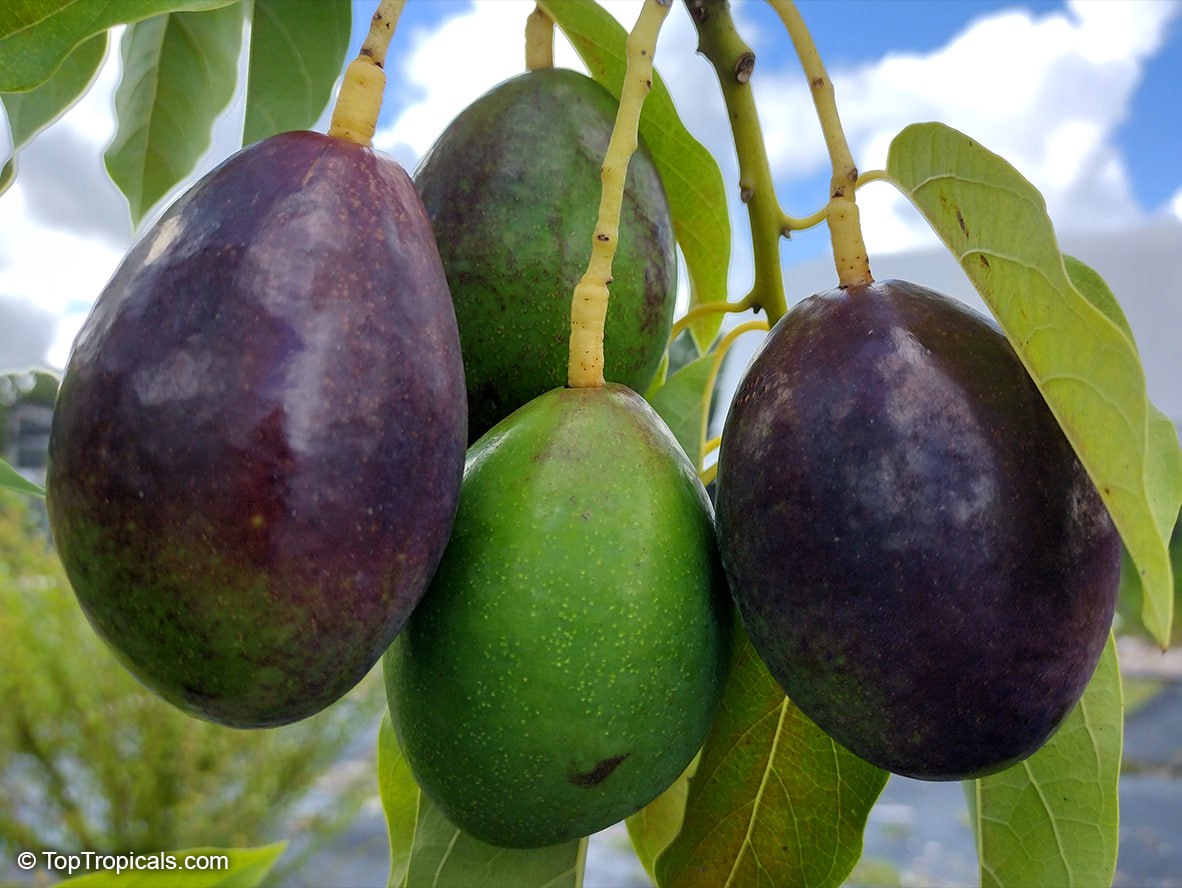
  • 🍃 You see that Avocado tree in your yard? Don't just love it for the fruit - the leaves carry magic too! Old folks in the tropics will tell you - never throw away the avocado leaves. They’ve been used for generations to brew a tea that helps steady the heart and ease high blood pressure.

  • 🍃 When life gets busy and your heart starts beating too fast, this tea helps it find its rhythm again. The leaf holds flavonoids and quercetin - fancy words for what nature been doing all along: keeping the blood flowing smooth and the body at peace. Folks say it also helps with digestion and keeps the liver happy.

  • 🍃 Avocado leaf tea

    Ingredients

    • 3 to 4 fresh avocado leaves
    • 2 cups water
    • Optional: honey, lemon, or cinnamon stick

    Instructions

    1. Rinse the avocado leaves well.
    2. Place them in a small pot with 2 cups of water.
    3. Bring to a gentle simmer and let it cook for about 10 minutes.
    4. Strain the tea and add honey, lemon, or cinnamon if desired.
    5. Sip slowly and enjoy the calm, earthy flavor.

  • 🍃 They say it helps the belly, calms the mind, and keeps the liver strong. Maybe that’s science, maybe it’s just island truth - but it surely does the body good! Some call it bush medicine, others just call it good sense. Either way, it’s a simple garden remedy that’s been soothing hearts long before pills and prescriptions came around.


🛒 Plant an Avocado tree and help your body stay healthy

📚 Learn more:


Tropical fruit and plants that help keep blood pressure in balance, Part 1, and Part 2.

#Food_Forest #Remedies #Discover #How_to

🟢 Join 👉 TopTropicals

Date: 16 Oct 2025

Stop watering your Monstera on a schedule - here is what it really wants!

Stop watering your Monstera on a schedule - here is what it really wants!

💦 Stop watering your Monstera on a schedule - here is what it really wants!


  • ☘️ Monstera might look like a big diva, but it's actually one of the easiest houseplants to keep happy, according to the gardening experts from Southern Living.

  • ☘️ The trick is not sticking to a strict watering schedule, but checking the soil. Water only when the top couple inches feel dry - usually every week or two in warm months and less in winter. Give it a good soak until water drains out the bottom, then let it dry again.

  • ☘️ Too much water is worse than too little – soggy soil means root rot. Signs of overwatering include yellow or droopy leaves, dark spots, or gnats buzzing around. Underwatering looks similar, but the soil will be bone dry. When in doubt, check the dirt!

  • ☘️ You can water from the top or let the pot sit in a shallow tray to soak from the bottom – just don’t let it sit in water. Bright, indirect light and a well-draining pot are your best friends. Keep that balance, and your Monstera will thrive for decades.


📸 In the photo: Rhaphidophora tetrasperma - Mini Monstera, Dwarf Monstera Ginny, a rare collectible for plant enthusiasts.

🛒 Shop Monstera plants

📚 Learn more:


#Food_Forest #Container_Garden #Shade_Garden #How_to

🟢 Join 👉 TopTropicals

Date: 16 Oct 2025

Grumichama jam: quick-n-fun exotic recipes

Grumichama jam: quick-n-fun exotic recipes Grumichama jam: quick-n-fun exotic recipes

🍴 Grumichama jam: quick-n-fun exotic recipes


  • 🔴Cook Grumichama cherries with sugar and lime juice.
  • 🔴A deep red jam with a cherry-meets-blackberry flavor.

Grumichama Jam: Quick-n-Fun Exotic Recipes

Ingredients

  • 2 cups fresh Grumichama cherries (Eugenia brasiliensis)
  • 1 cup sugar
  • 1 tbsp lime juice

Instructions

  1. Remove seeds from Grumichama cherries.
  2. Place fruit in a saucepan with sugar and lime juice.
  3. Simmer over low heat until thick and glossy, stirring often.
  4. Pour into sterilized jars and let cool before sealing.


🛒 Plant Grumichama tree (Eugenia brasiliensis)

📚 Learn more:


#Food_Forest #Recipes

🟢 Join 👉 TopTropicals

Date: 14 Oct 2025

Yes, you can grow a tropical fruit tree in a pot!

Yes, you can grow a tropical fruit tree in a pot! Yes, you can grow a tropical fruit tree in a pot!

🥭 Yes, you can grow a tropical fruit tree in a pot!


  • 🍒 If you dream of picking fresh tropical fruit - Mango, Avocado, exotiс Annona and more - but only have a patio, balcony, or small yard, you’re not out of luck. Many tropical fruit trees grow perfectly well in large containers. The key is choosing the right variety, pot, and care routine.

  • 🍒 Pick a compact tree type

Start with a dwarf or semi-dwarf variety. Regular tropical trees can grow huge, but container-sized cultivars stay under 8–10 feet and are much easier to manage. For example, Condo varieties of Mango like Pickering or Ice Cream stay small and still produce full-sized fruit. The same goes for Dwarf Avocados like Wurtz (also called Little Cado) and Sugar apples. Blackberry Jam fruit tree (Randia formosa) and Peanut Butter Fruit tree (Bunchosia argentea) are also excellent choices.

  • 🍒 Choose the right pot

Begin with a 5-gallon container and move up as the tree grows. A mature plant will be happy in a 20–25-gallon pot. Drainage is critical - roots will rot if the pot stays soggy. Use a sturdy plastic, ceramic, or wooden container with multiple holes in the bottom.

  • 🍒 Soil and watering

These trees all like loose, well-draining soil. Mix potting soil with perlite or pine bark for better aeration. Water deeply but not too often - let the top few inches dry before watering again. Overwatering is the quickest way to kill a potted tropical.

  • 🍒 Light and feeding

Full sun is a must - aim for at least 6 hours daily. Fertilize during the growing season with a balanced fruit tree or slow-release fertilizer like Green Magic or liquid Sunshine Boosters. Many tropicals appreciate an extra boost of micronutrients like iron and magnesium to keep their leaves green.

🍒 Cold protection and pruning


If you live where winters get chilly, move the pot indoors or into a greenhouse before frost. Prune lightly in spring to keep shape and airflow. Container trees can fruit heavily if given light, warmth, and consistent care.

At the end of the day, container culture lets you grow the tropics anywhere - from a city balcony to a backyard deck.

Next: The best tropical fruit trees for containers...

📸 Growing and fruiting Soursop in apartment (PDF download)

🛒 Explore tropical fruit trees

#Food_Forest #How_to #Discover

🟢 Join 👉 TopTropicals

Date: 13 Oct 2025

How long does it take for a mango tree to bear fruit?

How long does it take for a mango tree to bear fruit? How long does it take for a mango tree to bear fruit? How long does it take for a mango tree to bear fruit? How long does it take for a mango tree to bear fruit?
🥭 How long does it take for a mango tree to bear fruit?

  • 🥭 A Mango tree (Mangifera indica) grown from seed can take anywhere from 7 to 10 years to start fruiting, depending on conditions. Doesn’t sound too exciting, ah? Besides such a long wait, you never know how good the fruit will be – most likely it'll taste fibrous and not very sweet. Unless your cross-pollination was perfectly set between some top-notch parent cultivars, it's a gamble. Seedling results are always hit or miss.

  • 🥭 That's why you need a grafted tree – it fruits soon (in the ground or in a large container) and guarantees the quality of the fruit. There are hundreds of cultivated varieties to choose from: juicy, sweet, and flavorful. Some taste like pina colada, pineapple, or lemon meringue pie, others like peach sherbet or even guava! The mango flavor spectrum is broader than that of apples!

  • 🥭 So, you’ve got yourself a nice mango tree in a container and can’t wait for your first harvest. How soon?
  • Mango trees start flowering from early winter (early cultivars like Nam Doc Mai) to early spring (late cultivars like Keitt). One little tree can produce hundreds, even thousands of tiny flowers, but not all will set fruit. The younger the tree, the fewer fruits it can hold. Expect just a few the first year. Even if your mango sets a lot, don’t keep them all - let the young tree focus on establishing roots and strong growth. Leave 1-2 fruits and remove the rest. Your tree will thank you and grow fast and sturdy.

  • 🥭 By the second year, you can let your tree keep a bit more fruit. Young trees usually know their limits and will naturally drop any extra fruit they can’t support. Within 2–3 years, you’ll be harvesting good crops – enough to enjoy yourself and share with friends!

  • 🥭 Remember, a strong, healthy tree produces sooner and more. Feed it with Sunshine Mango Tango liquid booster or Green Magic controlled-release fertilizer, and protect it from frost, especially while young. Once established, your mango will reward you with reliable, abundant harvests year after year.


📸 In the photos: the trees in 7 gal pots are 2 years from grafting, and the trees in the ground are 1 year from the time of planting and 3 years from grafting.

🛒 Shop Mango varieties

📚 Learn more about #Mango and different varieties: #Mango_Rainbow

#Food_Forest #Mango

🟢 Join 👉 TopTropicals