Garden Blog - Top Tropicals

Date: 6 Dec 2025

🌿 Bring the Jungle Inside: Winter Survival Guide Part 2.Temperature. ❄️

Smokey  the  tuxedo  cat  checks  thermometers  by  a  cold  window  while  Sunshine  the  ginger  tabby  relaxes  near  a  heater  holding  a  room  thermometer  showing  74  F.

Smokey: Too cold. We need more heaters so the plants feel comfortable.
Sunshine: I feel comfortable.
Smokey: You are not part of my plant collection, but I am glad you are comfortable.

🌡️ TEMPERATURE: THE TROPICAL DORMANCY LINE

In Part 1 (Winter Survival Guide: Temperature) we covered the foundation: light, placement, and acclimation. That is the survival layer.

Most tropicals stop growing below 70 to 75 F. They stay green, but their engine shuts down.

Below 70F:

  • Water intake drops.
  • Roots slow down.
  • Fertilizing becomes risky.
  • Root root becomes easy.

If you WANT your plants to grow in winter, you must take care of everything: Warmth, light, humidity, water. It all works together.

  • Aim for 75 F with bright light. Water lightly. No fertilizer.
  • Watch out for drafts. Cold windows. Door blasts. Garage entryways. Even one gust can trigger leaf drop.
  • Vents are the opposite problem: hot, dry, dusty air. That gives you crispy edges and mites.
  • Root zone temperature matters just as much as room air. Your thermostat may say 72 F, but your pot on a tile floor may be sitting at 55 F. Fix this by elevating pots on boards or stands. Use Styrofoam. Never keep pots directly on cold tile o windowsill
  • Extra winter heat: Space heaters are fine if used smartly. Do not blow hot air directly on plants. Keep heaters away from cords, trays, and water. Oil filled radiators are the safest option for plant rooms.
  • Use a humidifier if you want growth or want to prevent spider mites. But do not blow mist directly onto leaves. Always place the unit lower than the plant canopy.
  • Grouping helps. Put tropical plants close together to share humidity. Do not mix succulents with humidity lovers.
  • Cats and dogs love to knock over lights and stands. Secure your fixtures. Trust us.
  • Airflow: Light airflow is healthy. Direct fan blast is not. Still, dry corners invite mites.
  • A mild night drop is OK. A big one below 55 F will stop growth completely.
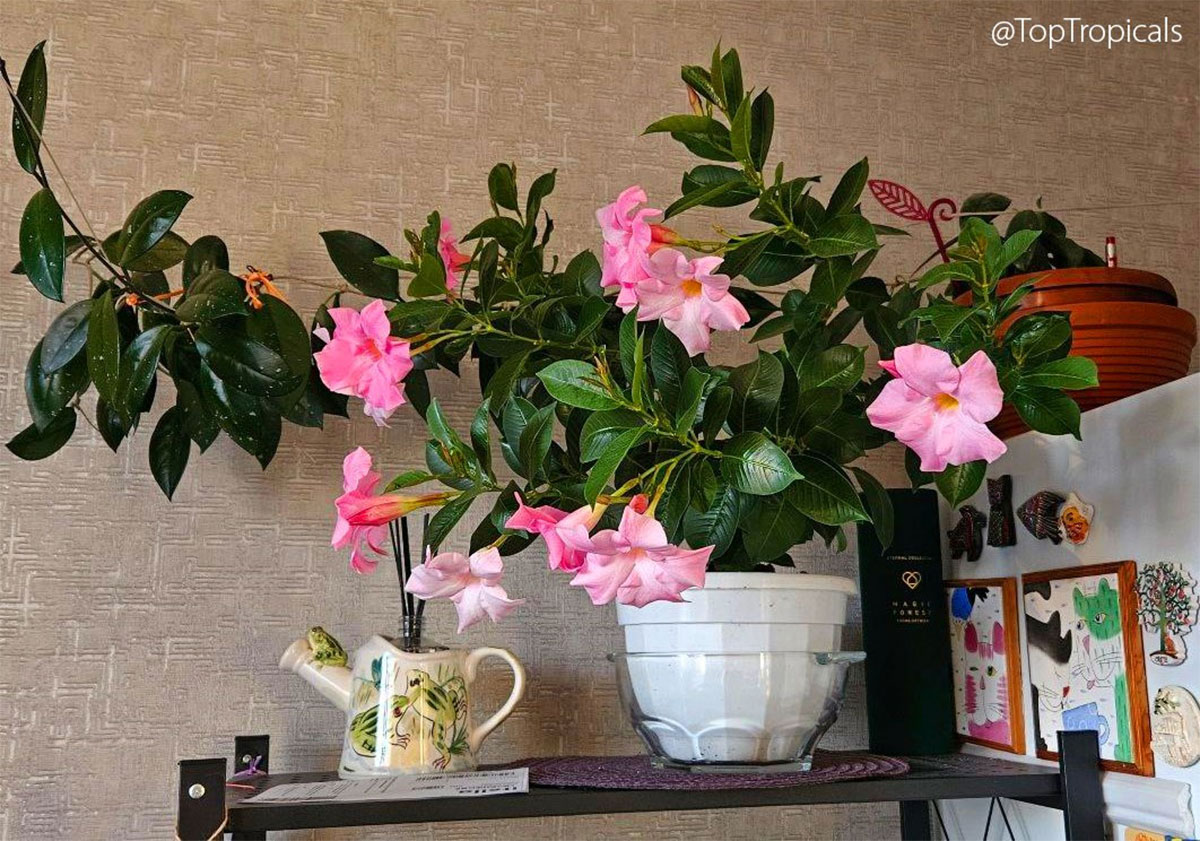
Pink  mandevilla  vine  blooming  indoors  in  a  white  pot  on  a  shelf.

A mandevilla thriving indoors with bright pink blooms and glossy green leaves.

☂️ PLACEMENT: MICROCLIMATES RULE EVERYTHING

Indoors is one big tradeoff: light but cold near windows, warm but dim away from them. The winning combo is a warm room with supplemental light.

Best zones to keep plants in winter:

  • South or east windows with additional light
  • Warm living spaces
  • Bright bathrooms for natural humidity

Worst zones to keep plants in winter:

  • Behind curtains
  • Directly on windowsills
  • Near heaters or vents
  • Against cold exterior walls
  • Dark corners without supplemental lighting
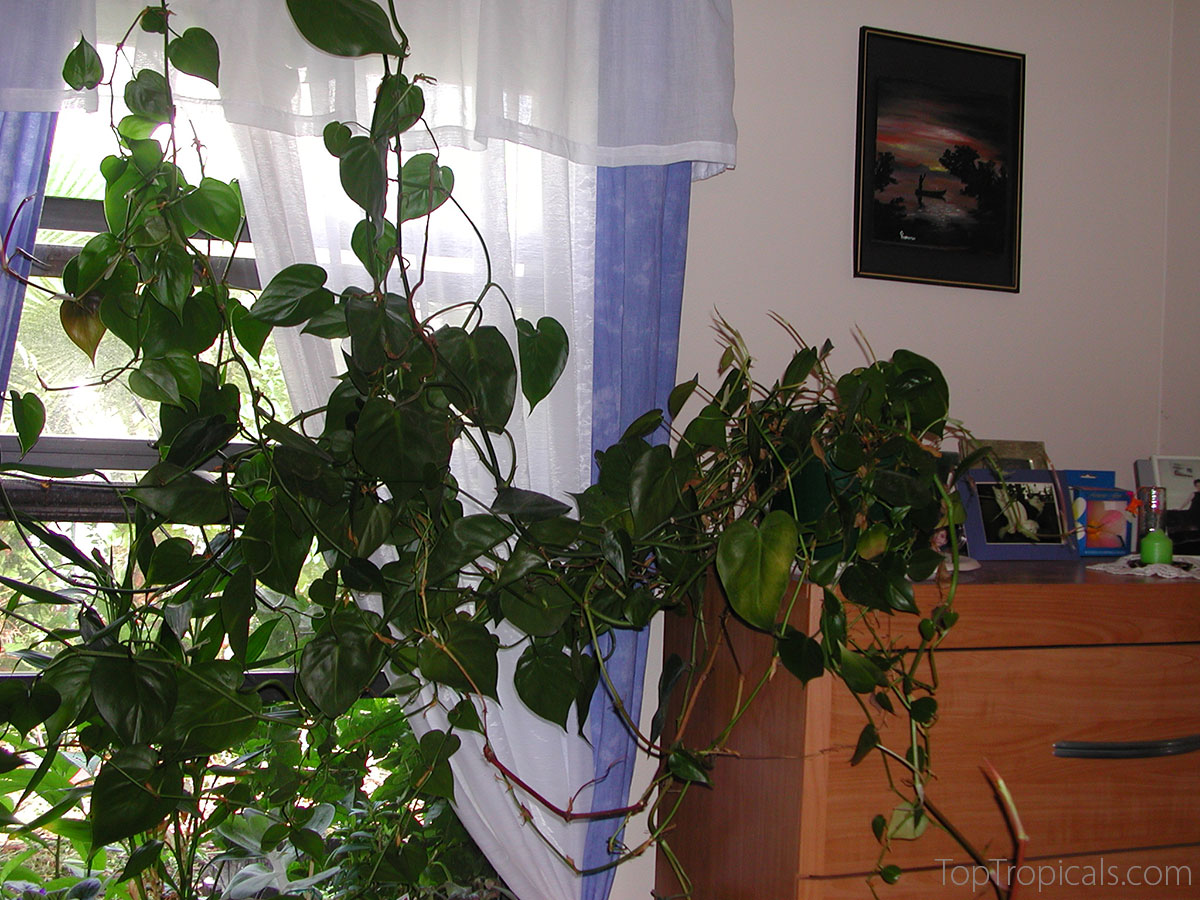
Large  philodendron  vine  growing  indoors  across  a  window  and  dresser.

A vigorous indoor philodendron stretching across the window.

💨 ACCLIMATION

Moving a plant from outdoors to indoors is a shock. Light drops. Humidity drops. Airflow stops. Soil cools. Even healthy plants may drop some leaves for a few weeks. That is normal.

Before you bring them inside:

  • Rinse foliage to remove dust and pests. We recommend Sunshine NoBug - and organic, safe solution.
  • Check for ants.
  • Trim weak branches.
  • Treat soil if fungus gnats are present.

Try to bring plants inside before the first cold front, not after. If you are reading this too late, do the prep now and expect a little leaf drop.

If you nail light and temperature, winter becomes simple. In the next mail-list we will cover watering, fertilizer timing, humidity, and other indoor tricks that keep tropicals happy till spring. Stay tuned.
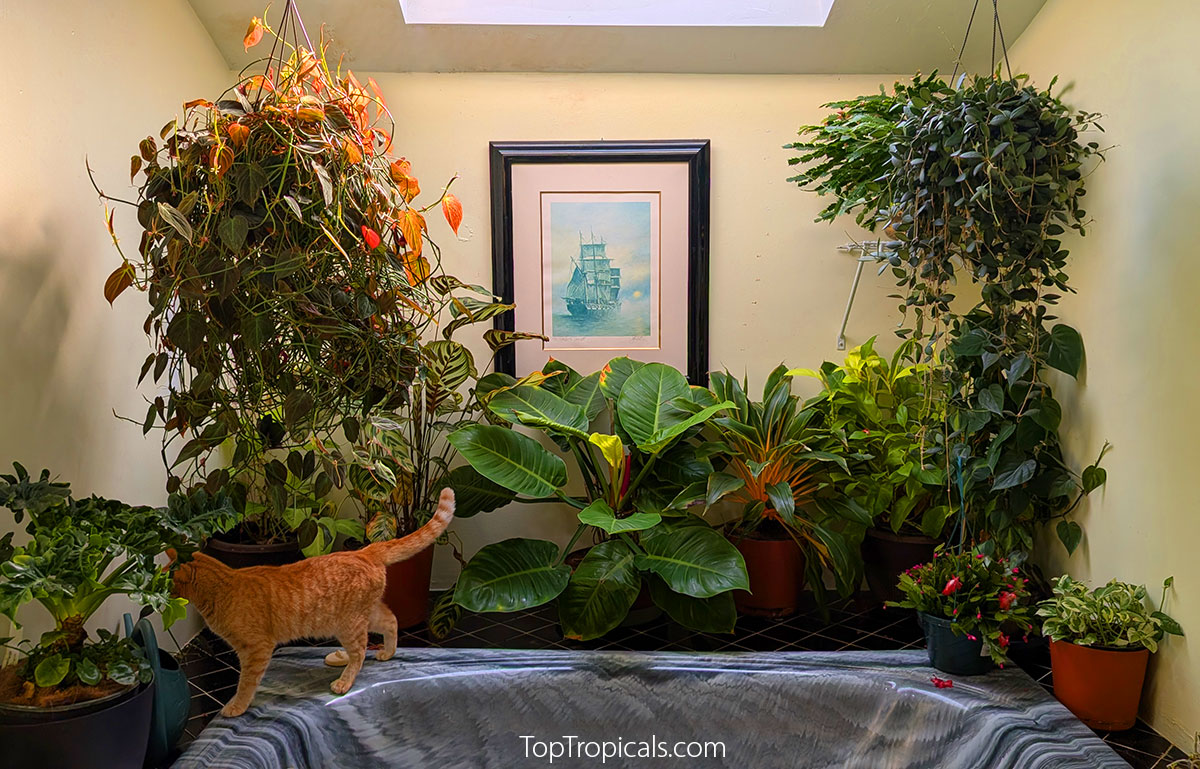
Indoor  bathroom  garden  with  tropical  plants  under  a  skylight  and  an  orange  cat  walking  in  front.

Cat Bob is inspecting his indoor garden around the tub with a bright skylight


✔️ WINTER INDOOR FAQ: TEMPERATURE AND PLACEMENT

Q: Why are leaves dropping only on the window side?
A: Cold glass. The room may be warm, but the glass surface can be much colder.

Q: Is a cold room OK for tropicals?
A: They may survive, but they will not grow below about 65F to 75F. When nights stay below 65F for a week, many plants enter dormancy.

Q: My room feels warm. Why is my plant still not growing?
A: Check the soil temperature. Pots on cold tile can be 10 to 20F colder than the air.

Q: Can plants sit directly on the floor?
A: Not on cold tile. Always elevate them on boards, stands, or trays.

Q: Is it OK to keep plants near a heater or vent?
A: No. Vents and heaters blast hot, dry air and cause crispy leaves and mites.

Q: My plant is dropping leaves after coming indoors. Why?
A: Normal acclimation to reduced light and humidity right after the move.

Q: Can I keep plants in a bright bathroom?
A: Yes. Bathrooms can have good humidity. Just keep pots off cold tile.

Q: Do I need a humidifier?
A: Not for survival. Yes if you want better growth and fewer pests like spider mites.

Q: Do I need a grow tent?
A: No. A bright LED plus a warm room is enough for winter holding.

Q: Should I fertilize in winter?
A: Not now. Winter fertilizer rules will be covered in the next mail-list.

Q: Should I water the same as in summer?
A: No. Indoor plants need much less water in winter. Watering rules also coming soon.

🛒 Shop Indoor Garden


Indoor  plants


📚 Learn more:


Date: 28 Nov 2022

Quick Peak - coming soon:
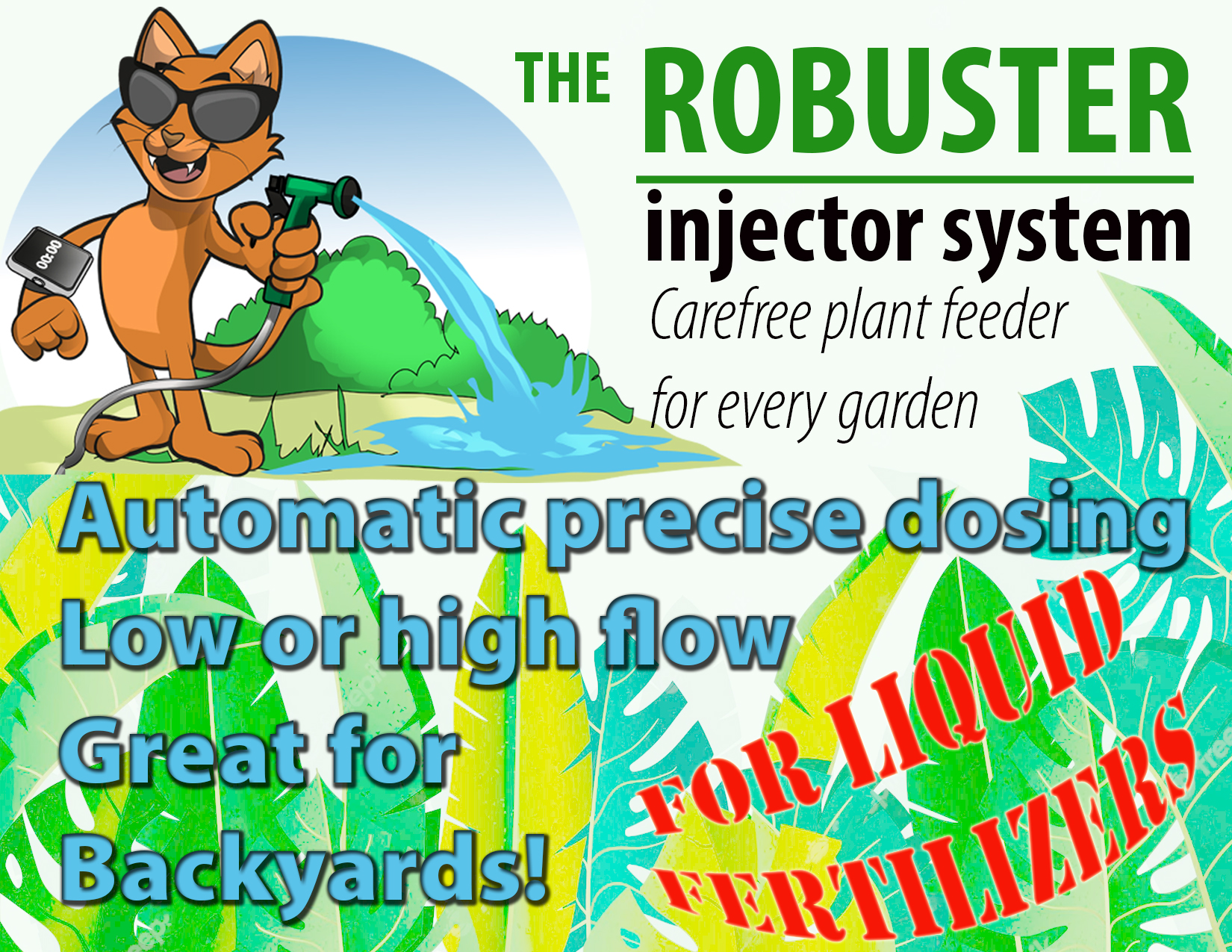
The Robuster Smart Injector System

At B-Farm, we also demonstrated our first prototype of The Robuster - an automatic care-free plant feeder for liquid fertilizers. This smart electronic device has been developed in the past few months by our engineers in Ukraine. Yes, these heroic people continue their creative work amid the terrible war, during power blackouts, often with no light and no heat. In just the past few months they managed to design this unique and affordable smart injector that will be available soon for every gardener, for every backyard!
Check back with us for more information, pictures, video, prices - The Rubuster will be available for sale and installation soon!

The  Robuster  injector  system

Date: 23 Jul 2024

What is your cat

What is your cat What is your cat What is your cat
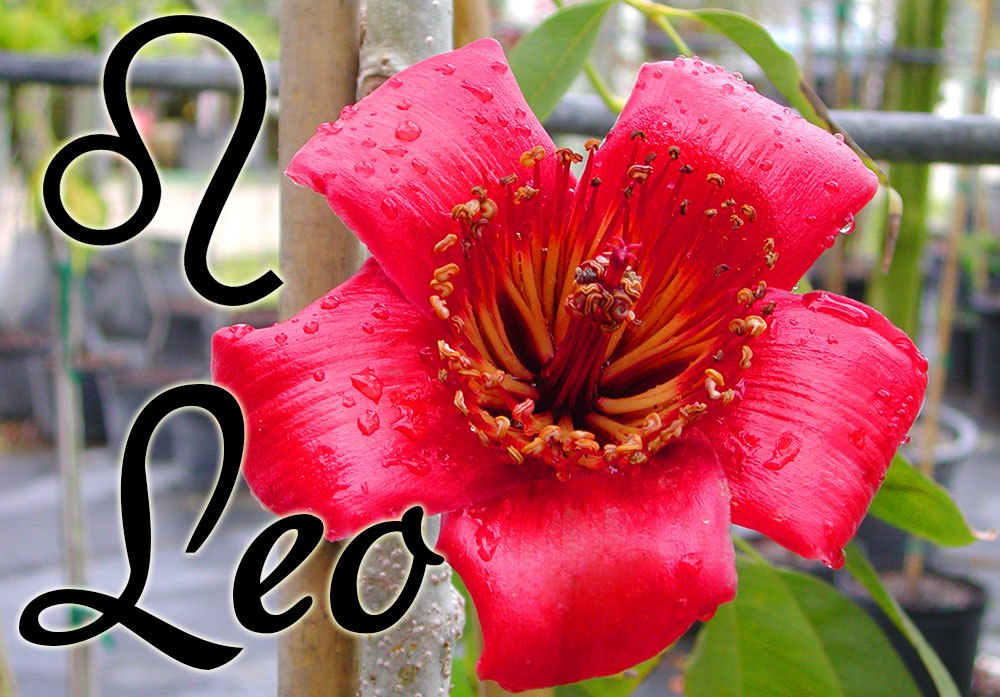
♌️ 😵 What is your cat's Zodiac sign?
Cat Horoscope - Leo Zodiac Cats 07/23-08/22

How to know the astrological sign of your cat? It can be determined by either their date of birth or adoption, as adoption is often considered a second birth for cats.

  • ✨ You can discover the astrological traits that describe the cat, such as their independence, diva-like tendencies, sense of humor, intelligence, and more.

  • ✨ It's also important to consider the astrological relationship between cats and plants...


♌️ Leo Zodiac Cats are:
  • ▪️with great pride
  • ▪️commanding, fond of power
  • ▪️independent
  • ▪️courageous, brave, fearless
  • ▪️majestic and laid-back lazy
  • ▪️sybarite, love all beautiful, including plants, especially lush and bright


🌟 Learn more about Leo Zodiac Cats and their lucky plants

#PeopleCats #Horoscope

. . . . . . . . . . . . . . . . . . . . . . . .
🔴 Join 👉 TopTropicals
. . . . . . . . . . . . . . . . . . . . . . . .

Date: 8 Nov 2024

Why you should grow your own Pomegranate Tree:
The "Fruit of Miracles" in your backyard

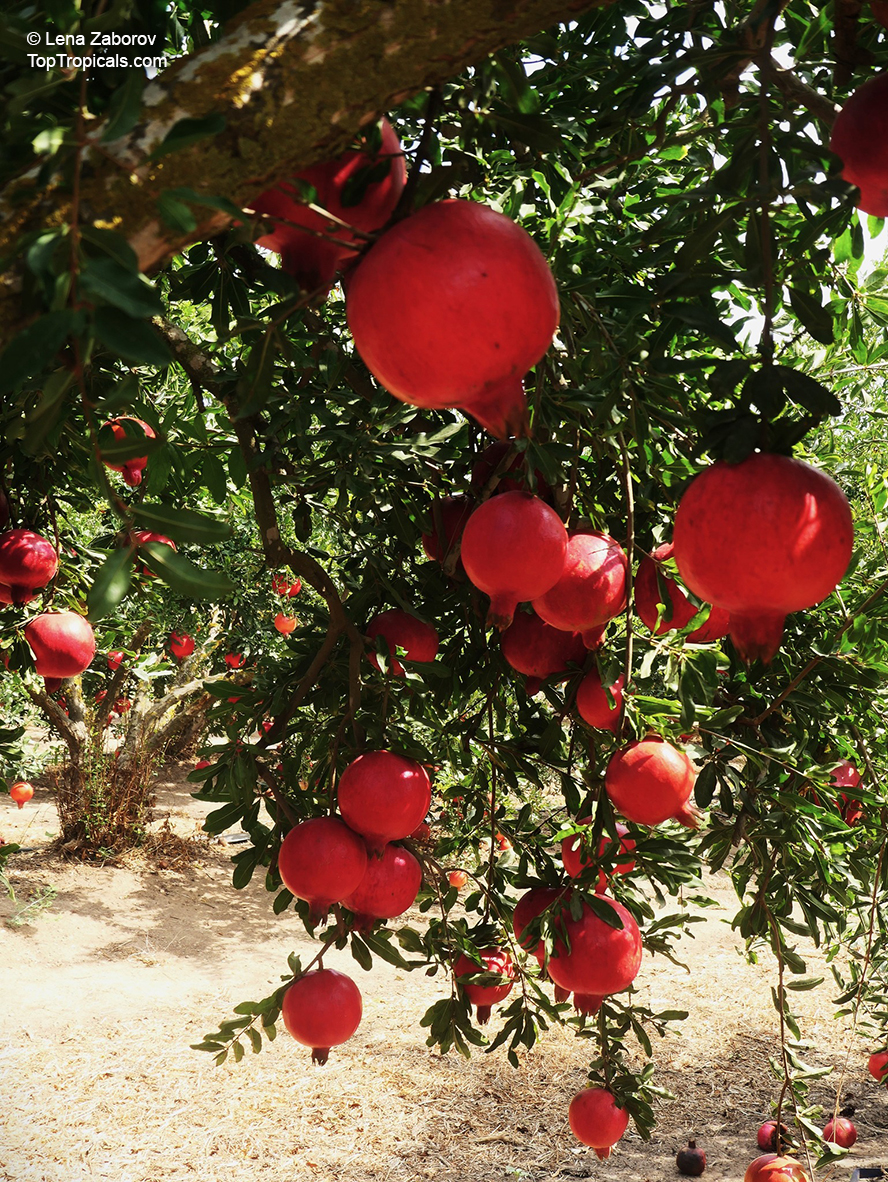
Pomegranate  tree  with  fruit

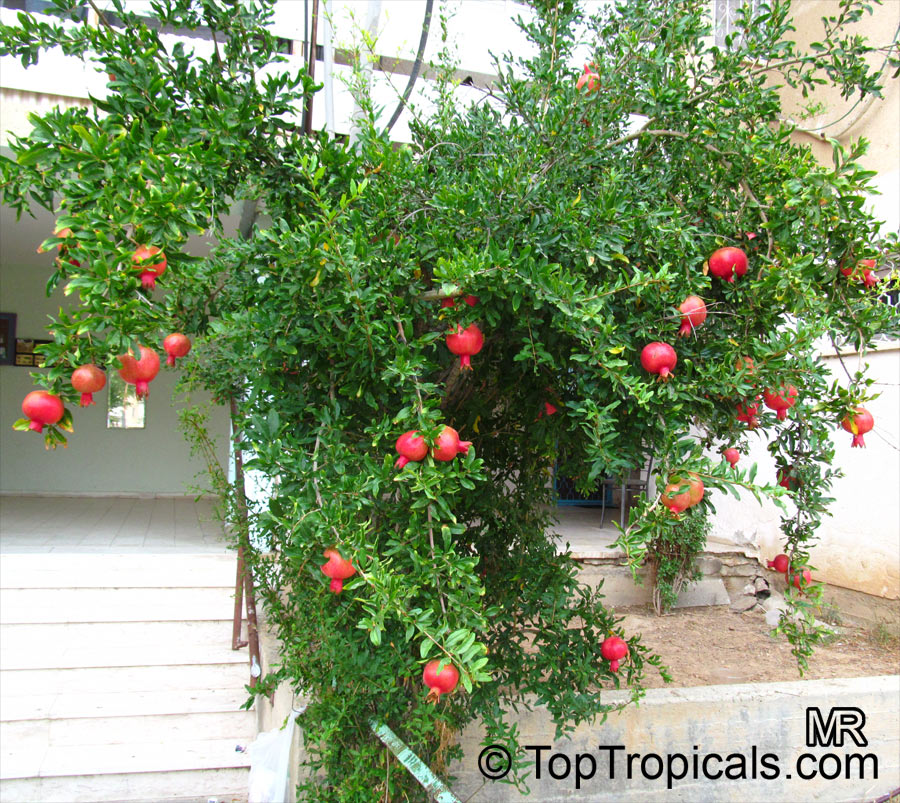
Pomegranates aren't just pretty to look at - they're packed with nutrients that make them a true "fruit of miracles". Adding a pomegranate tree to your garden can offer you a bountiful supply of this health-boosting superfruit and bring a bit of Mediterranean charm to your backyard.

Health Boosters in Every Bite

Pomegranates are loaded with antioxidants, vitamins, amino acids, and minerals. These nutrients work wonders for your health, from boosting hemoglobin levels to strengthening your immune system. Here's why this gem of a fruit deserves a spot in your diet (and your garden):

Antioxidant Power: Pomegranates are rich in antioxidants that fight off free radicals - those pesky molecules that can damage cells and lead to various diseases.

Heart Health Hero: They can reduce cholesterol and improve blood flow, lowering your risk of cardiovascular issues. Plus, they're known for increasing hemoglobin!

Blood Sugar Support: Pomegranate helps regulate blood sugar and offers a whole range of benefits, from diuretic and anti-inflammatory effects to even a little pain relief!

Beauty Booster: This fruit has benefits for your teeth, can help prevent hair loss, and even promotes youthful-looking skin.

Seeds of Goodness

Ever thought about tossing those pomegranate seeds? Think again! Eating the seeds can help keep your gut and hormones in check. These tiny bits are packed with oils that do wonders for your skin, blood vessels, and heart.

How often to indulge?

To enjoy the maximum benefits, you can eat one pomegranate daily or drink 300 ml of juice. Try to do this 30-40 minutes before a meal to prepare your stomach for digestion.

So, why not give this "miracle fruit" a home in your garden? You'll have a natural health booster right at your fingertips, ready to add a pop of flavor and color to your meals!

Pomegranate  tree  with  fruit

Date: 3 May 2024

Why Noni is a superfood?

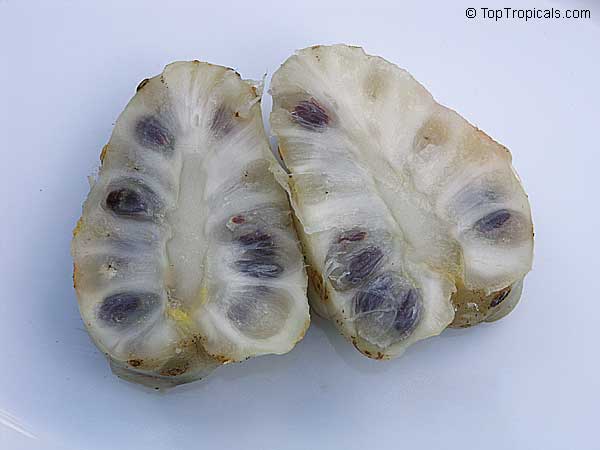
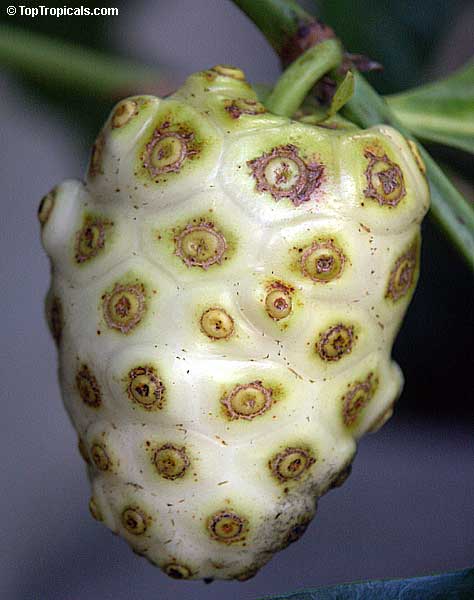
Morinda citrifolia - Noni tree, fruit

Morinda citrifolia - Noni tree, fruit

Morinda citrifolia - Noni tree, fruit

Morinda citrifolia - Noni tree, fruit

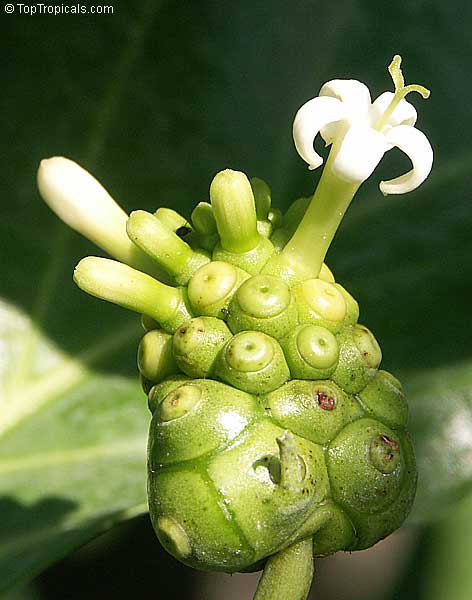
Morinda citrifolia - Noni tree fruit and flower

Morinda citrifolia - Noni tree fruit and flower

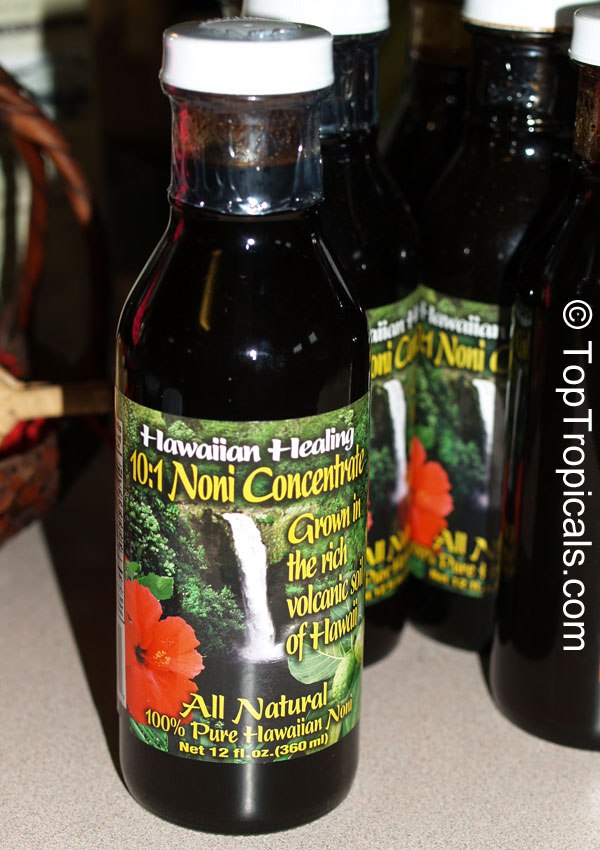
Morinda citrifolia - Noni tree juice

Morinda citrifolia - Noni tree juice

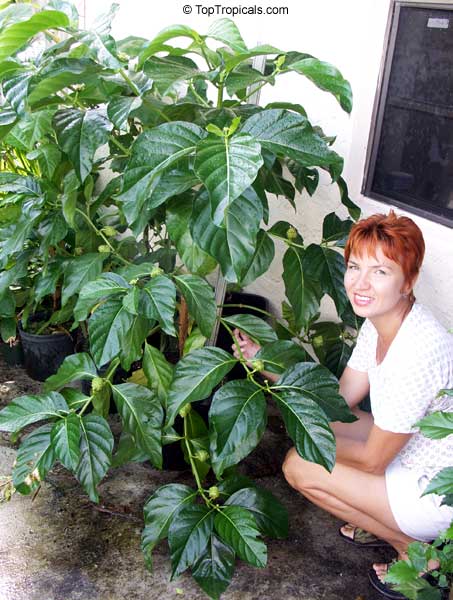
Morinda citrifolia - Noni tree

Morinda citrifolia - Noni tree

💪 Why Noni is a superfood?


We mentioned Noni fruit in our previous post as a fruit that keeps you young.

This beautiful small tree with lush foliage is very undemanding, and can be grown as a houseplant.

What is the secret of Noni power?

Noni juice, derived from the fruit of the Morinda citrifolia tree, has many medicinal effects:

1 Antioxidant properties: lowering the risk of chronic diseases.

2 Anti-inflammatory effects: help conditions like arthritis.

3 Immune system support: immune-boosting due to its high content of vitamin C and other compounds, reducing the risk of infections.

4 Digestive health: improves digestion and regularity.

5 Pain relief: joint pain, headaches, and cramps.

6 Cardiovascular health: lowers cholesterol levels and improves blood circulation

7 Liver health: protects the liver from damage caused by toxins and free radicals

8 Anti-cancer properties: may help inhibit the growth of cancer cells

9 Skin health: soothes irritated skin, promote wound healing

10 Energy and vitality: boosts energy levels, improves stamina.

🛒 Get your own Noni Tree

#Food_Forest #Container_Garden #Remedies

🏵 TopTropicals