Garden Blog - Top Tropicals

Date: 11 Jan 2026

How to lose weight naturally with tropical fruit and plants

Fat orange cat on treadmill with tropical fruit that help lose weight naturally

Fat orange cat on treadmill with tropical fruit that help lose weight naturally

🍑 How to lose weight naturally with tropical fruit and plants


🏃‍♀️ Losing weight isn’t about starving yourself - it’s about supporting your body with the right nutrients and keeping things balanced. Plants can help by boosting your metabolism, keeping you full longer, improving digestion, and regulating blood sugar. When you build a food forest with the right plants, you’re investing in long-term health that tastes good and feels good.

🏆 15 TOP TROPICAL plants and fruits that naturally help with weight management:


💚 Papaya – Contains enzymes like papain that aid digestion, and it’s high in water and fiber—great for feeling full.
💚 Mango – Supports fat metabolism and reduces inflammation. Its fiber helps regulate appetite and digestion.
💚 Avocado – Full of healthy fats and fiber, avocado helps you feel satisfied longer and supports steady energy levels.
💚 Banana – Rich in resistant starch (especially when underripe), bananas help support gut health and fat metabolism.
💚 Jackfruit – High in fiber and low in fat, this fruit keeps blood sugar steady and supports slow, sustained energy.
💚 Yerba Mate – A natural tea with gentle stimulant properties that may help reduce appetite and increase fat burn.
💚 Moringa – Known as a superfood, moringa helps regulate blood sugar and boosts metabolism with powerful nutrients.
💚 Galangal (Thai Ginger) – Supports digestion and contains compounds that may help increase fat burning, like regular ginger.
💚 Cinnamon – Can improve insulin sensitivity and help with sugar cravings, making it easier to stay on track.
💚 Insulin Ginger (Costus igneus) – Traditionally used to manage blood sugar, it also supports digestion and energy. Chewing the spiraled leaves or brewing them as tea is a natural way to get more from your garden.
💚 Dragon Fruit – Extremely high in fiber, dragon fruit supports healthy digestion and helps regulate metabolism, which can aid weight loss.
💚 Pomegranate – Used for centuries in Ayurvedic medicine to improve metabolism. Its antioxidant-rich juice supports fat burning and digestion.
💚 Tea Leaf Tree (Camellia sinensis) – The source of green, black, and white tea. These teas are linked to metabolism boost, heart health, and appetite regulation.
💚 Noni – A powerhouse fruit traditionally used for inflammation, immune health, blood sugar balance, and metabolism support. It may also help reduce fat accumulation and boost overall vitality.
💚 Canistel (Eggfruit, Pouteria campechiana) is a naturally sweet, nutrient-dense fruit that helps curb sugar cravings while keeping you full longer. Its rich fiber content and slow-digesting carbs make it a great choice for supporting weight management without reaching for processed snacks.

❗️When you grow these plants in your home garden or food forest, you're not just planting food - you’re planting tools for better health.
And bonus: gardening itself keeps you active and stress-free, which is another win for your waistline.


🛒 Explore tropical fruit and edibles

📚 Learn more about natural weight loss with plants:


Tropical fruit health benefits guide: Part 1 and Part 2.
How to make lots of Insulin Ginger plants quickly and get more health benefits
Truth about which fruit helps you lose weight faster: Mango or Papaya?
Jambolan health and life benefits
Health benefits of dragon fruit
Weight loss with Noni
Healing drops of blood: why Pomegranate is a superfood

#Food_Forest #Remedies #Discover

🟢 Join 👉 TopTropicals

Date: 10 Jan 2026

No fixed plans!

Cat Philemon in a bag

Cat Philemon in a bag

😰 No fixed plans!


"A good traveler has no fixed plans and is not intent on arriving." - Lao Tzu

🐈📸 Cat Philemon always has his travel bag ready - TopTropicals PeopleCats.Garden

#PeopleCats #Quotes

🟢 Join 👉 TopTropicals

Date: 10 Jan 2026

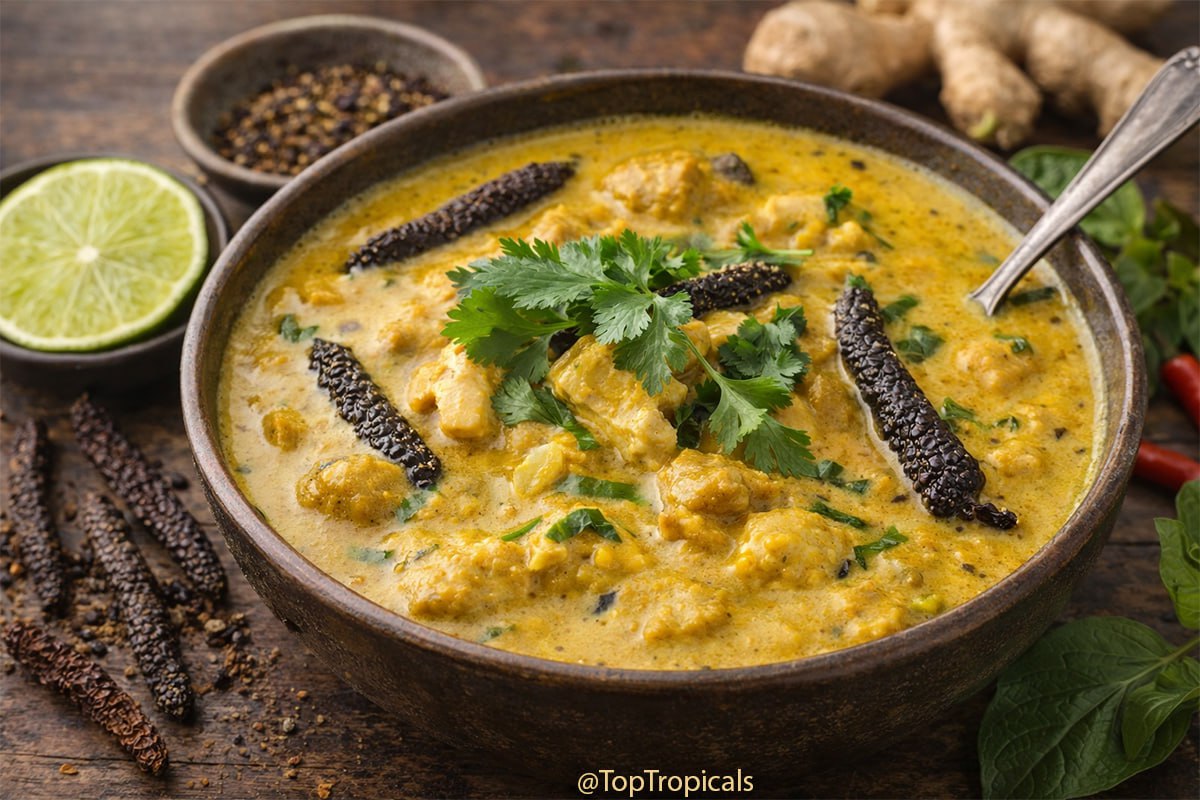
Long pepper curry: quick-n-fun exotic recipes

Long pepper curry

Long pepper curry

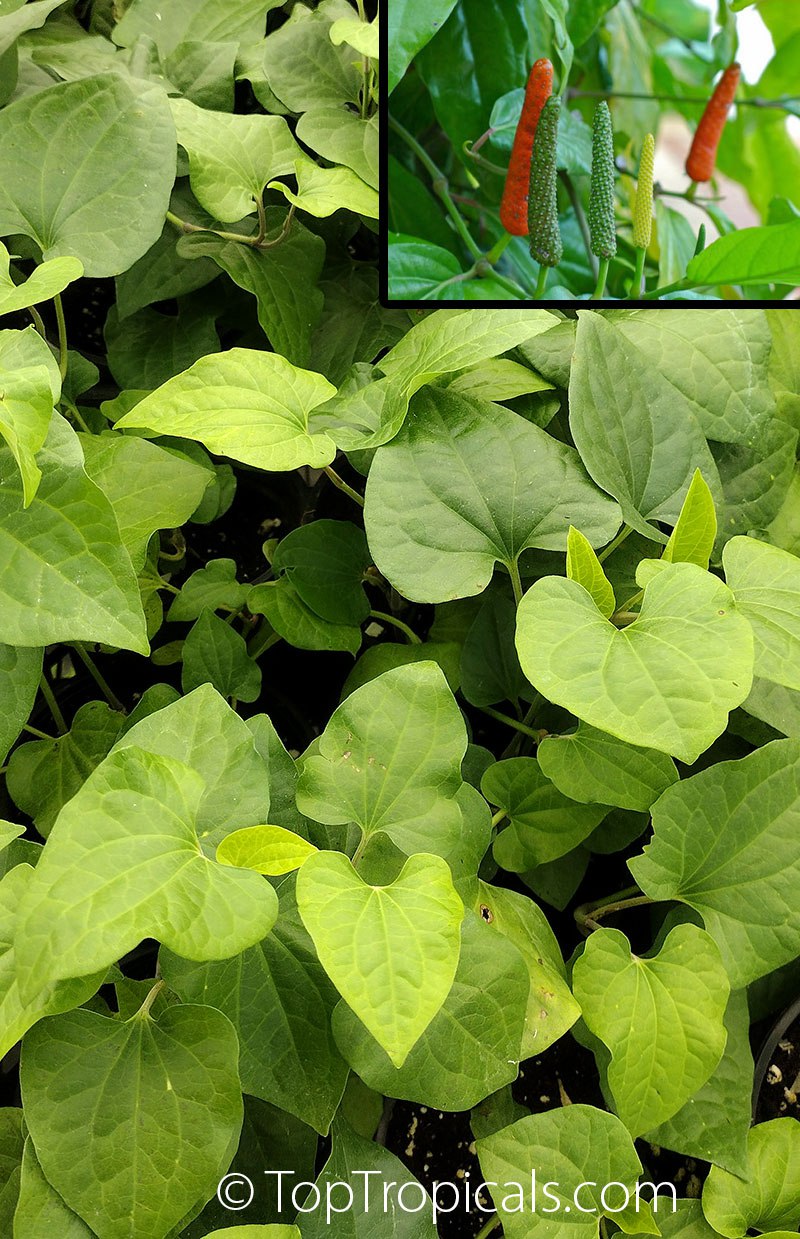
Piper longum - Indian Long Pepper, Bengal Pepper or Pippali

Piper longum - Indian Long Pepper, Bengal Pepper or Pippali

🍴 Long Pepper Curry (Quick-n-Fun Exotic Recipe)

Ingredients

  • 1 can (13.5 oz) coconut milk
  • 1/2 tsp crushed dried long pepper (Piper longum)
  • 1 tbsp vegetable or coconut oil
  • 1 small onion, finely chopped
  • 2 cloves garlic, minced
  • 1 tsp fresh grated ginger
  • 1/2 tsp turmeric
  • Salt to taste
  • Fresh cilantro for garnish (optional)

Instructions

  1. Heat oil in a pan over medium heat.
  2. Add onion and saute until soft and translucent.
  3. Add garlic, ginger, turmeric, and crushed long pepper. Stir for 30 seconds.
  4. Pour in coconut milk and bring to a gentle simmer.
  5. Cook for 8 to 10 minutes, stirring occasionally.
  6. Season with salt and garnish with cilantro before serving.

🌿 About the plant:


Indian long pepper, also known as Pippali or Bengal pepper (Piper longum), is an ancient spice and medicinal plant from South Asia. Closely related to black pepper, it has a warmer, slightly sweeter heat and a complex aroma. Long pepper has been used for centuries in traditional medicine for respiratory and digestive support, including coughs, congestion, and stomach discomfort.

🌱 In the garden:


Piper longum grows as a climbing vine or shrubby climber that can be trained on a trellis, fence, or tree. It prefers warm conditions, regular moisture, and shade to partial shade. The plant starts with heart-shaped leaves that become more elongated as it matures, making it both useful and ornamental in tropical and subtropical gardens.

🛒 Add an easy plant - Indian Long Pepper - to your garden

📚 Learn more:

Bengal Pepper Plant Facts

Botanical name: Piper longum
Also known as: Bengal Pepper, Indian Long Pepper, Pippali, Piplamul
USDA Zone: 9 - 11
Highligths Large shrub 5-10 ft tallVine or creeper plantFull sunWatering: Regular. Let topsoil dry slightlySpice or herb plantEthnomedical plant.
Plants marked as ethnomedical and/or described as medicinal, are not offered as medicine but rather as ornamentals or plant collectibles.
Ethnomedical statements / products have not been evaluated by the FDA and are not intended to diagnose, treat, cure, or prevent any disease. We urge all customers to consult a physician before using any supplements, herbals or medicines advertised here or elsewhere.
Get personalized tips for your region

Piper longum - Indian Long Pepper, Bengal Pepper or Pippali - in Plant Encyclopedia
How to grow your own Pepper plants. Five most valuable 'Pipers'

#Food_Forest #Recipes #Remedies

🟢 Join 👉 TopTropicals

Date: 2 Jan 2026

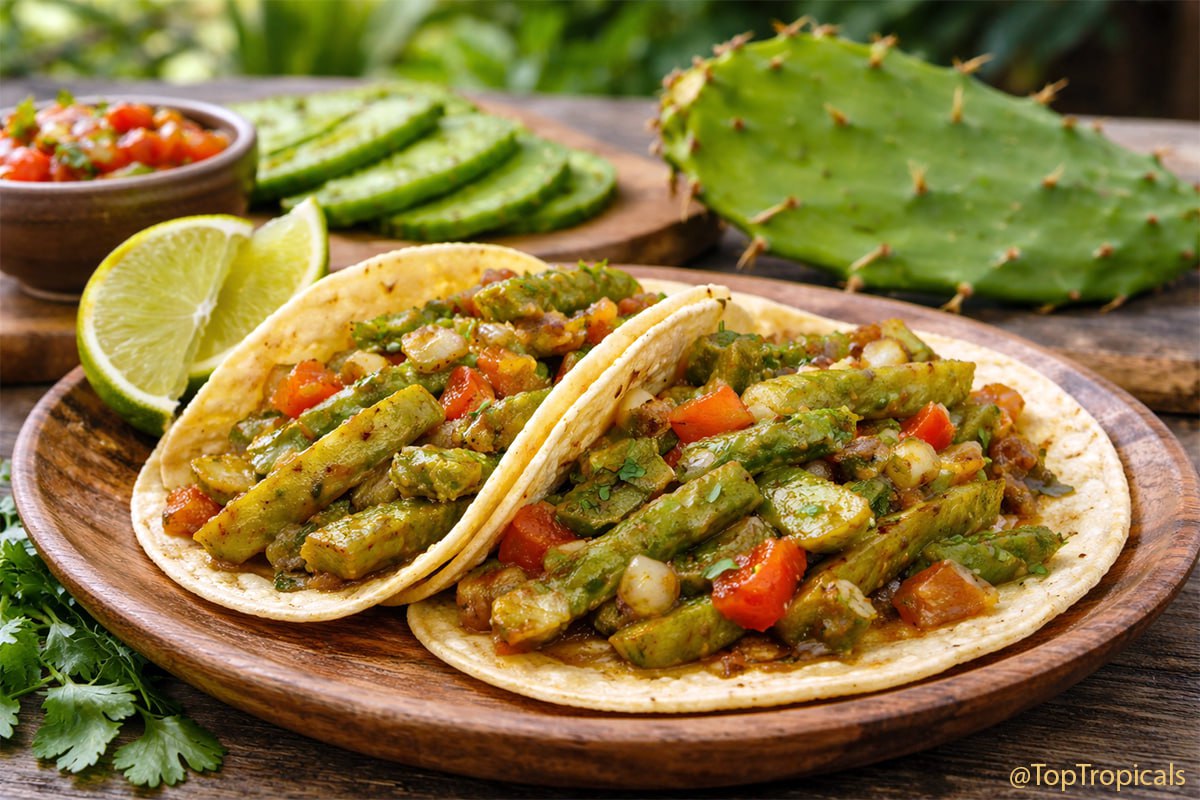
Velvet Nopal tacos: quick-n-fun exotic recipes

Velvet Nopal tacos

Velvet Nopal tacos

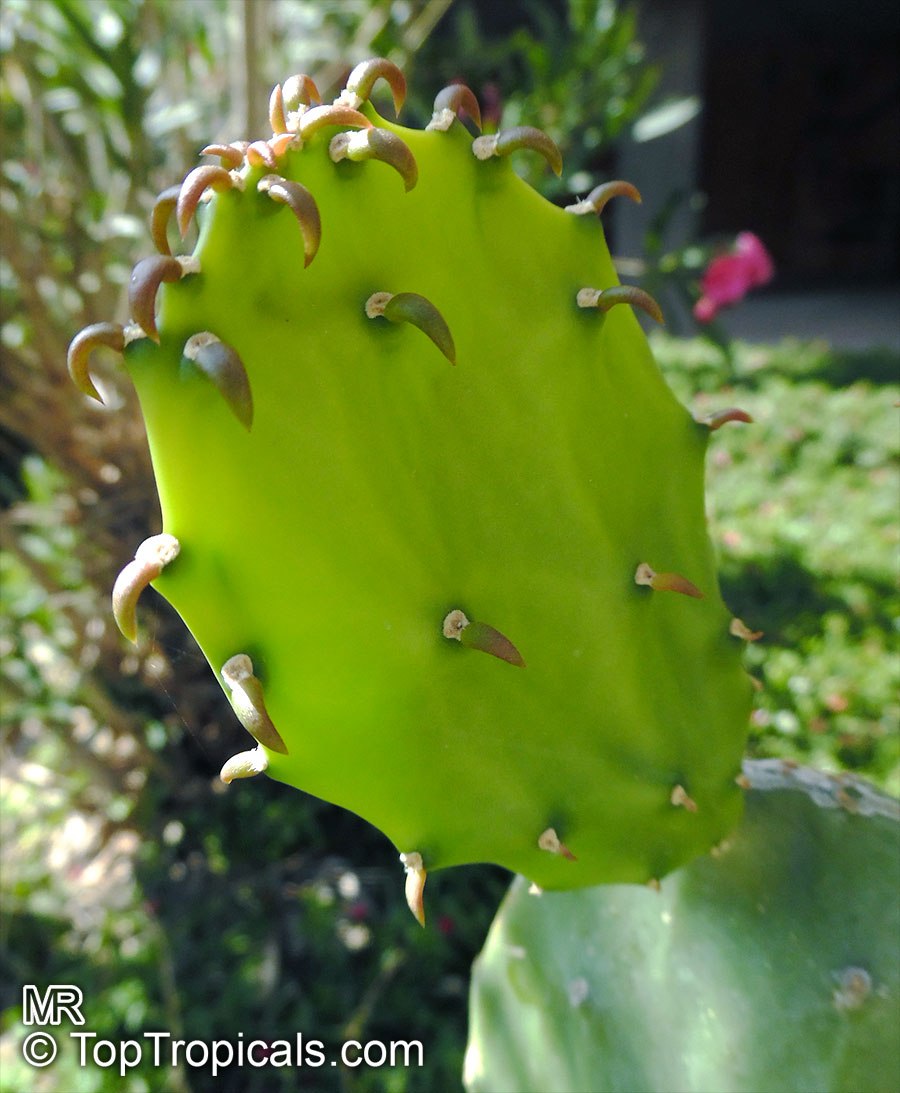
Opuntia cochenillifera - Velvet Nopal Cactus, Prickly Pear

Opuntia cochenillifera - Velvet Nopal Cactus, Prickly Pear

🍴 Velvet Nopal Tacos

Ingredients

  • 2 to 3 tender velvet nopal pads (Opuntia cochenillifera)
  • 1 small onion, diced
  • 1 small tomato, diced
  • 1 tablespoon vegetable oil
  • Salt to taste
  • Corn tortillas

Instructions

  1. Remove spines from nopal pads and slice into strips.
  2. Boil the sliced nopal for 5 minutes, then drain well.
  3. Heat oil in a pan and saute onion until soft.
  4. Add tomato and cooked nopal, season with salt, and saute until tender.
  5. Serve warm in corn tortillas.

🌵 About the plant:


Nopal Opuntia (prickly pear cactus pads) is a cornerstone vegetable in Mexican cuisine and a long-standing staple across Central and South America. It is valued both as food and medicine. Traditionally eaten sauteed, grilled, or stewed, nopal is rich in fiber, minerals, and antioxidants. It is especially well known for its role in blood sugar management - many people who eat it regularly report significant improvement in diabetes control.

🌱 In the garden:


Prickly pear is a fast-growing, tough desert plant with showy red flowers. It thrives on neglect, tolerates drought, and also handles Florida rain surprisingly well. Easy to grow, productive, and edible, it is one of the most practical food plants you can add to your landscape.

🛒 Add Nopal Cactus to your kitchen garden

📚 Learn more:

Cochineal Cactus Plant Facts

Botanical name: Opuntia cochenillifera, Nopalea cochenillifera, Opuntia nuda
Also known as: Cochineal Cactus, Warm hand, Velvet Opuntia, Nopales Opuntia, Nopal Cactus
USDA Zone: 8 - 11
Highligths Large shrub 5-10 ft tallSemi-shadeFull sunWatering: Moderate. Water when top soil feels dryRed, crimson, vinous flowersEdible plantSubtropical plant. Mature plant cold hardy at least to 30s F for a short time
Get personalized tips for your region

Opuntia cochenillifera - Velvet Nopal Cactus, Prickly Pear in Plant Encyclopedia
Edible cactus with health benefits that your tortoise will love too

#Food_Forest #Recipes #Remedies

🟢 Join 👉 TopTropicals

Date: 24 Jun 2018

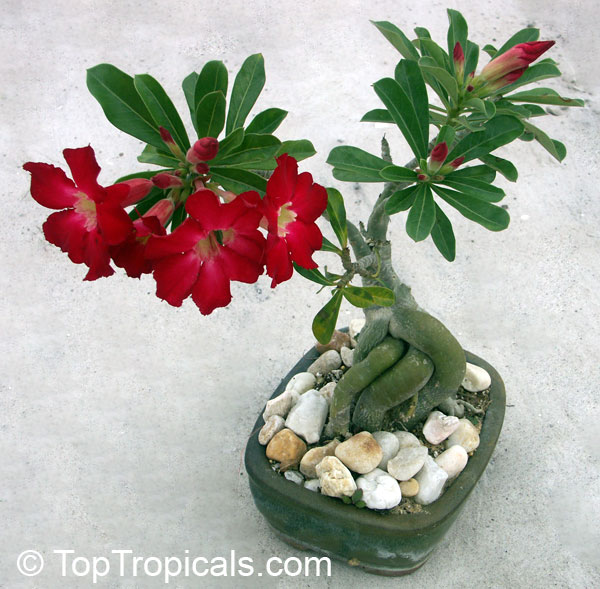
Adenium: a Rose by any Other Name

New article by Jane Jordan.
"...The famous quote is often used to imply that the names of things do not affect what they really are, in the case of The Desert Rose (Adenium obesum) it is not a rose at all, rather a succulent that thrives in hot, dry and sunny conditions. These spectacular plants have no relation to the rose family, they are a species of flowering plant from the dogbane family, Apocynaceae. The naming of this plant is partly correct as they originate in sub-Saharan Africa and the Arabian Peninsula, where they can grow into large trees with huge swollen trunks..."
Continue reading...