Garden Blog - Top Tropicals

Date: 29 Sep 2024

Discover three must-have fruit
for every tropical garden
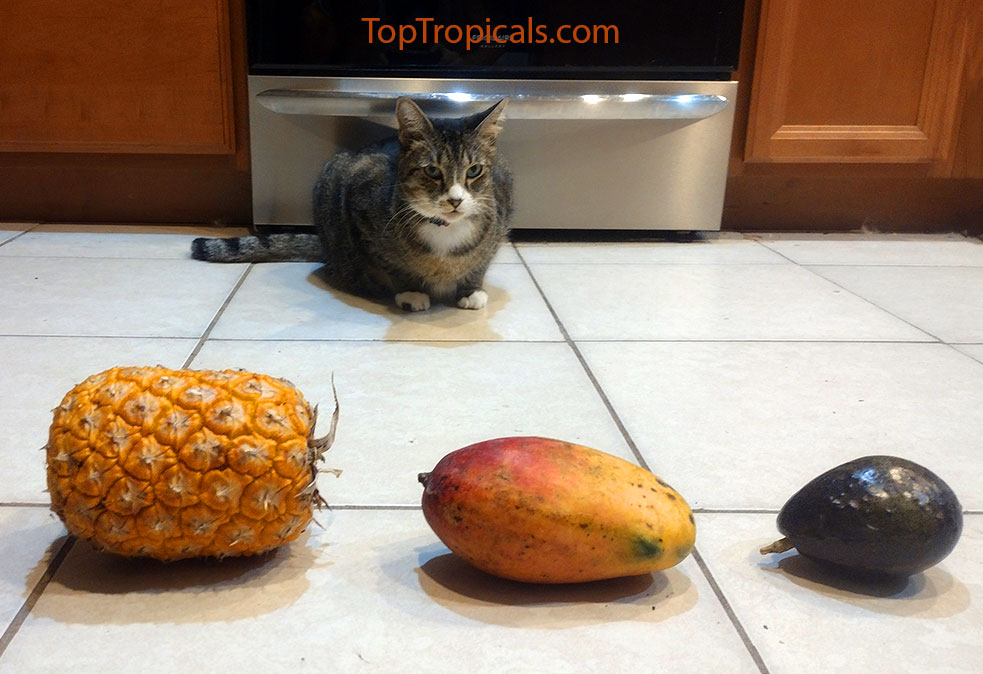
Cat  with  tropical  fruit

Q: I love tropical fruit and want to plant all of them but I have room for only a couple of trees. Help me make the best selection.

A: Here is your perfect list for 2+ fruiting plants: every tropical garden must have a Mango Tree, an Avocado Tree, and - you can plant as many as you want - Pineapples! And here is why...

1. Pineapple

Pineapple is a tropical favorite that's incredibly easy to grow, making it a perfect choice for beginners. With minimal care, Pineapples don't take mush space, you can grown them underneath other fruit trees. Plant good varieties, and when you get your crop, plant the tops and you will have your little Pineapple plantation in no time: you'll enjoy sweet, juicy fruit from those little babies in about 18-24 months. Freshly harvested pineapples are delightful in smoothies, salads, or grilled, adding a tropical flair to your garden.
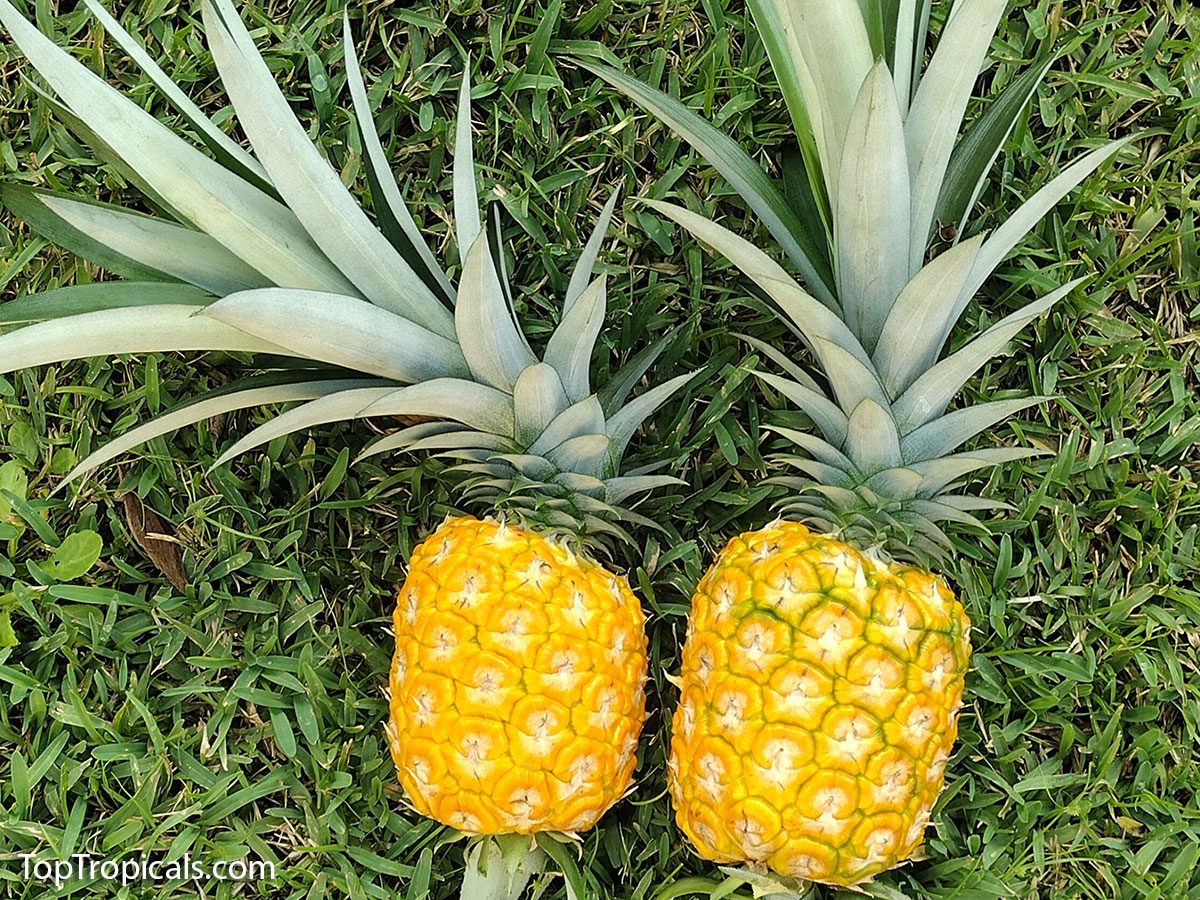
Pineapple

2. Mango

Mango trees are not only a staple in tropical gardens but are also easy to cultivate. They flourish in sunny spots and well-drained soil, requiring little maintenance once established. These vigorous trees can yield an abundance of juicy, flavorful fruit in just a few years. They are perfect for fresh eating or adding to salsas and chutneys. Condo varieties are dwarf trees and can be grown in containers.
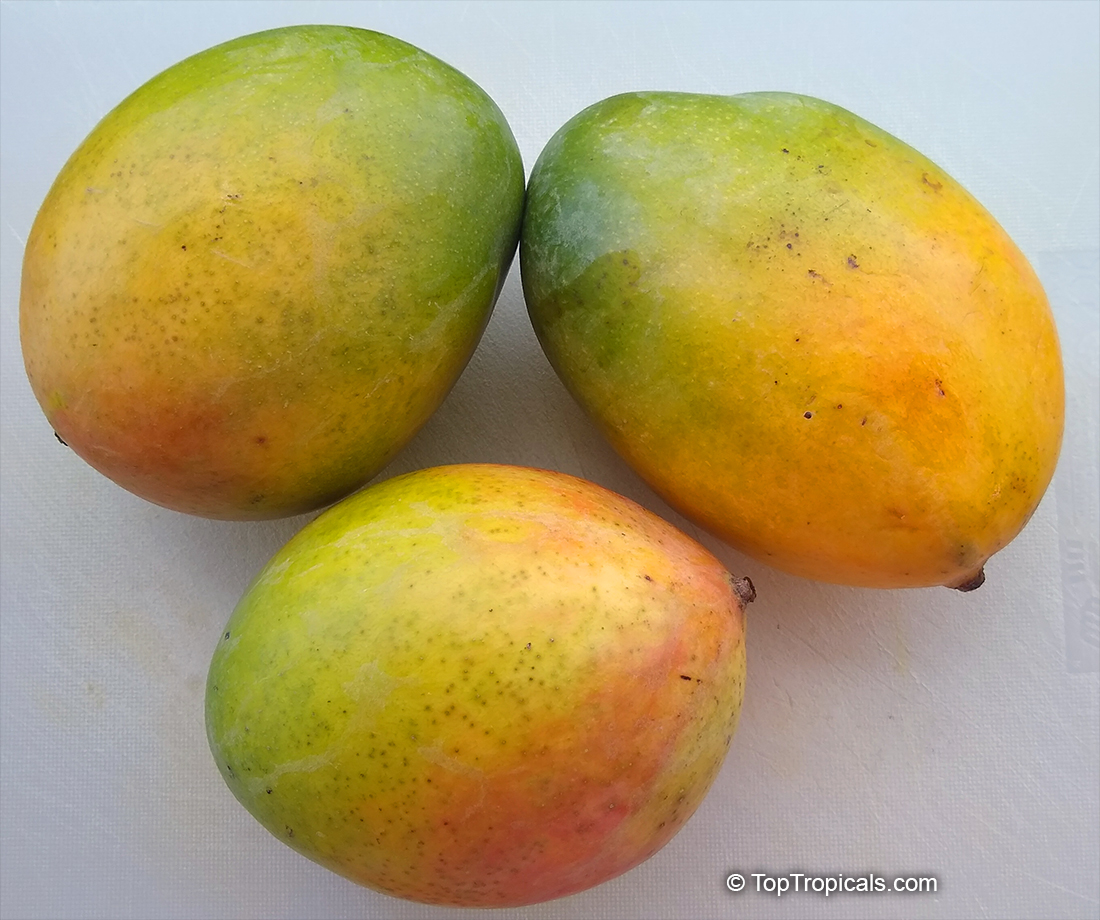
Mango  fruit

3. Avocado

Avocado trees are fun to grow and add both beauty and nutrition to tropical gardens. Grafted cultivars start yielding fruit within a few months with proper care. The rich, creamy avocados are a culinary favorite, perfect for salads, spreads, and smoothies. With their lush foliage and bountiful harvests, avocado trees are a fantastic choice for gardeners looking for ease and abundance.
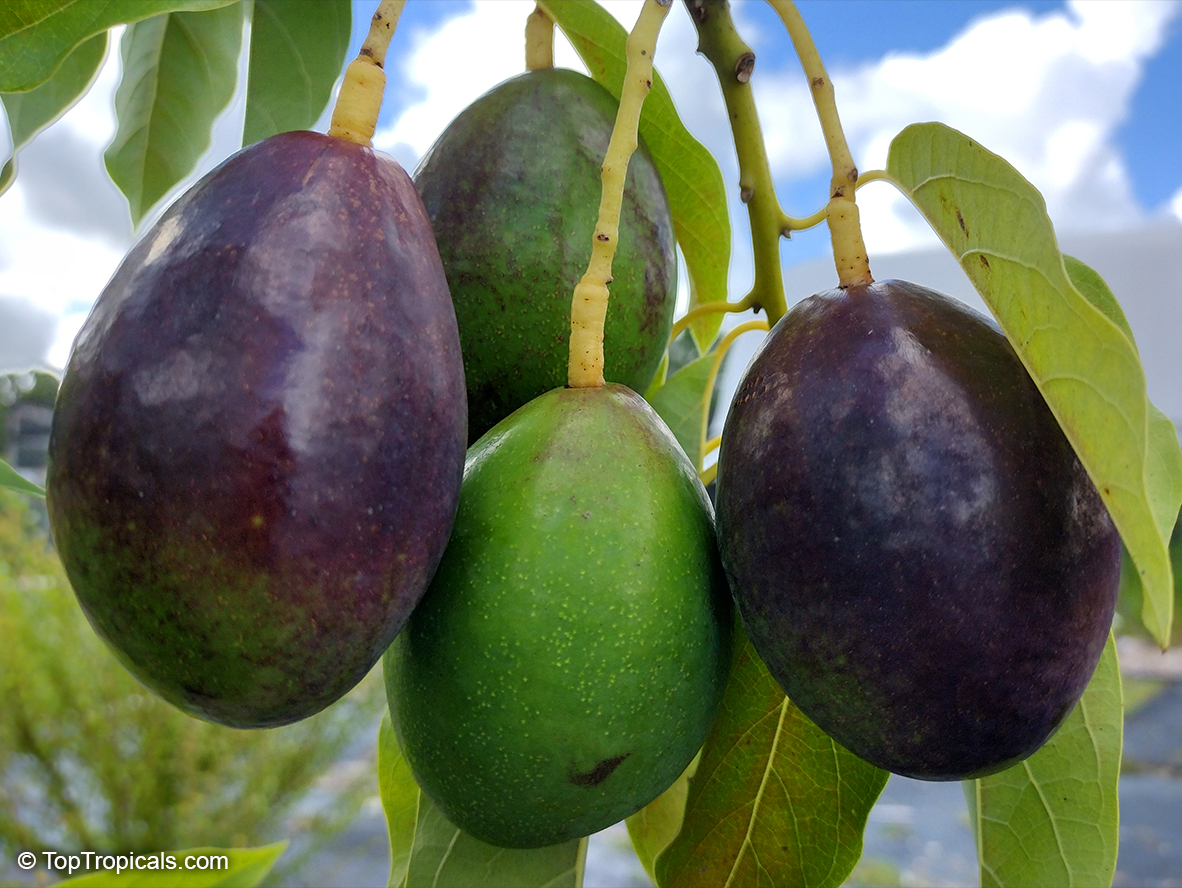
Avocado  fruit

Date: 23 Jul 2025

NEW VIDEO: How to cut a mango without making a mess

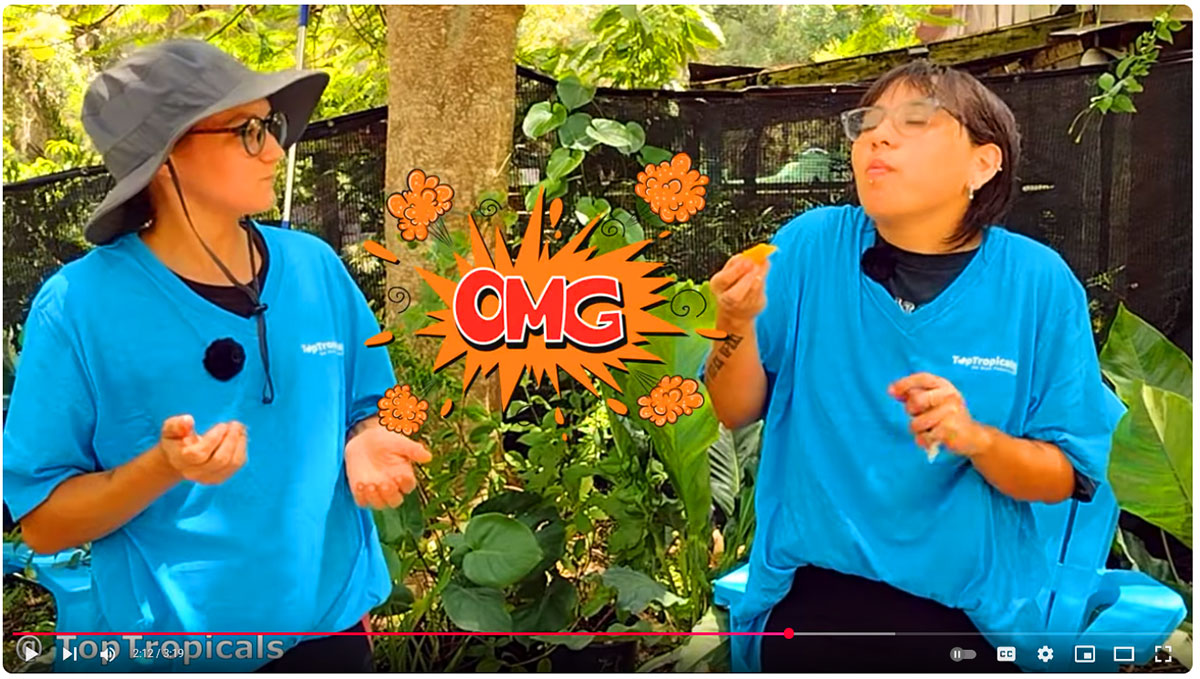
Ever wonder how to cut a mango without getting juice everywhere? We've got a trick that's soooo simple! You'll wish you knew it sooner!

In our newest video, Chiane and Ashley from the Top Tropicals team aren't just slicing mangoes - they are diving into a full-on mango tasting adventure. You'll get a peek at some of the most mind-blowing mango varieties you probably didn't even know existed! From buttery-smooth to crisp and tangy.

Watch now to discover your new favorite mango - and maybe a new way to enjoy it, too 😻

Discover Mango varieties - we have hundreds of them!

WATCH the VIDEO

Mango  tasting  table

Shop mango varieties

Subscribe to our Channel:

Stay updated by subscribing to our channel:
YouTube.com/TopTropicals
and get our latest video news of what is fruiting and blooming!

Subscribe

Date: 19 Oct 2025

Much more than fancy flowers: discover the many faces of hibiscus

Hibiscus varieties

🌺 Much more than fancy flowers: discover the many faces of hibiscus


🌺 When people think of hibiscus, they usually picture the "fancy hibiscus" - those dazzling hybrids of Hibiscus rosa-sinensis with wild color blends and exotic shapes. These varieties, often grown in pots or as showy houseplants, are famous for their tropical flair. But while they steal attention, there's far more to the hibiscus world than the exotic hybrids alone.

🌺 The fancy hibiscus types can be a bit demanding: they prefer full sun but dislike extremes, need consistent feeding with liquid fertilizer and microelements, and require close watch for pests like mealybugs. Growing them in containers makes it easier to manage water, soil, and weather. With the right care, they’ll reward you with spectacular blooms, though not every variety flowers year-round.

🌺 Beyond the showy hybrids lies a whole family of hibiscus species that deserve just as much admiration - if not more. These include tough, easy-growing, and even edible types that thrive in the landscape with minimal care. Many are cold-hardy, pest-resistant, and bloom for months. Some are used for teas and salads, adding both flavor and color to your kitchen.

🌺 This season, several flowering standouts worth discovering include:

Hibiscus El Capitolio Tequila Sunrise
Hibiscus El Capitolio Bloody Mary
Hibiscus mutabilis Cotton Candy, Mallow Hibiscus
Hibiscus schizopetalus, Coral Hibiscus
Hibiscus Apricot Brandy - Double Rose of Sharon
Hibiscus Double Red - Double Rose of Sharon

❓ What is your favorite Hibiscus plant?

🛒 Explore Hibiscus species and varieties

📚 Learn more:


💋Tequila Sunrise Hibiscus breaks the rules
💋Hibiscus El Capitolio Bloody Mary
💋How to get rid of pests on Hibiscus?
💋Skeleton Hibiscus with "crazy petals" - flower will blow your mind
💋How to make your Hibiscus plants thrive and bloom
💋How hibiscus plant acts like a chameleon
💋Why this Hibiscus is changing color?
💋You need this Cotton Candy
💋The Tips of Hibiscus Flowers

#Hedges_with_benefits

🟢 Join 👉 TopTropicals

Date: 9 Jan 2026

Mango Tree for Zone 5: top 15 Condo Mango for growing in cold areas

Mango Tree for Zone 5

🥭 Mango Tree for Zone 5: top 15 Condo Mango for growing in cold areas


🥭 Can you grow a mango tree in Zone 5? Short answer - yes! The trick is - containers!
Mango trees are tropical plants but they do great in pots when you choose the right varieties.

🥭 Compact types stay short, respond well to pruning, and produce in containers.
You can grow them on a patio, balcony, even move them indoors in your condo for winter. That is why they are called condo mangoes!
During warm months, they live outside.
When cold weather hits, they come inside.

🥭 With good light, proper watering, fertilizing, and some patience, these trees can reward you with real mangoes. Not a farm harvest, but enough to enjoy and share.

🏆 Most popular Condo Mango varieties:


Baptiste
Carrie
Cogshall
Diamond
Fairchild
Ice Cream
Julie
Keitt
Lancetilla
Lemon Meringue
Mallika
Nam Doc Mai
Okrung
Pickering
Venus

🛒 Discover Condo Mango

📚 Learn more:
What are the Condo Mangos - a practical guide
Top 10 Dwarf "Condo" Mango, great for container culture
Best tropical fruit and edibles to grow in Zone 5 and anywhere outside the Tropics

#Food_Forest #How_to #Discover #Mango

🟢 Join 👉 TopTropicals

Date: 4 Mar 2026

The Magic Number 65: when tropicals finally wake and the 7-Day Rule you should know

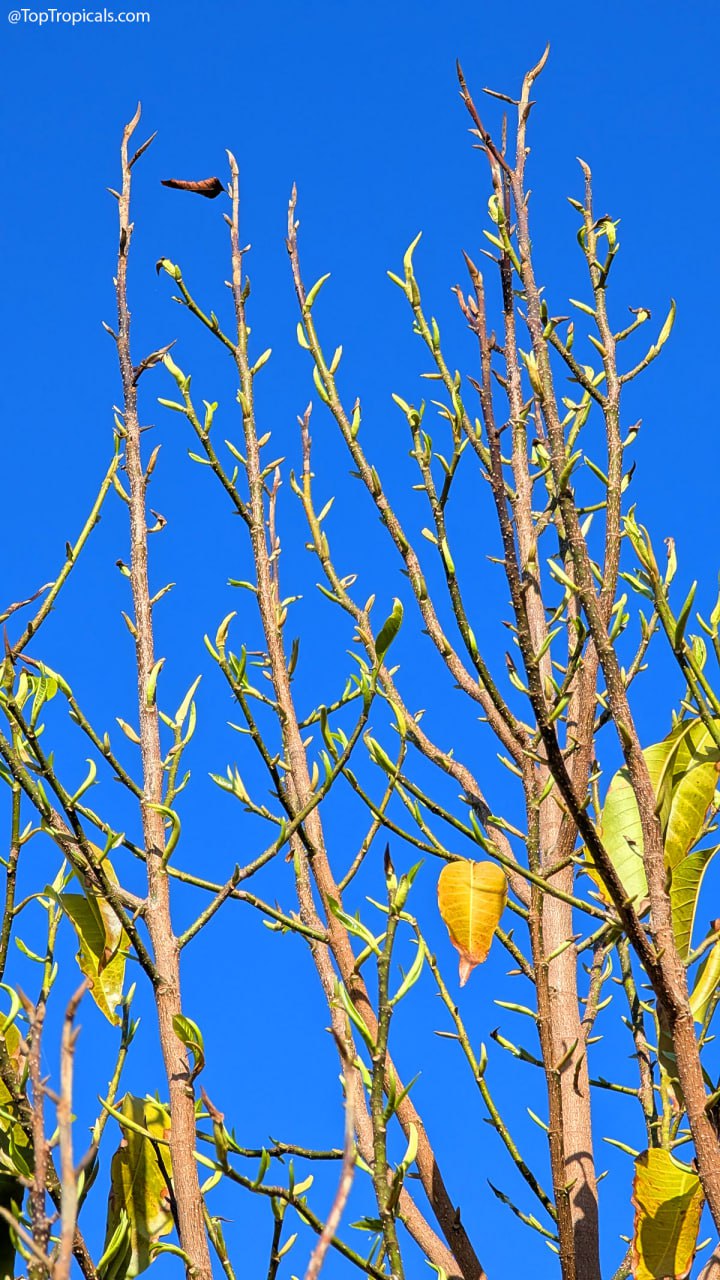
Champaka tree new growth sprouts

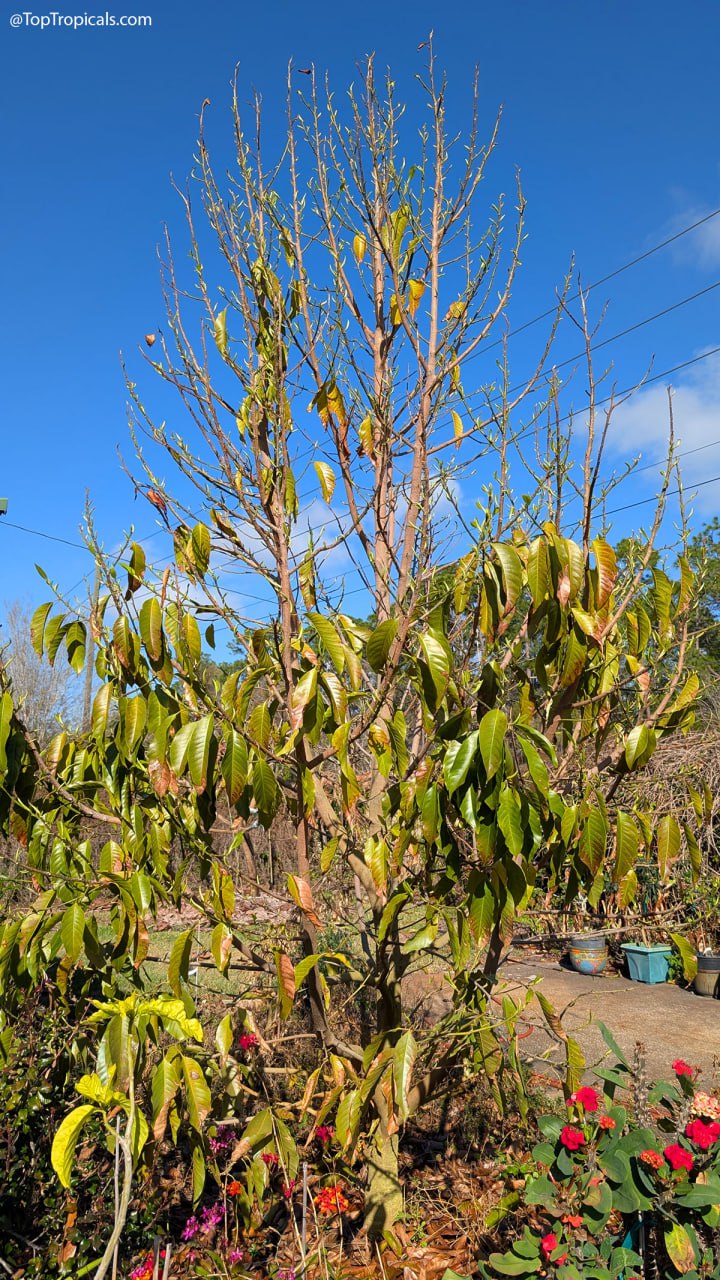
Champaka tree new growth sprouts

A Champaka tree (Joy Perfume Tree) first fresh sprouts

A Champaka tree (Joy Perfume Tree) first fresh sprouts

The Magic Number 65: when tropicals finally wake and the 7-Day Rule you should know 🌱

Discover the "Magic 65" rule for waking up your garden and the exact time to start fertilizing for maximum growth. Learn the specific temperature threshold that signals your tropicals to wake up and how to handle spring cold snaps.

🌿 If you’ve been staring at your dormant trees and shrubs wondering if they survived the winter, you aren't alone. The most frequent question every spring is: "When will my tropical plants start sprouting?"

🌿 While the calendar might say spring, tropical plants don’t use a watch - they use a thermometer. If you want to see green shoots and active growth, there is one "Magic Number" you need to watch: 65F 🌡

🌿 The 7-Day Rule for Tropical Growth


The gold standard for the tropical world is simple: plants generally wake up when minimum nighttime temperatures remain at or above 65F for at least one full week.

🌿 Why 65°F?


Tropical species are biologically programmed to stay dormant to protect their cell structure from cold damage. A single warm day won't fool them, but seven consecutive nights of 65F+ signals that the "growing season" has officially arrived. Once you hit that 7-day mark, you’ll see buds pushing and fresh leaves finally sprouting.

🌿 Can You Force Them to Wake Up Faster?


Patience is a virtue, but if you’re looking to "push" your plants, focus on two things:
🌞 Sun Exposure: Ensure they are in the brightest spot possible to warm the soil.
♨️ Heat Retention: Use dark mulch or move potted plants onto concrete surfaces that retain daytime heat.

🌿 When to Start Fertilizing


Don’t reach for the fertilizer until you see that active growth. Feeding a dormant plant can lead to root rot or wasted nutrients.
👉 The Signal: After that first week of 65F nights.
The Action: Once you see green tips, start your fertilization routine. This is when the plant actually has the metabolic "engine" running to use those nutrients.

🌿 Watch Out for the "False Spring"


Before you go all-in, ensure the risk of a hard freeze has passed. A minor cold snap - a few nights in the 50s - won't kill your progress, but it will act as a "pause" button. If cool weather persists, tropicals may "lock up" and return to dormancy. If that happens, simply reset your clock and wait for the next stretch of 65F nights.

🌿 Ready for the Wake-Up Call? Fuel Your Tropical Growth!

Don’t get caught empty-handed when that 7th day of 65F hits. Stock up now so you can feed them the moment they wake up. Using the right nutrients during the active growth phase is key to lush blooms. Check out our curated selection of professional-grade fertilizers:

🛒 Get my growth boosters for every tropical type

📷 Recovery in Action: The Joy Perfume Tree - Champaka showing off its first fresh sprouts in March after a chilly Florida winter. This is exactly what happens once you hit that 7-day streak of 65F nights!

📚
Learn more:
Why is my Champaka Tree dropping leaves?

#How_to #Discover

🟢 Join 👉 TopTropicals