Hibiscus rosa-sinensis (Hibiscus)
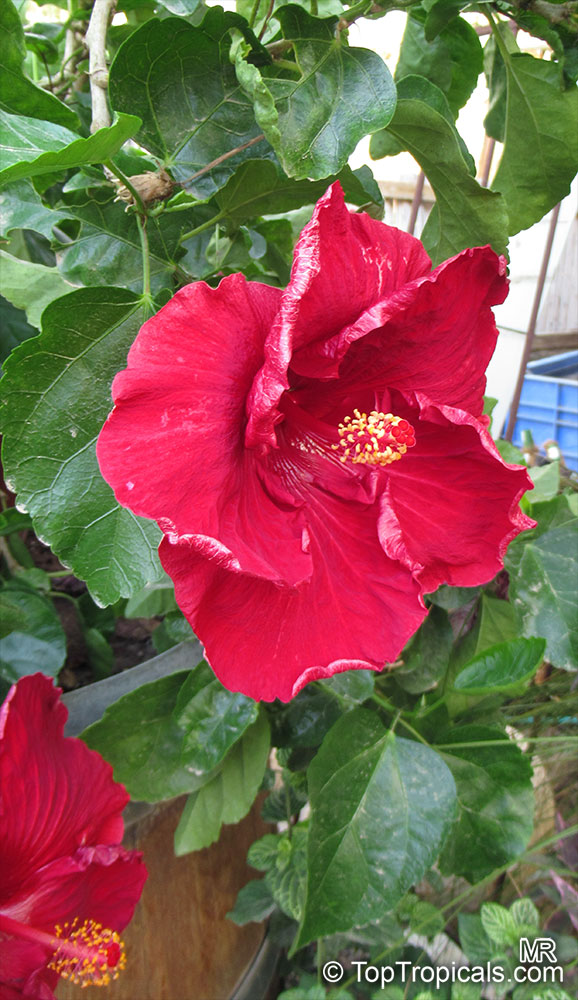
Botanical name: Hibiscus rosa-sinensis
Common names: Hibiscus, Chinese Rose, Japanese Rose, Tropical Hibiscus, Shoe Flower
Family: Malvaceae
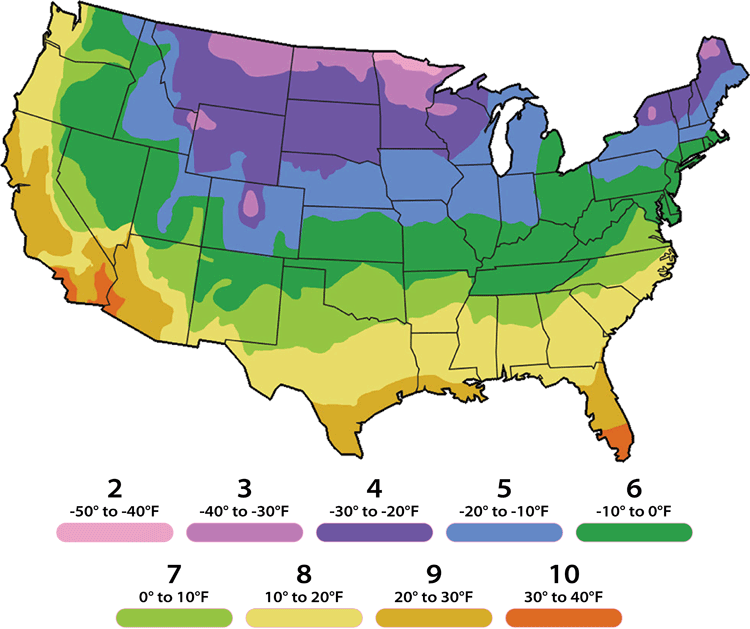
USDA Zone: 9-11
 Plant form: Large bush
 Mature height: 5-10 ft
 Sun exposure: Full sun or bright light indoor; semi-shade
 Cold tolerance: Frost sensitive. Protect from freezing.
 Watering: Keep soil moist


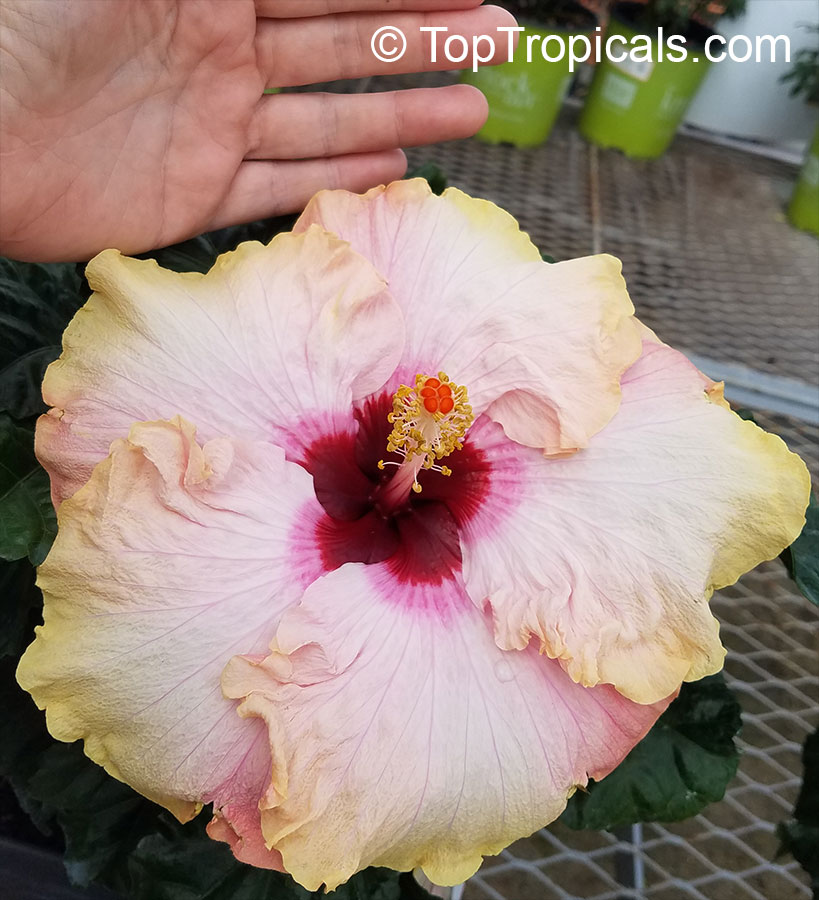
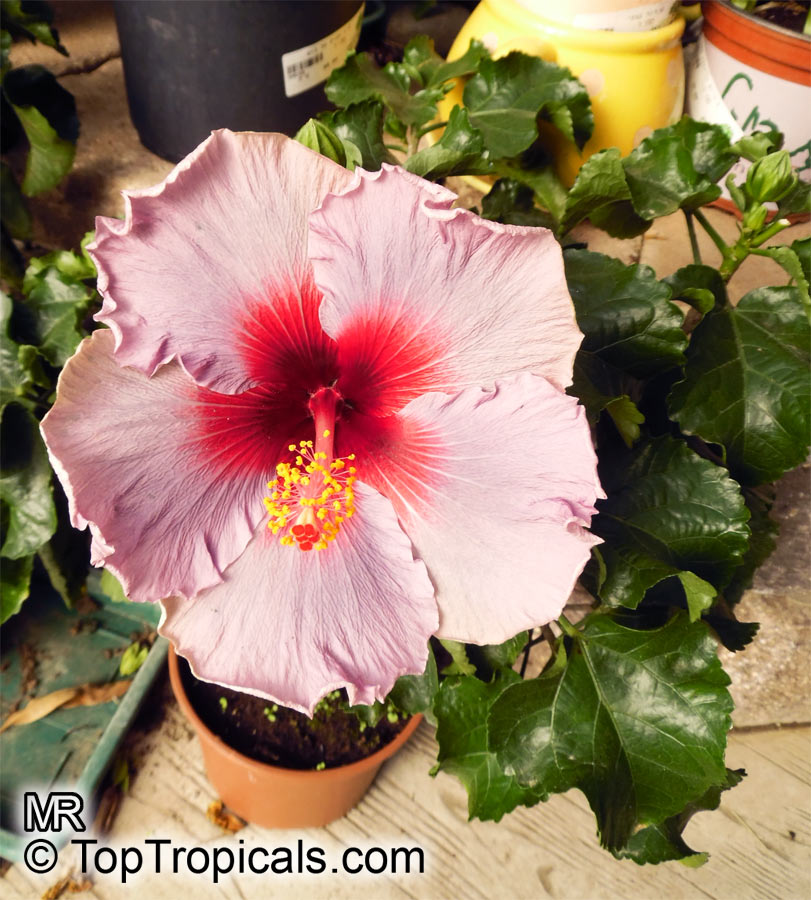
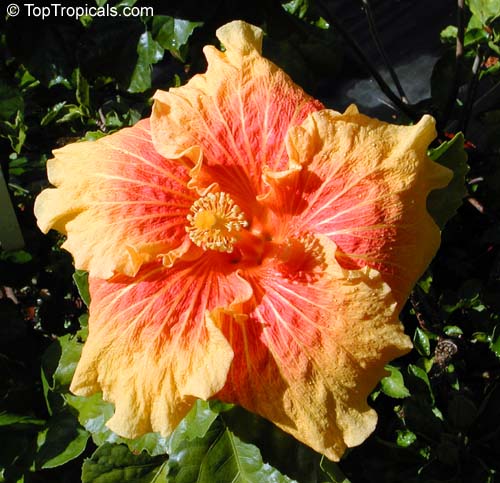
 Flower color: Pink; white and off-white; blue, lavender, purple; red, crimson, vinous; yellow, orange
 Suitable for: Outdoors in the suitable USDA zone; small gardens, containers, and indoor growing
 Wildlife: Attracts butterflies and hummingbirds
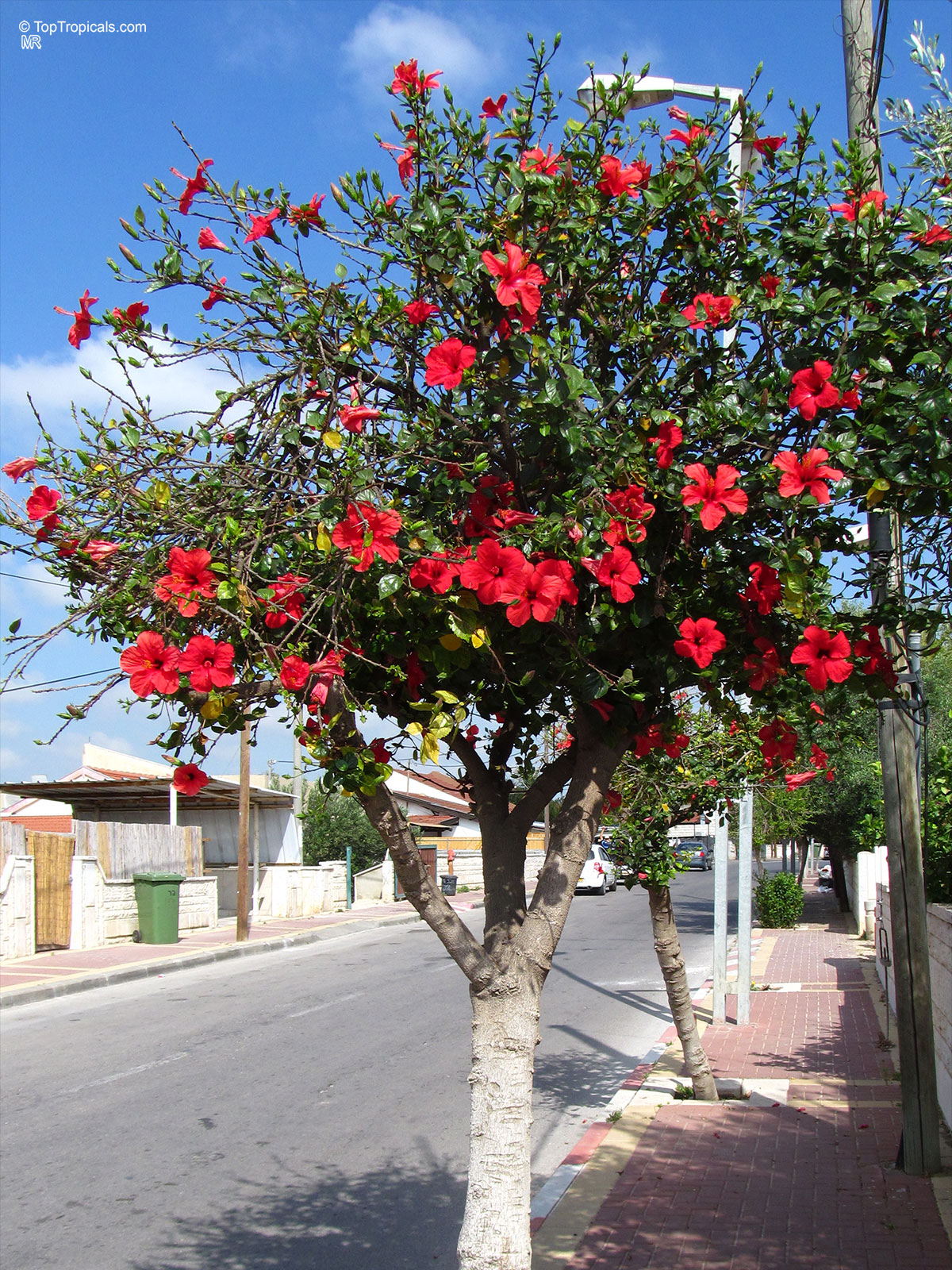
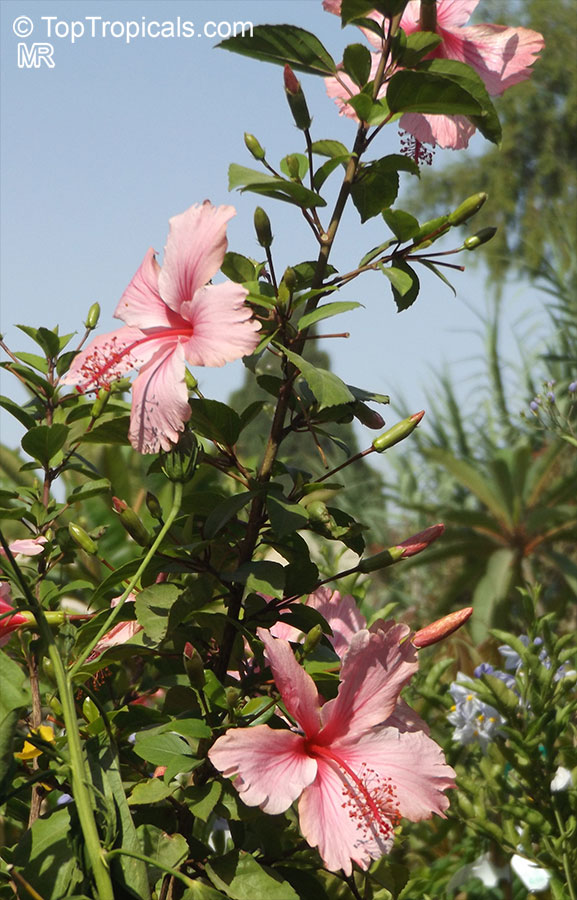
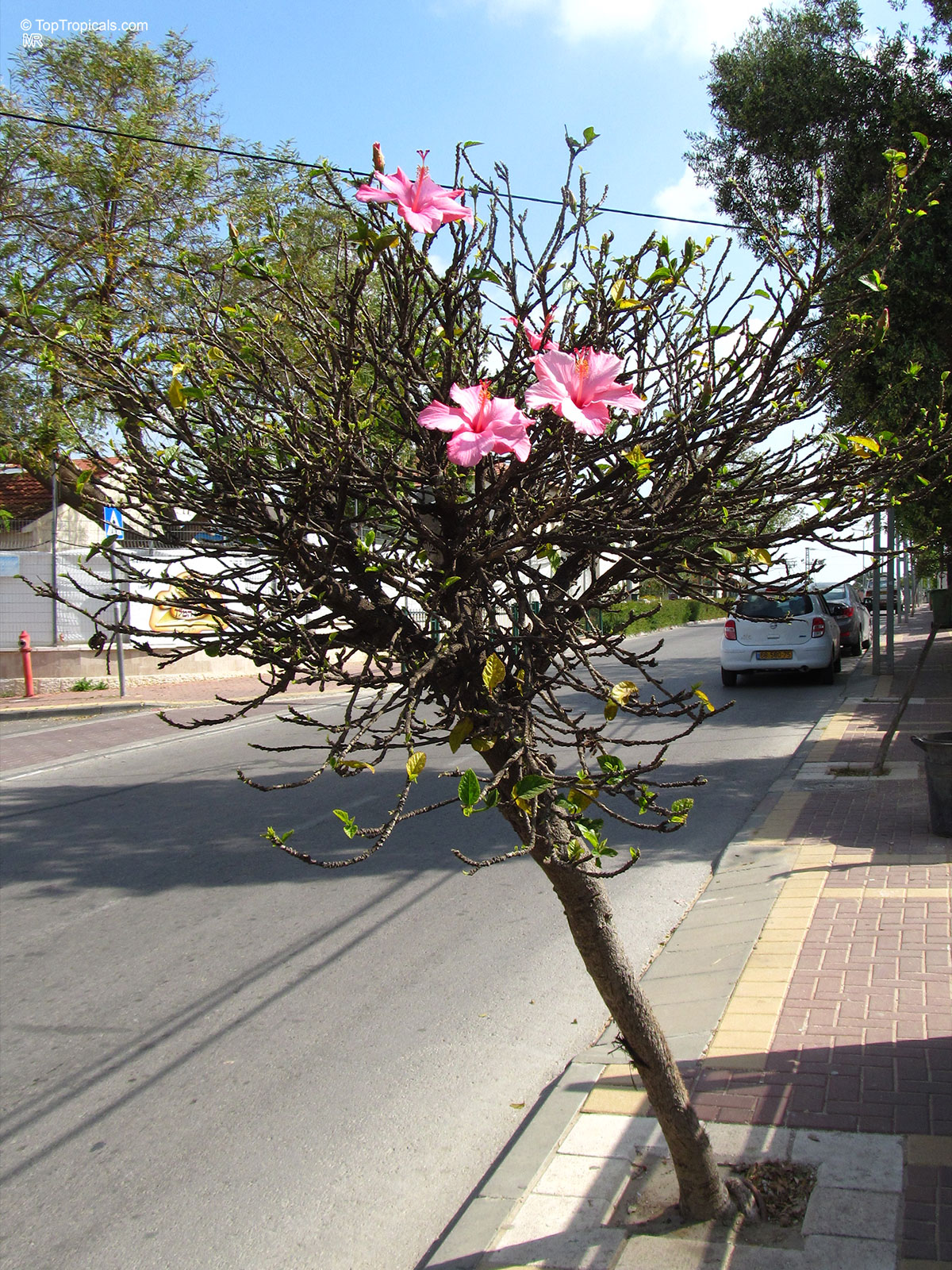
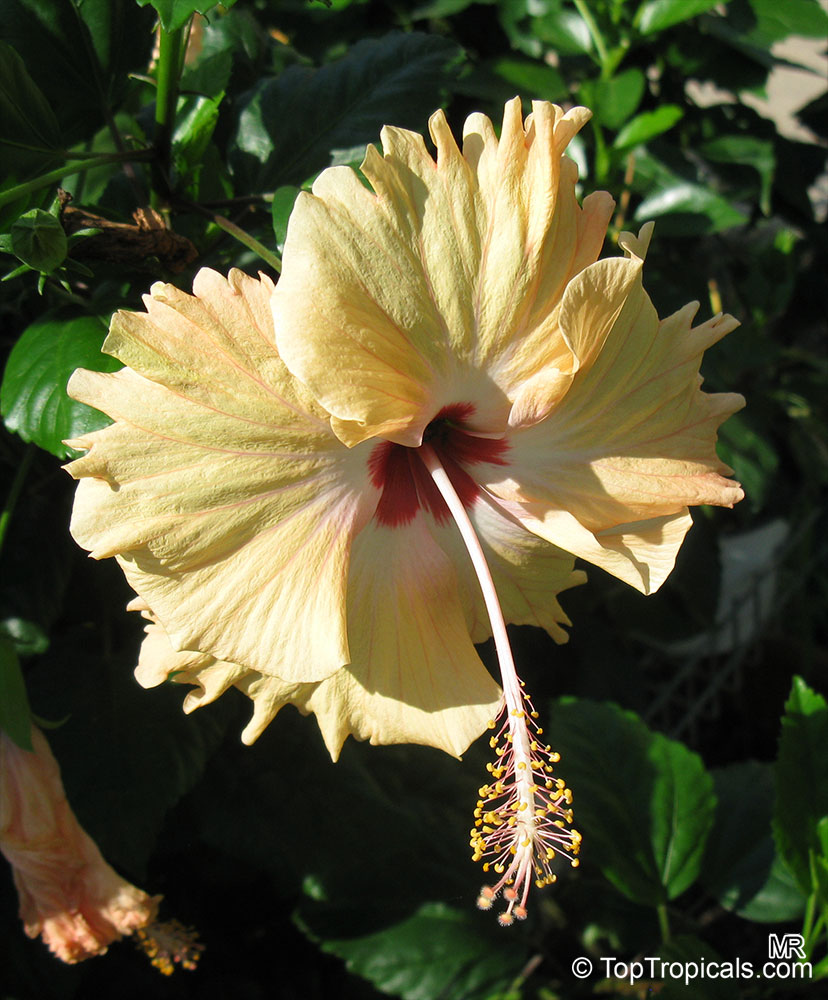
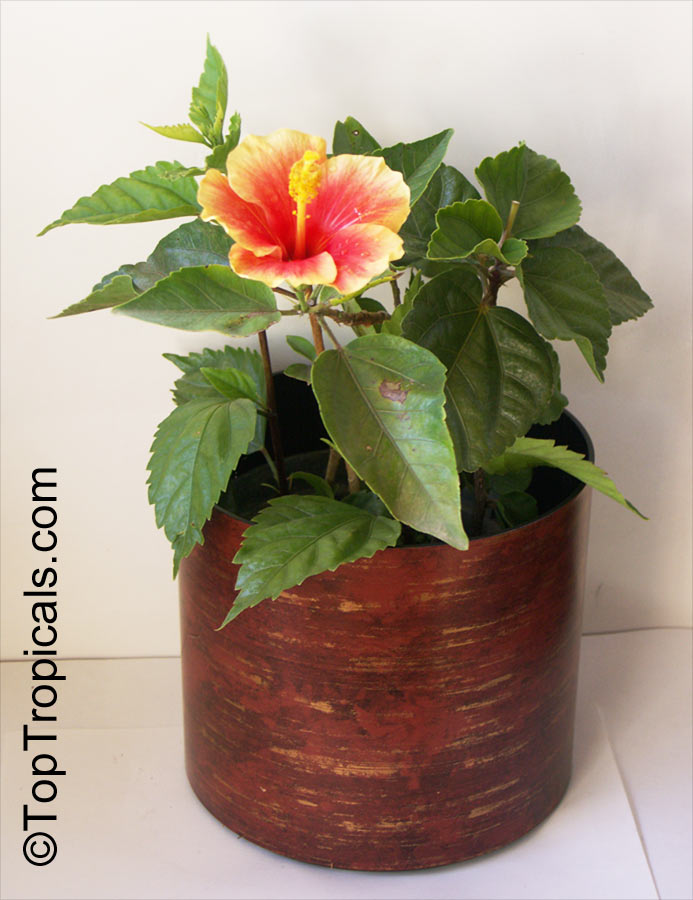
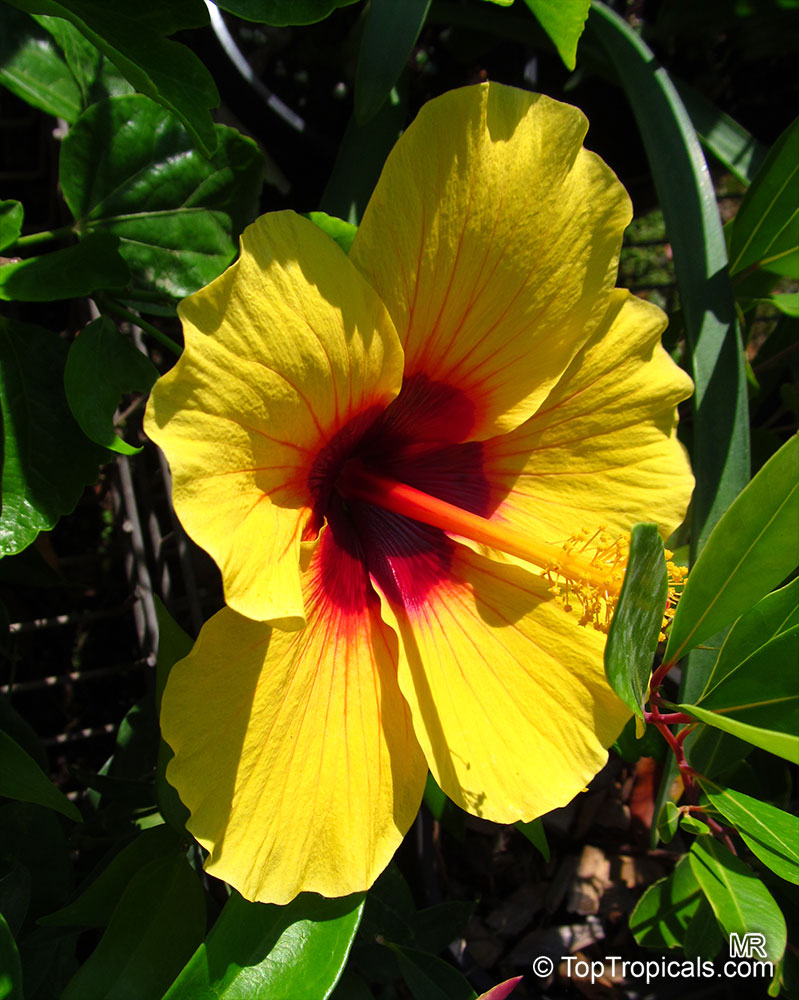
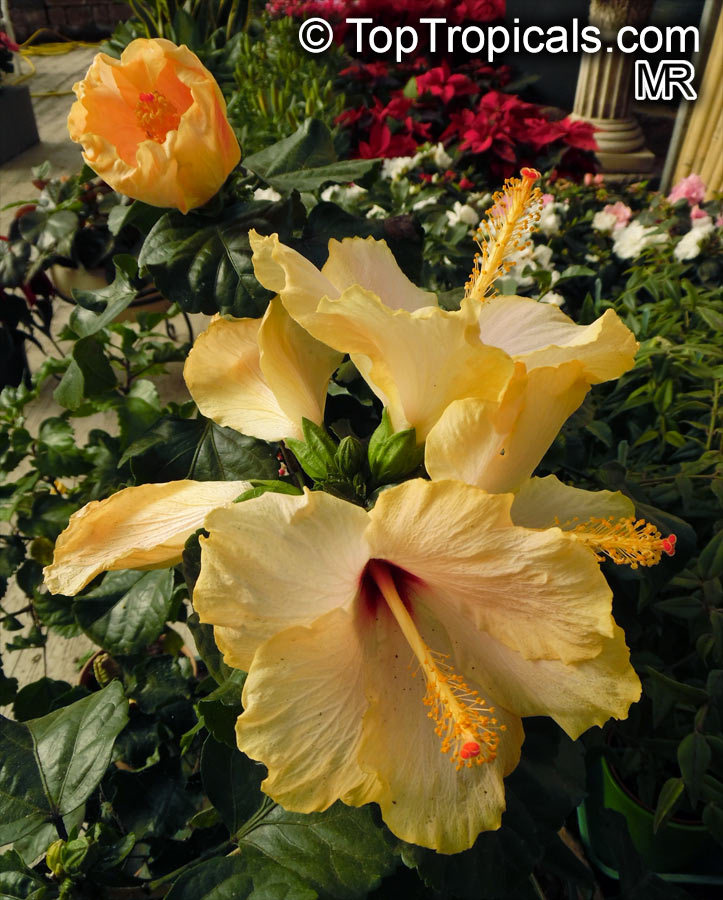
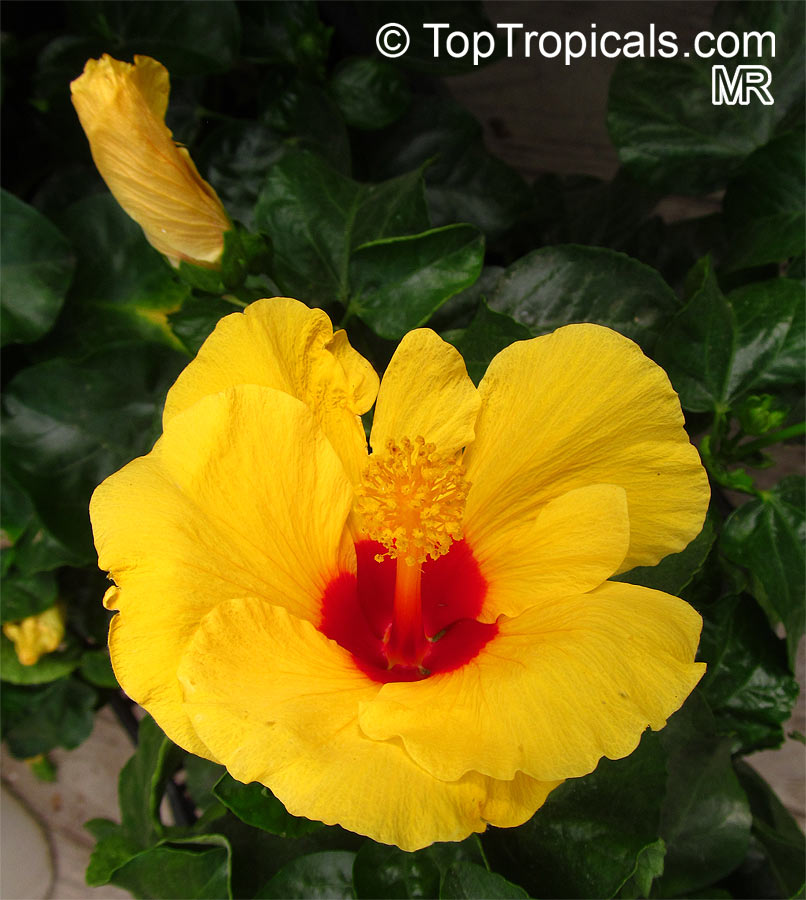
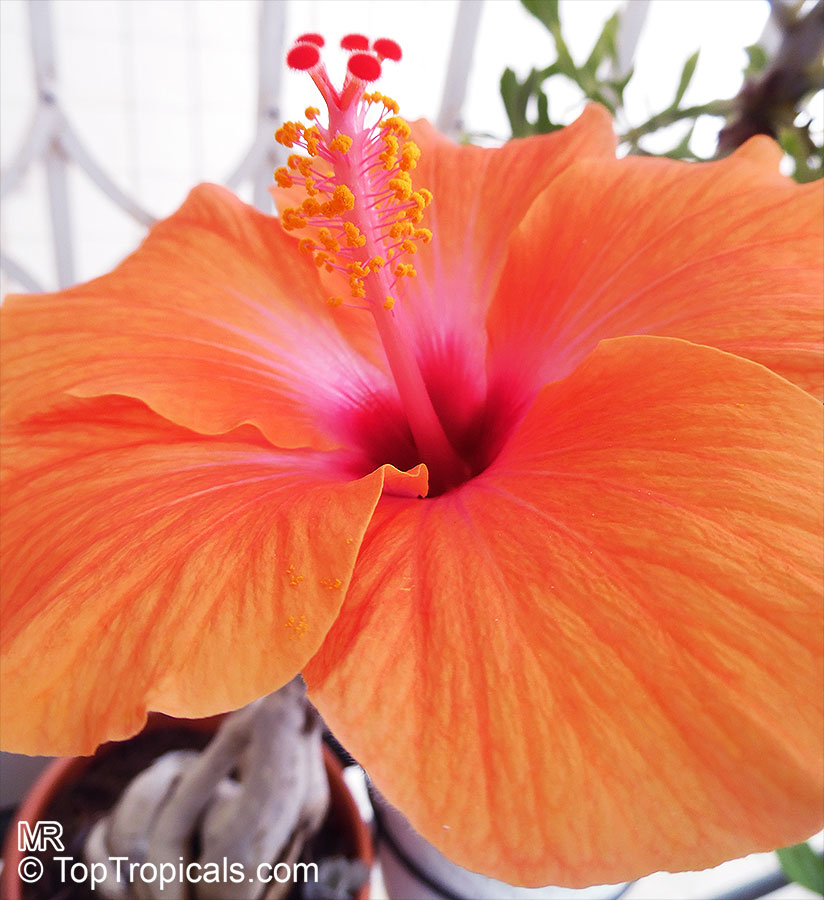
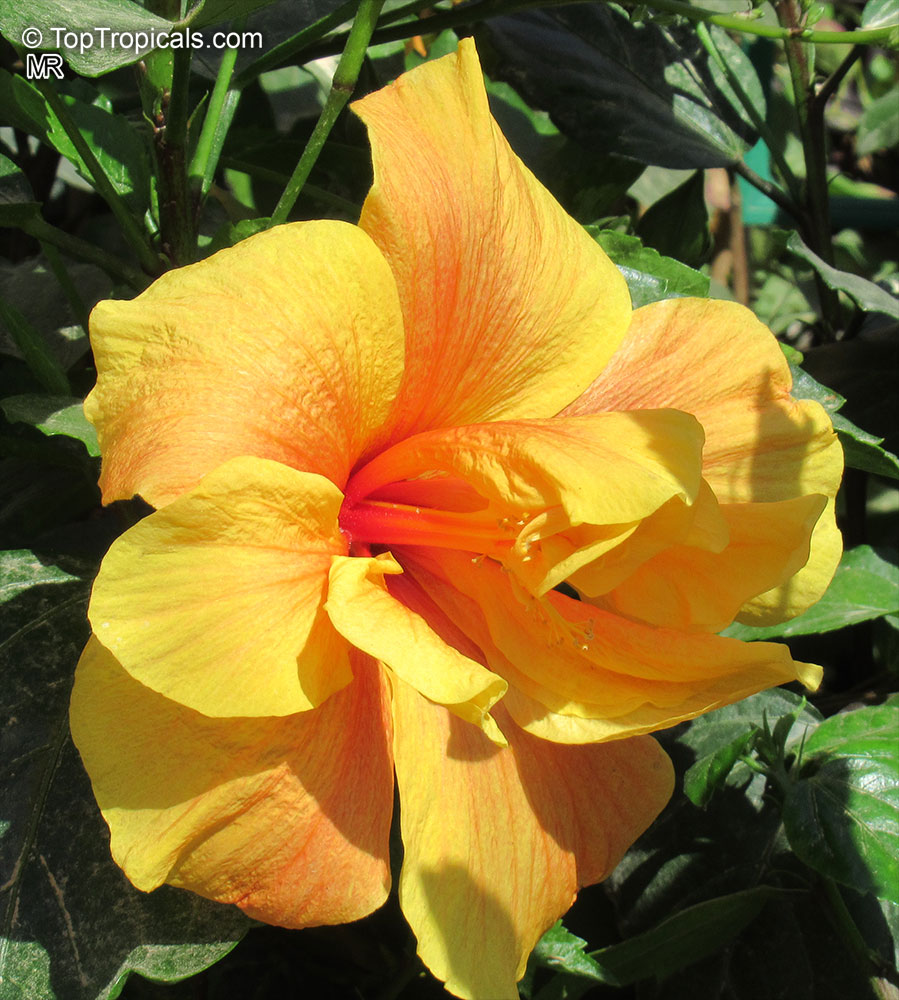
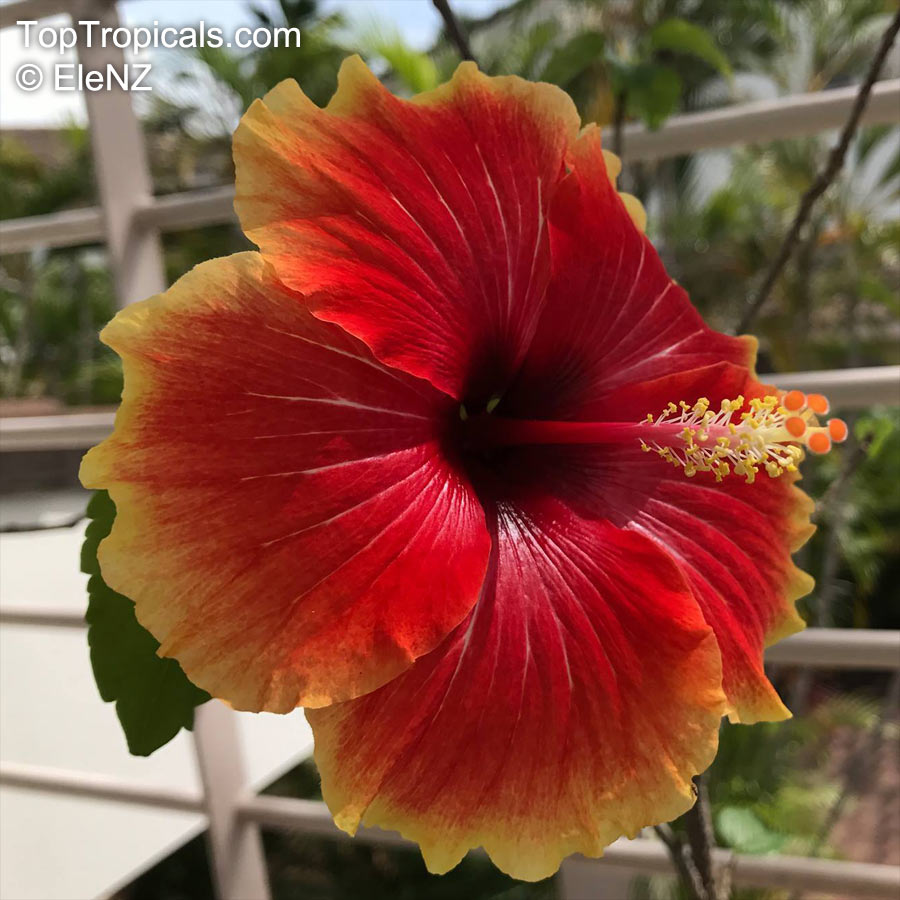
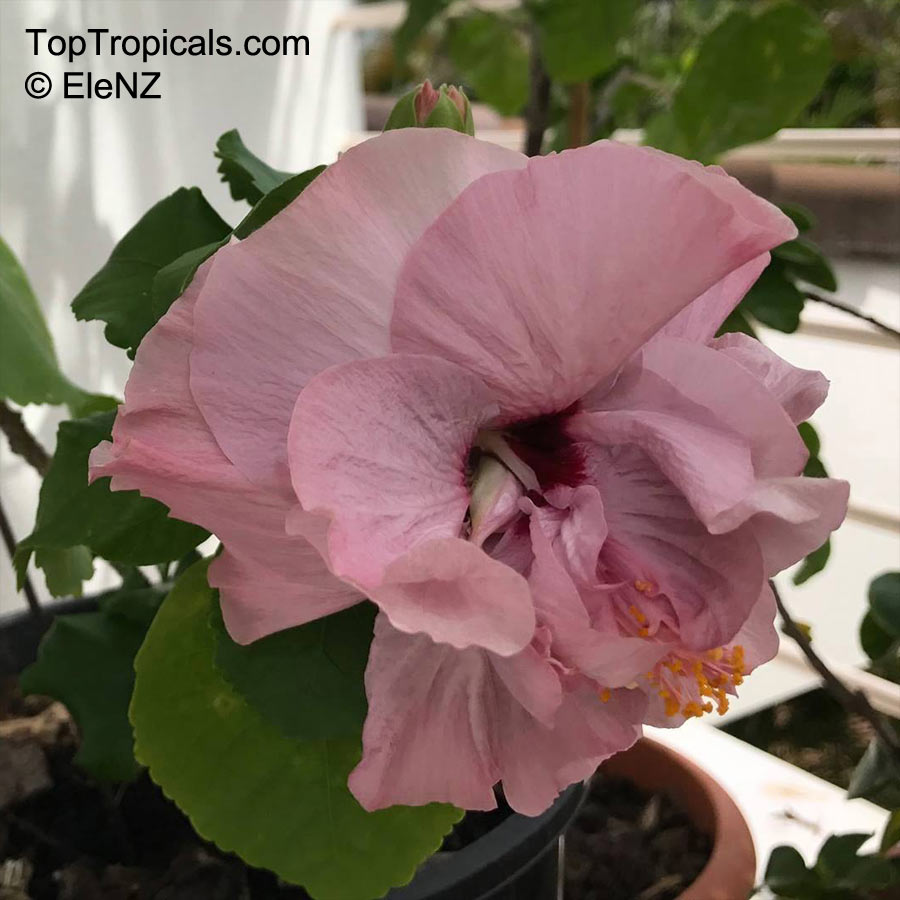
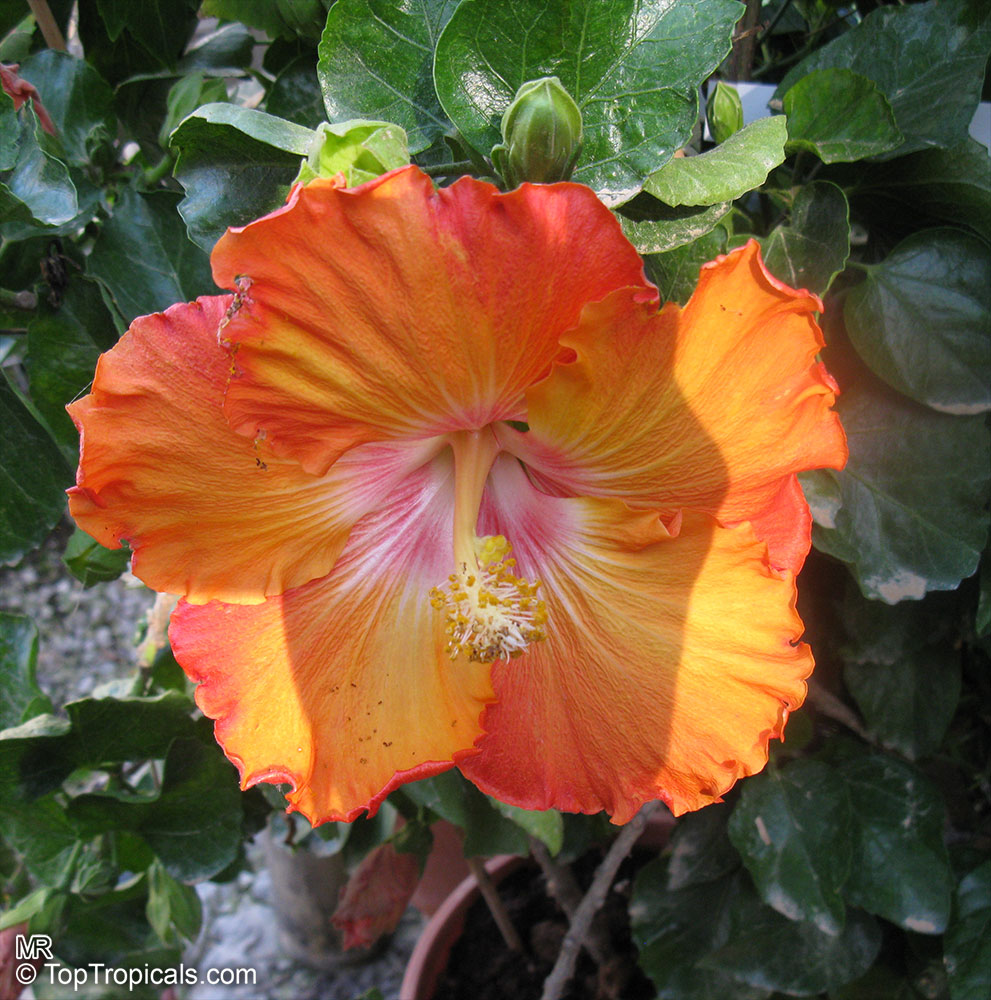
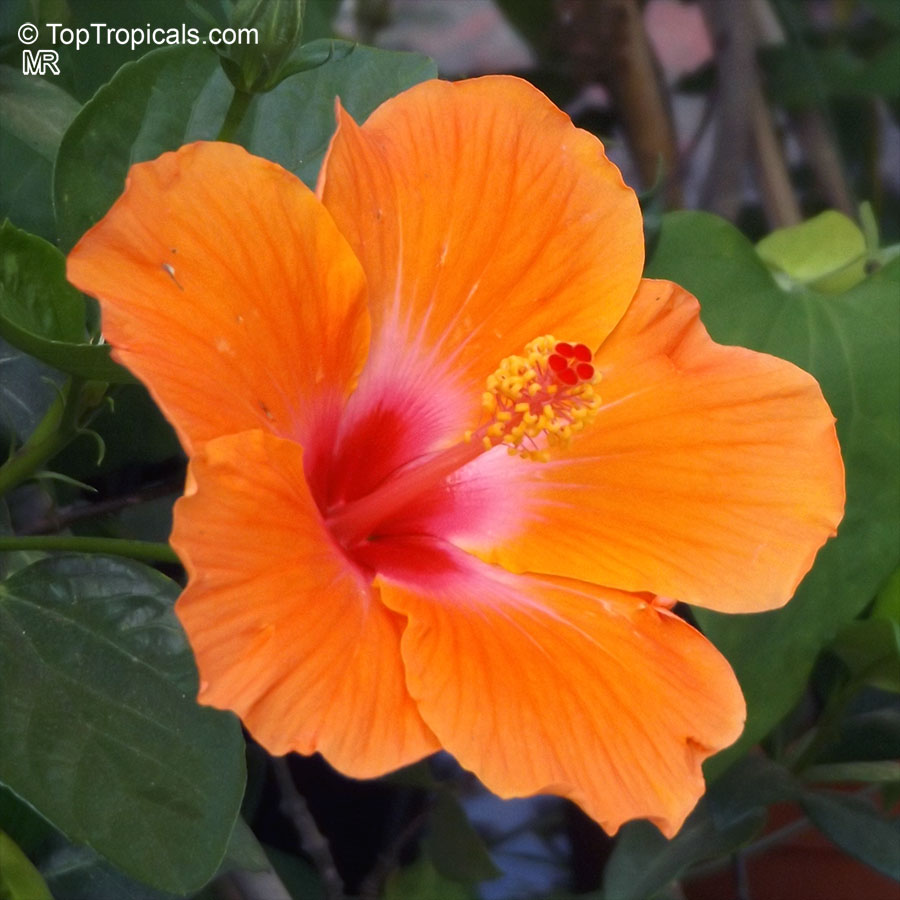
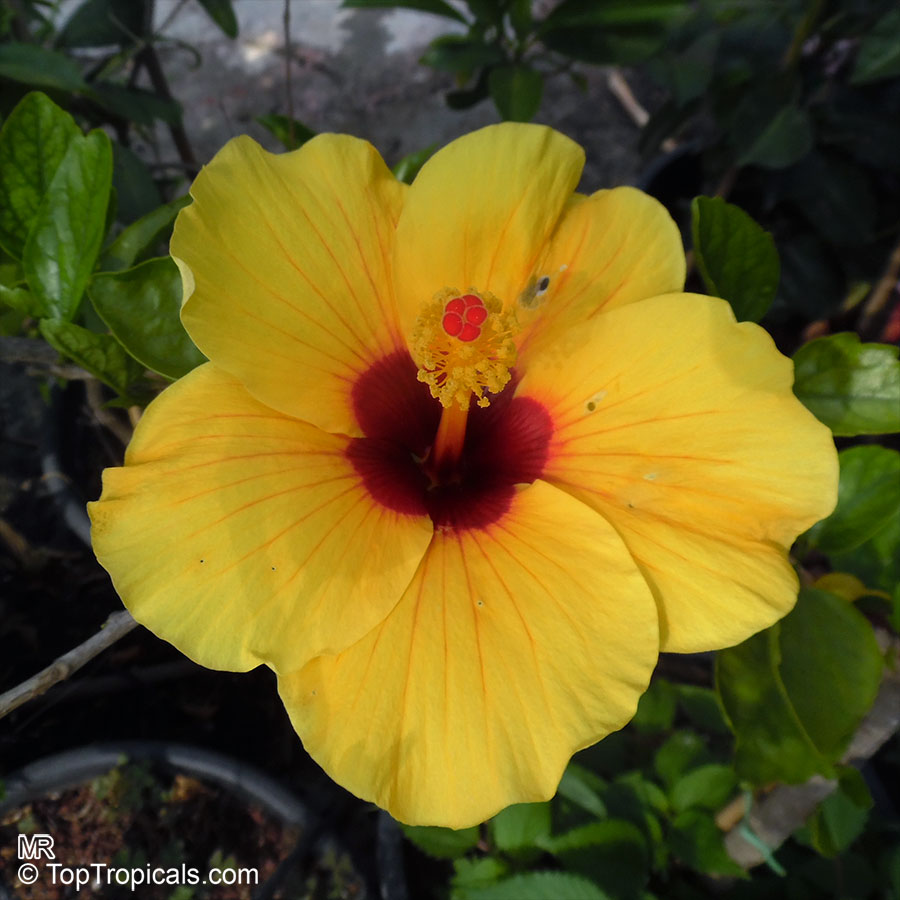
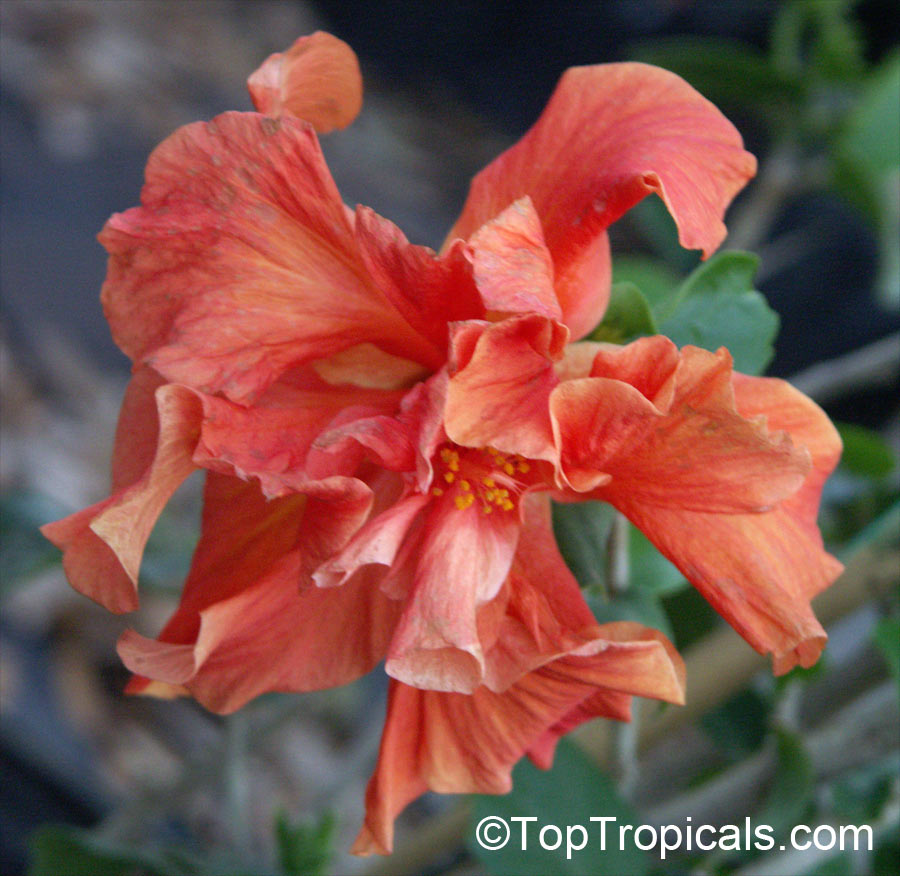
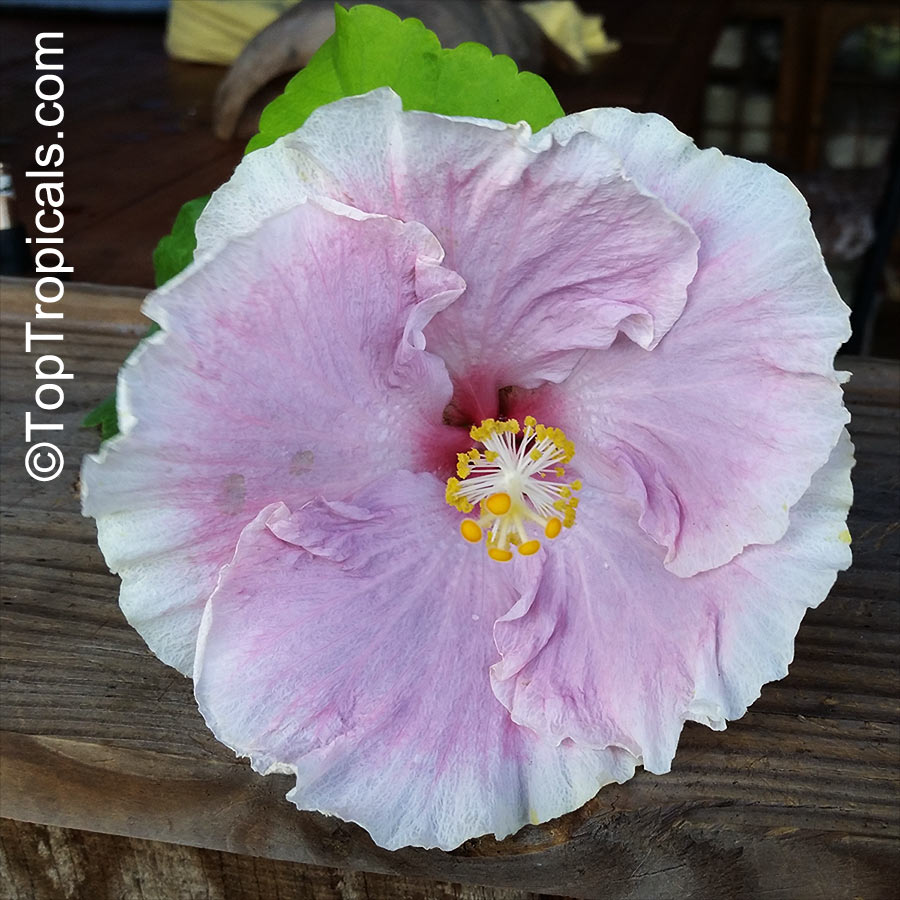
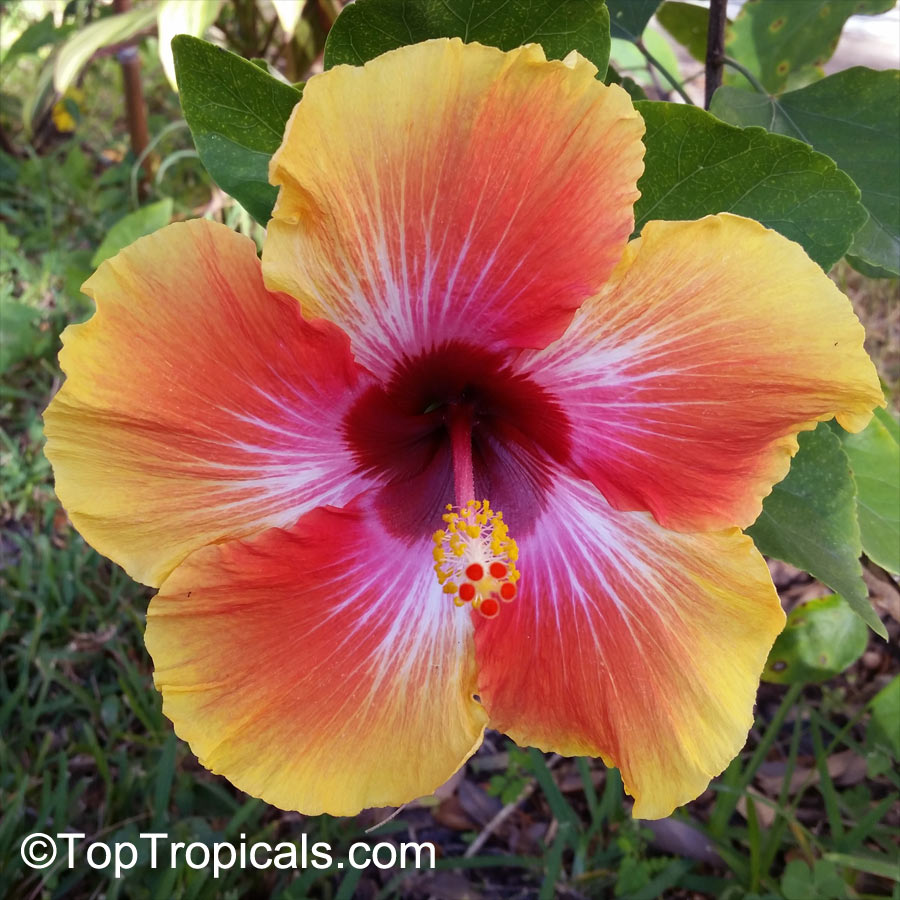
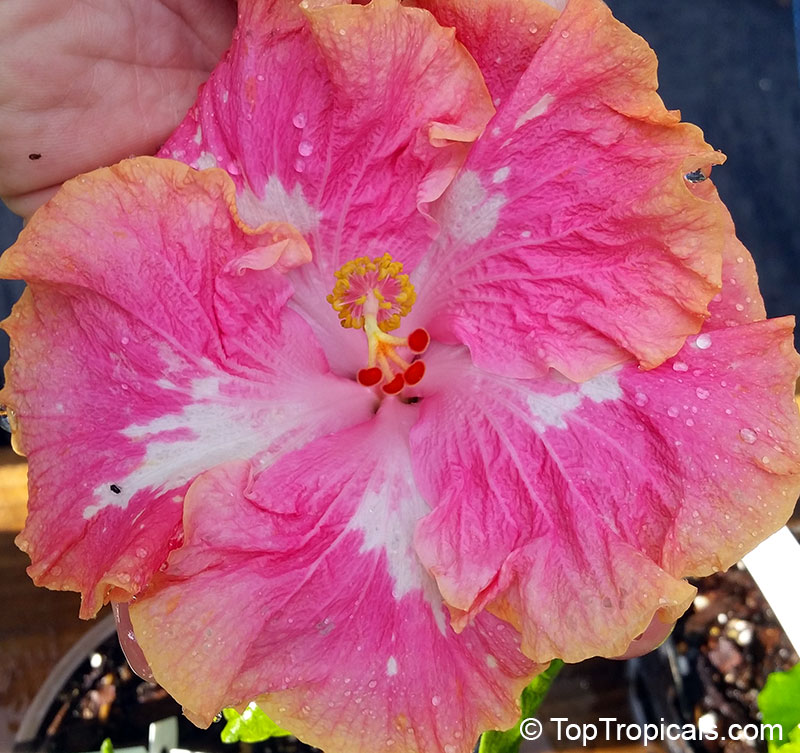
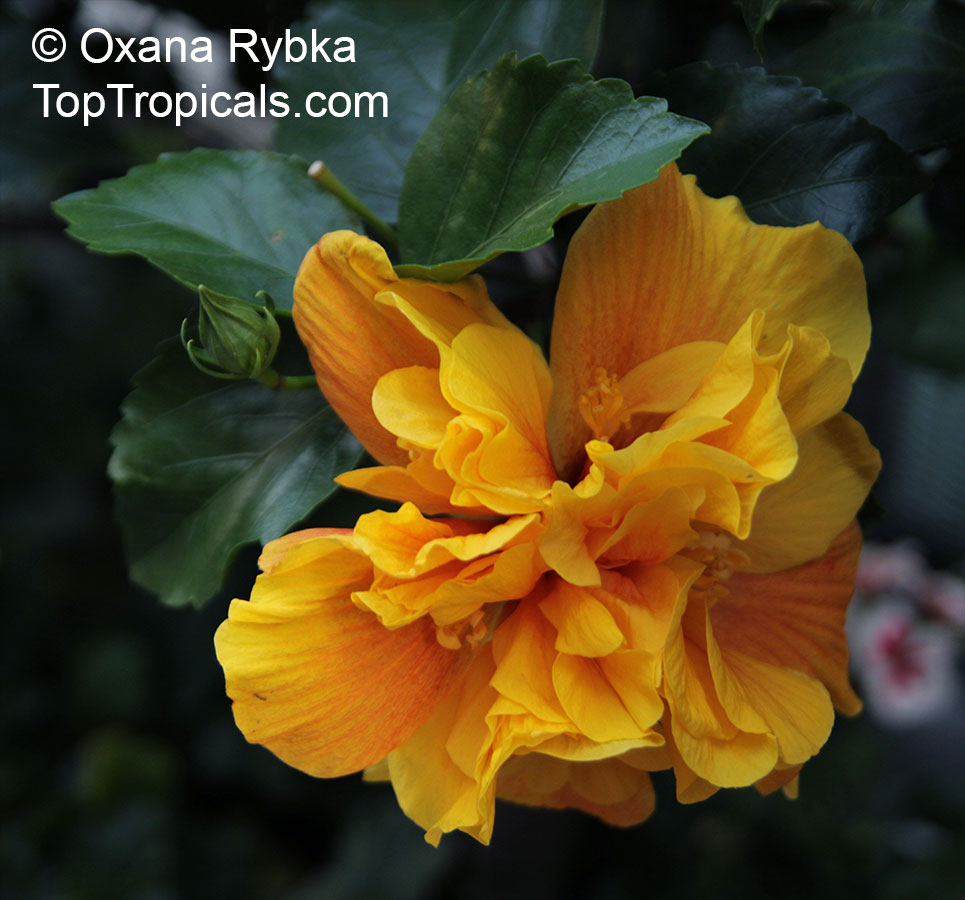
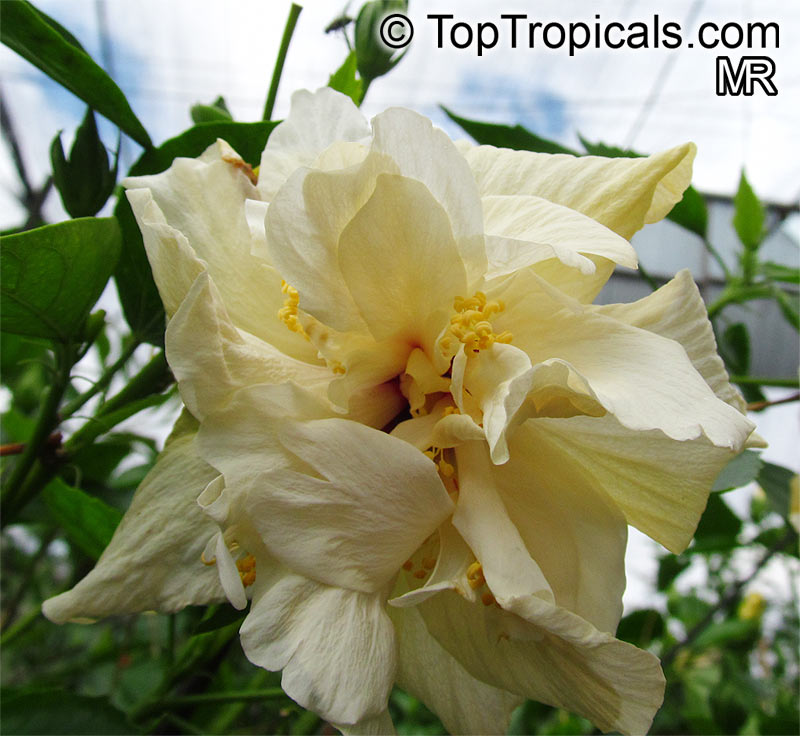
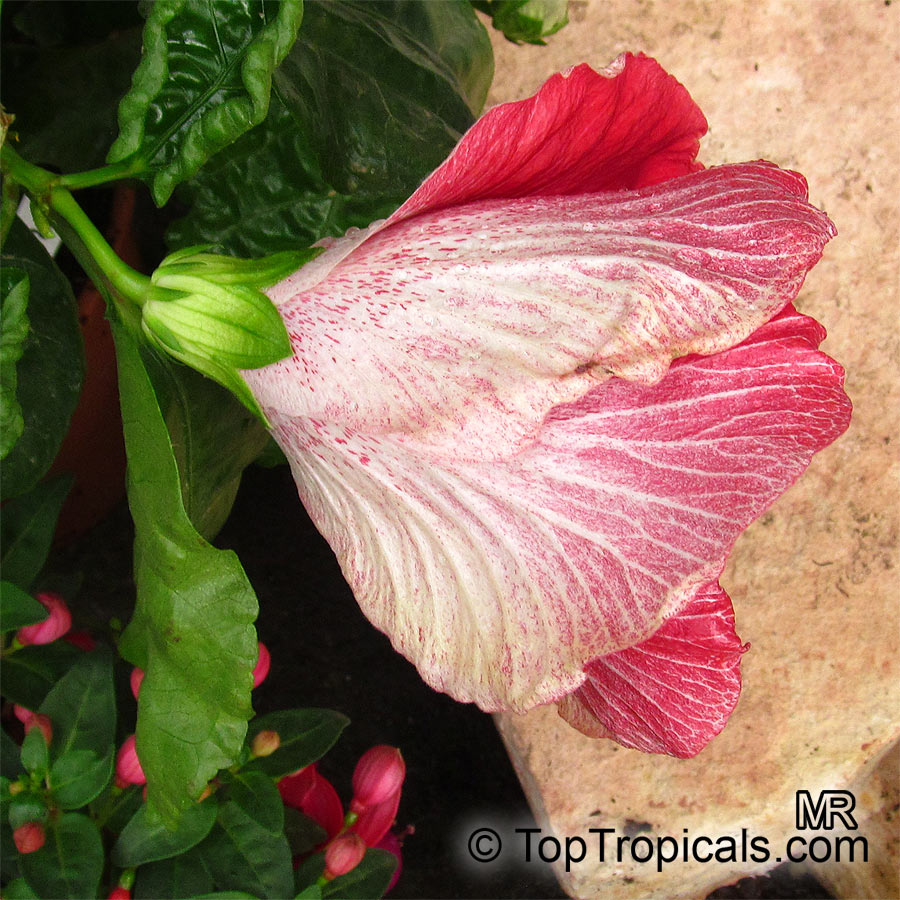
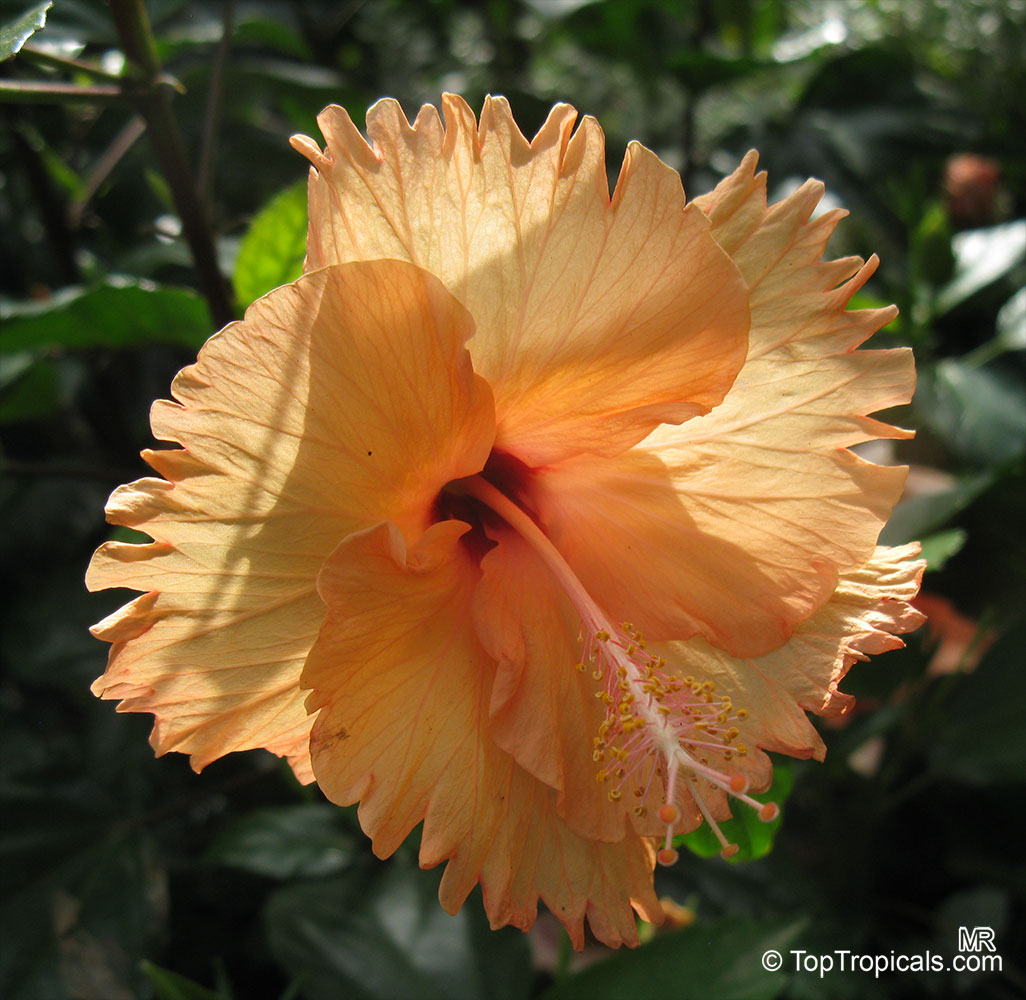
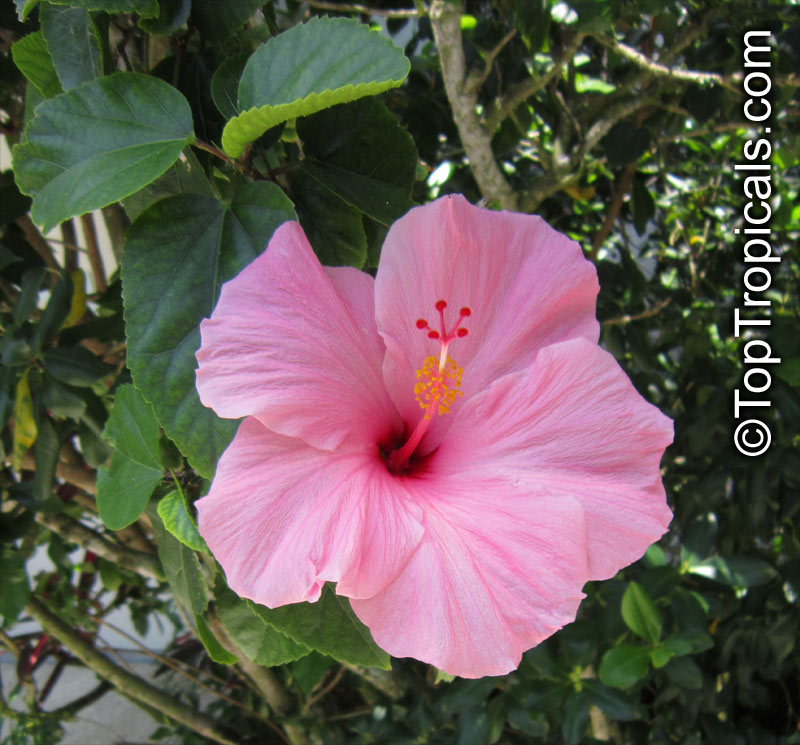
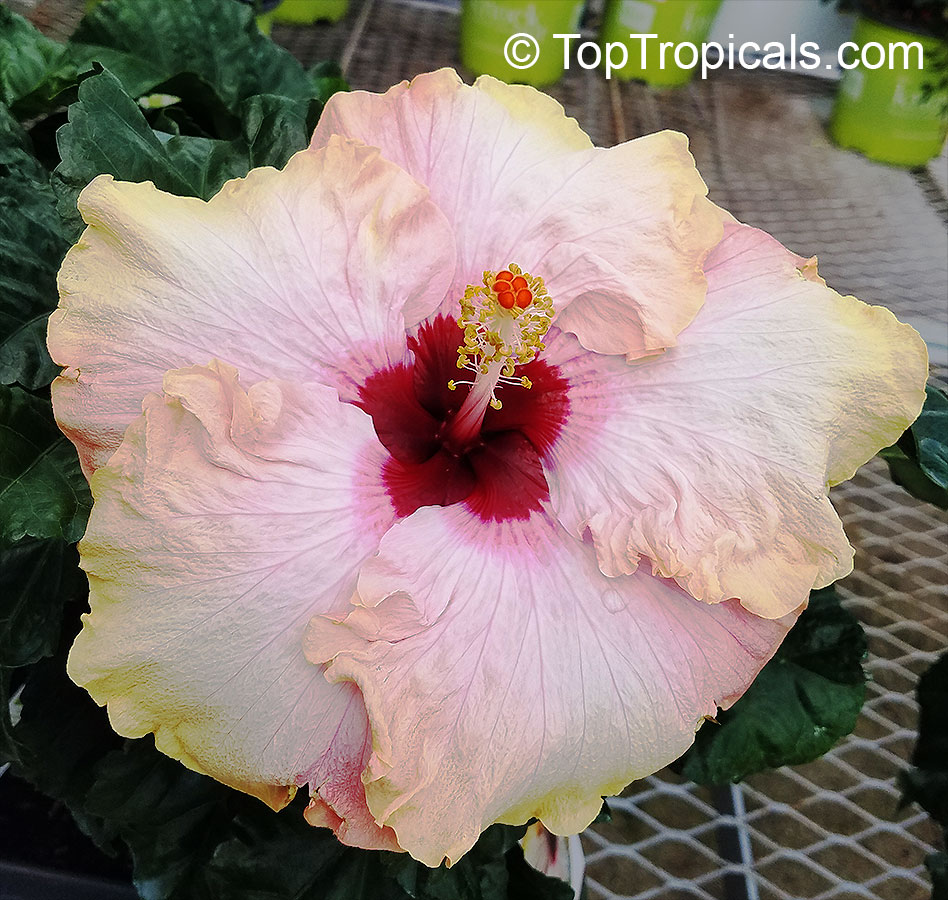
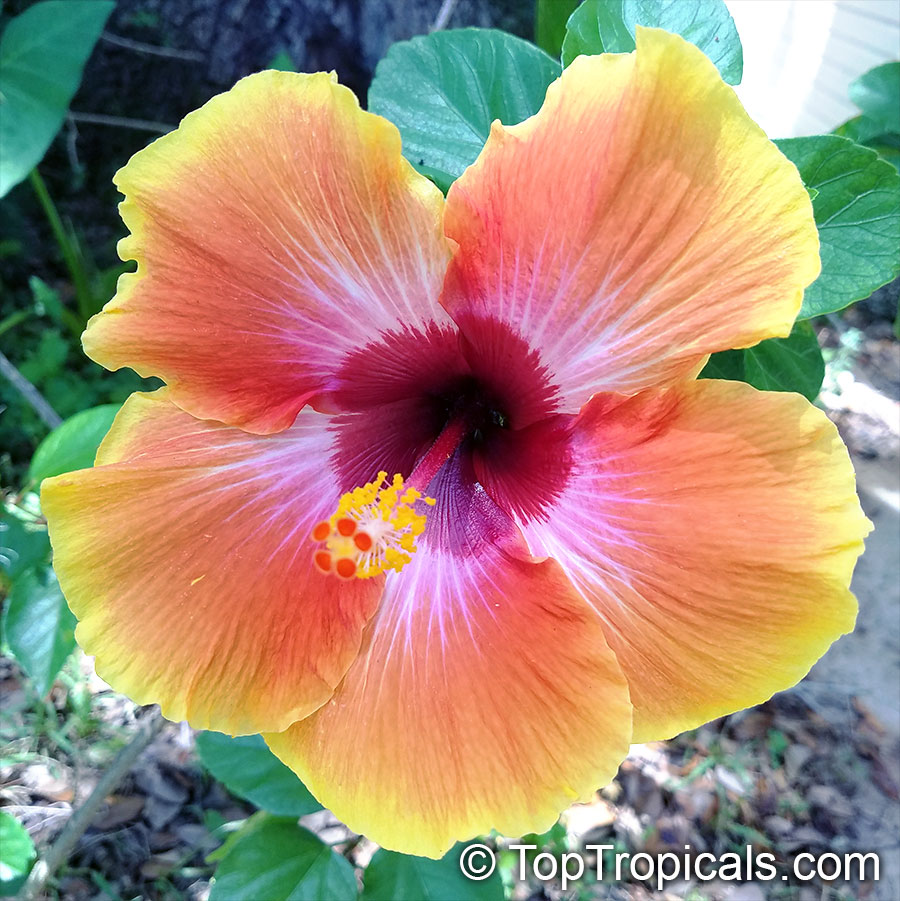
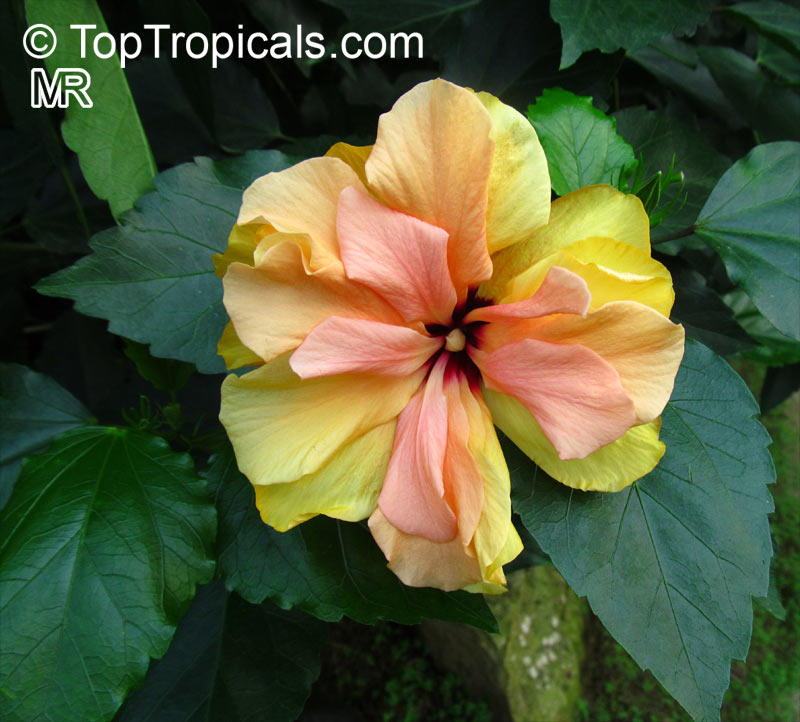
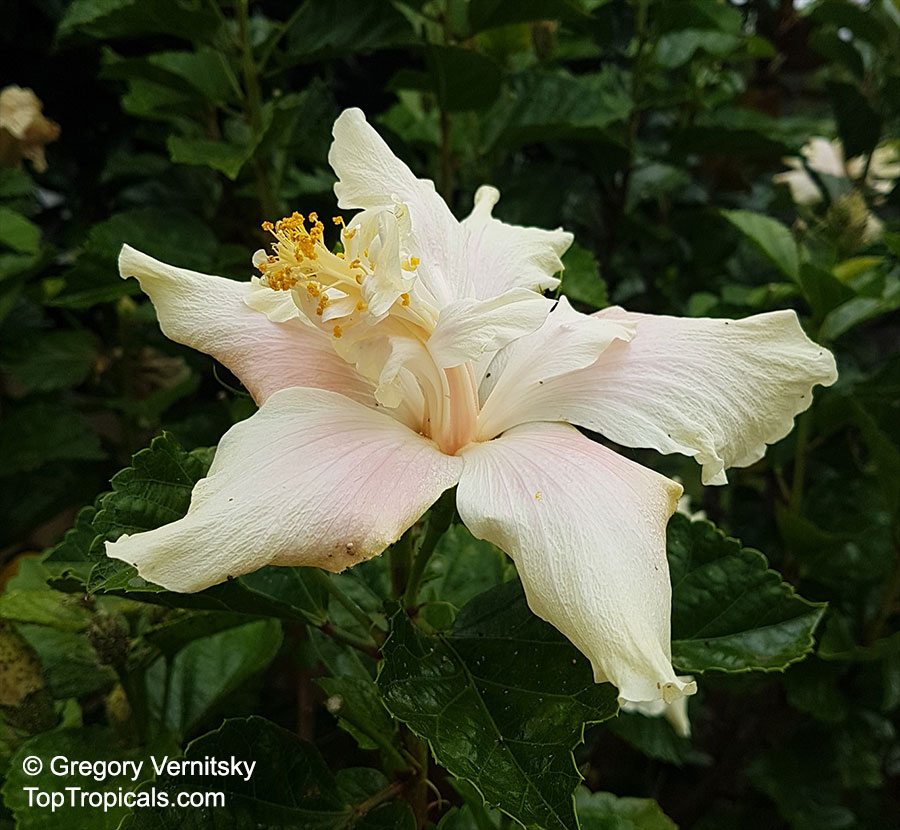
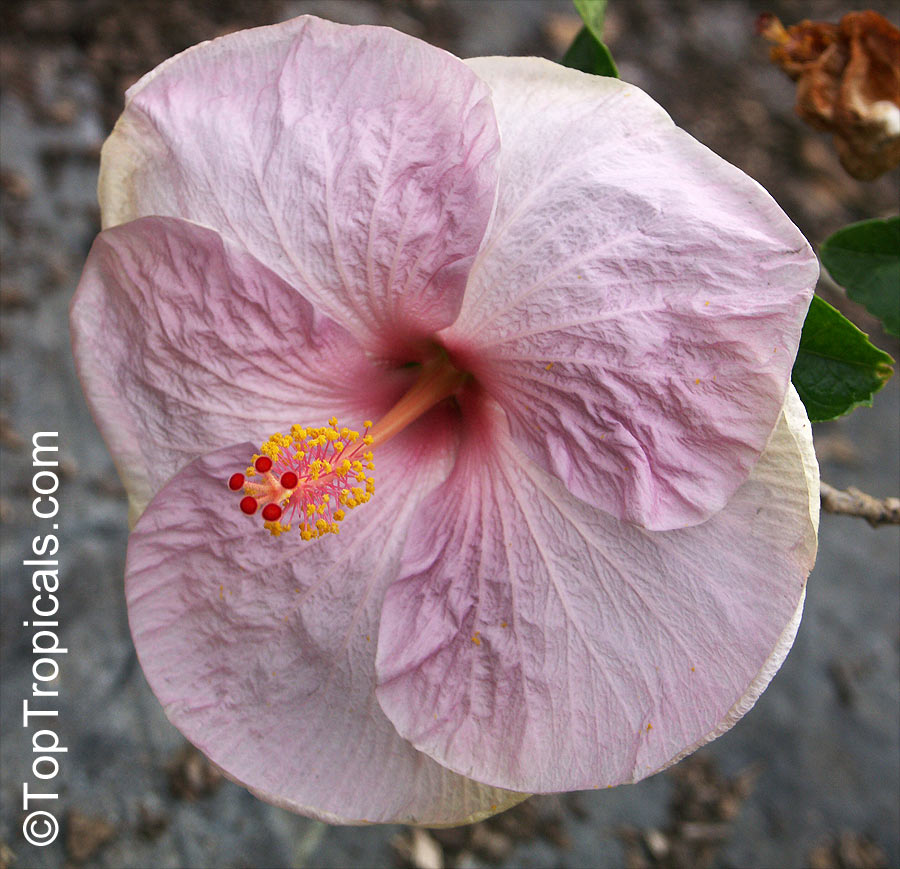
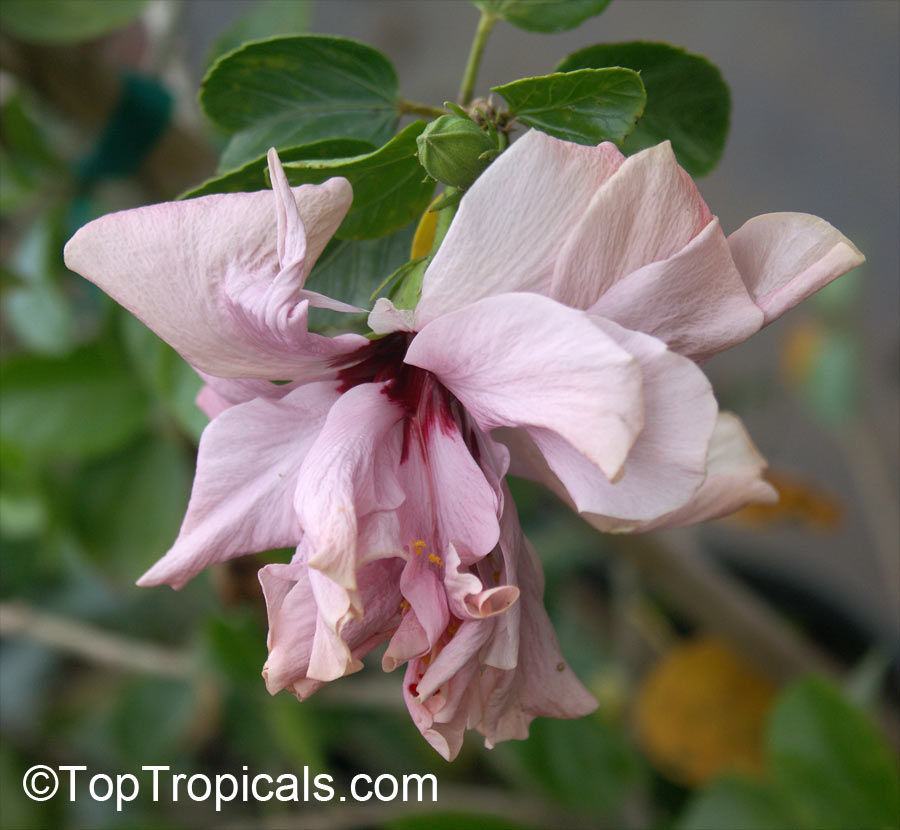
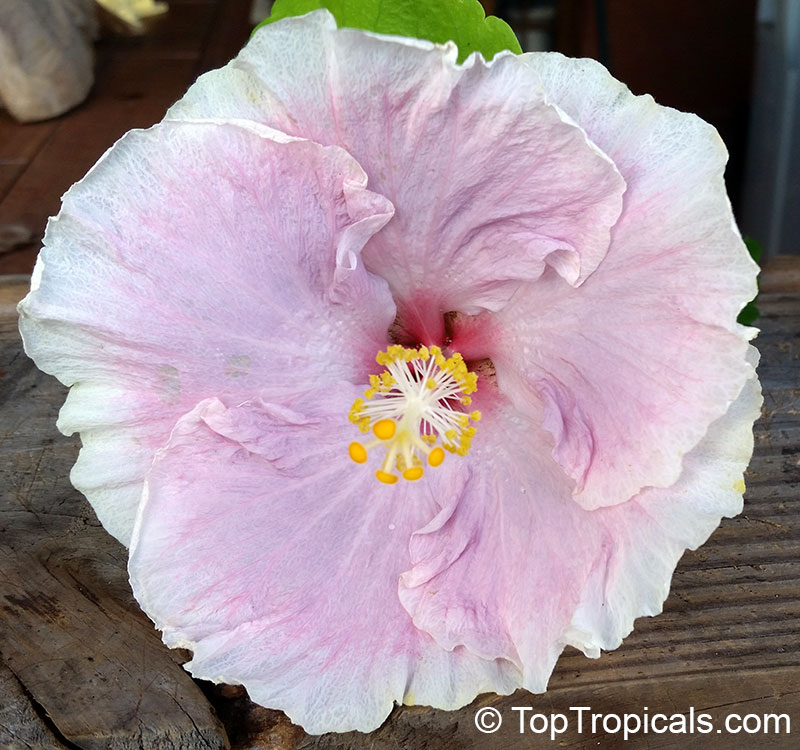
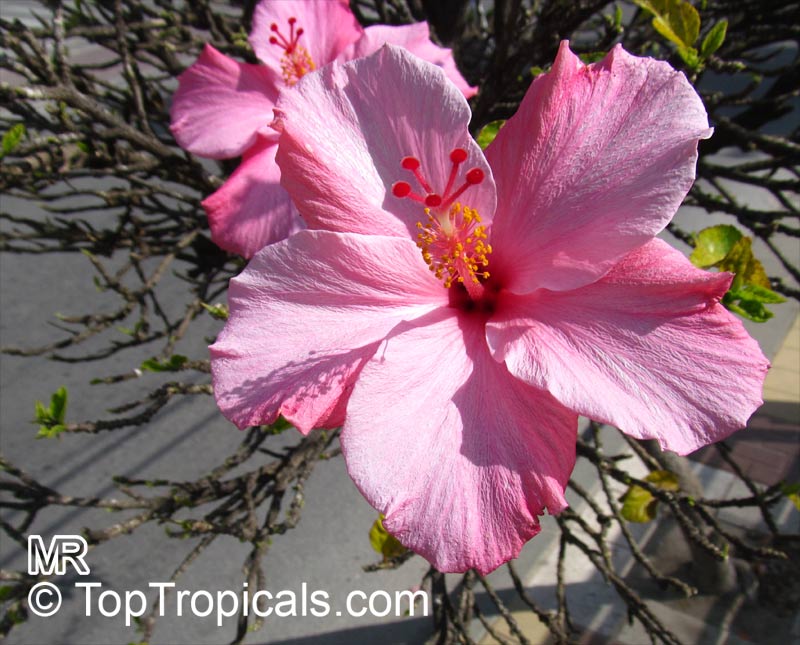
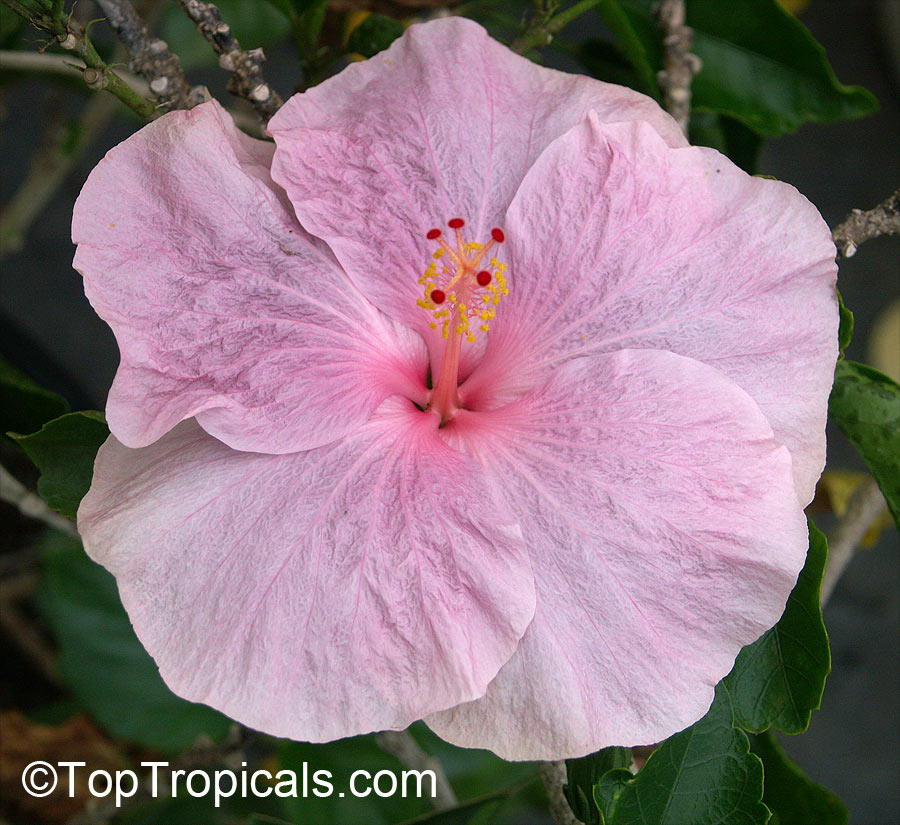
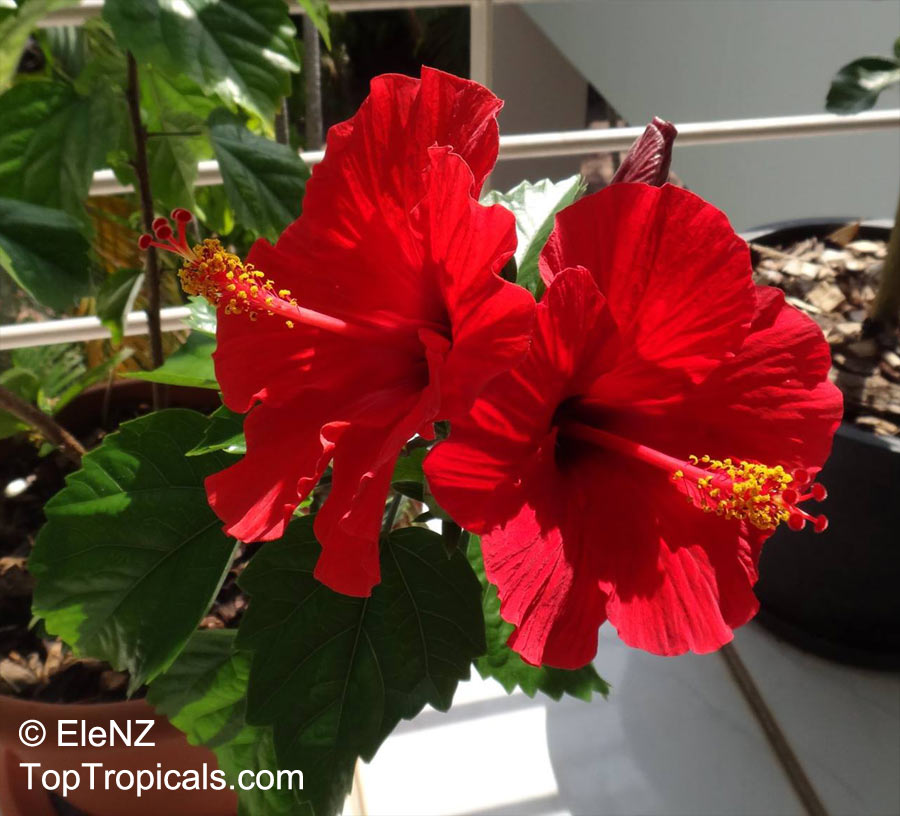
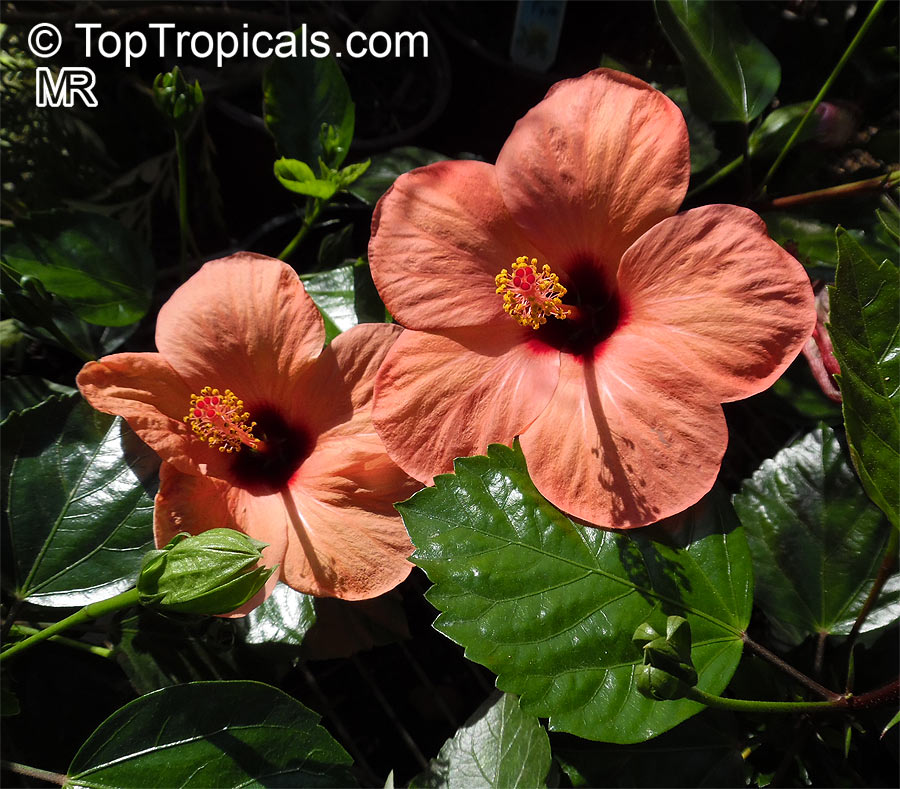
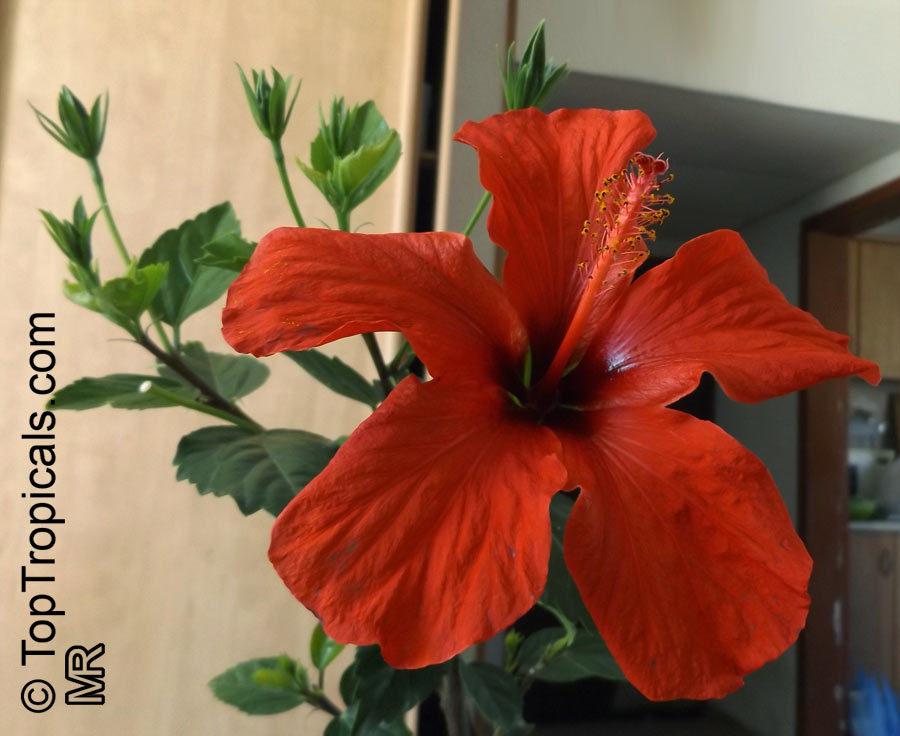
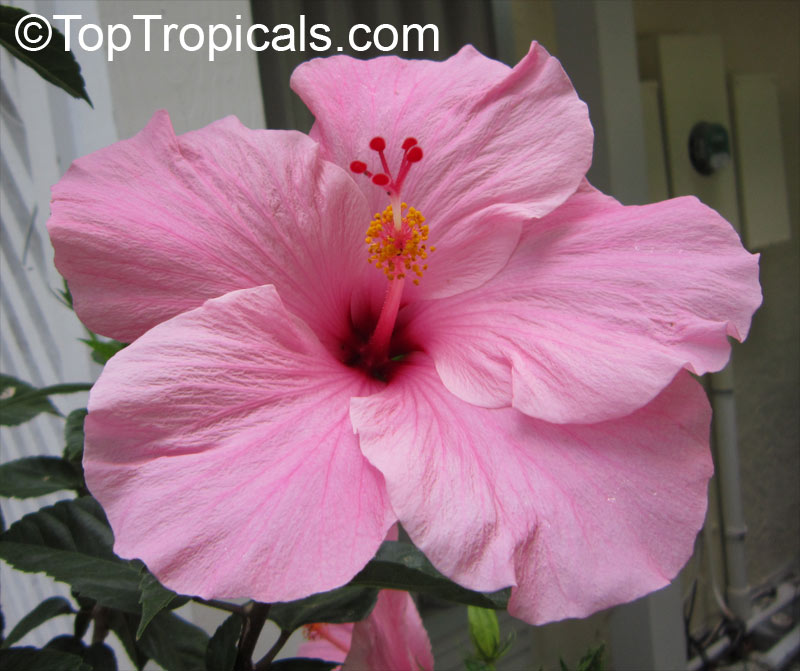
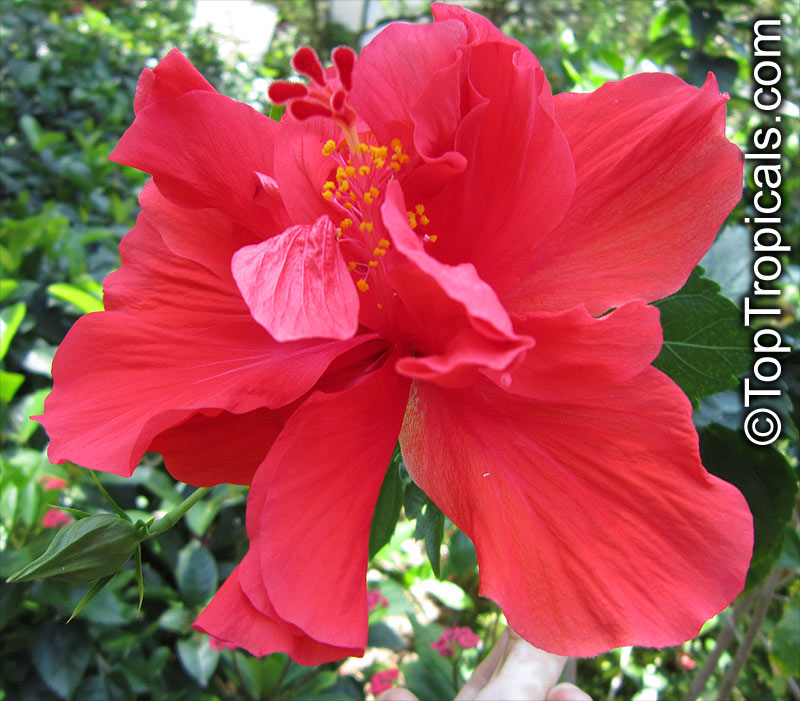
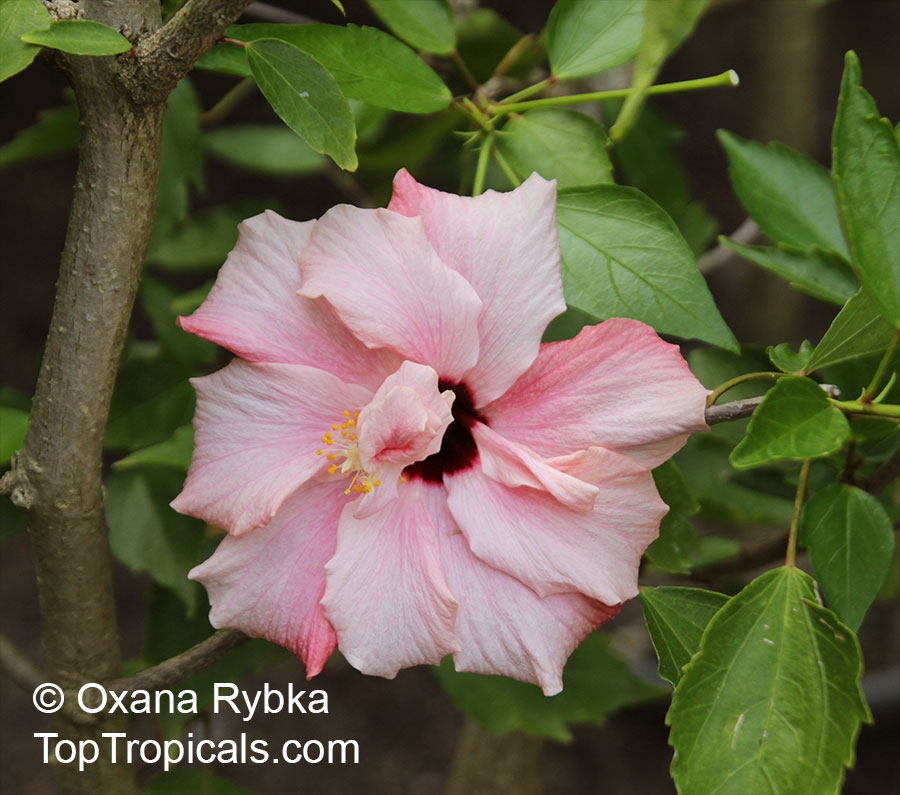
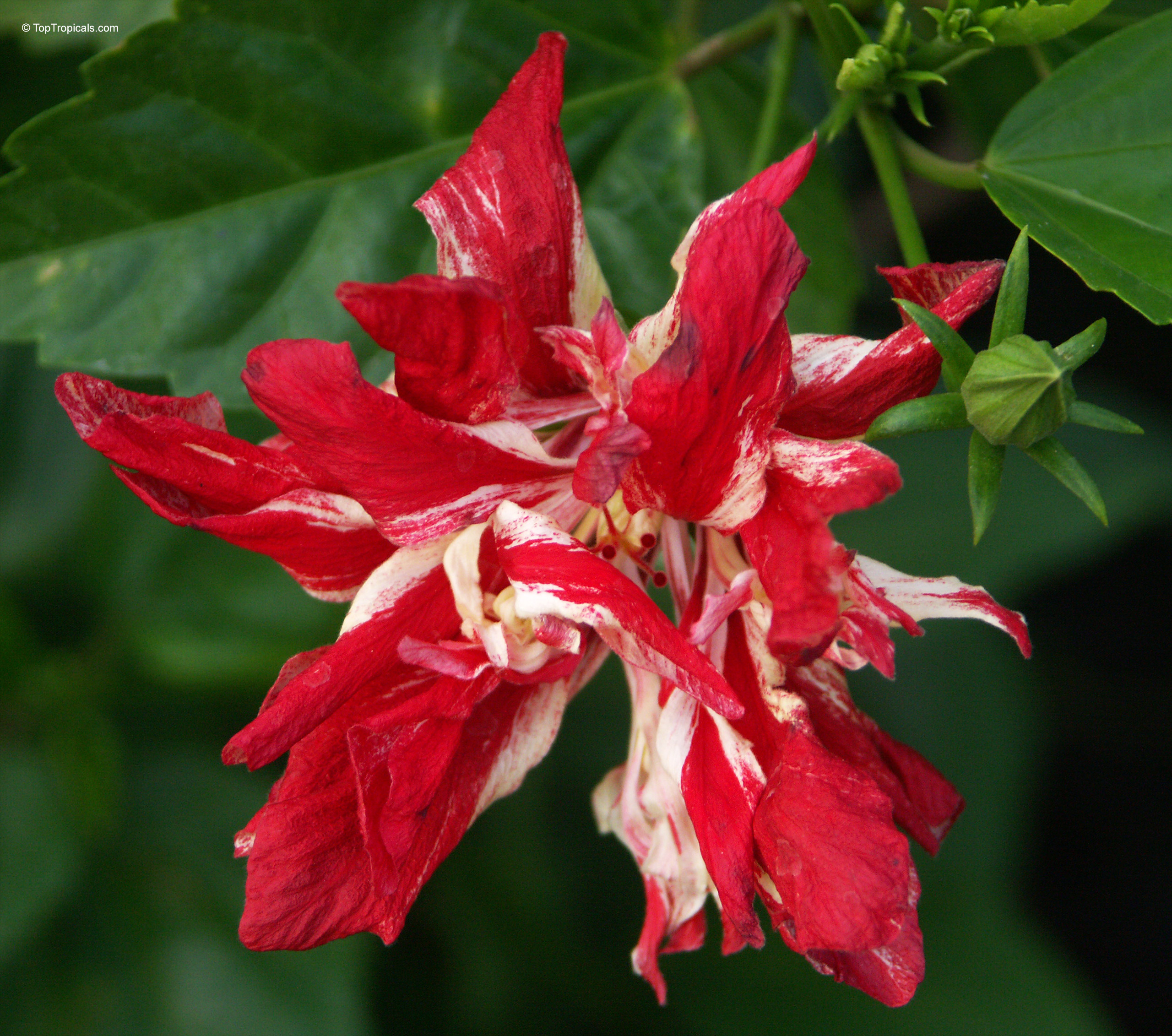
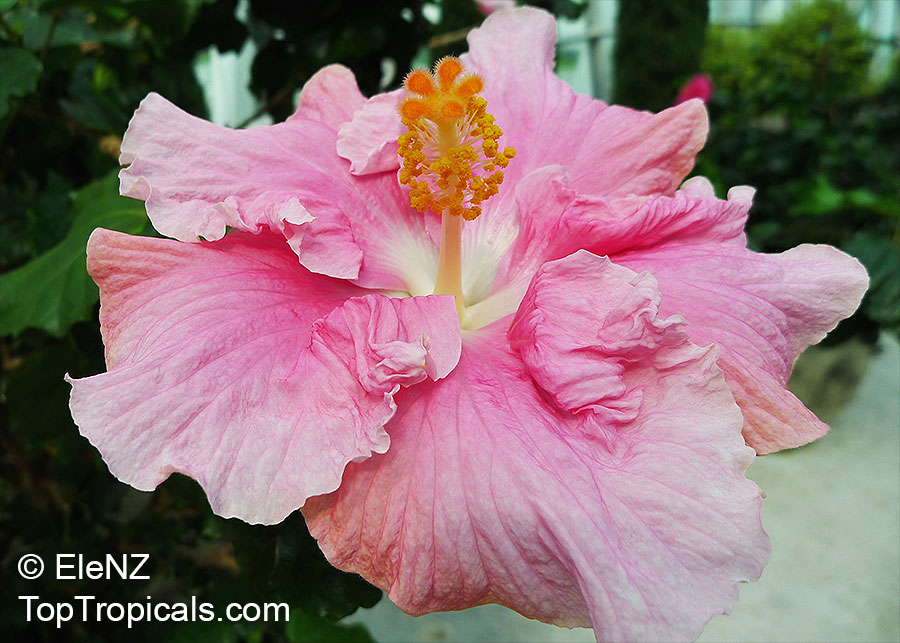
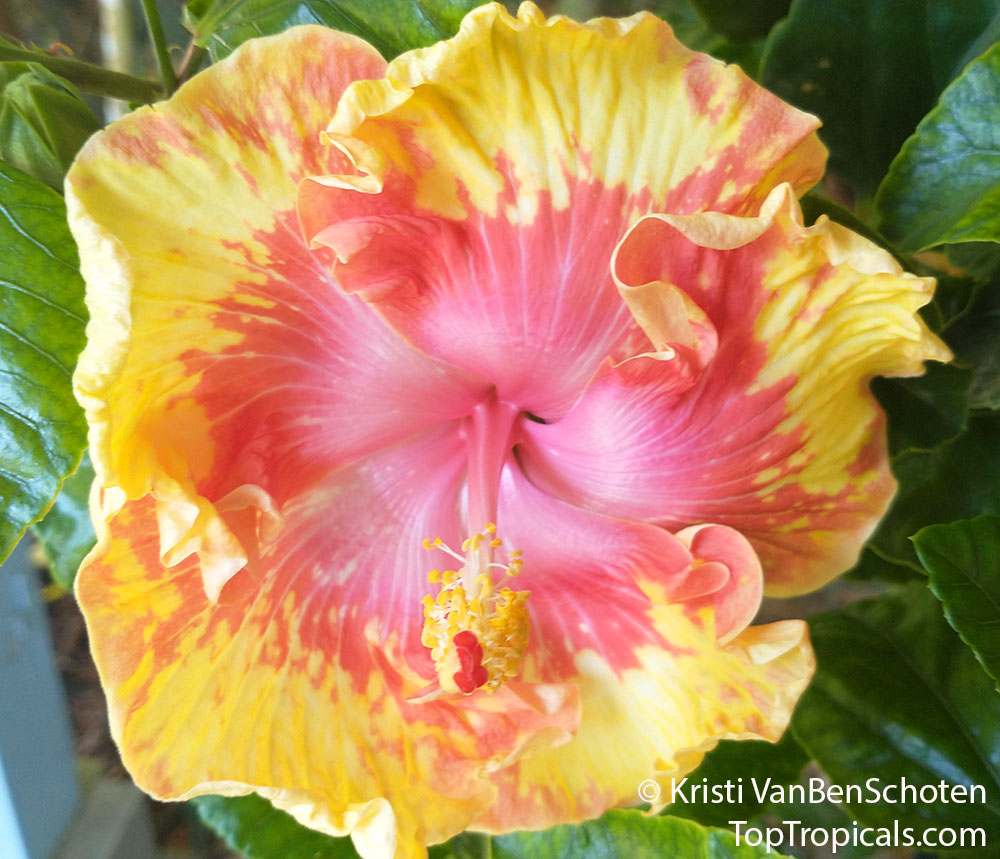
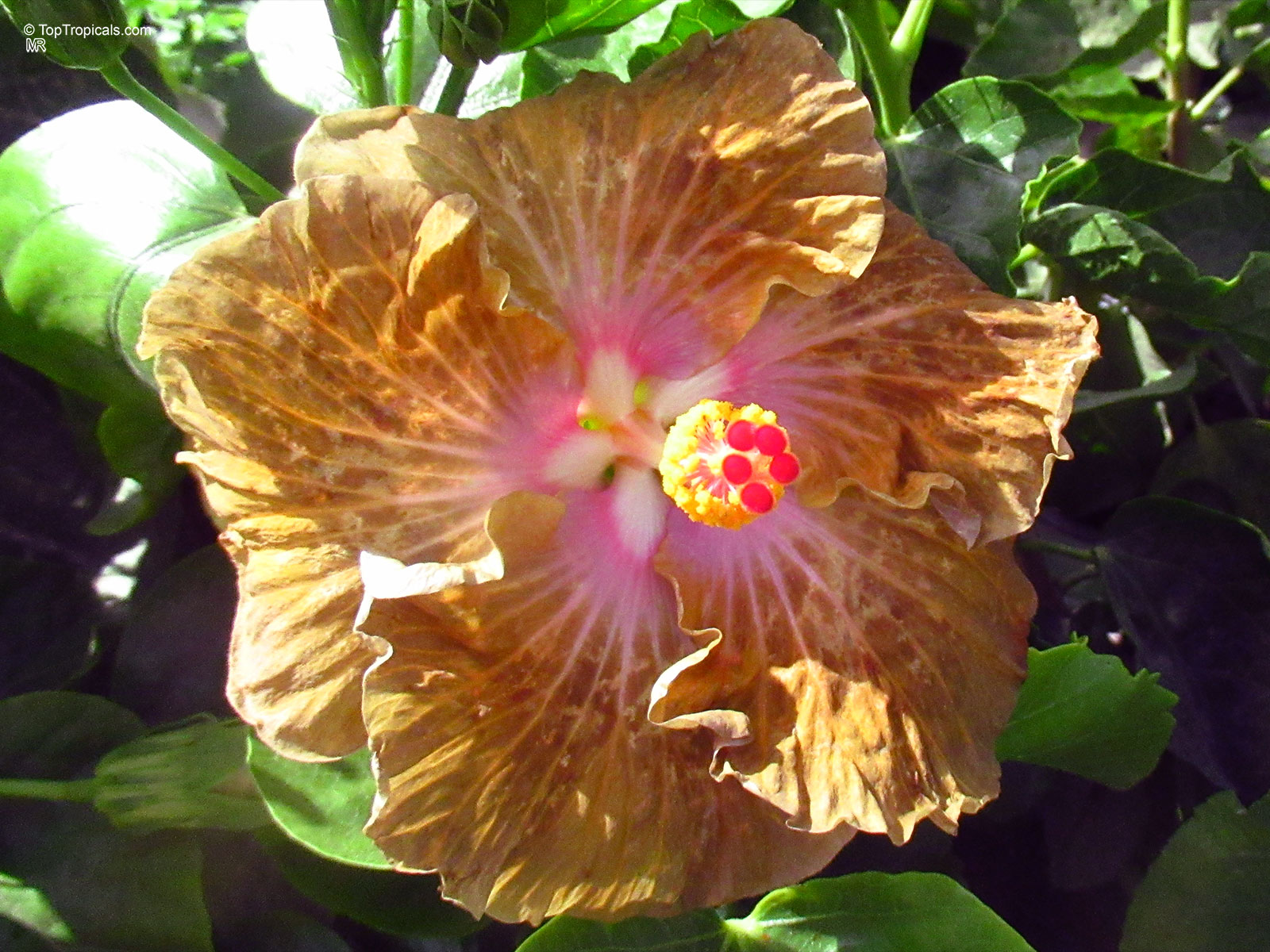
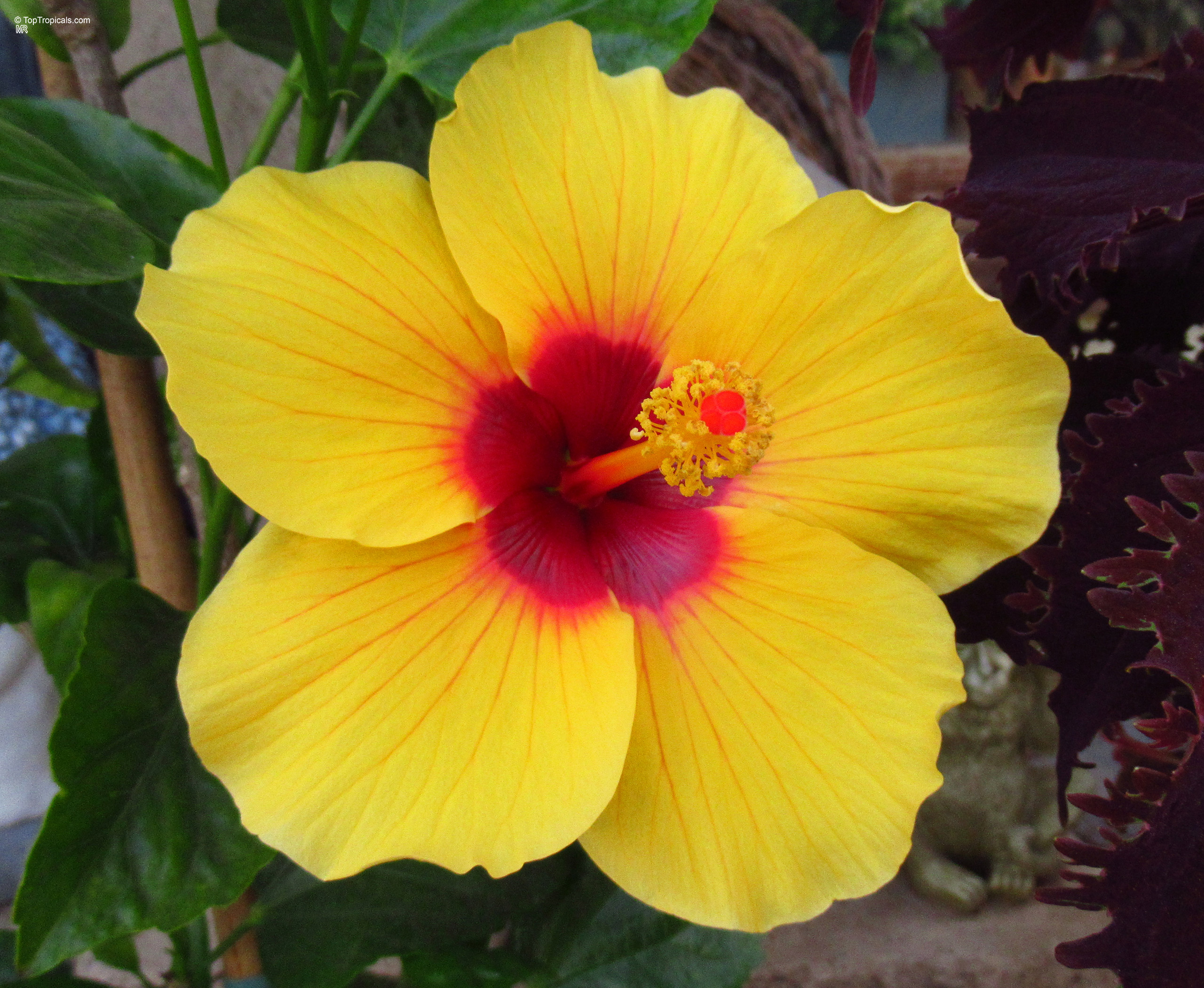
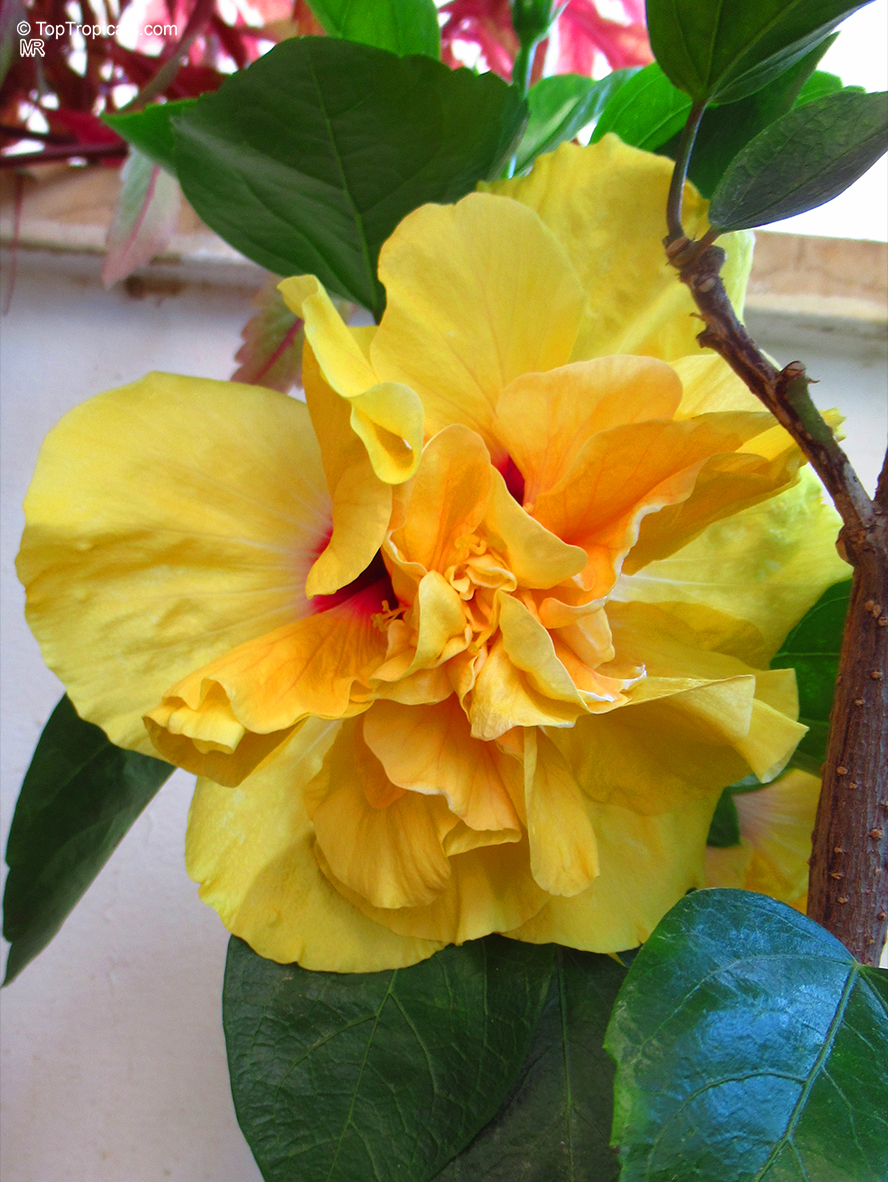
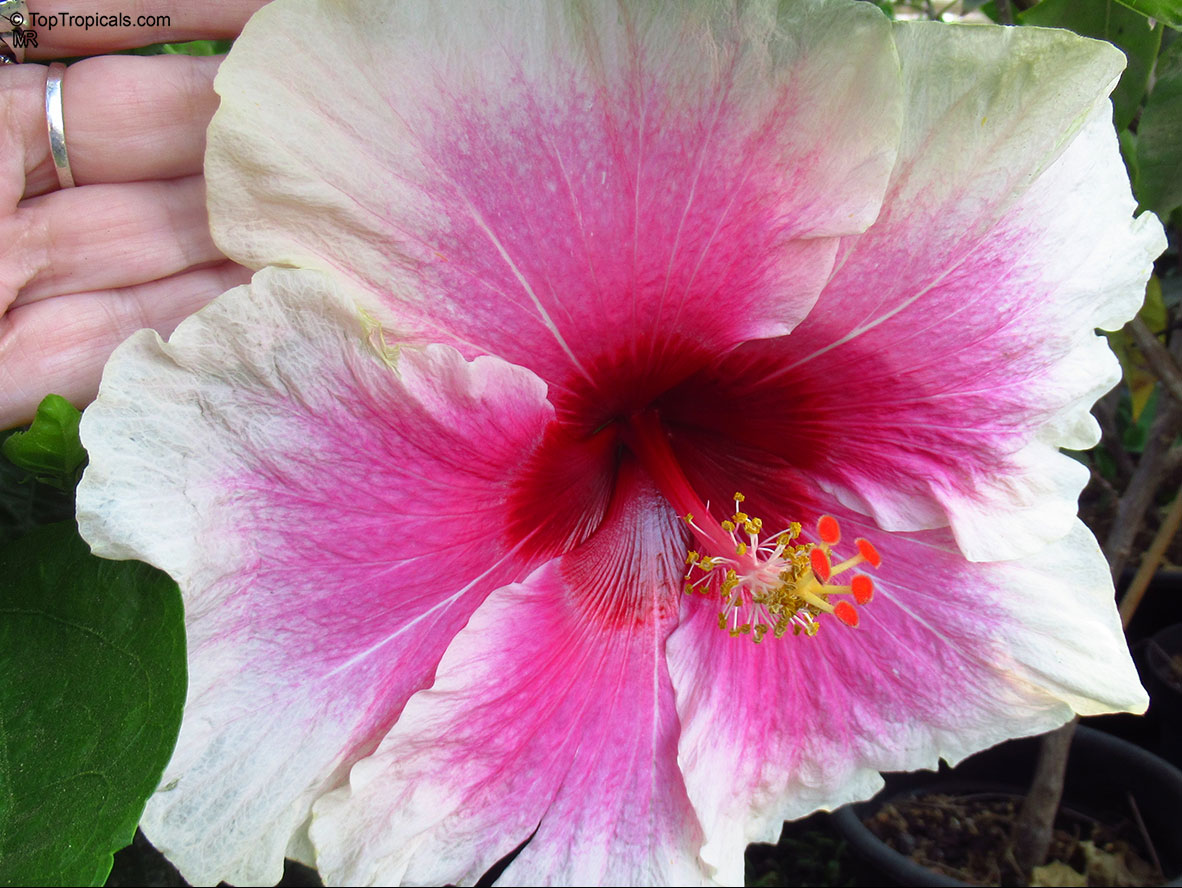
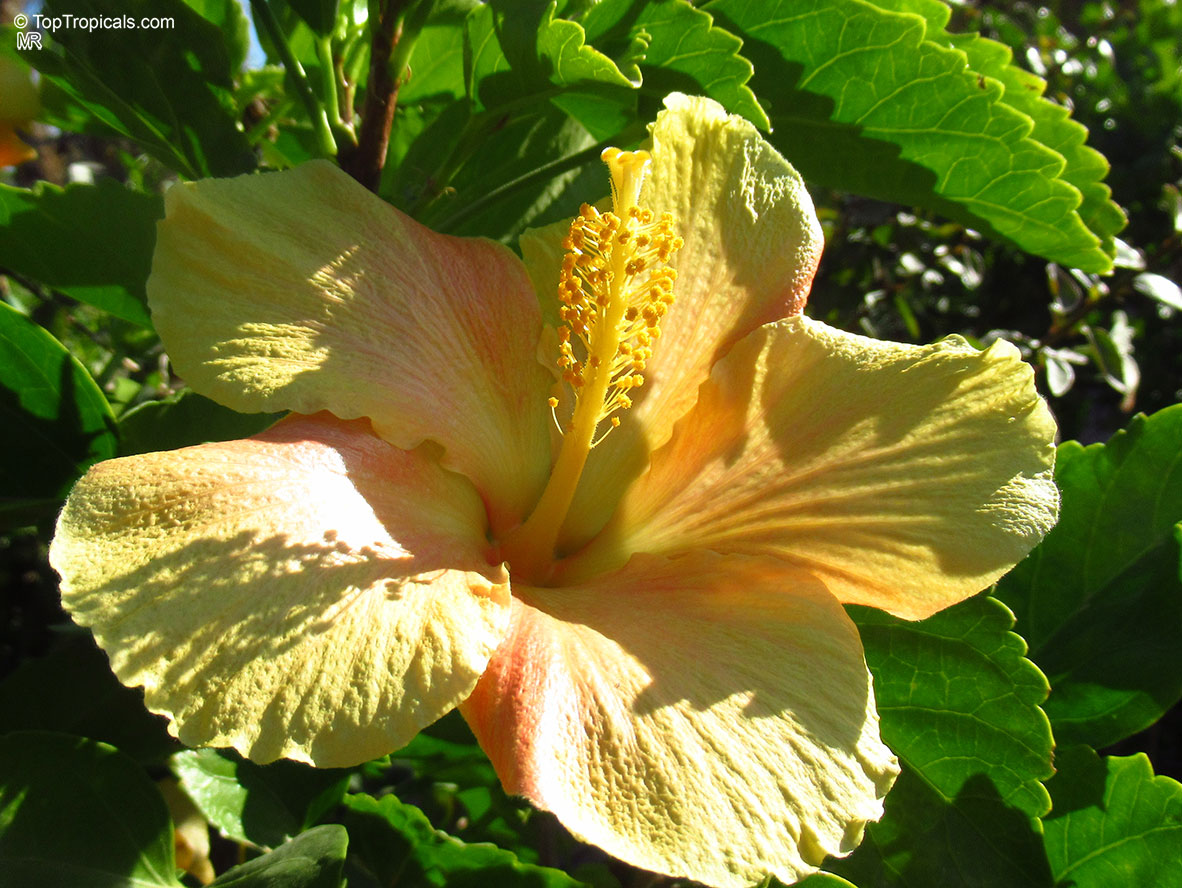
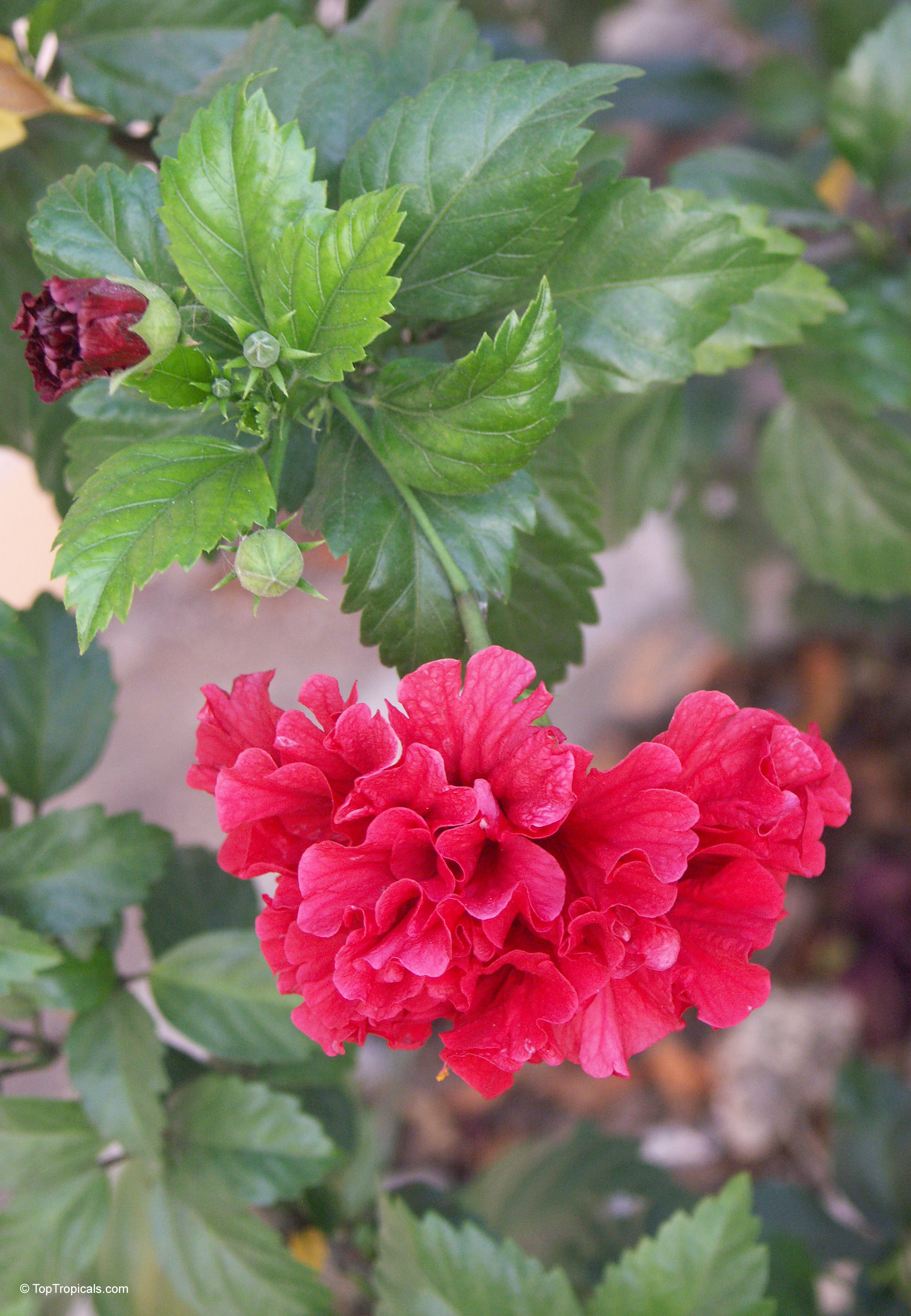
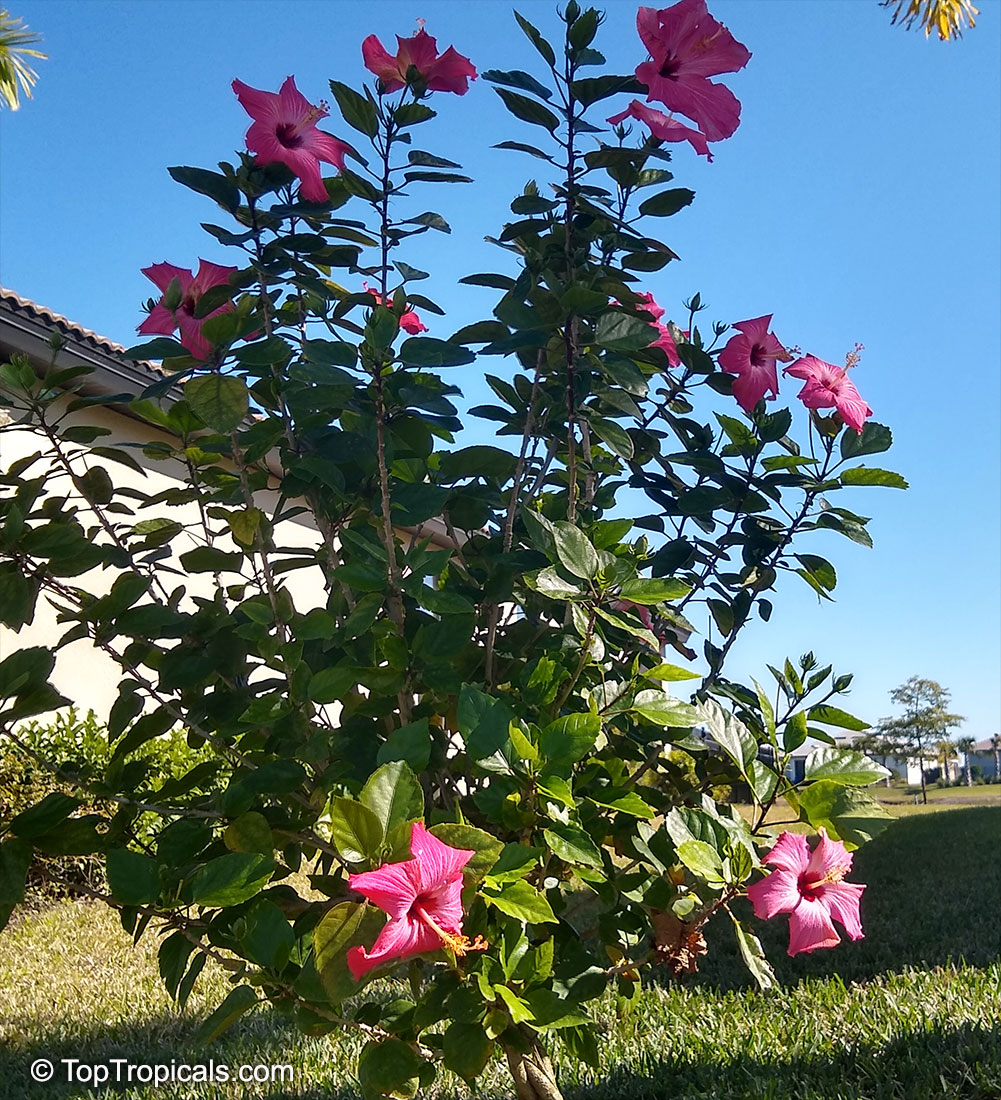
Hibiscus rosa-sinensis, commonly known as Chinese Hibiscus, Tropical Hibiscus, or Chinese Rose, is an evergreen shrub or small tree in the Malvaceae family. Its exact wild origin is uncertain, and the species is considered an ancient cultivated plant, probably derived from tropical Asian ancestors and spread throughout the tropics centuries ago. Plants typically grow 6-10 feet (1.8-3 m) tall, occasionally larger, with glossy, toothed green leaves and a dense, branching habit. The large, showy flowers may be single, semi-double, or double and occur in an enormous range of colors, including red, pink, orange, yellow, white, and numerous multicolored combinations.
In warm climates, Hibiscus rosa-sinensis can flower almost continuously throughout the year, with individual blooms usually lasting only a day or two but being produced in rapid succession. It grows best in full sun to partial shade and fertile, well-drained soil with regular moisture and feeding during active growth. Pruning encourages branching and helps maintain a compact, floriferous plant. Hardy in USDA Zones 9-11, it may suffer significant dieback during freezes in Zone 9 and benefits from a sheltered location and cold protection. In cooler climates, Tropical Hibiscus is one of the most popular flowering houseplants and container plants, valued for bringing its spectacular tropical blooms indoors. Thousands of cultivars and complex hybrids have been developed, making it one of the most diverse and widely grown flowering shrubs in tropical and subtropical gardens as well as a favorite indoor ornamental.
Read more about hibiscus:
Hibiscus growing tips: The Tips of Hibiscus Flowers
Hibiscus: TopTropicals' first plant
Cultivars: Hibiscus rosa-sinensis (Hibiscus)
- Hibiscus rosa-sinensis ''Apricot Brandy'' (Apricot Brandy Hibiscus )
- Hibiscus rosa-sinensis ''Aurora'' (Hibiscus Aurora)
- Hibiscus rosa-sinensis ''Celia'' (Double red hibiscus)
- Hibiscus rosa-sinensis ''Country Music'' (Hibiscus Country Music)
- Hibiscus rosa-sinensis ''Dark Star'' (Hibiscus Dark Star - Double Pink)
- Hibiscus rosa-sinensis ''Fiesta'' (Hibiscus Fiesta)
- Hibiscus rosa-sinensis ''Florida Sunset'' (Hibiscus Florida Sunset)
- Hibiscus rosa-sinensis ''Jane Cowel'' (Hibiscus Jane Cowel Double peach)
- Hibiscus rosa-sinensis ''Kinchens'' (Hibiscus Kinchens Yellow)
- Hibiscus rosa-sinensis ''Kona'' (Hibiscus Double Kona)
Similar plants: Hibiscus rosa-sinensis (Hibiscus)
- Abelmoschus esculentus (Okra)
- Abelmoschus moschatus (Musk Mallow)
- Alyogyne hakeifolia (Red-centred Hibiscus)
- Alyogyne huegelii (Blue Hibiscus)
- Hibiscus acetosella (African Rosemallow)
- Hibiscus arnottianus (Hawaiian White Hibiscus)
- Hibiscus cannabinus (Kenaf)
- Hibiscus coccineus (Scarlet Hibiscus)
- Hibiscus El Capitolio Group ''Bloody Mary'' (Bloody Mary Hibiscus)
- Hibiscus El Capitolio Group ''Tequila Sunrise'' (Tequila Sunrise Hibiscus)

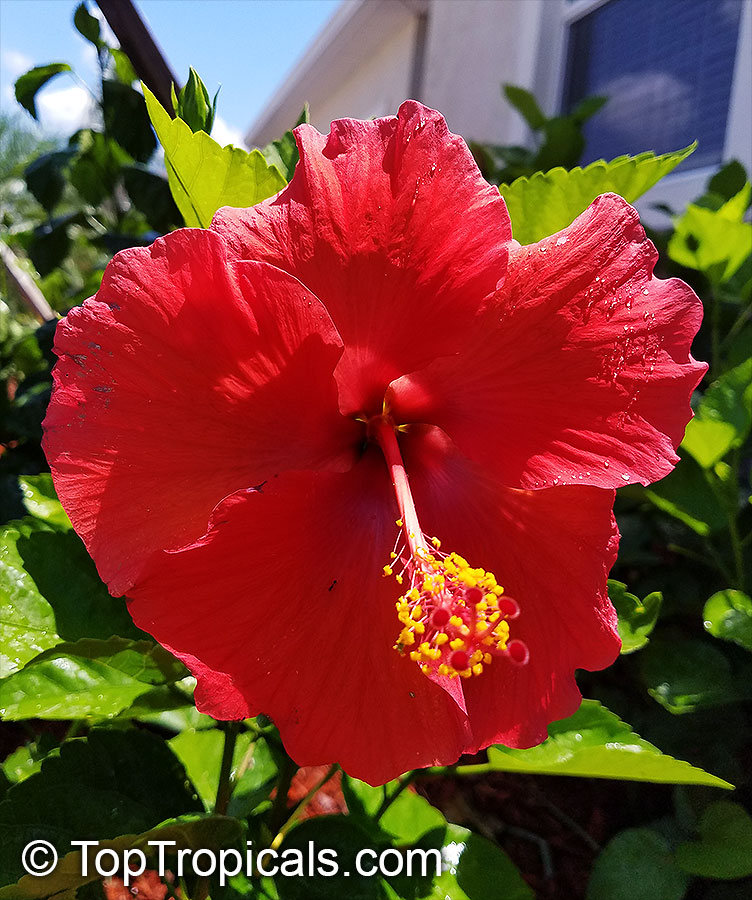

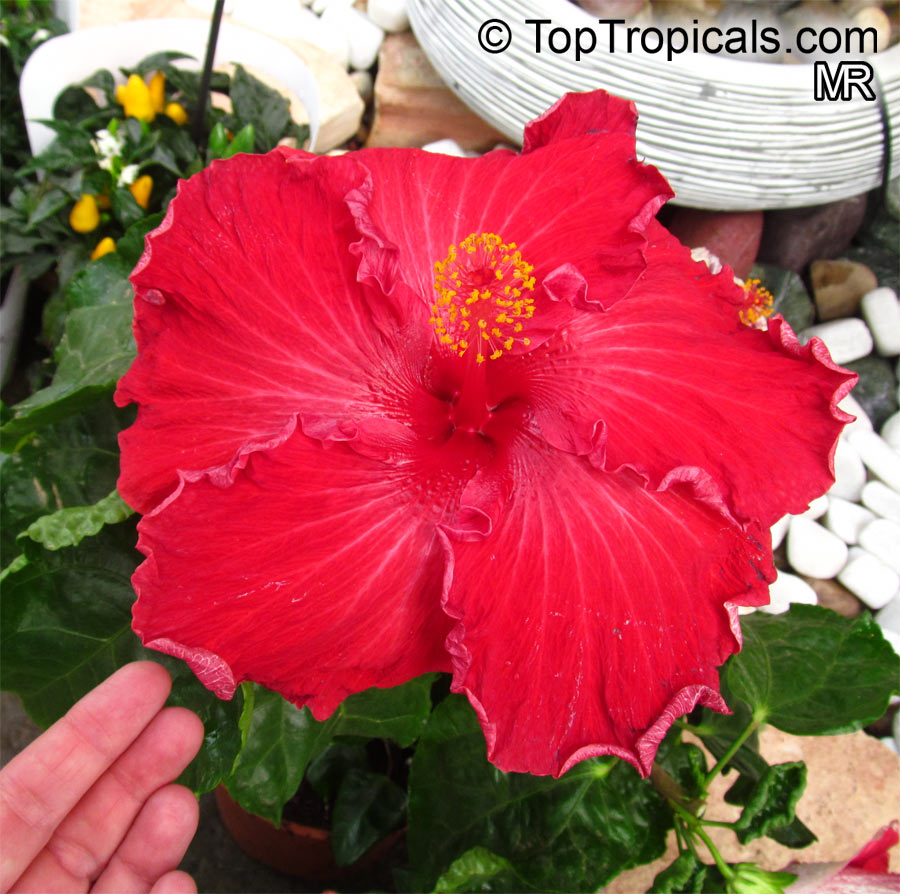
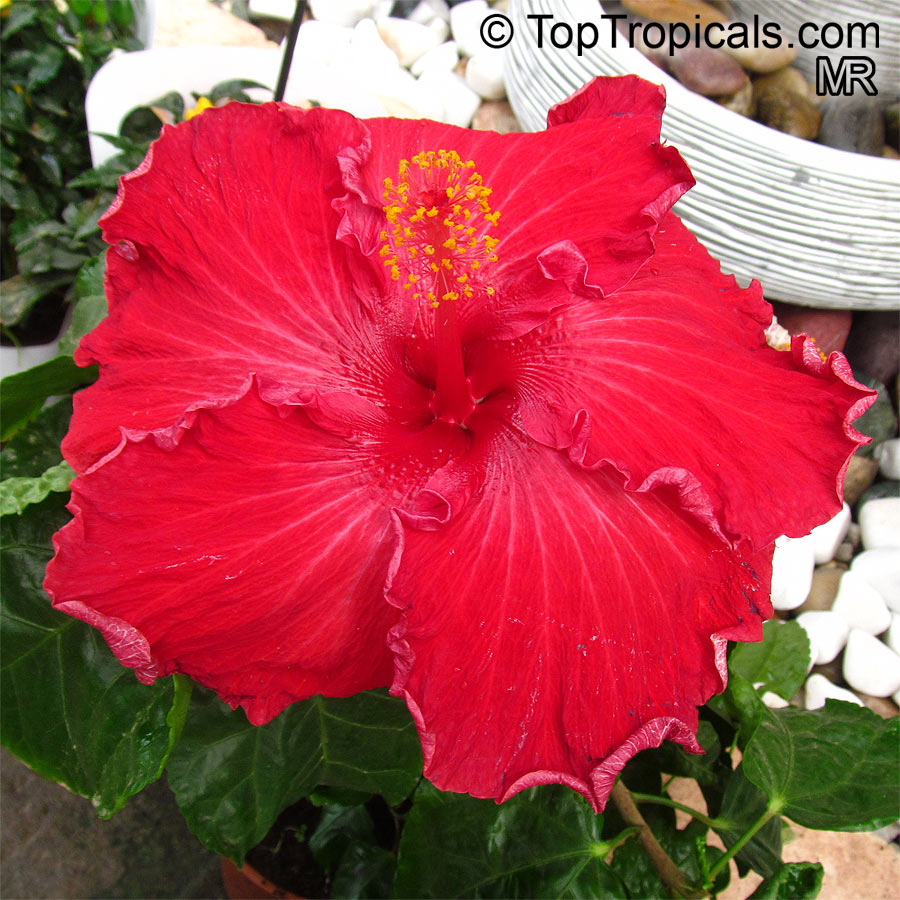
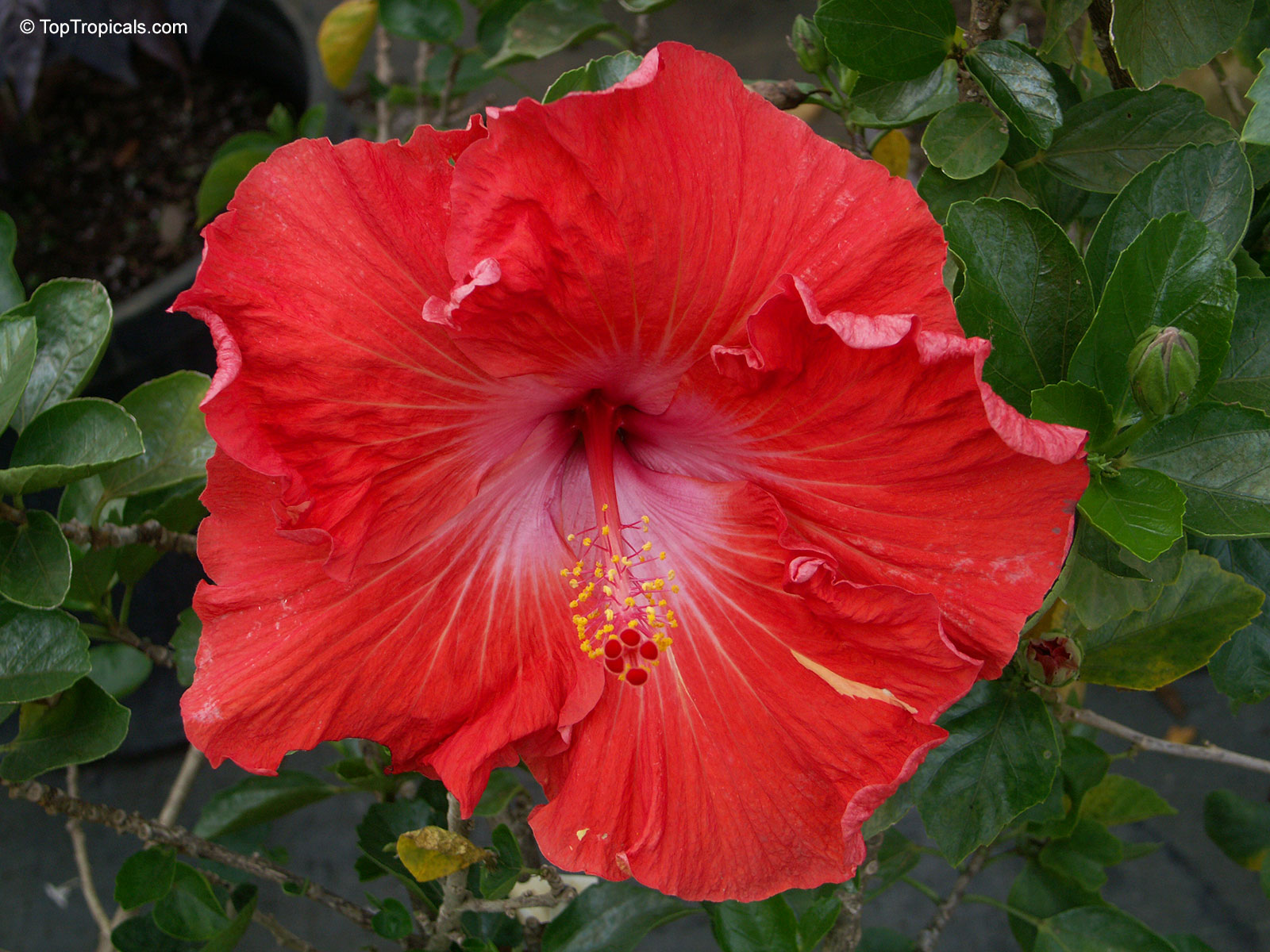
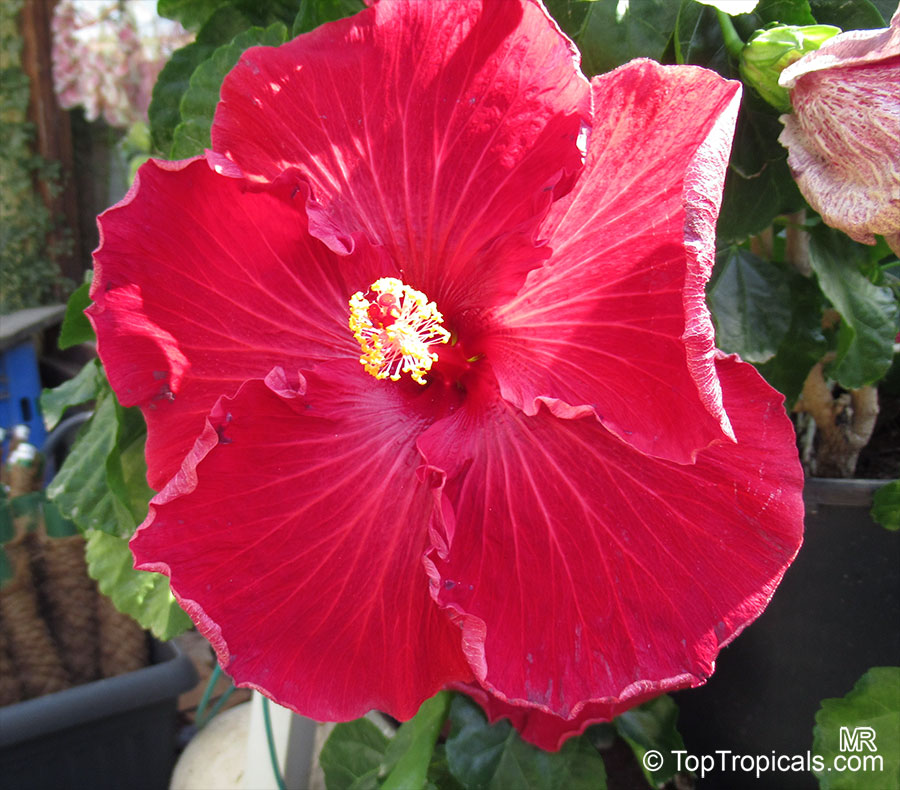
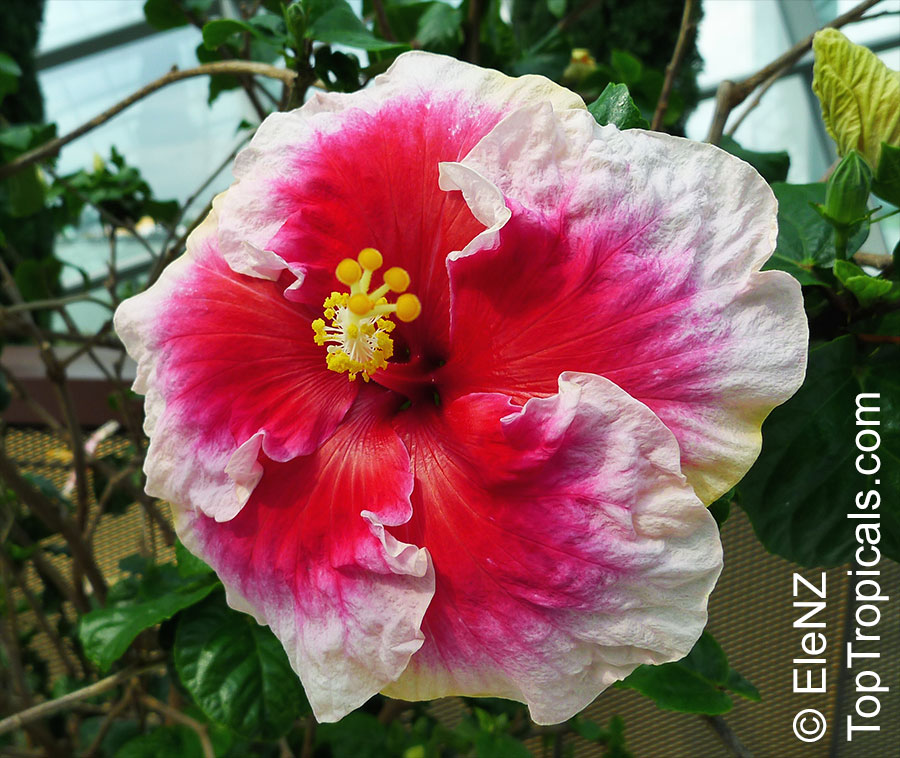
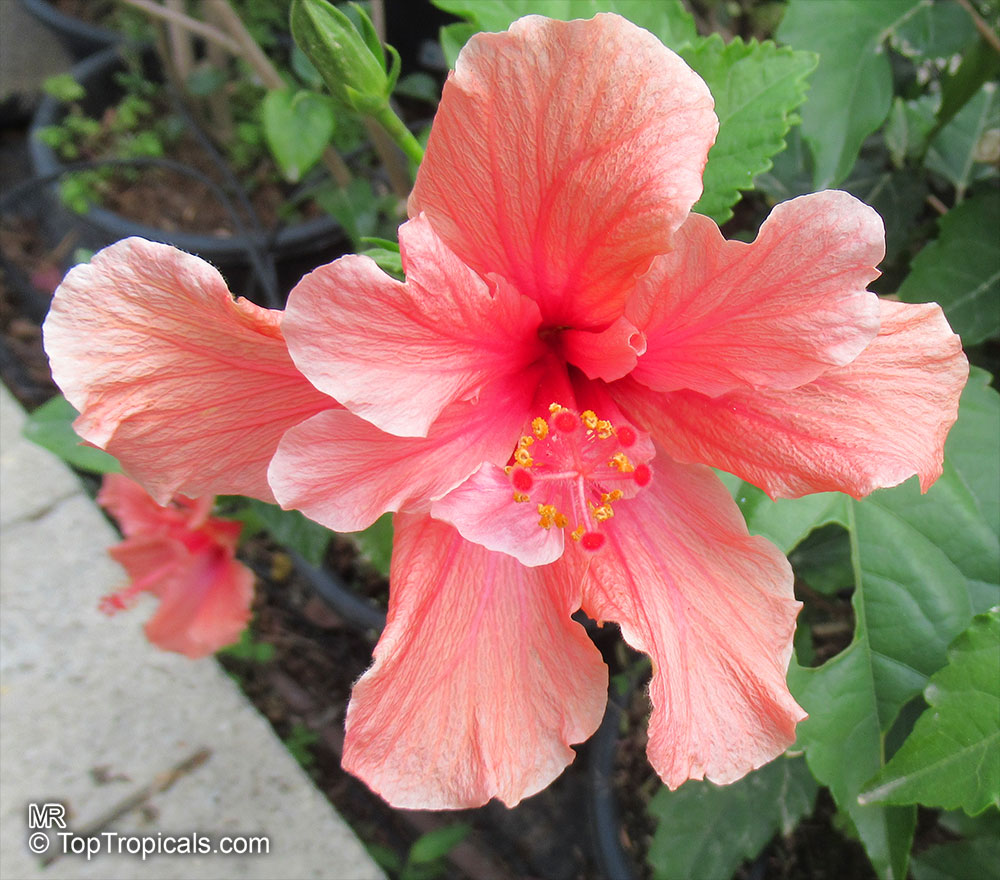

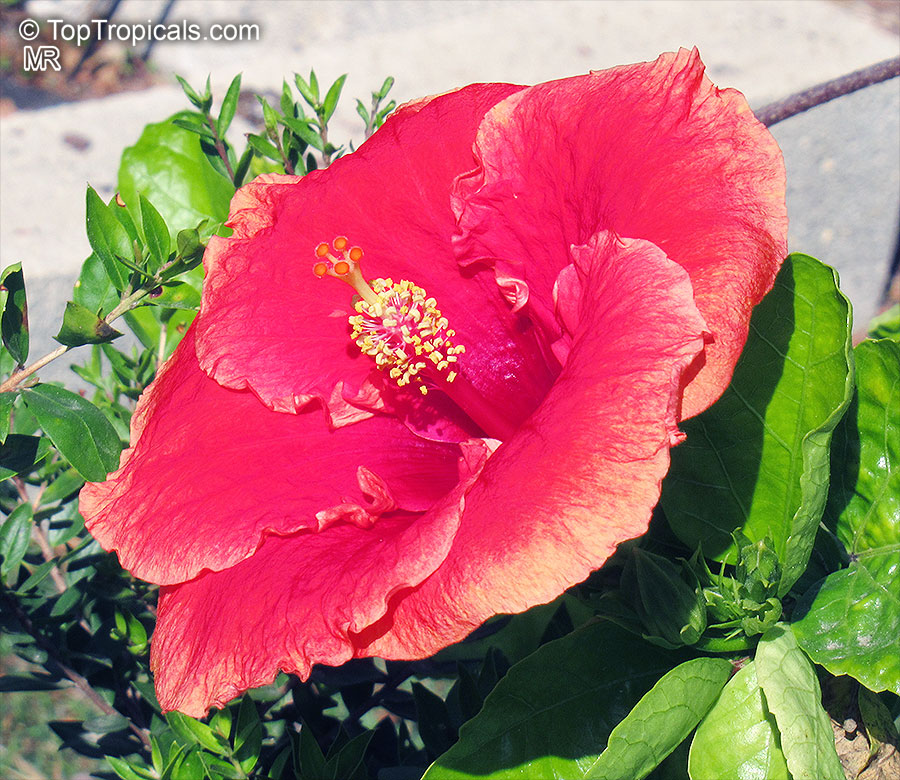
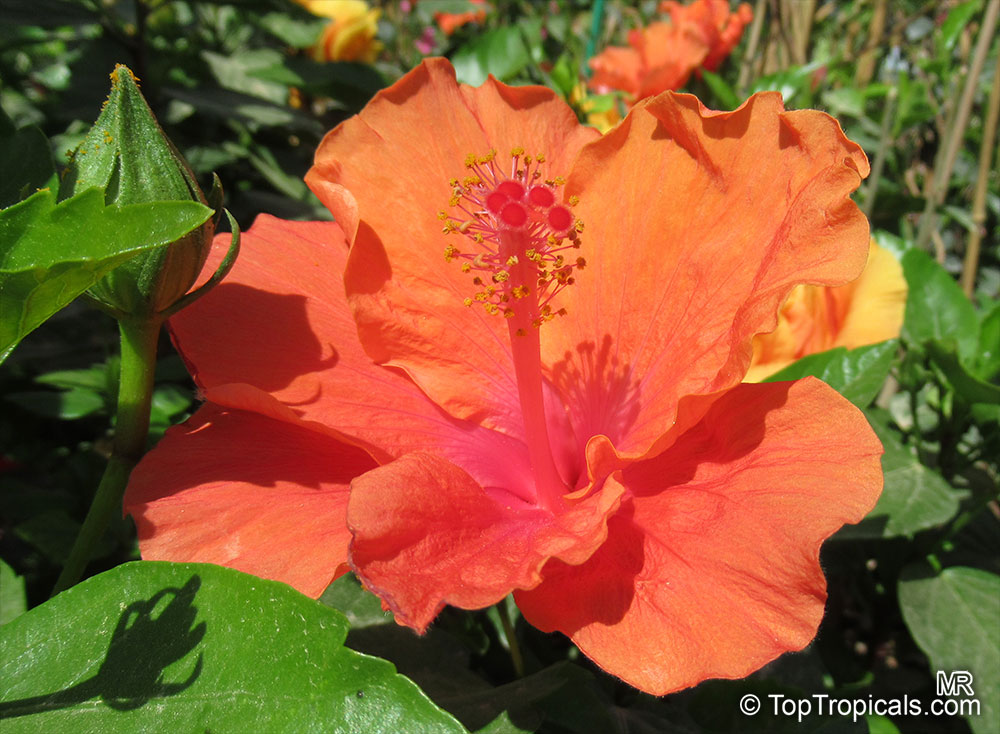
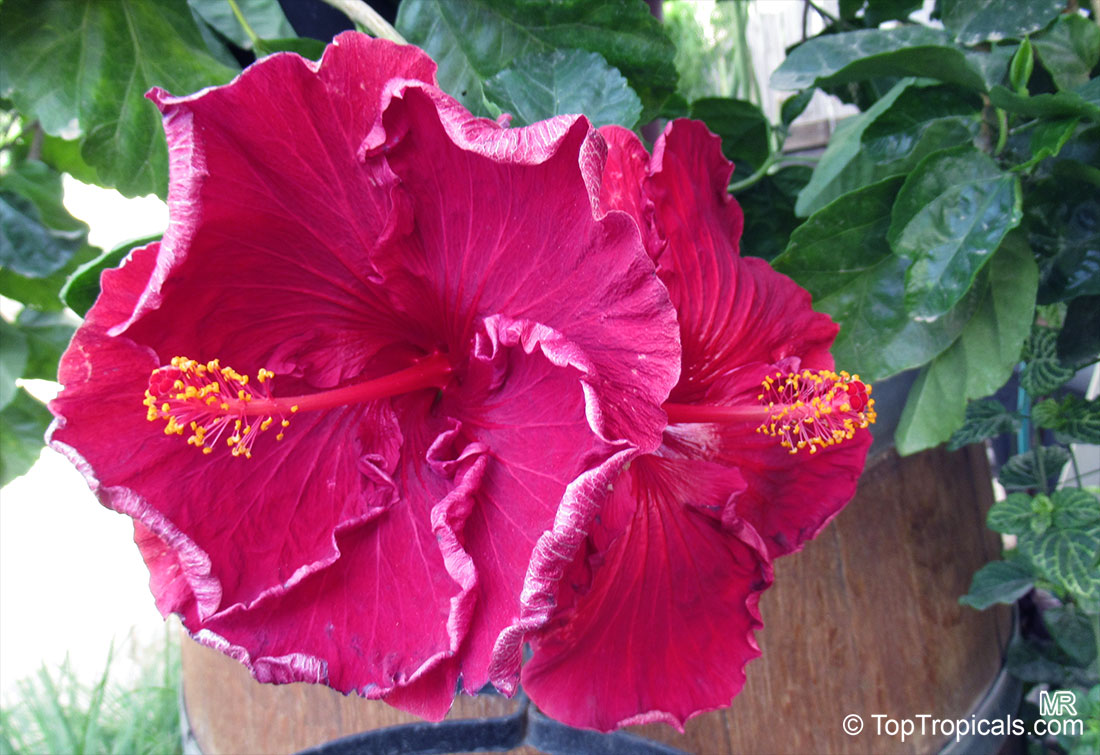


Unlike many tropical hibiscus varieties, President Red has demonstrated impressive cold tolerance. During the historic Florida freeze of February 2026, established plants in our garden survived two nights at 25F and nearly two weeks of unusually cold weather (when all tropical hibiscus was killed by that cold), recovering and resuming growth when warmer temperatures returned. While protection is still recommended during severe freezes, this variety has proven tougher than many tropical hibiscus selections.
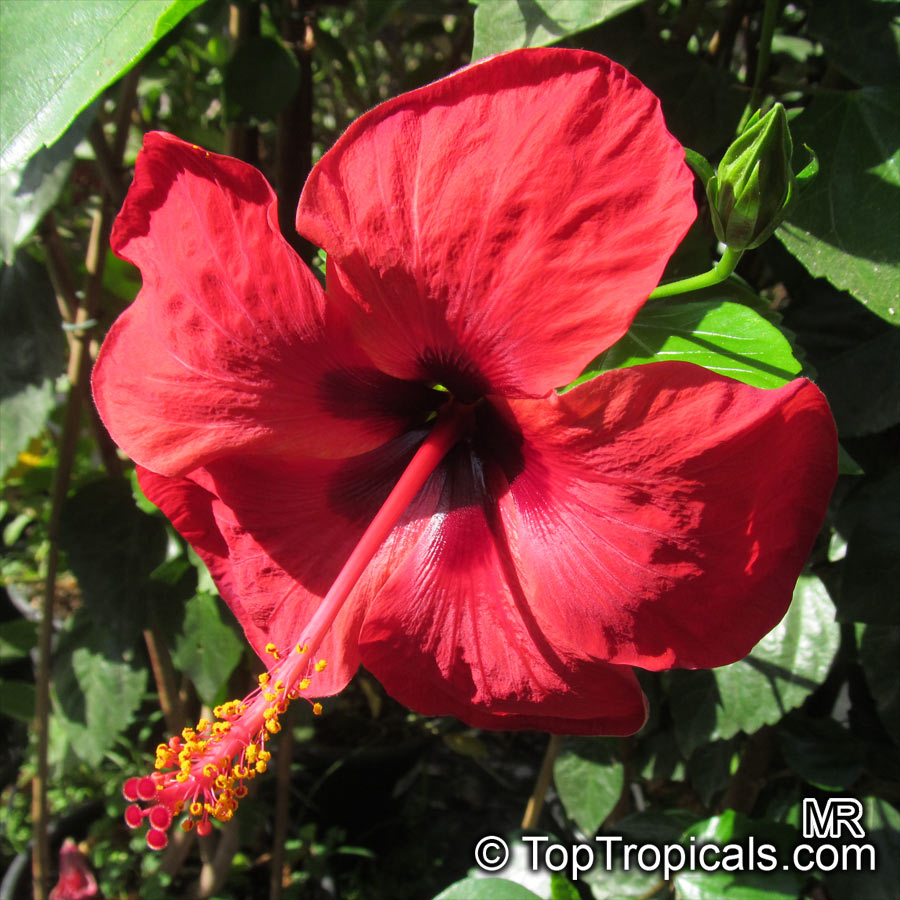
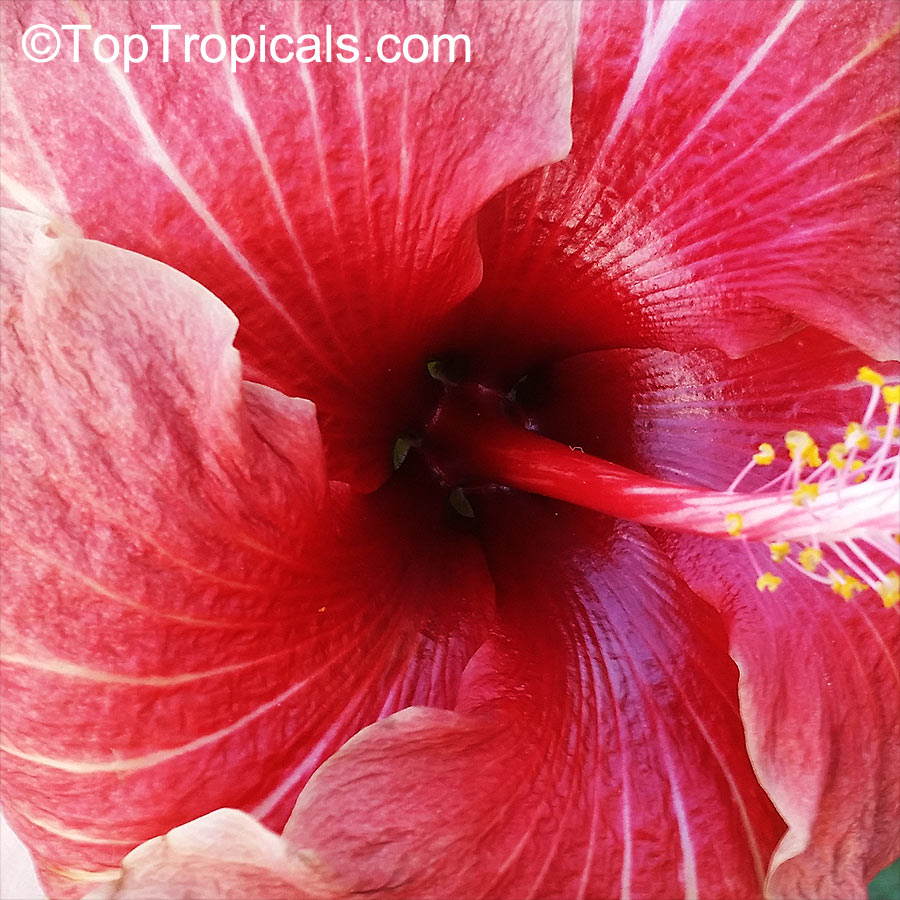
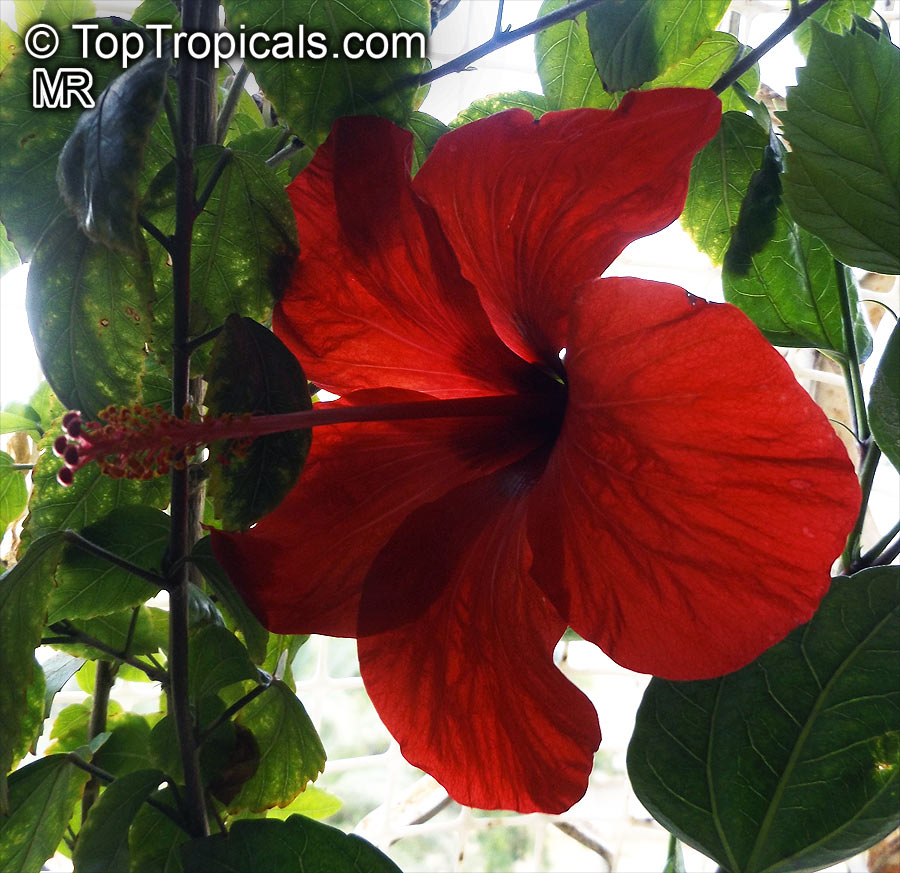
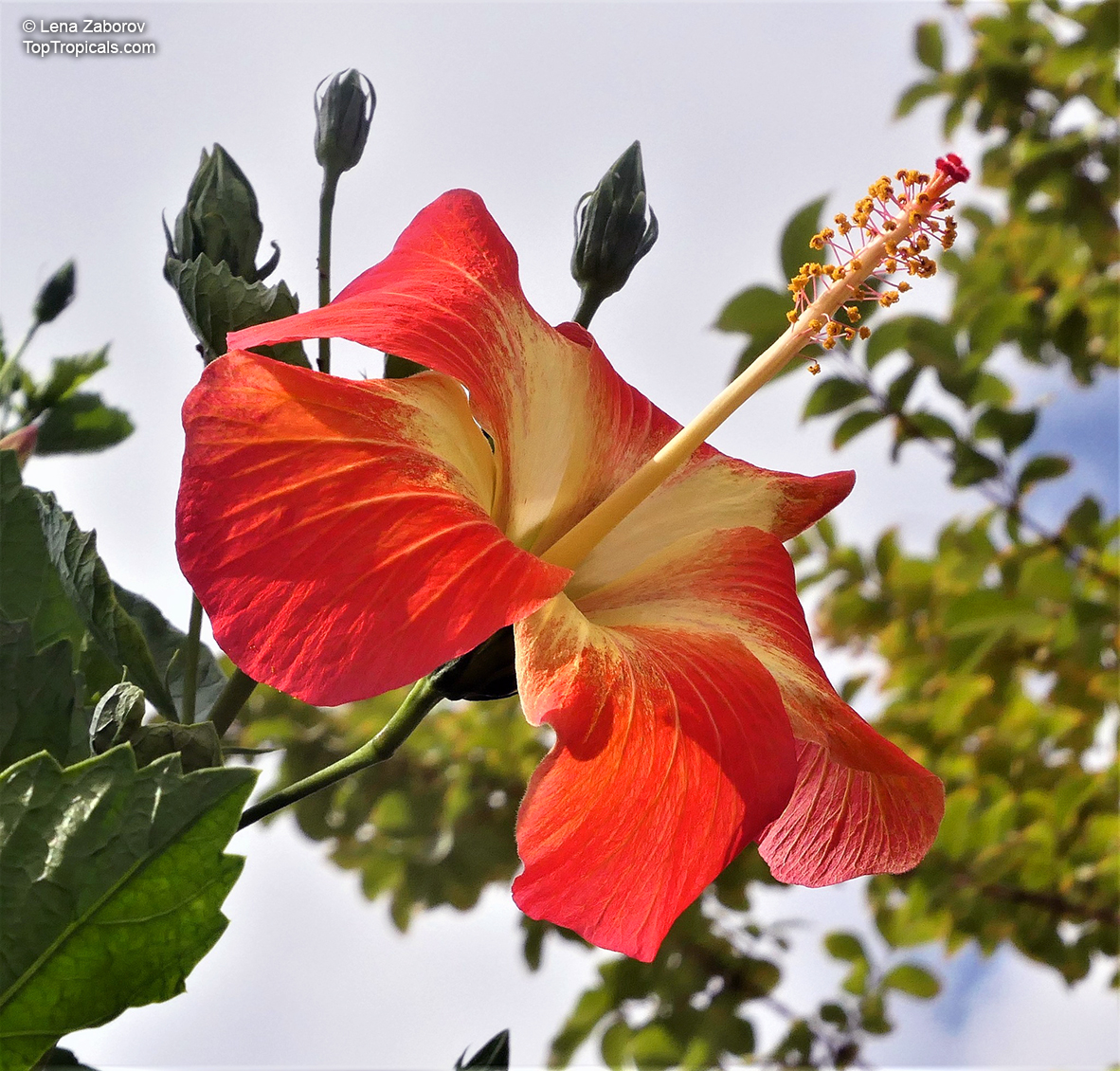
President Red is a fast-growing evergreen shrub with a dense, upright habit that can reach 6 to 10 feet tall and 4 to 6 feet wide when planted in the ground. Its large, trumpet-shaped flowers often feature a deeper red eye and prominent red pistil, adding even more drama to each bloom.
Butterflies and hummingbirds are naturally attracted to the nectar-rich flowers, making this variety an excellent choice for pollinator-friendly gardens. Whether planted as a specimen, hedge, flowering screen, or patio container plant, it quickly becomes a focal point wherever it grows.
President Red performs best in full sun, where it produces the heaviest bloom display. It prefers rich, well-drained soil and regular watering, especially during dry weather. Routine fertilization during the growing season encourages continuous flowering and lush growth.
With its giant scarlet blooms, vigorous growth, and surprising cold hardiness, Hibiscus President Red remains one of the most rewarding tropical flowering shrubs for warm-climate gardens.
Recommended Fertilizer: SUNSHINE Megaflor - Bloom Nutrition Booster