Garden Blog - Top Tropicals

Date: 20 Feb 2026

Top Ten Flowering Tree Winners of Florida 2026 Record Freeze

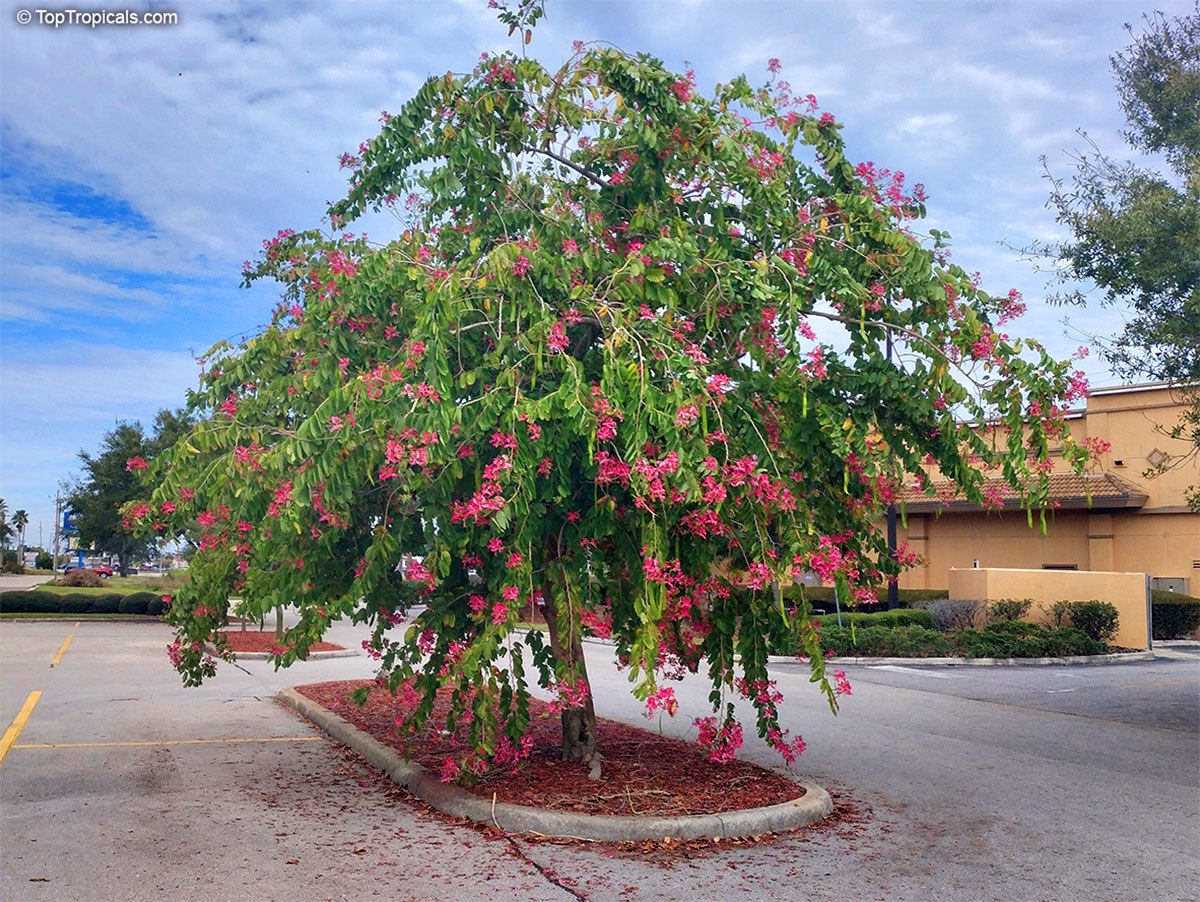
Bauhinia Orchid Tree

Bauhinia Orchid Tree

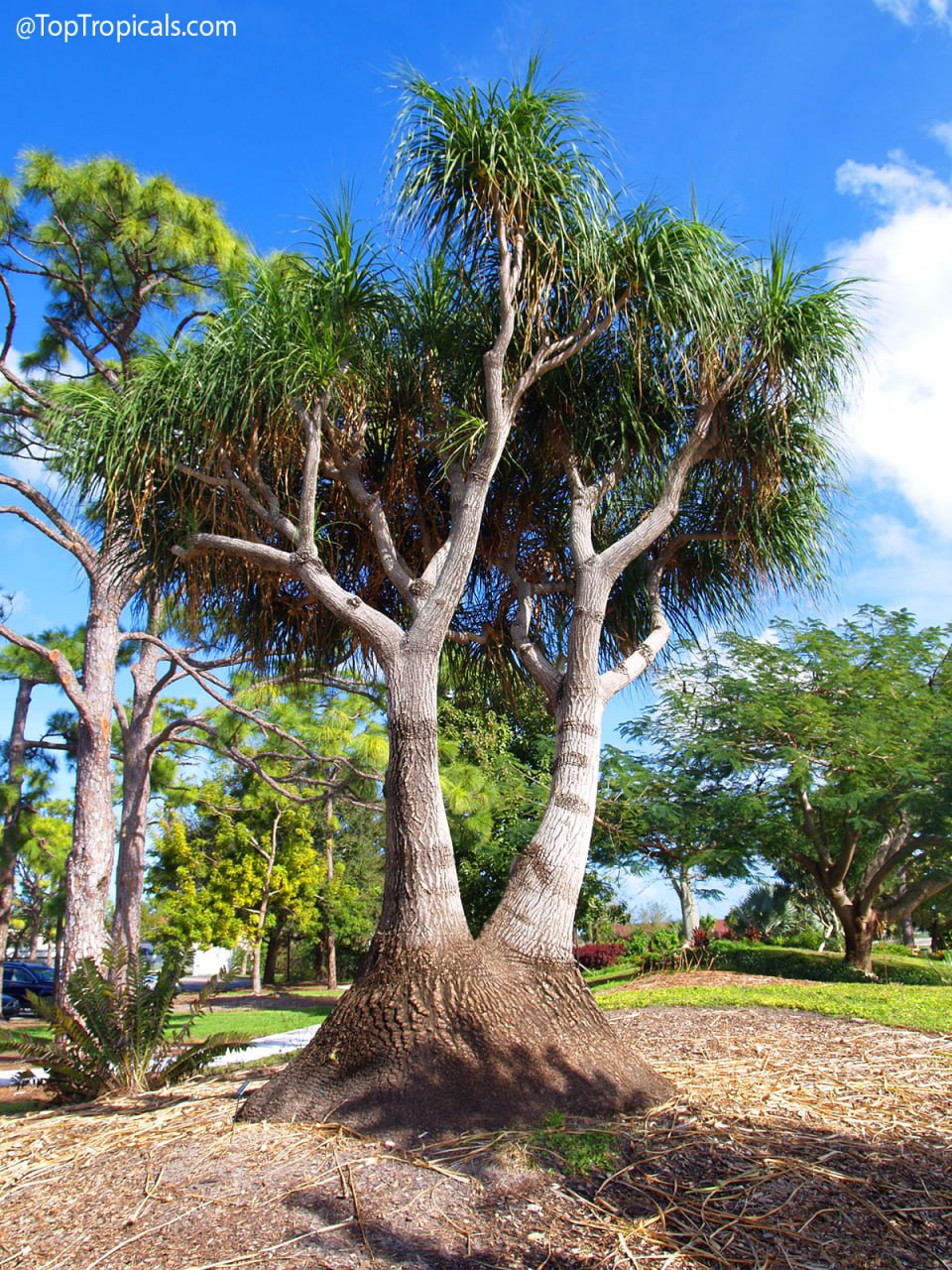
Beaucarnea recurvata - Pony Tail

Beaucarnea recurvata - Pony Tail

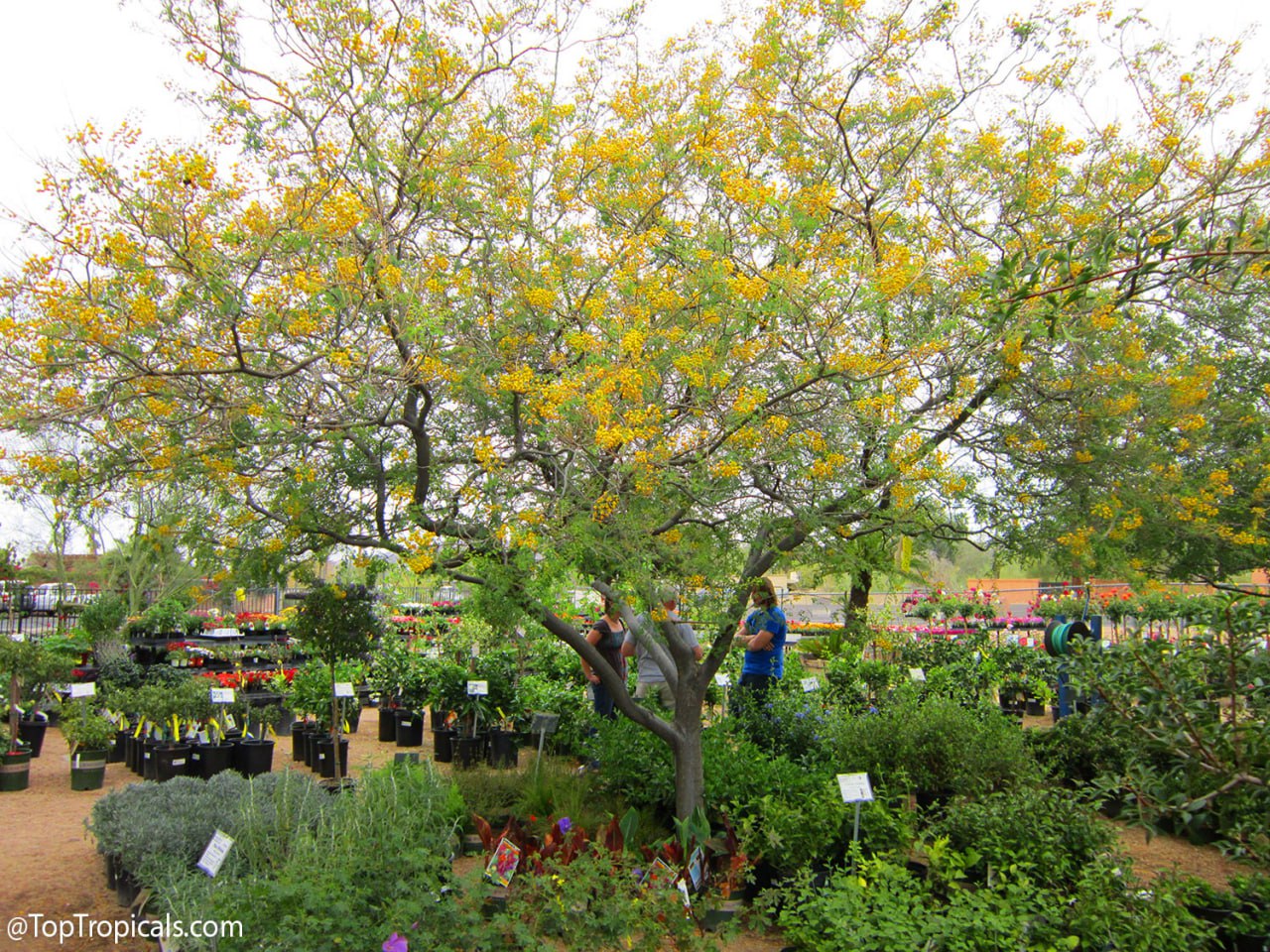
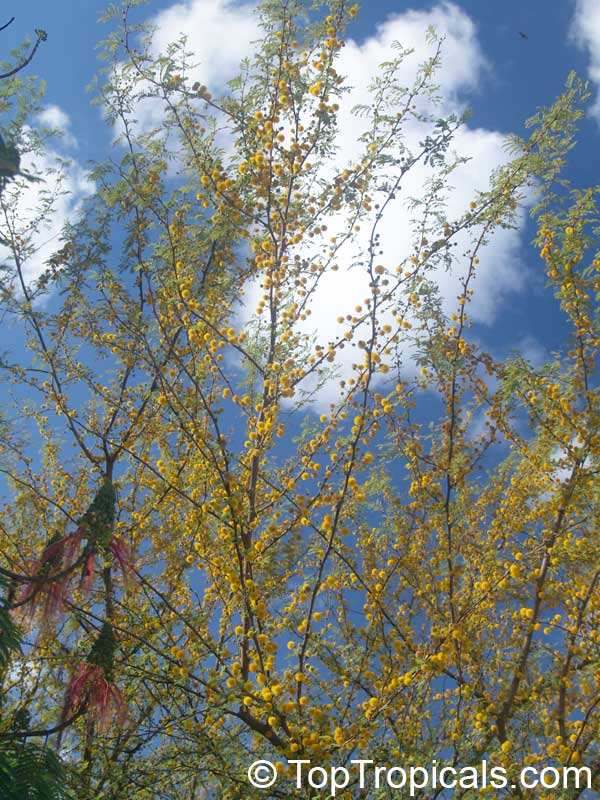
Caesalpinia mexicana, Mexican Bird of Paradise

Caesalpinia mexicana, Mexican Bird of Paradise

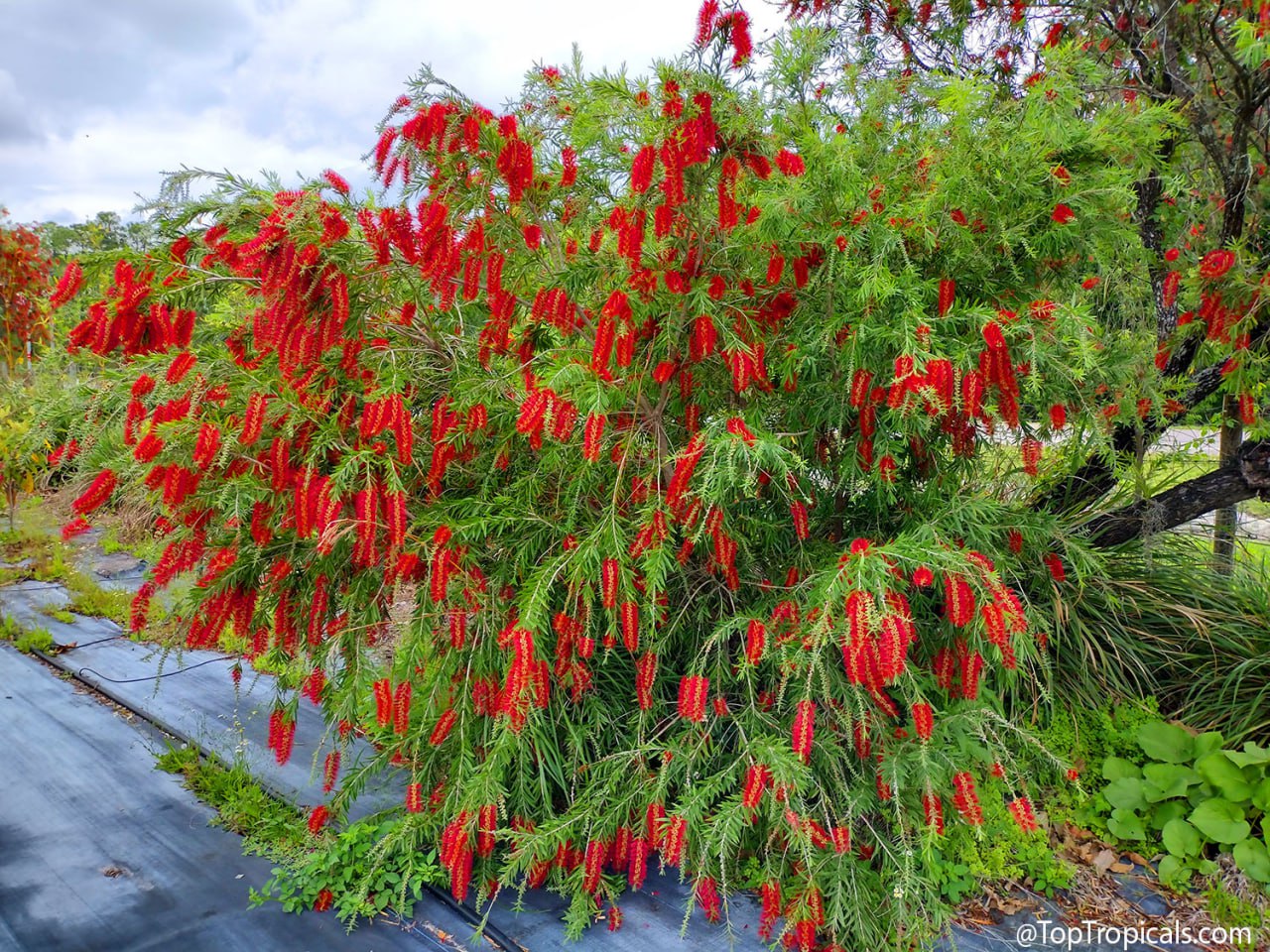
Callistemon - Bottlebrush

Callistemon - Bottlebrush

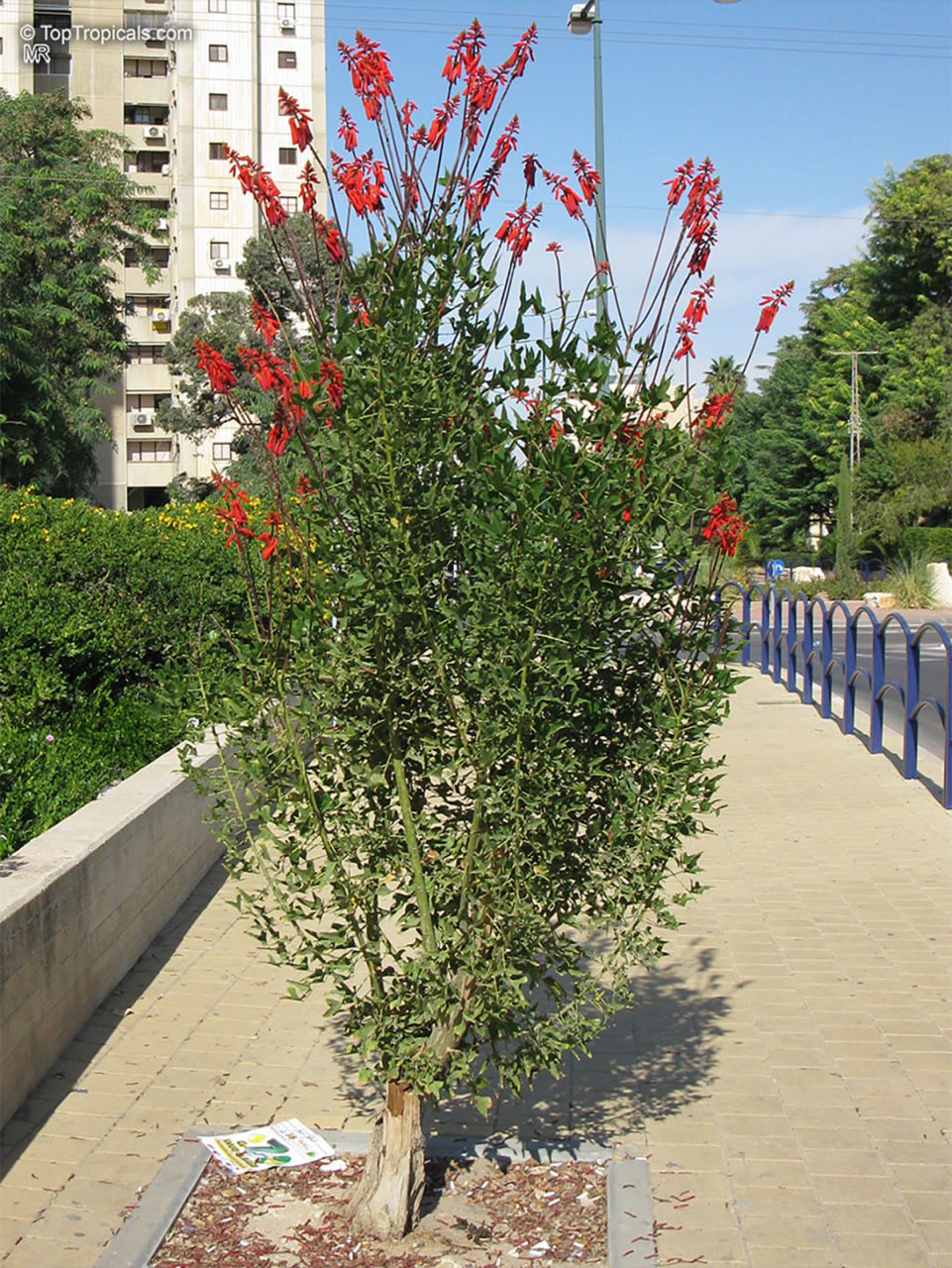
Erythrina

Erythrina

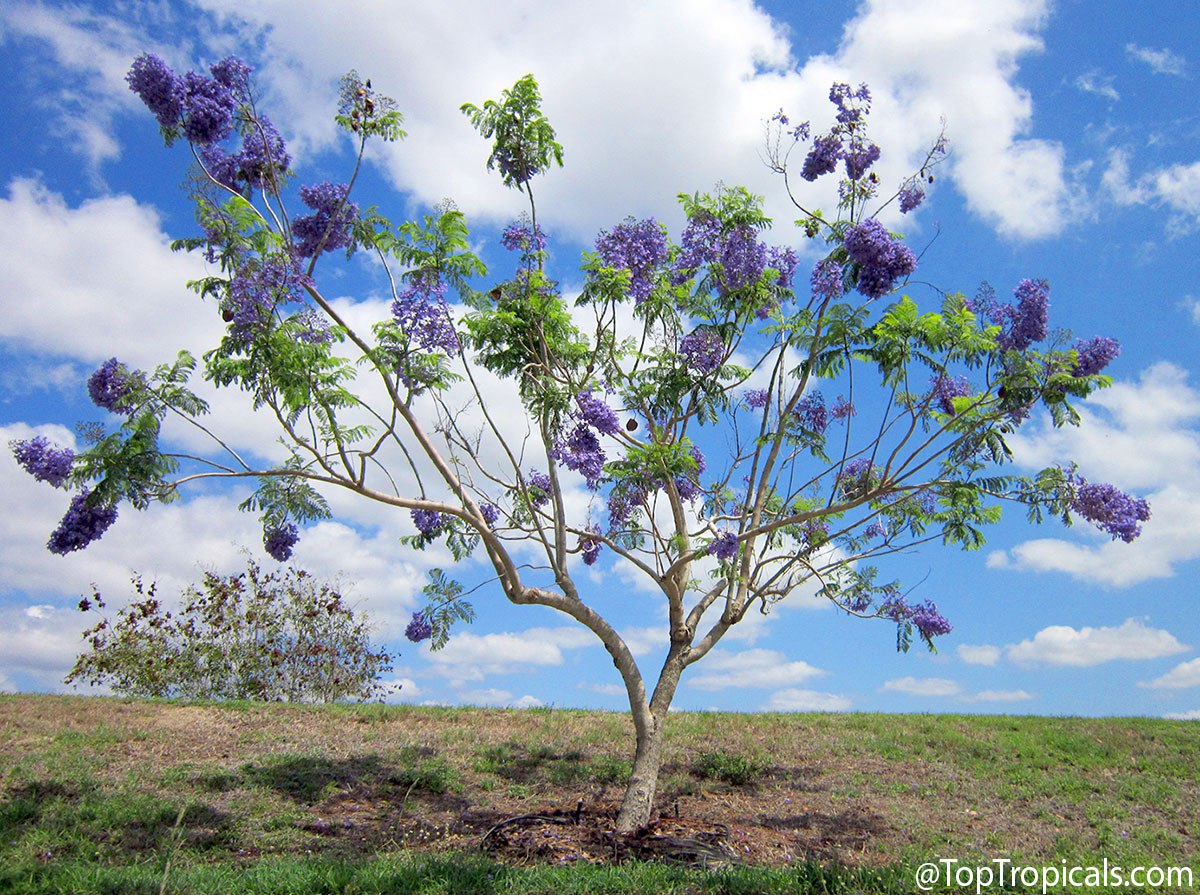
Jacaranda tree

Jacaranda tree

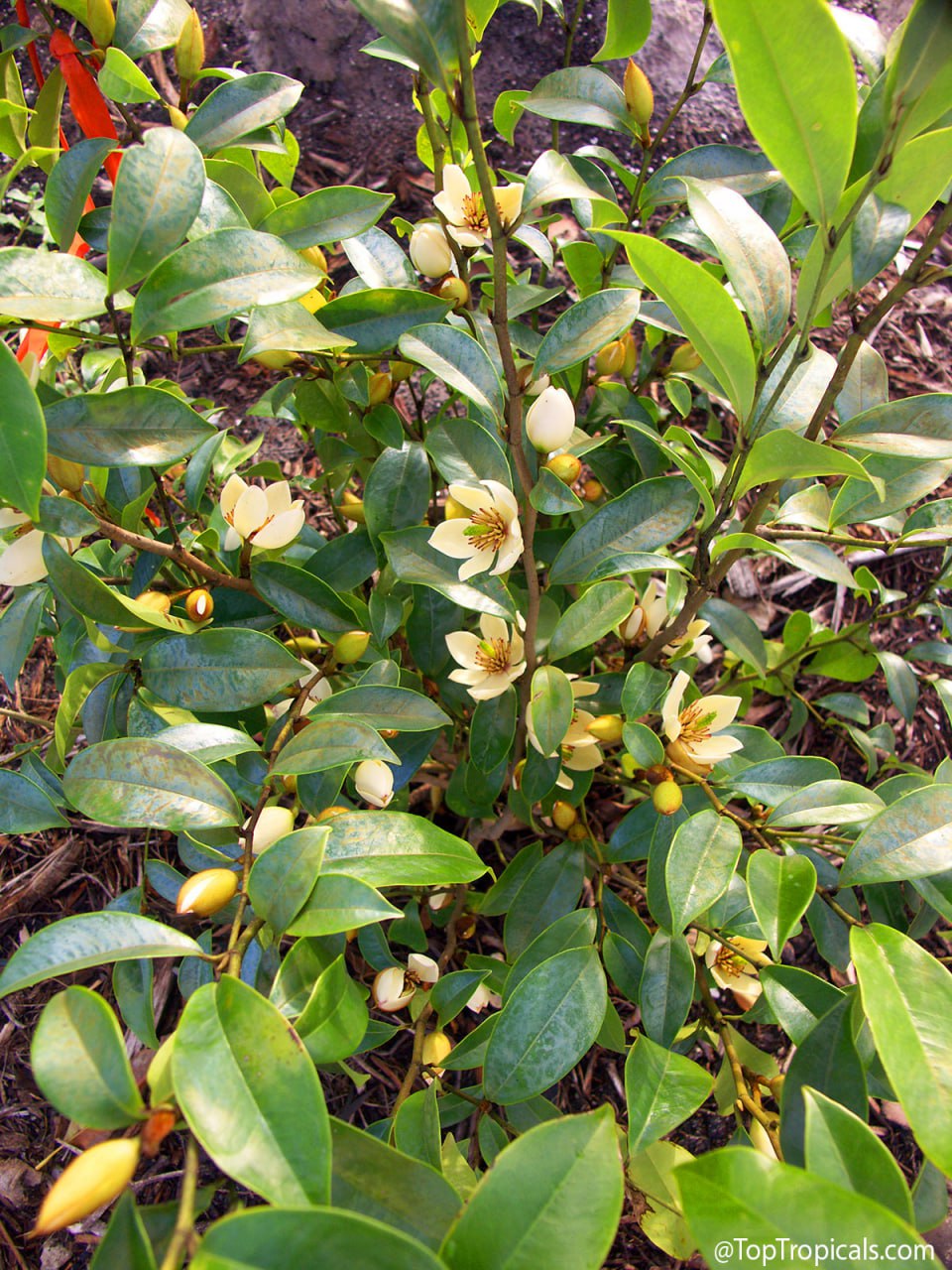
Magnolia figo

Magnolia figo

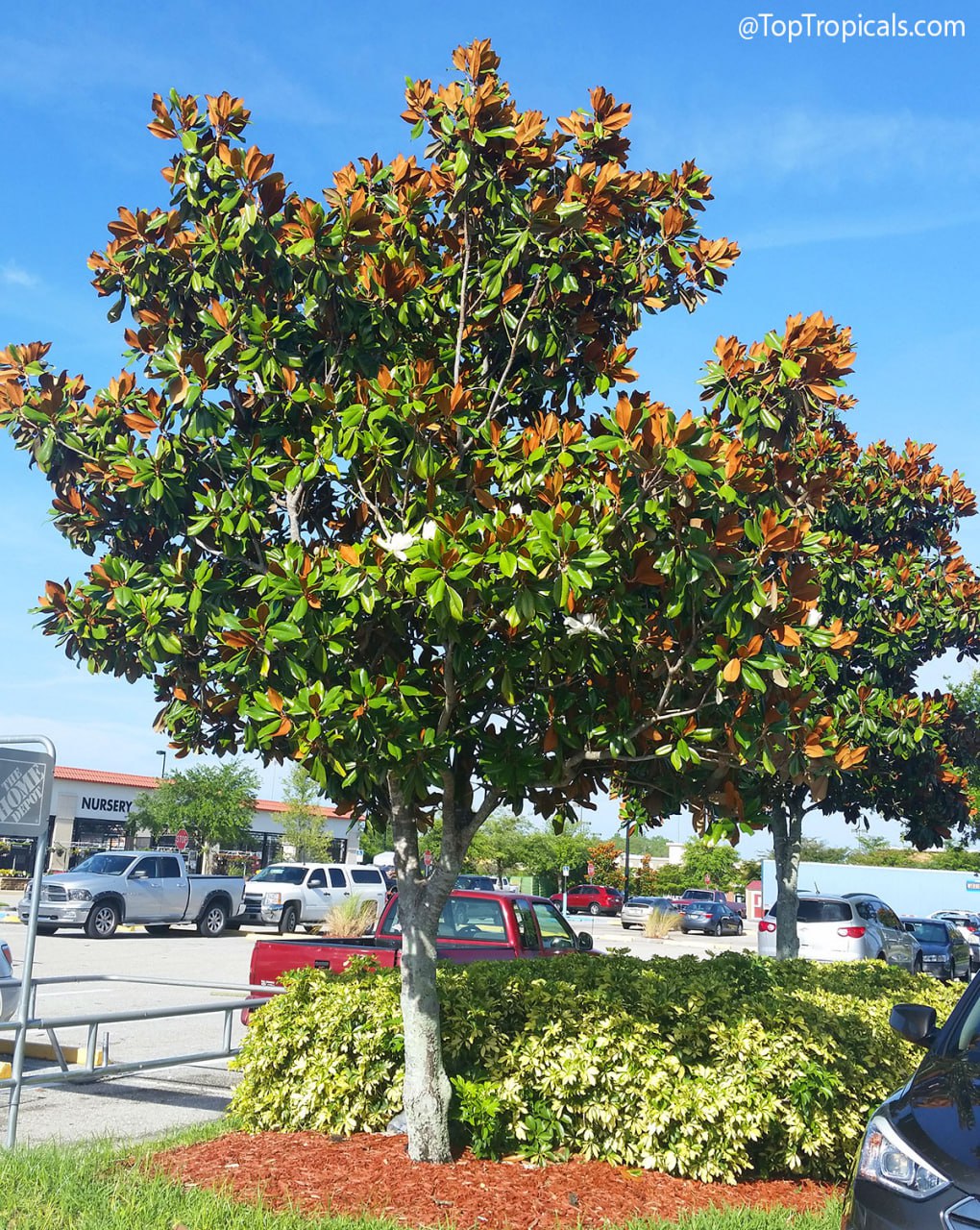
Magnolia Little Gem

Magnolia Little Gem

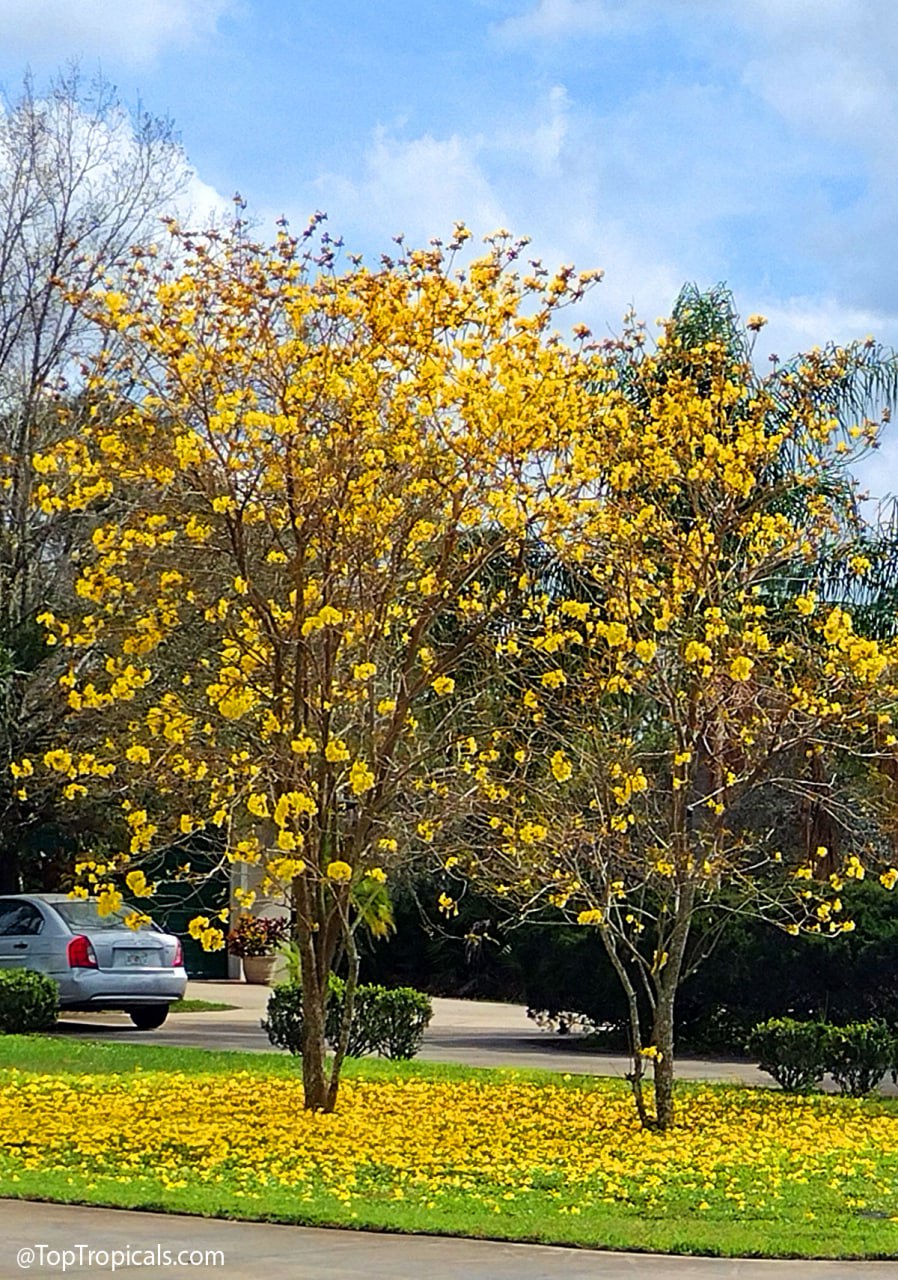
Tabebuia chrysotricha

Tabebuia chrysotricha

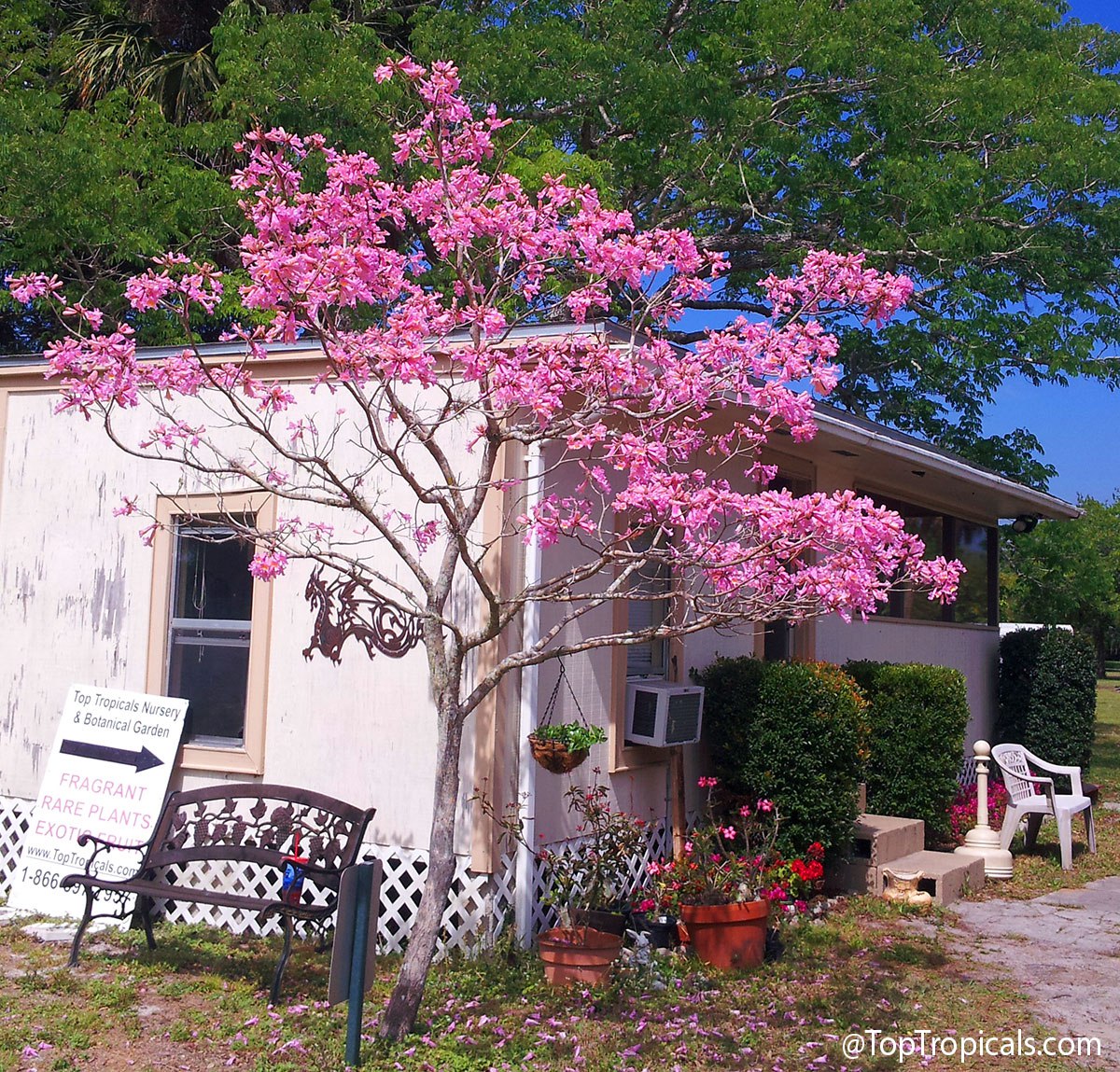
Tabebuia impetiginosa

Tabebuia impetiginosa

🏆 Top Ten Flowering Tree Winners of Florida 2026 Record Freeze


These flowering trees had no damage after 3 nights of hard freeze (25F) with NO PROTECTION:

✔️ Bauhinia Orchid Trees - several species
✔️ Beaucarnea recurvata - Pony Tail

Ponytail Palm Plant Facts

Botanical name: Beaucarnea recurvata, Nolina recurvata
Also known as: Ponytail Palm, Pony Tail, Bottle Palm, Nolina, Elephant-foot Tree
USDA Zone: 10 - 11
Highligths Plant with caudexPlant used for bonsaiSmall tree 10-20 ftFull sunWater Requirement: Low. Allow soil to dry out between wateringsPalm or palm-like plant
Get personalized tips for your region

✔️ Caesalpinia mexicana, Mexican Bird of Paradise

Mexican Bird of Paradise Plant Facts

Botanical name: Caesalpinia mexicana
Also known as: Mexican Bird of Paradise, Dwarf Poinciana
USDA Zone: 9 - 11
Highligths Small tree 10-20 ftSemi-shadeFull sunWatering: Moderate. Water when top soil feels dryYellow, orange flowersIrritating plantFragrant plantSubtropical plant. Mature plant cold hardy at least to 30s F for a short timeSeaside, salt tolerant plant
Get personalized tips for your region

✔️ Callistemon - Bottlebrush
✔️ Erythrina - several species
✔️ Jacaranda tree
✔️ Magnolia figo

Banana Magnolia Plant Facts

Botanical name: Magnolia figo, Michelia figo, Magnolia fuscata
Also known as: Banana Magnolia, Banana Shrub, Port Wine Magnolia
USDA Zone: 7 - 10
Highligths Large shrub 5-10 ft tallSmall tree 10-20 ftSemi-shadeShadeWatering: Regular. Let topsoil dry slightlyWhite, off-white flowersFragrant plantSubtropical plant. Mature plant cold hardy at least to 30s F for a short time
Get personalized tips for your region

✔️ Magnolia Little Gem
✔️ Tabebuia chrysotricha

Dwarf Golden Tabebuia Plant Facts

Botanical name: Handroanthus chrysotrichus, Tabebuia chrysotricha, Tabebuia chrysantha
Also known as: Dwarf Golden Tabebuia
USDA Zone: 9 - 11
Highligths Small tree 10-20 ftFull sunWatering: Moderate. Water when top soil feels dryYellow, orange flowersDeciduous plantSubtropical plant. Mature plant cold hardy at least to 30s F for a short time
Get personalized tips for your region

✔️ Tabebuia impetiginosa

Pink Tabebuia Plant Facts

Botanical name: Tabebuia impetiginosa, Handroanthus heptaphyllus, Handroanthus impetiginosus, Tabebuia avellanedae
Also known as: Pink Tabebuia, Ant Wood, Pau DArco, Ipe Roxo, Lapacho, Taheebo
USDA Zone: 9 - 11
Highligths Small tree 10-20 ftFull sunWatering: Moderate. Water when top soil feels dryWatering: Regular. Let topsoil dry slightlyPink flowersPlant attracts butterflies, hummingbirdsDeciduous plantEthnomedical plant.
Plants marked as ethnomedical and/or described as medicinal, are not offered as medicine but rather as ornamentals or plant collectibles.
Ethnomedical statements / products have not been evaluated by the FDA and are not intended to diagnose, treat, cure, or prevent any disease. We urge all customers to consult a physician before using any supplements, herbals or medicines advertised here or elsewhere.Subtropical plant. Mature plant cold hardy at least to 30s F for a short time
Get personalized tips for your region

🛒 Explore cold tolerant tropical plants

🎥 What tropical plants survived Florida's historic freeze without protection
🎥 These Avocados survived 3 nights of 25F hard freeze, Florida Record Freeze

📚 Learn more:


· Top Ten Fruit Tree Winners of Florida 2026 Record Freeze
· To trim or not to trim? When and how to trim damaged plants after winter
· Cold-hardy avocado varieties - what freezing they really survive

Avocado Plant Facts

Botanical name: Persea americana, Persea gratissima
Also known as: Avocado, Alligator Pear, Aguacate, Abacate
USDA Zone: 9 - 11
Highligths Large tree taller than 20 ftSmall tree 10-20 ftFull sunWatering: Regular. Let topsoil dry slightlyEdible plantSubtropical plant. Mature plant cold hardy at least to 30s F for a short time
Get personalized tips for your region

· Cold-hardy avocado survival groups - what the numbers really mean

#Discover #How_to #Trees

🟢 Join 👉 TopTropicals

Date: 16 May 2026

The anti-cucumber legend-2

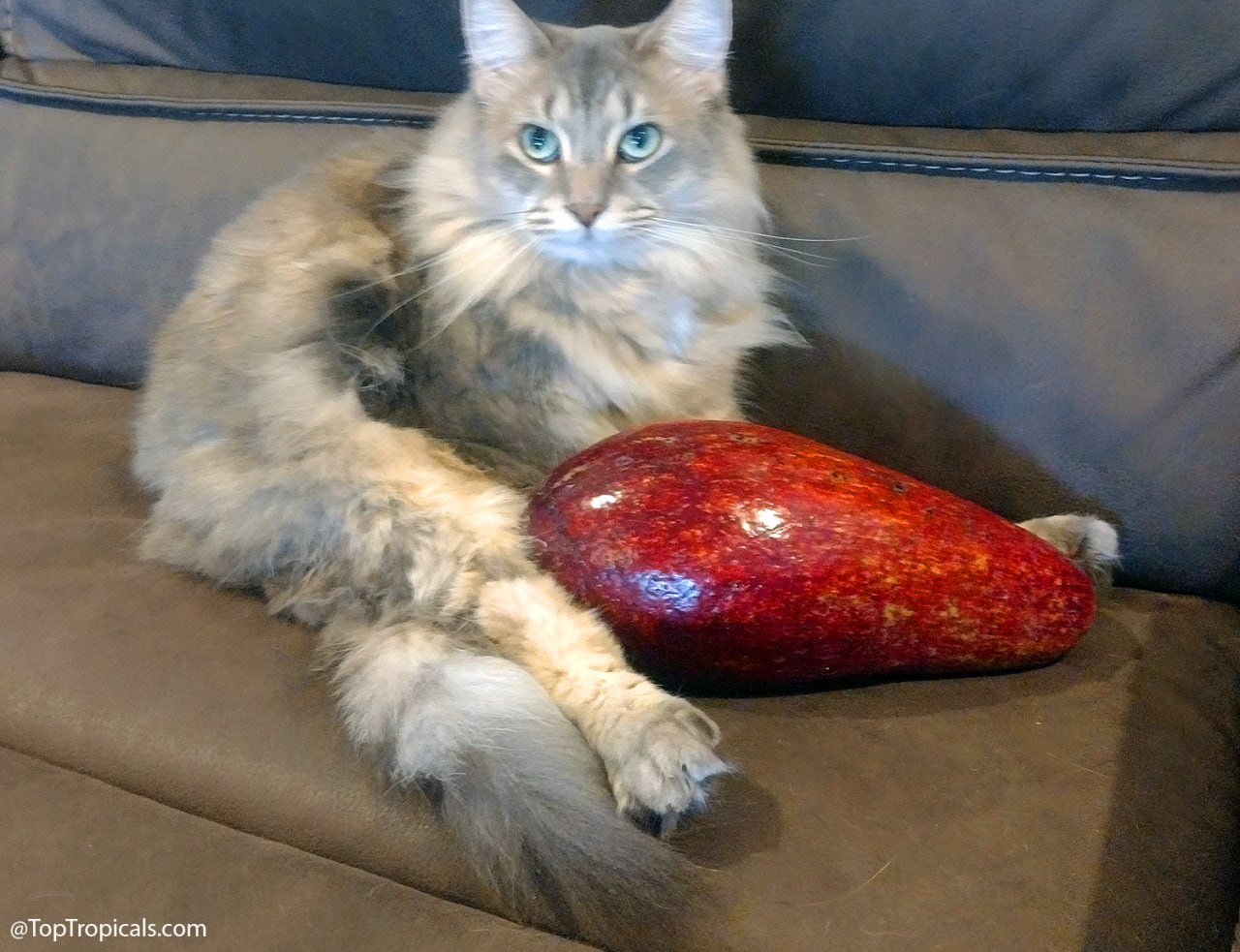
Cat Scooby and Avocado Red Russel

Cat Scooby and Avocado Red Russel

🍆The anti-cucumber legend-2

🐈📸 Cat Scooby followed Philemon's advice about Avocado Russel cucumber-stress-test at TopTropicals PeopleCats.Garden.

🛒 Explore Avocado varieties

#PeopleCats #Food_Forest

🟢 Join 👉 TopTropicals

Date: 19 May 2016

Care of mail-order plants during hot summer

Q: I live in California and about a month ago ordered several plants from you, including fruit trees (Carambola, Mango, Avocado) and flowering trees (Xanthostemon, Adeniums, Champaca, Ylang Ylang). They were all doing well until I tried to move them into full sun, when they got leaf burn immediately. Ylang Ylang was doing great in a shade, but I repotted it from 1 gal into 3 gal and it is drooping leaves now. It has been very hot (over 100F) and dry (humidity is less than 25%). Any suggestions?

A: Hot summer can be pretty challenging time for establishing new plants. These are some guidelines to make your summer gardening more successful and rewarding.

1. You can order plants at any time, but keep your eye on your local weather forecast and try to chose cooler periods to schedule your plant shipments. Here at TopTropcals we monitor weather at destinations, and we can also delay shipment per your request until more favorable conditions.

2. During hot Summer months, many plants are still OK to ship, and to be planted, many species are heat tolerant. It's usually safe to ship most succulents, including Desert roses and Euphorbias. Some fruit trees are pretty easy too, like Loquats, Mango, Eugenias. Many flowering trees can take heat: Acacias, Clusias, Jatropha, Sausage Tree, Plumerias and many others. Check our full list of plants suitable for hot and dry conditions. Most jasmines, including Jasmine Sambac and Trachelospermum make also a safe choice for hot weather planting.

3. Use shade cloth or simply white sheets to protect young plants and new plantings from hot sun.

4. When establishing mail ordered plants during hot weather, keep them in shade for longer period of time than average recommended 1-2 weeks. Give them a chance to establish really well. In areas with low air humidity, try to create a simple mist system. It can be purchased in your local Home Depot for only $20 and set up takes only 10 minutes! It makes a big difference and can help you save many plants from hot weather stress.

5. Although it may seem that during hot weather plants need more water due to high evaporation, be careful with watering, and check soil with your finger before watering - don't water if it is still wet. Combination of "hot and wet" can be as harmful for the root system as "cold and wet" during winter. Protect root systems from overheating: covering black pots with white cloth will work. Remember when temperature is above 90F, most of plants slow down their metabolism, which means roots slow down or even stop pumping water and become more vulnerable to overwatering. For the same reason, do not hurry to step up into bigger container if roots haven't filled yet the existing pot.

Date: 24 Jun 2018

TopTropicals

Avocado, Lychee and Mango setting fruit... give them some FOOD!

Q: Do I need to fertilize tropical fruit when they set fruit?

A: It is traditionally believed that mango and other tropical fruit shouldn't be fertilized during fruiting period. It is true to an extent: you don't want fruit to burst from fast excessive growing. Instead, try to feed fruit trees wisely, because they still need proper nutrition to produce flowers and fruit.
Our spring specials of Lychee, Avocado and Mango are full of buds and some already set tiny fruit (see examples on the photo). Here is the feeding plan for these plants once you receive your mail order:
1) Once received the plant, pot it into container size of the root ball and let establish for couple weeks. Use SUNSHINE-E to help the plant recover from shipping stress and establish root system.
2) Apply SUNSHINE-Honey right before flowering, and next time at setting fruit, to provide sweeter and bigger fruit, eliminate fruit cracks and help resist fungus and other fruit diseases.
3) Use balanced granulated fertilizer, 1 tsp per each gallon of soil. Apply once a month during Spring-Summer season. This gives the plant balanced macro-elements (NPK) necessary for overall plant health. Do not use on fruit trees fertilizers with high Nitrogen content.
4) Apply SUNSHINE SuperFood micro-element booster to keep fruit trees vigorous, develop strong root system and avoid deficiencies.
5) In case of signs of chlorosis (yellowing leaves with darker veins), give the tree SUNSHINE-GreenLeaf and watch the leaves turning green quickly.
After harvesting, don't forget to make another treatment of SUNSHINE-Honey as a preparation for the next year flowering and fruiting season.

Date: 24 Jun 2018

TopTropicals

URBAN TROPICAL GARDENING:
10 secrets of successful Container Mango growing on a balcony.

Q: I live in Miami in apartment on a second floor, and I have a balcony with SE exposure. I wonder if I can grow a mango tree in a pot? Will it fruit for me? I recently moved to South Florida and I don't know much about tropical plants; but I tasted real fiberless mangos from someone's garden - it was so delicious and different from those in the grocery store. I wonder if I can have a fruiting tree on my balcony? And if yes, how do I plant and take care of it?

A: Yes, you can! Here is what you need to do:
1) Temperature. You are lucky to live in Tropics, keep it on a balcony year round.
2) Light. Position the pot in a spot with the most sun exposure. Mango trees can take filtered light too, but the less sun, the less fruit you will get.
3) Soil and Container. Use only well drained potting mix. Step up the purchased plant into next size container (3 gal into 7 gal, 7 gal into 15 gal). When transplanting, make sure to keep growth point (where roots meet the trunk) just at the top of the soil. Covering base of the trunk with soil may kill the plant.
4) Water. Water daily during hot season, but only if top of soil gets dry. If it still moist, skip that day. Mangoes (unlike Avocados!) prefer to stay on a dry side.
5) Fertilizer. Use balanced fertilizer once a month, 1 tsp per 1 gal of soil. Do not fertilize during fruiting - this may cause fruit cracks.
6) Microelements. Apply SUNSHINE-Superfood once a month. This will help your mango healthy, vigorous, and resistant to diseases. Use SUNSHINE-Honey to make your fruit sweeter.
7) Insect control. Watch for scales and mealybugs, clean with solution of soapy water + vegetable oil (may need to repeat 2-3 times with 10 days interval), or with systemic insecticide like imidacloprid only as needed (if non-harsh treatment didn't help). Most Flea shampoo for dogs contain that chemical, you may try that shampoo solution.
8) Trimming. Once potted, do not remove leaves that are discolored or have spots until new growth appears. Dark dots on mango leaves, especially in humid climate like Florida, may be signs of fungus. Treat with fungicide according to label, and remove only badly damaged leaves. Trim crown as needed after flowering and fruiting (by Fall). Train into a small tree, and you may remove some lower branches eventually.
9) Flower and fruit. Mangoes are winter bloomers with bunches of tiny flowers coming in thousands. Many of them set fruit (if pollinating insects present). Keep in mind that young trees can only bare a few fruit. Normally a tree will drop excessive fruit and keep only a few that it can manage. To save the young tree some energy, remove fruit if too many and leave only 2-3 for the first year. It will pay you next year with more abundant crop.
10) Variety. Last but not least: Choose the right variety for container culture! Pick from "condo" dwarf varieties such as Icecream, Nam Doc Mai, Carrie, Cogshall, Julie, Fairchild, Pickering, Graham, Mallika, and a few others - check out Mango Chart pdf and full list of our Mango varieties.