Garden Blog - Top Tropicals

Date: 20 Feb 2026

Florida freeze damage - what to replant after a record cold winter
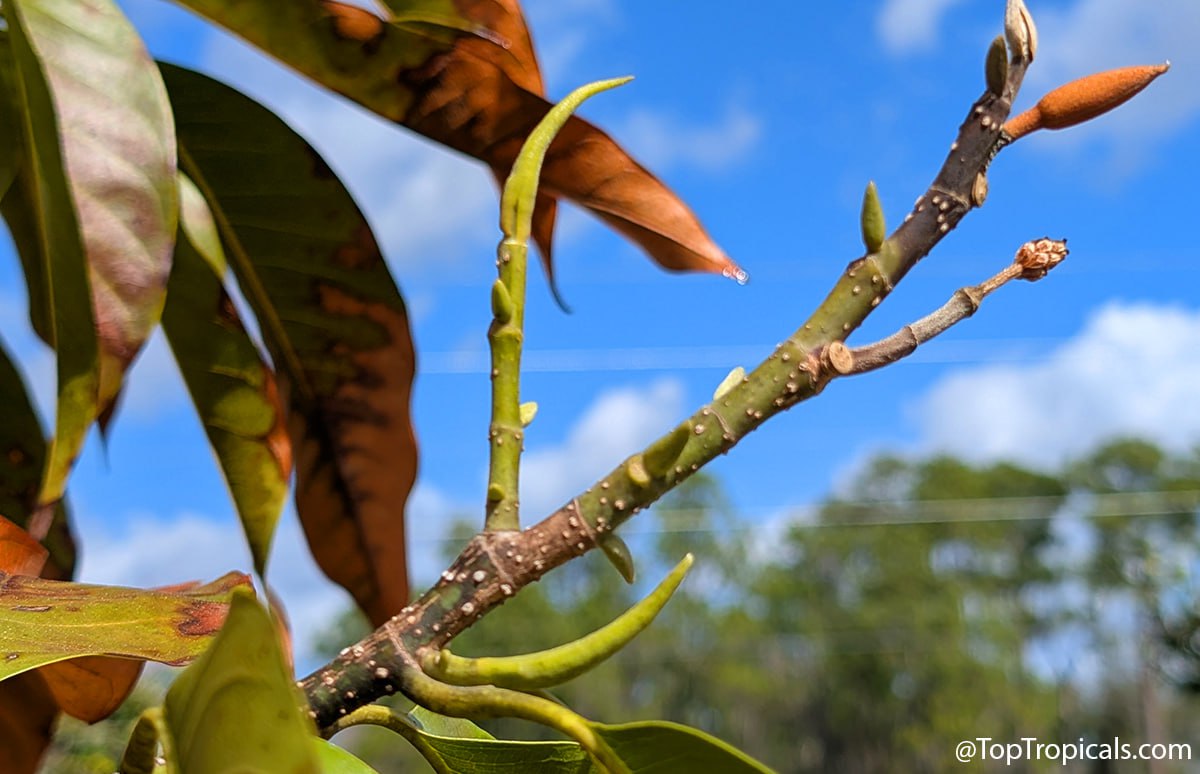
Magnolia champaka new shoots
Magnolia champaka new shoots

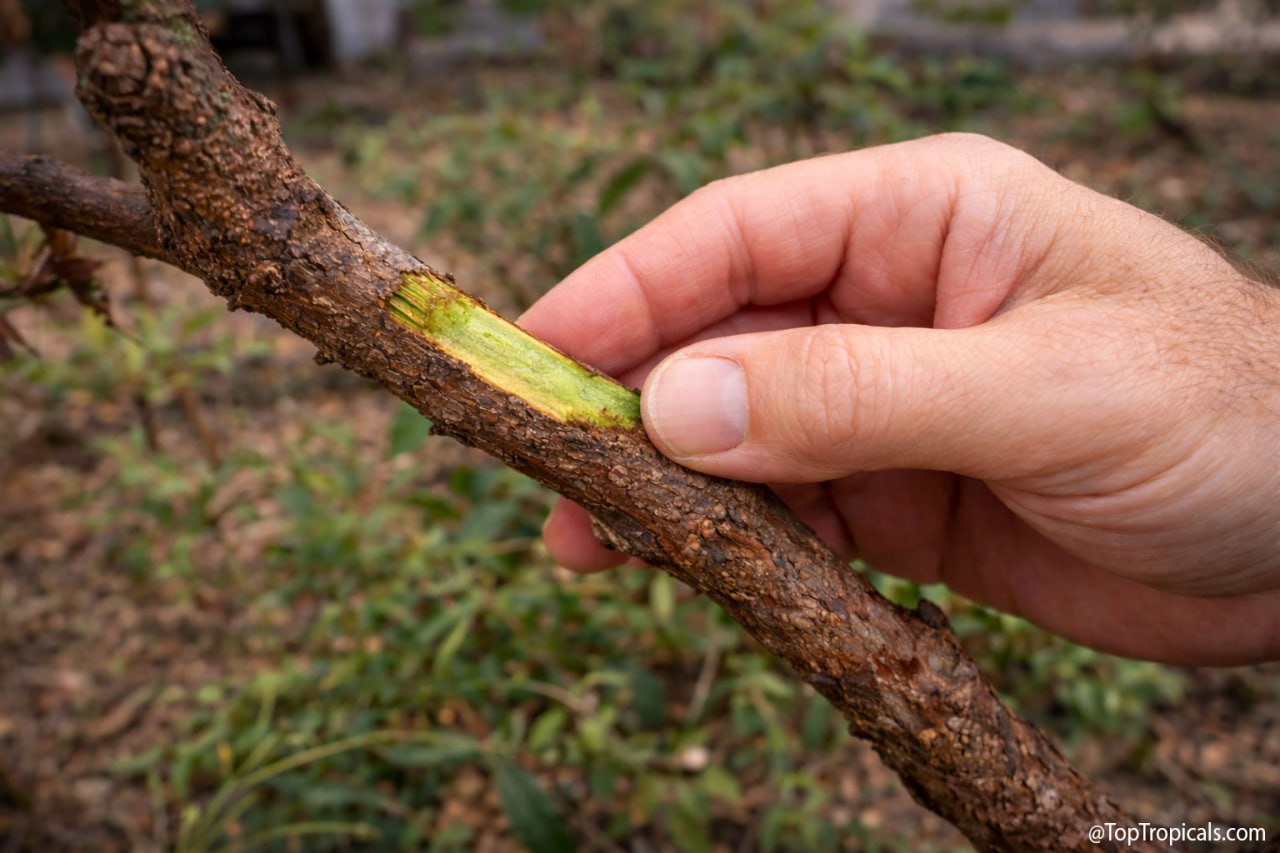
Scratch test on a bark

Scratch test on a bark

❄️ Florida freeze damage - what to replant after a record cold winter


🌱 A record freeze changed Florida gardens


After the recent record cold across Florida, many gardeners are now seeing the real damage - browned leaves, split stems, collapsed shrubs, and fruit trees that may not recover.
Some plants surprised us with new growth. Others are clearly gone.
The practical question is simple: what should you replant so it does not happen again next winter?
The good news - you can build a more frost-resilient garden without giving up beauty or fruit.

🌱 First - do not rush to rip everything out


Before replacing anything, check carefully:
Scratch the bark lightly - green underneath means the branch is alive.
Wait for consistent warm weather - some plants re-sprout weeks or even months later.
Look for growth higher on the stem, not just at the base.
After freezes, many tropicals look worse than they are. Patience often saves money.

🌱 Why some plants survived and others did not


Freeze survival depends on several factors:
Duration of cold - 2 hours vs 8 hours makes a major difference
Microclimate - south-facing walls, wind protection, canopy cover
Plant maturity - established roots handle stress better
Pre-freeze health - overfertilized, soft growth freezes faster
This explains why two identical plants in the same yard can perform very differently.

🌱 What to replant for a frost-resilient garden


Instead of replacing losses with the same tender species, consider:
Cold-hardy fruit trees
Proven freeze survivors from this winter
Shrubs that tolerate brief dips below freezing
Layered planting for wind protection

When redesigning:
Plant tender species closer to structures.
Use hardy trees as windbreaks.
Avoid low frost pockets.
Improve drainage - wet roots freeze faster.
You do not have to remove tropical character. You just have to plant smarter.

✍️ Check the list of freeze survivors:


What tropical plants survived Florida's historic freeze without protection

🌱 Rebuild with strategy, not emotion


After freeze damage, many gardeners replant quickly - only to repeat the same losses.
A better approach:
Identify what truly died.
Learn which species survived locally.
Choose varieties proven in your climate zone.
Design with cold in mind.
One freeze can become a turning point. Many Florida gardens become stronger after a hard winter because the plant list gets refined.

🌱 Spring Equinox - a natural reset


The Spring equinox marks equal day and night and the astronomical start of spring. From this point forward, daylight increases and active growth accelerates.
For Florida gardeners, it is a natural reset.
New growth begins. Roots wake up. Replacement planting becomes safer.
This is the right time to rebuild.

🛒 Explore cold tolerant tropical plants and cold hardy Avocados

🎥 What tropical plants survived Florida's historic freeze without protection
🎥 These Avocados survived 3 nights of 25F hard freeze, Florida Record Freeze

📚 Learn more:


· Top Ten Fruit Tree Winners of Florida 2026 Record Freeze
· Top Ten Flowering Tree Winners of Florida 2026 Record Freeze
· To trim or not to trim? When and how to trim damaged plants after winter
· Cold-hardy avocado varieties - what freezing they really survive

Avocado Plant Facts

Botanical name: Persea americana, Persea gratissima
Also known as: Avocado, Alligator Pear, Aguacate, Abacate
USDA Zone: 9 - 11
Highligths Large tree taller than 20 ftSmall tree 10-20 ftFull sunWatering: Regular. Let topsoil dry slightlyEdible plantSubtropical plant. Mature plant cold hardy at least to 30s F for a short time
Get personalized tips for your region

· Cold-hardy avocado survival groups - what the numbers really mean

#Discover #How_to

🟢 Join 👉 TopTropicals

Date: 20 Feb 2026

Top Ten Flowering Tree Winners of Florida 2026 Record Freeze

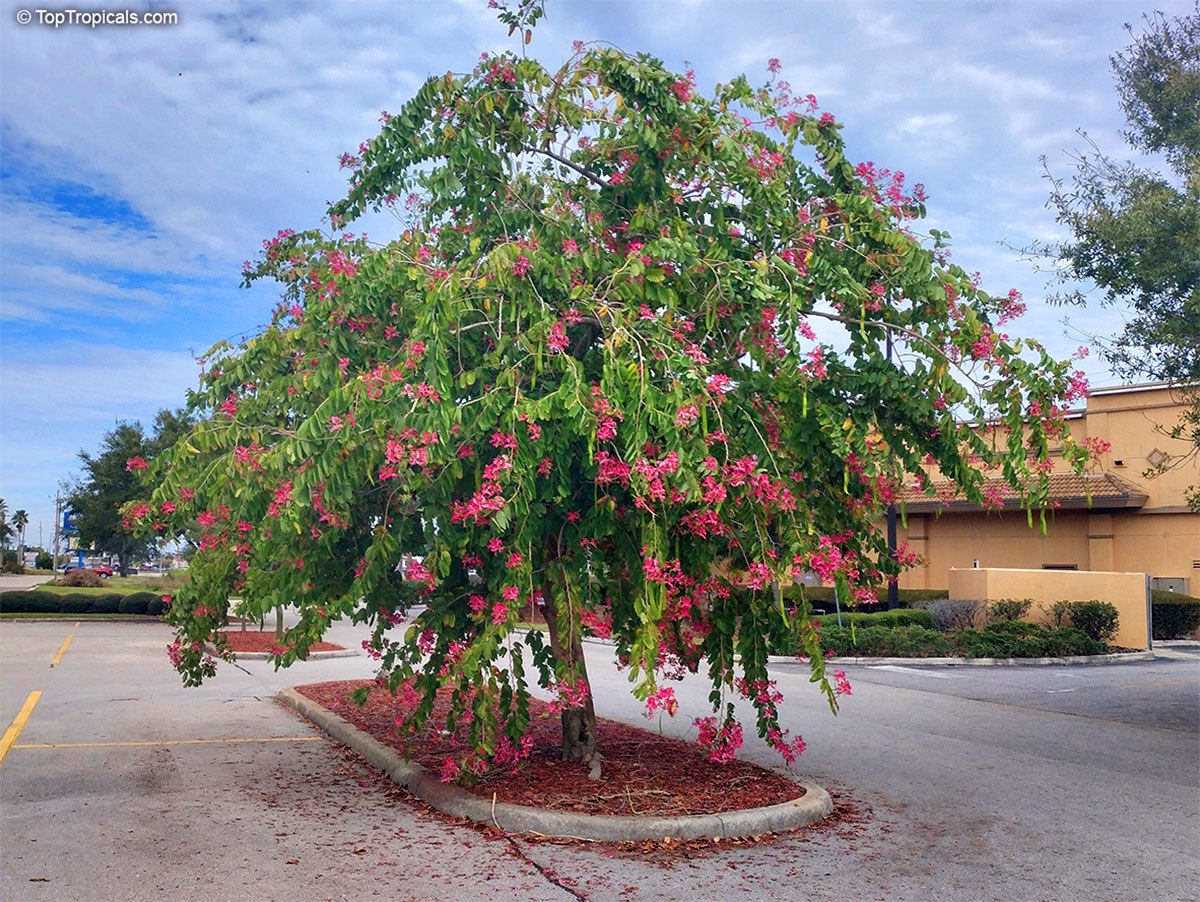
Bauhinia Orchid Tree

Bauhinia Orchid Tree

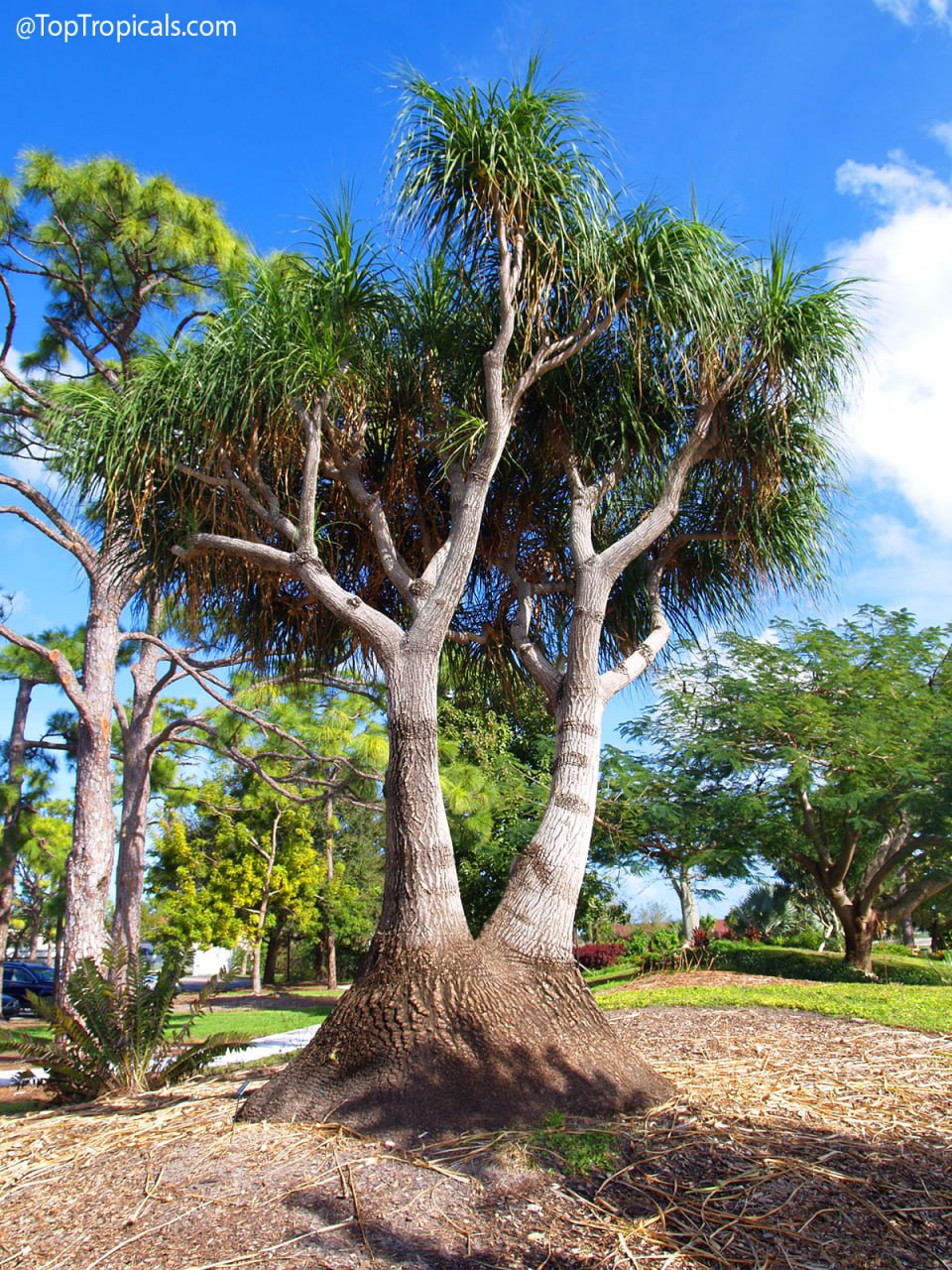
Beaucarnea recurvata - Pony Tail

Beaucarnea recurvata - Pony Tail

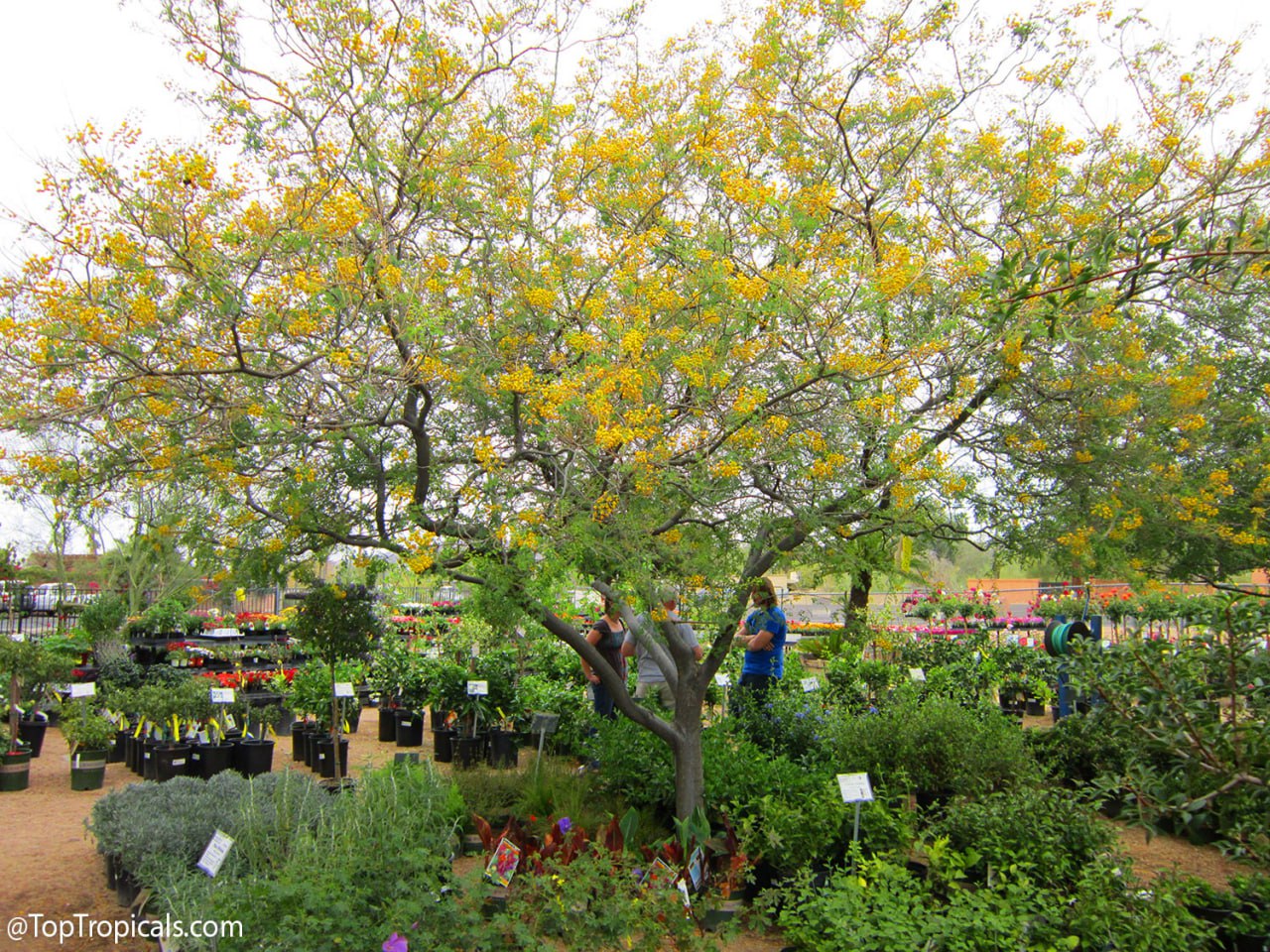
Caesalpinia mexicana, Mexican Bird of Paradise

Caesalpinia mexicana, Mexican Bird of Paradise

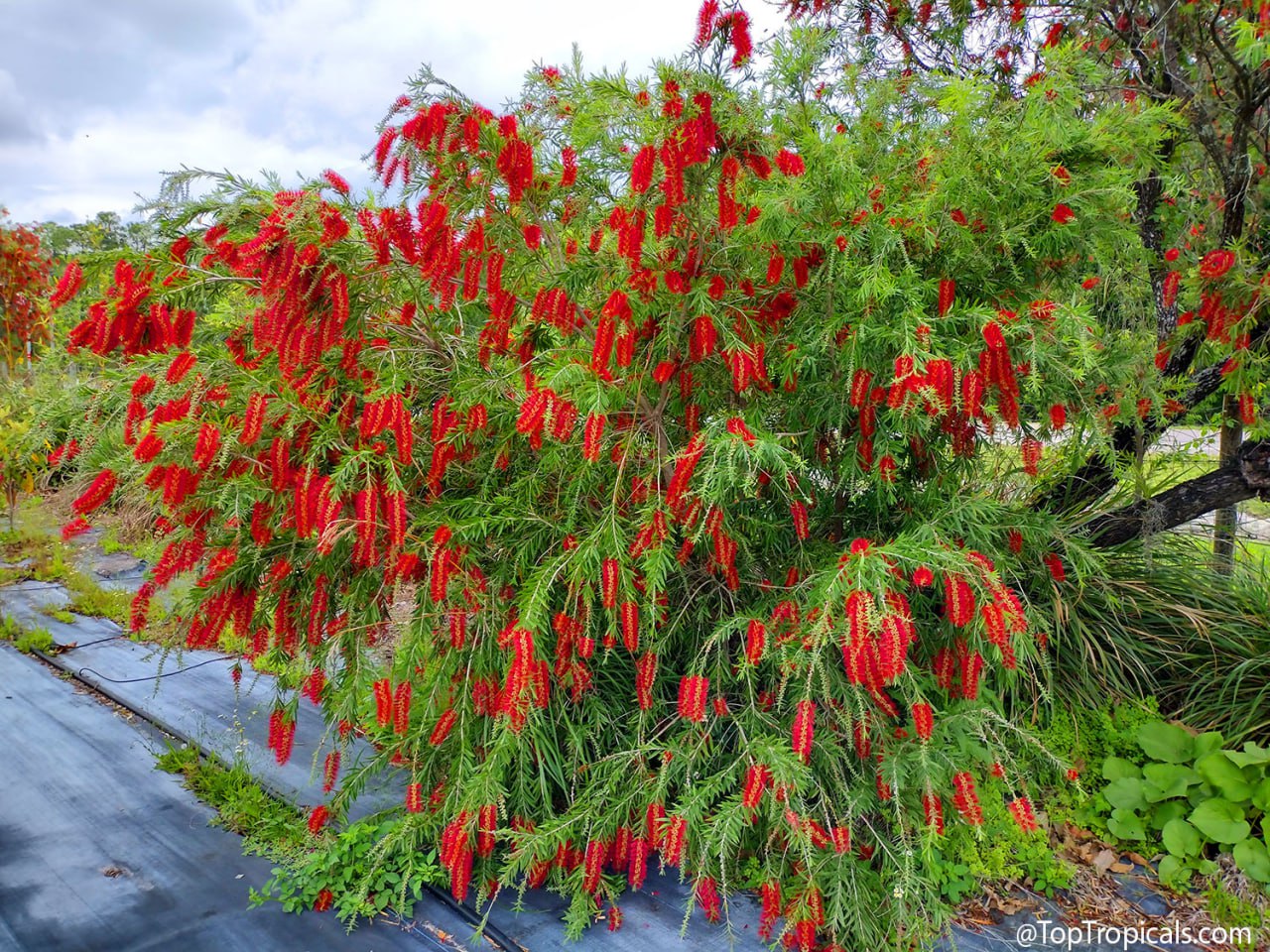
Callistemon - Bottlebrush

Callistemon - Bottlebrush

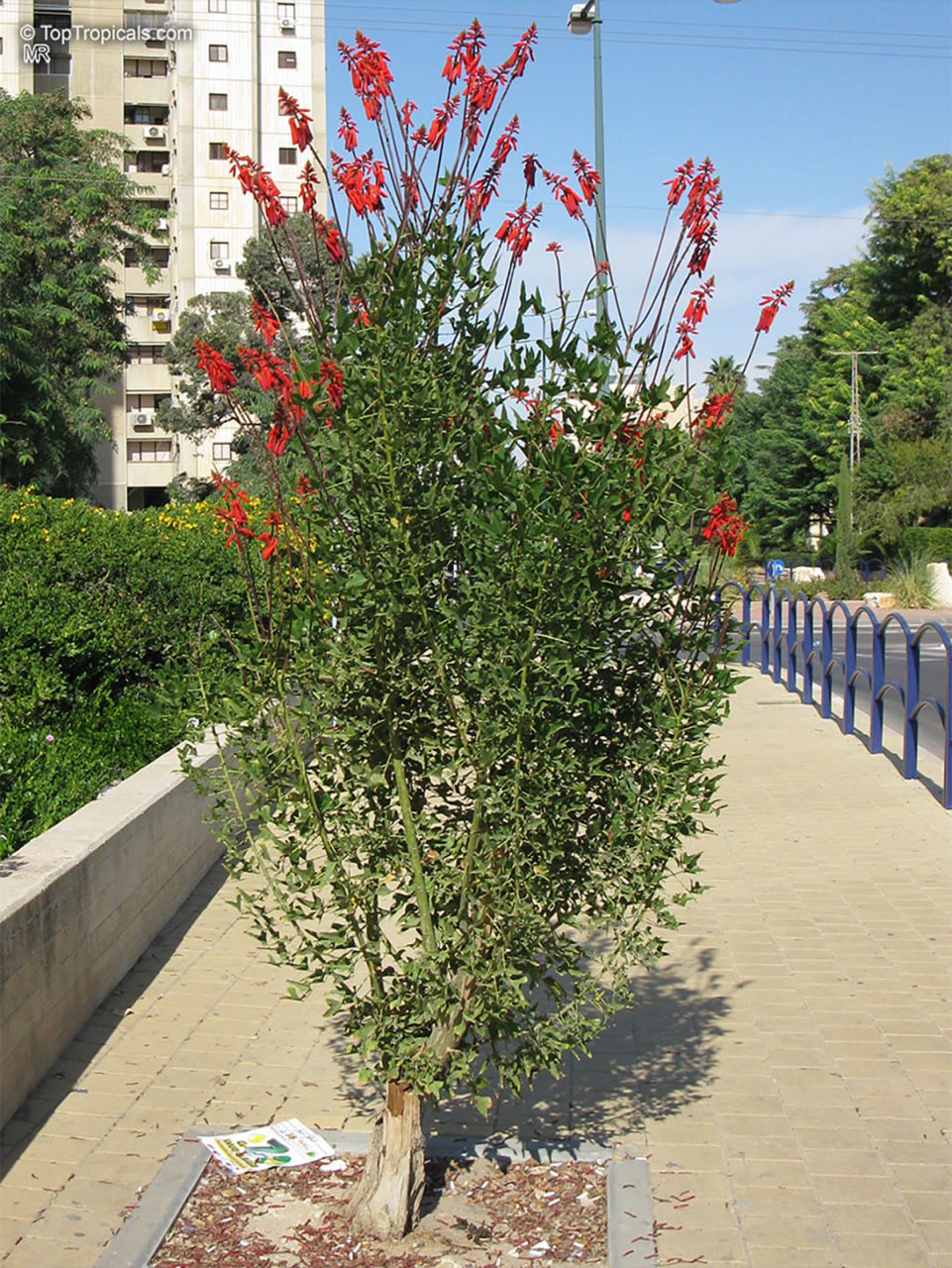
Erythrina

Erythrina

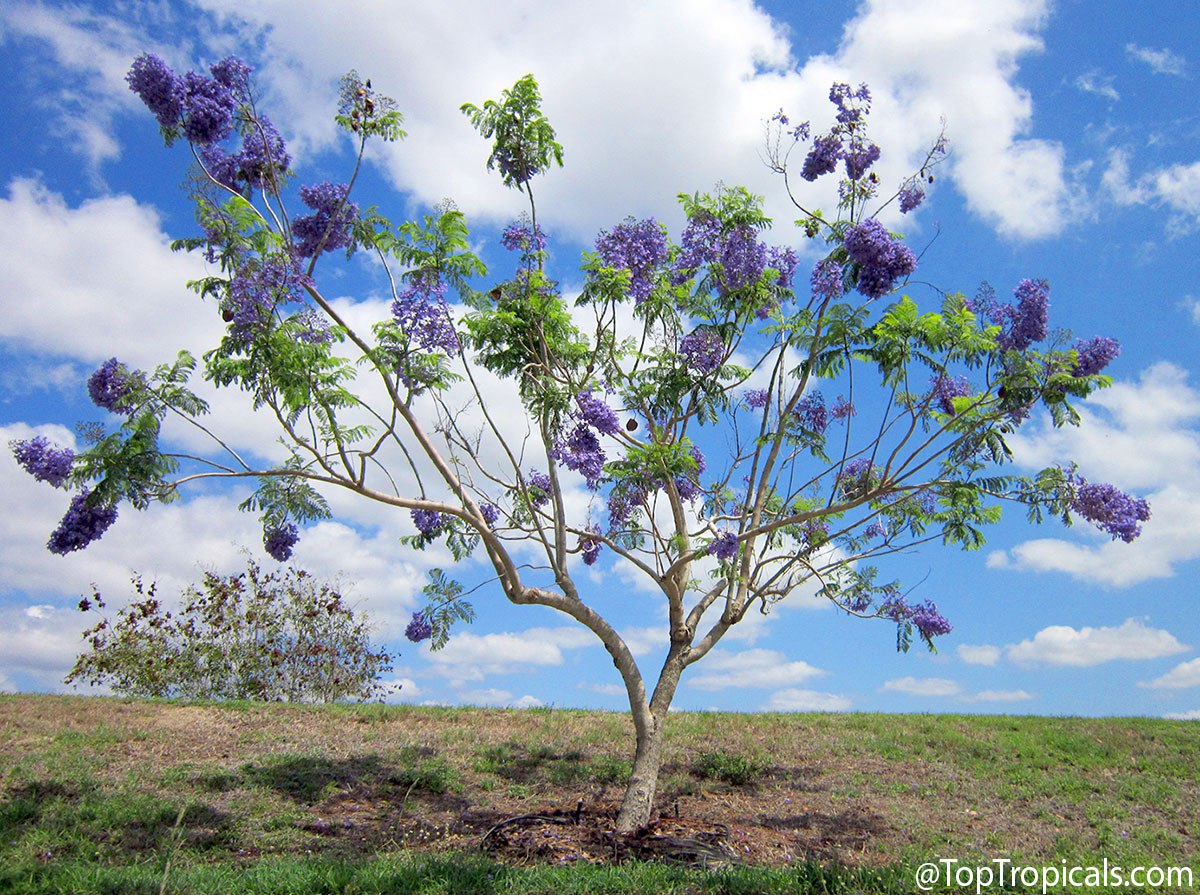
Jacaranda tree

Jacaranda tree

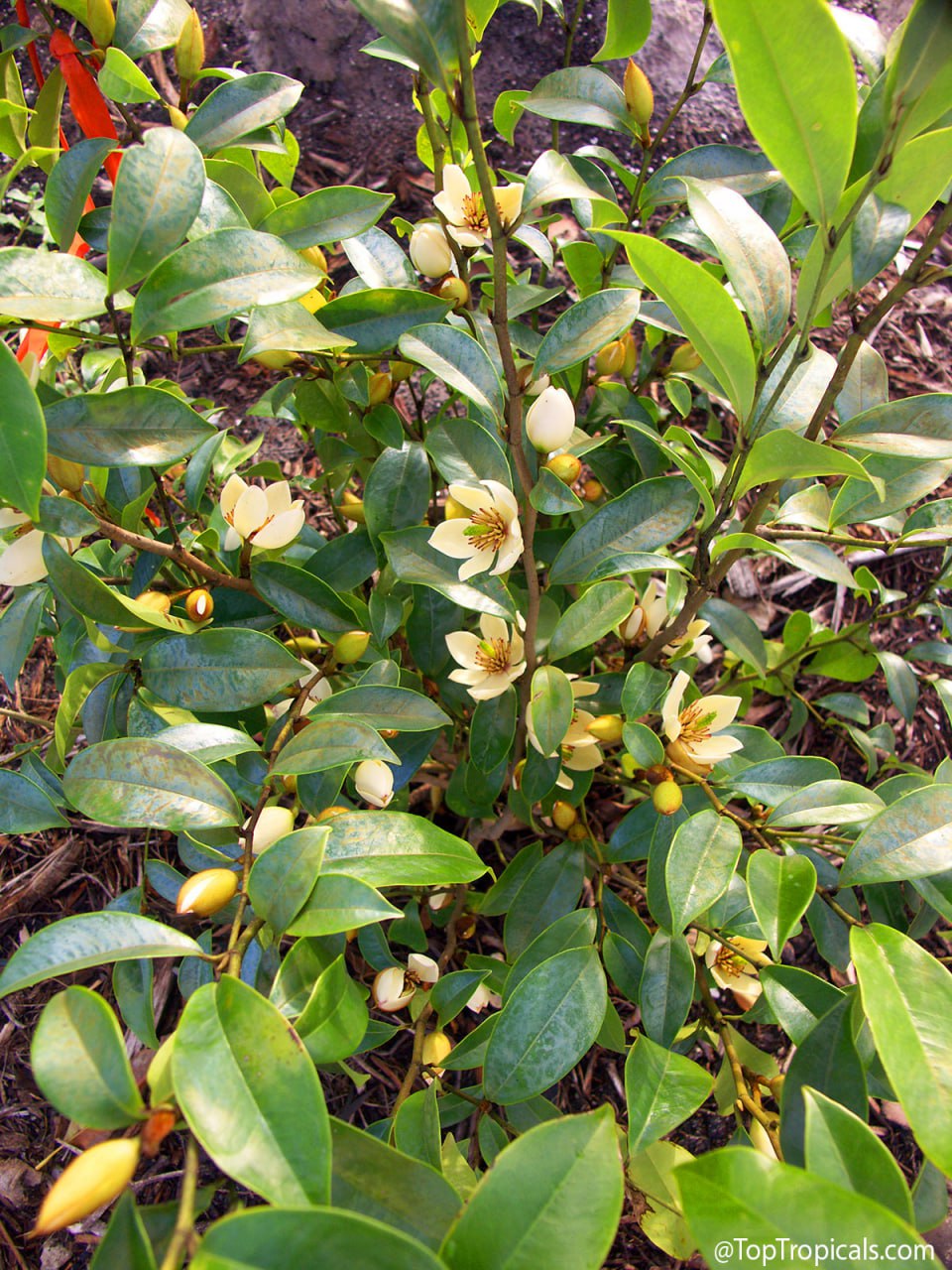
Magnolia figo

Magnolia figo

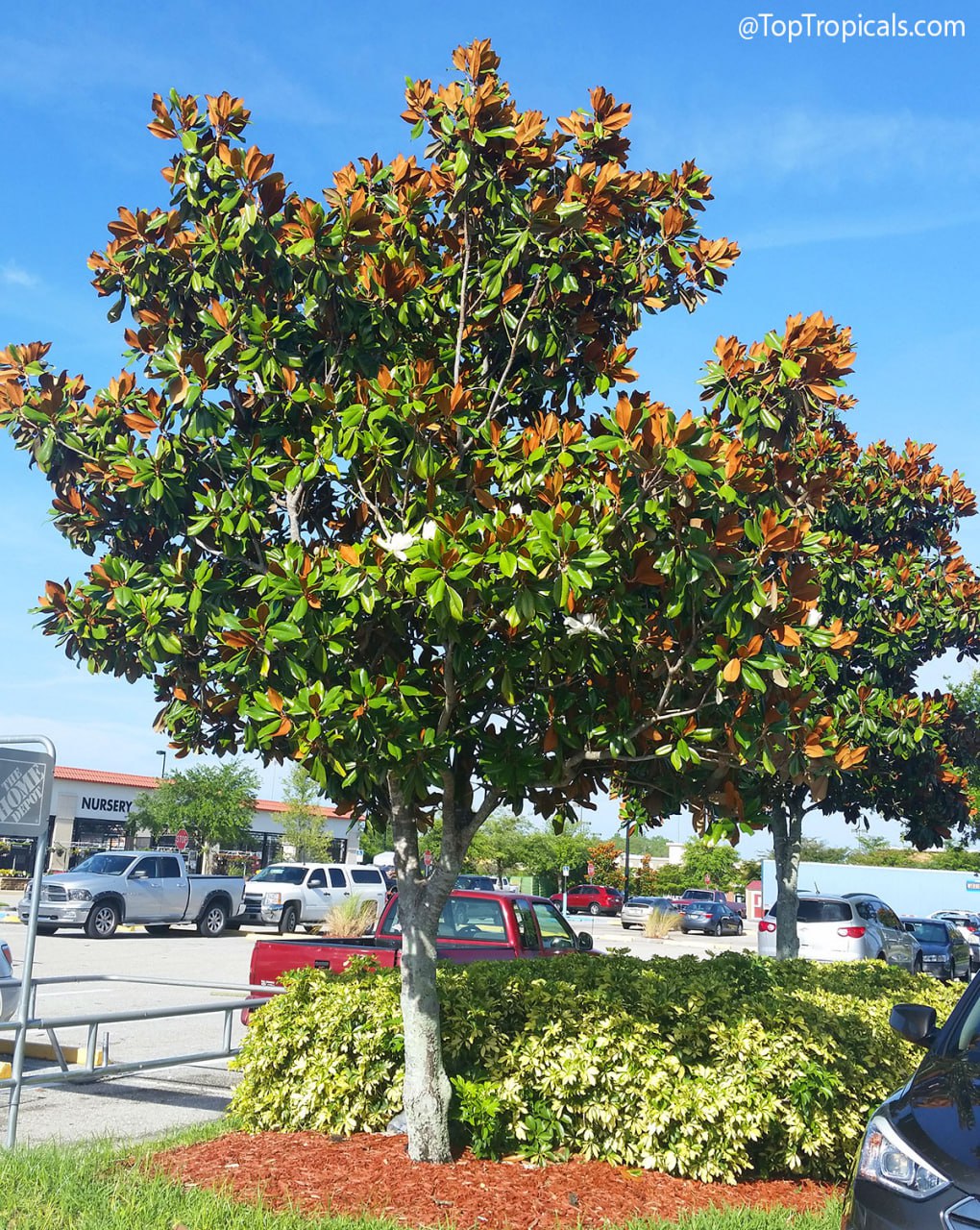
Magnolia Little Gem

Magnolia Little Gem

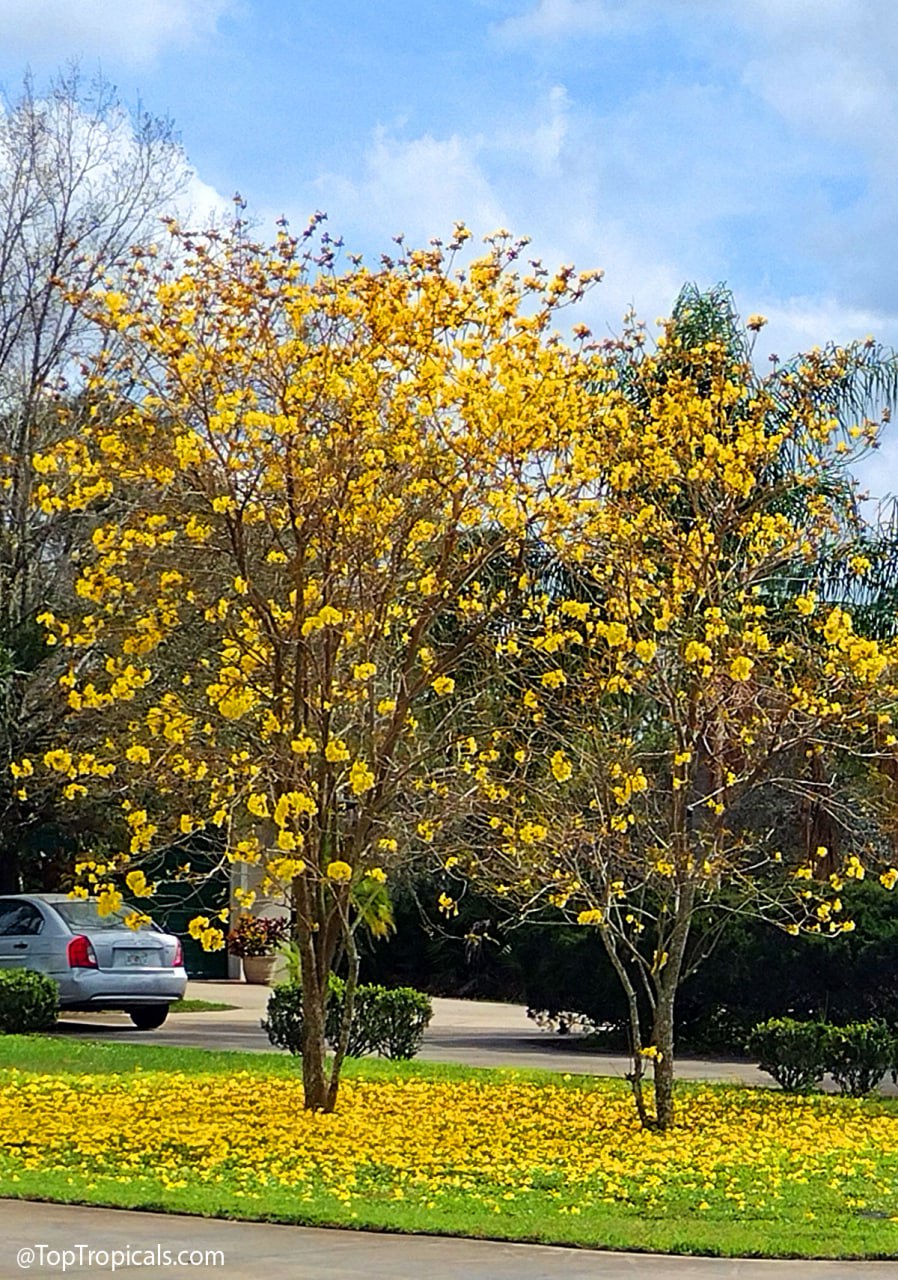
Tabebuia chrysotricha

Tabebuia chrysotricha

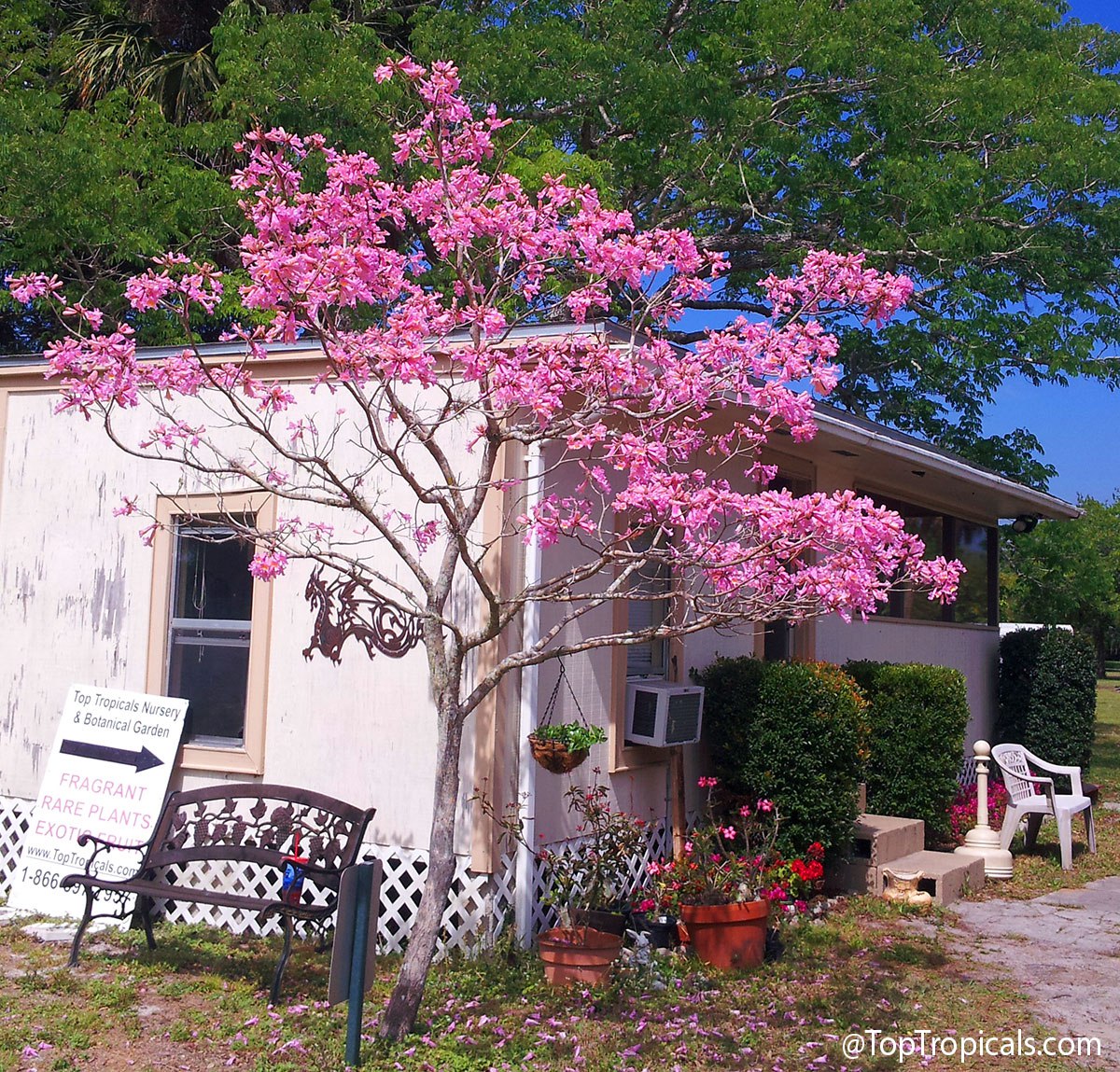
Tabebuia impetiginosa

Tabebuia impetiginosa

🏆 Top Ten Flowering Tree Winners of Florida 2026 Record Freeze


These flowering trees had no damage after 3 nights of hard freeze (25F) with NO PROTECTION:

✔️ Bauhinia Orchid Trees - several species
✔️ Beaucarnea recurvata - Pony Tail

Ponytail Palm Plant Facts

Botanical name: Beaucarnea recurvata, Nolina recurvata
Also known as: Ponytail Palm, Pony Tail, Bottle Palm, Nolina, Elephant-foot Tree
USDA Zone: 10 - 11
Highligths Plant with caudexPlant used for bonsaiSmall tree 10-20 ftFull sunWater Requirement: Low. Allow soil to dry out between wateringsPalm or palm-like plant
Get personalized tips for your region

✔️ Caesalpinia mexicana, Mexican Bird of Paradise

Mexican Bird of Paradise Plant Facts

Botanical name: Caesalpinia mexicana
Also known as: Mexican Bird of Paradise, Dwarf Poinciana
USDA Zone: 9 - 11
Highligths Small tree 10-20 ftSemi-shadeFull sunWatering: Moderate. Water when top soil feels dryYellow, orange flowersIrritating plantFragrant plantSubtropical plant. Mature plant cold hardy at least to 30s F for a short timeSeaside, salt tolerant plant
Get personalized tips for your region

✔️ Callistemon - Bottlebrush
✔️ Erythrina - several species
✔️ Jacaranda tree
✔️ Magnolia figo

Banana Magnolia Plant Facts

Botanical name: Magnolia figo, Michelia figo, Magnolia fuscata
Also known as: Banana Magnolia, Banana Shrub, Port Wine Magnolia
USDA Zone: 7 - 10
Highligths Large shrub 5-10 ft tallSmall tree 10-20 ftSemi-shadeShadeWatering: Regular. Let topsoil dry slightlyWhite, off-white flowersFragrant plantSubtropical plant. Mature plant cold hardy at least to 30s F for a short time
Get personalized tips for your region

✔️ Magnolia Little Gem
✔️ Tabebuia chrysotricha

Dwarf Golden Tabebuia Plant Facts

Botanical name: Handroanthus chrysotrichus, Tabebuia chrysotricha, Tabebuia chrysantha
Also known as: Dwarf Golden Tabebuia
USDA Zone: 9 - 11
Highligths Small tree 10-20 ftFull sunWatering: Moderate. Water when top soil feels dryYellow, orange flowersDeciduous plantSubtropical plant. Mature plant cold hardy at least to 30s F for a short time
Get personalized tips for your region

✔️ Tabebuia impetiginosa

Pink Tabebuia Plant Facts

Botanical name: Tabebuia impetiginosa, Handroanthus heptaphyllus, Handroanthus impetiginosus, Tabebuia avellanedae
Also known as: Pink Tabebuia, Ant Wood, Pau DArco, Ipe Roxo, Lapacho, Taheebo
USDA Zone: 9 - 11
Highligths Small tree 10-20 ftFull sunWatering: Moderate. Water when top soil feels dryWatering: Regular. Let topsoil dry slightlyPink flowersPlant attracts butterflies, hummingbirdsDeciduous plantEthnomedical plant.
Plants marked as ethnomedical and/or described as medicinal, are not offered as medicine but rather as ornamentals or plant collectibles.
Ethnomedical statements / products have not been evaluated by the FDA and are not intended to diagnose, treat, cure, or prevent any disease. We urge all customers to consult a physician before using any supplements, herbals or medicines advertised here or elsewhere.Subtropical plant. Mature plant cold hardy at least to 30s F for a short time
Get personalized tips for your region

🛒 Explore cold tolerant tropical plants

🎥 What tropical plants survived Florida's historic freeze without protection
🎥 These Avocados survived 3 nights of 25F hard freeze, Florida Record Freeze

📚 Learn more:


· Top Ten Fruit Tree Winners of Florida 2026 Record Freeze
· To trim or not to trim? When and how to trim damaged plants after winter
· Cold-hardy avocado varieties - what freezing they really survive

Avocado Plant Facts

Botanical name: Persea americana, Persea gratissima
Also known as: Avocado, Alligator Pear, Aguacate, Abacate
USDA Zone: 9 - 11
Highligths Large tree taller than 20 ftSmall tree 10-20 ftFull sunWatering: Regular. Let topsoil dry slightlyEdible plantSubtropical plant. Mature plant cold hardy at least to 30s F for a short time
Get personalized tips for your region

· Cold-hardy avocado survival groups - what the numbers really mean

#Discover #How_to #Trees

🟢 Join 👉 TopTropicals

Date: 16 May 2026

The anti-cucumber legend-2

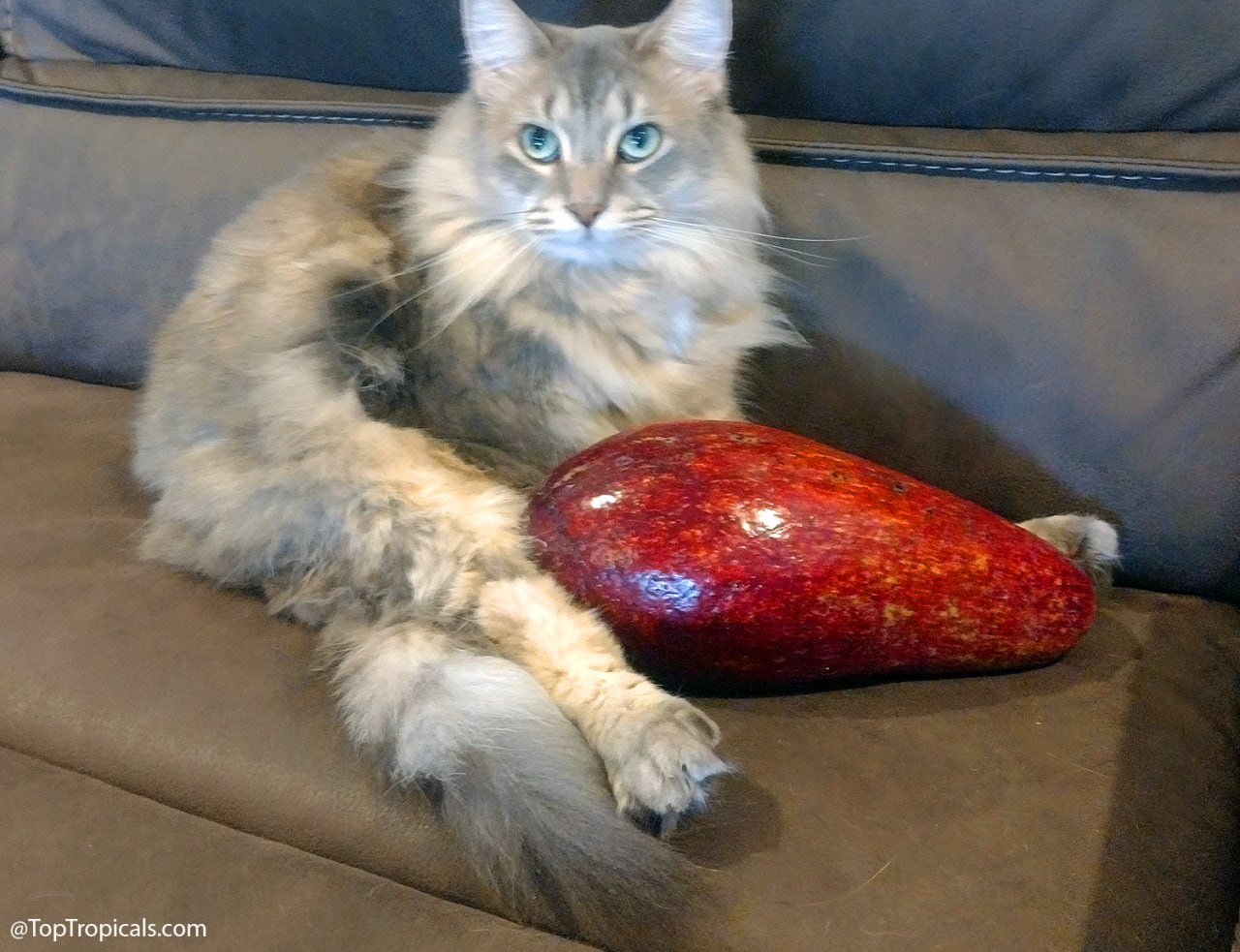
Cat Scooby and Avocado Red Russel

Cat Scooby and Avocado Red Russel

🍆The anti-cucumber legend-2

🐈📸 Cat Scooby followed Philemon's advice about Avocado Russel cucumber-stress-test at TopTropicals PeopleCats.Garden.

🛒 Explore Avocado varieties

#PeopleCats #Food_Forest

🟢 Join 👉 TopTropicals

Date: 24 Jun 2018

TopTropicals

URBAN TROPICAL GARDENING:
10 secrets of successful Container Mango growing on a balcony.

Q: I live in Miami in apartment on a second floor, and I have a balcony with SE exposure. I wonder if I can grow a mango tree in a pot? Will it fruit for me? I recently moved to South Florida and I don't know much about tropical plants; but I tasted real fiberless mangos from someone's garden - it was so delicious and different from those in the grocery store. I wonder if I can have a fruiting tree on my balcony? And if yes, how do I plant and take care of it?

A: Yes, you can! Here is what you need to do:
1) Temperature. You are lucky to live in Tropics, keep it on a balcony year round.
2) Light. Position the pot in a spot with the most sun exposure. Mango trees can take filtered light too, but the less sun, the less fruit you will get.
3) Soil and Container. Use only well drained potting mix. Step up the purchased plant into next size container (3 gal into 7 gal, 7 gal into 15 gal). When transplanting, make sure to keep growth point (where roots meet the trunk) just at the top of the soil. Covering base of the trunk with soil may kill the plant.
4) Water. Water daily during hot season, but only if top of soil gets dry. If it still moist, skip that day. Mangoes (unlike Avocados!) prefer to stay on a dry side.
5) Fertilizer. Use balanced fertilizer once a month, 1 tsp per 1 gal of soil. Do not fertilize during fruiting - this may cause fruit cracks.
6) Microelements. Apply SUNSHINE-Superfood once a month. This will help your mango healthy, vigorous, and resistant to diseases. Use SUNSHINE-Honey to make your fruit sweeter.
7) Insect control. Watch for scales and mealybugs, clean with solution of soapy water + vegetable oil (may need to repeat 2-3 times with 10 days interval), or with systemic insecticide like imidacloprid only as needed (if non-harsh treatment didn't help). Most Flea shampoo for dogs contain that chemical, you may try that shampoo solution.
8) Trimming. Once potted, do not remove leaves that are discolored or have spots until new growth appears. Dark dots on mango leaves, especially in humid climate like Florida, may be signs of fungus. Treat with fungicide according to label, and remove only badly damaged leaves. Trim crown as needed after flowering and fruiting (by Fall). Train into a small tree, and you may remove some lower branches eventually.
9) Flower and fruit. Mangoes are winter bloomers with bunches of tiny flowers coming in thousands. Many of them set fruit (if pollinating insects present). Keep in mind that young trees can only bare a few fruit. Normally a tree will drop excessive fruit and keep only a few that it can manage. To save the young tree some energy, remove fruit if too many and leave only 2-3 for the first year. It will pay you next year with more abundant crop.
10) Variety. Last but not least: Choose the right variety for container culture! Pick from "condo" dwarf varieties such as Icecream, Nam Doc Mai, Carrie, Cogshall, Julie, Fairchild, Pickering, Graham, Mallika, and a few others - check out Mango Chart pdf and full list of our Mango varieties.

Date: 24 Jun 2018

TopTropicals
Avocado, Lychee and Mango setting fruit... give them some FOOD!

Q: Do I need to fertilize tropical fruit when they set fruit?

A: It is traditionally believed that mango and other tropical fruit shouldn't be fertilized during fruiting period. It is true to an extent: you don't want fruit to burst from fast excessive growing. Instead, try to feed fruit trees wisely, because they still need proper nutrition to produce flowers and fruit.
Our spring specials of Lychee, Avocado and Mango are full of buds and some already set tiny fruit (see examples on the photo). Here is the feeding plan for these plants once you receive your mail order:
1) Once received the plant, pot it into container size of the root ball and let establish for couple weeks. Use SUNSHINE-E to help the plant recover from shipping stress and establish root system.
2) Apply SUNSHINE-Honey right before flowering, and next time at setting fruit, to provide sweeter and bigger fruit, eliminate fruit cracks and help resist fungus and other fruit diseases.
3) Use balanced granulated fertilizer, 1 tsp per each gallon of soil. Apply once a month during Spring-Summer season. This gives the plant balanced macro-elements (NPK) necessary for overall plant health. Do not use on fruit trees fertilizers with high Nitrogen content.
4) Apply SUNSHINE SuperFood micro-element booster to keep fruit trees vigorous, develop strong root system and avoid deficiencies.
5) In case of signs of chlorosis (yellowing leaves with darker veins), give the tree SUNSHINE-GreenLeaf and watch the leaves turning green quickly.
After harvesting, don't forget to make another treatment of SUNSHINE-Honey as a preparation for the next year flowering and fruiting season.