Garden Blog - Top Tropicals

Date: 27 Jul 2023

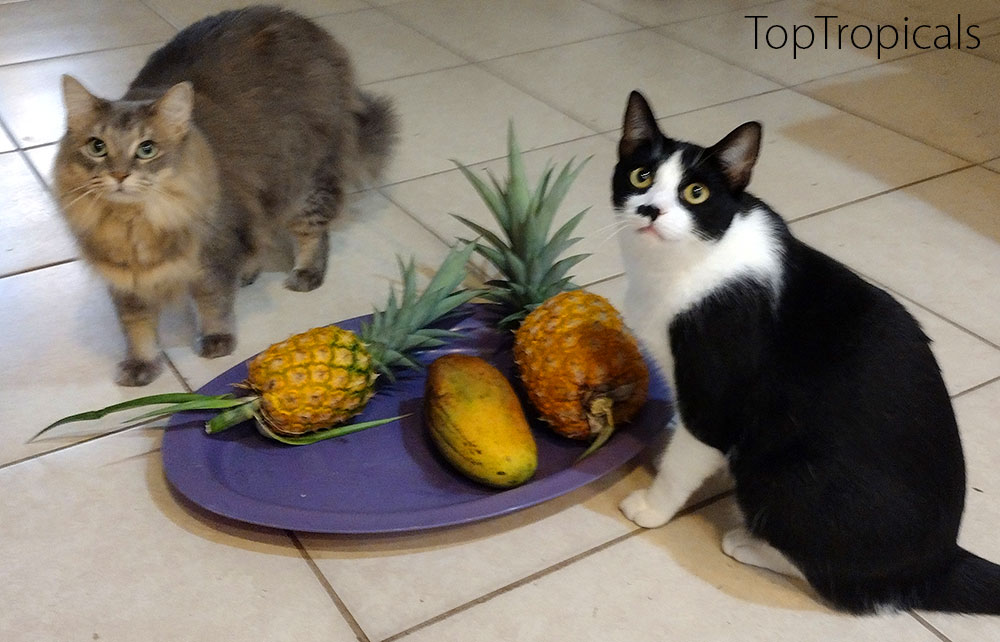
How cats eat pineapples

TikTok Reels from TopTropicals

Pineapple,  Mango  and  Cats  from  Top  Tropicals 
 TikTok

Our PeopleCats love roaming in the gardens. They often guide customers in our Garden Center, and their favorite isle is fruit trees! At this time of the year, Pineapples are ripening, and these fruit are always fun for both people and PeopleCats.

In this short video, Philemon and Scooby are discovering new tastes of Pineapple varieties.

More to see: Watch Philemon eating Avocado!

Discover more exotic plants and fun garden happenings from our TikTok updates!

Subscribe to Top Tropicals TikTok:

Date: 13 Jul 2023

Fertilizing during rainy season

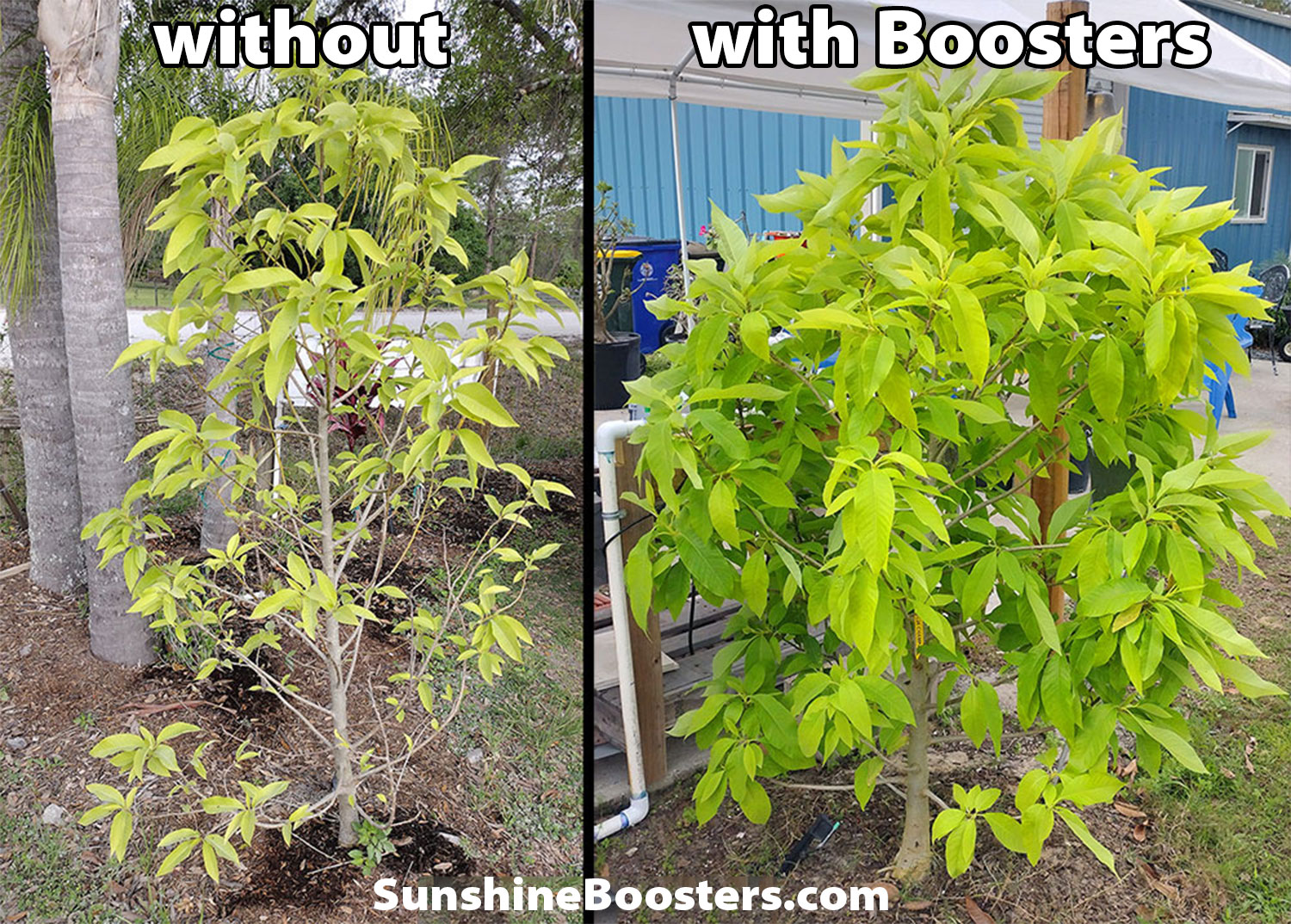
Champaka  trees  without  and  with  Sunshine  Boosters

Q: I have installed your Robuster unit to fertilize my fruit trees, but here in Florida, it is the rainy season and most of the time I do not need to irrigate during the summer. What do you recommend to keep up with fertilizing program?

A: This is what we recommend for fertilizing during rainy season:

For in the ground plants

If there are frequent rains, it's not necessary to use any fertilizers except for slowly soluble ones. During rainy periods, use a slow release fertilizer. Simply scatter 3 oz per 100 square ft. You can adjust the amount based on your specific area and number of plants.

Additionally, for foliar treatments, use Sunshine SuperFood microelement supplement and Sunshine Epi biostimulator.
When you water next time, regardless of whether it rained or not, resume using liquid Sunshine Boosters.

Sunshine  Superfood  and  Epi

For potted plants

When you water your potted plants, use liquid Sunshine Boosters. Every 1 or 2 weeks (we recommend weekly), apply Sunshine Garden Series (the same type you are using when watering) for foliar treatment. Use the same dosage as you would for watering. By following these recommendations, you can ensure that your plants receive the appropriate nutrients during the rainy season.

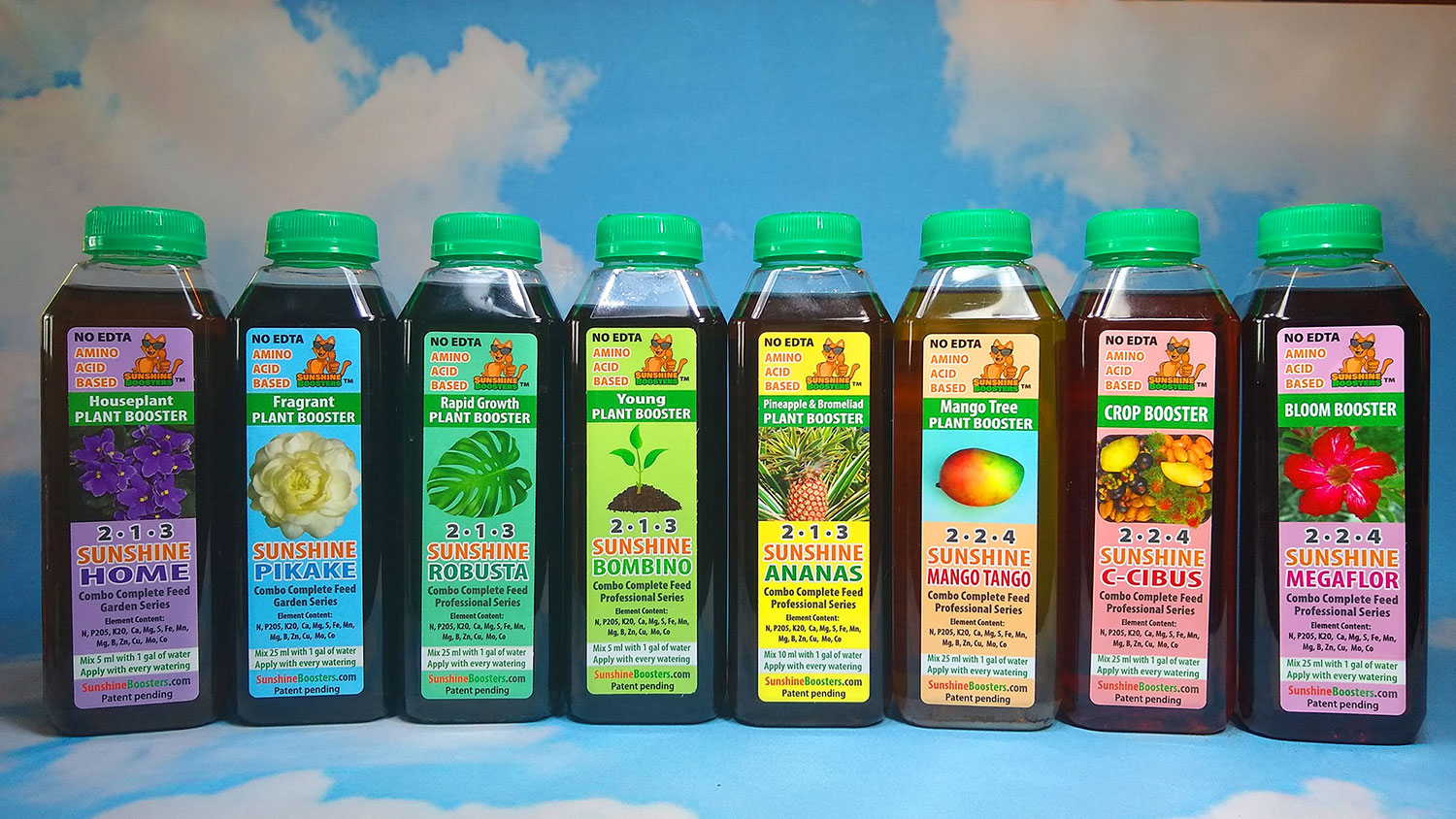
Sunshine  Boosters  Garden  Series

the  Robuster

Date: 12 Jun 2023

What is Akee?

Grow Your Own Food

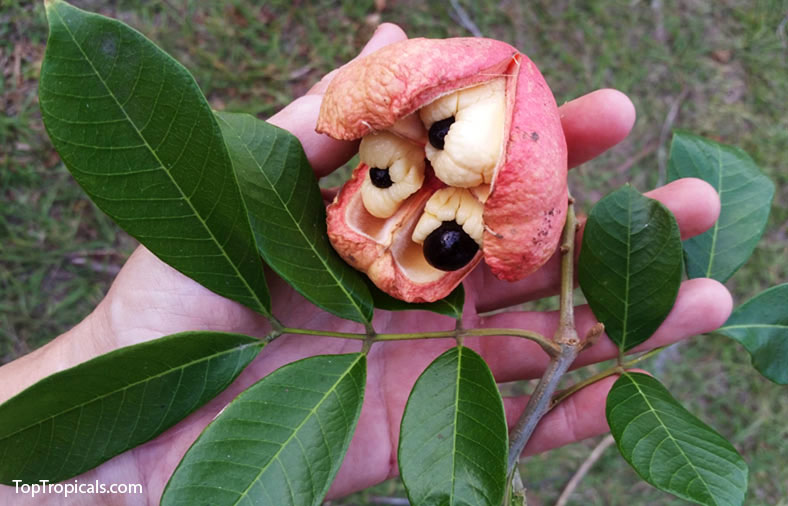
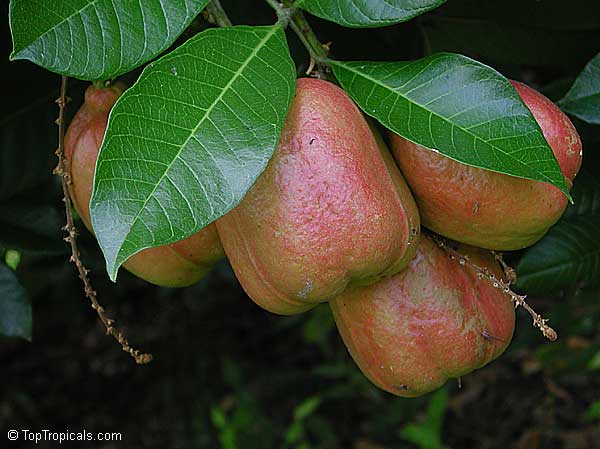
Akee  fruit  on  the  branch

Q: What is Akee and how do you eat it? Is it a fruit or a vegetable?

A: Blighia sapida, commonly known as Akee, holds a special place as the Jamaican National Fruit. The fruit of this medium size, fast growing subtropical tree is used as a vegetable, is renowned for its delicious taste, vibrant red pods, and creamy texture. Akee is primarily grown in Jamaica and is an integral part of Jamaican cuisine. Its unique ripening process and the need for careful preparation make it distinctive.

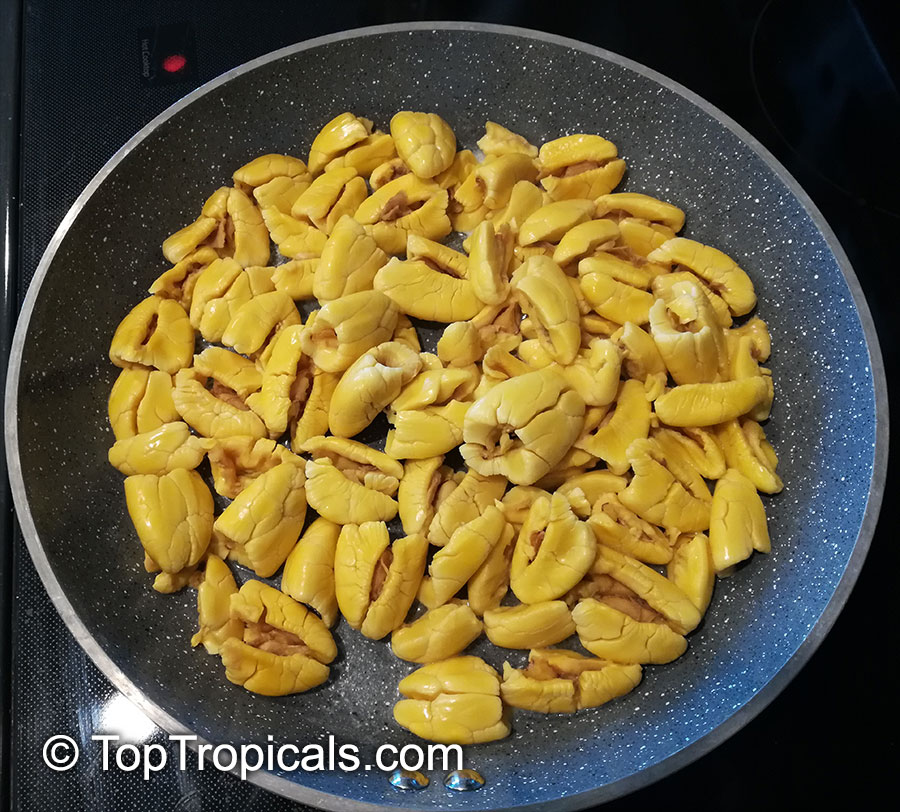
The fruit starts off green and gradually transforms into a vibrant red hue when it matures. To enjoy Akee, the pods must be harvested when fully ripe, and the skin should be orange to red. They are then carefully opened, revealing three distinct sections: the creamy white or yellow flesh, the central seed, and a thin, dark membrane. The seed and the membrane are not edible, only the ripe yellow flesh is consumed, which has a soft, buttery consistency and a mild, nutty flavor.

Akee is often cooked and served in various traditional Jamaican dishes. It is famously paired with salted codfish, creating the popular national dish known as "Ackee and Saltfish." This dish is a flavorful combination of sauteed Akee with flaked salted codfish, onions, peppers, tomatoes, and spices. Akee is also used in stews, curries, and salads, adding a rich and distinct taste to the culinary preparations.

Beyond its culinary significance, Akee holds cultural and historical importance in Jamaica. It is believed to have been brought to the Caribbean region from West Africa during the transatlantic slave trade era. Today, Akee symbolizes national pride and is a source of cultural identity for Jamaicans.

Akee tree is fast growing and easy to grow. It will start producing within 2-3 years after planting.

Akee  fruit  on  a  plate

Akee  fruit  on  a  tree

Date: 31 Mar 2023

Elderberry Kir Royale

Grow your own... drink and medicine
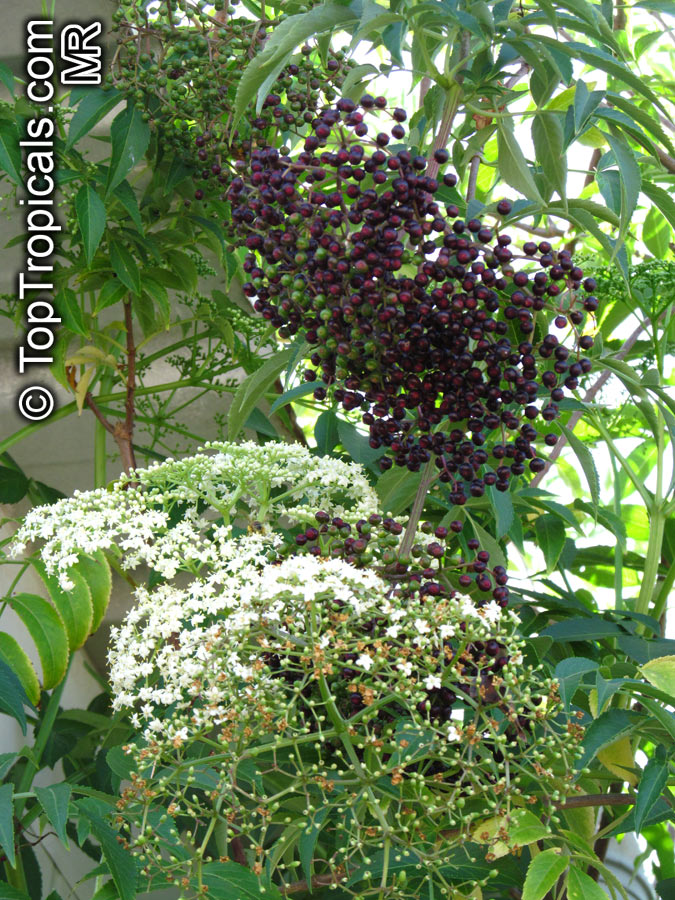
Sambucus  canadensis  (nigra)  -  Elderberry,  American  Elder

In the summertime, Elderberry bushes transform into small, bushy trees adorned with sizable umbels of white flowers. As late summer approaches, the tree produces an abundance of dark purple berry clusters. Elderberry is known for its ability to withstand cold weather and can thrive in a variety of soils in either full or partial sun. While it typically grows to a height of 10 feet, its spreading can be managed through pruning.

This dense shrub is beloved by nesting birds, who are not the only creatures that appreciate its fruit. People also prize Elderberry for its delicious uses in winemaking, cocktails, and jellies. Elderberry syrup or cordial can be used to create flavorful fruity drinks and cocktails, like the Elderberry Kir Royale. Alternatively, the berries can be left to infuse their flavor into spirits, with Elderberry gin being a particularly delightful option.
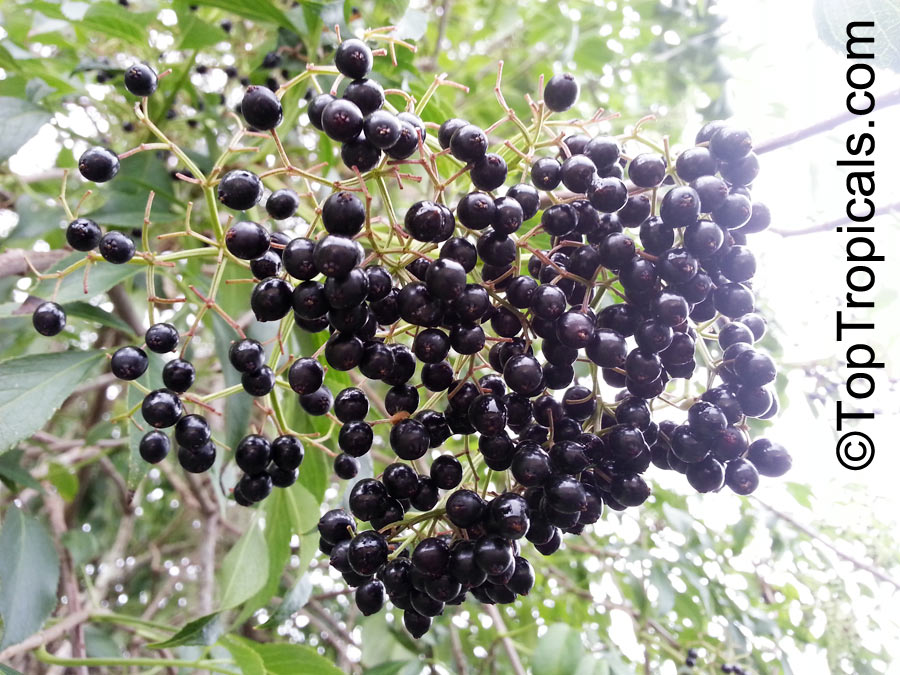
Sambucus  canadensis  Elderberry,  American  Elder  berries

Elderberry Cordial

When it comes to combating various strains of the flu virus, Elderberry Cordial ranks among the top natural remedies. Whether sipped in small servings or drizzled over a delectable dessert, Elderberry Cordial is a guilt-free way to fortify your immune system against colds and flus.

2 cups of fresh elderberries
16 oz water
1 1/2 cups sugar
1/2 lemon (rind + juice)
2 tablespoons minced fresh ginger
1 stick cinnamon, crushed
1 ¼ cups dried elderberries
1/4 cup dried rosehips
About 3 cups brandy
Honey, to taste

Add all ingredients in a jar and cover with a lid. Set aside in a cool, dark place for 3-4 weeks. When ready to decant, strain and squeeze through cheesecloth. For every 1 cup of liquid retained, add 1/2 cup honey. Mix thoroughly. Pour the cordial into a decorative bottle for storage, or gift giving.

Elderberry Kir Royale Cocktail

5 oz white wine, sparkling wine or champagne
2 oz Elderberry cordial
Rocks
Mint leaves (optional)
Pour the Champagne in a flute glass. Add the Elderberry Cordial slowly.
Party time!


Elderberry  Kir  Royale  Cocktail

Date: 22 Feb 2023

Benefits of growing your own tropical fruit

"The fruit of the mango tree is no longer forbidden. Indeed, it has been recommended to me by the physicians as an antidote to the plague."
- Louis IX, King of France -

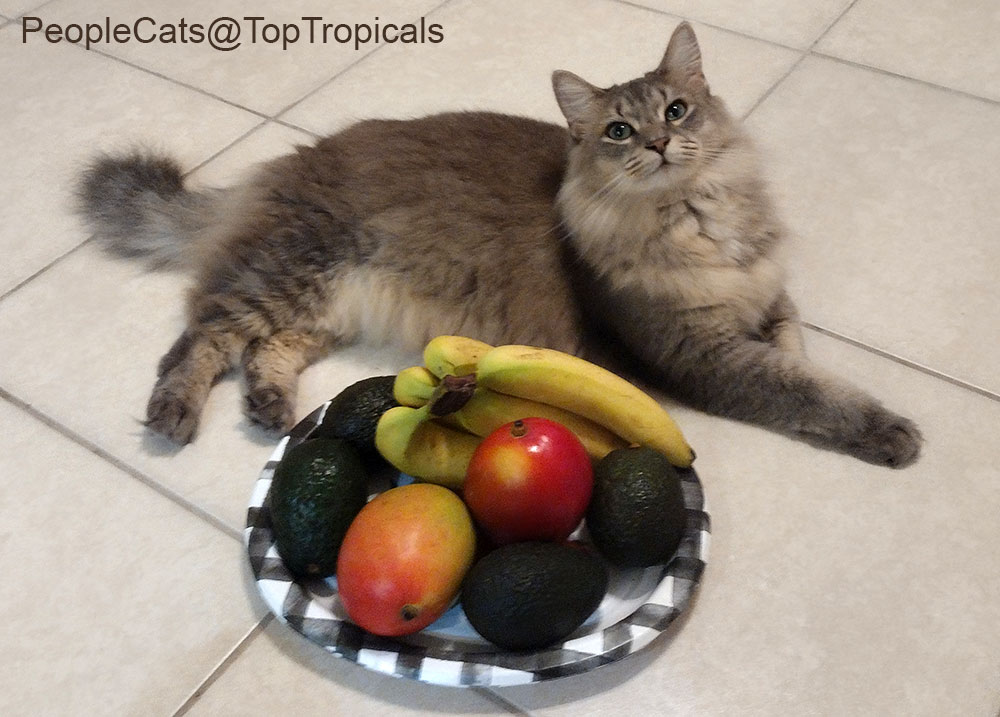
Fluffy  cat  with  a  tray  of  tropical  fruit

Q: Why do you want to grow your own tropical fruit tree?

A: Growing your own tropical fruit tree can have many benefits. Here are a few reasons why someone might choose to grow their own tropical fruit tree:

1. Fresh, flavorful fruit: When you grow your own tropical fruit tree, you have access to fresh, flavorful fruit that you may not be able to find at your local grocery store. Tropical fruit, like avocado, mangoes, papayas, and passionfruit, jackfruit, Dragon Fruit, Annona have a short shelf life, and the fruit you find at the store may have been harvested weeks ago. When you grow your own fruit tree, you can pick the fruit when it's fully ripe and enjoy it at its peak flavor. Besides, some rare fruit like Akee or Sapodilla simply never offered from the store.

2. Environmental benefits: Growing your own fruit trees can have environmental benefits. Trees absorb carbon dioxide from the air and release oxygen, which can help reduce your carbon footprint. Additionally, growing your own fruit trees reduces the need to transport fruit long distances, which can help reduce greenhouse gas emissions.

3. Cost savings: Depending on where you live and the availability of tropical fruit, growing your own fruit tree can be a cost-effective way to enjoy your favorite tropical fruits.

4. Gardening and outdoor hobby: Growing a fruit tree can be a fulfilling and rewarding outdoor hobby. It can also be a great way to teach children about where their food comes from and the importance of taking care of the environment.

Overall, growing your own tropical fruit tree can be a great way to enjoy fresh, flavorful fruit, reduce your carbon footprint, save money, and enjoy a fulfilling outdoor hobby.

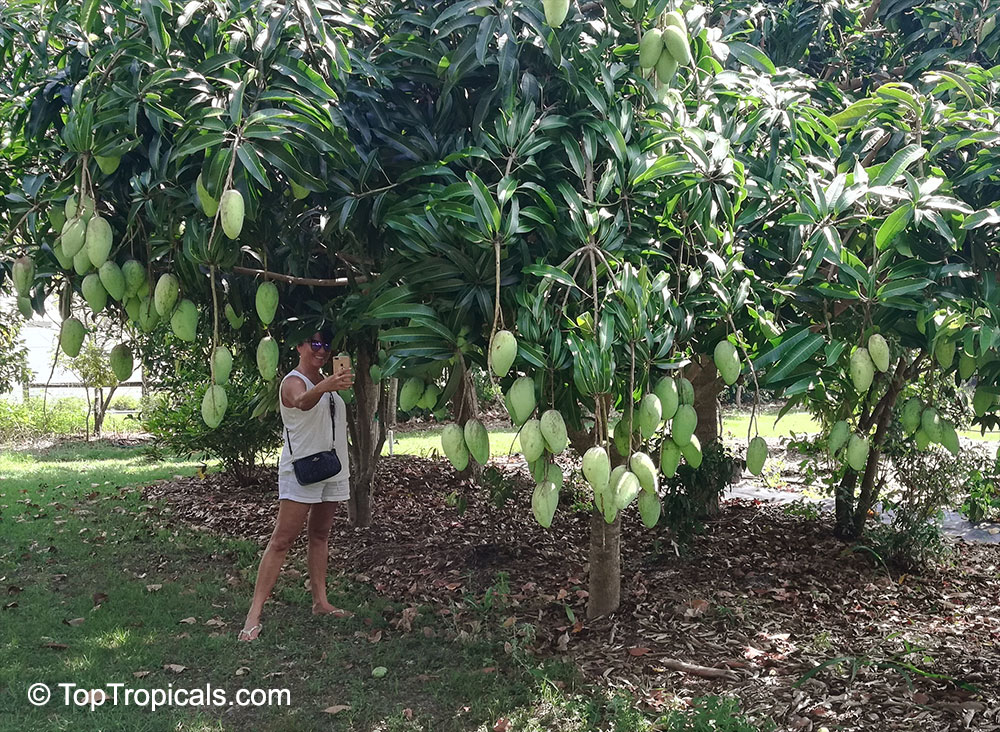
Taking  a  picture  of  a  mango  tree  loaded  with  fruit

In the photo: Mango tree in Top Tropicals garden.